
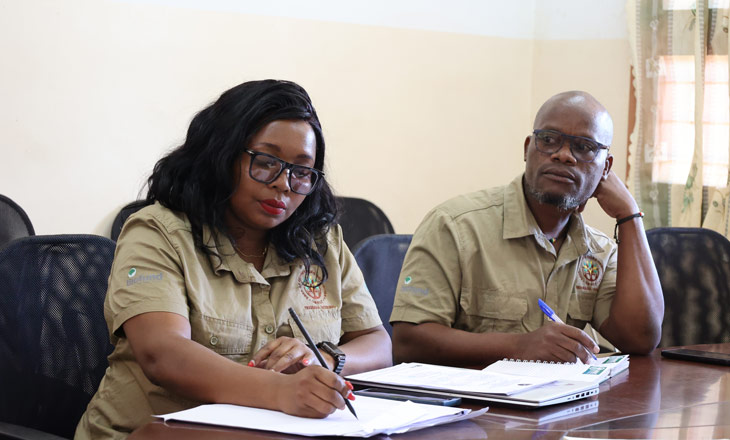
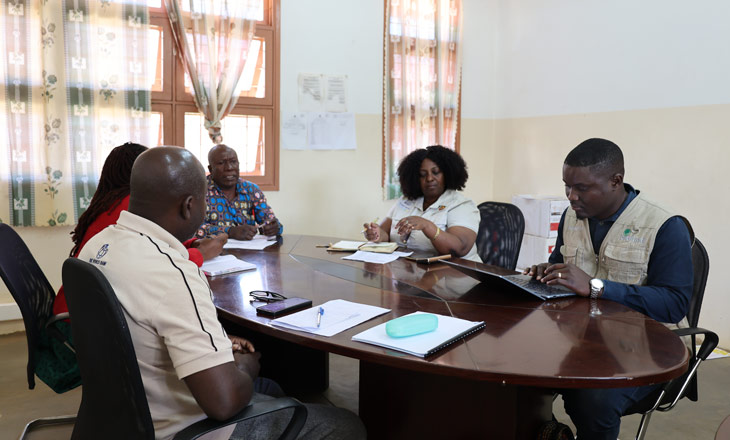
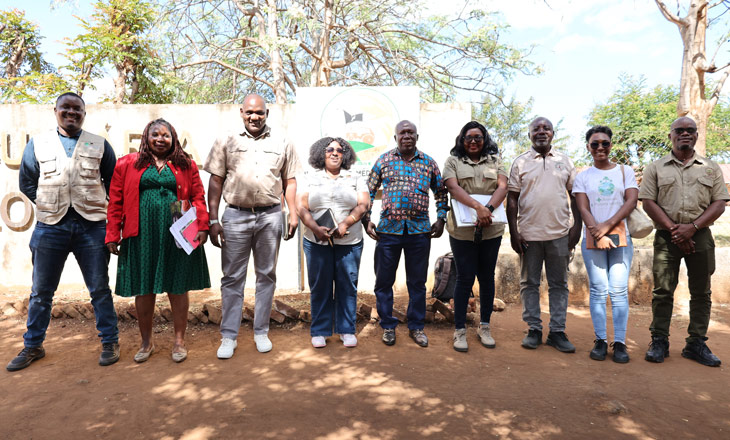
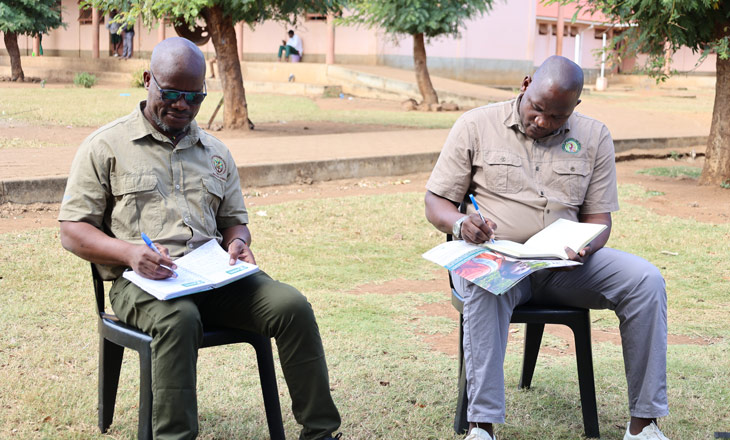
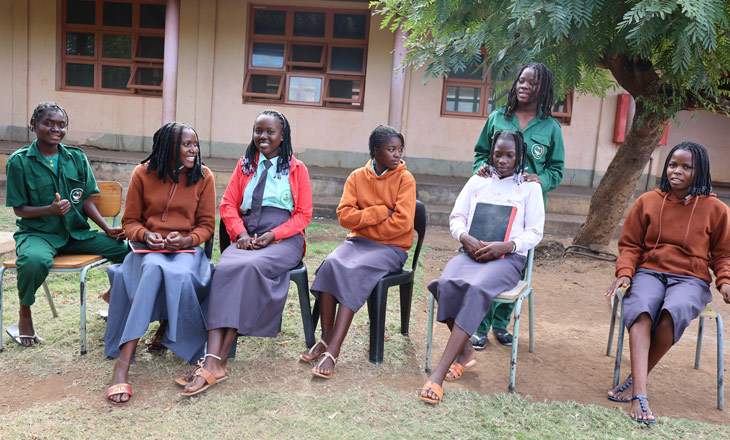
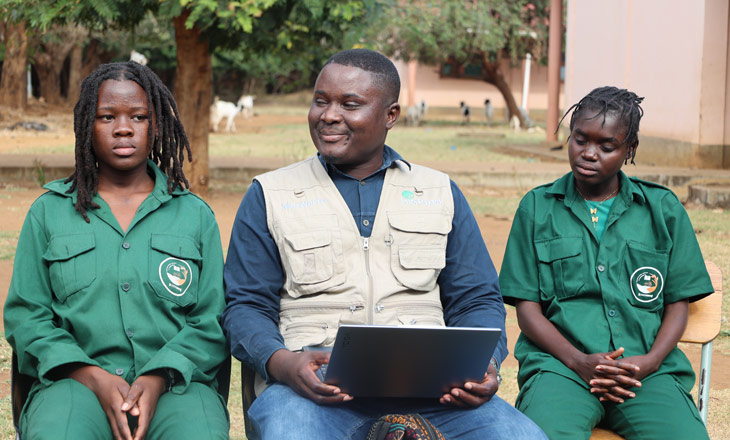
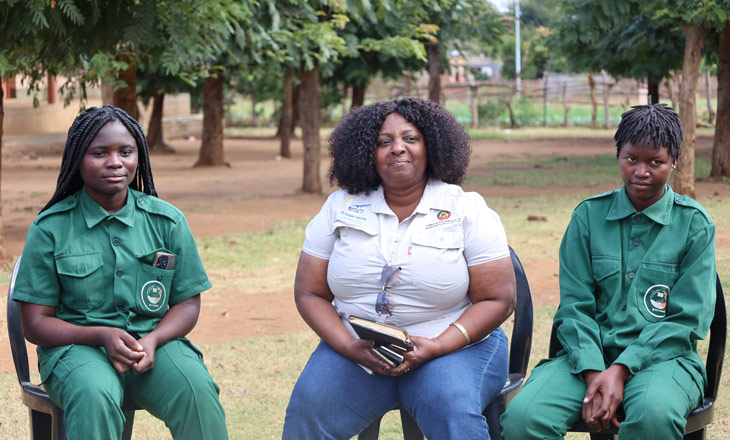
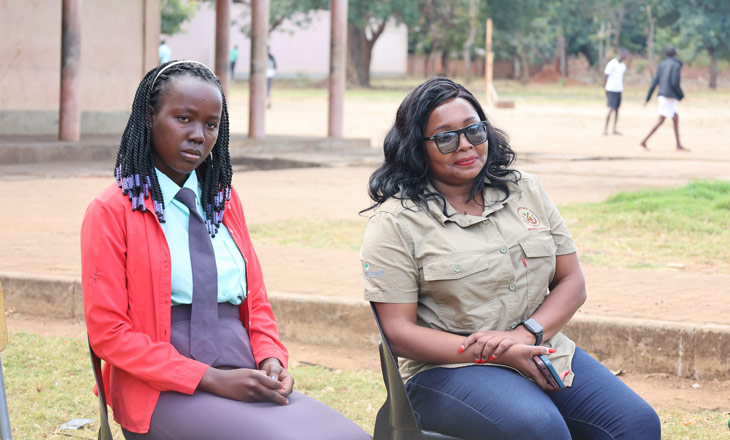
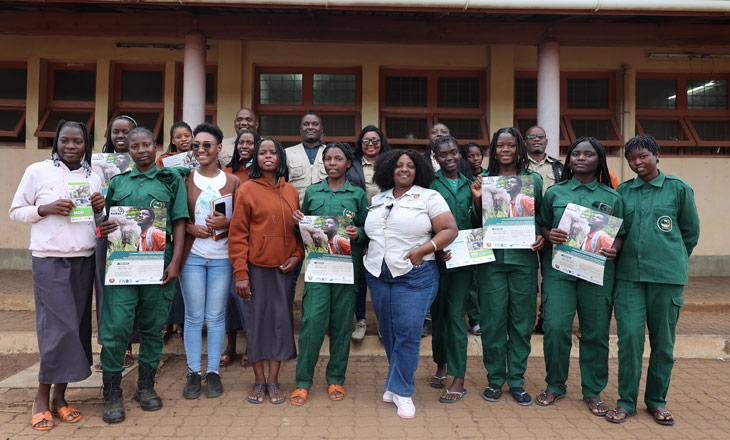
On 21 July, the Leadership Program for the Conservation of Mozambique (PLCM) carried out a visit to the Chizolomondo Agricultural Institute, in Tete province, as part of the monitoring of female scholarship recipients from the districts of Mágoè and Zumbo who are attending technical secondary education with support from the Sustainable Rural Economy Program (MozRural), funded by the World Bank.
Published at 25/07/2025
Education for Conservation: PLCM and MozRural Monitor Progress of Female Scholars in Chidzolomondo
The mission included the participation of the team from the Zumbo Community Conservation Area and the Mágoè National Park, represented by the Park Administrator, Juliana Mwitu. In total, 23 students were monitored, of whom 10 are from Zumbo and 13 from Mágoè, distributed between the Agro-livestock and Forestry and Wildlife Management courses.
During the visit, the team met with the institute’s management and the scholarship recipients, assessing academic performance, behaviour, and general safety and living conditions in the boarding facilities. According to information shared by the Institute, the students have shown significant progress in school performance and attendance.
The Administrator of Mágoè National Park highlighted the transformative impact of the initiative:
“The presence of these young women in technical education represents a seed for the future of conservation. We are committed to continuing to support them, ensuring that they not only access technical knowledge but also return with a strong sense of commitment to their communities and to the preservation of natural resources.”
The visit also allowed the voices of the scholarship recipients to be heard, as they shared their challenges and aspirations:
“I am learning a lot about the importance of protecting natural resources, and I want to apply this knowledge in my community when I finish the course,” said Judith, a student in the Forestry and Wildlife Management course, originally from Mágoè.
Field observations revealed an increasingly conducive learning environment, with visible improvements in students’ behaviour, greater participation in classes, and strong academic commitment.
The visit also included awareness sessions on financial management, reinforcement of safeguard mechanisms, delivery of learning materials, and meetings with the boarding facility managers, who reported improvements in the behaviour and participation of the students. The scholarship recipients also benefit from tutoring sessions aimed at improving their academic performance.
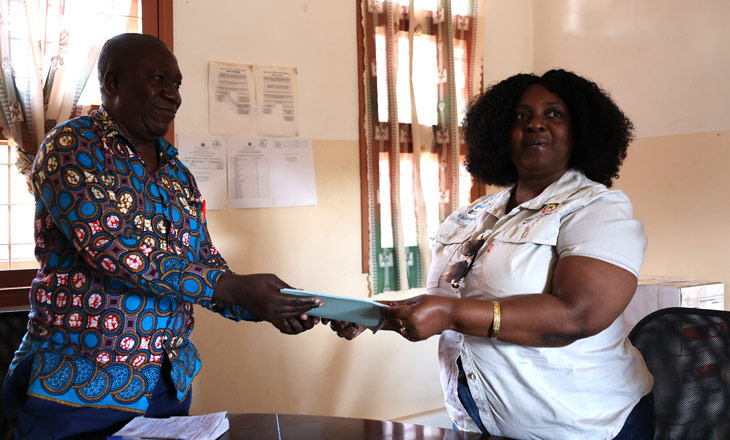
The mission concluded with the signing of a memorandum of collaboration between Mágoè National Park, the Zumbo Community Conservation Area, and the Chizolomondo Agricultural Institute, reaffirming the joint commitment to the technical and professional training of young girls from buffer zones of Conservation Areas— a clear investment in capacity building and in the sustainable future of Mozambique.