
Historic event brings together various specialists, key government institutions, academic and research institutions, conservation NGOs, private sector, and development partners to address the protection of national biodiversity in the face of growing environmental threats
Published at 04/07/2025
BIOFUND Launches the Mozambique Mountain Ecosystems Initiative
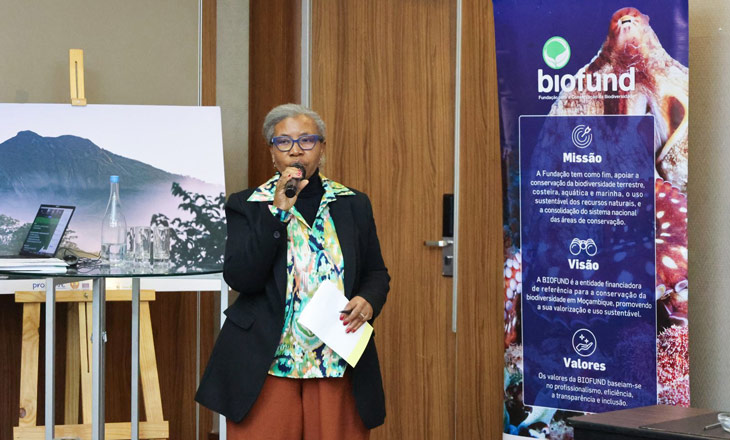
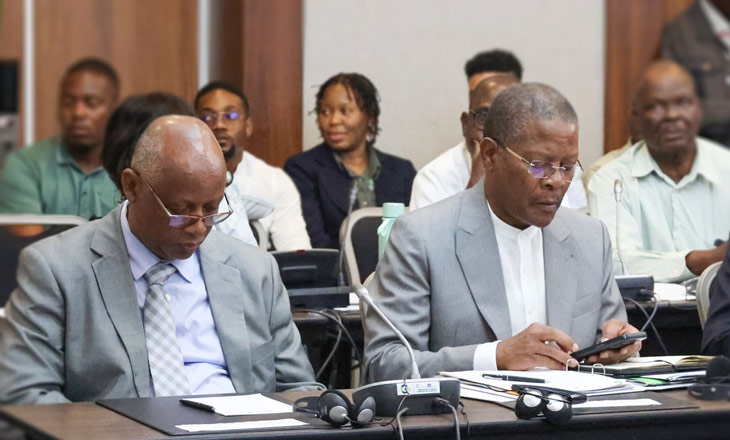
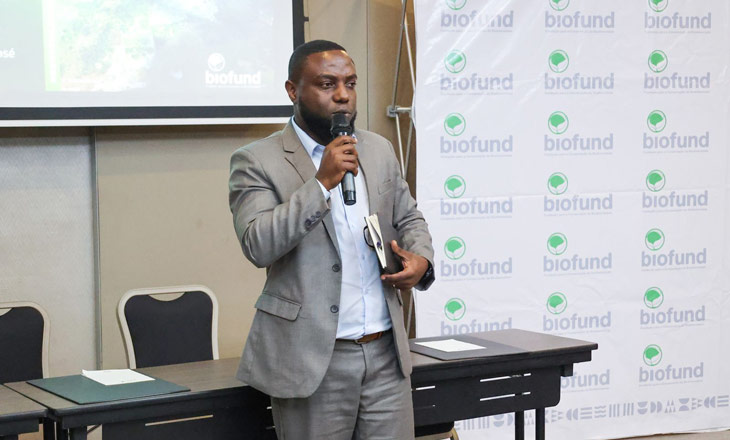
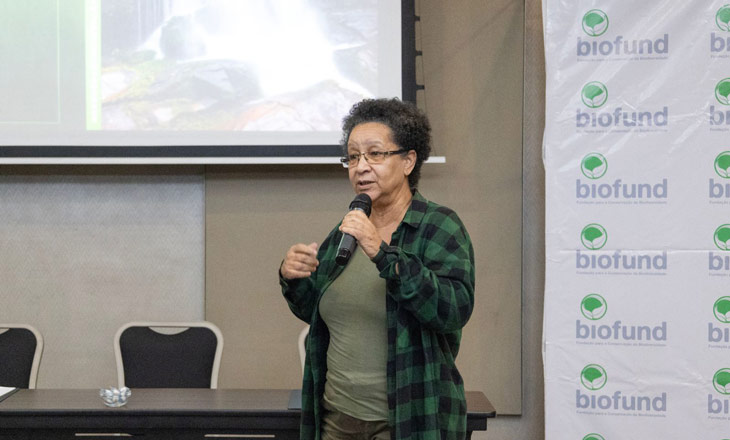
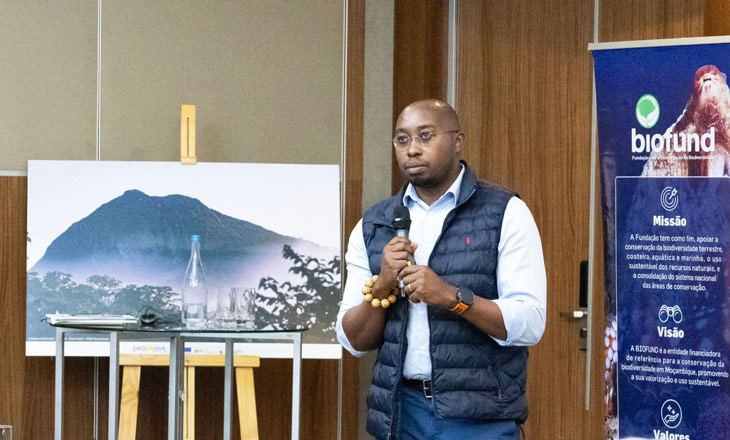
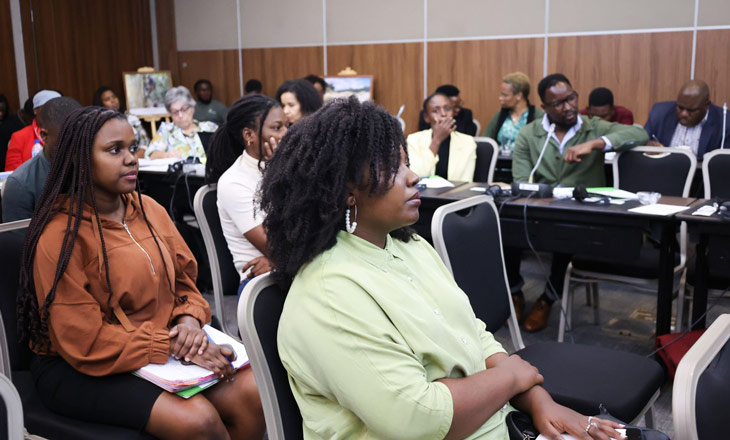
The group of specialists aiming to drive the conservation of Mozambique’s mountains — including ANAC, WWF, ReGeCom, NITIDADE, Gorongosa National Park, Chimanimani National Park, national and international scientists, the Malawi Conservation Fund, together with the Foundation for the Conservation of Biodiversity (BIOFUND) — held yesterday, at the Radisson Blu Hotel, the launch seminar of the Mozambique Mountain Ecosystems Initiative (MMEI), a coordinated action platform that aims to protect and promote the sustainable use of the ecosystem services provided by the country’s rich mountain network. The event, held under the theme “Journey Towards the Protection and Sustainable Use of Mozambique’s Mountain Network”, brought together more than 160 participants, including government representatives, academics, civil society, private sector and development partners.
Critical Context and Urgency for Action
The launch of the initiative comes at a particularly critical moment, as Mozambique’s mountain ecosystems face increasing pressures of devastation. The organisers referred to recent cases such as the one documented on Monte Mabo, in Lugela district, Zambézia, where nine illegal logging points of the Umbila species were identified, as reported on “Bom dia Moçambique”, TVM, on 26 June 2025, involving foreign citizens and local community leaders. This situation illustrates the urgency of the protection measures that MMEI intends to implement. It should be noted that since 2020, the PROMOVE Biodiversity programme has been under implementation, whose main result is the creation of local institutions (CONSERVAMabu) capable of leading Monte Mabu’s management, establishing a community conservation area covering approximately 9,300 ha defined participatively with local communities, and developing sustainable livelihoods that generate employment and income and encourage biodiversity conservation.
Strategic Value of Mountain Ecosystems
During the seminar, it was highlighted that Mozambique’s mountain ecosystems are rich in biodiversity and contribute significantly to essential ecosystem services, including hydrological regulation, soil fertility, pollination and climate stabilisation. Julian Bayliss, keynote speaker, presented scientific data demonstrating that these mountains host endemic, rare, new-to-science and threatened plant and animal species, according to the Red List classification of the International Union for Conservation of Nature (IUCN).
These services directly support the national economy by generating employment, income and tax revenue, through the provision of water to urban areas, the supply of mineral water (Namaacha, Gurué and Vumba), fisheries and hydropower generation, as well as services that contribute to food security. The rich sociocultural myths and customs associated with the mountains safeguard other ecosystem services, including biodiversity protection.
Community Engagement Experiences Presented from Manica, Sofala and Zambézia
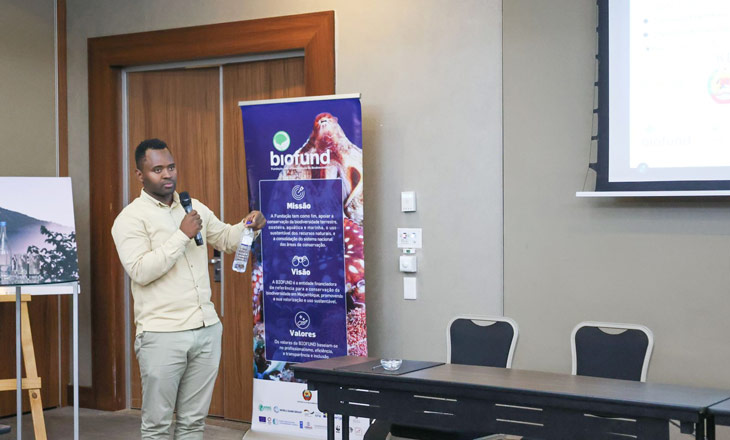
The seminar included a specialised panel with representatives from four emblematic mountains:
- António Ngovene (Chimanimani) presented the results of biodiversity indicator surveys, highlighting unique ecological and sociocultural characteristics.
- Thor Kuchler (Gorongosa) focused on the solutions implemented, from sustainable livelihoods to mountain restoration programmes, demonstrating effective models of community participation.
- Sá Nogueira (Namuli) addressed the sustainable use interventions implemented and their positive effect on the well-being of local communities.
- António Serra (Mabu) shared the steps taken to establish the community conservation area, emphasising community leadership in management and financial sustainability.
National Call to Action
José Monteiro and Camila de Sousa were responsible for closing the event with the official launch of MMEI through a specific appeal directed to various sectors of Mozambican society:
- Researchers and Students were called upon to intensify studies on ecology, biodiversity, anthropology, history, culture and the economic value of mountains.
- Civil Society Organisations and the Private Sector were urged to support communities in developing sustainable value chains, exploring economic opportunities in partnership with local communities and establishing payment mechanisms for ecosystem services.
- Government was urged to create a favourable environment for the protection, sustainable management and payment for the services of mountain ecosystems.
- Development Partners were invited to support programmes addressing mountain biodiversity and contributing to climate and hydrological regulation within national and transboundary boundaries.
Historical Context of the Initiative
MMEI results from the participation of Mozambican researchers and professionals in the 2nd Southern African Mountain Conference (SAMC), held in South Africa in March 2025, which galvanised the need for coordinated action for the national and transboundary protection of mountains. International and national scientists, professionals and government representatives subsequently held reflection sessions to conceptualise this initiative.
Next Steps
The Mozambique Mountain Ecosystems Initiative is now established as a permanent platform for reflection and action for the protection, promotion of sustainable use, and payment for the ecosystem services of Mozambican and transboundary mountains. The initiative will include a short- and long-term agenda, involving all sectors of society in preserving this unique national and international heritage.