
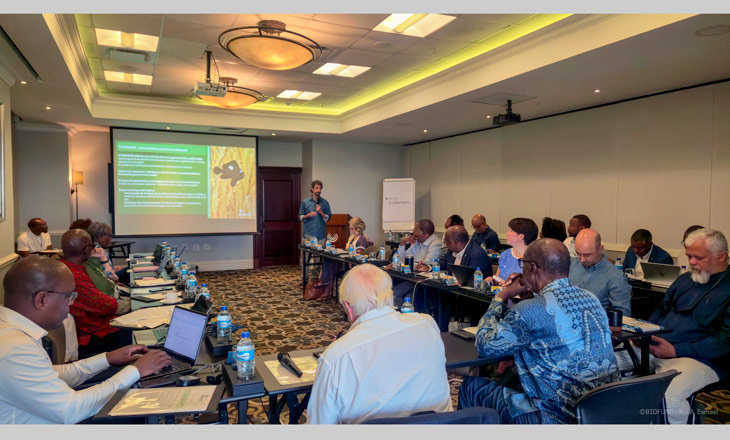
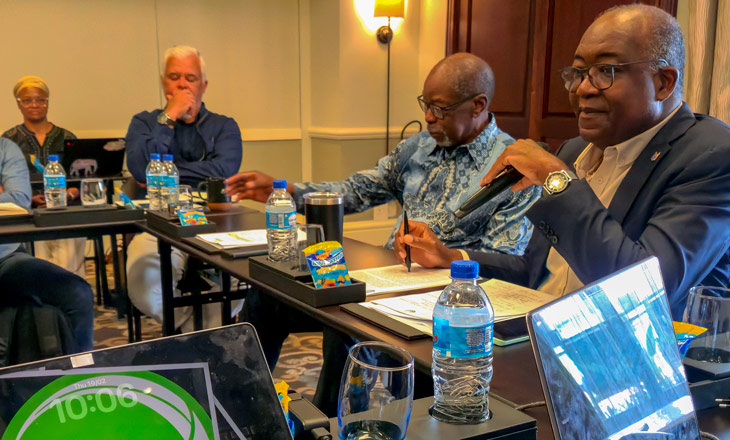
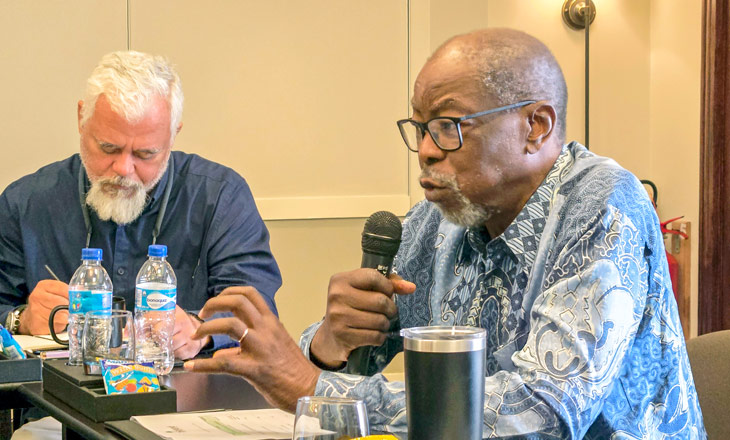
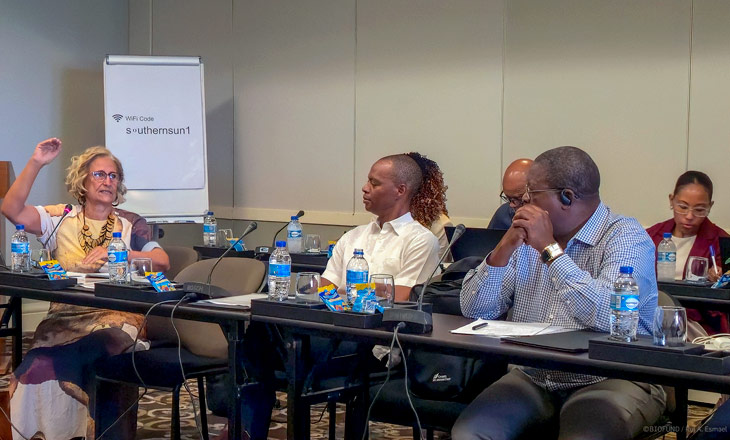
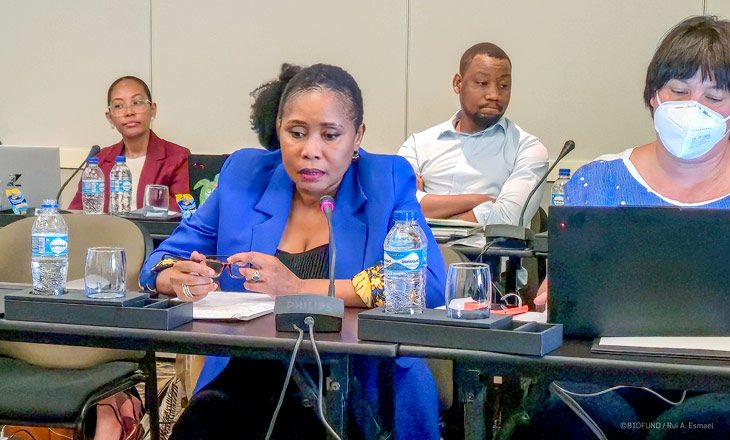
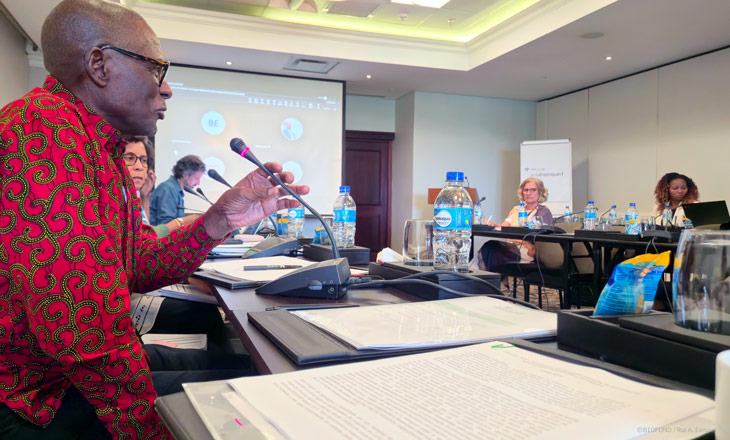
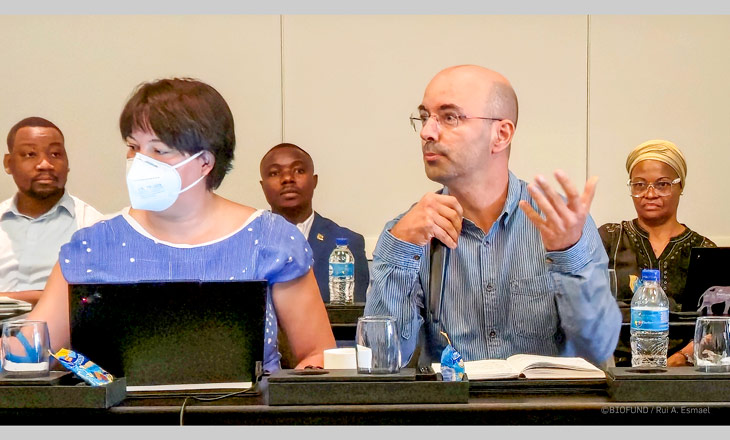
The Foundation for the Conservation of Biodiversity (BIOFUND) held a strategic reflection meeting focused on “Challenges 2026”, bringing together contributions from members of its Board of Directors, the institution’s team and sector stakeholders to discuss ways to strengthen the impact of conservation in Mozambique. The session centred on updating approaches – including sustainable financing, evidence-based advocacy and collaboration – in a context shaped by both national and global processes affecting the sector.
Published at 20/02/2026
BIOFUND convenes strategic reflection on approaches for 2026, reinforcing institutional alignment, evidence-based advocacy and new financing pathways
One of the most emphasised points was the need for advocacy grounded in knowledge and data. During the meeting, Professor Narciso Matos noted: “Good advocacy only works if it is based on scientific evidence,” calling for consistent investment in information, analysis and technical capacity to support public positions and strategic decision-making.
The meeting also highlighted the institutional dimension of BIOFUND’s work, including coordination with the State and responsiveness to national conservation priorities. Executive Director Luís Honwana stated: “We seek to be aligned with the government; we seek to respond to what we understand to be the conservation challenge in our country.” Programmes Director Alexandra Jorge added that “the government’s expectations, with whom we work most directly, are very high regarding us,” framing this alignment as part of BIOFUND’s role in mobilizing and allocating resources for biodiversity conservation, in coordination with public institutions and partners.
On financial sustainability, the centrality of the endowment fund and the importance of diversifying resource mobilization approaches were reaffirmed. Madyo Couto (Board member) recalled: “Our goal is to reach 100 million in the endowment fund by 2027.” In parallel, ongoing measures to strengthen more active resource mobilization were shared: “we are already implementing the measures of a new fundraising strategy – more proactive, less reactive, less about waiting for donors to come with programmes and more about going after them, approaching them.” (Sean Nazerali – Director of Innovative Financing). The exploration of solutions within the national context was also advocated: “There is now a need to communicate the focus – to look a bit more at the domestic environment and, from it, seek solutions that can promote self-financing capacity, including innovative financing.” (Afonso Madope – member of the Fiscal Council).
The community dimension emerged as a central element of the discussion. Adamo Valy (Vice-Chair of the Board) stressed: “Those on the ground know that conservation cannot be done without communities,” underlining that lasting results depend on models that consistently integrate people, benefits and local governance.
The session concluded with recognition that this was a first moment of discussion, alongside a call to systematize the contributions and to hold further working sessions to deepen priorities and operational pathways for 2026.