
Under the project “Rescue, Rehabilitation and Release of Pangolins in Chimanimani National Park,” funded by the bio Card funds, the first successful rescue and release of a pangolin back into the wild was carried out, reinforcing the protection of one of the most trafficked species in the world.
Published at 31/03/2026
First Pangolin Rescued at the Chimanimani National Park Centre Marks Progress in Species Conservation in Mozambique
-
© Fauna&Flora
-
© Fauna&Flora
-
© Fauna&Flora
-
© Fauna&Flora
-
© Fauna&Flora
-
© Fauna&Flora
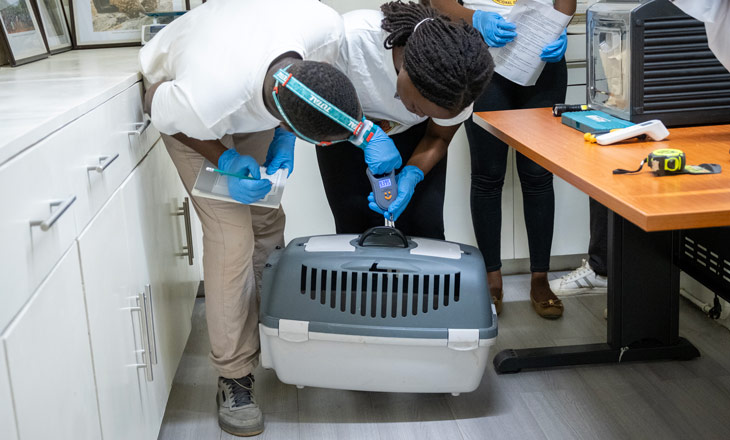
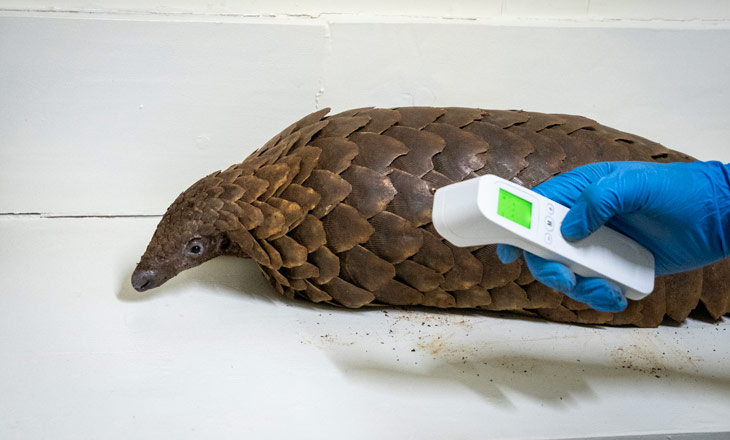
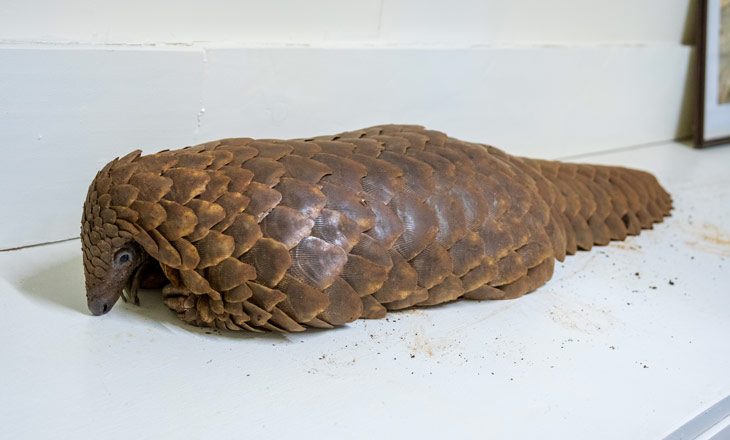
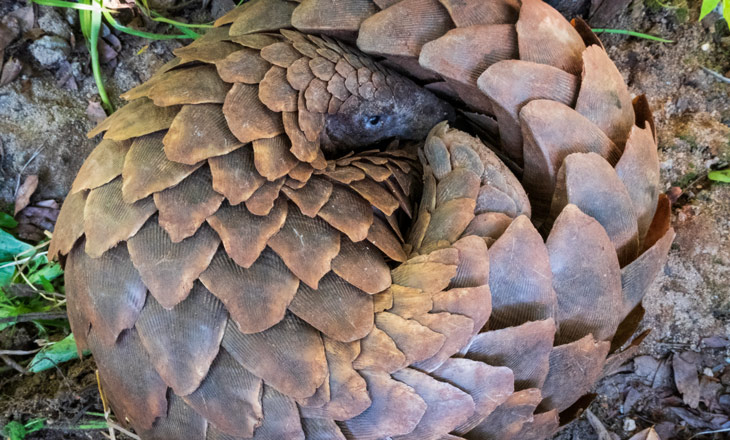
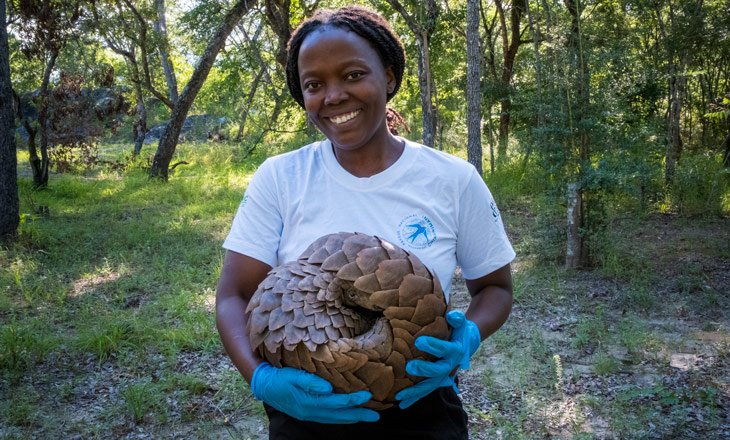
The animal was found outside its natural habitat in the Mpunga community, in the park’s buffer zone, and was taken to the Pangolin Rescue, Rehabilitation and Release Centre, inaugurated in 2025. This facility, created from the adaptation of a specialised container, includes first aid areas, quarantine spaces, and a controlled enclosure for the recovery of rescued animals.
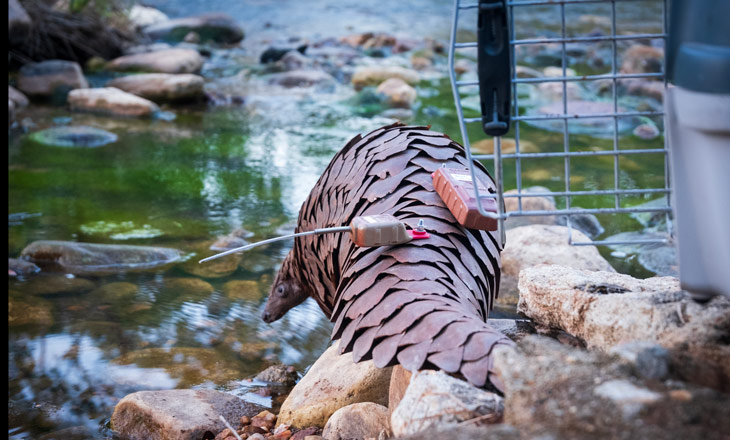
At the centre, the pangolin underwent a health assessment, which confirmed its good overall condition, with mild signs of dehydration and stress, promptly stabilised by the technical team. During the process, VHF and GPS tracking devices were installed to enable monitoring after its release.
Considering the species’ high sensitivity to captivity, the animal was released on the same day in a safe area of the park, with suitable ecological conditions and low human presence. This marks the first case recorded by the centre since its establishment, proving to be a successful outcome of the centre’s work.
Following the release, telemetry monitoring began, with regular follow-up to assess the animal’s adaptation and survival. This system will also allow the collection of data on movement patterns and habitat use, contributing to the strengthening of conservation strategies.
Since 2021, prior to the establishment of the centre, more than a dozen pangolins had already been rescued in this conservation area, many of them victims of illegal trafficking. With the creation of this facility, improved conditions are now in place for the handling, stabilisation, and monitoring of rescued pangolins, increasing their chances of survival and reintegration into the wild.
In parallel, awareness-raising activities have been carried out with local communities, aiming to reduce illegal capture and promote the protection of the species.
The implementation of this centre and the results now achieved highlight the impact of the bio Card funds, a partnership between BIOFUND and Commercial and Investment Bank (BCI), in strengthening the national capacity to respond to wildlife trafficking and in conserving biodiversity in Mozambique.