
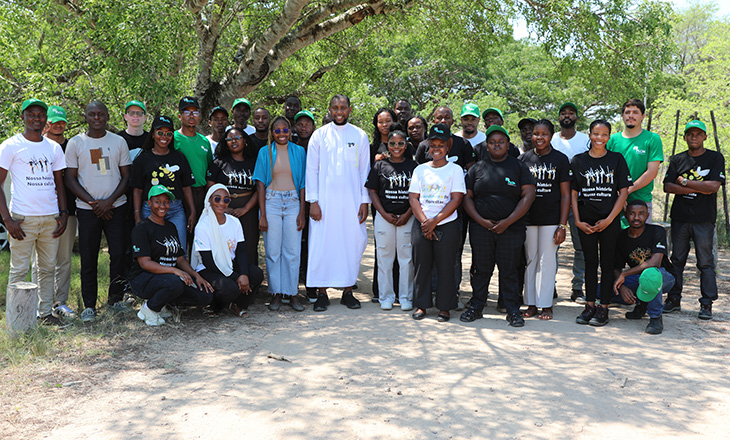
Four days of learning, experience-sharing and first-hand encounters with nature marked the beginning of a six-month journey for 31 young people, who now have a renewed understanding of their role in biodiversity conservation.
Published at 09/11/2026
From Induction to the Field: Young People in the 9th PLCM Internship Cohort Gain New Perspectives on Conservation Challenges
-
© Alberto Francisco – PLCM
-
© Alberto Francisco – PLCM
-
© Alberto Francisco – PLCM
-
© Alberto Francisco – PLCM
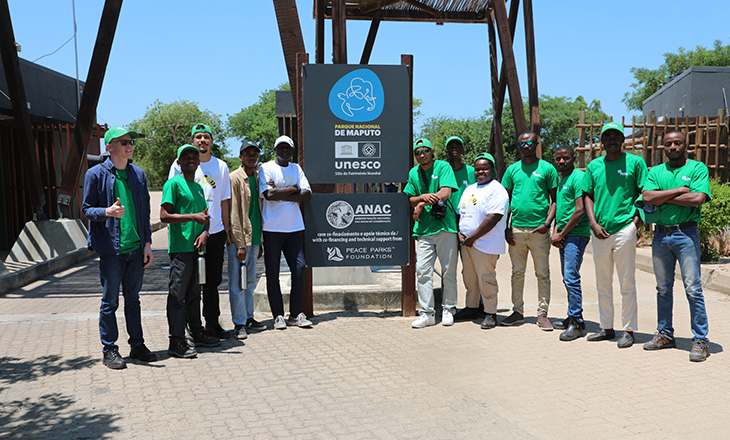
What can an accountant, a lawyer or a nurse do to contribute to biodiversity conservation? For the 31 young people joining the 9th edition of the Pre-Professional Internship Programme under the Mozambique Conservation Leadership Programme (PLCM), this is one of the questions that began to take on new meaning during the induction session, held from 3 to 6 November at Maputo National Park.
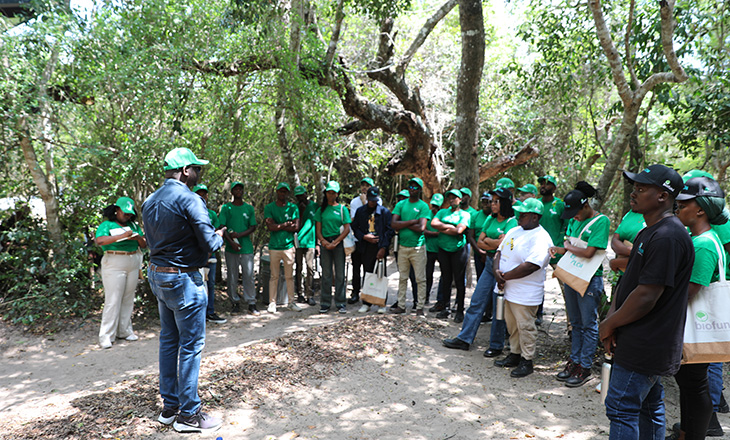
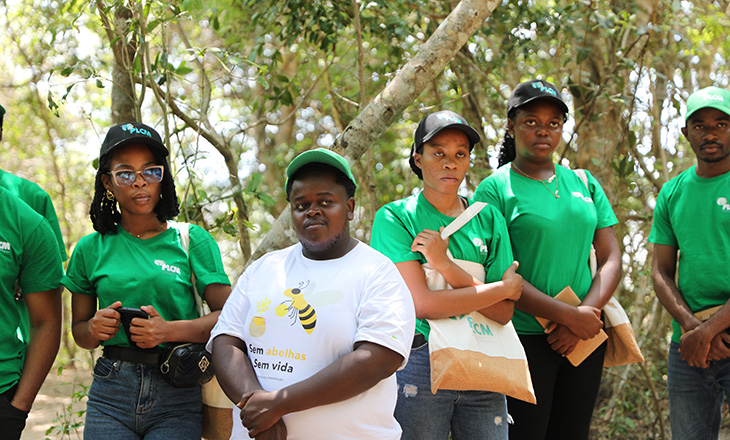
Over four days, participants deepened their knowledge of conservation leadership, professional ethics and conduct, environmental and social safeguards, career development, and different approaches to managing conservation areas. More than simply preparing them for their internships, the induction provided an opportunity to reflect on how each participant’s skills and knowledge can contribute to a shared purpose: biodiversity conservation.
When Professional Training Takes on a New Meaning
For Santos Tomás, a graduate in Accounting and Auditing, one of the key takeaways was recognising the direct link between his field of study and the long-term sustainability of conservation initiatives.
“I am discovering that my knowledge extends far beyond the business environment. Financial management, internal controls, transparency and accountability also play a fundamental role in biodiversity conservation. What matters is not only the field in which we are trained, but how we put our knowledge at the service of society.”
This perspective was further reinforced by discussions on the role of communities in conservation. Énia Ernesto Ndlalane, a graduate in Business Management, highlighted the importance of linking the protection of natural resources to tangible benefits for communities living in and around conservation areas.
“Conservation cannot succeed if communities do not see any benefits. Conservation leadership is not just about protecting animals; it is also about leading people. When communities have opportunities to earn an income through tourism and the sustainable use of natural resources, they also have stronger incentives to protect ecosystems.”
She also emphasised the importance of environmental and social safeguards, recognising that these are not merely institutional procedures, but essential mechanisms for protecting communities and ensuring that activities are implemented responsibly.
Learning to Conserve Also Means Innovating
The induction sessions also explored the links between conservation, economic development, innovation and scientific knowledge. Topics included measures to reduce the environmental impacts of large-scale projects, biodiversity offsets, emotional intelligence, entrepreneurship and citizen science.
For Edson Dias de Oliveira, a graduate in Architecture and Urban Planning, these learning experiences broadened his understanding of the different ways professionals can contribute to the sector, particularly through initiatives that connect communities with opportunities arising from conservation.
“It is important to develop ideas for activities that directly involve communities and can create alternative sources of income. We also learned about tools such as iNaturalist, which allow users to record images and sounds of animal, plant and fungal species, contributing to their scientific identification and expanding our knowledge of biodiversity.
The experience reinforced the understanding that conservation requires professionals with diverse skills, adaptability and a willingness to work collaboratively.
From Learning to Field Experience
The induction session concluded with a special activity: a safari in Maputo National Park, giving the young participants first-hand exposure to the ecosystems and wildlife of the conservation area.
After several days dedicated to knowledge sharing and reflection, this field experience brought participants closer to the realities they will encounter during their internships, giving them a more tangible understanding of the work carried out by institutions and professionals in the conservation sector.
This direct encounter with nature thus marked the transition from preparation to practical learning, which will continue over the next six months at their respective host institutions.
Six Months to Turn Knowledge into Action
With the conclusion of the induction, the 31 young people now embark on a new chapter, bringing with them expectations of professional growth, skills development and active participation in the initiatives of their host institutions.
The experience also provides an opportunity to apply the knowledge gained in their respective fields and contribute to solutions that address biodiversity conservation challenges in Mozambique.
Funded by the Government of the United Kingdom through the Community Conservation and Investment Programme (CCIP), the 9th edition of the PLCM Pre-Professional Internship Programme reaffirms the importance of investing in young talent and developing professionals capable of contributing to the future of conservation in the country.
Established in 2019, the PLCM is an initiative of the Foundation for the Conservation of Biodiversity (BIOFUND), implemented in partnership with the National Administration of Conservation Areas (ANAC) and the National Employment Institute (INEP). The programme aims to strengthen capacities and develop a new generation of professionals and leaders committed to biodiversity conservation.
Follow the journey of the young people in the 9th PLCM cohort on the PLCM Facebook page and the BIOFUND Facebook page.

