
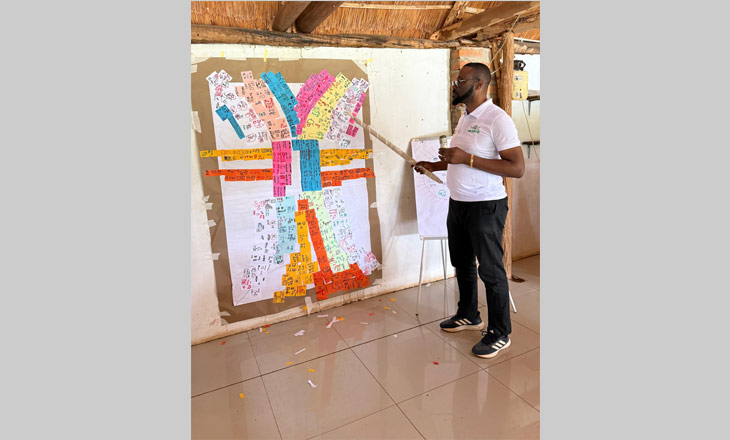
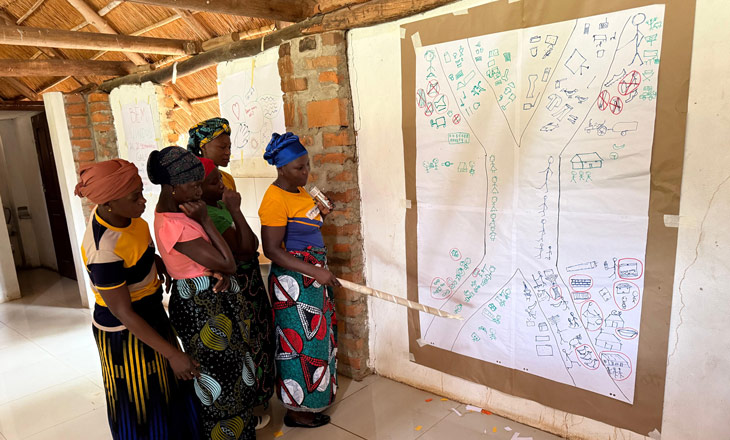
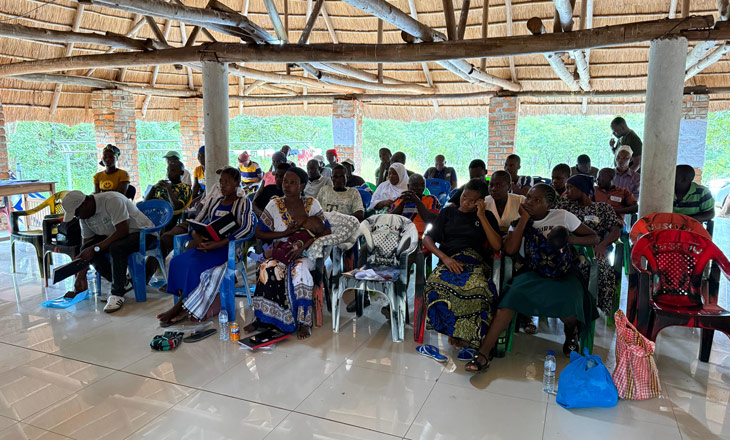
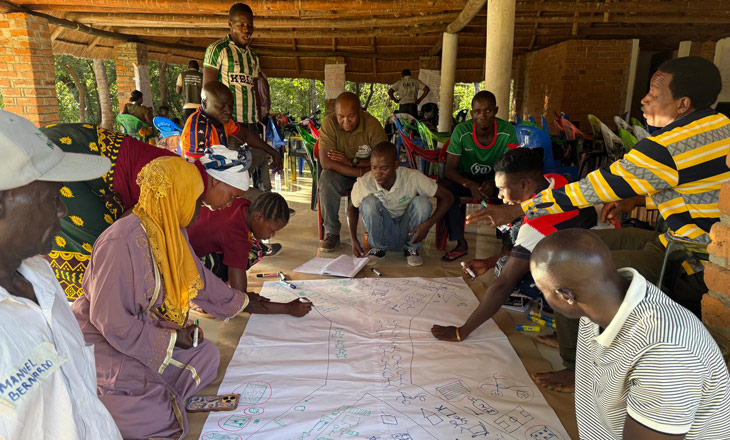
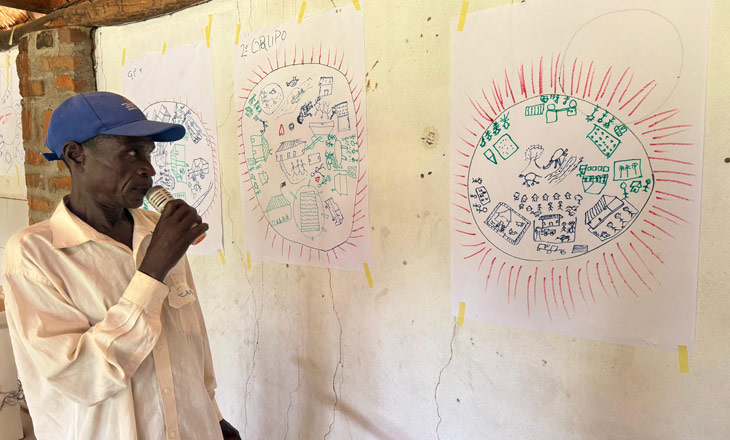
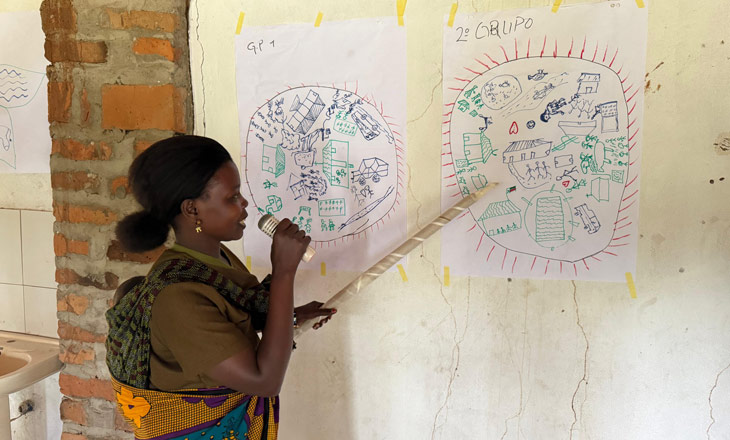
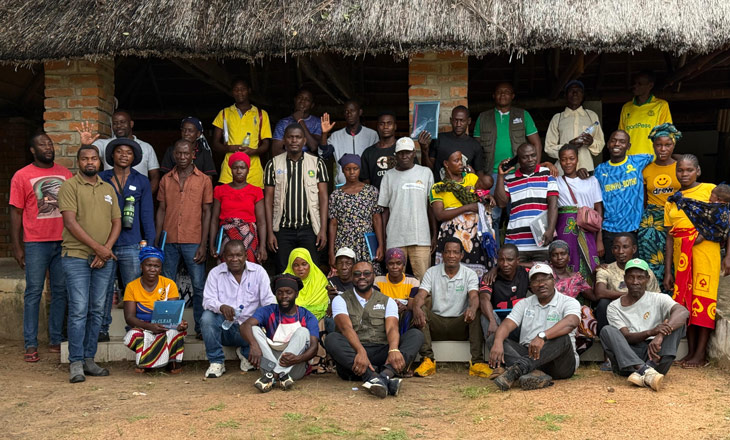
Within the framework of implementing the GALS methodology, BIOFUND held a catalysation seminar in Chipanje Chetu, in Niassa Province, which brought together 68 participants, of whom 42 were men and 26 women. Among those present, 31 were adults and 37 were youth. The initiative was part of the ongoing work under the MozNorte and MozRural projects to strengthen more equitable gender relations, more resilient livelihoods and more active community participation.
Published at 31/03/2026
GALS Catalysation Seminar strengthens learning, inclusion and practical changes in Niassa communities
-
© BIOFUND
-
© BIOFUND
-
© BIOFUND
-
© BIOFUND
-
© BIOFUND
-
© BIOFUND
-
© BIOFUND
More than just a training moment, the seminar served to monitor the work already carried out in the communities, assess the replication done through peer learning, consolidate lessons from the first cycle and define targets for the following three months. The process also included collective reflection, field visits, sharing among participants and the introduction of monitoring and evaluation tools.
The GALS methodology relies on visual and participatory tools to help families, community groups and local leaders identify challenges, build action plans and transform relationships marked by inequalities. In the context of conservation areas, this approach is particularly relevant, as the effective management of natural resources also depends on more inclusive, organised communities capable of making decisions together.
The couple, Abel Daimone and Sicuzane Iassine, state that the methodology is already producing concrete changes in their family: “we are improving our lives (…) we are managing to save money (…) we want to improve our home.” Other testimonies point to the diversification of livelihoods, including cashew production and small livestock rearing, as well as gradual improvements in housing and family well-being.
These examples help to show that GALS does not remain confined to the training room. The methodology extends into everyday life, into family decisions, economic organisation and the way women, men and young people begin to participate in shaping the future of their communities.
By promoting dialogue, peer learning and local leadership, the initiative strengthens an important foundation for biodiversity conservation to go hand in hand with social inclusion, dignity and concrete opportunities for families.
