
Coutada 11 of the Marromeu Complex: Where Lions Roar Again
Published at 04/12/2025
Integrated Conservation, Community Development, and Preparation for a Resilient Future
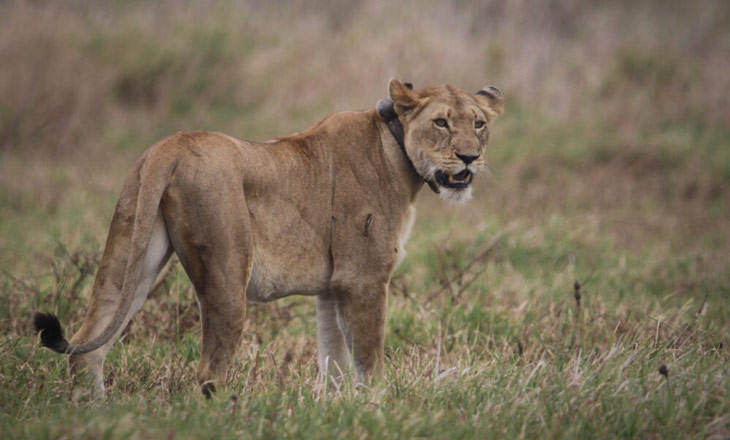
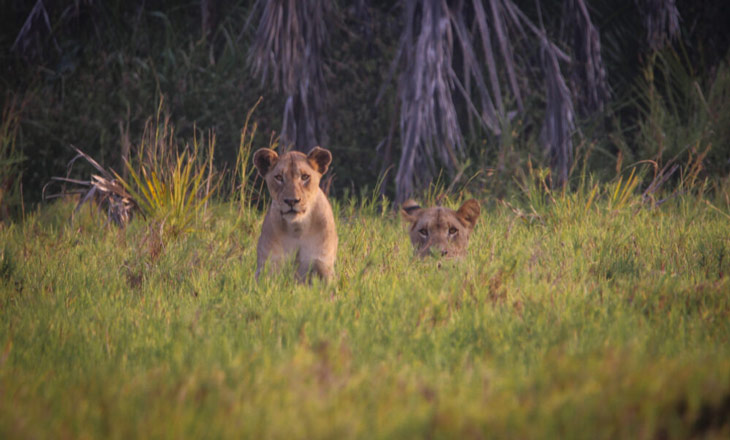
Three decades ago, the landscape of Coutada 11 faced a critical turning point. Poaching, collapsing wildlife populations and habitat degradation threatened to turn this unique ecosystem of the Zambezi Delta into a silent and fragile territory. Today, that silence has been broken. Lions are roaring once again.
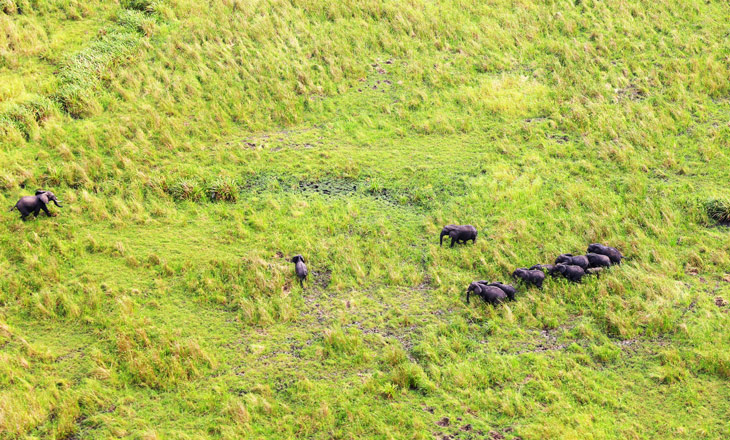
Zambeze Delta Safaris (ZDS), which has managed the area for more than three decades, leads one of Mozambique’s most successful wildlife recovery stories. The 2024 aerial wildlife census confirmed what was already visible on the ground: growing populations of large mammals, revitalised habitats and an ecological system steadily regaining its natural balance.
But the resurgence of wildlife was not achieved by science and strategy alone; it was also driven by people. ZDS invested in building schools, established a health centre and supported local economic activities, including agriculture and honey production, which now generate real income for neighbouring communities.
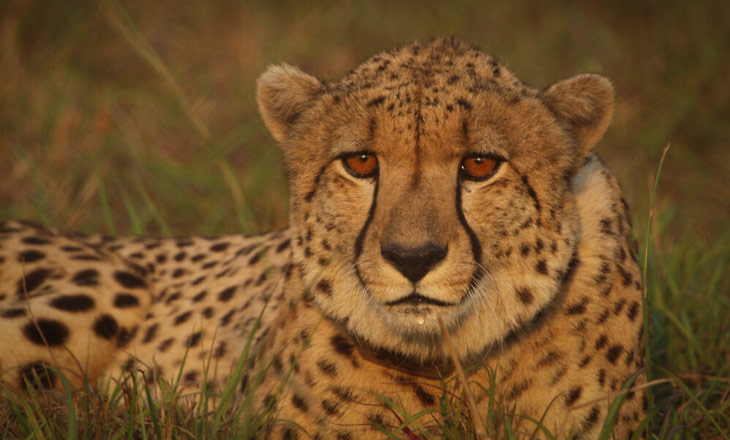
The return of lions and cheetahs, reintroduced through rigorous scientific processes, is only the most visible chapter of a broader story: that of a coutada transformed into a beacon of hope for conservation in Africa, where nature, science and communities advance side by side.
Coutada 11 has become a powerful example of how science, responsible management and community engagement can turn a threatened area into a continental success. This integrated vision will be further strengthened in the coming years with the launch of the Coastal Livelihoods and Climate Resilience Project (CLCR), financed by the Millennium Challenge Corporation (MCC) and is managed by the Foundation for the Conservation of Biodiversity – BIOFUND, set to begin in 2026, which will support social and ecological initiatives across the entire Marromeu landscape.
