
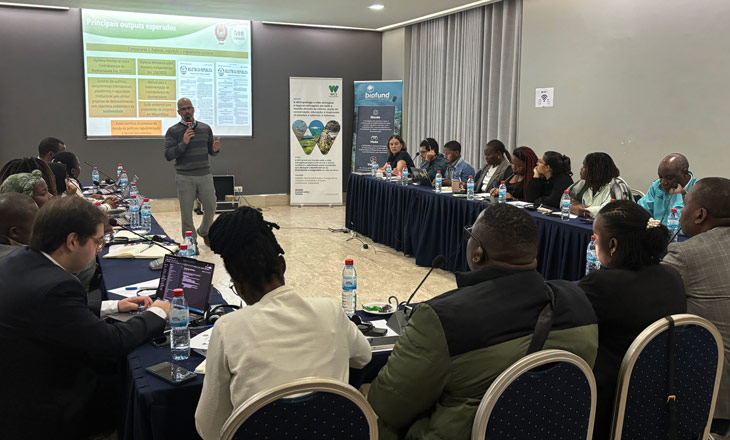
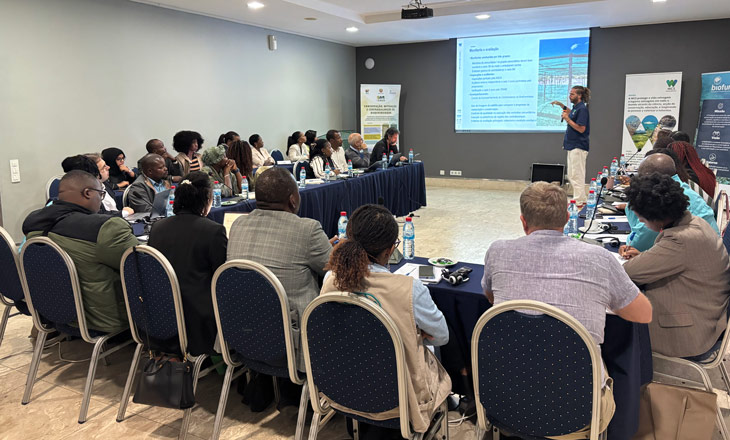
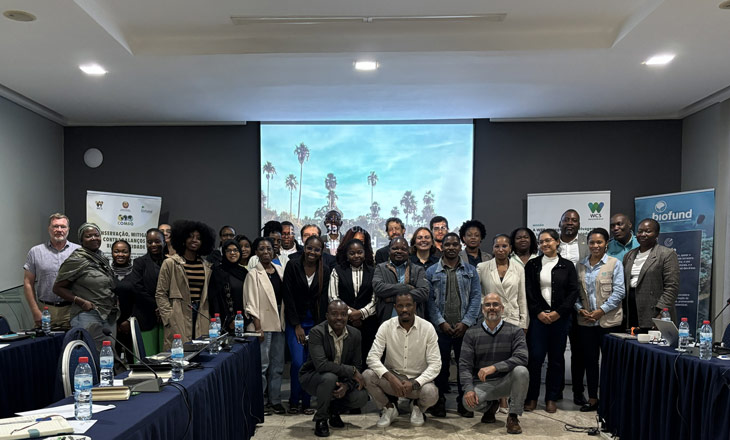
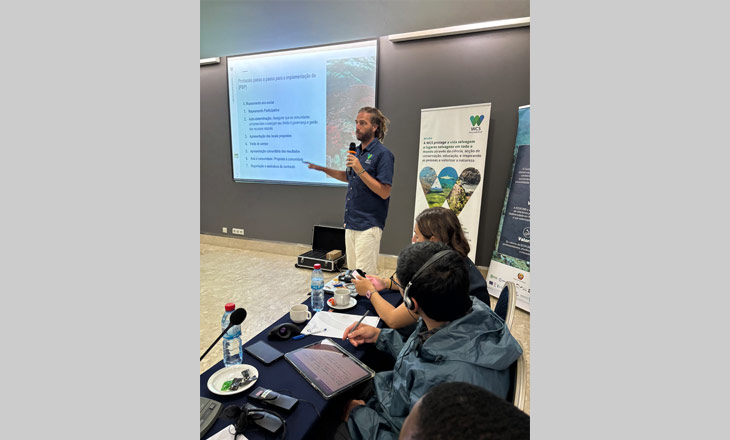
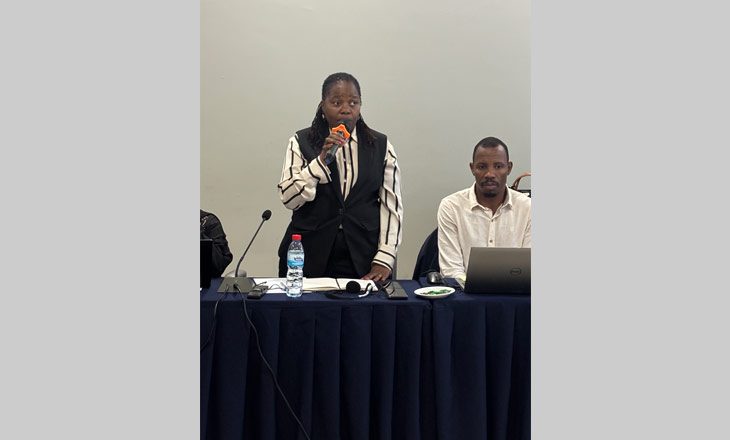
During the second week of March 2026, Mozambique assessed the potential of mitigation banks as a complementary mechanism to accelerate and strengthen the implementation of biodiversity offsets in the country. The topic was discussed during a workshop held in Maputo, organised by the COMBO+ Programme — a partnership between the Wildlife Conservation Society (WCS), the Foundation for the Conservation of Biodiversity (BIOFUND), and the Ministry of Agriculture, Environment and Fisheries (MAAP), through the National Directorate for Environment and Climate Change (DINAMC).
Published at 26/03/2026
Mozambique discusses an innovative model to advance conservation and accelerate the implementation of biodiversity offsets
-
© COMBO+
-
© COMBO+
-
© COMBO+
-
© COMBO+
-
© COMBO+
The meeting brought together more than 35 participants, including representatives from Government, the private sector — with particular emphasis on large extractive companies required to implement biodiversity offsets — academia, civil society, and conservation partners.
Mitigation banks enable private companies to invest in conservation actions in advance, such as restoration and protection of ecosystems. These actions generate credits, which may subsequently be used by projects that need to offset their impacts on biodiversity. In practice, this model seeks to ensure that impacts are compensated in a planned and measurable manner, and may even result in net gains of biodiversity. According to international experience, this mechanism can reduce project licensing time by up to 50%, making it particularly relevant for countries facing significant pressure on ecosystems, such as Mozambique.
The Colombian company Terrasos, a pioneer in the implementation of mitigation banks in Latin America, shared its national experience, highlighting the effectiveness of the mechanism and the importance of appropriate legislation, as well as transparent and robust systems for registration and monitoring.
Discussions during the workshop indicated that this model is promising for Mozambique, as it may accelerate the implementation of biodiversity offsets and strengthen sustainable financing for conservation, thereby contributing to the achievement of restoration and protection targets for conservation areas and key biodiversity areas in the country.
The workshop also made it possible to identify opportunities, challenges, and next steps to assess the feasibility of this model in Mozambique, including its analysis within a pilot area under the Blue Future project in Memba–Mossuril. The study further examines the possibility of combining different financing mechanisms — such as biodiversity offsets, blue carbon, and voluntary credits — with the aim of developing an integrated model suited to the Mozambican context.
