
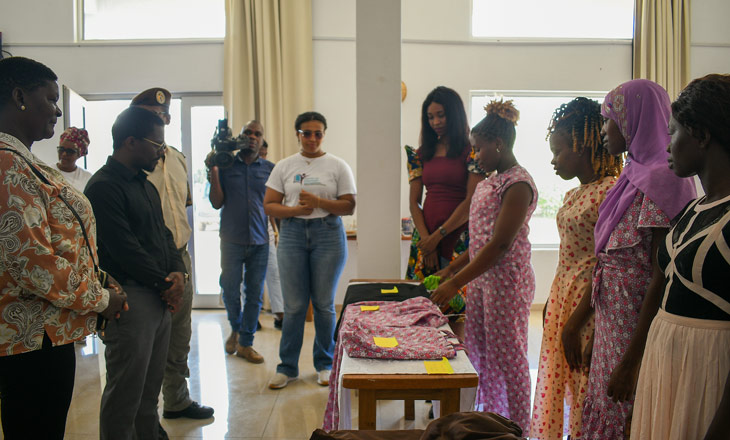
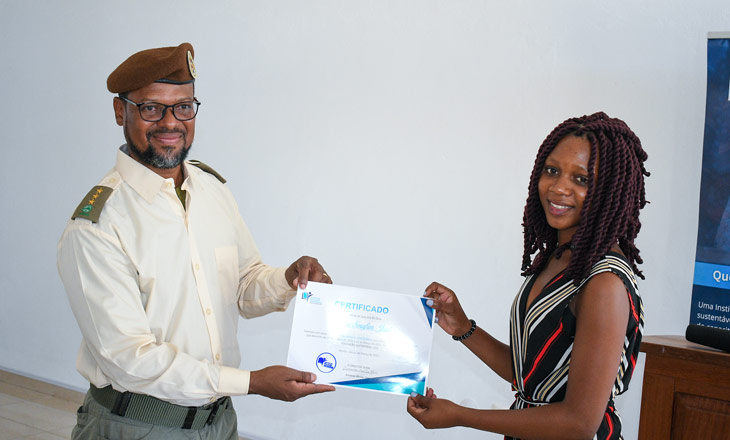
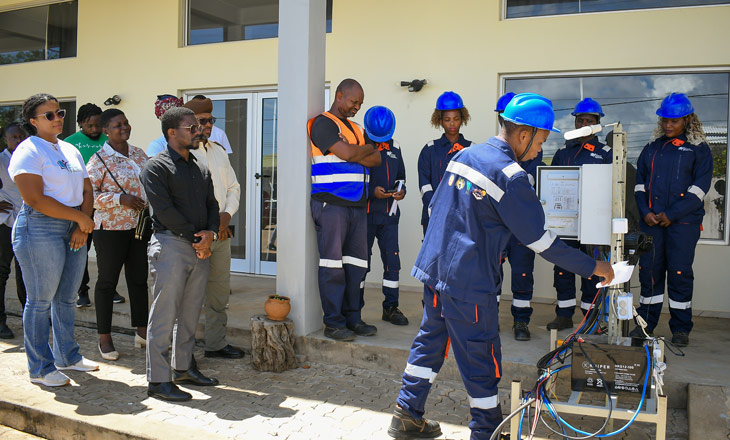
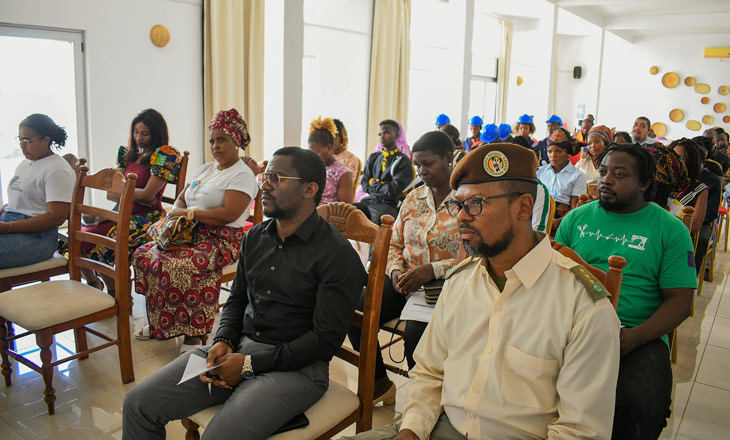
At the end of the first quarter of 2025, twenty young residents of the Niassa Special Reserve completed intensive courses in electricity and photovoltaic systems, cutting and sewing, and cooking and pastry at the Centre for Sustainable Education in Pemba. The initiative is part of the Rural Resilience Project in Northern Mozambique (MozNorte), financed by the International Development Association (IDA/World Bank), implemented by the Wildlife Conservation Society (WCS Mozambique), with the Foundation for the Conservation of Biodiversity (BIOFUND) as the fiduciary agency and with the support of the Government of Mozambique.
Published at 10/06/2025
Professional training strengthens sustainable livelihoods and conservation in the Niassa Reserve
-
© WCS
-
© WCS
-
© WCS
-
© WCS
MozNorte operates in 18 districts across the provinces of Niassa, Cabo Delgado and Nampula, where it will directly benefit around 300 communities. The objective is to improve the livelihoods of vulnerable populations, with particular focus on internally displaced people, and to ensure the sustainable management of natural resources in critical landscapes in the north of the country.
The completed courses fall under the subcomponent “stabilisation of livelihoods through community-driven development”, part of Component 1 of the project, which aims to “improve access to livelihoods and community infrastructure”. This subcomponent finances training, small businesses and labour-intensive infrastructure to generate quick income, promote social cohesion and reduce pressures on forests, wildlife and artisanal fisheries.
Over eight weeks, the trainees, selected from the districts of Mecula and Mavago, learned technical skills and concepts of health and safety, financial management and customer service. The knowledge acquired opens opportunities for self-employment and the creation of micro-enterprises, diversifying the local economy and strengthening household resilience in the face of climate shocks and conflicts.
By 2026, MozNorte plans to replicate similar initiatives in other districts, linking them with conservation agriculture, sustainable fishing and co-management of conservation areas, in order to consolidate income, social inclusion and biodiversity protection in the most fragile regions of the north of the country.
