
Implemented in the Complexo de Marromeu, within the Zambezi Delta, one of the largest and most ecologically significant wetlands in Southern Africa and recognised as a Ramsar Site, the project “Building Resilient Communities to Promote Sustainable Coexistence in the Marromeu Complex” focuses on strengthening community resilience in a high-value ecological landscape. This area encompasses Miombo woodlands, seasonal wetlands, and extensive floodplains, providing habitat for emblematic species such as lions, cheetahs, elephants, leopards and pangolins.
The initiative prioritises the promotion of sustainable livelihoods and the reduction of pressure on natural resources. It will expand community beekeeping initiatives, create alternative income sources and reduce reliance on unsustainable practices such as deforestation and illegal wildlife use.
At the same time, environmental awareness and education will be strengthened through the expansion of conservation-based school curricula, developed in partnership with Lessons in Conservation, with the aim of fostering young people’s interest in biodiversity.
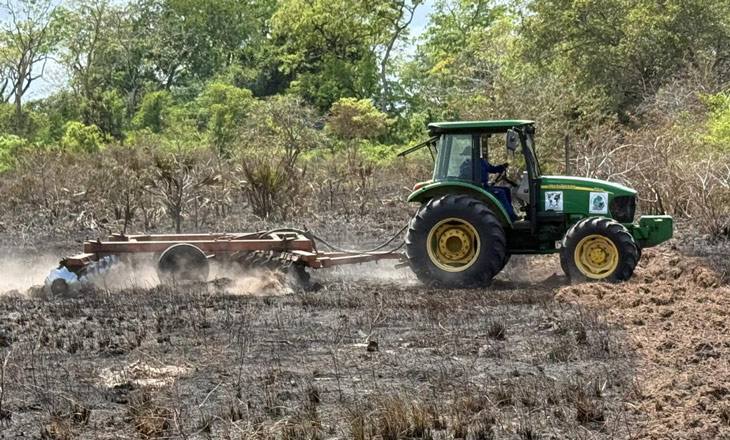
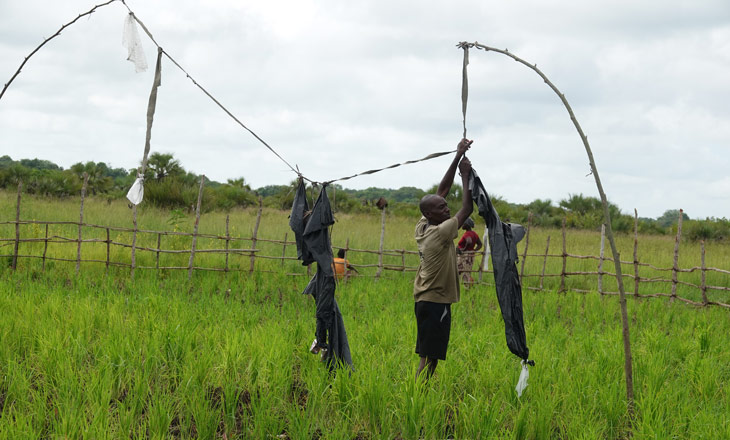
The project also seeks to reduce habitat destruction by promoting conservation agriculture techniques, including the annual preparation of communal grazing areas and the provision of fertilisers as alternatives to slash-and-burn farming. In addition, community-led strategies will be implemented to mitigate human wildlife conflict, particularly crop damage caused by elephants, contributing to a more balanced coexistence between local communities and wildlife.
This initiative is expected to foster more resilient communities, enhance economic security, reduce pressure on ecosystems, and strengthen biodiversity conservation across the Marromeu Complex.
