
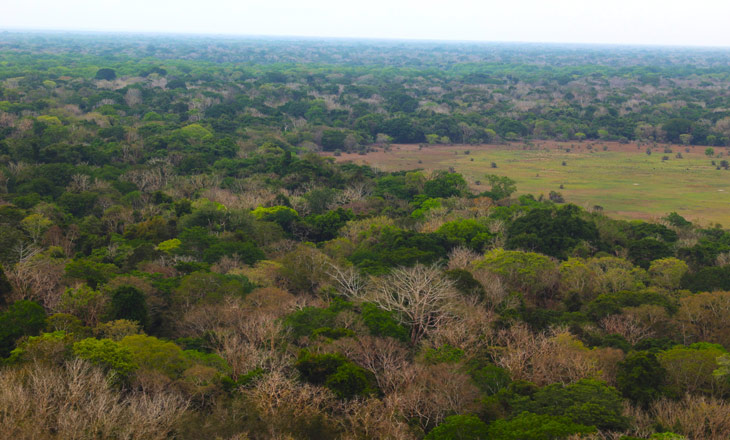
Across the vast and humid landscape of Coutada 11, in the Marromeu Complex, conservation is measured not only by the recovery of wildlife populations and species. It is also reflected in the direct impact that wildlife has on the lives of the people living around the Conservation Area.
Published at 18/12/2025
Wildlife Economy and Community Benefits: From Honey that Sustains Families to the Ecosystem that Sustains Life
-
© BIOFUND
-
© BIOFUND
-
© BIOFUND
Zambeze Delta Safaris (ZDS), which has managed the coutada for more than three decades, understands that biodiversity conservation is only sustainable when communities are active participants and beneficiaries. This insight led to the creation of several community-based economic initiatives designed to strengthen the positive link between conservation and quality of life.
Among these initiatives, honey production and marketing stand out. The programme has transformed beekeeping into a reliable source of income for many families. A well-protected forest, rich in flora and fauna, provides ideal conditions for producing high-quality honey that now reaches both local and national markets.
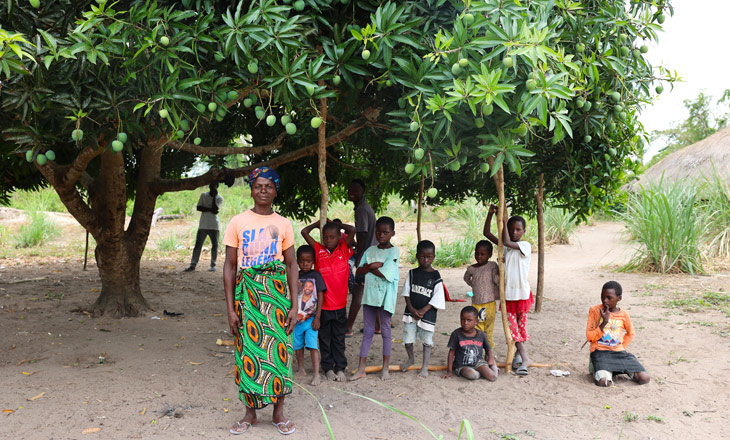
At the centre of this story is Mrs. Custeja Joaquim, a household head and beekeeper. With determination and discipline, she masters the entire honey production process, from caring for the hives to extraction and sales. For Custeja, honey is more than a product; it is her family’s livelihood, the guarantee of education for her children and grandchildren, and a pathway to a more dignified and stable economy. Her example has inspired other women in the region to take up beekeeping.
The beekeeping initiative clearly demonstrates that conservation can generate income, autonomy and economic security. The better protected the coutada is, the more productive the bees become; the more stable the ecosystem is, the greater the income for local families.
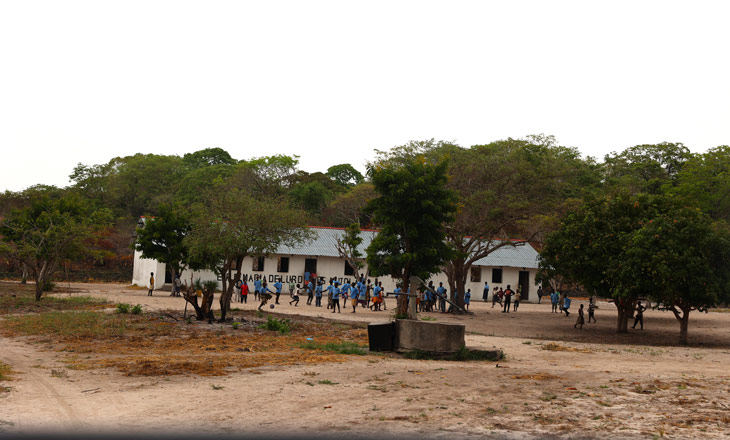
Beyond honey, ZDS invests in community development through the construction of schools, support for community health, agricultural activities and the creation of local jobs, reinforcing the idea that conservation is also a driver of social progress.
In Coutada 11, the wildlife economy is not an abstract concept; it is a reality built daily by people like Custeja Joaquim, whose story shows that protecting nature can also mean building a more prosperous future for communities.
This integrated vision will be further strengthened with the Coastal Livelihoods and Climate Resilience Project (CLCR), financed by the Millennium Challenge Corporation (MCC), which BIOFUND will begin implementing in 2026. The project will reinforce existing community initiatives, expand sustainable livelihood activities and deepen the positive relationship between families and the conservation of the Marromeu landscape.
