
-
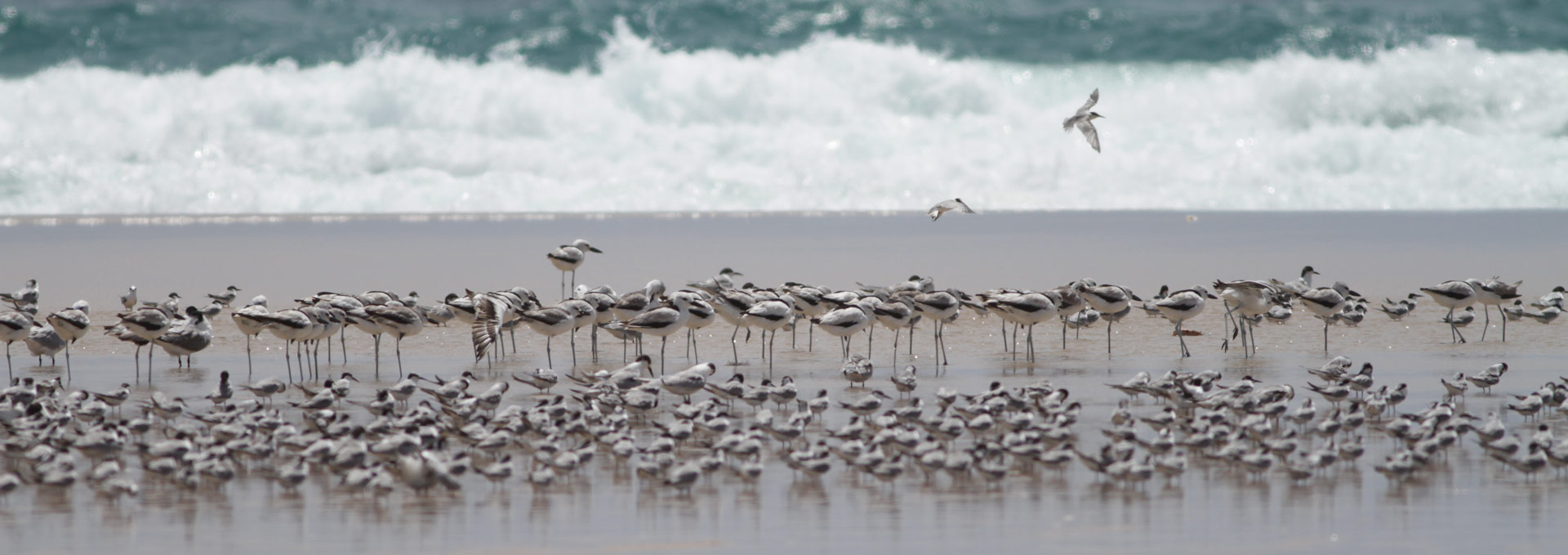
© Santuário Bravio de Vilanculos
-
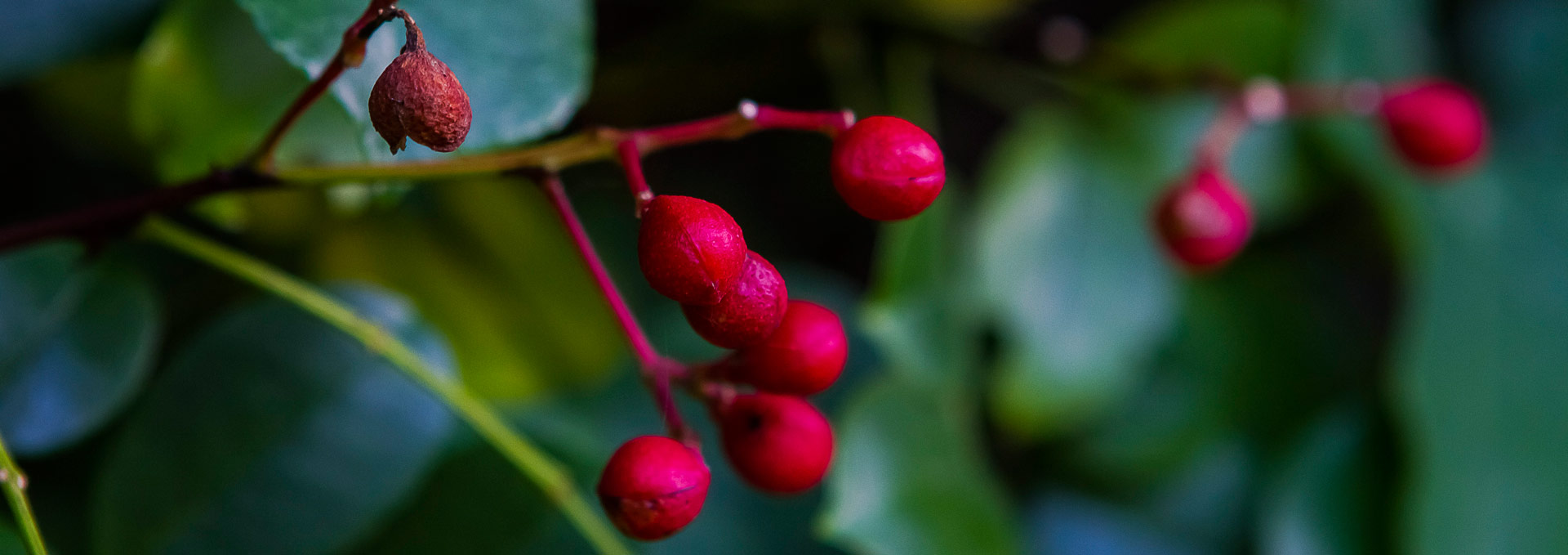
© Diogo Marecos Duarte
-
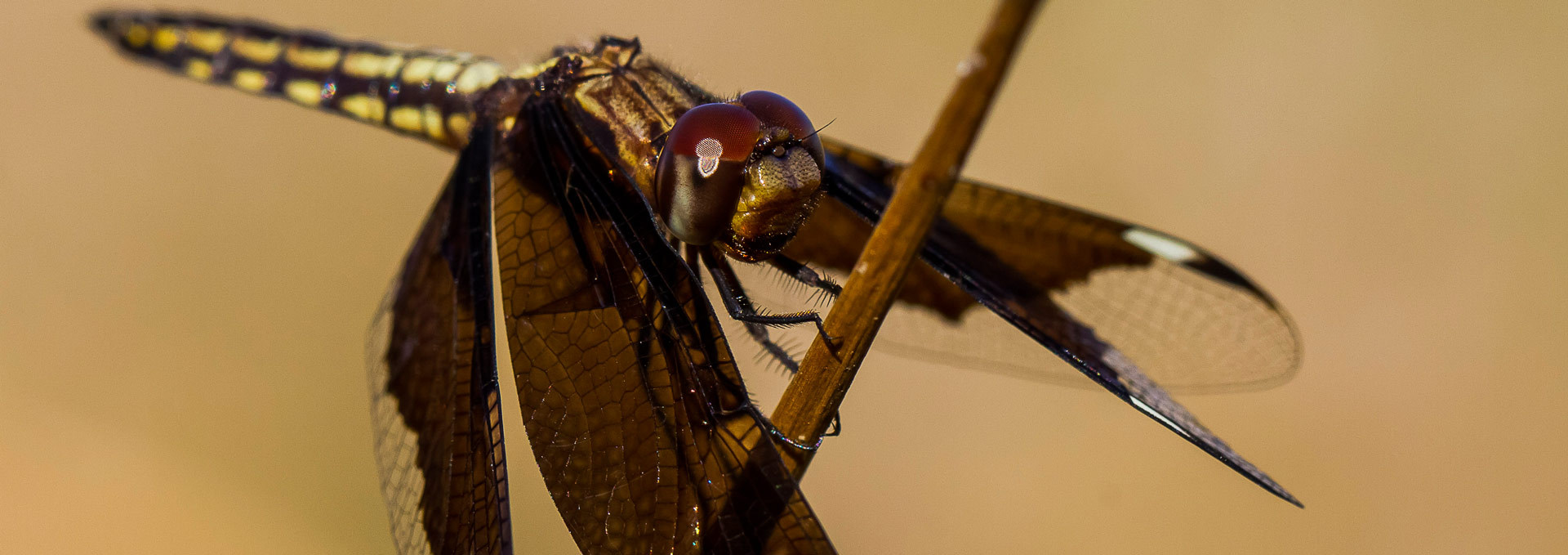
© Diogo Marecos Duarte
-
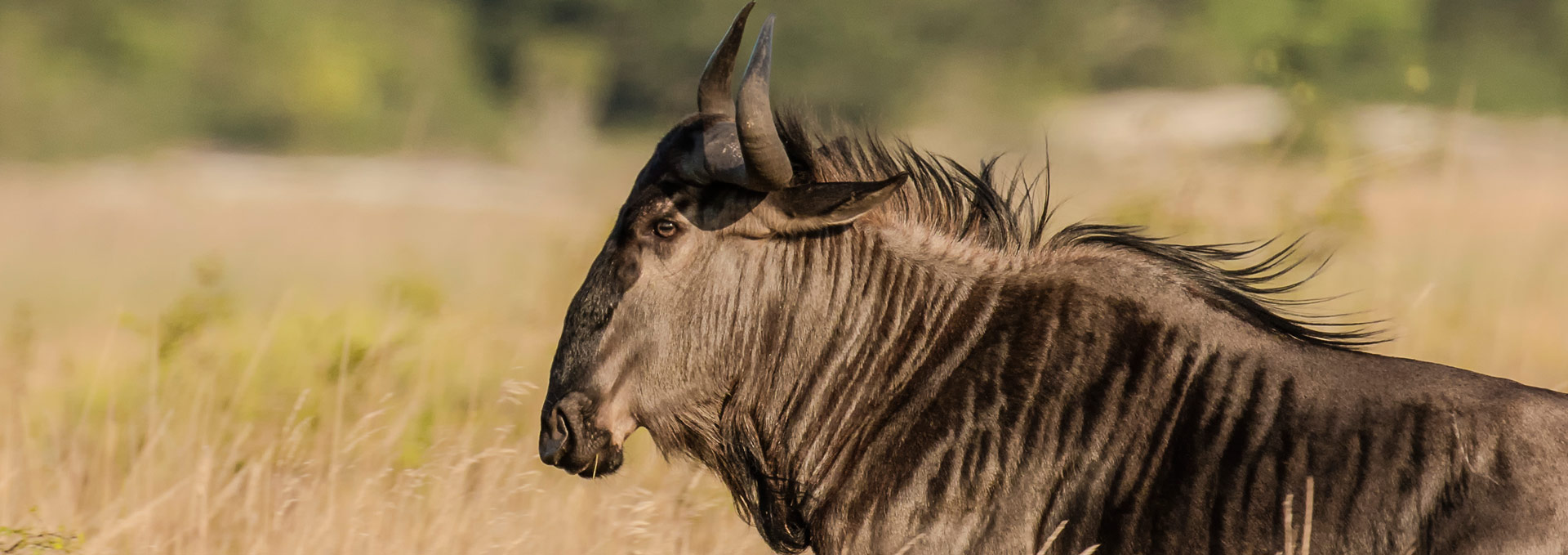
© Miguel Almeida Bruno
-
© Parque Nacional de Chimanimani
-
© Diogo Marecos Duarte
-
© Diogo Marecos Duarte
-
© Diogo Marecos Duarte
-
© Denise Nicolau
-
© Ashok Menon
-
© André Aquino
-
© Ashok Menon
-
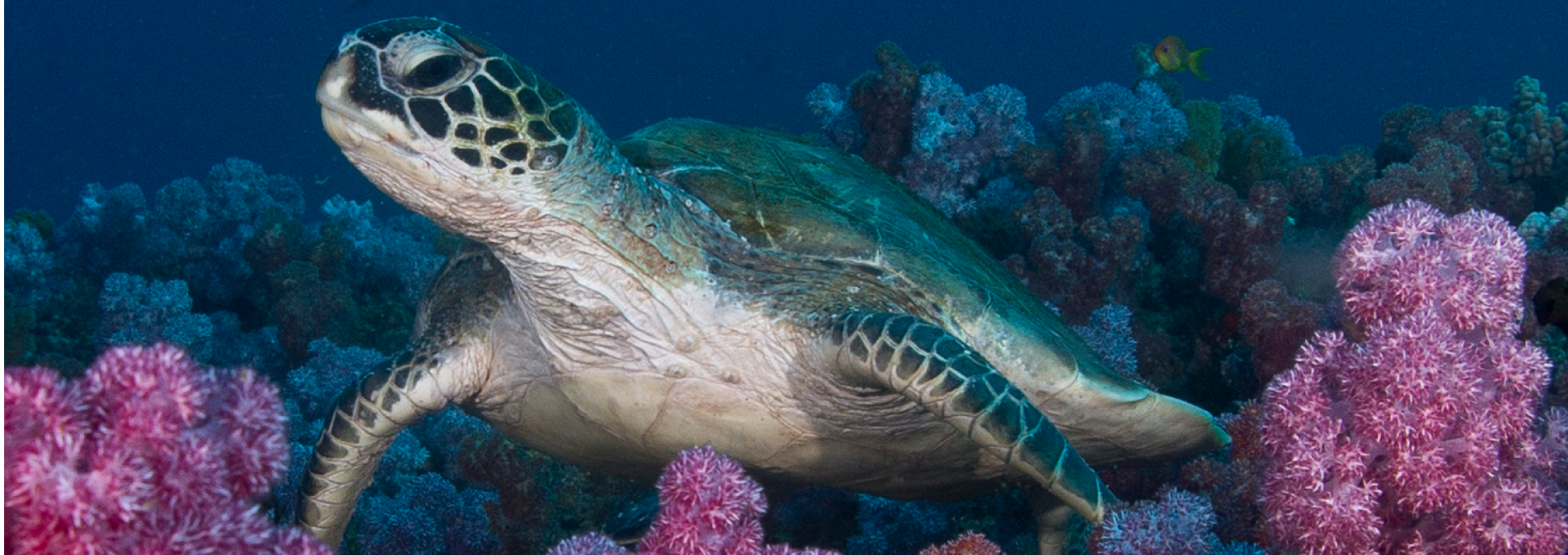
© Andreia Marshal
-
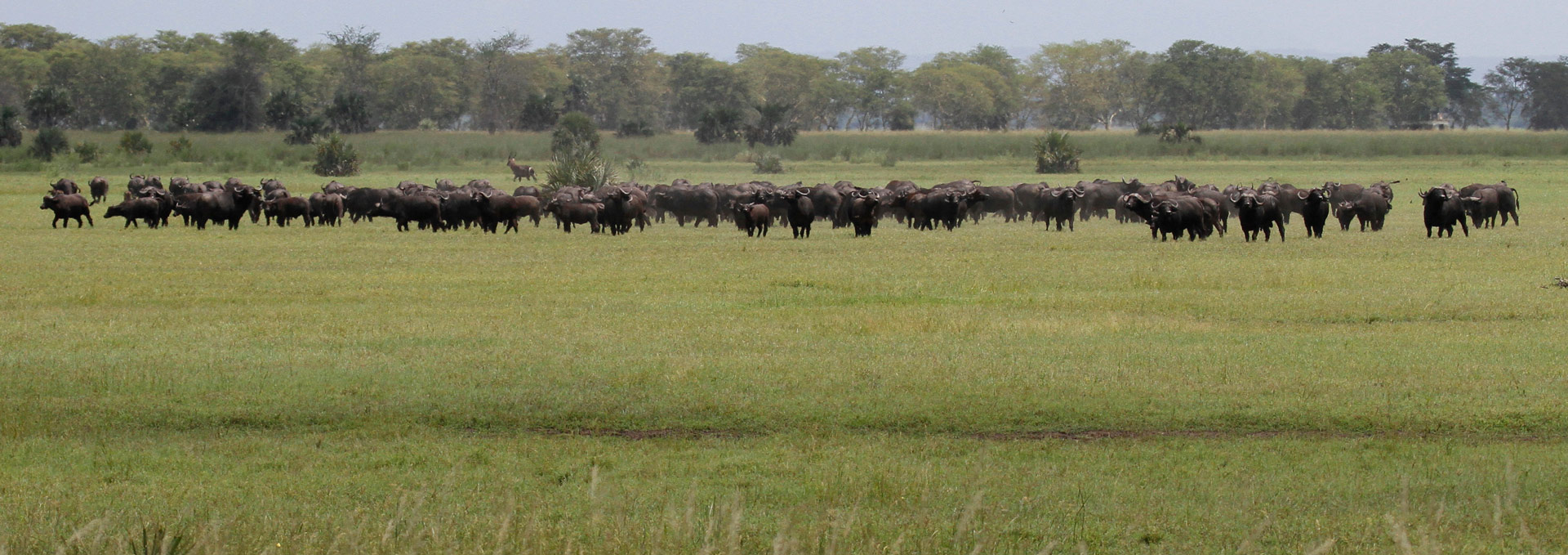
© Clive Dreyer
-
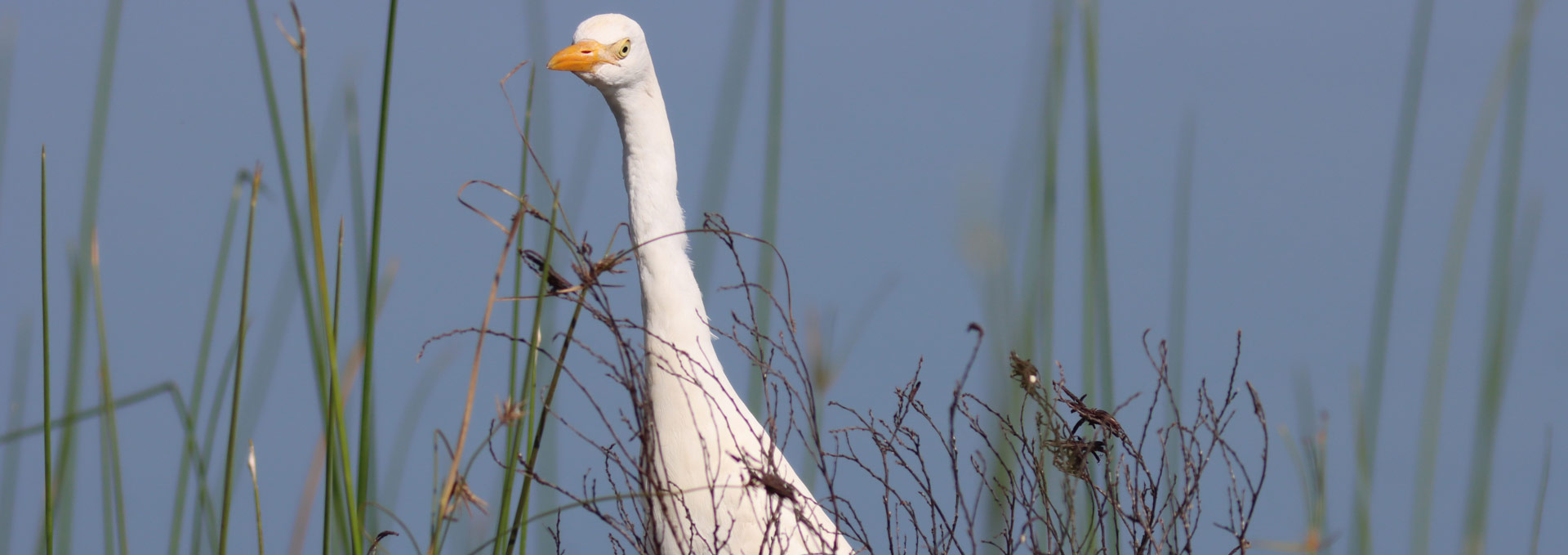
© David Gilroy
-
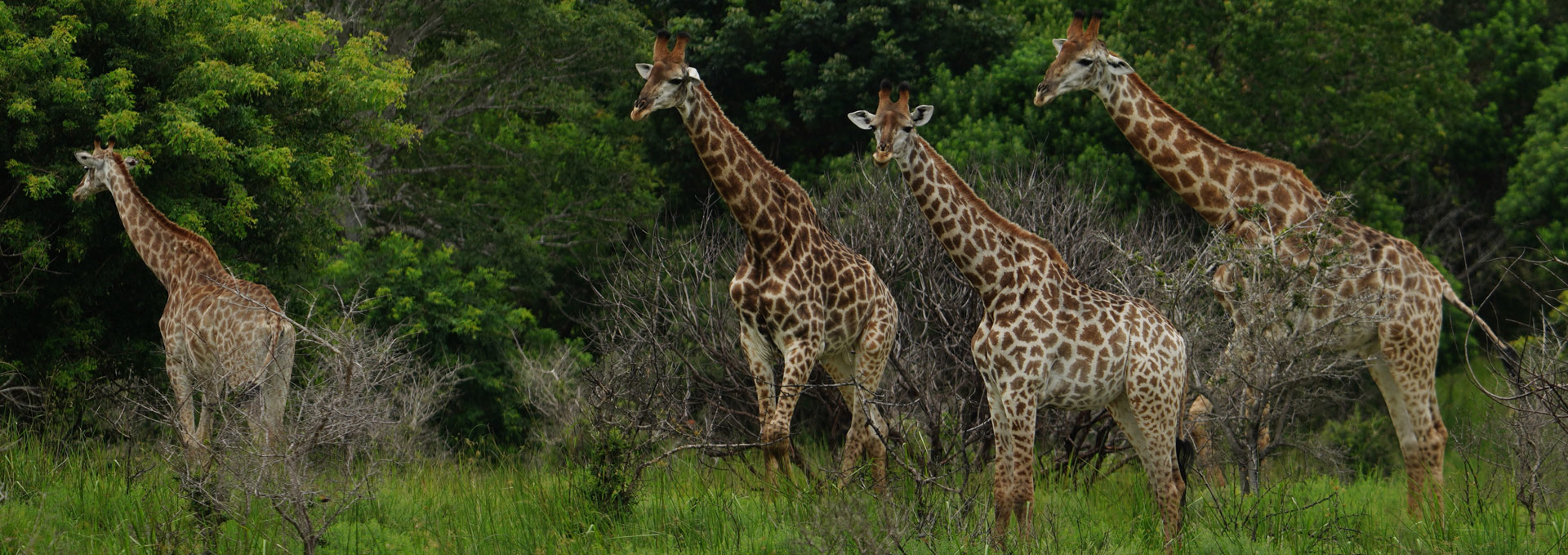
© Jose G Gomes Pepe
-
© Jose G Gomes Pepe
-
© Gorongosa
-
© Gorongosa
-
© Rafael Fernandez Caballero
-
© PROMOVE Biodiversidade
-
© Jose Gomes Pepe
Updated at 19/05/2026
Our Biodiversity

+6000
PLANT SPECIES

726
BIRD SPECIES

171
REPTILE SPECIES

85
AMPHIBIAN SPECIES
3075
INSECT SPECIES
Mozambique is rich in natural resources and biodiversity, which are vital pillars for the country’s sustainable development. About 80% of the Mozambican population depends on biodiversity and ecosystem services for their livelihoods and relies on these resources to ensure their social and economic well-being. However, the continuous overexploitation of biodiversity and habitat loss, accelerated by development projects that do not follow integrated territorial development plans, shifting agriculture, pollution, along with the introduction of exotic species and the effects of climate change, have led to the degradation of the country’s unique species, habitats, and ecosystems.
Mozambique has a rich diversity of ecosystems and species, comprising around 162 ecosystems and more than 6,300 native and/or naturalized plant species, of which about 300 are on the IUCN Red List and 22% are endemic. The flora also includes more than 235 species of marine algae (Guiloviça, 2007), 9 mangrove species, and 13 seagrass species (IUCN, 2021). Terrestrial fauna is equally diverse, including approximately 904 bird species, 176 reptile species, 90 amphibian species (of which 28 are endemic), and about 3,075 insect species. Recent scientific expeditions, such as those in the afro-montane forest of Mabu, have recorded new species for science currently under identification. In the marine environment, there are more than 1,452 fish species, 20 species of marine mammals, and 295 species of crustaceans (IUCN, 2021).

Currently, the country has 30 Key Biodiversity Areas (KBAs) already identified and delineated by WCS and IUCN, covering a total area of approximately 139,977.95 km², of which 26 KBAs are on land, covering about 134,050.06 km², and 4 KBAs are in the marine environment, covering 5,927.89 km². Terrestrial KBAs occupy 10% of Mozambique’s mainland territory, while marine KBAs cover 1% of the country’s Exclusive Economic Zone (EEZ):
67 fauna species were assessed, of which 52% are at risk of extinction (26.9% endangered – EN, 14.9% vulnerable – VU, 10.5% critically endangered – CR), highlighting the need for conservation initiatives to reverse this trend;
About 38 species of herpetofauna (amphibians and reptiles) were assessed, of which 80% of amphibians are threatened (EN) and 48% of reptiles fall into one of the threat categories (18% critically endangered – CR, 18% endangered – EN, and 12% vulnerable – VU);

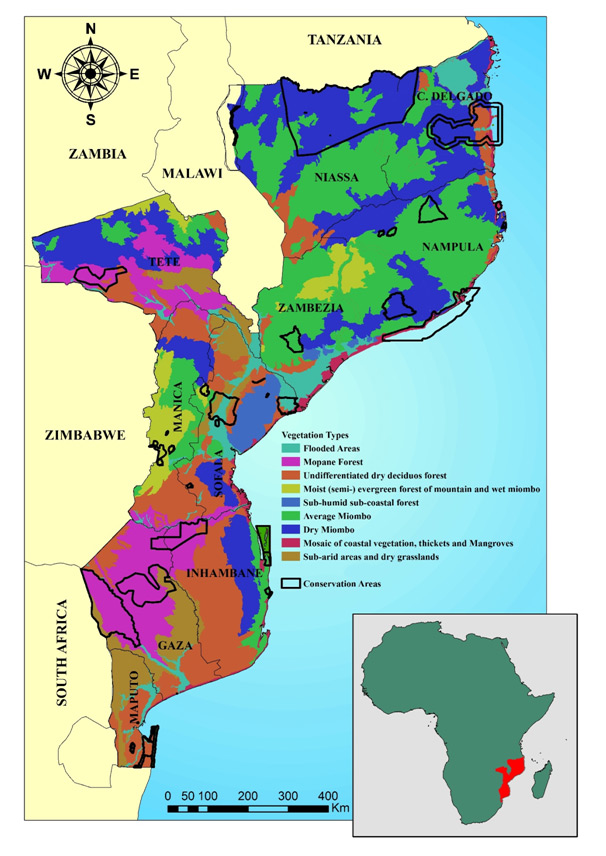
Historical ecosystems of Mozambique have been mapped, including the first Red List of terrestrial ecosystems of Mozambique developed by WCS;

The government is integrating KBAs and the Red List of species and ecosystems into its legal framework, namely in the National Territorial Development Plan as well as in the Marine Spatial Plan, as areas to be preserved;

The Guidelines on “Business and KBAs: Managing Biodiversity Risk,” previously available in English, have now been translated into Portuguese. These identify good environmental practices that development projects should follow when implemented in or around KBAs.
The assessment of Important Plant Areas (IPAs) in Mozambique shows that there are 57 IPAs covering 22,950 km², slightly less than 3% of the national territory. Only 18 IPAs occur within the Conservation Areas network, while another 10 are partially within these areas. However, just over 50% of IPAs occur outside protected areas, where anthropogenic and other threats are prevalent.
All 57 sites belonging to Category A, representing 83% of all threatened taxonomic categories, are represented in one or more IPAs;
There are 49 sites with taxonomic categories A and B not represented anywhere else within the IPA network;
There are 12 sites belonging to Category B with exceptional richness of taxonomic categories of high conservation importance;
There are 26 sites classified under Category C, representing 12 different threatened habitats or habitats restricted to a particular region;
IPAs that meet all three criteria include:
- the Chimanimani lowlands
- the Chimanimani Mountains
- the lower Rovuma escarpment
- the Gorongosa, Namuli, Quiterajo, Ribáuè-M’paluwe, and Tsetserra Mountains
The most threatened and endemic species occur in transboundary zones of Endemism Centres, namely:
- Rovuma in the Northeast and Maputaland, including Limbombo in the Southeast, both covering coastal zones with inland mountainous areas;
- the mountainous areas of Chimanimani-Nyanga in the West, Mulanje-Namuli-Ribáuè in Northern Mozambique and Southern Malawi.
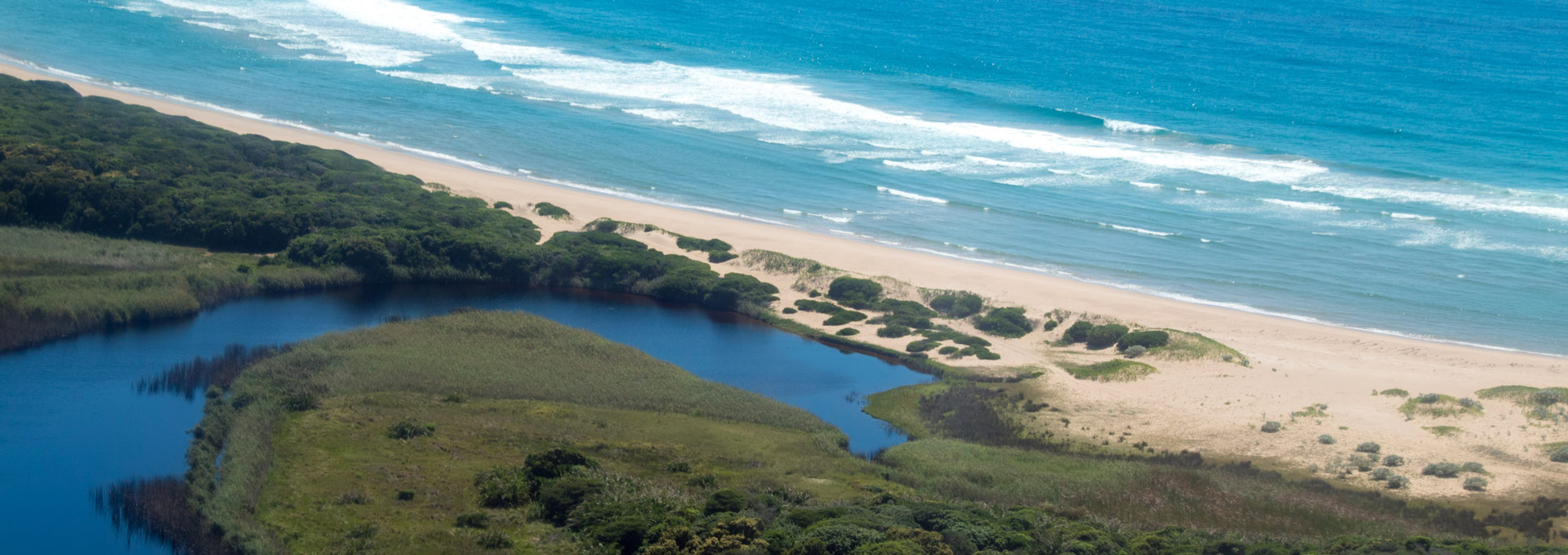
The coastline is approximately 2,770 km long and is characterized by a diversity of habitats, including sandy beaches, coastal dunes, estuaries, bays, terrestrial forests, mangroves, seagrass beds, and coral reefs.
Forest ecosystems, consisting of native forests and woodlands, cover about 43% of Mozambique’s total land area, of which 67% are semi-deciduous forests, 20% evergreen forests, mangrove forests account for about 1%, and other forest types make up 12% of forest habitats. These forest types host a vast diversity of fauna and flora and form unique landscapes.
New terrestrial and marine species continue to be discovered in Mozambique, with a focus on bats, birds, reptiles, amphibians, mammals, slugs, and macroalgae.
The Government has established a biodiversity information platform for Mozambique, where all information on our biodiversity can be found (SIBMOZ)
“Olha atentamente a natureza e vais compreender tudo o resto.”
Albert Einstein