
-
Climate Emergency Response Programme – BIO-CERP
© PROMOVE Biodiversidade
-
Climate Emergency Response Programme – BIO-CERP
© Ernesto Chauque
-
Climate Emergency Response Programme – BIO-CERP
© REM
-
Climate Emergency Response Programme – BIO-CERP
© RNP
-
Climate Emergency Response Programme – BIO-CERP
© RNP
-

Climate Emergency Response Programme – BIO-CERP
© RNP
-
Climate Emergency Response Programme – BIO-CERP
© Lionel Massicane
-
Climate Emergency Response Programme – BIO-CERP
-

Climate Emergency Response Programme – BIO-CERP
Context
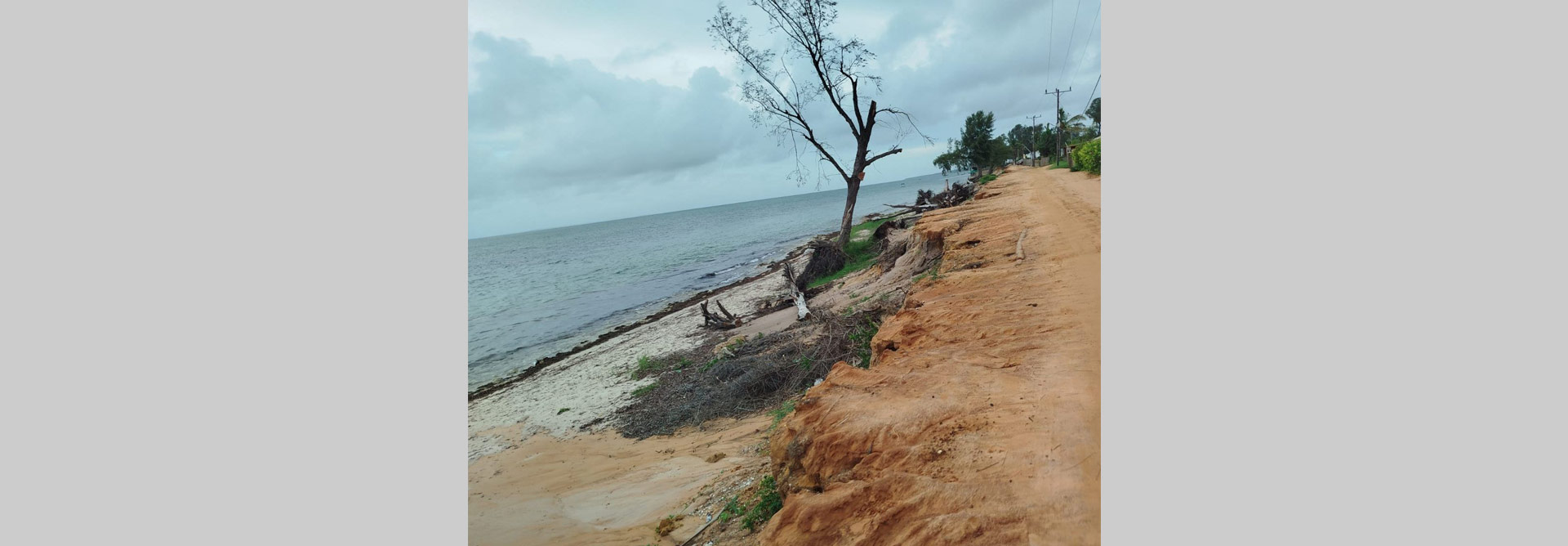
In Mozambique, emergencies are increasingly linked to climate change, such as floods, droughts and particularly extreme weather events, such as cyclones.
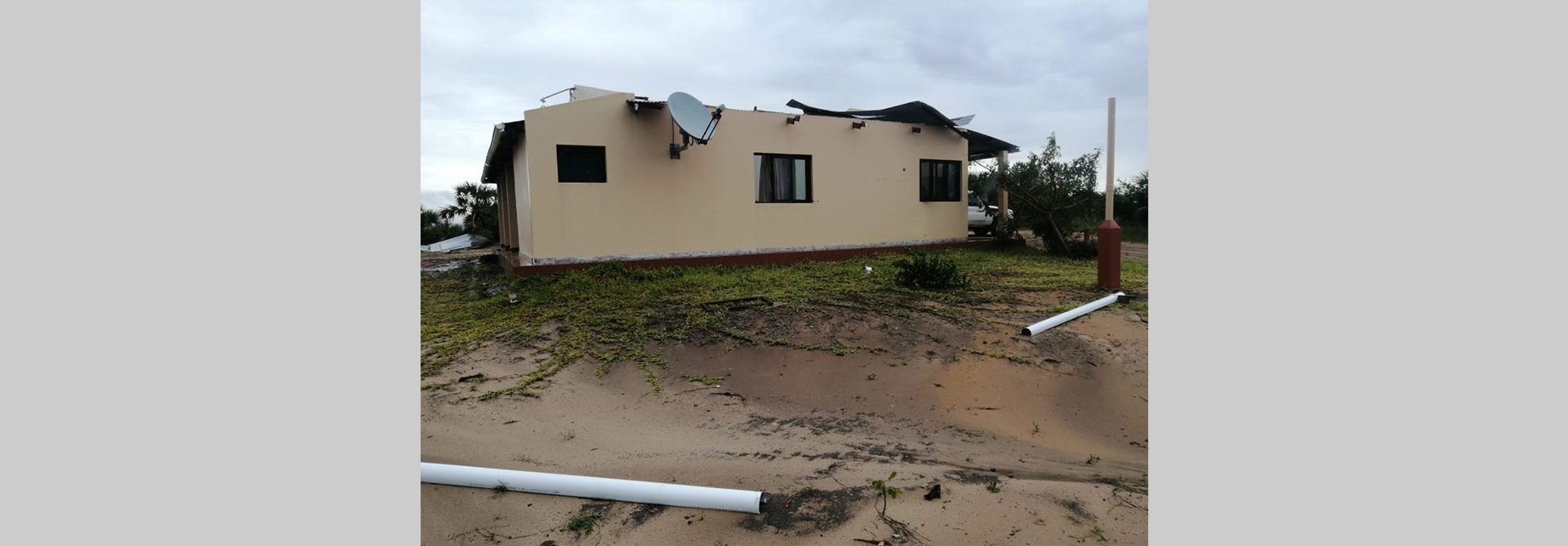
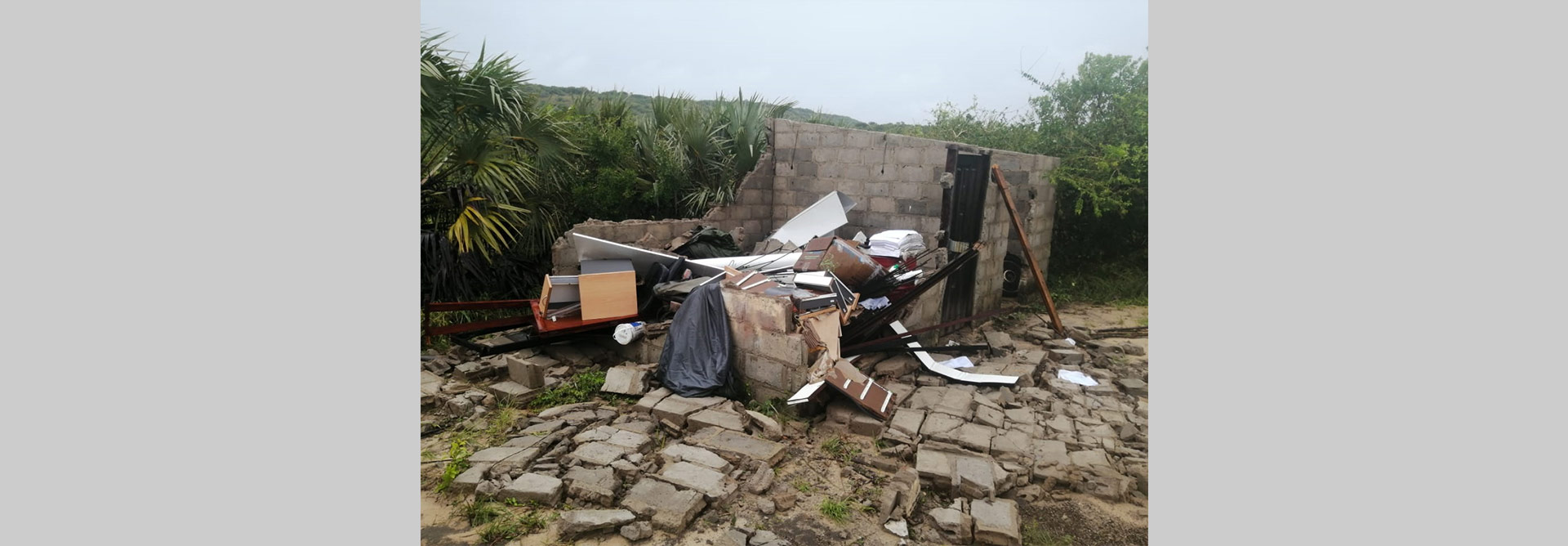
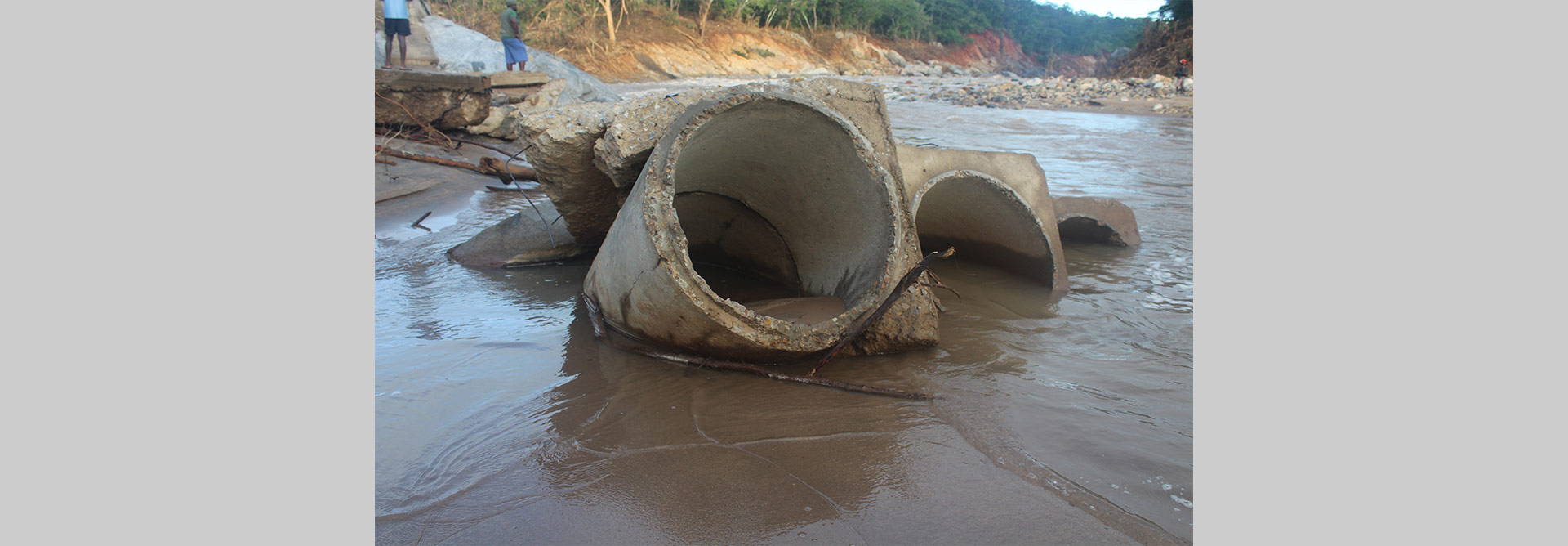
Cyclones Idai and Kenneth, which occurred in 2019, and Freddy in 2023, are notable examples of the impact of climate disasters in the country. Idai destroyed many bridges and small river crossings in Chimanimani National Park, as well as some infrastructure at the Park headquarters. Kenneth destroyed several ranger posts in Quirimbas National Park, and Freddy destroyed various infrastructures in Pomene National Reserve.
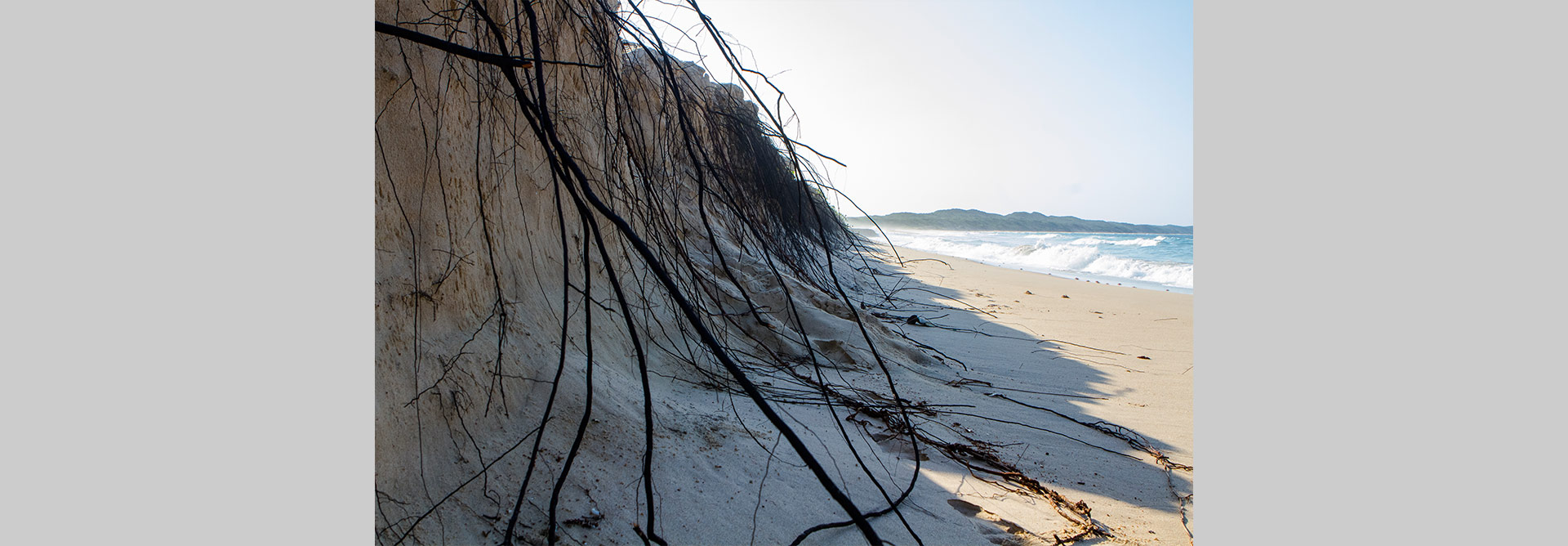
Events of this nature often occur with little or no prior warning and present highly unpredictable impacts. What we do know is that climate change has made extreme events more likely, more frequent and more intense.
In addition to cyclones, fire is another significant threat, capable of destroying substantial investments such as infrastructure in a short period of time.
Although fires may have natural causes or be triggered by human activity, climate change has contributed to increasing their intensity and the magnitude of their impacts.
It is in this context that BIOFUND created the Climate Emergency Response Programme (BIO-CERP) to respond in a timely manner when such disasters occur across the network of Conservation Areas (CAs) in the country. The programme focuses primarily on the first of the effects identified above, the direct threat to existing investments related to biodiversity conservation.
-

Programme Objective
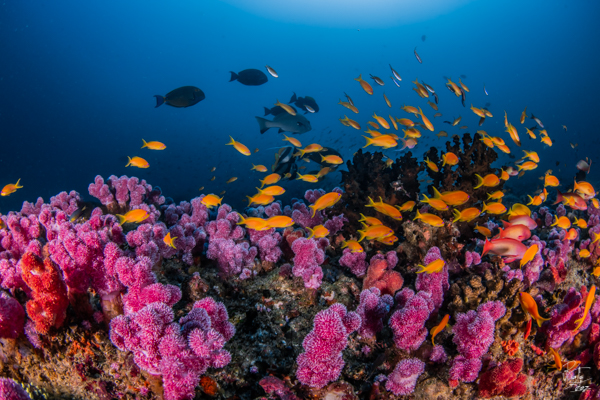
To create emergency response capacity to climate emergencies in Conservation Areas
© Matt Todd
Financing Model
To provide the necessary funding to different Beneficiaries, the programme uses BIOFUND’s endowment mechanism (Capital Fund).
The endowment benefited from a contribution of 2 million Euros from the French Development Agency (AFD). The invested capital generates approximately USD 65,000 annually, which is used to support Conservation Areas in times of climate-related crises/disasters. When funds are not used, they are reinvested, ensuring the rapid growth of the fund and making them available for subsequent years.
-
© Rafael Fernandez Caballero
Eligibility Criteria
The main eligibility criterion is the risk or damage caused by extreme events, based on an orange or red alert issued by the National Institute for Disaster Risk Management and Reduction (INGD). The extreme events covered by BIO-CERP are:
- Cyclones or other severe storms (including impacts of hail or storm surges);
- Floods (coastal or riverine);
- Forest fires;
- Landslides.
Eligible Beneficiaries
To ensure faster response in times of crisis, the eligible beneficiaries are:
- Conservation Areas (and/or their co-management partners) currently benefiting from BIOFUND;
- Conservation Areas that have benefited from BIOFUND within the five years prior to the event.
-

© Célia Macamo
Eligible Activities
Activities funded by BIO-CERP focus on the first three phases of an emergency:
Phase 1: Disaster preparedness
a) Disaster response planning
Preparation of Disaster Response Plans (DRP) for Conservation Areas
b) Implementation of the Disaster Response Plan (DRP) in a specific emergency
When the risk of a climate disaster is identified as imminent (impacts expected within hours or days), the Conservation Area, through its Administrator, may request emergency funding from BIOFUND. Actions may include:
- Evacuation of people and movable assets;
- Strengthening the protection of facilities;
- Transfer of equipment to safe locations, as defined in the DRP.
For this phase, BIOFUND provides up to USD 20,000 for preparedness actions.
Phase 2: Immediate post-disaster response
- After the disaster, emergency support will be required, such as search and rescue operations, transport and distribution of essential relief goods, etc.;
- This activity should mainly be limited to the CA and its buffer zone, where the CA has local knowledge to support immediate response;
- Funding of up to USD 15,000 (fifteen thousand US dollars) is available under the programme to implement these immediate response activities. The CA, through its Administrator, may inform BIOFUND of its intention to benefit from this emergency funding.
Phase 3: Rehabilitation and short-term recovery
- BIO-CERP will fund relatively small and urgent repairs to protect assets and prevent further damage;
- BIO-CERP will fund damage/loss assessments and the definition of priority repairs and their estimated costs.
Impacts Achieved by BIO-CERP
Under BIO-CERP, the first intervention was implemented in 2023 in support of Pomene National Reserve, following the impacts of Cyclone Freddy. The intervention enabled the immediate implementation of priority actions aimed at safeguarding local communities, protecting critical infrastructure and ensuring the continuity of essential conservation operations.
The support included the rehabilitation of damaged infrastructure (ranger posts, access roads and bridges), provision of emergency equipment, replacement of logistical means for rangers, support to operational communication (rehabilitation of solar panels), as well as environmental stabilisation measures to prevent further degradation.
In 2026, following heavy rains and severe floods that affected several regions of Mozambique, BIOFUND mobilised support for Zinave, Banhine and Limpopo National Parks. The response was activated in less than 48 hours for Banhine and Limpopo, enabling rapid damage assessment, emergency logistical support, replacement of critical equipment and strengthening of patrol and ecological monitoring operations.
In the case of Zinave, support focused mainly on preparedness and risk mitigation measures, including reinforcement of vulnerable infrastructure, updating contingency plans, acquisition of preventive equipment and capacity building of local teams for rapid response to extreme climate events.
Currently, the development of a Disaster Preparedness and Response Guide is in its final phase, which will strengthen the readiness of Conservation Areas, and will later be adapted to the specific needs of each area, complemented by action plans and the acquisition of essential equipment.
Donor