
With an Endowment Fund exceeding USD 72 million, BIOFUND presented its experience in mobilising and managing financial resources as a case study of good practices for Mozambique’s development.
Published at 26/11/2026
BIOFUND shares its sustainable financing experience at the 2026 Development Forum
-
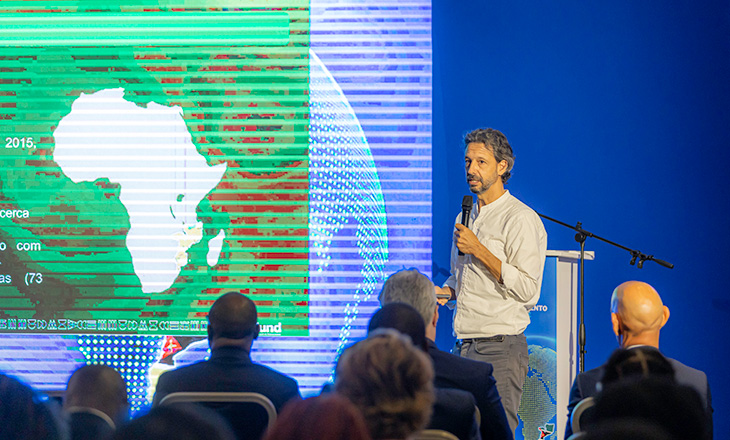
© M4D
-
-
-
-
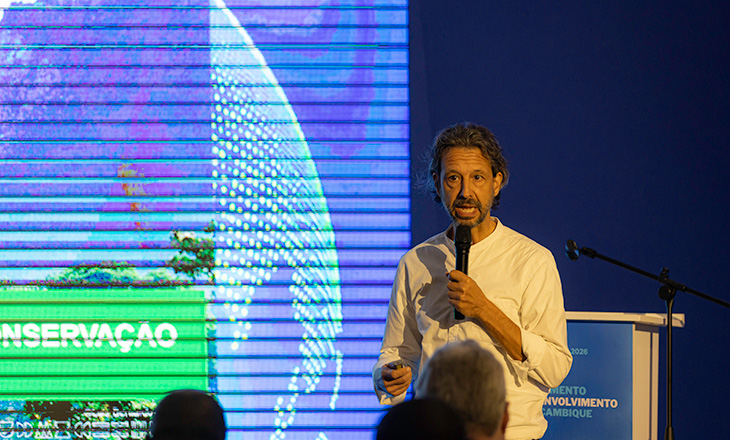
How can we ensure that investments made in biodiversity conservation today continue to deliver results for decades to come? This was one of the key questions addressed by the Foundation for the Conservation of Biodiversity (BIOFUND) during the 2026 Development Forum, held on 24 November in Maputo.
At the invitation of Media4Development, in institutional partnership with PwC Mozambique, BIOFUND presented its financing model as an example of good practices in mobilising, managing and allocating resources for biodiversity conservation, with the potential to inspire other institutions working in sustainable development.
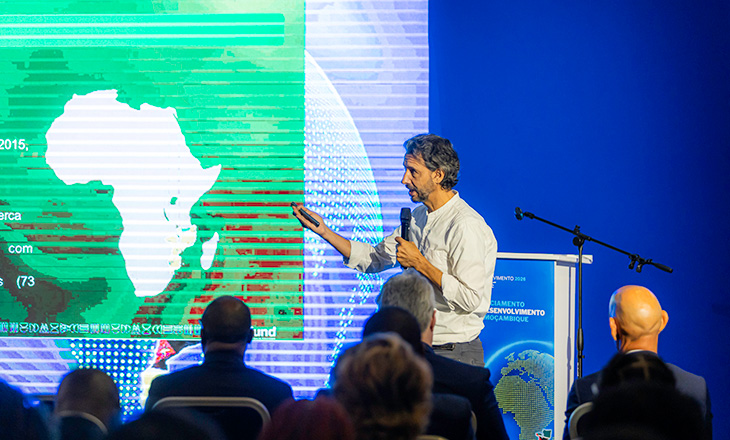
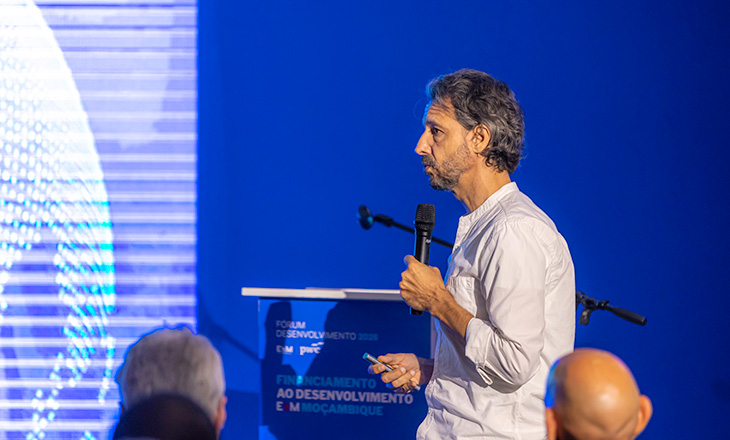
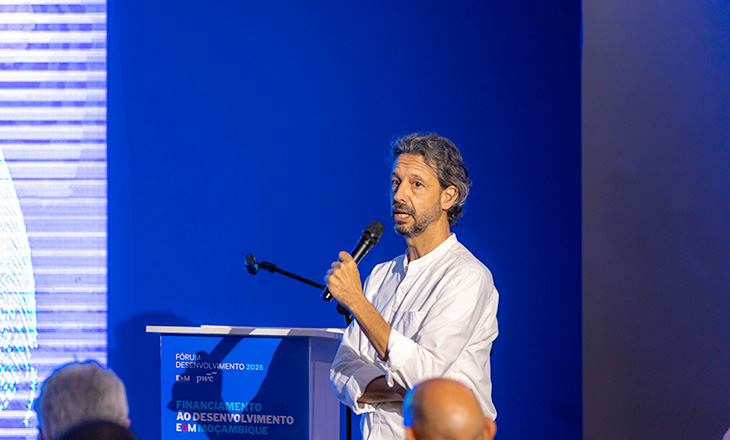
Represented by its Director of Innovative Financing, Sean Nazerali, the Foundation shared its experience in developing long-term financial solutions, diversifying funding sources and strengthening the institutional capacity needed to translate financial resources into environmental, economic and social benefits.
Financing conservation beyond project cycles
Biodiversity conservation requires sustained investment, with results that cannot always be achieved within the implementation period of a project. The management of conservation areas, protection of ecosystems and support for local communities often require commitments spanning several generations.
In this context, BIOFUND’s Endowment Fund, which reached USD 72.15 million in 2026, plays a particularly important role.
The mechanism is based on long-term capital investment, generating returns that can finance conservation activities without drawing down the underlying capital. This approach contributes to greater financial predictability and continuity of interventions on the ground, even amid changing international cooperation priorities.
“Creating a long-term mechanism is extremely important,” emphasised Sean Nazerali.
From resource mobilisation to results on the ground
The ability to mobilise funding must be accompanied by effective governance, transparency, accountability and sound financial management mechanisms.
By the end of 2025, BIOFUND had mobilised more than USD 144 million and channelled approximately USD 56 million into conservation initiatives through 73 projects benefiting 36 conservation areas across Mozambique.
In addition to the returns generated by its Endowment Fund, the Foundation manages resources allocated to specific conservation programmes and directly implements projects aligned with national conservation priorities.
The evolution of this model demonstrates the importance of strengthening national institutions’ capacity to manage development financing and building relationships of trust with development partners.
Diversifying funding and expanding national participation
The financial sustainability of conservation also depends on engaging new stakeholders, particularly the national private sector.
One example of this approach is the bio Card, developed in partnership with Banco Comercial e de Investimentos (BCI), which enables resources to be mobilised for biodiversity conservation through everyday banking transactions.
Such initiatives complement international development financing, broaden society’s participation in conservation and demonstrate the opportunities for developing innovative financial solutions within Mozambique.
Conservation as an integral part of development
“Conservation is not a luxury,” said Sean Nazerali, emphasising the importance of natural resources for community livelihoods and Mozambique’s economic and social development.
Protecting biodiversity represents an investment in the country’s future, with direct implications for food security, income generation, climate resilience and the sustainability of economic activities that depend on natural resources.
BIOFUND’s participation in the 2026 Development Forum brought the conservation sector’s experience into a broader discussion on development financing in Mozambique, with particular emphasis on national capacity to manage resources and develop lasting financial solutions.
Held at the Radisson Blu Hotel, the 2026 Development Forum was organised by Media4Development through its editorial platforms Economia & Mercado, Diário Económico and 360º Mozambique, in partnership with PwC Mozambique. The event brought together representatives of the Government, international financial institutions, development partners and the private sector.

