
New office, 43 kilometres of fencing, solar power, environmental education and sustainable livelihood initiatives are strengthening community participation in biodiversity conservation.
Published at 06/10/2026
From Infrastructure to Nature Conservation: Investments Strengthen Community-Based Management in the Futhi Corridor
-
© Maputo Conservation Company
-
© Maputo Conservation Company
-
© Maputo Conservation Company
-
© ANAC
-
© Maputo Conservation Company
-
© ANAC
-
© Maputo Conservation Company
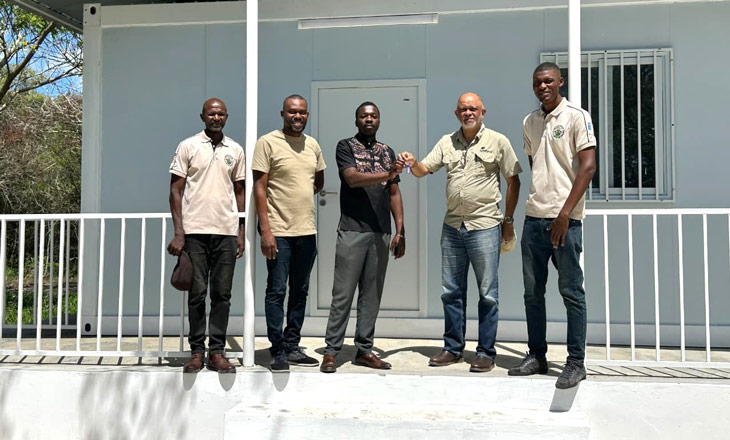
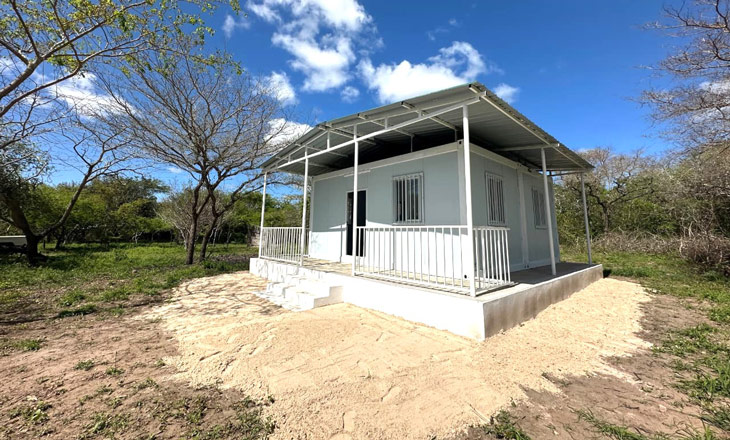
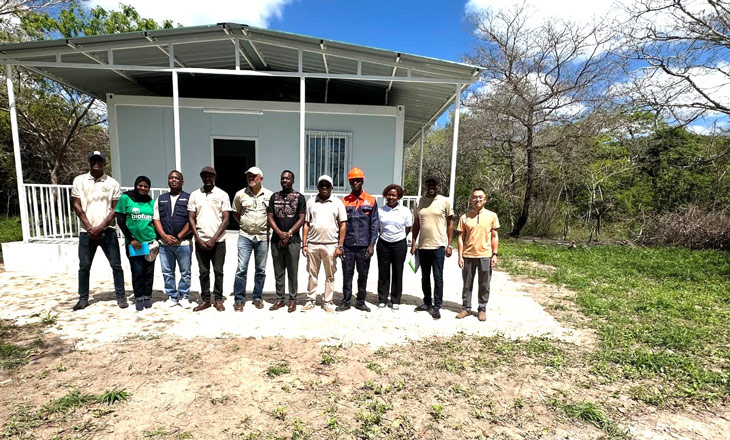
Community-based biodiversity management in the Mwai Community Conservation Area (Mwai CCA), located along the Futhi Corridor, now has improved conditions to support its operations. Through the Biodiversity Conservation Programme, funded by the Government of Sweden through the Foundation for the Conservation of Biodiversity (BIOFUND), a modular facility has been installed to serve as an office for the Futhi Corridor Community Conservation Association, which is responsible for managing the Mwai Community Conservation Area.
Coordinated by BIOFUND in collaboration with the National Administration for Conservation Areas (ANAC), the support has contributed to strengthening community-based structures responsible for natural resource management, improving working conditions and coordination, while supporting the protection of natural resources and the promotion of sustainable livelihoods.
More than just a new facility, the office forms part of a broader set of investments aimed at creating better conditions for communities to actively participate in the management and protection of natural resources.
From Infrastructure to Habitat Protection
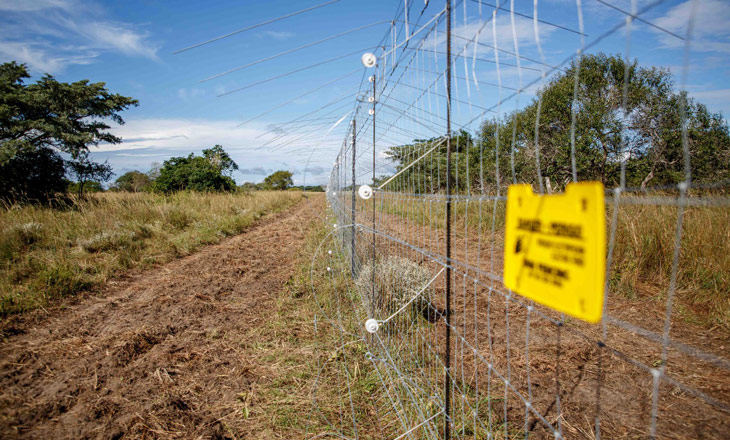
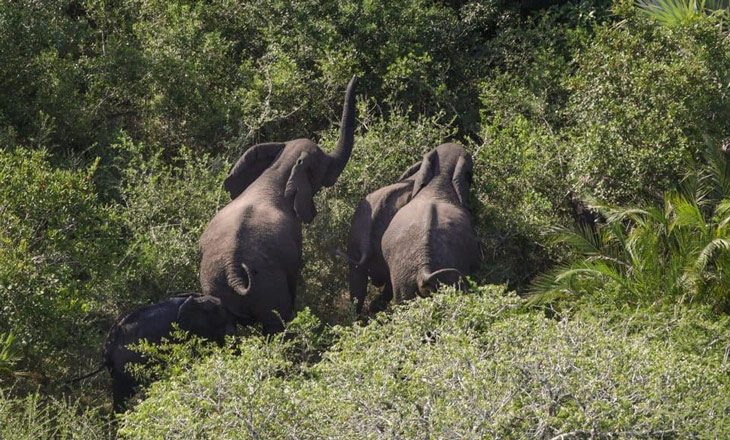
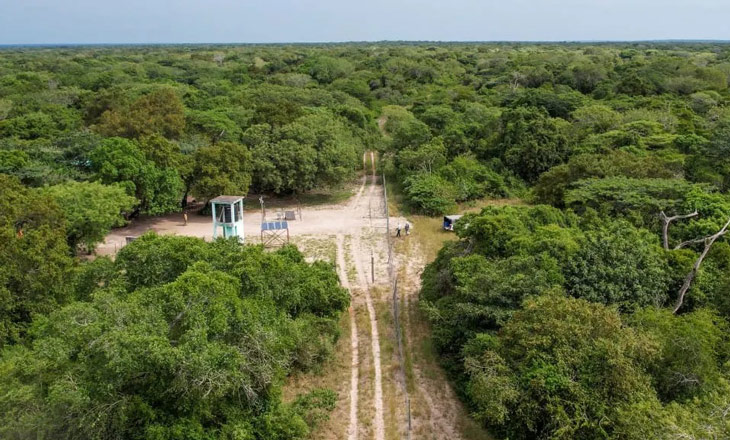
Among the interventions supported by the Programme is the construction of 43 kilometres of fencing along the Futhi Corridor. The initiative is aimed at mitigating human-elephant conflict while contributing to habitat connectivity and protection.
The Programme has also supported a range of actions to strengthen the management of the Mwai CCA, including the installation of a solar power system at the Mwai CCA’s main camp, environmental education activities, the development of sustainable livelihood opportunities, and capacity building for local community governance structures.
Together, these interventions promote an integrated approach to conservation, linking biodiversity protection with improved livelihoods and greater community involvement in the management of natural resources.
A Commitment that Continues
Support to the Mwai CCA will continue through a new BIOFUND initiative, the Community Conservation and Investments Programme, funded by the Government of the United Kingdom through the Foreign, Commonwealth & Development Office (FCDO).
The new initiative will strengthen investments in community conservation and sustainable development, building efforts to consolidate conservation models that recognize local communities as key actors in biodiversity protection, the sustainable use of natural resources, and the development of sustainable alternatives that are compatible with conservation objectives.
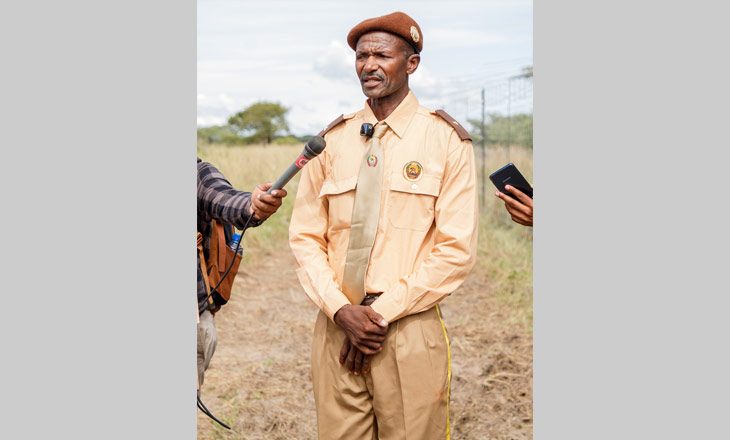
For Armando Tembe, community representative and leader, the new facility responds to a concrete need within the community while also recognizing the work being carried out locally.
“We are very grateful for this support. This office is very important to us because it will provide a place where we can work, meet and address matters concerning our community. It is a joy to see that the work we have been doing to protect this area is also receiving support.”
Armando Tembe adds that the community hopes this will be another step towards continued collaboration for conservation and the well-being of local families.
“We thank BIOFUND, Sweden, ANAC and everyone who made this initiative possible. We hope this will be another step forward and that we will continue working together to care for our land and biodiversity and to ensure a better future for our families.”
The strengthening of infrastructure, combined with habitat protection, environmental education, sustainable livelihood development and community capacity building, underscores the importance of investing in people and local structures. These investments are essential to further strengthen community participation, promote responsible natural resource management and advance more inclusive, informed and sustainable biodiversity conservation, with lasting benefits for both communities and the environment.