
The 2025 National Elephant and Large Mammal Census, funded by the Government of Sweden through the Biodiversity Conservation Programme coordinated by the Foundation for the Conservation of Biodiversity (BIOFUND), points to a sharp decline in poaching, strengthens national scientific capacity, and highlights the economic potential of wildlife.
Published at 24/07/2026
Mozambique Estimates 22,718 Elephants and Records Signs of Wildlife Recovery
-
© BIOFUND
-
© BIOFUND
-
© BIOFUND
-
© BIOFUND
-
© BIOFUND
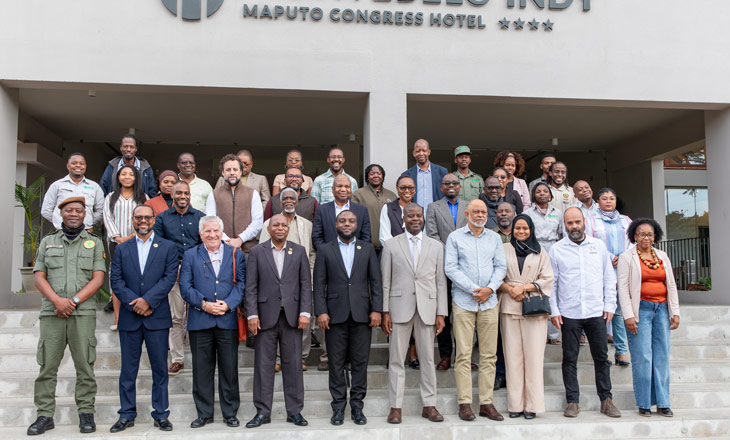
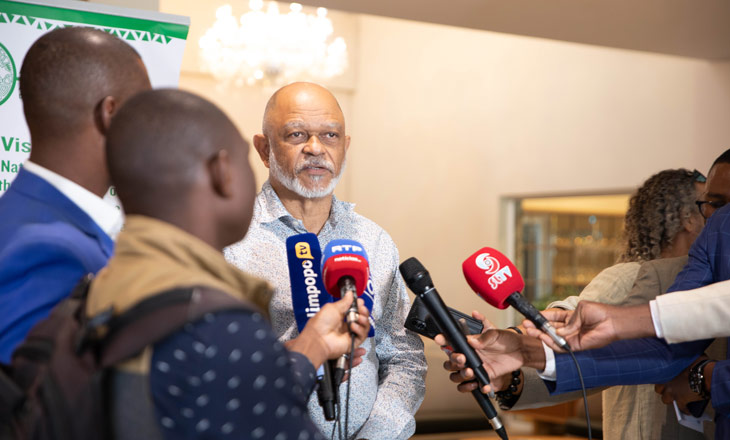
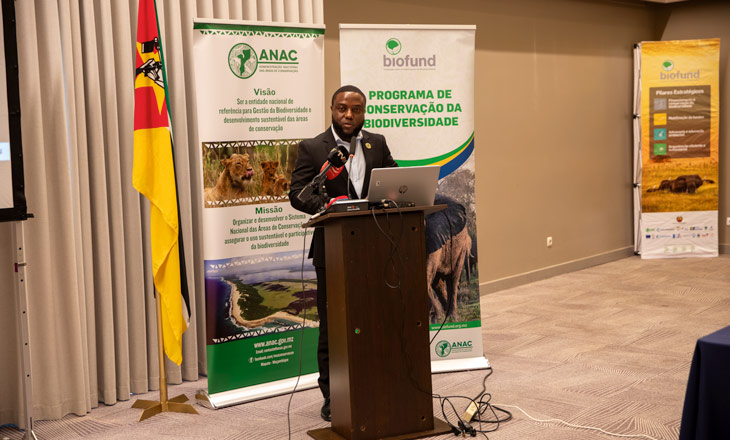
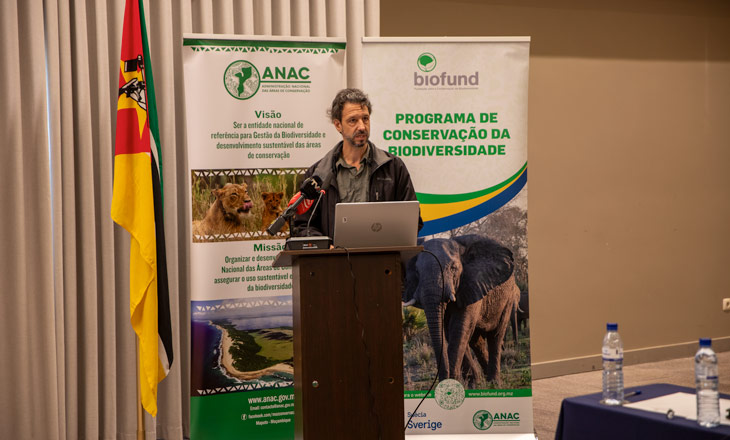
Mozambique’s elephant population is now estimated at 22,718 individuals, more than double the 9,114 elephants recorded during the previous national census in 2018. The findings of the 2025 National Elephant and Large Mammal Census were presented on Friday, 24 July 2026, by the National Administration for Conservation Areas (ANAC).
The survey also recorded a sharp decline in the elephant carcass ratio, from 48.35 percent in 2018 to 4.6 percent in 2025. This points to a strong reduction in recent mortality and confirms the decline of large-scale poaching, although pressure on habitats and the risk of human-wildlife conflict persist.
The census was carried out between September and November 2025 by the Centre for Agriculture and Natural Resources Management Studies (CEAGRE) of the Faculty of Agronomy and Forest Engineering at Eduardo Mondlane University, under the leadership of ANAC. It was funded by the Government of Sweden through the Swedish International Development Cooperation Agency (Sida), under the Biodiversity Conservation Programme coordinated by BIOFUND, with technical support from the International Union for Conservation of Nature (IUCN). The results also underwent an independent technical review.
Scientific data to guide decisions
According to Pejul Calenga, Director General of ANAC, the estimated recovery of the elephant population reflects stronger law enforcement and transboundary cooperation, but also requires more effective management of coexistence between people and wildlife.
“This result represents a historic recovery of the species in Mozambique, doubling the population recorded in 2018 and bringing us close to the levels observed in 2008,” said Pejul Calenga.
Beyond updating elephant population estimates, the census provides information to guide the management of Conservation Areas, strengthen law enforcement, protect habitats, improve land-use planning, and mitigate human-wildlife conflict. It also identified the expansion of human settlements, agriculture, livestock production, charcoal production, and mining into areas previously less affected by these activities.
The survey also indicates stable or increasing populations of several large mammal species, including buffalo, zebra, giraffe, hippopotamus, impala, and waterbuck. For the first time, southern Mozambique holds the largest share of the national elephant population, estimated at about 53 percent. This dynamic reflects not only reproduction, but also animal movements within the Great Limpopo Transfrontier Conservation Area and ecological connectivity between Mozambique, South Africa, and Zimbabwe.
Science, national capacity, and economic value
The census was conducted by a national multidisciplinary team comprising researchers, technicians, and specialists from different institutions, marking an important step in strengthening Mozambique’s scientific capacity. According to Sean Nazerali, BIOFUND’s Director of Innovative Finance, regular monitoring is essential to measure the results of investments in conservation.
“This census is much more than a simple wildlife count. It is, in fact, a strategic investment in scientific knowledge in the country. We cannot effectively manage what we do not know,” said Sean Nazerali.
Samir Magane, BIOFUND’s Biodiversity Conservation Programme Coordinator, also highlighted the economic potential of these resources:
“We must see wildlife not as a problem, but as a resource that can stimulate the country’s development. We have a wildlife economy that is still underdeveloped and has great potential to leverage national development and generate jobs and revenue.”
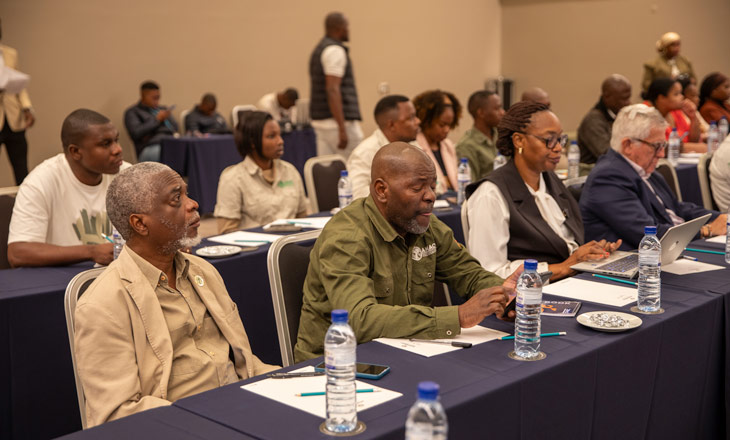
The seminar recommended more regular censuses, harmonised methodologies, and the testing of technologies such as drones, remote sensors, and high-resolution imagery.