
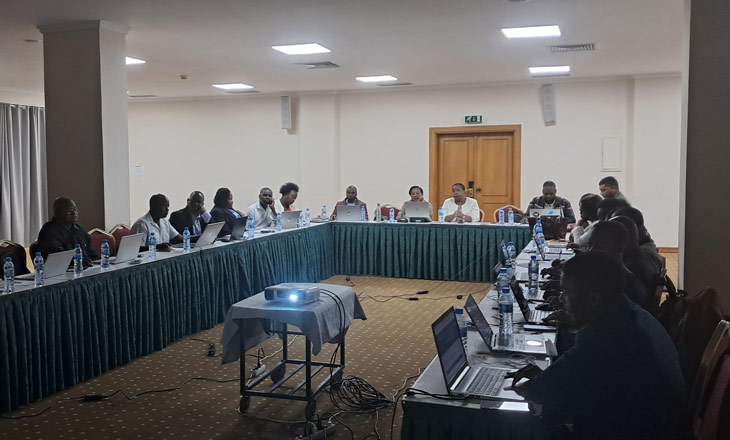
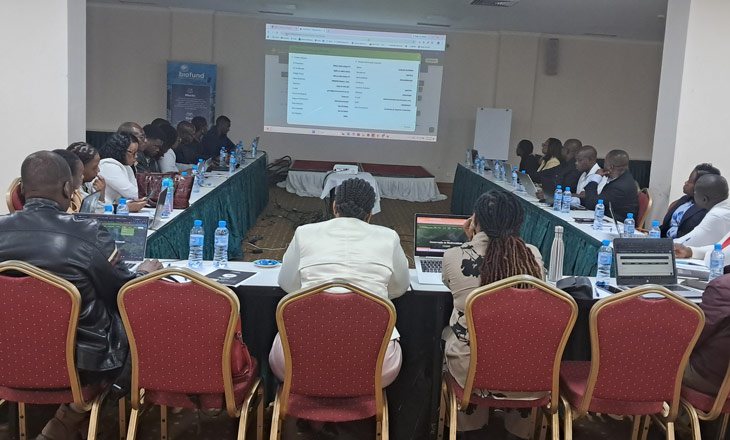
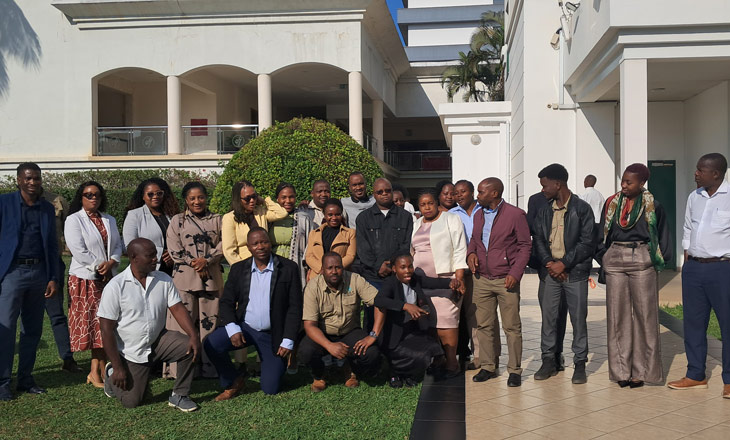
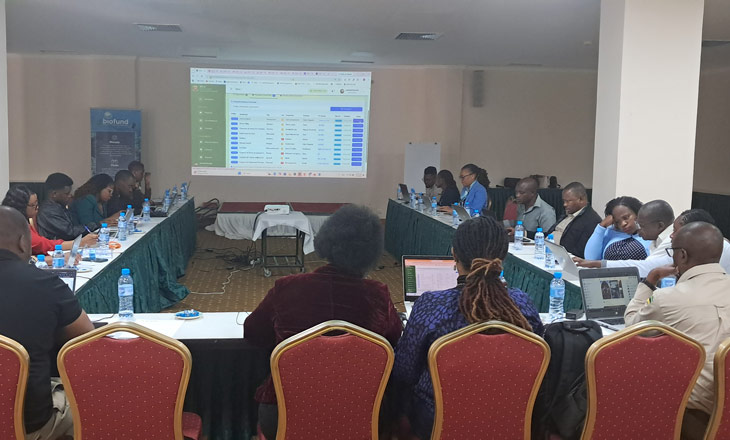
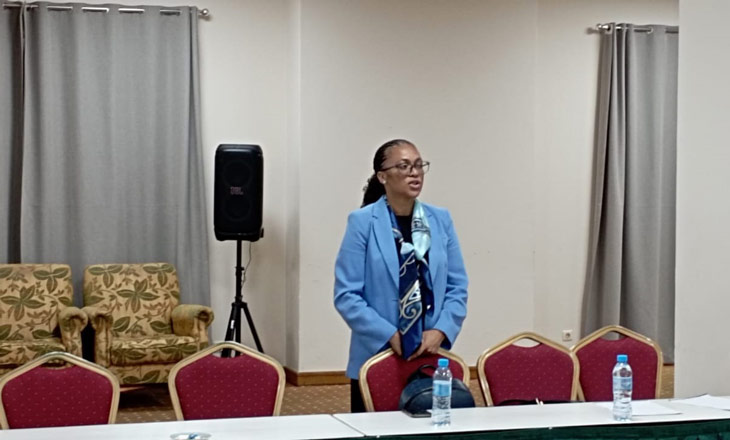
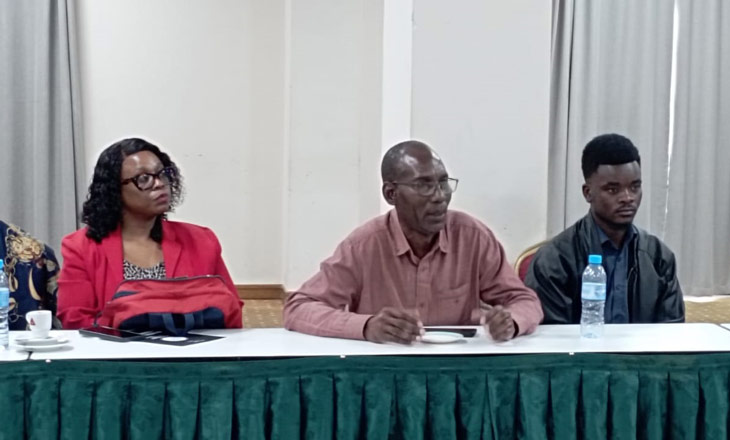
The Government of Mozambique, through the National Directorate for the Environment and Climate Change (DINAMC), held a training workshop on 6 and 7 July at the Hotel VIP in Maputo, aimed at preparing government technicians to operationalise the modernised version of the Environmental Licensing Management System (SGLA).
Published at 29/07/2026
Digital Migration of Environmental Licensing Sees New Progress: Government Technicians Trained to Operationalise new SGLA functionalities
The training brought together 27 participants from DINAMC’s environmental impact assessment, environmental management, and biodiversity offset assessment and monitoring departments, as well as technicians from the National Agency for Environmental Quality Control (AQUA) and the National Directorate for Territorial Development (DNDT), making this the latest in a series of training sessions already held for the technicians responsible for its operationalisation.
Initially launched in 2022, the SGLA has been continuously evolving, having undergone a modernisation process that introduced new functionalities. The platform update represents a further important step in the digital transformation of public administration, reinforcing an environmental licensing process that is increasingly efficient, transparent and aligned with the country’s sustainable development objectives.
Over the two days of training, participants received theoretical and practical instruction on operationalising the SGLA, including procedures for the digital management of environmental licensing processes, project registration, environmental inspection and audits, the biodiversity offset modules, and the tools supporting technical analysis, process monitoring and decision-making.
In addition to strengthening participants’ technical capacities, the workshop prepared the institutions responsible for environmental licensing, inspection and auditing for the full operationalisation of the updated platform.
The initiative was supported by partners from the COMBO+ Programme, the Foundation for the Conservation of Biodiversity (BIOFUND) and the Wildlife Conservation Society (WCS), as well as financial support from the Government of Sweden, through the Biodiversity Conservation Programme.