
Established in 2017 by the Foundation for the Conservation of Biodiversity (BIOFUND) and Banco Comercial e de Investimentos (BCI), the partnership has mobilized more than MZN 40 million for conservation and community development projects, supporting species protection, human-wildlife conflict mitigation and the promotion of sustainable livelihoods.
Published at 16/10/2026
BIOFUND and BCI Highlight the Impact of Bio Card on Biodiversity Conservation in Mozambique
-

© BIOFUND / Rui Esmael
-
© BIOFUND / Rui Esmael
-
© BIOFUND / Rui Esmael
-
© BIOFUND / Rui Esmael
-
© BIOFUND / Rui Esmael
-
© BIOFUND / Rui Esmael
-
© BIOFUND / Rui Esmael
-

© BIOFUND / Rui Esmael
-
© BIOFUND / Rui Esmael
-
© BIOFUND / Rui Esmael
-
© BIOFUND / Rui Esmael
-
© BIOFUND / Rui Esmael
-
© BIOFUND / Rui Esmael
-
© BIOFUND / Rui Esmael
Since 2017, the Bio Card has been transforming contributions from customers of BCI into tangible biodiversity conservation and community development initiatives in Mozambique. Through the 12 projects supported to date, the initiative has contributed to protecting threatened species, mitigating human-wildlife conflict and creating economic opportunities for local communities.
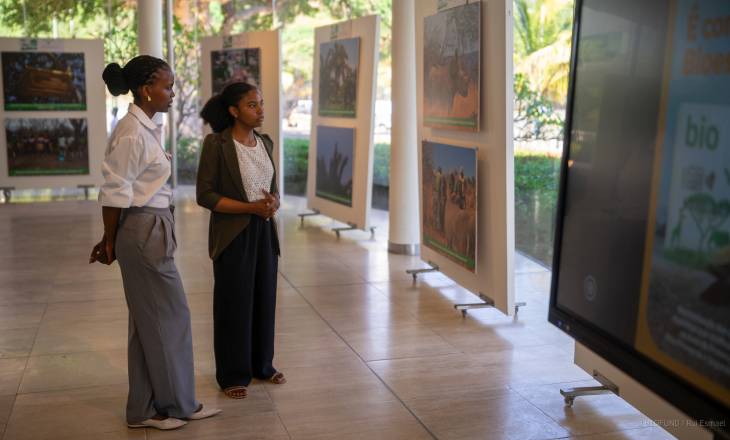
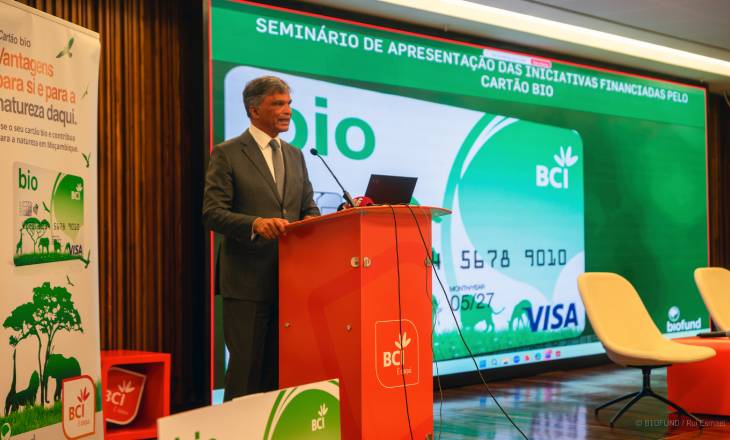
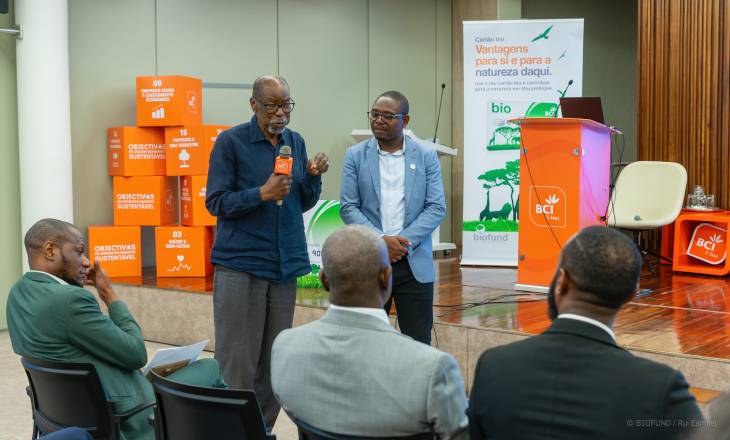
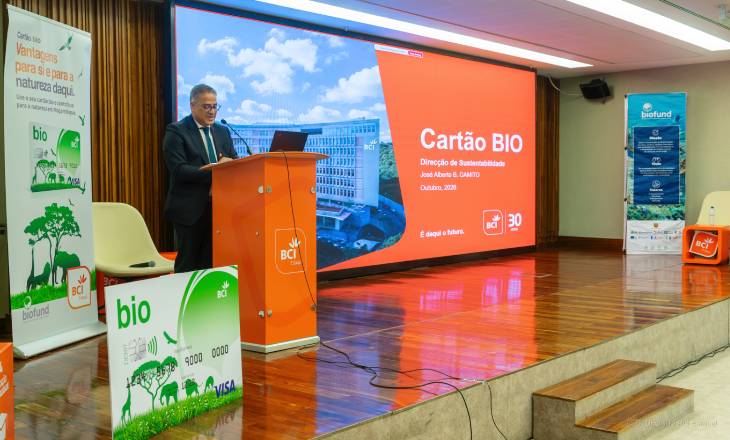
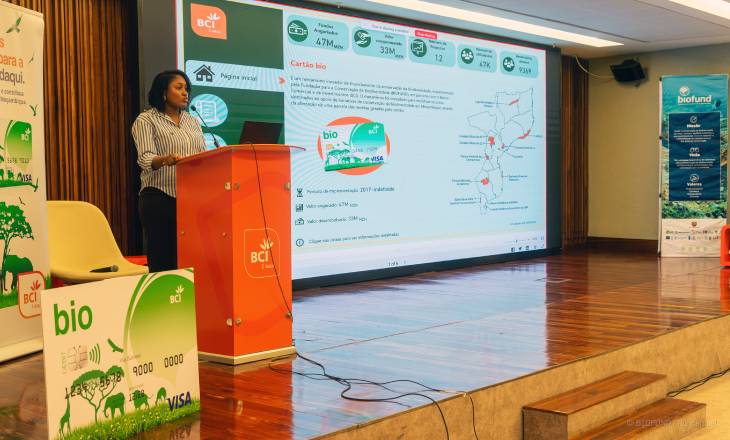
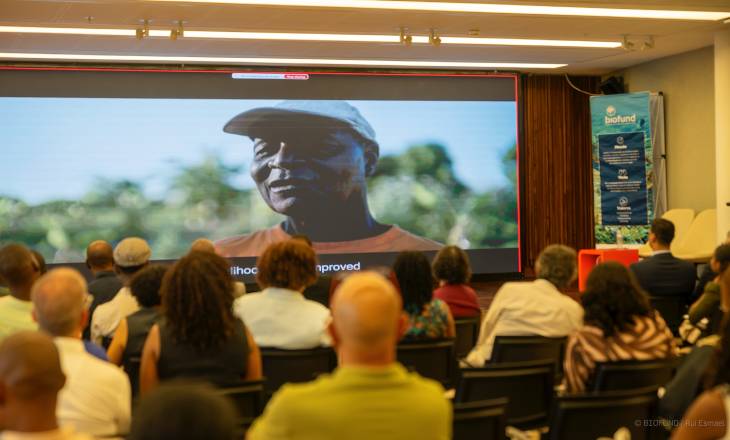
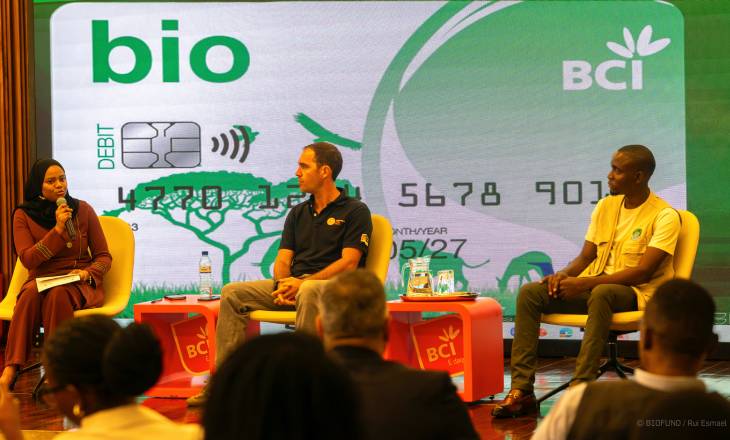
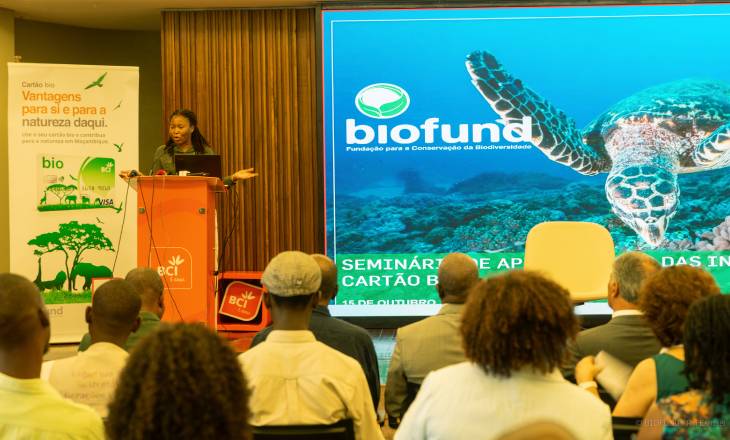
These results were presented on Thursday, 15 October 2026, in Maputo, at the Seminar on Initiatives Funded by the Bio Card, held under the theme “From Contribution to Impact: Discovering Local Initiatives That Make a Difference.” The seminar brought together institutional representatives, partners and implementing organizations to share experiences and demonstrate the impact of this funding mechanism.
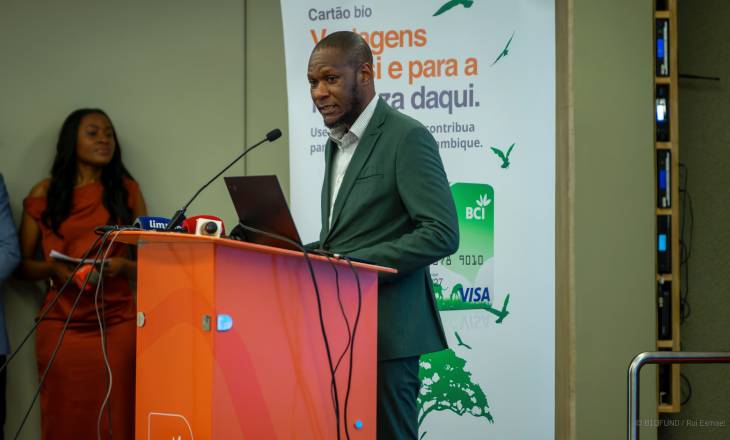
BCI Chief Executive Officer José Furtado highlighted the importance of reconciling biodiversity conservation with sustainable development, noting that the partnership has mobilized more than MZN 40 million and engaged approximately 45,000 card users.
“The results of this initiative are not measured by the numbers alone, but by what we have achieved: protecting species, mitigating human-elephant conflict and supporting community development.”
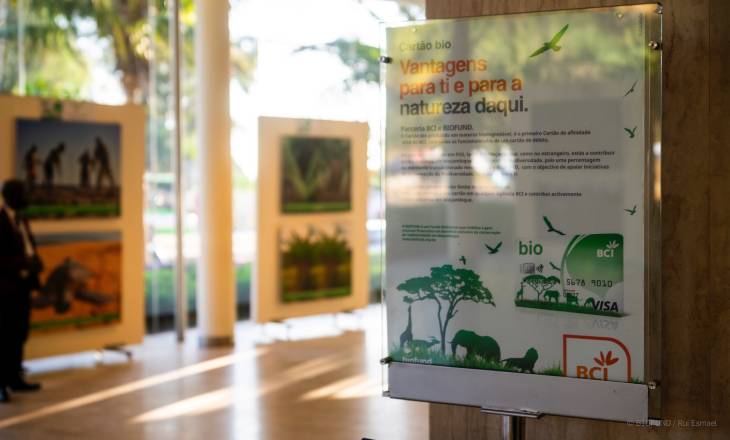
Established through a partnership between BIOFUND and BCI, the Bio Card is a debit card that channels funding towards conservation through a percentage of transactions made at point-of-sale (POS) terminals, as well as a contribution associated with the issuance of each card, at no additional cost to cardholders.
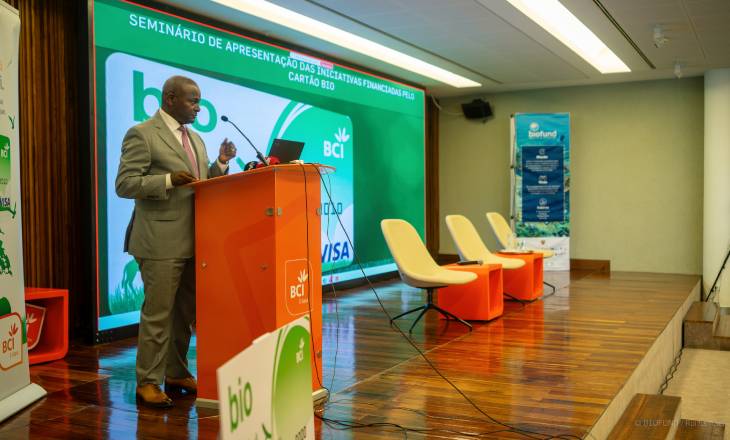
According to Carlos dos Santos, Chairperson of the BIOFUND Board, the initiative demonstrates the potential of the financial sector to help address environmental challenges.“May we continue to turn contributions into action, action into results, and results into lasting benefits for people and nature.”
Nilton Iombaiomba, Director of the Division of Administration, Finance and Human Resources at the National Administration of Conservation Areas (ANAC), also highlighted the role of the Bio Card in supporting conservation areas. “The Bio Card is a complementary funding mechanism for biodiversity conservation, contributing to the protection of species in conservation areas and promoting sustainable livelihoods for local communities.”
Projects Delivering Impact on the Ground
Among the initiatives presented was “Voices of the Savannah: Elephants Monitored, Communities Heard”, implemented by Mozambique Wildlife Alliance (MWA) in Maputo Province. The project strengthened elephant monitoring and local capacity to respond to human-wildlife conflict. Key achievements included the installation of two electric fences, the fitting of six GPS/VHF tracking collars on elephants, and training for more than 1,630 people in human-wildlife coexistence and conflict mitigation. The project reported a success rate of over 81% in elephant-dispersal operations between January and September 2025.
In the Macossa-Tambara Conservation Area, Manica Province, the project “Investing in Communities, Strengthening Coexistence with Elephants”, implemented by NATURA Mozambique Association, benefited 104 families and helped protect more than 160 agricultural plots through the installation of approximately 670 meters of protective barriers. The initiative also supported the construction of 36 improved grain-storage facilities and promoted sustainable beekeeping as an alternative source of income linked to conservation.
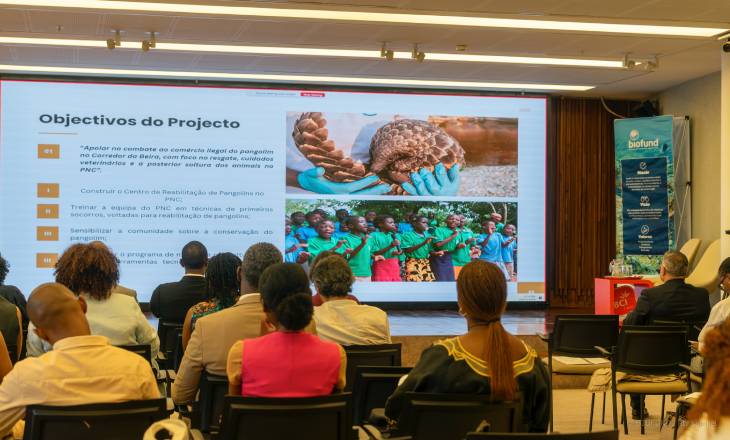
At Chimanimani National Park, a project focused on pangolin rescue, rehabilitation and release enabled the construction of a specialized centre, the training of 13 staff members, and the provision of GPS/VHF monitoring equipment. In February 2026, the centre carried out its first pangolin rescue, followed by rehabilitation and the animal’s subsequent release into the wild.
Transparency and Continuity
To strengthen transparency and visibility, BIOFUND developed the Bio Card Dashboard, a tool that enables the monitoring of funds mobilized, projects supported and the results achieved.
Through this partnership, BIOFUND and BCI demonstrate how collaboration between the financial sector and conservation institutions can mobilize additional resources to protect Mozambique’s natural heritage while promoting the well-being and sustainable livelihoods of local communities.