
Provincial workshops identified and trained more than 50 focal points in the provinces of Sofala and Inhambane for the effective implementation of the Directive on Biodiversity Offsets in Mozambique, approved under Ministerial Diploma No. 55/2022 of 19 May.
Published at 20/05/2026
Mozambique strengthens institutional coordination to balance economic development and biodiversity conservation
-
© COMBO+
-
© COMBO+
-
© COMBO+
-
© COMBO+
-
© COMBO+
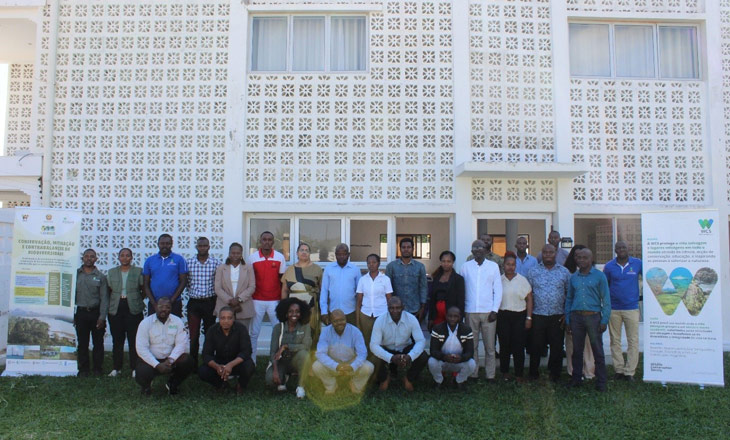
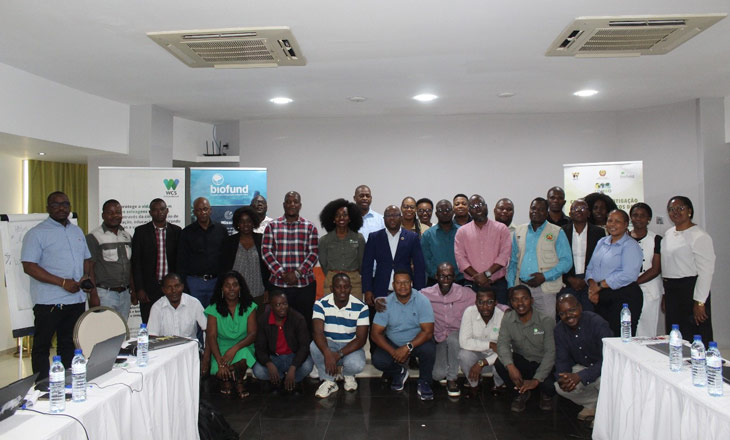
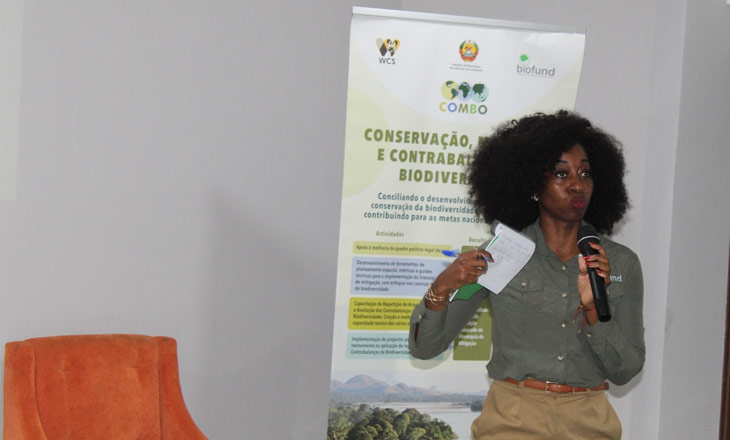
The workshops took place on 5–6 May in Inhambane and on 12–13 May 2026 in the city of Beira, Sofala Province, bringing together technical staff from central, provincial, and district government institutions working in the fields of environment, mining, conservation, and land-use planning. Participants included representatives from the National Directorate for Environment and Climate Change (DINAMC), the Wildlife Conservation Society (WCS), the Foundation for the Conservation of Biodiversity (BIOFUND), the National Administration for Conservation Areas (ANAC), the National Agency for Environmental Quality Control (AQUA), the National Directorate of Geology and Mines (DNGM), the National Mining Institute (INAMI), Provincial Environment Services (SPA), District Services for Planning and Infrastructure (SDPI), and District Services for Economic Activities (SDAE).
The initiative was promoted by DINAMC in partnership with WCS and BIOFUND through the COMBO+ Programme, at a time when Mozambique is experiencing rapid growth in mining, energy, and infrastructure projects, reinforcing the need to balance economic development with biodiversity conservation.
The training aimed to strengthen local technical capacities and increase the involvement of provincial and district structures in the implementation and monitoring of Biodiversity Offsets, while promoting stronger institutional coordination in environmental management and project licensing processes.
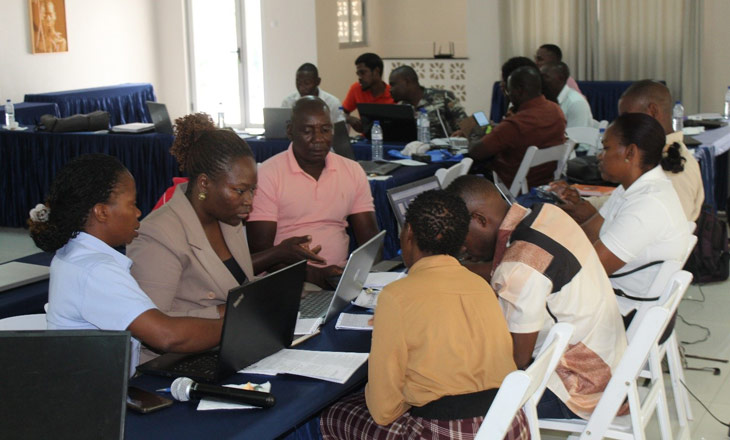
During the sessions, participants enhanced their knowledge of the Mitigation Hierarchy, Environmental Impact Assessment legislation, and the application of the Biodiversity Offsets Directive. Practical exercises were also conducted using technical tools and platforms, including the Red List of species and ecosystems, Key Biodiversity Areas (KBAs), the Mining Cadastre, and the Mozambique Biodiversity Information System (SIBMOZ).
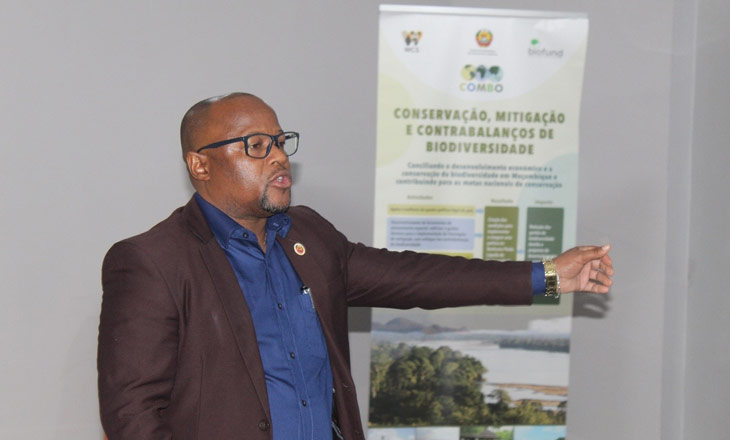
At the closing session of the Sofala workshop, the Director of the Provincial Environment Services, Maquias dos Santos Chiutano, highlighted that:
“…the training represented an important step towards strengthening governance in the environmental sector and enhancing the institutional capacity required to address the challenges associated with the rapid growth of development projects in Mozambique.”
He further added that:
“(…) the country is currently undertaking a strategic review of the Environmental Policy and Environmental Law, with the aim of modernising the legal framework and aligning Mozambique with the requirements of sustainable development and international best practices.”
At the conclusion of the workshops, participants committed to formally validating the provincial groups of biodiversity offset focal points. The initiative is financially supported by the Government of Sweden through the Biodiversity Conservation Program.