
The Foundation presented long-term mechanisms, partnerships and diversified funding sources as building blocks for stronger management of terrestrial and aquatic landscapes that extend across borders.
Published at 10/08/2026
BIOFUND highlights sustainable financing at the National Dialogue on Transfrontier Conservation Areas
-
© ANAC
-
© ANAC
-
© ANAC
-
© ANAC
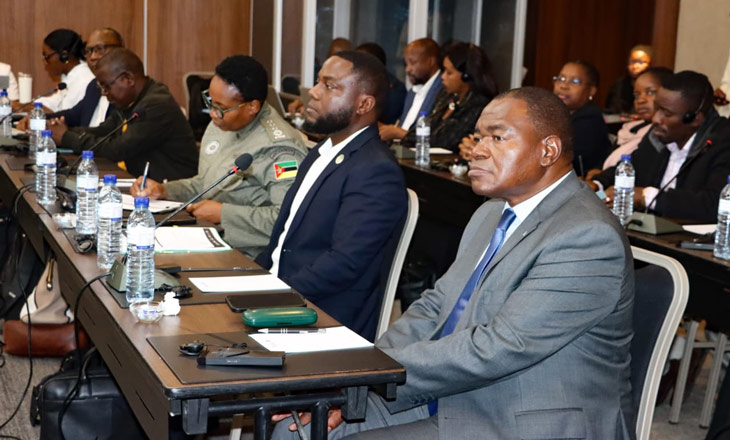
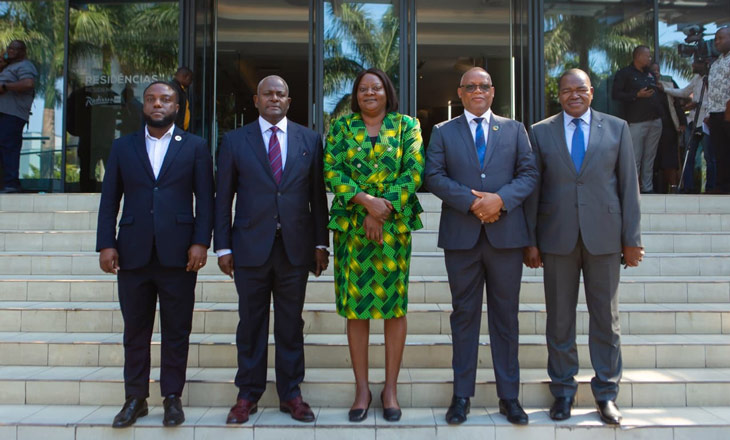
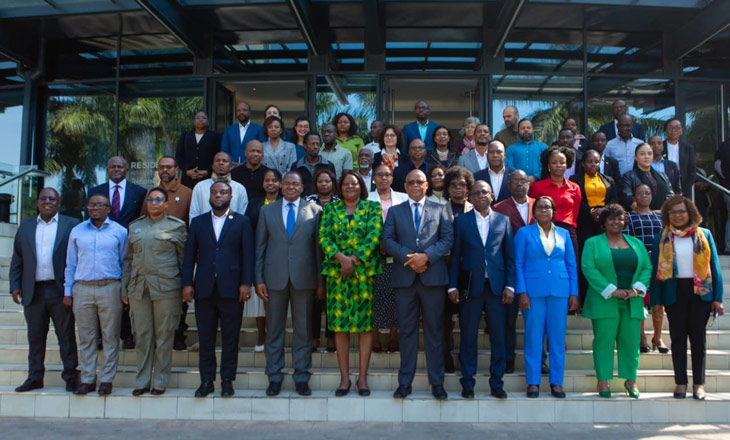
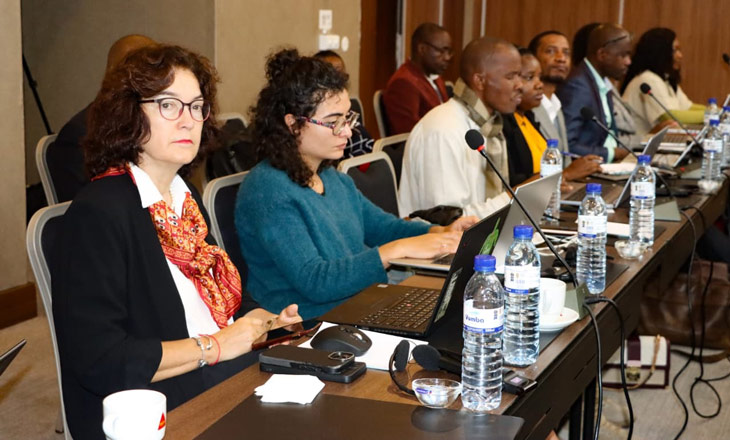
The Foundation for the Conservation of Biodiversity (BIOFUND) took part in the National Dialogue on Transfrontier Conservation Areas (TFCAs), held on 5 and 6 August at the Radisson Blu Hotel in Maputo City.
The meeting was organised by the Southern African Development Community (SADC) Secretariat, in collaboration with the National Administration for Conservation Areas (ANAC, I.P.), and brought together representatives of Government, the private sector, cooperation partners, civil society organisations and academic institutions.
The dialogue aimed at brainstorming amongst various institutions and organizations envolved in the process of establishing a National Network of Transfrontier Conservation Areas, strengthening national coordination among stakeholders and promoting resource mobilisation for the sustainable development of these areas under the SADC TFCA Programme (2023–2033).
By connecting ecosystems that extend across national borders, TFCAs are important ecological corridors for biodiversity conservation. They can also support sustainable tourism, livelihoods and the development of local communities, while strengthening cooperation among SADC Member States.
On the second day, during a session on opportunities for transfrontier collaboration and the role of Government, civil society organisations, communities and the private sector, BIOFUND represented by its Chairman of the Board of Directors, Carlos dos Santos, and its Programme Director, Alexandra Jorge, presented the topic “Financing the sustainable conservation of terrestrial and aquatic biodiversity in Mozambique”.
The presentation highlighted challenges affecting the financial sustainability of conservation, including the effects of climate change, the need to balance development with biodiversity conservation, limited institutional and technical capacity within the National Conservation Areas System, and strong dependence on donor-funded project cycles.
BIOFUND shared its experience in mobilising, managing and channelling resources for conservation. In 2026, its Endowment Fund reached USD 72.15 million. This permanent long-term investment mechanism makes it possible to preserve the initial capital while ensuring a sustainable annual return to support part of the operational costs of many of BIOFUND’s beneficiary Conservation Areas (CAs). Since 2015, the Foundation has cumulatively raised approximately USD 144 million from a diversity of donors. By 2025, had already channeled approximately USD 56 million to conservation areas through 73 projects, benefiting 36 conservation areas.
The experience presented includes support to TFCA-related initiatives in areas such as management, infrastructure, community development and livelihoods, human-wildlife conflict management, and processes to establish or formalise conservation areas.
From BIOFUND’s perspective, sustainable financing requires four complementary building blocks: an Endowment Fund that enables long-term interventions; partnerships and collaboration; diversified funding sources and models; and added value through support for research, environmental education, conservation information and alignment with international goals.
The dialogue programme also included the identification of priority actions, update a roadmap for TFCA better implementation in Mozambique (in harmony with SADC countries), including the definition of targets and responsibilities. BIOFUND’s participation as well as other institutions and non governmental organizations in this forum reinforced a central message: conserving biodiversity is working together, with each partner bringing different areas of expertise and experience. We should coordinate more effectively to improve collaboration, efficiency, and the use of each partner’s respective expertise and added value at the institutional, district, provincial, national, and regional levels, sustainable, harmonized, and lasting regional development.