
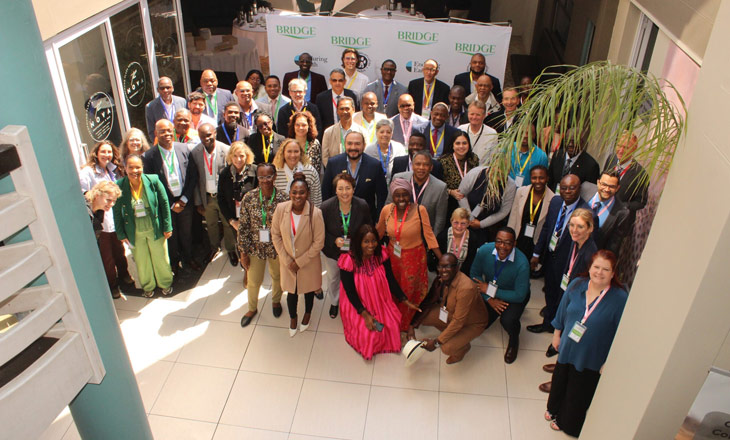
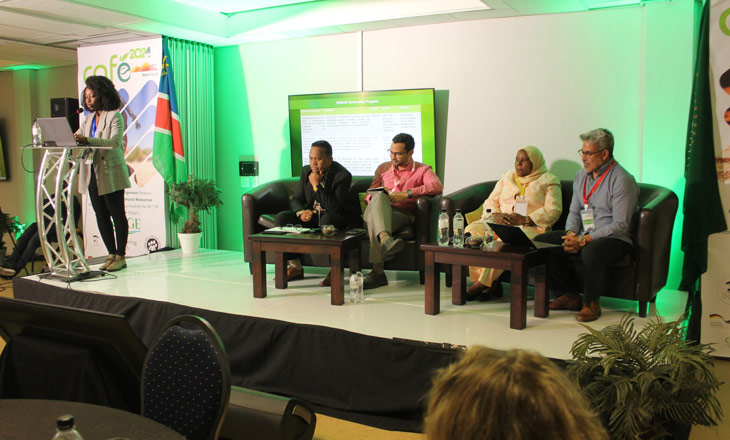
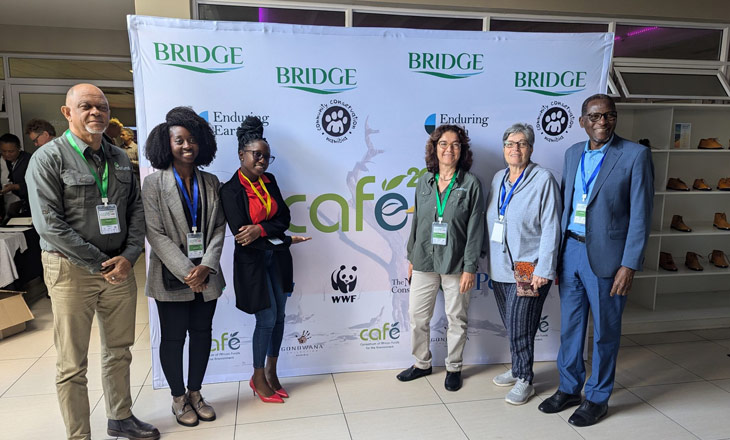
The Foundation for the Conservation of Biodiversity (BIOFUND), participated in the 14th General Assembly of the African Conservation Funds Consortium (CAFÉ), held in Swakopmund, Namibia, from September 2 to 6, 2024. BIOFUND’s delegation was composed of Narciso Matos, Chairman of the Board of Directors; Tereza Alves, Chair of the Fiscal Council; Alexandra Jorge, Program Director; Samiro Mangane, Biodiversity Conservation Program Coordinator; Vanda Machava, Biodiversity Offsets Program Manager; and Celina Sitole, Accountant.
BIOFUND Strengthens Its Commitment to Biodiversity Conservation at the 14th CAFÉ General Assembly in Swakopmund, Namibia
The event, organized by the Community Conservation Fund of Namibia (CCFN), included 17 of the 19 CAFÉ members in person and brought together participants from 27 countries, including 19 from Africa and 4 from Latin America, as well as representatives from Germany, the United Kingdom, the United States, and Monaco. RedLAC was also represented by environmental funds from Bolivia, El Salvador, and Costa Rica.
The main theme of the 14th Assembly, “Community-Based Natural Resource Management (CBNRM) Towards the 30×30 Conservation Targets,” emphasized the central role of communities and Indigenous peoples in biodiversity conservation. The five-day event featured intensive discussions and experience sharing in thematic sessions on Namibia’s experience in conservation and CBNRM, governance of Conservation Trust Funds (CTFs), knowledge and experience sharing from CAFÉ and RedLAC CTFs under the BRIDGE Mentorship Project, emerging financing and market trends for conservation, and partnerships in Africa.
The Assembly was officially opened by CAFÉ President Dr. Théophile Zognou and CCFN Vice President and Executive Director Tapiwa Makiwa, who highlighted the importance of cooperation among governments, civil society, and the private sector to address conservation and sustainable natural resource management challenges in Africa.
BIOFUND stood out for its substantial contributions, with presentations by Vanda Machava on Biodiversity Offsets, highlighting key activities carried out and results achieved in Mozambique, emphasizing the role of environmental funds in implementing biodiversity offsets. In addition, BIOFUND participated in the BRIDGE Mentorship Program panel discussion, sharing its experiences in fundraising with the private sector, biodiversity offsets, and impact investment, reinforcing the importance of private sector partnerships for the sustainability of conservation initiatives.
In a parallel session of the “Enduring Earth” program, four case studies from Gabon, Alaska, Mongolia, and Namibia were presented under the Project Finance for Permanence (PFP) initiative, aiming for long-term and lasting conservation.
BIOFUND also took the opportunity to strengthen ties with representatives from Angola, Guinea-Bissau, and São Tomé and Príncipe, Portuguese-speaking African countries (PALOP), who showed interest in BIOFUND’s experience, especially during the initial phase of establishing their respective environmental funds.
The event concluded with a visit to the iconic Spitzkoppe, Gaingu Conservancy, where participants observed local conservation projects and the benefits generated by sustainable tourism for local communities.
BIOFUND’s active participation reinforces its ongoing commitment to biodiversity conservation, sharing knowledge, influencing policies, and mobilizing resources for the preservation of Mozambique’s and Africa’s ecosystems.
Mozambique invests in training young academics to ensure the effective implementation of the legal framework for environmental impact assessment and biodiversity offsets
-
© BIOFUND
-
© BIOFUND
-
© BIOFUND
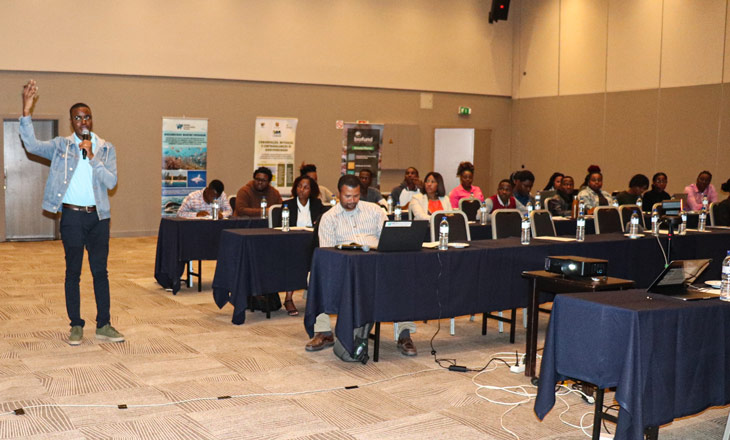
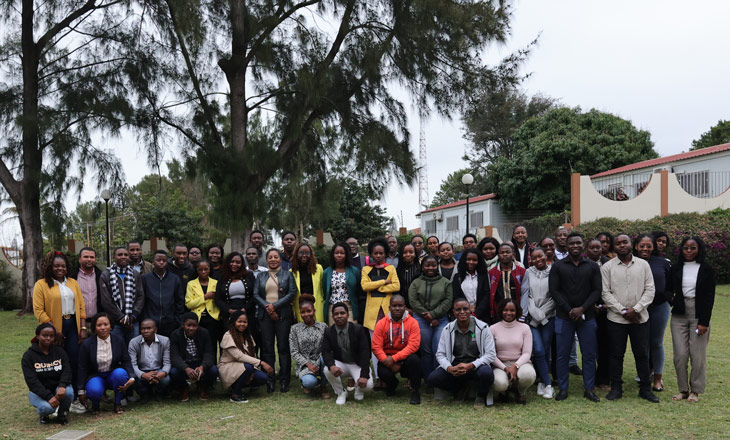
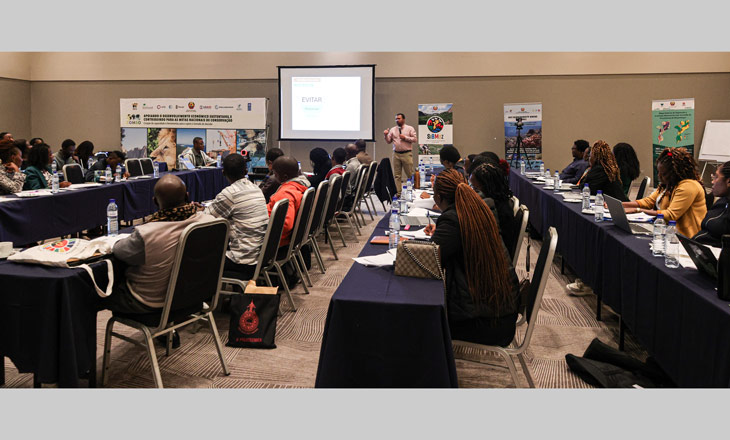
More than 200 final-year university students and recent graduates from public and private universities and colleges across the country were trained in the process of environmental impact assessment and the implementation of biodiversity offsets in Mozambique. The event, promoted by the COMBO+ Programme, a partnership between the Ministry of Land and Environment (MTA), the Wildlife Conservation Society (WCS-Mozambique) and the Foundation for the Conservation of Biodiversity (BIOFUND), took place between 10 and 11 September 2024 in person in Maputo and virtually.
The aim of this training was to build the capacity of environmental academics at national level to promote awareness of the legislation on the environmental impact assessment process (Decree no 54/2015, of 31 December) and the implementation of biodiversity offsets, in accordance with the Directive on Biodiversity Offsets (Ministerial Diploma no 55/2022, of 19 May). With this training, newly graduated university students gain a background that will contribute to their future professional careers as environmental consultants, auditors or any other related function.
This training is part of the capacity building program implemented by the COMBO+ programme since 2021, aimed at building capacity at DINAB’s Biodiversity Offset Assessment and Monitoring Office (RAACB), the Technical Commission for Environmental Impact Assessment Evaluation (CTA), academia, the private sector, NGOs and all other actors involved in the implementation of Biodiversity Offsets in Mozambique. More national capacity-building trainings will be implemented, the next one being aimed at the financial sector.
The COMBO+ Programme is currently funded by the Agence Française de Developpement (AFD) and the Fonds Français pour l’Environnement Mondial (FFEM), with co-financing from other donors, including NORAD. In Mozambique, COMBO+ is also funded by the MOZBIO 2 Project (World Bank), UNDP (BIOSFAC and BIOFIN) and the biodiversity conservation program through the Swedish Embassy.
New Fleet Strengthens Biodiversity Protection: BIOFUND, ANAC and Sweden in Action
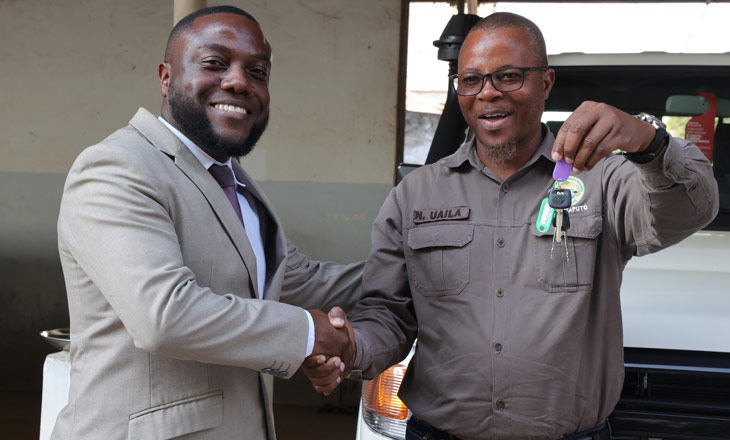
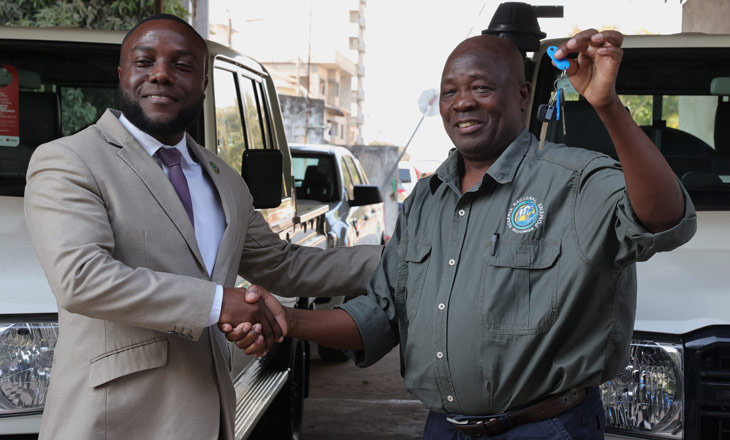
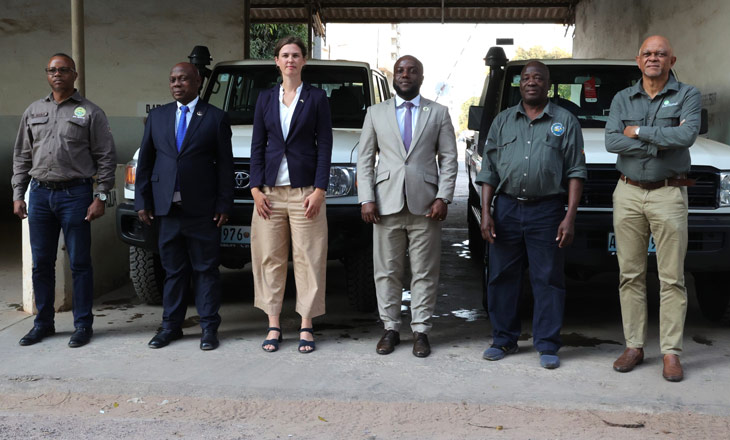
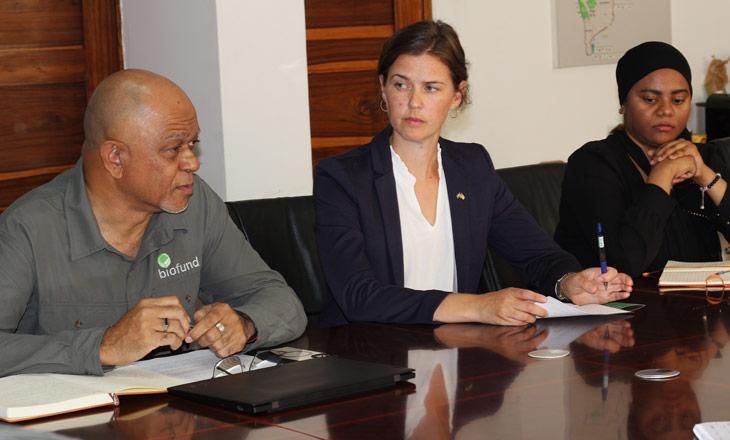
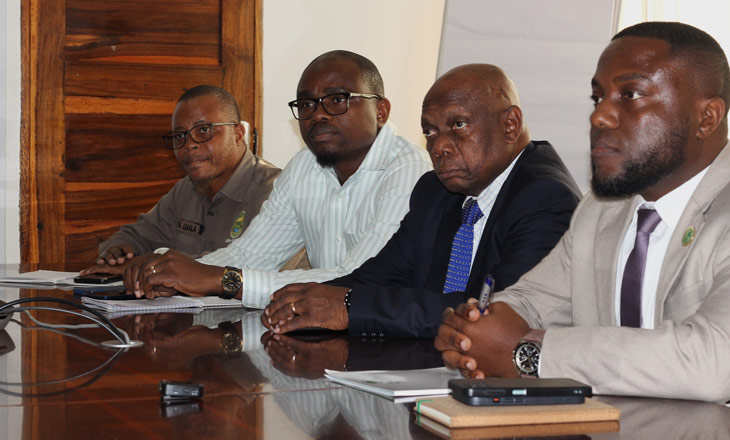
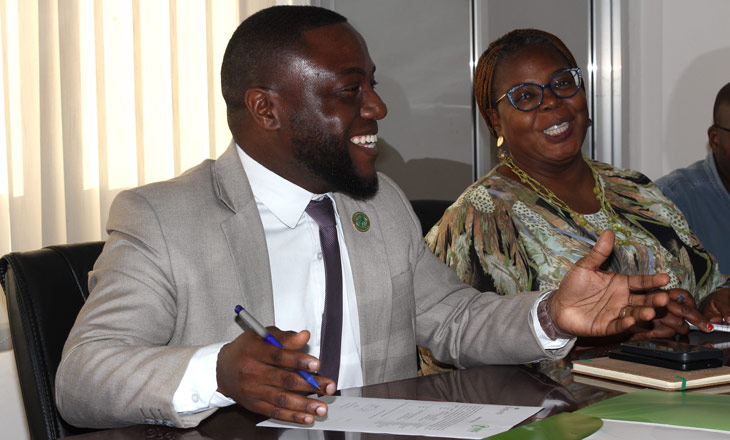
On August 27, 2024, the Foundation for the Conservation of Biodiversity (BIOFUND), in partnership with the National Administration of Conservation Areas (ANAC) and with funding from the Swedish International Development Cooperation Agency (SIDA-SWEDEN), delivered two new vehicles under the Biodiversity Conservation Programme (2023–2027), coordinated by BIOFUND. The vehicles are destined for the Pomene National Reserve (PNR) and the Maputo Environmental Protection Area (APA Maputo), both priority sites within the programme.
Samiro Magane, Programme Coordinator, highlighted the importance of this delivery in the context of BIOFUND and ANAC’s joint efforts to strengthen the operational capacity of Mozambique’s Conservation Areas. “These vehicles are a concrete example of how we are transforming financial resources into practical actions that directly support the protection of the country’s vital ecosystems. Our partnership with ANAC is essential to ensure that Conservation Areas have the necessary tools to face environmental challenges effectively and sustainably,” stated Magane.
Frida Rodhe, representative of the Embassy of Sweden, emphasised that this initiative goes beyond logistical reinforcement, representing the Swedish Government’s continued commitment to biodiversity conservation and climate change mitigation in Mozambique. “The Government of Sweden recognises that biodiversity conservation is intrinsically linked to climate issues and that strengthening operational capacities in protected areas is essential to address both challenges in an integrated manner. These resources are vital to ensure that field teams can carry out their work efficiently, protecting critical ecosystems and contributing to the resilience of local communities in the face of climate change,” explained Rodhe.
Pejul Calenga, Director General of ANAC, praised the vehicle delivery as a significant step forward in strengthening conservation capacities. “With these resources and initiatives, Conservation Areas will be better equipped to face current conservation challenges, ensure sustainable biodiversity management, and bring meaningful benefits to local communities,” said Calenga.
Calenga also noted that the support provided through the Biodiversity Conservation Programme aims to assist the restructuring of the National Network of Conservation Areas, the operationalisation of the Malhazine Ecological Park, and the reclassification of the Lake Niassa Partial Reserve.
The Director General concluded by stating that, with this support, a significant improvement is expected in biodiversity conservation and protection operations in the beneficiary areas, increasing the effectiveness of patrols and enabling faster emergency responses, thereby strengthening enforcement efforts.
Launch of the Rural Resilience Project in Northern Mozambique at the Niassa Special Reserve and Block L4E
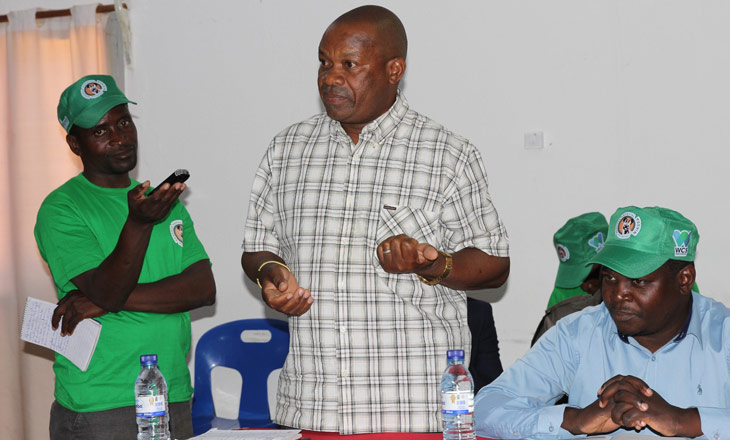
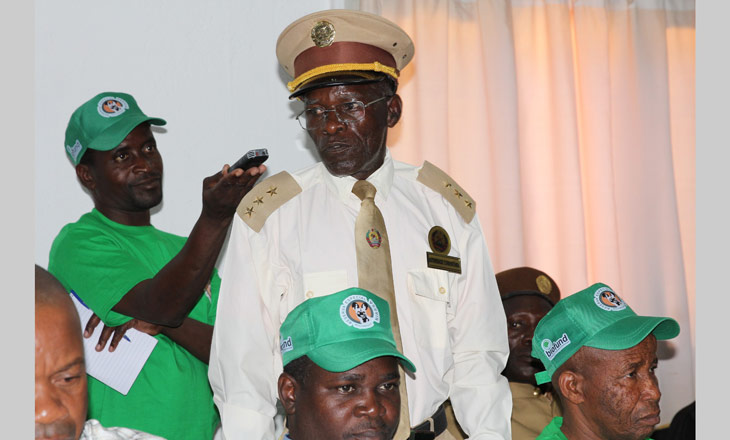
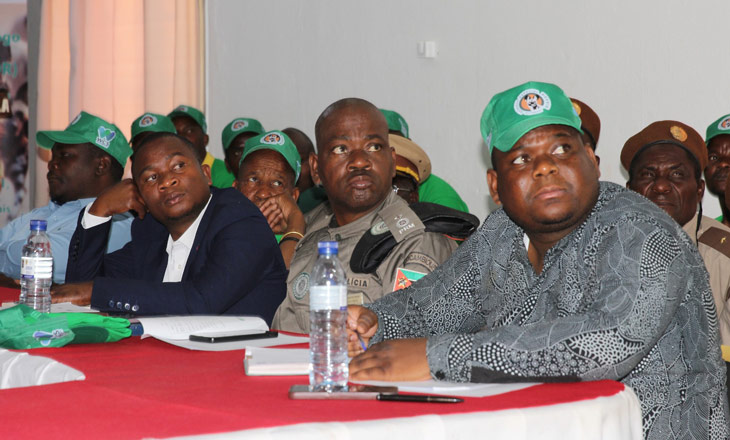
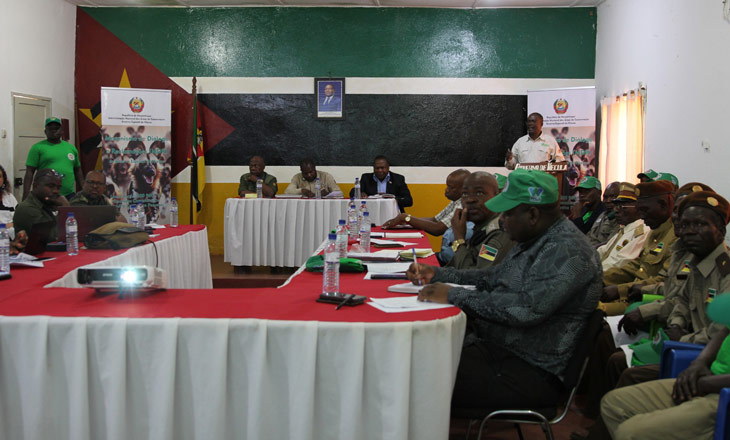
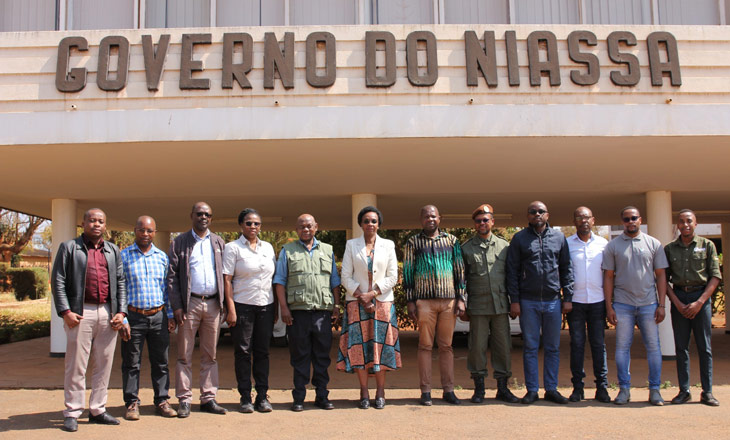
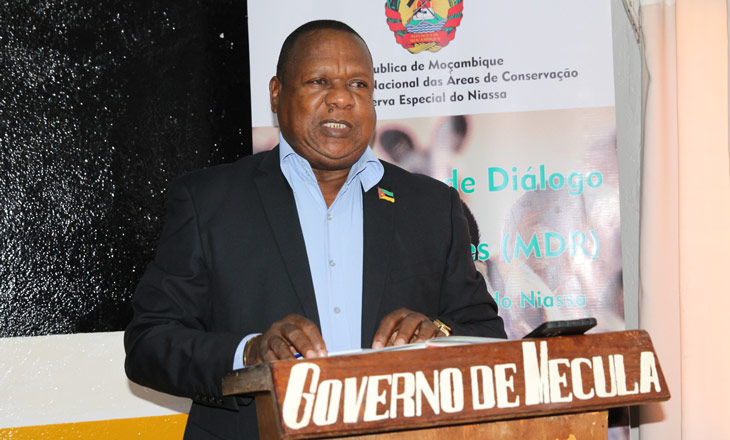
The Foundation for the Conservation of Biodiversity (BIOFUND), in partnership with the Government of Mozambique through the National Administration of Conservation Areas (ANAC), officially launched on August 7 the activities of the Rural Resilience Project in Northern Mozambique (MozNorte) for the Niassa Special Reserve and Block L4E. The ceremony, chaired by Jornito Muemede, Director of the Provincial Environment Services, was attended by 47 participants, including representatives from the Provincial and District Government, civil society and community leaders.
The MozNorte Project, financed by the World Bank (IDA), will be implemented by the Wildlife Conservation Society (WCS) until June 2026, and its main objective is to improve access to livelihood opportunities for vulnerable communities and promote the sustainable management of natural resources in rural areas of Mozambique. Planned activities include the preparation and training of Natural Resource Management Committees (CGRN), as well as the development of new infrastructure, namely the construction and rehabilitation of roads and bridges, which are essential for conservation operations and community governance. Additionally, the project foresees the establishment of a canine unit at the airports of Nacala and Pemba, with the aim of strengthening control and preventing the trafficking and illegal trade of trophies resulting from poaching.
During the event, the community expressed its support for the initiative, committing to collaborate in the management of natural resources, monitor the impacts of the project and promote coexistence between the population and wildlife.
Aníbal dos Anjos, the project coordinator at ANAC level, highlighted the importance of these actions for the success of the project and the protection of natural resources. Meanwhile, Alexandre Milice, coordinator and representative of BIOFUND, explained BIOFUND’s role in managing the Niassa Special Reserve, as well as in the process of mobilising and channelling financial resources for the implementation of the project.
The Administrator of the Mecula district, António Joaquim Paulo, stressed the need for coordination among all involved parties, reaffirming the commitment of the local government to support all project activities and initiatives, and appealed to the Mecula community to actively participate in the successful conservation of natural resources.
Gilé National Park Receives Around 200 Buffaloes from the Marromeu National Reserve

The National Administration of Conservation Areas (ANAC), in coordination with its co-manager partner Fondation François Sommer (FFS – IGF) and the European Union through the PROMOVE Biodiversidade Programme managed by the Foundation for the Conservation of Biodiversity (BIOFUND), is conducting a 15-day operation starting on August 7, 2024, to translocate 200 buffaloes from the Marromeu National Reserve to Gilé National Park, located in the districts of Pebane and Gilé, in Zambézia Province.
For ANAC’s Director General, Pejul Calenga, animal translocation operations represent a historic milestone for the national network of conservation areas.
“We are happy that with this translocation operation, we will witness yet another historic milestone for the national network of conservation areas. We will follow and observe this operation on the ground. This is an operation that should have taken place last year in 2023, but because of Cyclone Freddy, there were no access routes. However, we are here to carry out this historic operation. This is further proof of the Government of Mozambique’s commitment to the development of conservation areas. With the arrival of these buffaloes, we intend not only to restore ecological functions through the species restoration that inhabits the Park, but also to begin the process of creating conditions for exploring nature-based tourism value chain, aiming to promote private sector investment and attract more tourists to visit and experience the Parks and Reserves, especially our national tourists.” – said ANAC Director General, Pejul Calenga.
For Ricardo Rossi, Head of the Resilience, Climate Change, and Fragility Section of the European Union Delegation in Mozambique, “the buffalo translocation operation is an important step in the implementation of the PROMOVE Biodiversidade programme and for the long-term goal of restoring the original wildlife of Gilé National Park. To date, it is one of the programme’s main achievements, materializing the commitments made by the European Union through the EU Ecological Pact for Mozambique, as well as by NaturAfrica, the EU initiative supporting biodiversity conservation in Africa.”
According to BIOFUND’s Executive Director, Luís Bernardo Honwana, this operation represents a major milestone for the PROMOVE Biodiversidade Programme, one of BIOFUND’s managed programmes.
“This operation represents an essential collaborative effort for the restoration and protection of biodiversity in Gilé National Park, one of the three beneficiary areas of the PROMOVE Biodiversidade Programme, funded by the European Union. The translocation will not only help increase the buffalo population but will also strengthen ecological resilience and promote sustainable development in the region. As national conservation trust fund, BIOFUND is committed to mobilizing and managing financial resources exclusively for biodiversity conservation in Mozambique, ensuring that initiatives like this have a lasting and positive impact on our Conservation Areas.” – said BIOFUND Executive Director, Luís Bernardo Honwana.
For the Director General of Fondation François Sommer (FFS – IGF), Alban de Loisy, this translocation will increase the park’s buffalo population, currently estimated at 150 individuals, following two other translocations in the past ten years.
” Fondation François Sommer has been proud to work in partnership with the Ministry of Land and Environment and the National Administration of Conservation Areas (ANAC) to develop and protect Gilé National Park in Mozambique since 2007. This translocation of 200 buffaloes, the largest ever carried out in the country, has been planned over the past three years with the financial support of the European Union through the PROMOVE Biodiversidade programme, managed by BIOFUND. It will increase the park’s buffalo population, currently estimated at 150 individuals, following two other translocations over the past ten years. This operation, which requires considerable logistical and technical expertise, is another step in the recovery of Gilé’s wildlife.” – said Alban de Loisy, FFS – IGF Director General.
About five years after the last translocation in 2019, the current operation will include the participation of various ANAC interinstitutional partners, such as the Mozambique Republic Police (PRM), veterinarians, among others.
Gilé National Park is managed under Collaborative Management Partnerships between the Government of Mozambique, represented by the National Administration of Conservation Areas (ANAC), and Fondation François Sommer (FFS – IGF). Fondation François Sommer (FFS – IGF) is a public utility, non-profit organization established in 1966.
Gilé National Park, formerly a National Reserve, was one of three conservation areas recategorized by the Council of Ministers in 2020. This approach aims to align conservation areas within the current legal framework, since the Law No. 16/2014 of June 20, amended and republished as Law No. 5/2017 of May 5, revoked the category of National Reserve. The recategorization process of Conservation Areas aims to rationally and sustainably classify conservation areas into categories reflecting their realities, considering preservation status, integrity, and management of natural resources, habitats, and ecosystems. Consequently, Gilé National Park was elevated to a total conservation area.
In Gilé National Park, it is possible to observe large animals such as elephants and buffaloes across the savannah and miombo forest. Its proximity to Pebane and Moebase beaches, Gurué, and Mozambique Island makes the Park a must-visit destination for nature enthusiasts. The dense miombo forests, plains, and riparian vegetation, home to hundreds of birds, reptile, and amphibian species, along with thermal springs and the distinct and lush Monte Pope, bring the Park’s landscape to life. For visitor enjoyment, the Park offers the Lice tourist camp located on the banks of the Lice River.
By road, Gilé National Park can be reached from the city of Quelimane or Nampula. Traveling in a 4×4 vehicle is recommended. Gilé National Park is approximately 492 km from Quelimane and 334 km from Mocuba District.
CONTACTS FOR EDITORIAL INQUIRIES
NATIONAL ADMINISTRATION OF CONSERVATION AREAS (ANAC)
Ivan Zacarias
Communications and Image Manager
ivan.zacarias@anac.gov.mz
FONDATION FRANÇOIS SOMMER (INTERNATIONAL FOUNDATION FOR FAUNA MANAGEMENT)
Rachele Villa
PNAG Programme Communications Officer
r.villa@fondationfrancoissommer.org
𝐄𝐔𝐑𝐎𝐏𝐄𝐀𝐍 𝐔𝐍𝐈𝐎𝐍 – 𝐏𝐑𝐎𝐌𝐎𝐕𝐄 𝐁𝐈𝐎𝐃𝐈𝐕𝐄𝐑𝐒𝐈𝐓𝐘 𝐏𝐑𝐎𝐆𝐑𝐀𝐌
Cláudia Rodrigues
Communication Coordinator for Cooperation
Claudia.rodrigues@eeas.europa.eu
𝐁𝐈𝐎𝐅𝐔𝐍𝐃
Rui Esmael
Communication Coordinator
resmael@biofund.org.mz
BIOFUND Becomes a Member of the International Union for Conservation of Nature (IUCN)
-
© Andre Aquino
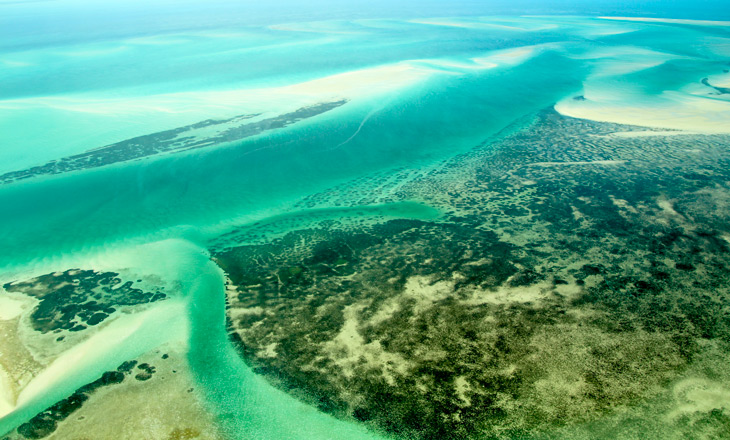
On March 31 of this year, the Foundation for the Conservation of Biodiversity (BIOFUND) (BIOFUND) formally submitted its application to become a member of the prestigious International Union for Conservation of Nature (IUCN).
IUCN, a renowned international organization with seven decades of experience, has played a crucial role in nature conservation worldwide. Its vision of a just world that values and conserves nature, combined with its mission to influence, encourage, and assist societies in equitably and sustainably conserving the integrity and diversity of nature, has generated significant impacts.
With a diverse network of more than 1,400 member organizations from over 160 countries, IUCN brings together influential governmental, non-governmental, and civil society entities, giving its decisions a powerful mandate. The organization is responsible for essential biodiversity tools, such as the Red List of Threatened Species, the Red List of Ecosystems, and the World Database on Key Biodiversity Areas, among others.
In the Eastern and Southern Africa region (ESARO), where Mozambique is located, IUCN now has 107 members, including BIOFUND. BIOFUND’s membership in IUCN allows it to benefit from various privileges, such as increased influence and a collective voice on global conservation issues, as well as opportunities to develop partnerships and expand international networks. Through this, BIOFUND is well-positioned to influence and participate in global conservation initiatives, reinforcing its commitment to biodiversity protection and sustainable development in Mozambique.
BIOFUND Promotes the Conservation of Sacred Forests under the New Forest Law

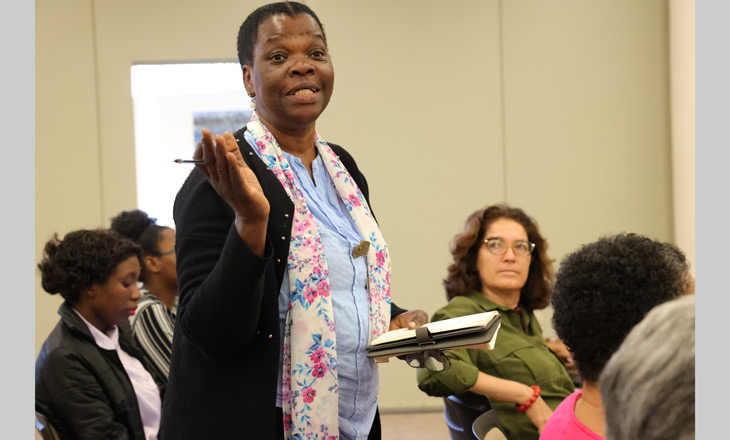
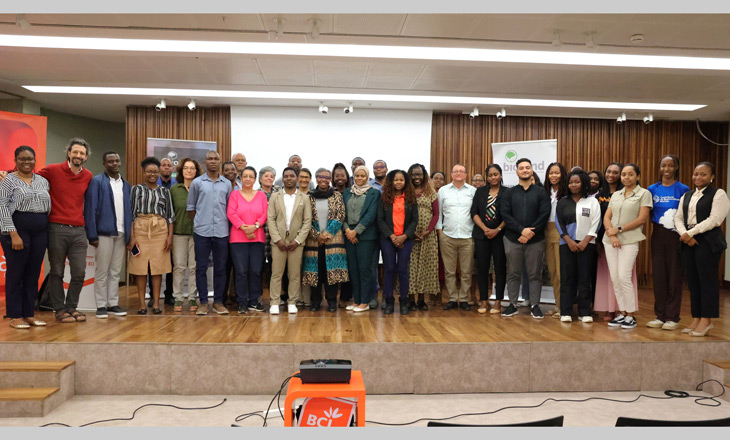
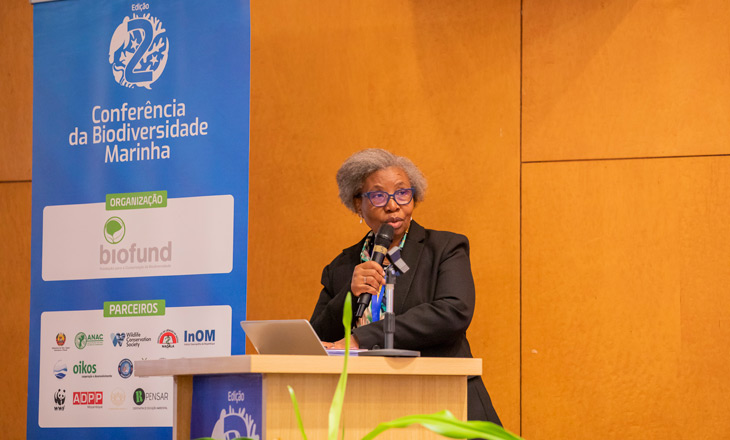
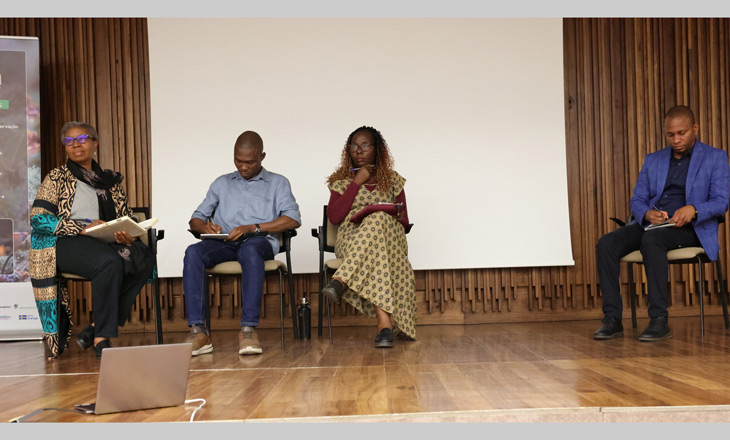
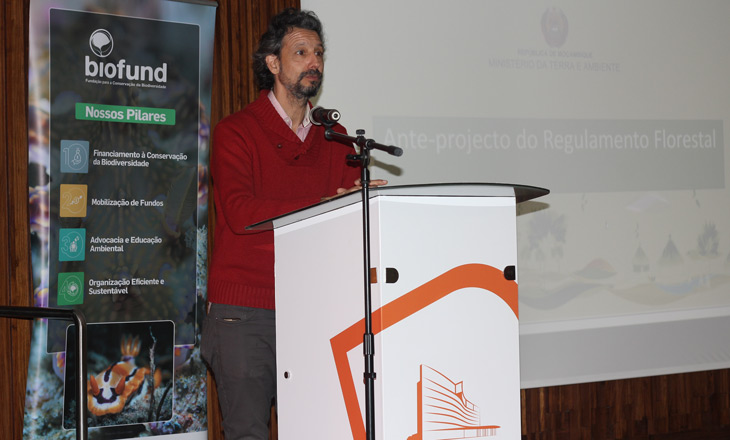
The Foundation for the Conservation of Biodiversity (BIOFUND) – BIOFUND, in partnership with the Ministry of Land and Environment (MTA) and Eduardo Mondlane University (UEM), held on July 23 in Maputo, at the headquarters of the Commercial and Investment Bank (BCI), a lecture on Sacred Forests and a discussion on the New Forest Law (Law No. 17/2023, of December 29).
The event, attended by 36 participants including BIOFUND members and staff, partners, and UEM students, aimed to raise awareness about the environmental and socio-cultural importance of sacred forests and to promote in-depth reflection on the mechanisms for protecting and conserving these vital resources within the ongoing review of the new forest law’s regulations.
On the occasion, Dr. Leovigildo José, representative of the Forest Law Regulation Review Commission of the National Directorate of Forests (DINAF), provided context on the revision process of the draft forest law regulations, highlighting the importance of including all social strata in the process through comprehensive regional public consultations carried out in the country’s three zones (south, center, and north).
Drawing on scientific knowledge and long-standing experience, Dr. Pascoal Gota and Dr. Alice Massingue, environmental scientists and anthropologists from Uppsala University in Sweden and Eduardo Mondlane University in Mozambique, respectively, both experienced in studies on sacred forests in Mozambique, shared data and trends on the appreciation of sacred forests and trees, as well as the mechanisms used by communities to maintain the conservation of this cultural heritage over the years.
The lecture led to discussions on key issues and recommendations that should be considered in the revision of the forest law regulations, to enhance the value and conservation of forests with historical and cultural significance, taking into account the role of local communities and governmental entities.
By promoting events like this, BIOFUND reaffirms its commitment to protecting Mozambique’s natural and cultural heritage, always seeking to integrate science and value local communities in its conservation initiatives.
BIOFUND Revolutionizes Conservation Fundraising with Mentorship for CAFÉ and RedLAC Environmental Funds in Maputo
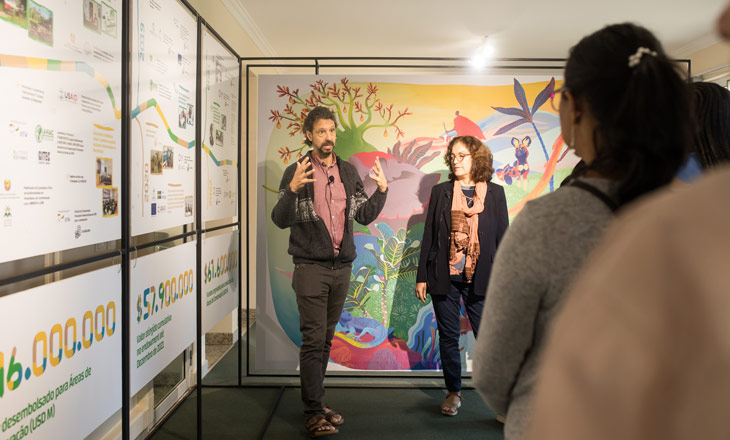
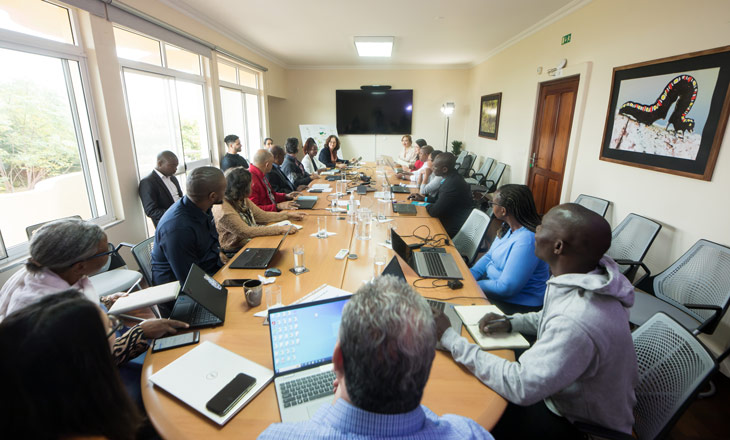

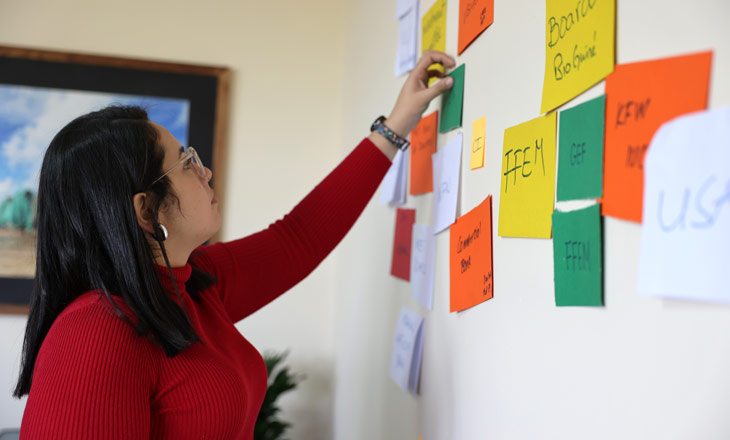
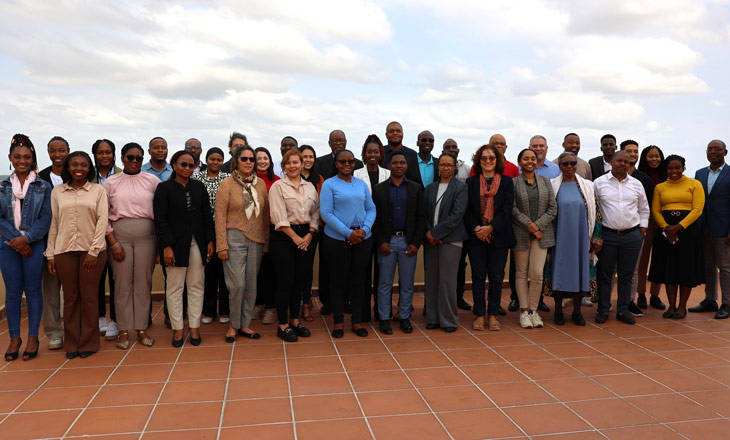
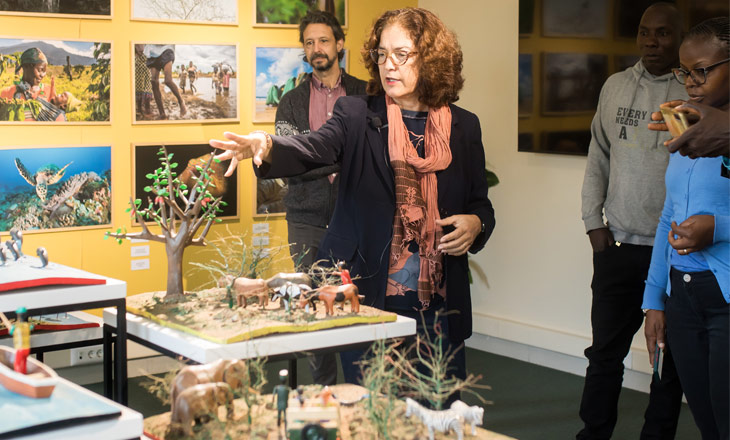
The Foundation for the Conservation of Biodiversity– BIOFUND, a private non-profit institution that mobilizes, applies, and manages financial resources exclusively for biodiversity conservation in Mozambique, is taking a leading role in strengthening biodiversity conservation funds in several countries.
Since March 2024, BIOFUND has been leading the Fundraising Mentorship Program with the Private Sector, an innovative initiative of the BRIDGE Project launched in 2022 by the Consortium of African Funds for the Environment (CAFÉ) and the Network of Environmental Funds of Latin America and the Caribbean (RedLAC). Lasting eight months and including both virtual and in-person sessions, this program aims to equip Environmental Funds (CTFs) from CAFÉ and RedLAC with the skills and knowledge necessary to develop strategic and sustainable fundraising plans, successfully achieving their conservation funding objectives.
From July 15 to 19, 2024, BIOFUND conducted in-person sessions in Maputo, with the active participation of nine members from five CTFs, including the Environmental Investment Fund of El Salvador (FIAES), Malawi Environmental Endowment Trust (MEET), BioGuinea Foundation, Tany Meva Foundation (Madagascar), and the Protected Areas Conservation Trust (PACT) (Belize). During the five-day visit, various fundraising tools were shared, and interaction with BIOFUND donors, including the European Union (EU), the French Development Agency (AFD), and the Millennium Challenge Corporation (MCC), was promoted. Furthermore, innovative mechanisms were discussed, highlighting biodiversity offsets, impact investment, debt-for-nature swaps, corporate social responsibility (Bio Card and Manica Coffee), as well as sessions dedicated to increasing the profile of conservation initiatives through communication, events, and exhibitions.
The BRIDGE Project, administered by the Forever Costa Rica Association (FCRA) and supported by the French Global Environment Facility (FFEM) and the MAVA Foundation, is a transformative initiative that seeks to revolutionize the role of environmental funds in conservation financing.
For CTFs, these mentorship sessions represent a valuable opportunity for learning and exchanging experiences essential for fund development. “During the five days, we gained in-depth knowledge about fundraising and explored various initiatives to promote our activities. Additionally, we had the opportunity to interact with high-level professionals, further enriching our perspective. We thank the BIOFUND team for the excellent coordination and facilitation of this mentorship,” stated Alejandra Ayala, representative of the Environmental Investment Fund of El Salvador.
For BIOFUND, this program reaffirms its commitment not only to biodiversity conservation in Mozambique but also to globally strengthening the fundraising capacities of partner organizations. Through this initiative, BIOFUND is establishing a legacy of conservation that transcends borders, ensuring that more resources are mobilized to protect biodiversity worldwide.
At the end of the training, it is expected that the environmental funds will have established new fundraising goals and targets, identified their strengths, weaknesses, risks, and opportunities, diversified funding sources, explored new revenue streams, improved relationships with donors and partners, and determined new strategies to build or increase their funds. Additionally, the program aims to enhance their communication and marketing skills and to develop a comprehensive, innovative, and actionable fundraising strategy based on the knowledge and skills acquired during the mentorship sessions provided by BIOFUND and its partners.
Training on ESF, Gender, GBV, SEA/SH Strengthens Capacities under the MozNorte Project
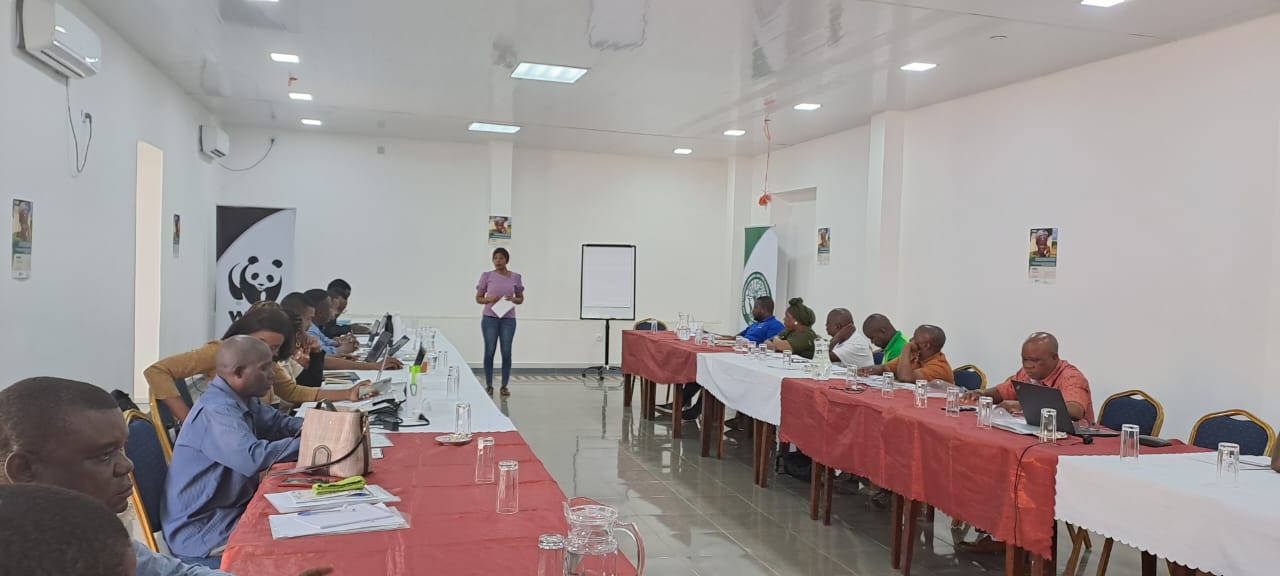
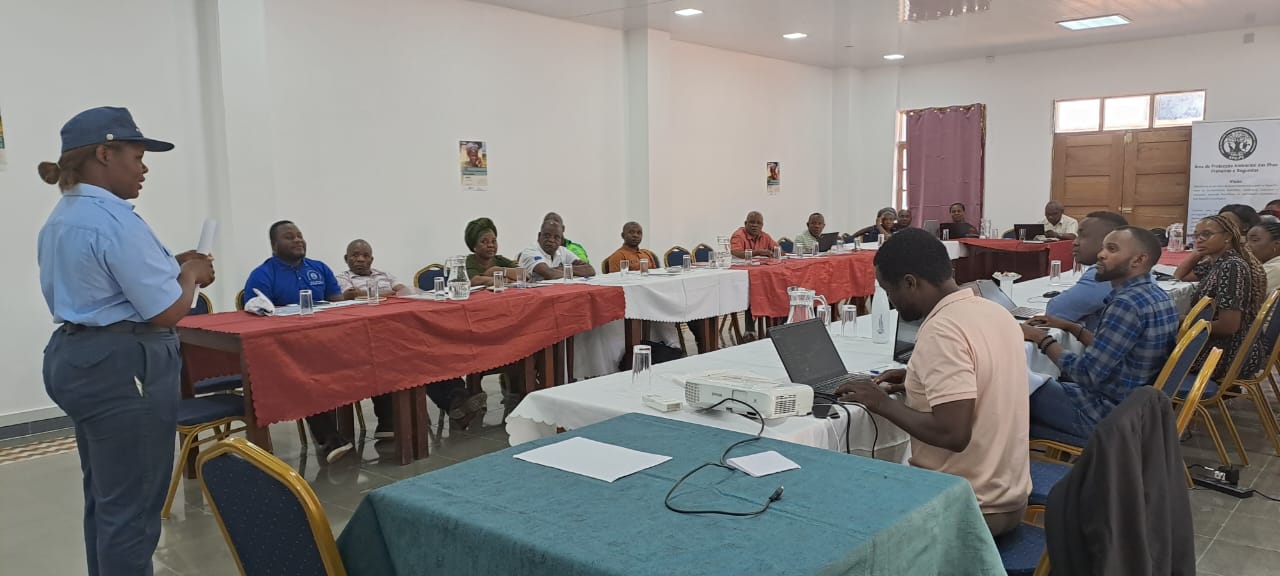
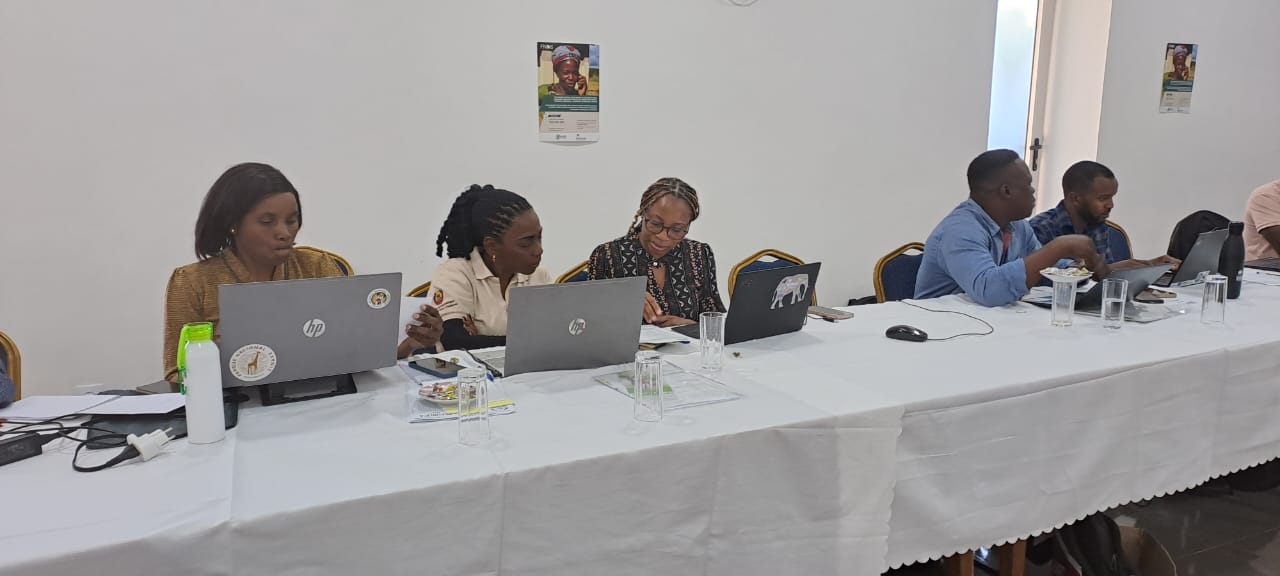

The Foundation for the Conservation of Biodiversity (BIOFUND), in coordination with the National Administration of Conservation Areas (ANAC) and the World Wide Fund for Nature (WWF), conducted training on Environmental and Social Safeguards (ESF), Gender, Gender-Based Violence (GBV), Sexual Exploitation and Abuse (SEA) and Sexual Harassment (SH) on 9 and 10 July in the district of Angoche, Nampula province. The training is part of the activities of the Rural Resilience Project in Northern Mozambique (MozNorte), a joint effort of the Government of Mozambique and the World Bank.
The training was delivered to 35 beneficiaries from various organisations, including ANAC, the Environmental Protection Area of the Primeiras and Segundas Archipelago (APAIPS), BIOFUND, WWF, representatives of formal service providers for GBV/SEA/SH, government institutions and partner organisations. The main objective was to strengthen the capacities of the project’s service provider at APAIPS (WWF) and stakeholders in implementing best environmental and social practices, with special attention to gender and GBV/SEA/SH issues. The initiative aims to ensure effective mitigation and response to GBV and SEA/SH risks, raising awareness and preparing project beneficiaries and APAIPS partners on protocols and mechanisms for supporting victims of violence.
Delivered in person, the training adopted a participatory approach that combined theoretical presentations with practical discussions, dynamics and reflection exercises. The approach included the joint development of concepts such as gender, inequalities, equity and equality, recognising the need for ongoing work to deconstruct and reinterpret these issues.
With this training, participants are expected to be better equipped to ensure good environmental and social practices, as well as to manage gender and GBV/SEA/SH issues. Additionally, the event provided an opportunity to establish synergies and collaboration among the different stakeholders.
This initiative underscores the continued commitment of BIOFUND and partner institutions to promoting community resilience, gender equality and the sustainable management of natural resources in northern Mozambique.
Rural Resilience Project Launched in Northern Mozambique in the Primeiras and Segundas Islands
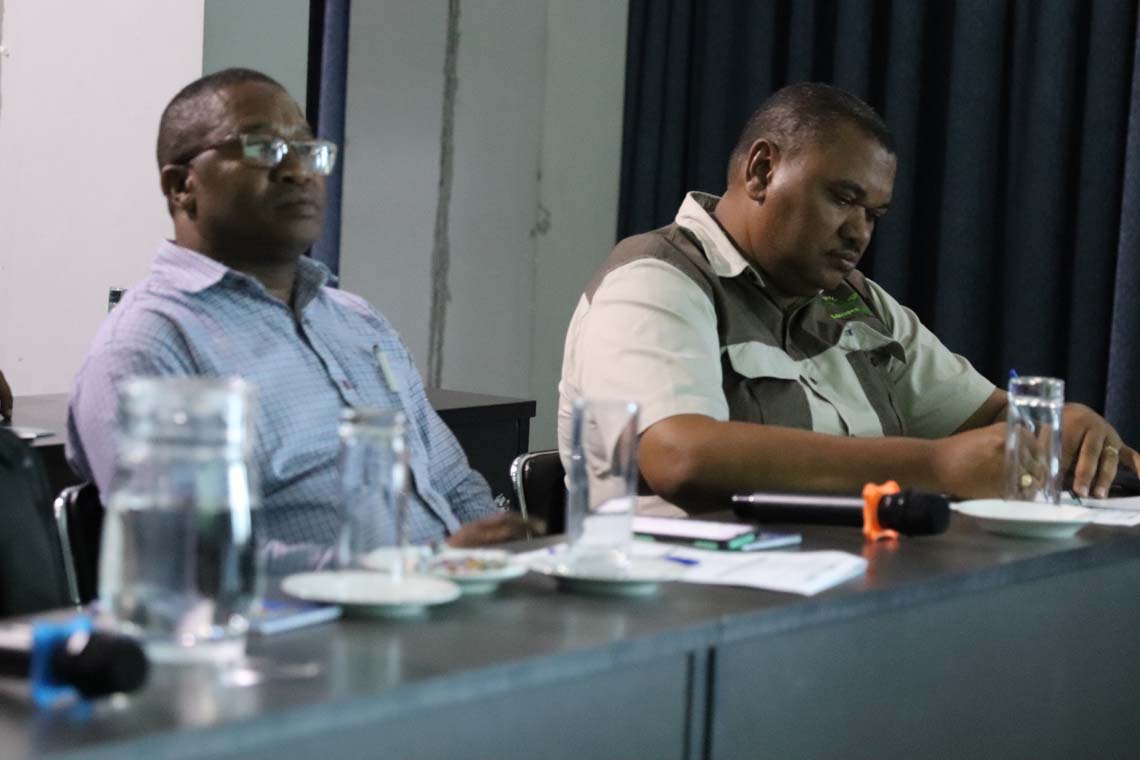
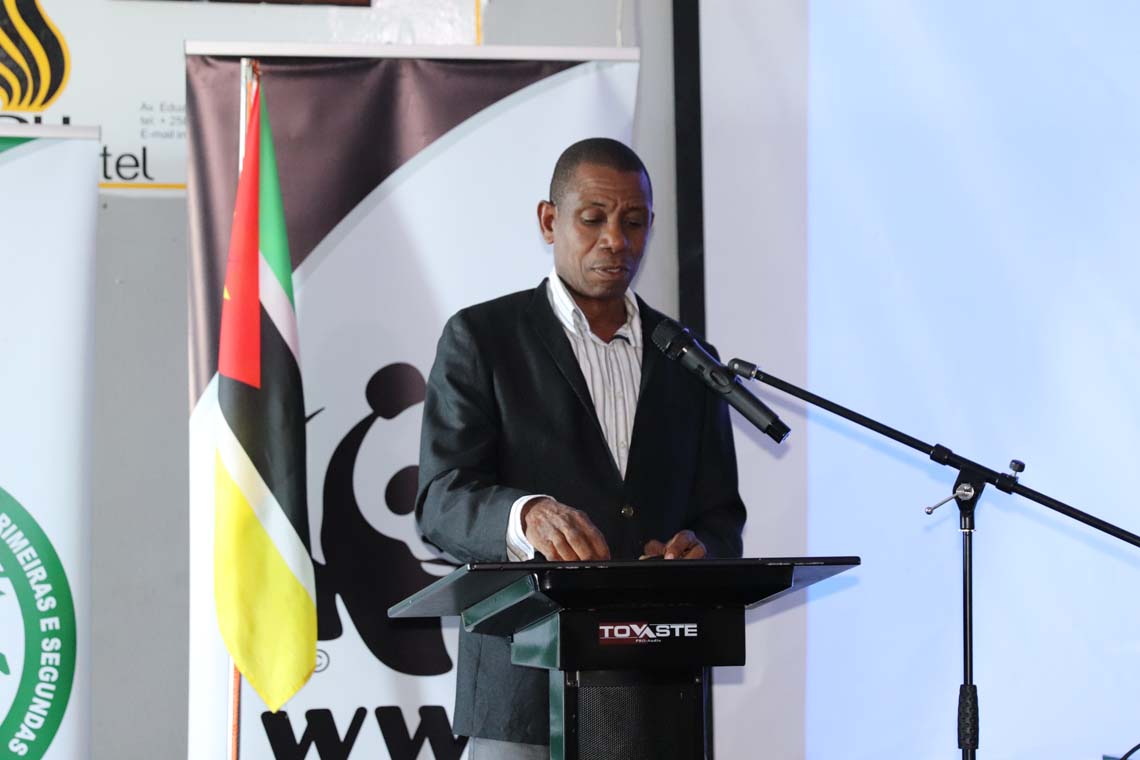
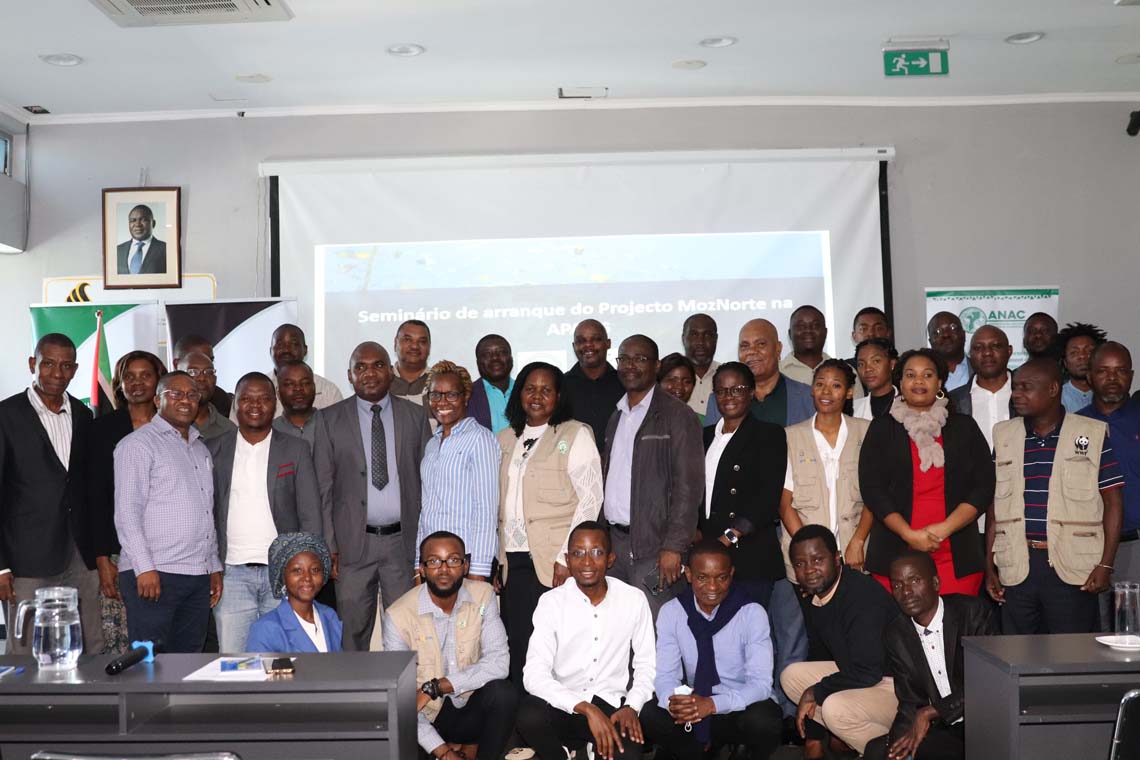
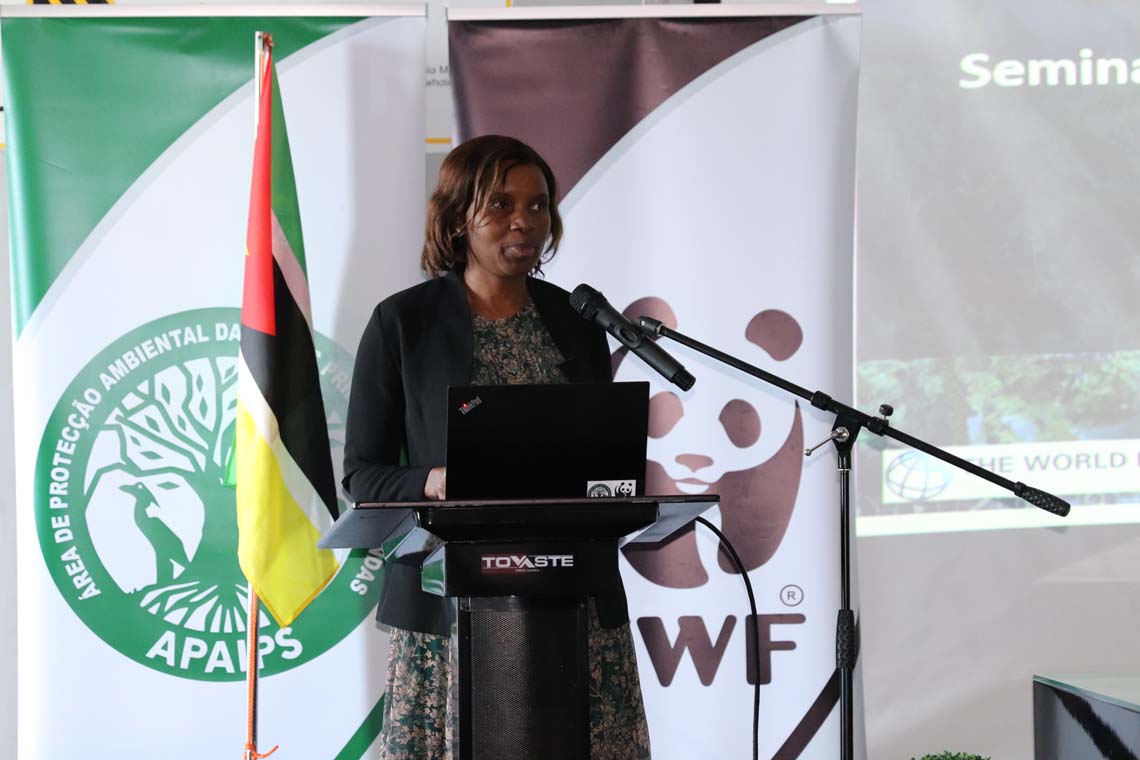
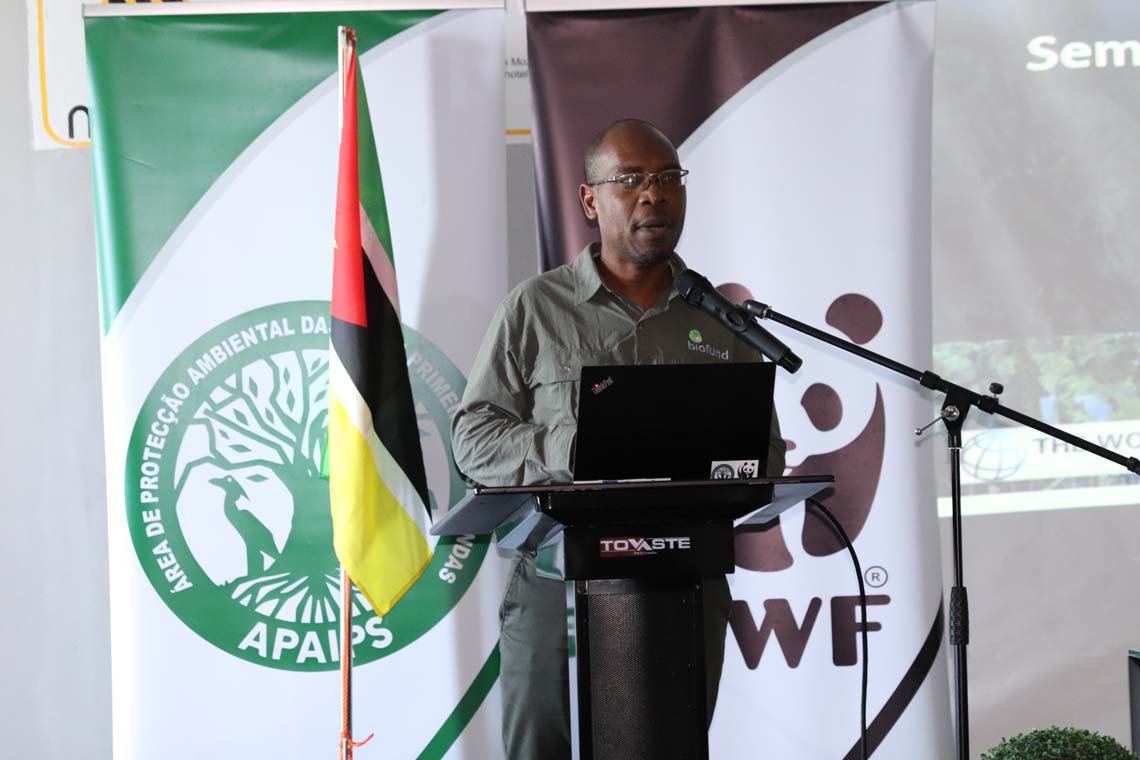
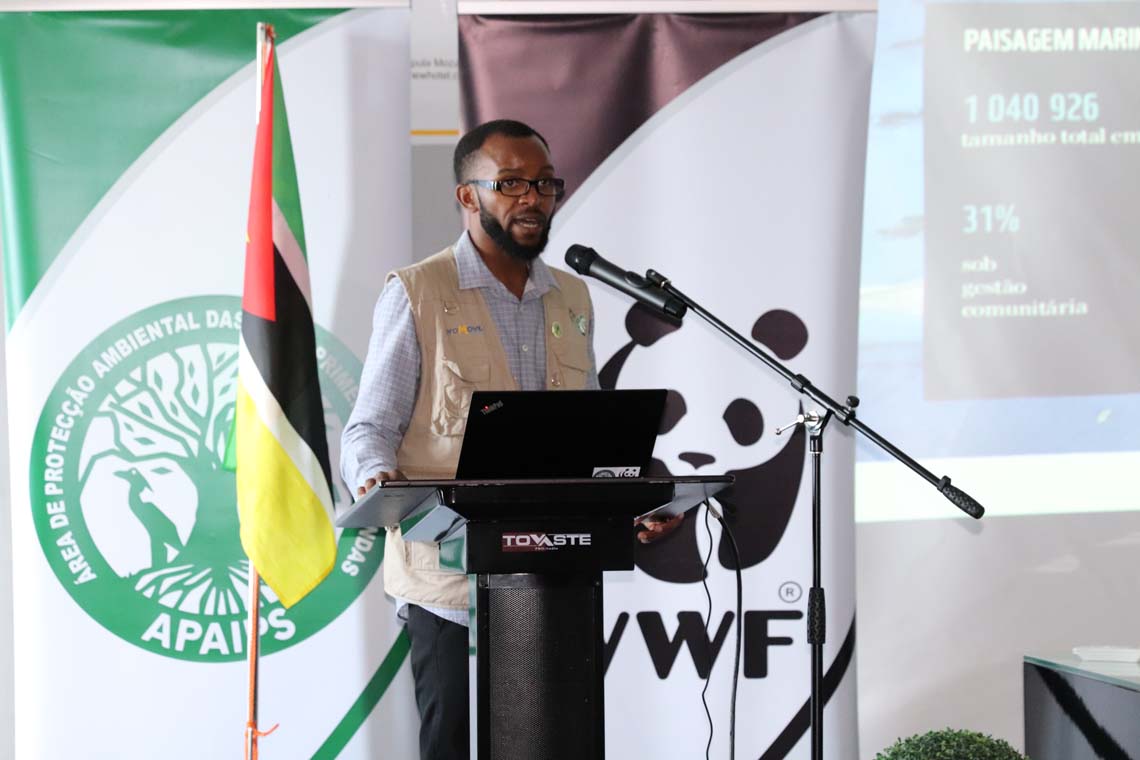
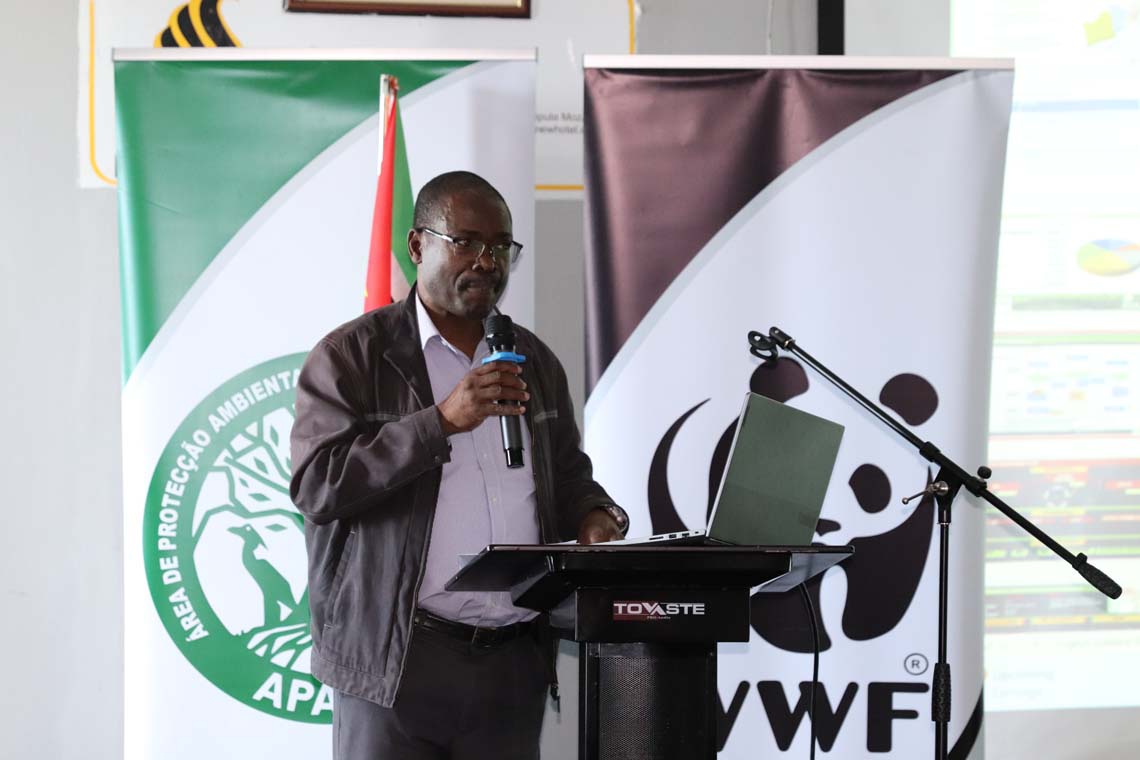
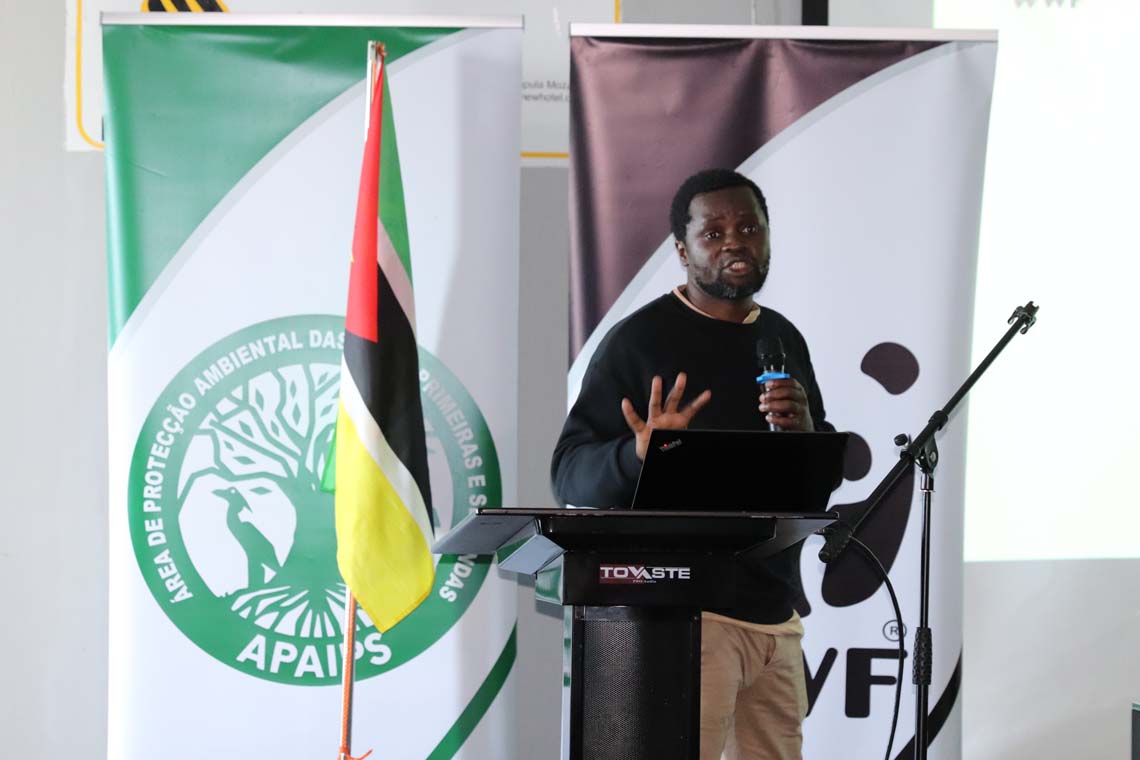
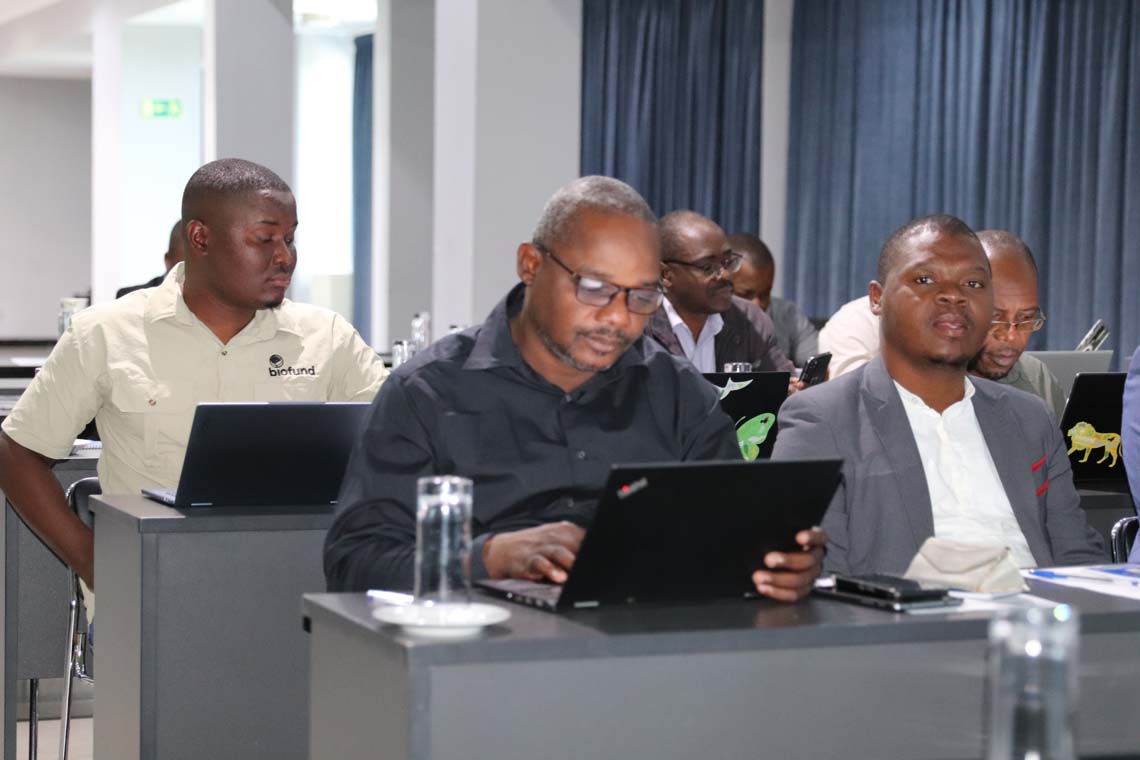
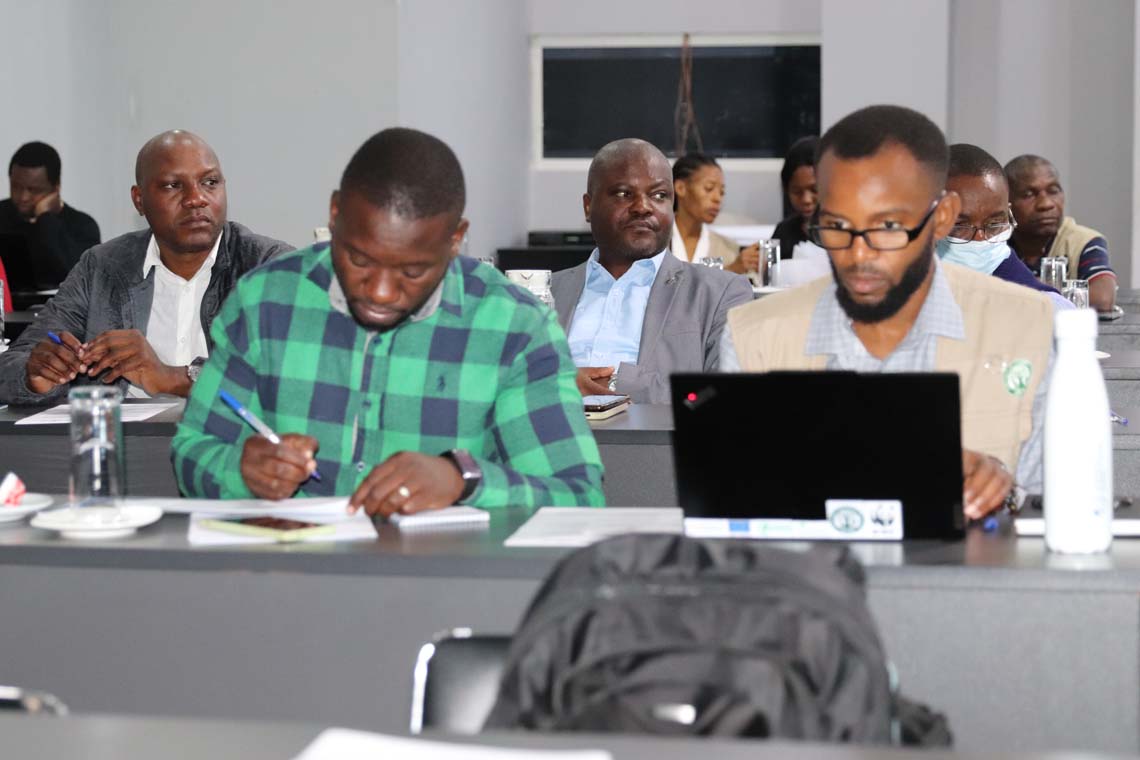
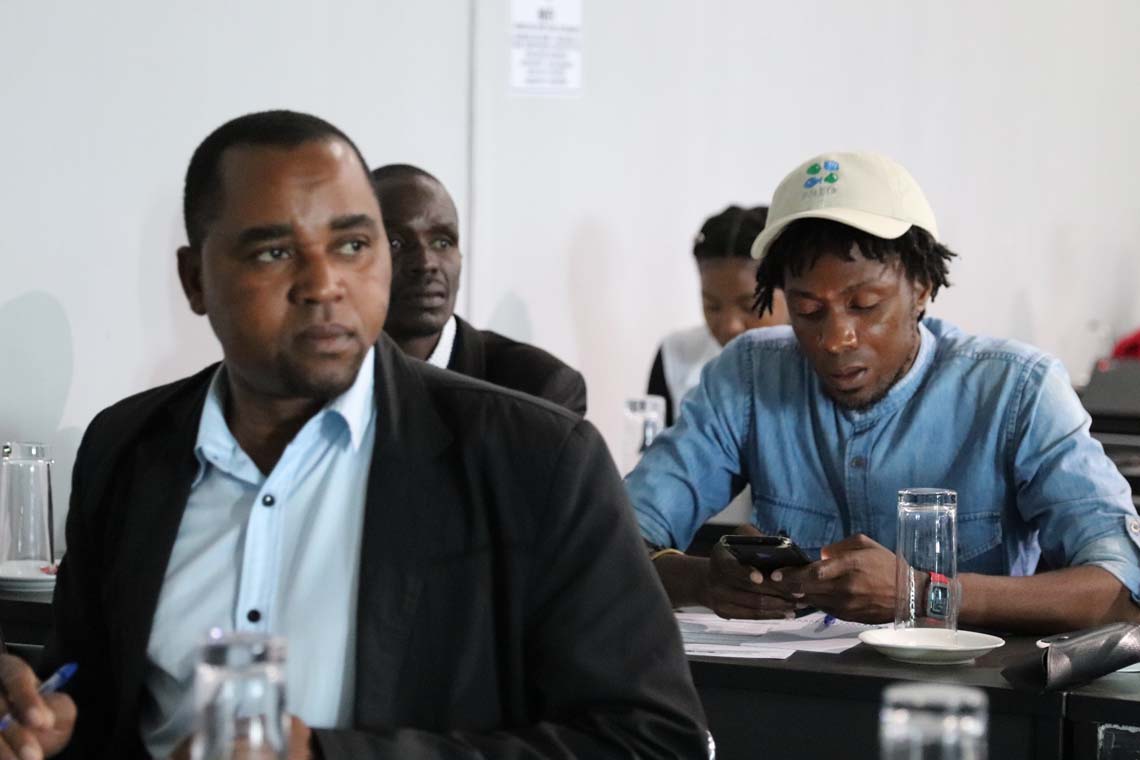
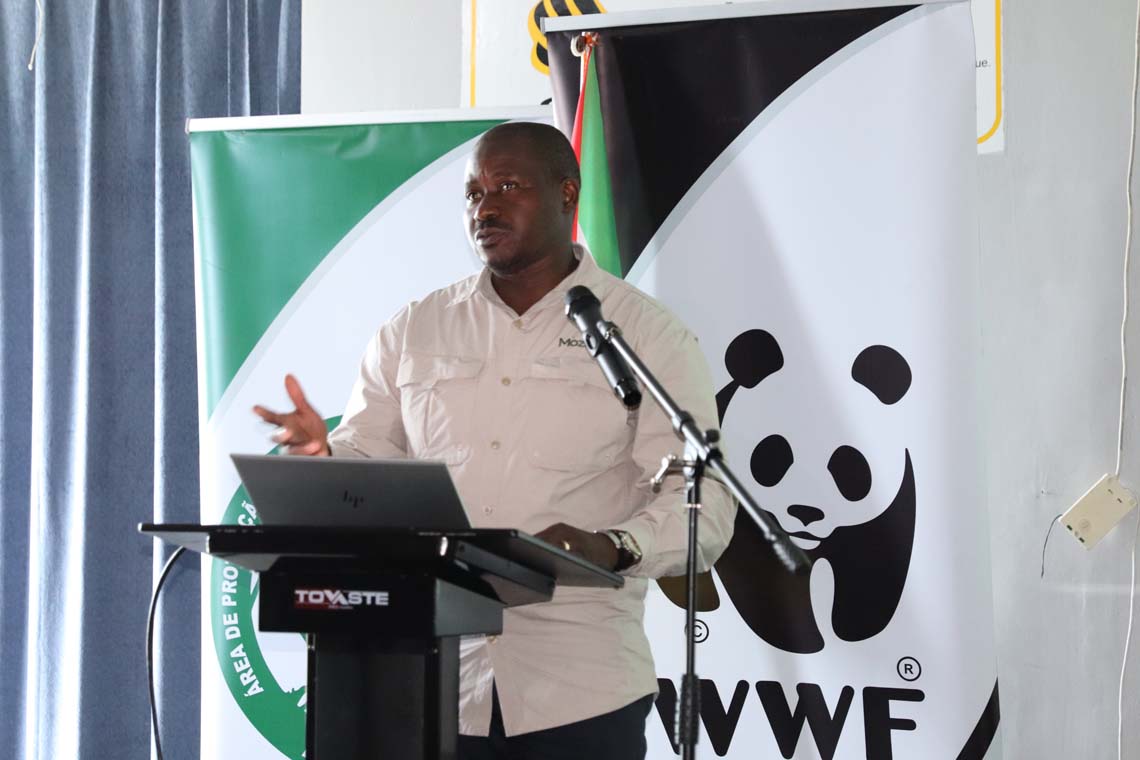
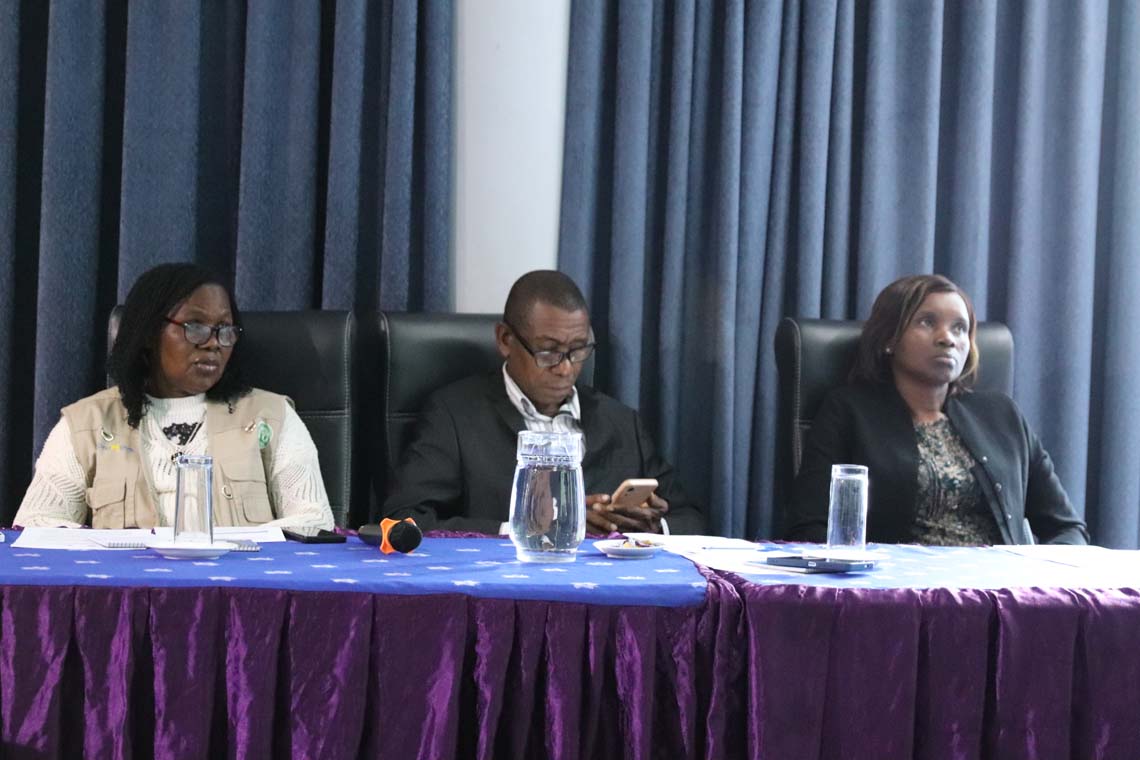
On 27 June, the kick-off seminar of the Rural Resilience Project in Northern Mozambique – MozNorte, took place in the city of Nampula, for the Environmental Protection Area of the Primeiras and Segundas Islands (APAIPS). This event, part of the MozNorte Project, is financed by the World Bank through the Foundation for the Conservation of Biodiversity (BIOFUND) and is supported by the Government of Mozambique.
The event was attended by more than 50 guests, including representatives of the Government of Nampula Province, the National Administration of Conservation Areas (ANAC), district administrators from Larde, Moma and Angoche, technical and vocational training institutes of Nampula Province, and members of several organisations such as the World Wide Fund for Nature (WWF), Rare, the National Fund for Sustainable Development (FNDS) and BIOFUND. Notable attendees included Ali Auasse, representative of the Government of Nampula Province, and Ricardina Matusse, Administrator of APAIPS.
With a duration of 34 months and a total funding of USD 1.7 million, the project will be implemented by WWF-Mozambique, in close coordination with the APAIPS administration. The main objective is to strengthen sustainable natural resource management, promote environmental education and provide technical training to local communities. Among the main goals of this project are the creation of an effective governance framework, improvement of tools and management plans, and strengthening law enforcement within APAIPS.
Integrated within the MozNorte Project, which will run until 2026, the project covers essential areas such as agriculture, rural development, conservation and fisheries, aiming to improve the livelihoods of vulnerable communities in the provinces of Cabo Delgado, Niassa and Nampula.
During the seminar, project coordination mechanisms and the formation of the Advisory Committee structure composed of various public and private institutions, were discussed. The proposed activity plan and project implementation methodologies were also addressed.
One of the highlights was the presentation of the Technical and Vocational Education Scholarship Programme, which benefits 35 adolescents and young people from the districts of Angoche, Moma and Larde. In addition, an induction session on Environmental and Social Safeguards was conducted, highlighting key concepts, areas of action and operational procedures.
The event concluded with a summary of the discussions and the presentation of the proposed action plan, reaffirming the commitment of all involved to biodiversity conservation and sustainable development within APAIPS.
Mozambique creates technical capacity to estimate biodiversity losses and gains for the implementation of biodiversity offsets
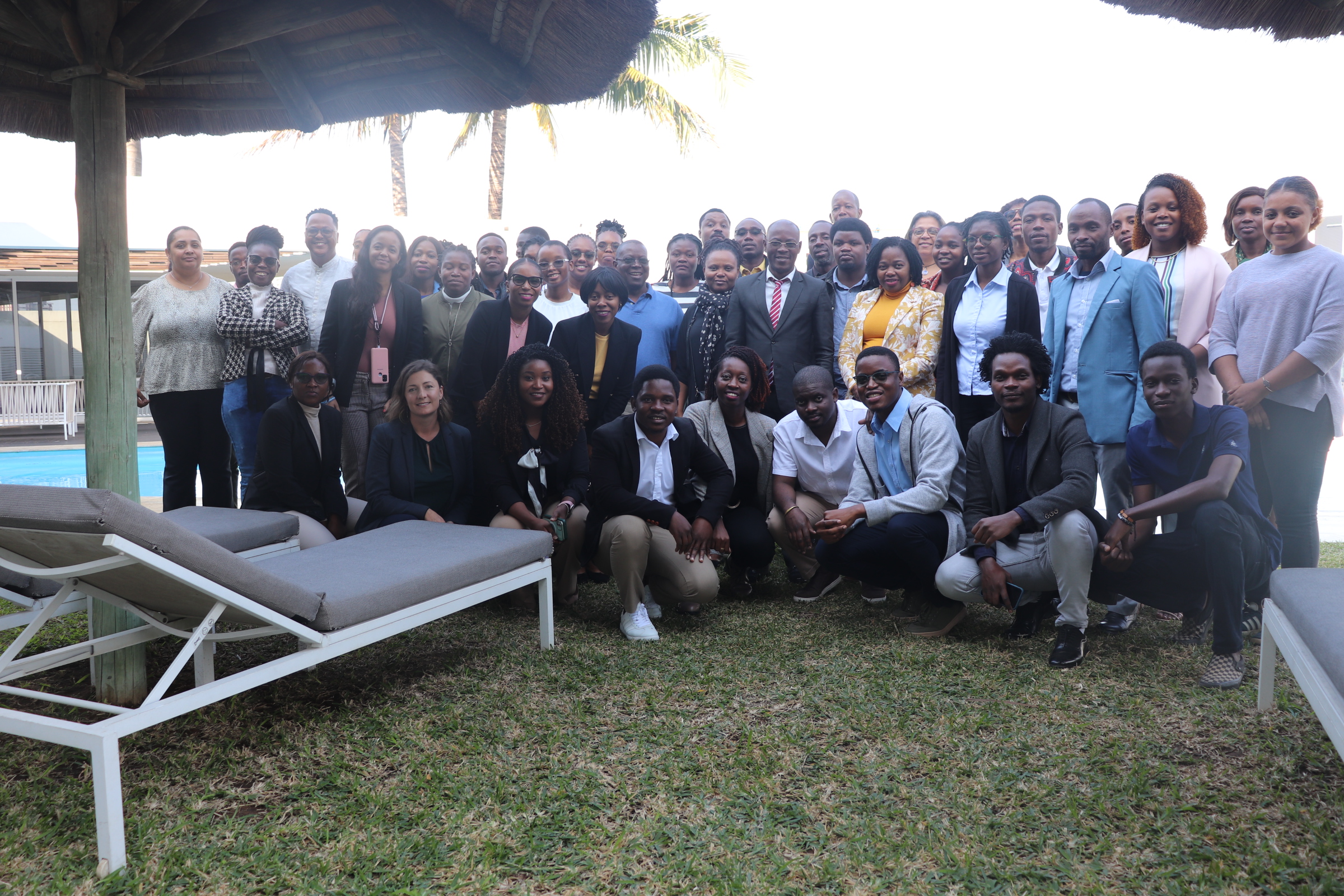
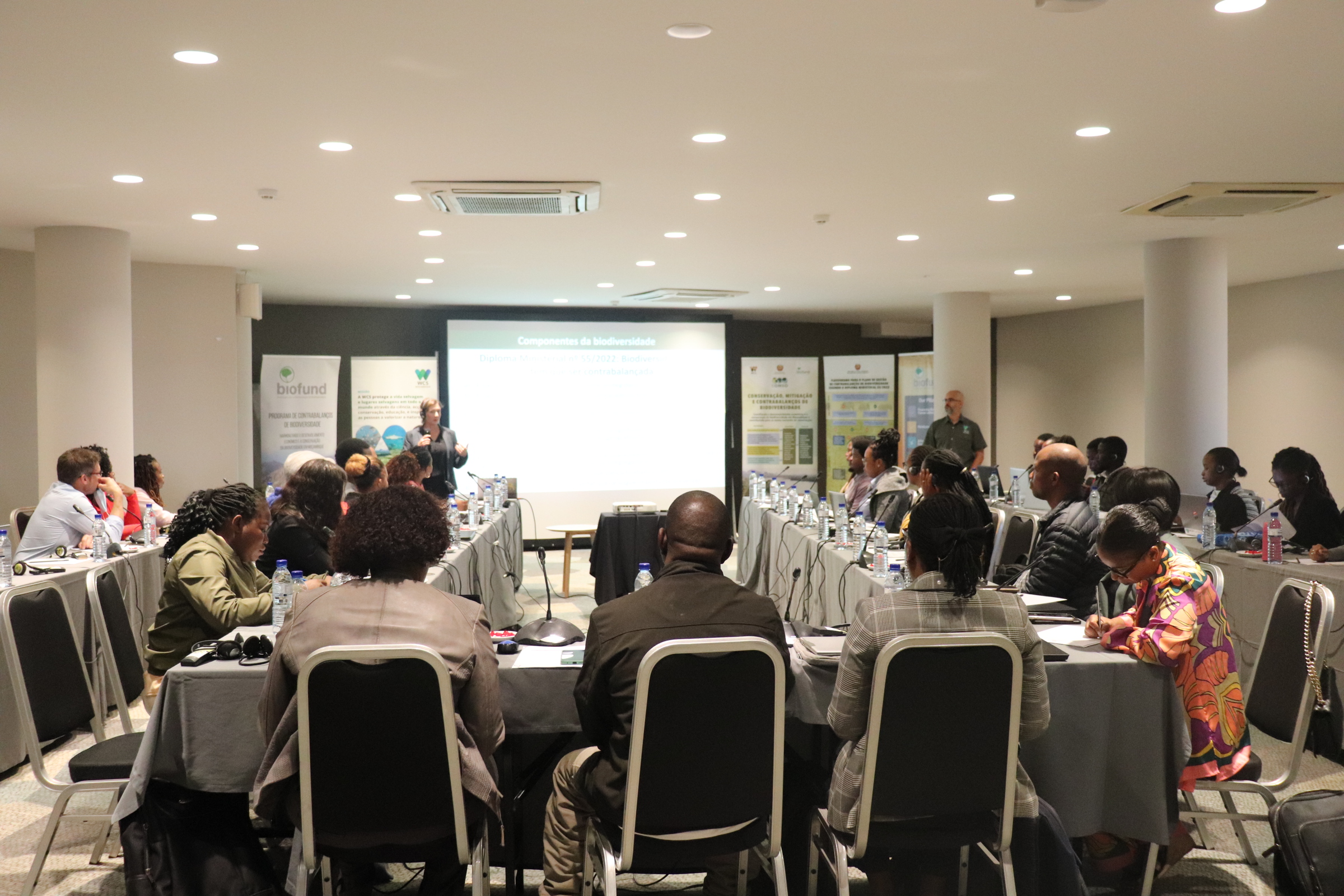
The COMBO+ Program, a partnership between the Ministry of Land and Environment (MTA), the Wildlife Conservation Society (WCS-Mozambique) and the Foundation for the Conservation of Biodiversity (BIOFUND), brought to Maputo Professor Martine Maron from the University of Queensland to train 47 technicians from the National Directorate of Environment (DINAB) Biodiversity Offset Assessment and Monitoring Office (RAACB), representatives from the Environmental Impact Assessment Technical Commission (CTA), environmental consultants, academia and members of the environment departments of mega-development projects.
The training took place between 19 and 20 June 2024 and aimed at building national capacity in government and NGO institutions for the development of species and ecosystem metrics for estimating biodiversity losses and gains to implement biodiversity offsets, in accordance with the Directive on Biodiversity Offsets (Ministerial Diploma no. 55/2022, of 19 May).
This training marks the end of this phase of the modular training program promoted by COMBO+ program since 2021, aimed at DINAB’s Biodiversity Offset Assessment and Monitoring Office (RAACB), the Technical Commission for Environmental Impact Assessment Evaluation (CTA), academia, the private sector, NGOs and all other actors involved in the implementation of Biodiversity Offsets in Mozambique.
More national capacity-building training will be implemented, the next ones being aimed at the financial sector and students. In any case, with the completion of the modular training plan, the country is considered to have the necessary foundations in place for the effective implementation of Biodiversity Offsets, in accordance with Ministerial Diploma No.o 55/2022 of 19 May.
Martine Maron (PhD) is a Professor of Environmental Management at The University of Queensland and is and the Impact Mitigation and Ecological Compensation (IMEC) Thematic Group chair, which is part of the International Union for the Conservation of Nature (IUCN) Commission on Ecosystem Management, and aims to support ongoing improvement towards best practice in the application of the mitigation hierarchy.
COMBO+ Program is currently funded by the Agence Française de Developpement (AFD) and the Fonds Français pour l’Environnement Mondial (FFEM), with co-financing from other donors, including NORAD. In Mozambique, COMBO+ is also funded by MOZBIO 2 (World Bank), UNDP (BIOSFAC and BIOFIN) and by Sweden Embassy (SIDA).
2nd Edition of the Marine Biodiversity Conference Brings Together Over 6,000 Participants and Announces Next Edition in Beira
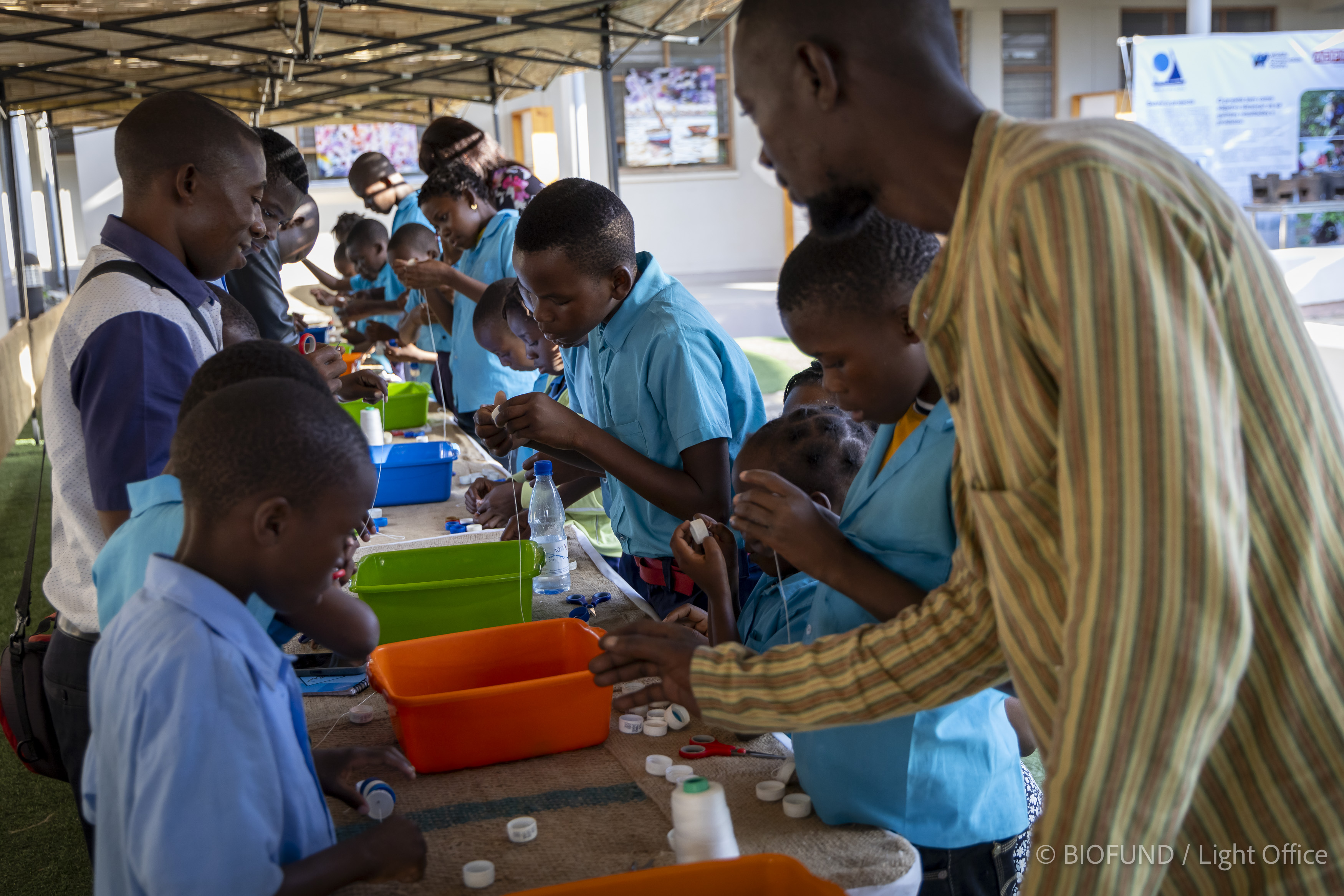

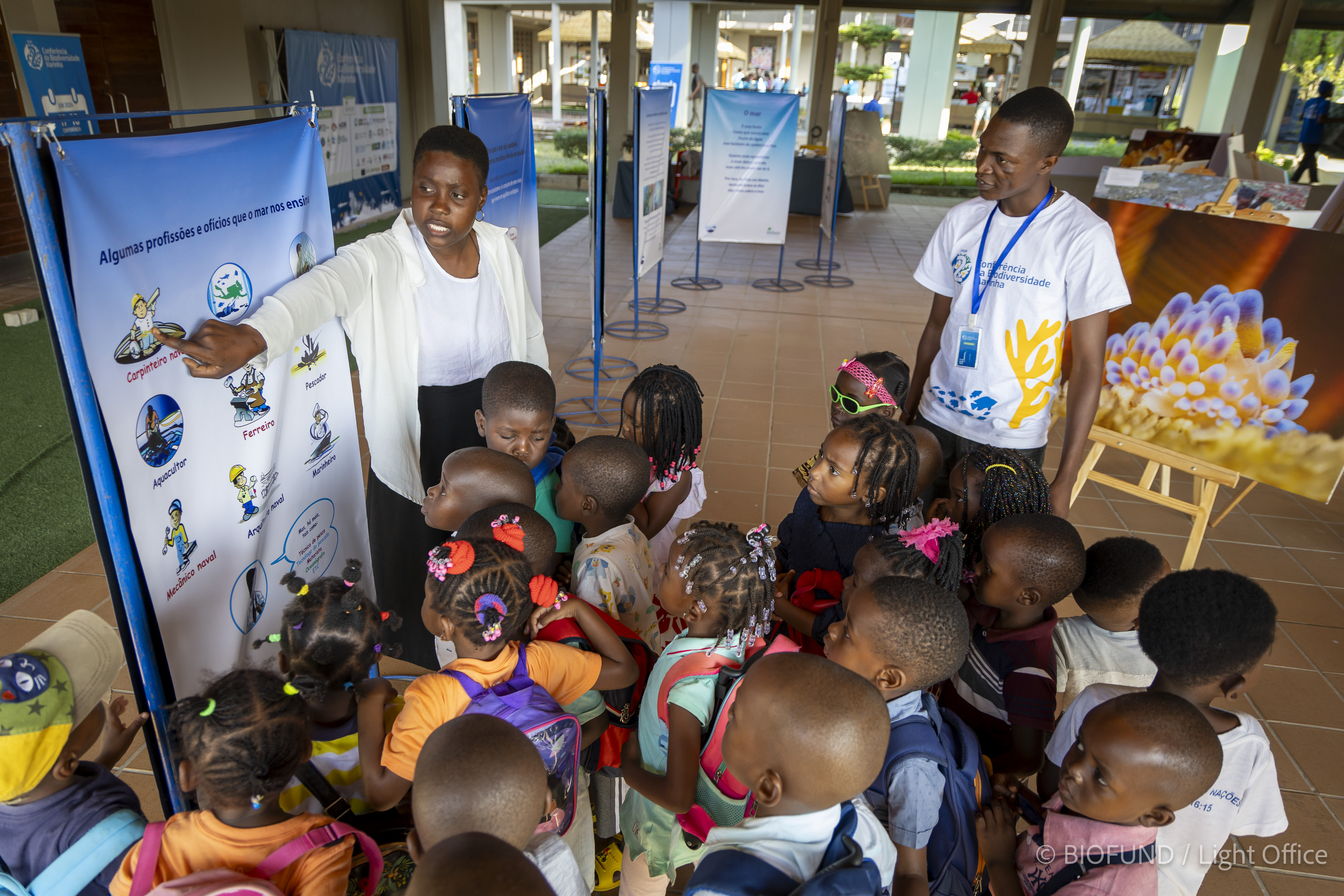
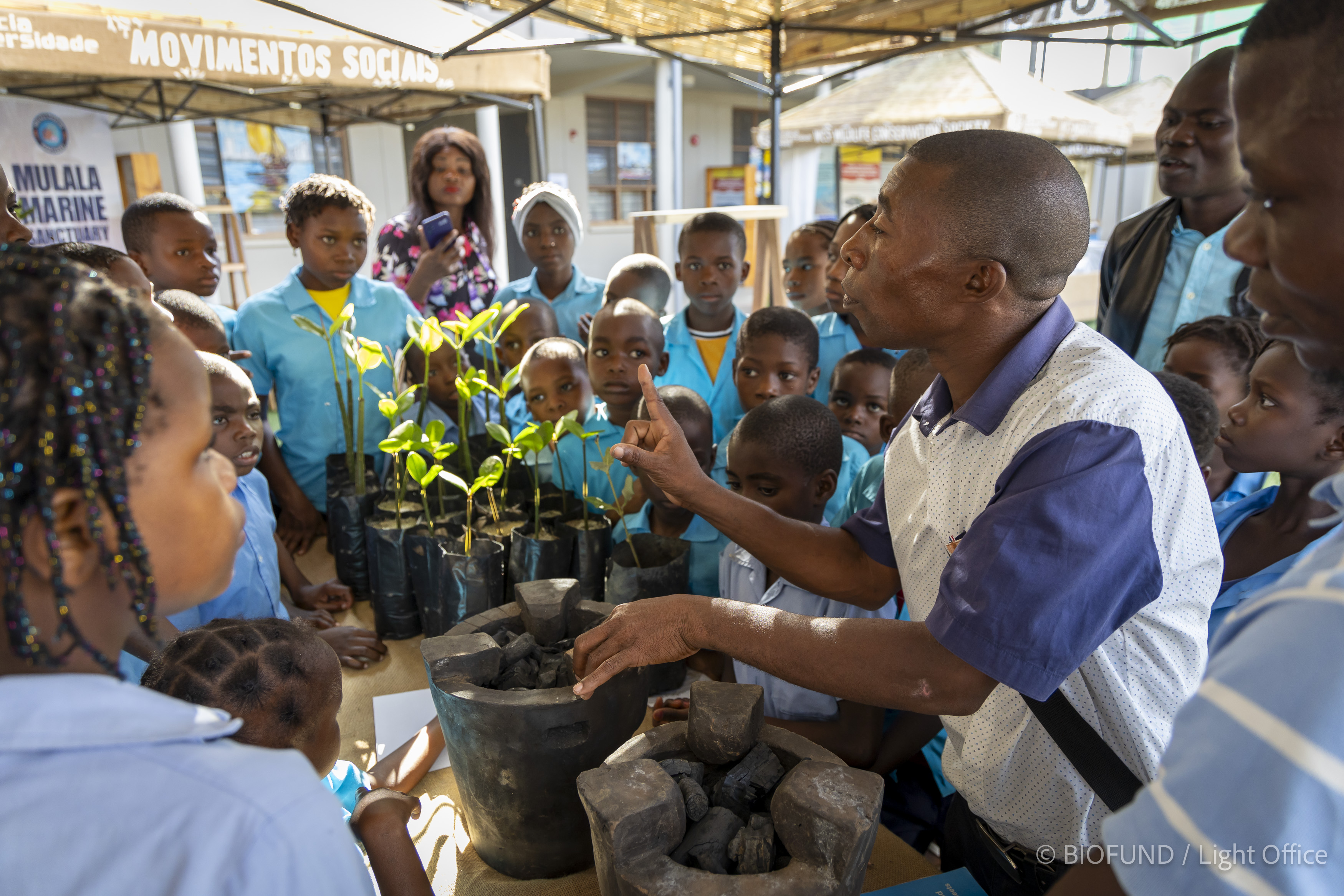
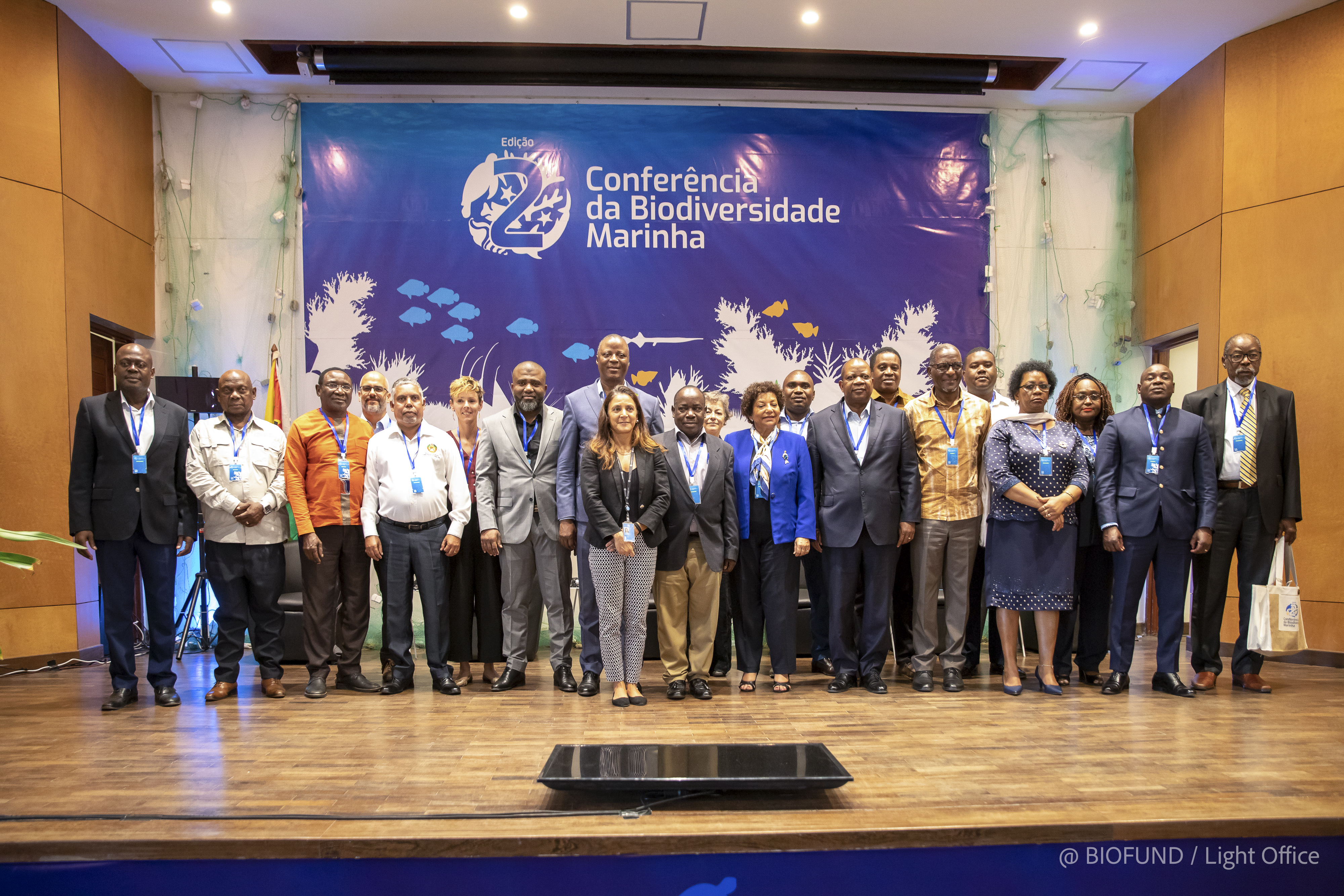
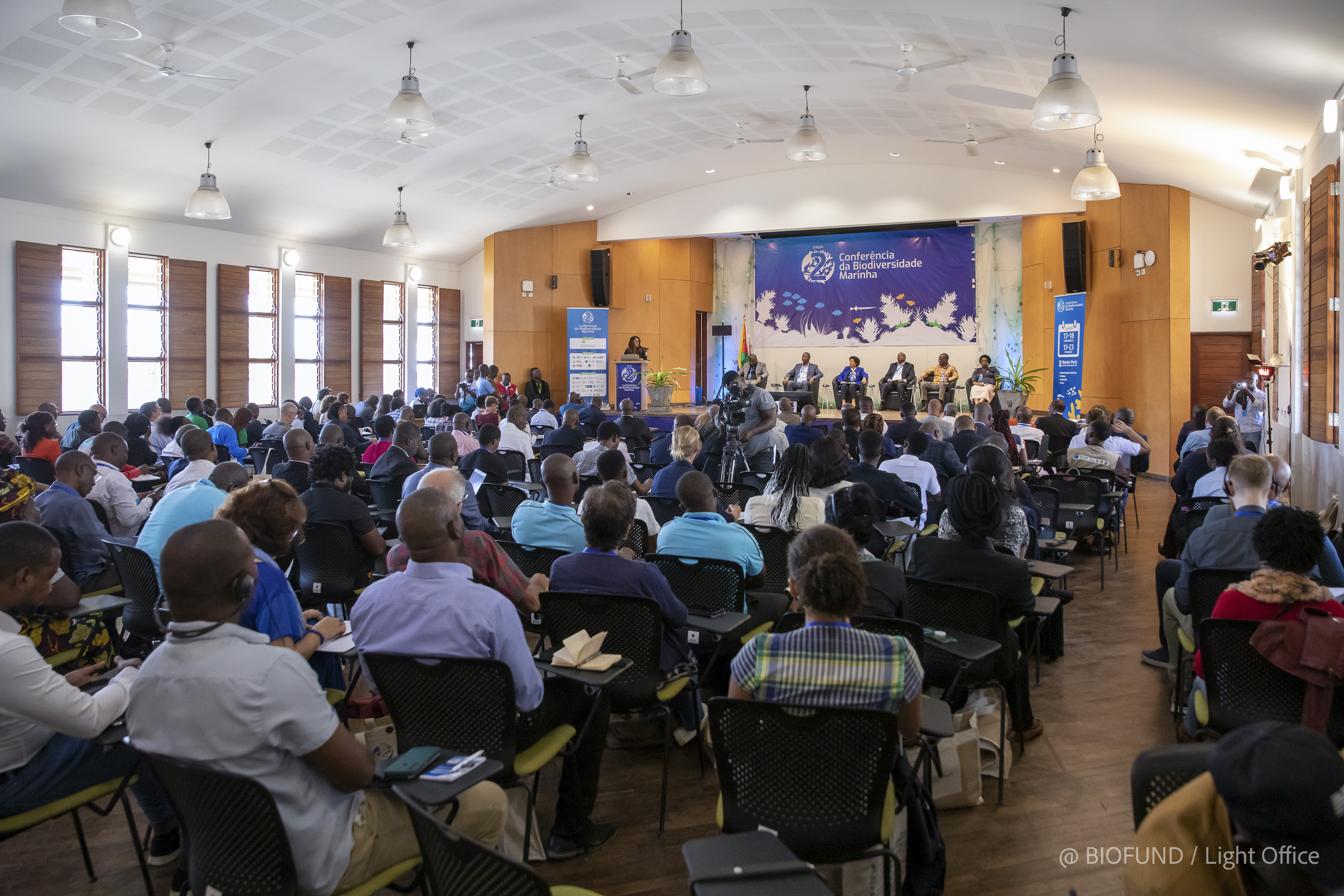
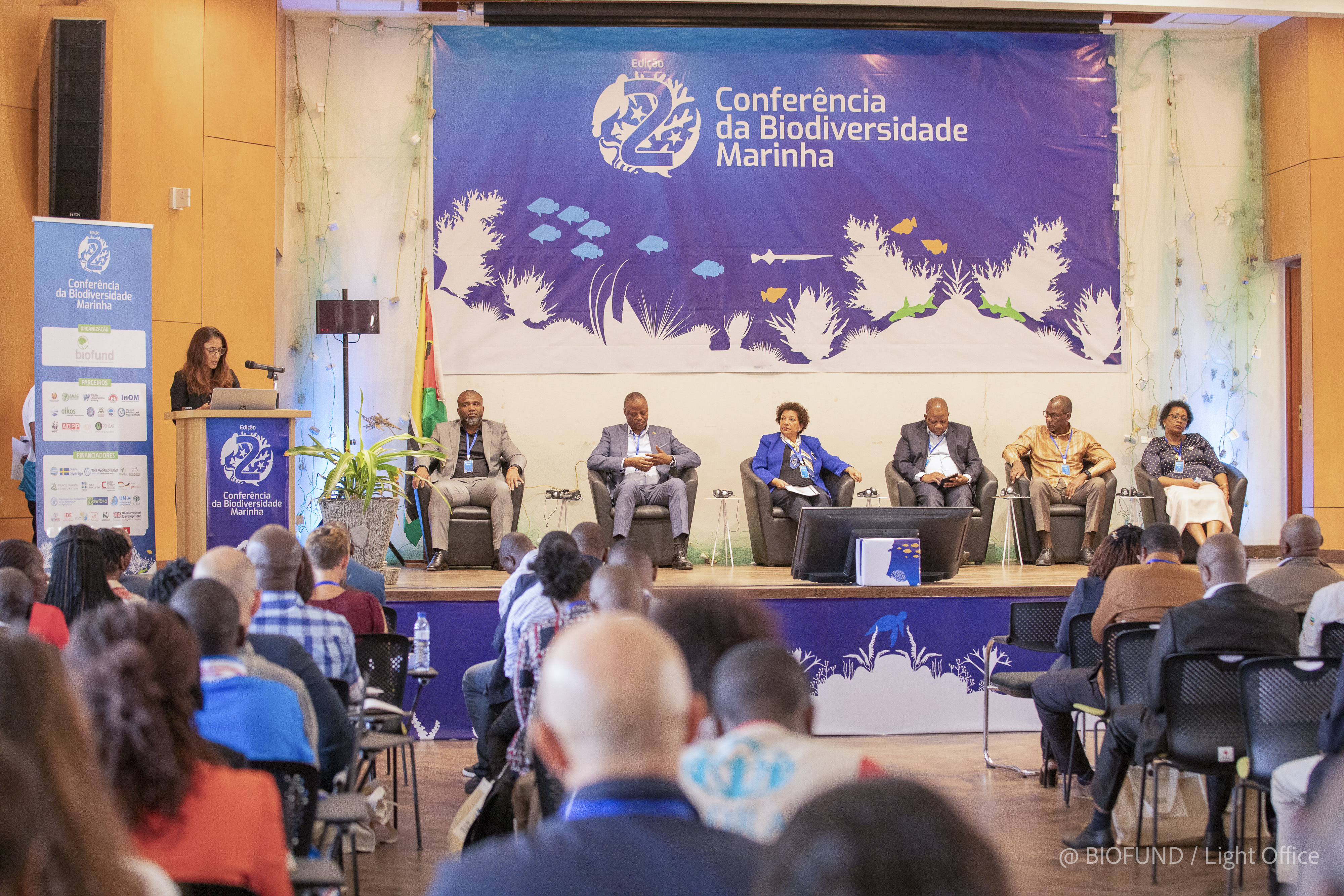
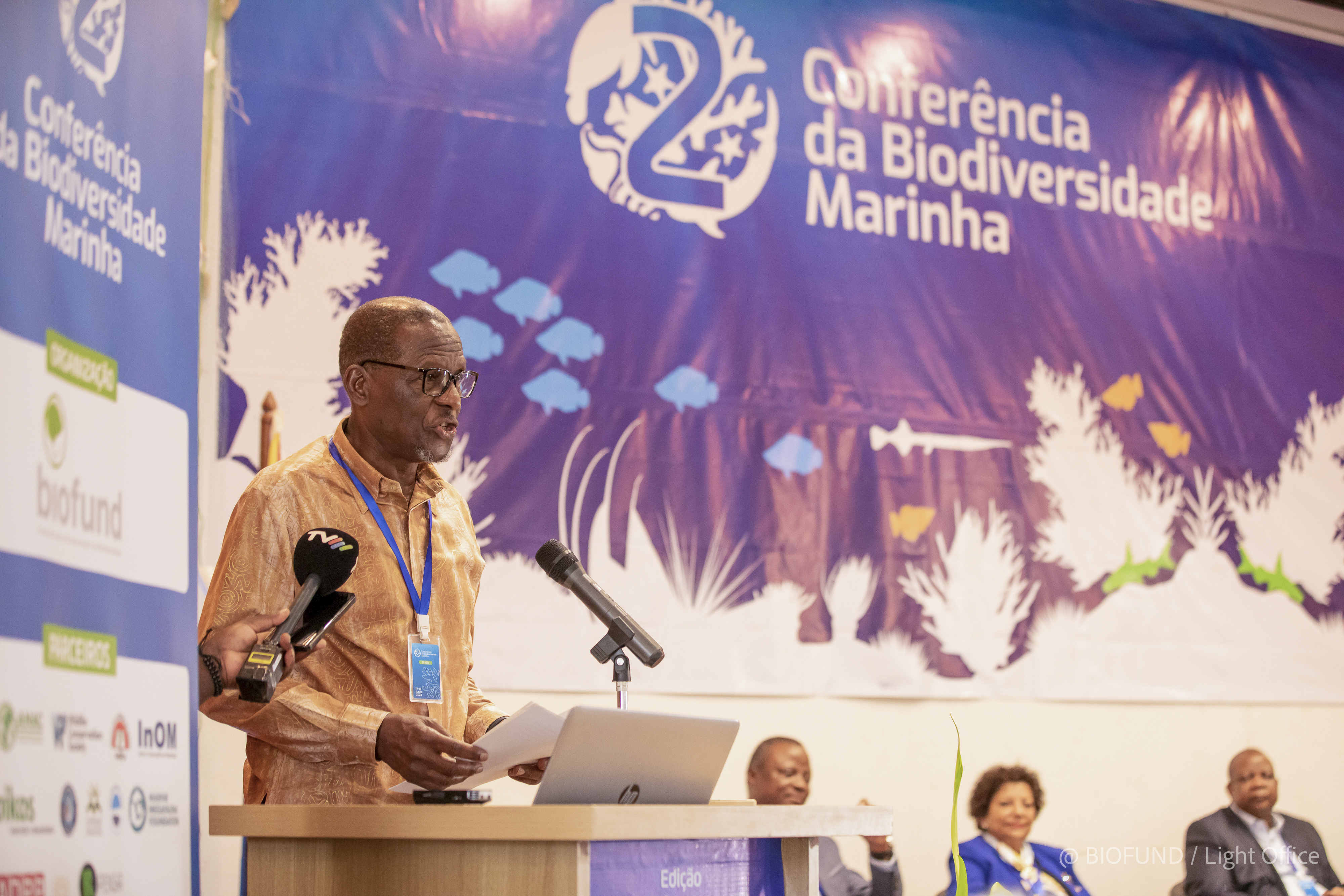
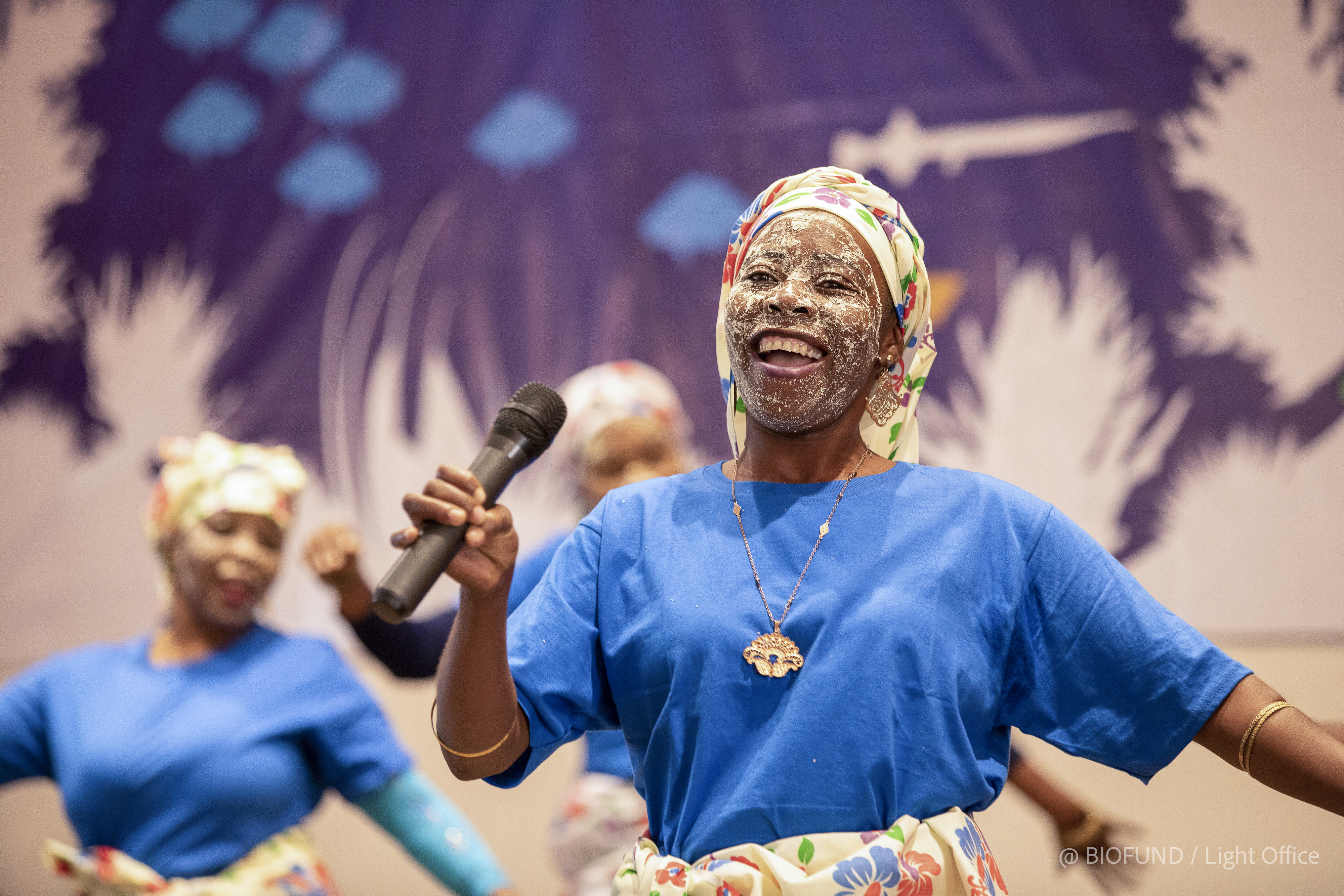
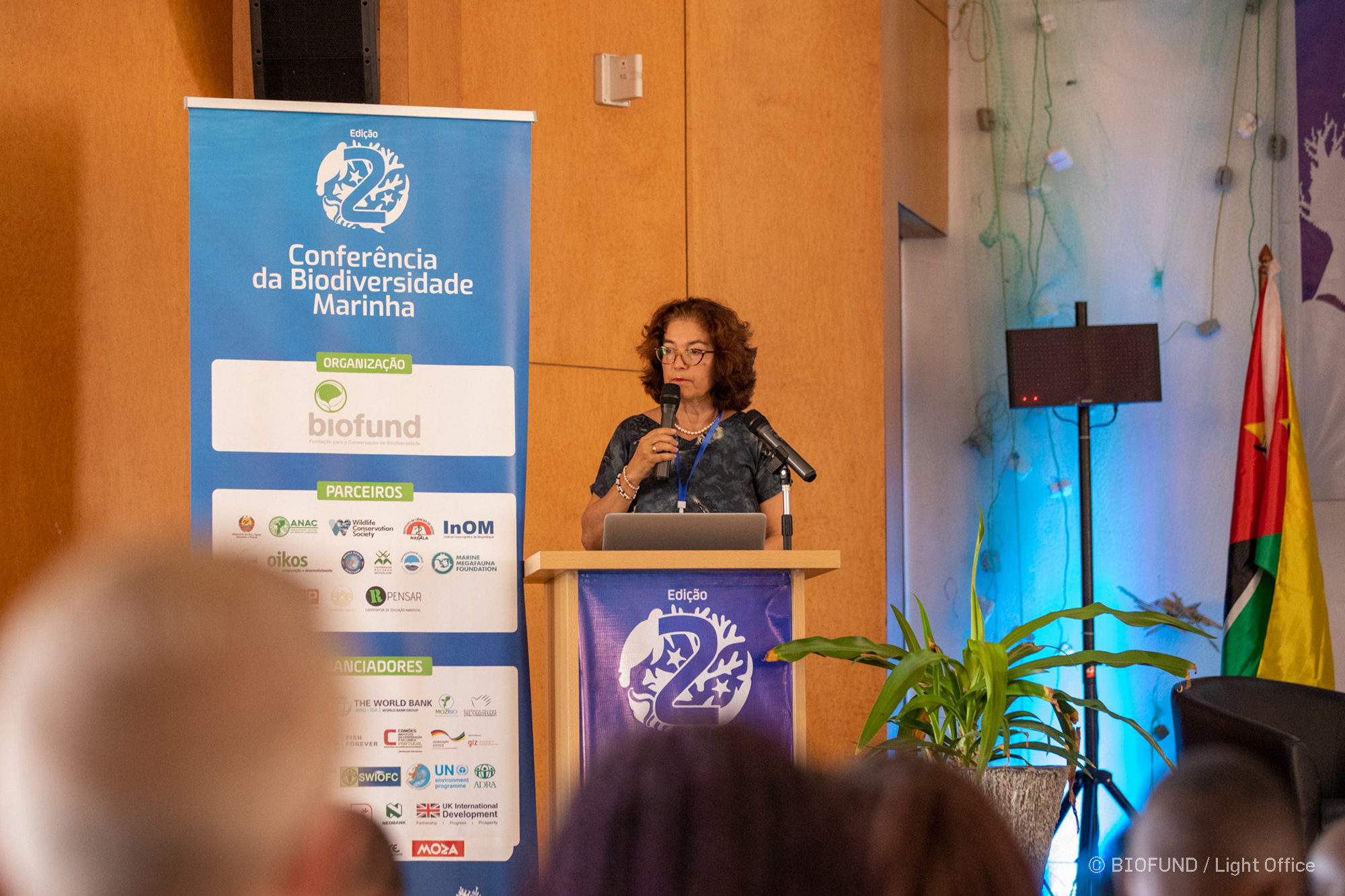
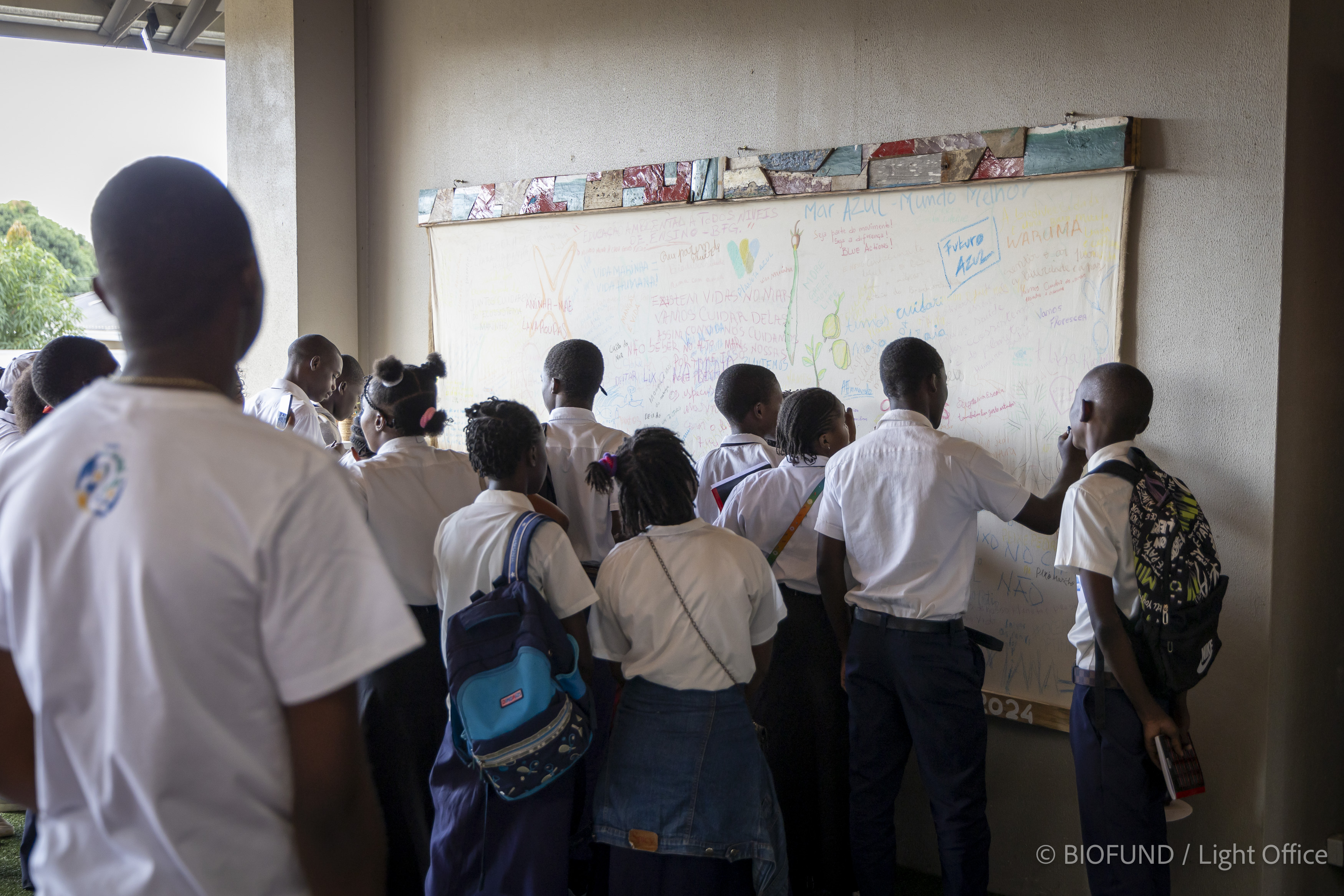
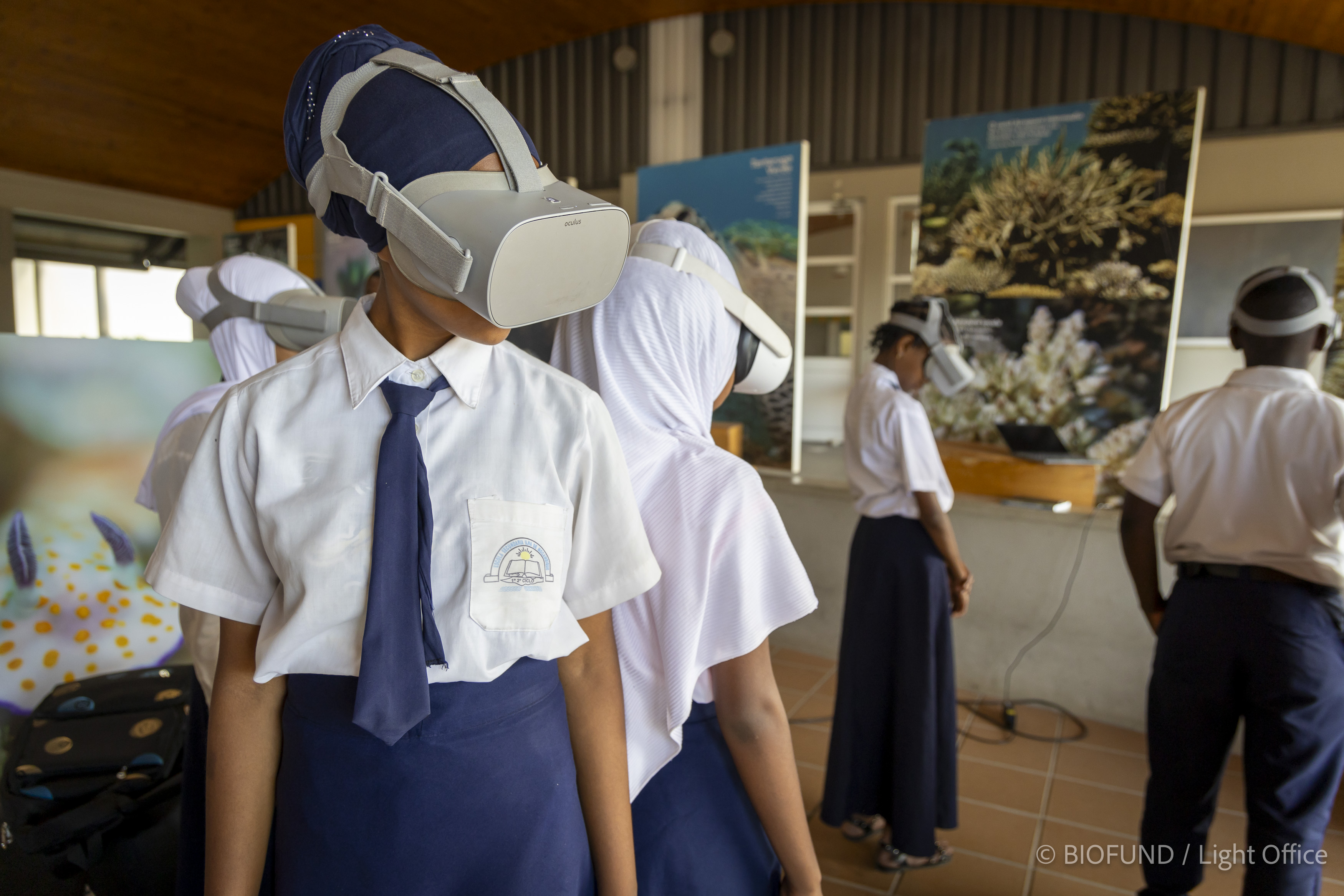
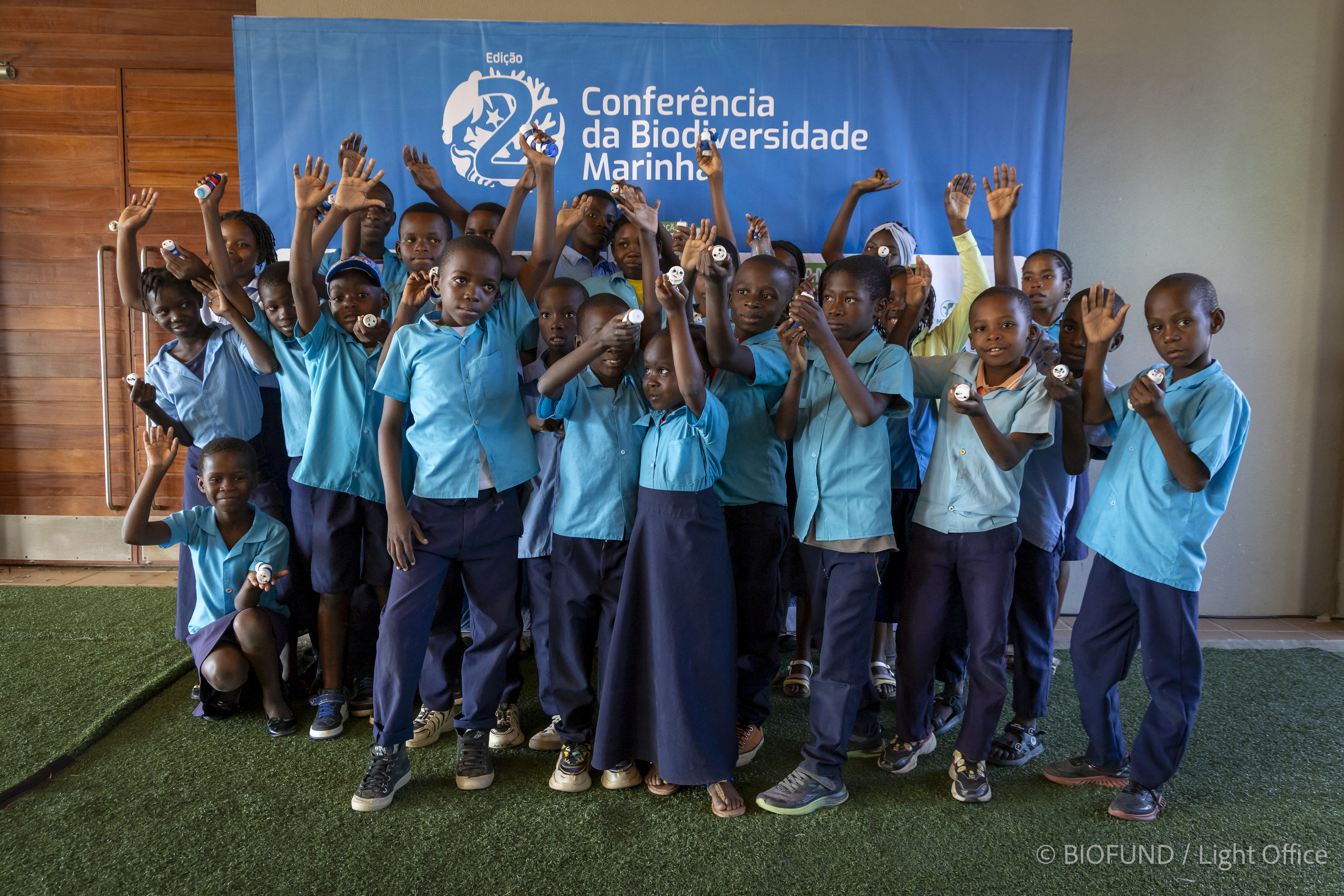
The 2nd Edition of the Marine Biodiversity Conference, held on June 17 and 18, 2024, in Nacala-Porto, was a great success, bringing together a total of 510 in-person participants and more than 6,000 online participants over the two days of the event. Organized by BIOFUND in collaboration with the Ministry of Sea, Inland Waters and Fisheries and several national and international partners, the event highlighted the importance of conserving Mozambique’s marine and coastal ecosystems.
- Ecosystem-Based Adaptation: The conference emphasized the need for decentralization, integrated approaches, and the promotion of new sustainable fishing techniques. The importance of involving local communities in marine resource management and educating school-aged children on environmental preservation were also central themes.
- Marine Conservation Areas: Discussions focused on challenges related to resource use in protected areas, expanding protected area boundaries, and the need for greater funding for marine invertebrate conservation projects, which have been less prioritized compared to larger species.
- Coastal and Marine Biodiversity: The importance of publicly disseminating research data and conservation reports was highlighted to ensure sharing, transparency, and greater awareness of conservation efforts.
The Minister of Sea, Inland Waters and Fisheries, Lídia Cardoso, stressed the need for clear and effective communication for implementing conservation measures and underscored the vital role of sustainable fishing practices. The Chairperson of the BIOFUND Board, Dr. Narciso Matos, reaffirmed BIOFUND’s commitment to resource mobilization and biodiversity conservation management. Alexandra Jorge, BIOFUND’s Director of Programmes, emphasized the importance of integrating research themes into these debate platforms, as the results form the basis for management and strategic decision-making, as well as involving children in conservation initiatives.
The event provided a valuable platform for knowledge exchange, presentation of innovative research, and strengthening of collaboration networks among participants.
The conference was made possible through the generous support and engagement of numerous partners and donors.
Among the organizers were the Ministry of Sea, Inland Waters and Fisheries (MIMAIP), the Oceanographic Institute of Mozambique (InOM), the Museums of the Sea, the Natural History Museum, the National Administration of Conservation Areas (ANAC), the Wildlife Conservation Society (WCS), Eduardo Mondlane University, Lúrio University, Likhulu Foundation, the Nacala Institute of Health Sciences, the Repensar Environmental Education Cooperative, the Mulala Marine Sanctuary, and the Oikos Institute.
The donors included the Blue Action Fund (BAF), the Government of Sweden, the World Bank through the MozBio 2 Project, the Food and Agriculture Organization of the United Nations (FAO) in partnership with the Southwest Indian Ocean Fisheries Commission (SWIOFC) and the Nairobi Convention, German Cooperation through GIZ, Peace Parks Foundation (PPF), Italian Cooperation, RARE, ADRA, IDEA Global through USAID, the UK Blue Planet Fund, the Embassy of Portugal, the European Union through the PROMOVE Biodiversity Programme, WIOMSA, BCI, NEDBANK, and MOZA.
The 2nd Edition of the Marine Biodiversity Conference concluded with the announcement of the location for the next edition, which will be held in 2025 in the city of Beira, Sofala Province. This decision aims to expand the reach of the event and continue promoting the conservation of marine and coastal ecosystems in different regions of the country.
This conference was a unique opportunity to join efforts and discuss effective strategies for protecting Mozambique’s marine biodiversity. The recommendations and connections established during the event are expected to inspire concrete and lasting actions, ensuring a more sustainable future for marine and coastal ecosystems and the communities that depend on them.
The exhibition and environmental education activities integrated into the event remain open to the public until June 23 at the Nacala-Porto Institute of Health Sciences.
To learn more, visit our page for the 2nd Edition of the Marine Biodiversity Conference: https://www.biofund.org.mz/projects/conferencia-da-biodiversidade-marinha/.
Ponta do Ouro Celebrates Second Anniversary with Cultural Events and Activities
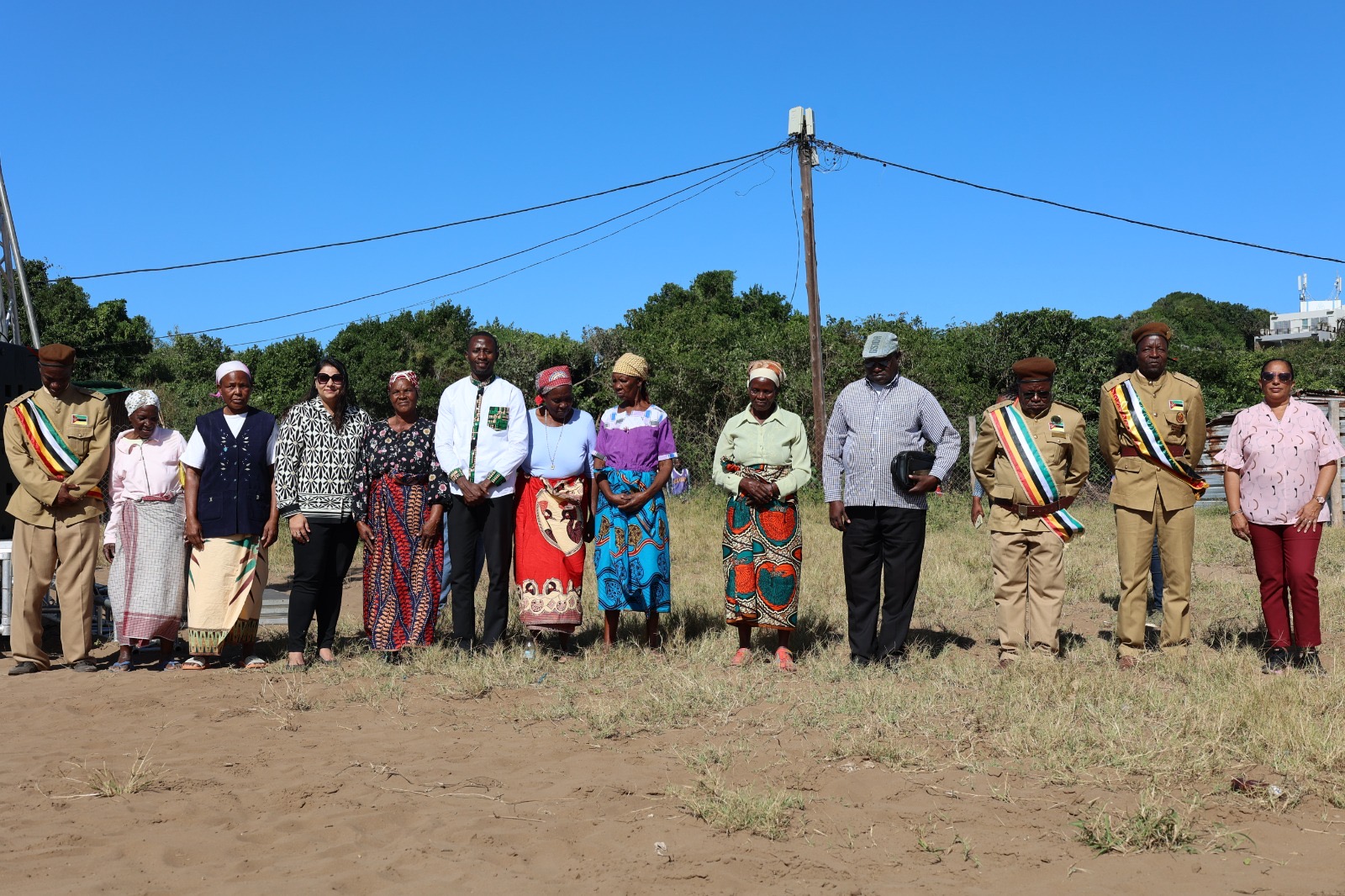

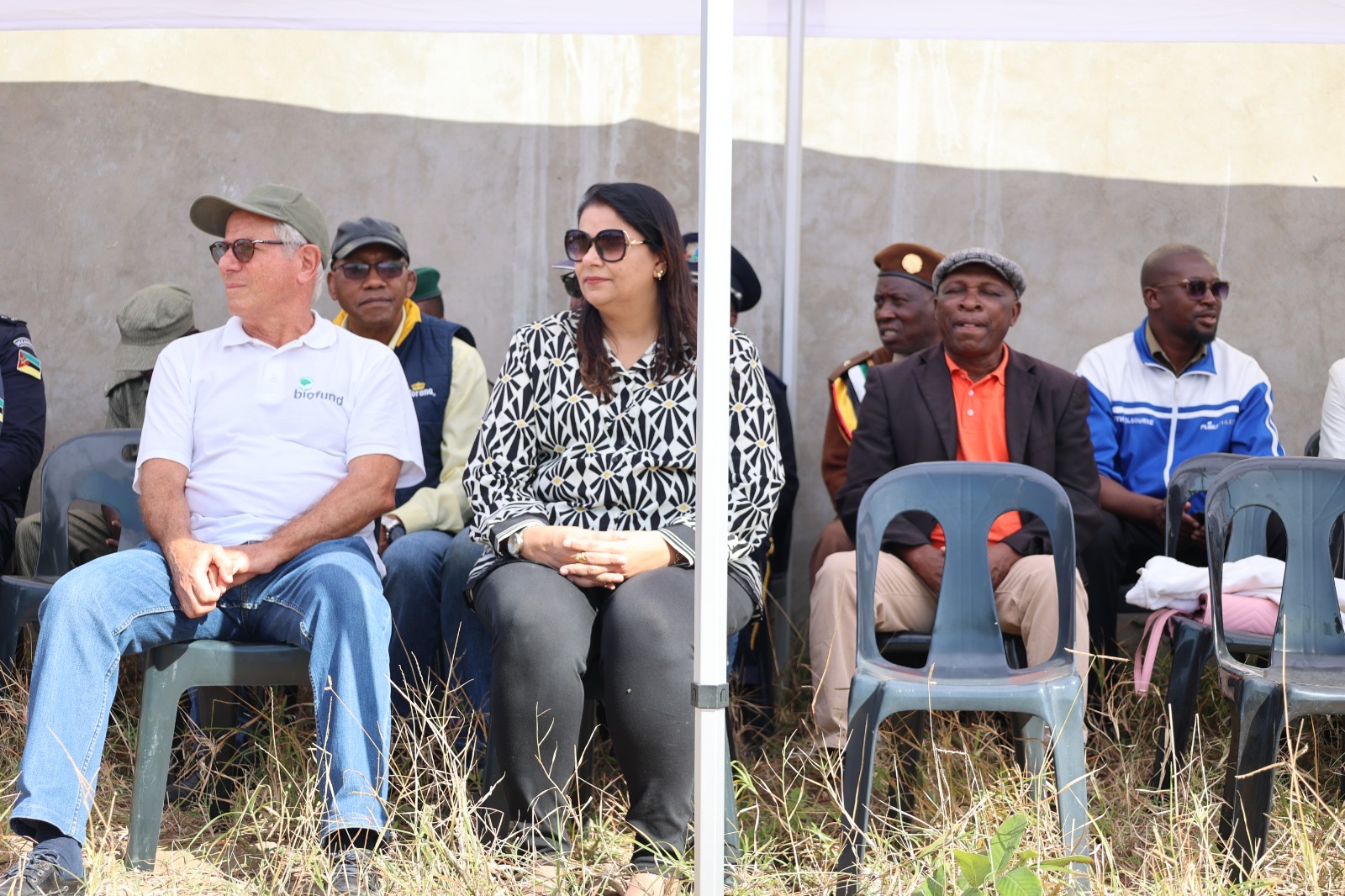
On June 6 and 7, 2024, the town of Ponta do Ouro, located in the district of Matutuine, celebrated the second anniversary of its elevation to town status. The festivities were attended by over 300 participants, including Euclides Zavala, Head of the Administrative Post of Zitundo, Carlos Henriques, member of the Board of the Foundation for the Conservation of Biodiversity (BIOFUND) (BIOFUND), representatives from the Maputo National Park (PNAM), representatives from the Maputo Environmental Protection Area (APAM), local régulos (traditional leaders), tour operators, and students from primary and secondary schools in the region.
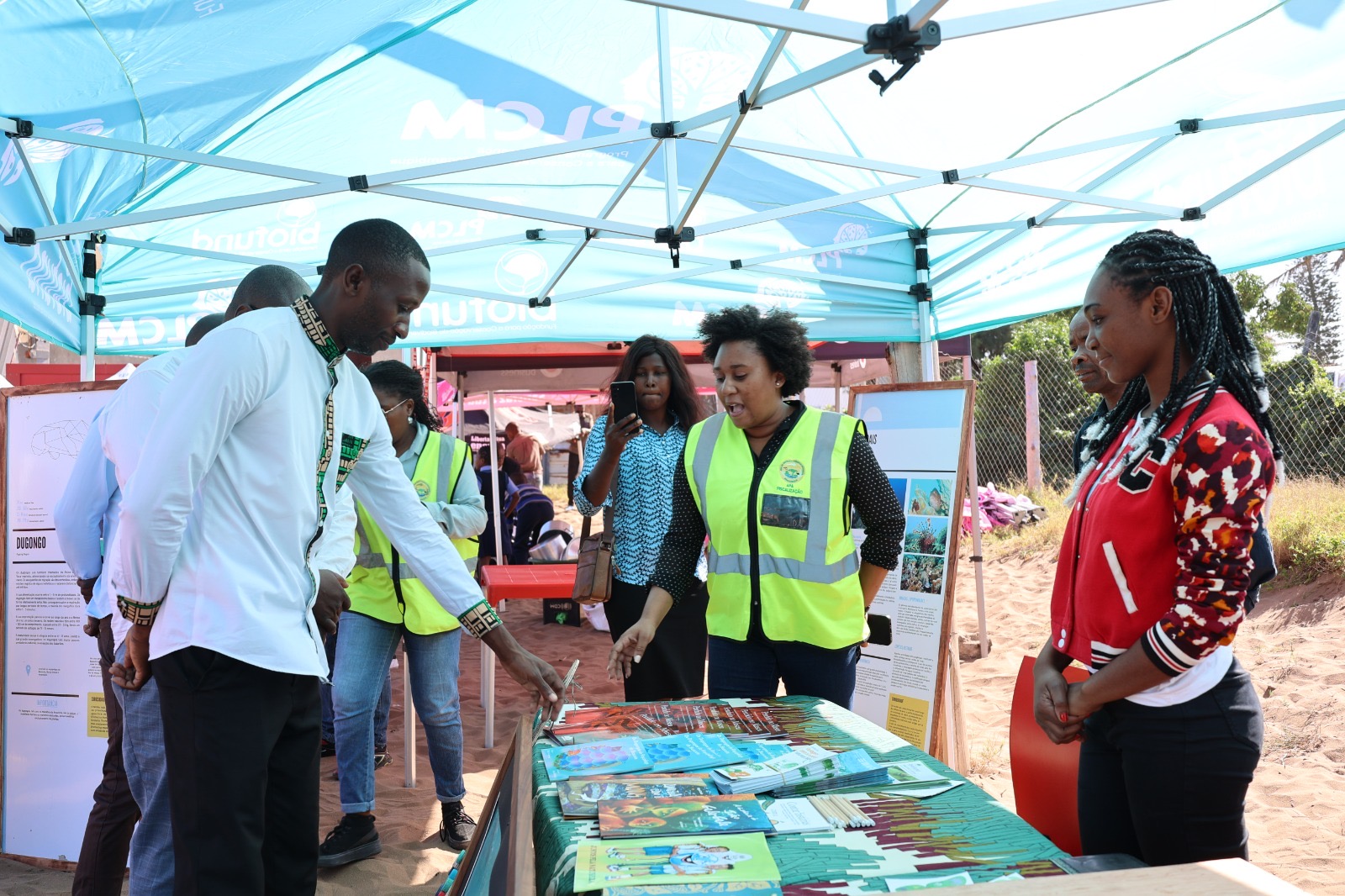
On June 6, BIOFUND and APAM organized several activities at the Ponta do Ouro Complete Primary School. These included an exhibition and lectures on biodiversity conservation, targeting students from the Ponta do Ouro Complete Primary School, Malongane School, and the Graça Machel Community School.
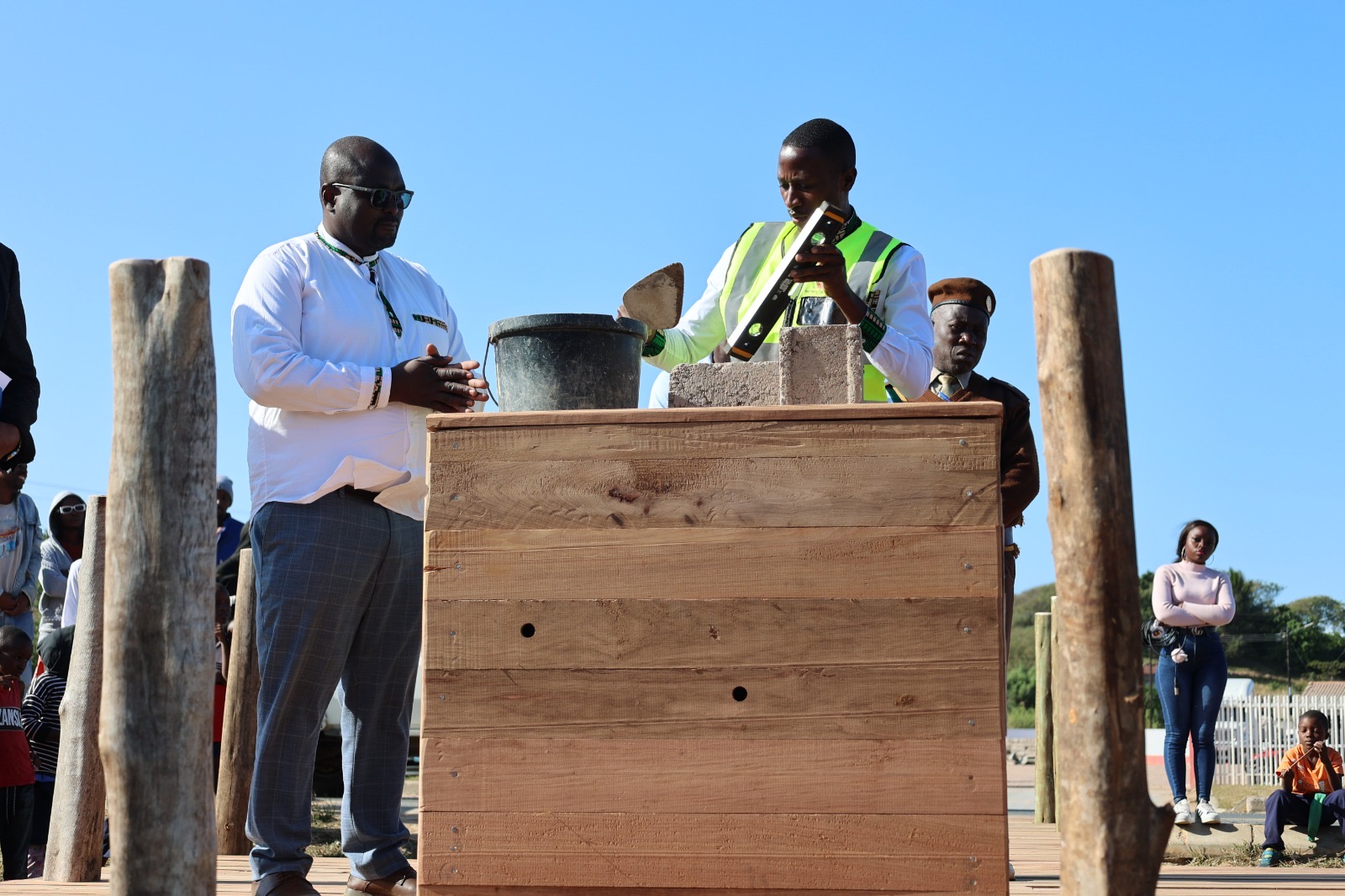
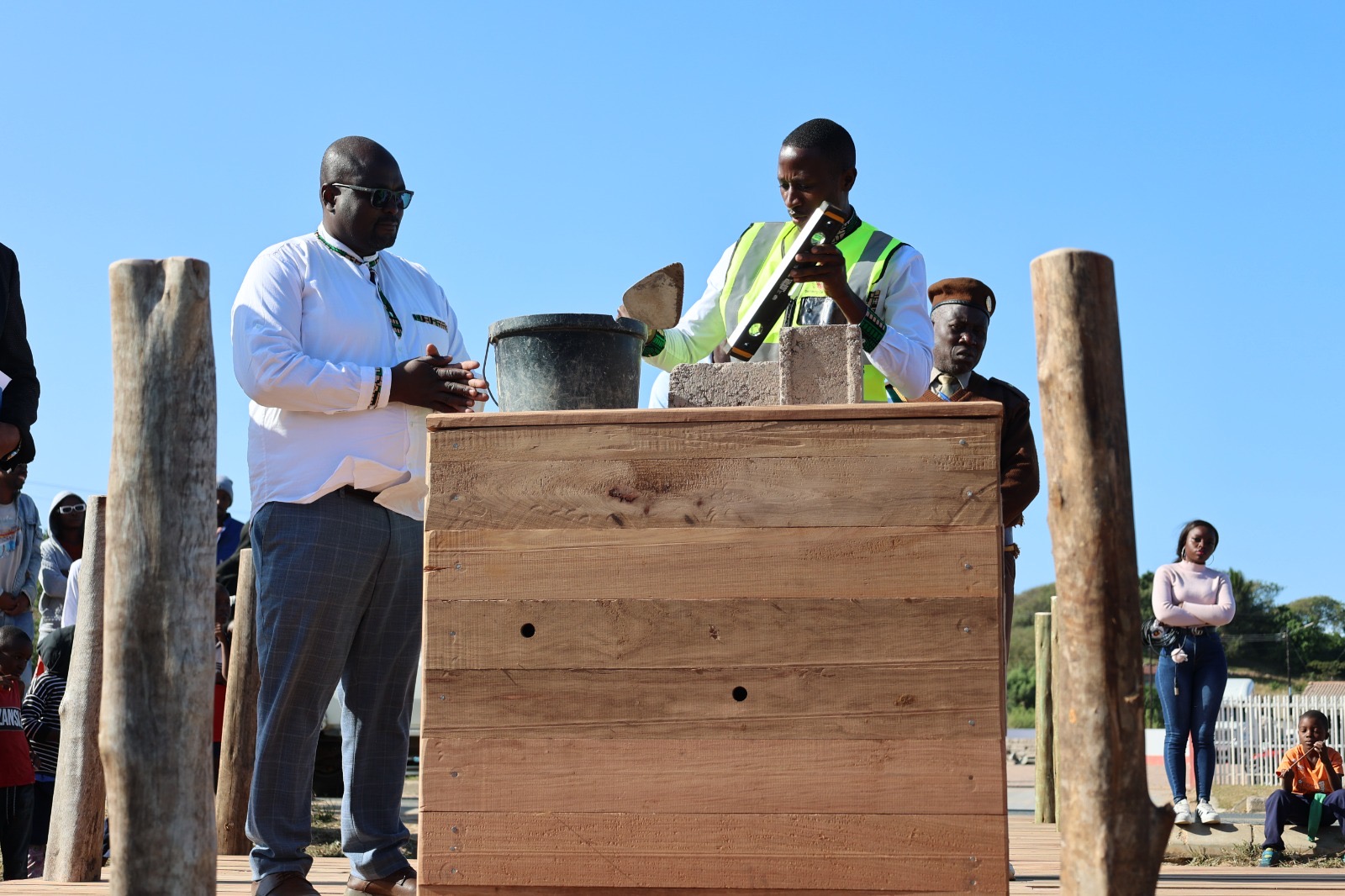
On June 7, the celebrations began with the ceremony for laying the first stone for the construction of the Heroes’ Square of Ponta do Ouro, led by Euclides Zavala. This was followed by speeches from local authorities, thanking the community for their commitment and contributions to the town’s development, and highlighting future challenges such as road construction and sanitation issues. The town’s living libraries were recognized for their ongoing efforts. Additionally, a gastronomic fair and exhibitions from various institutions operating in the region were held.
Carlos Henriques emphasized the importance of conserving local ecosystems and promoting sustainable development in the region. He highlighted BIOFUND’s efforts in protecting marine life, environmental education, and strengthening partnerships with national and international organizations to address environmental challenges.
The educational and cultural activities promoted by BIOFUND and APAM reinforced the importance of environmental conservation and collaboration between the community and organizations dedicated to sustainable development.
BIOFUND Participates in the Celebration of World Oceans Day and Announces the 2nd Edition of the Marine Biodiversity Conference
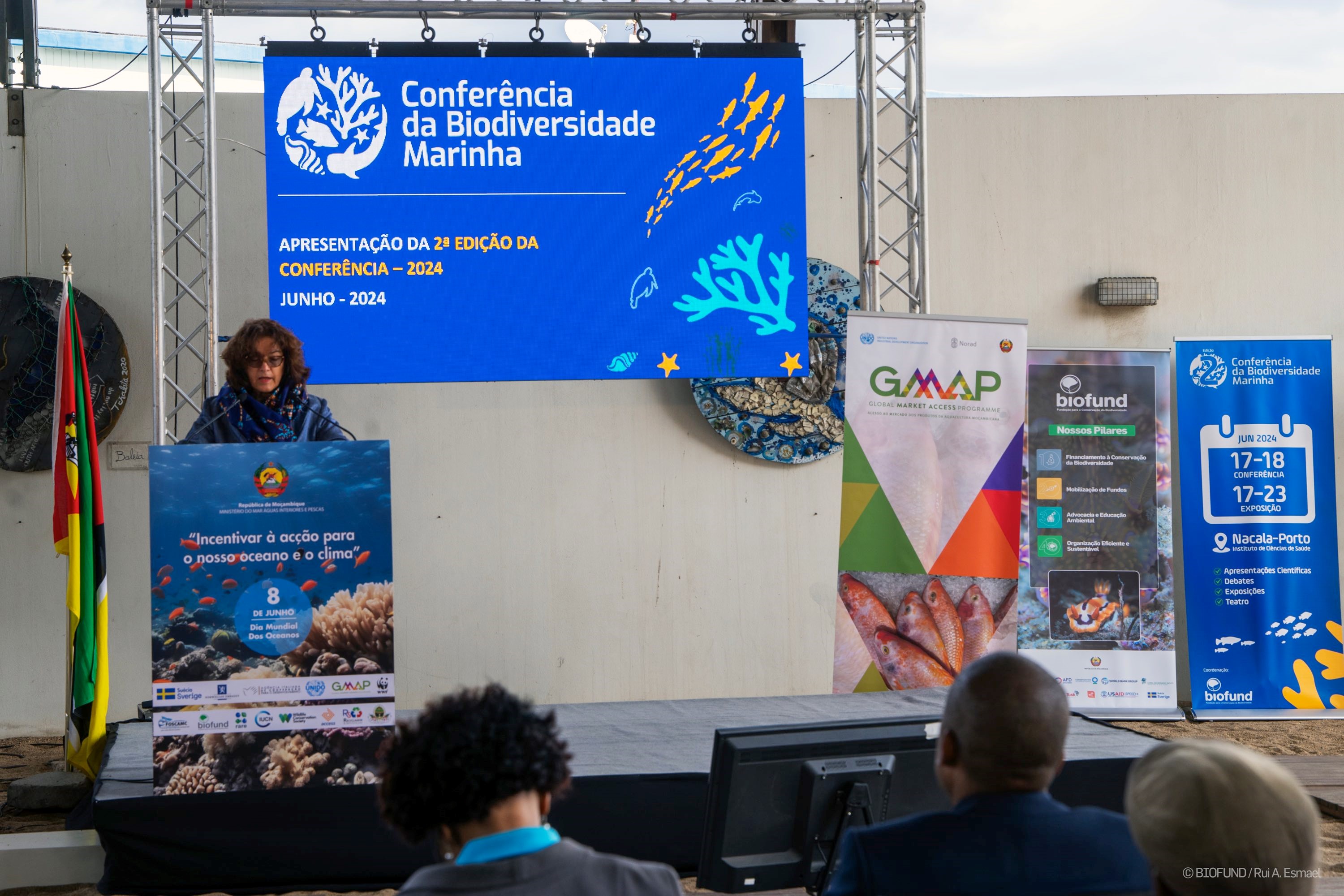
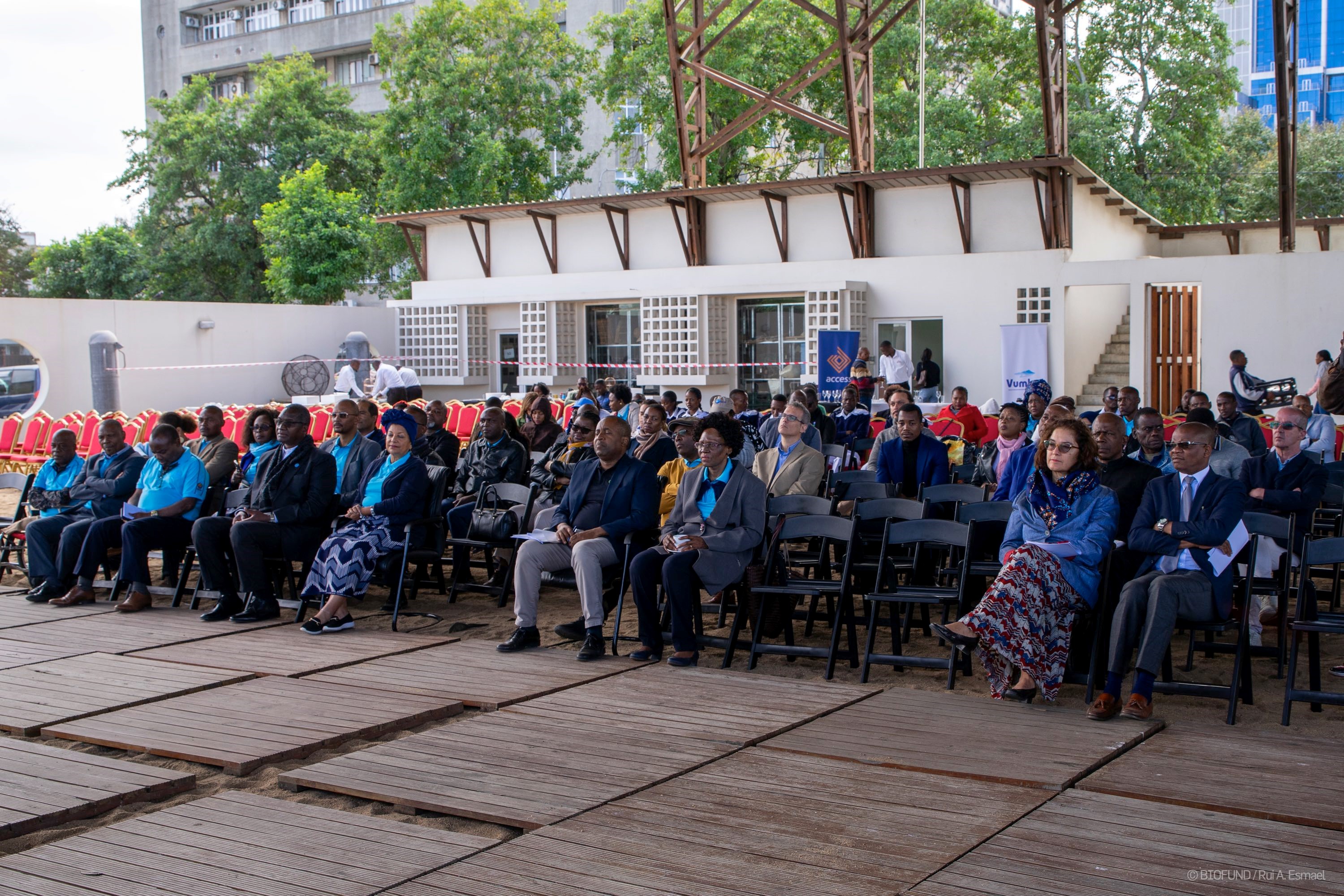
Under the theme “Catalyzing Action for Our Ocean and Climate”, the Ministry of the Sea, Inland Waters and Fisheries (MIMAIP), the Foundation for the Conservation of Biodiversity (BIOFUND), the Embassy of the Kingdom of Norway, WWF, IUCN, and the Italian Cooperation celebrated World Oceans Day on Saturday, June 8, 2024, at the Sea Museum in Maputo.
The event aimed primarily to share experiences and creative reflections on the need for coordinated global action to maximize the benefits of the ocean while promoting sustainability, protection, and the conservation marine life .
On the occasion, Minister Lídia Cardoso highlighted the importance of producing scientific knowledge and supporting communities in adapting to the impacts of climate change affecting the country, emphasizing that these topics must be broadly debated.
The Minister also referred to the 1st Edition of the Marine Biodiversity Conference, held in 2023 at the same venue, and announced the 2nd Edition of the Conference, which will take place in Nacala-Porto on June 17 and 18, 2024.
Alexandra Jorge, BIOFUND’s Program Director, stated that the upcoming edition of the conference will use science, art, and culture to create a platform for synergies and promote annual debates on the conservation of marine biodiversity in Mozambique. The central themes will include Ecosystem-based Adaptation, Marine Conservation Areas, Coastal and Marine Biodiversity, and Environmental Education.
Stay connected to the Marine Biodiversity Conference Facebook and LinkedIn pages to learn more about the event highlights and updates on the 2nd Edition, to be held in just six days.
Boosting Biodiversity Offsets: BIOFUND And Wcs-Mozambique Conduct Strategic Visit To El Salvador
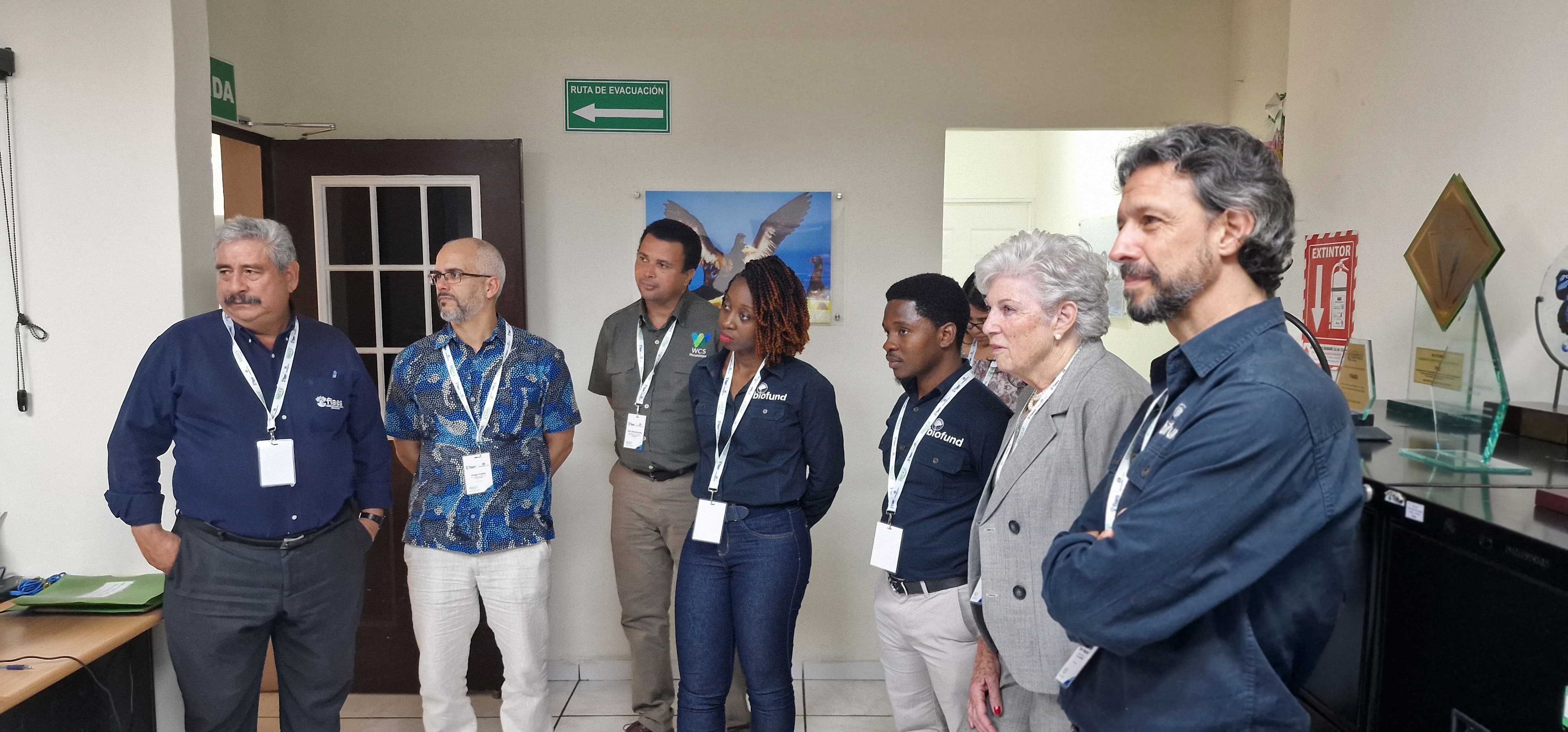
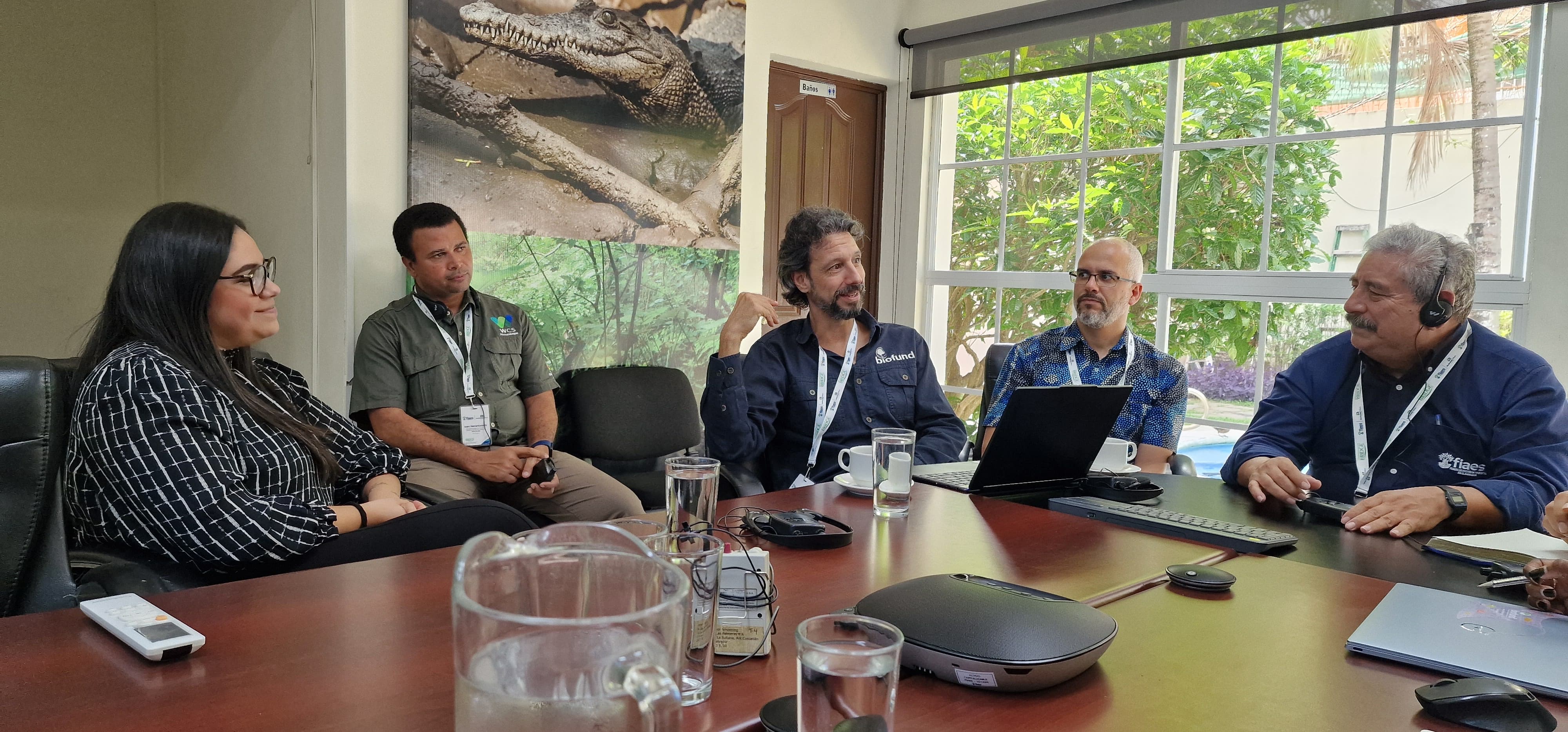
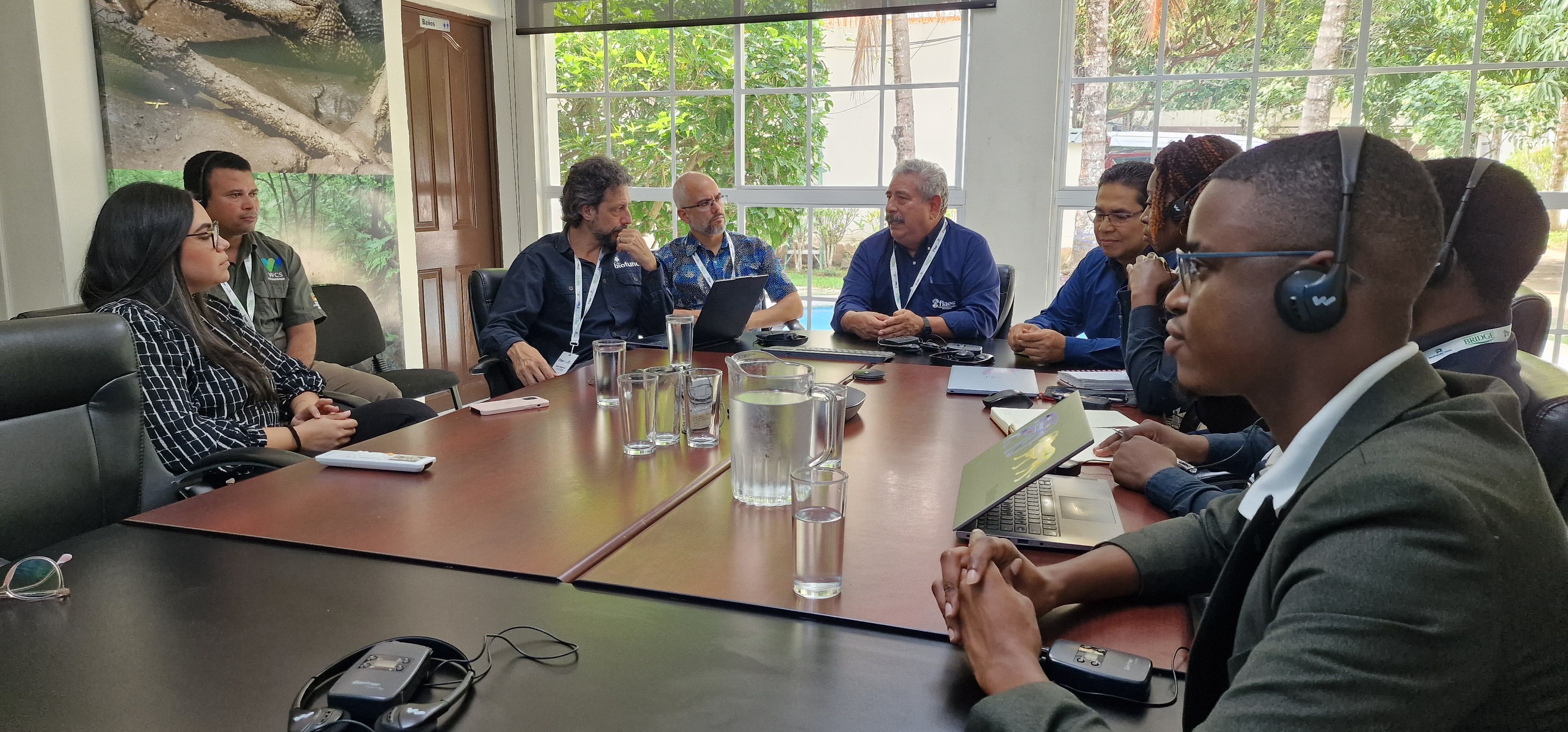
The Foundation for the Conservation of Biodiversity (BIOFUND) and the Wildlife Conservation Society (WCS-Moçambique), partners of the COMBO+ Program, embarked on an inspiring exchange of experiences with Fondo de Inversión Ambiental de El Salvador (FIAES). The visit was essential to understand the ten years of success of this environmental Trust Fund in the mechanism of implementation of biodiversity offsets in El Salvador, Central America.
Between May 27 and 31, 2024, six members of the COMBO+ Program from the Mozambique delegation, three from BIOFUND and three from WCS took part in the face-to-face phase of the BRIDGE Project Mentorship Program, a RedLac and CAFÉ initiative, launched in 2022. The aim of this mentorship program is to boost the process of conservation and restoration of ecosystems and landscapes with the contribution of the private sector through the biodiversity offsets mechanism.
During the visit, the Mozambican delegation had the opportunity to interact with the FIAES Conservation Trust Fund staff, Ministerio de Medio Ambiente y Recursos Naturales de la República de El Salvador (MARN), managers and technicians from the protected areas, project proponents and implementers of biodiversity offset actions on the ground. The team took part in several field visits, where they were able to observe conservation actions for threatened and endangered species and restoration activities implemented through the biodiversity offset mechanism.
The visit to El Salvador represents an important learning milestone for Mozambique, at a time when the country is about to begin the effective implementation of biodiversity offsets in the country, following the publication of the Directive on Biodiversity Offsets (Ministerial Diploma No. 55/2022 of 19 May).
This international collaboration promises to strengthen conservation and restoration practices in Mozambique, using the valuable lessons learned in El Salvador, promoting a more sustainable future for biodiversity.
Partnership between BIOFUND, Chimanimani National Park and Eden Reforestation Association Trains Local Community Members in Ecological Restoration Activities
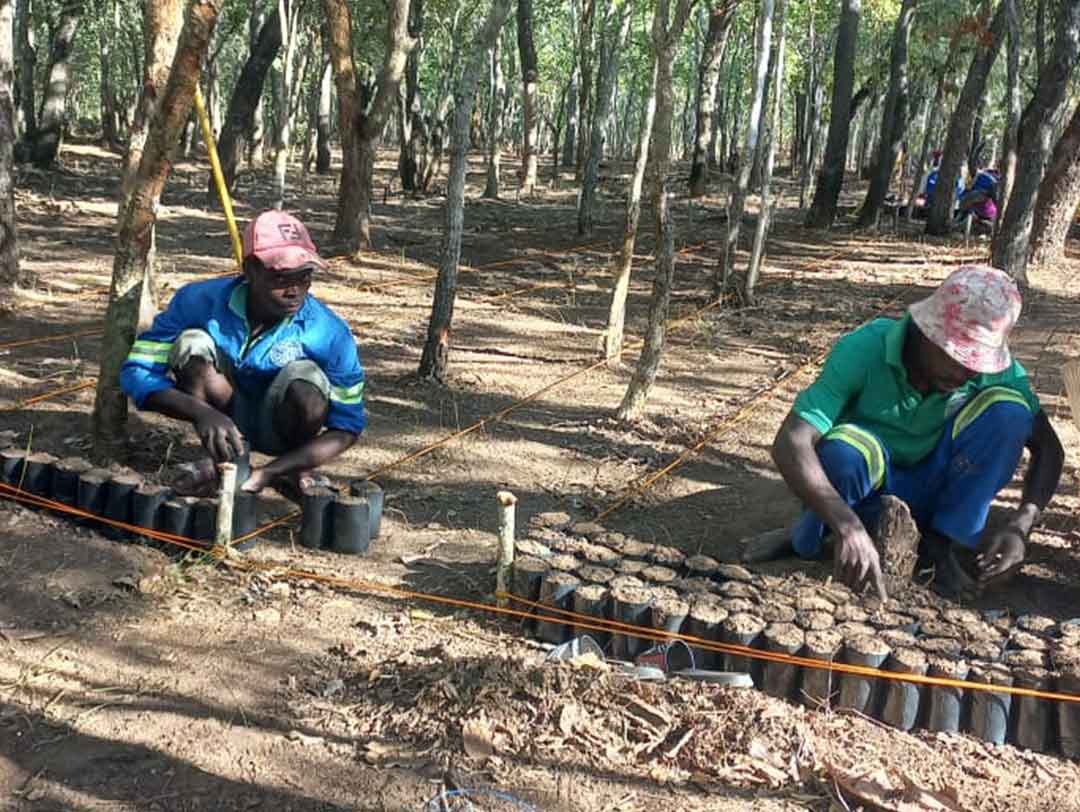
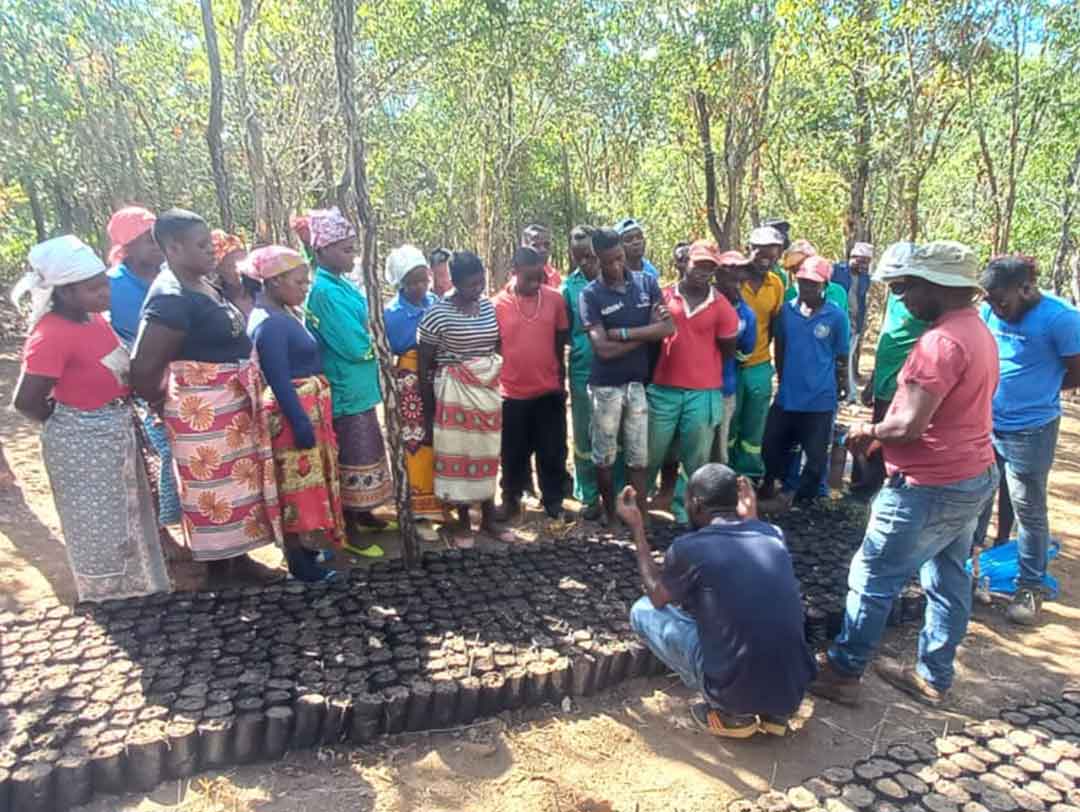
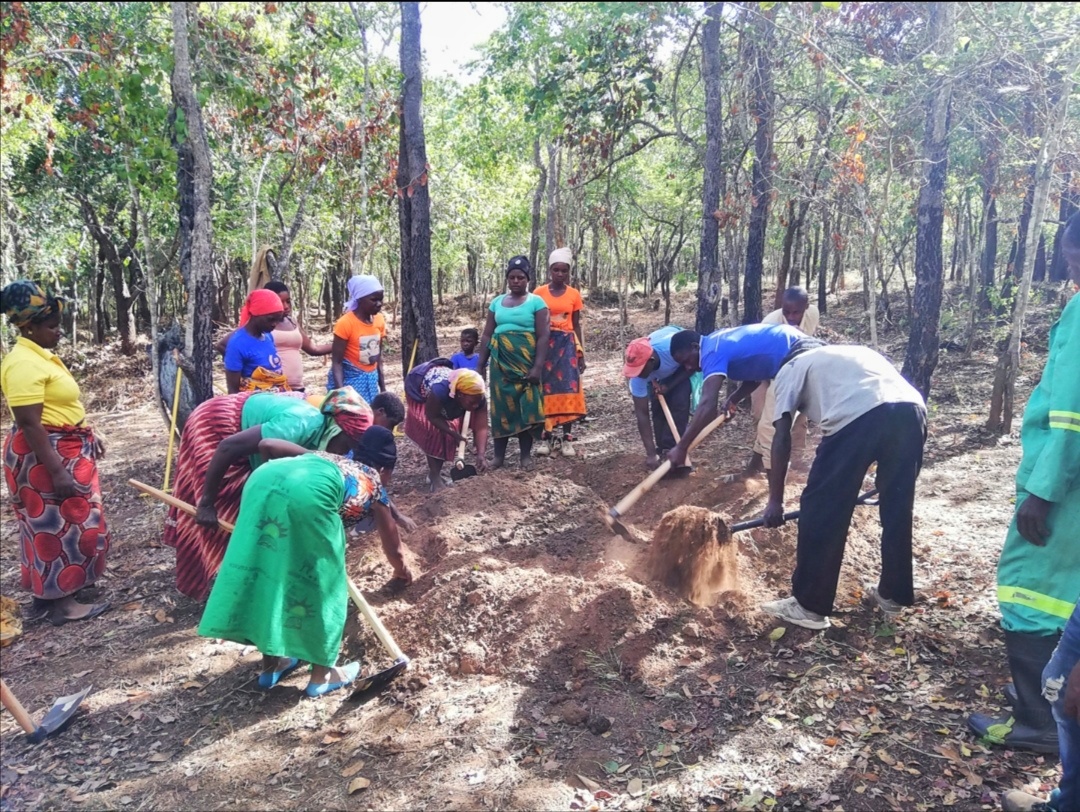
From 20 to 24 May 2024, 24 members of the local community and 4 technicians from Chimanimani National Park (PNC) received training in ecological restoration within the park.
This theoretical and practical training stems from the agreement signed between the Foundation for the Conservation of Biodiversity (BIOFUND) and the National Administration of Conservation Areas (ANAC) in November 2023, aimed at boosting ecological restoration in Chimanimani National Park. The initiative is part of the Biodiversity Conservation and Community Development Project (CBDC), implemented in the Chimanimani landscape with financial support from the French Development Agency (AFD) and the French Global Environment Facility (FFEM), which seeks to restore degraded areas and improve biodiversity in the PNC and its buffer zone.
With this training, facilitated by a specialist from the Eden Reforestation Association, field implementation of restoration activities begins under the pilot biodiversity offset project, led by PNC. The project aims to strengthen the park’s capacity to contribute to the effective implementation of the Mitigation Hierarchy and Biodiversity Offsets in Mozambique, in accordance with the Biodiversity Offset Directive (Ministerial Diploma No. 55/2022 of 19 May).
PLCM Celebrates International Biodiversity Day with a Workshop in Manica
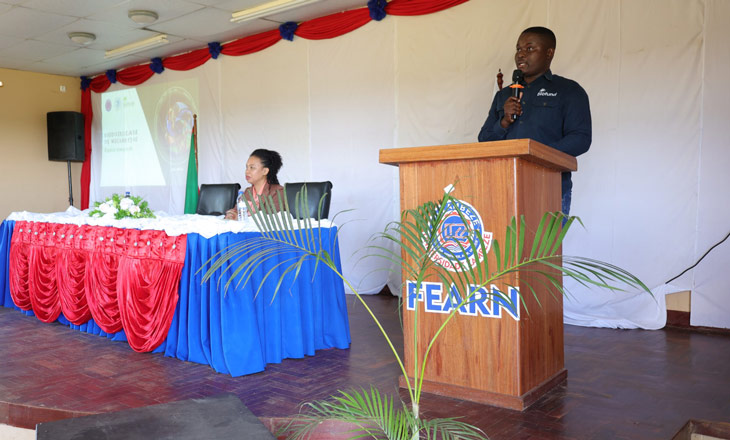
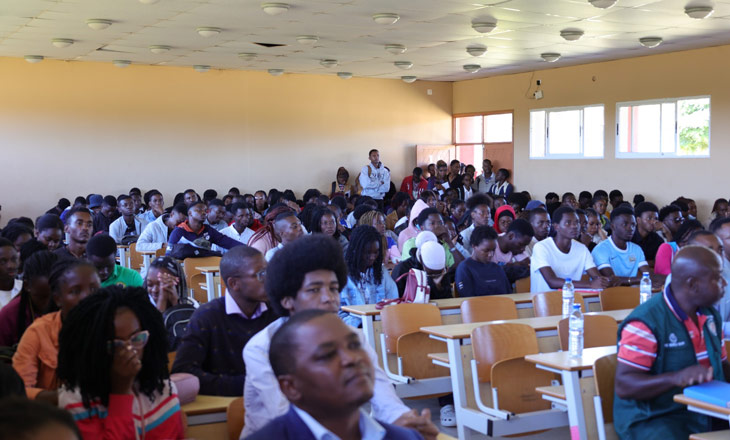
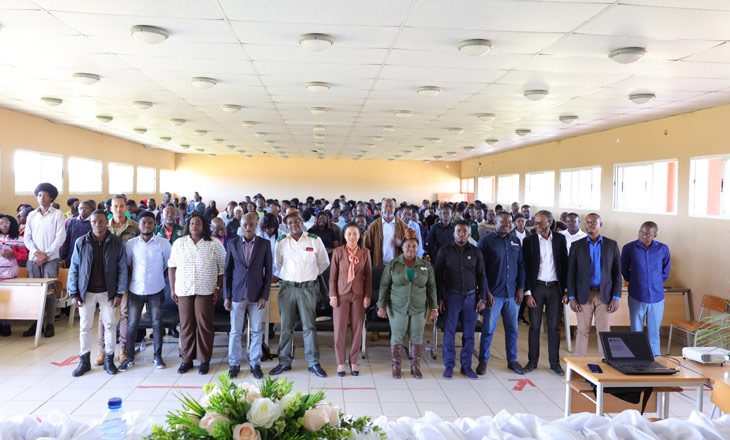
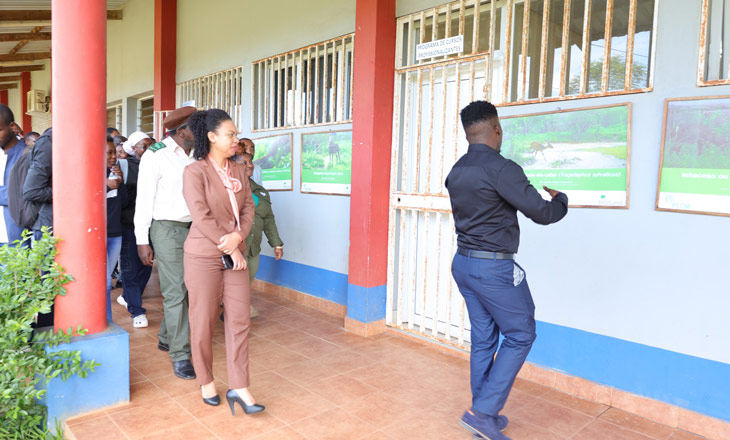
In commemoration of International Biodiversity Day on May 22nd, the Foundation for the Conservation of Biodiversity (BIOFUND), through the Leadership Program for the Conservation of Mozambique (PLCM), joined forces with Zambeze University (UNIZAMBEZE) and the National Parks of Mágoè, Gorongosa, and Chimanimani to hold a workshop celebrating biological diversity.
The event, held at the UNIZAMBEZE campus in the city of Chimoio, attracted 230 students, representatives from the Manica provincial government, and a wide range of partners committed to biodiversity conservation. Gildo Chivale, PLCM Training Officer, encouraged the audience to engage young people in the National System of Conservation Areas, emphasizing the importance of youth contributions to the sector’s development and the potential to strengthen their careers through knowledge exchange with more experienced professionals.
As part of the event, an exhibition depicting Mozambique’s biodiversity was inaugurated at UNIZAMBEZE, with a special focus on the landscapes and flora and fauna species of Chimanimani National Park. This exhibition, part of the Conservation Room project at Sussundenga Secondary School, will remain open to the public until June 12th, 2024, inviting everyone to immerse themselves in the beauty and mystery of nature.
The PLCM, an initiative coordinated by BIOFUND in partnership with the National Administration of Conservation Areas (ANAC) since 2019, is funded by the World Bank and the Government of Sweden.
Biodiversity Conservation Programme Assesses Progress in Pomene National Reserve
-
© Humaira Badrú
-
© Humaira Badrú
-
© Humaira Badrú
-
© Humaira Badrú
-
© Humaira Badrú
-
© Humaira Badrú
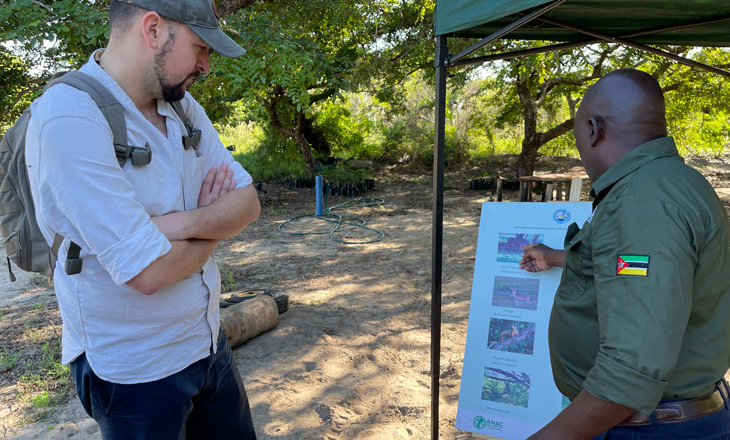
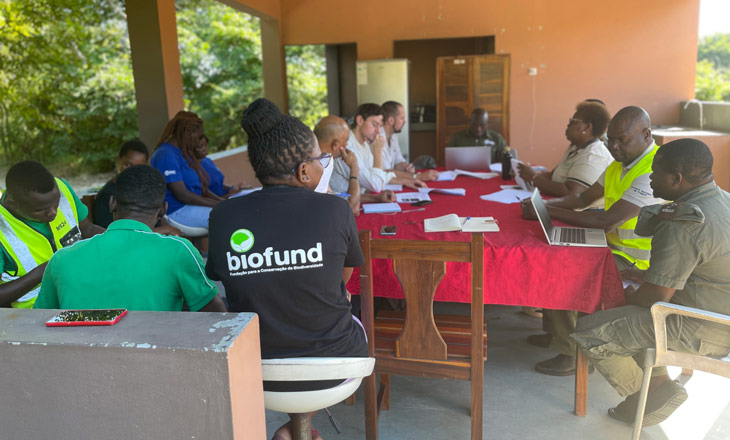
The Foundation for the Conservation of Biodiversity (BIOFUND), the National Administration of Conservation Areas (ANAC), and representatives from the Embassy of Sweden, within the framework of the Biodiversity Conservation Programme, carried out a monitoring visit to the Pomene National Reserve (PNR) from 6 to 10 May 2024. The visit focused on the construction of a warehouse and the rehabilitation of the Reserve Administrator’s residence, both funded by the Swedish International Development Cooperation Agency (SIDA-Sweden), after being severely affected by Cyclone Freddy.
During the visit, the Reserve Administrator presented the ongoing activities, highlighting progress in community initiatives, advances in ecology and conservation, as well as existing challenges and future perspectives. The ongoing processes for the construction of both infrastructures were discussed. Possible synergies were also explored between projects funded by SIDA-Sweden in areas such as renewable energy — particularly solar — participatory natural resource management, and management and tourism infrastructure, aiming to improve the Reserve’s management and boost tourism.
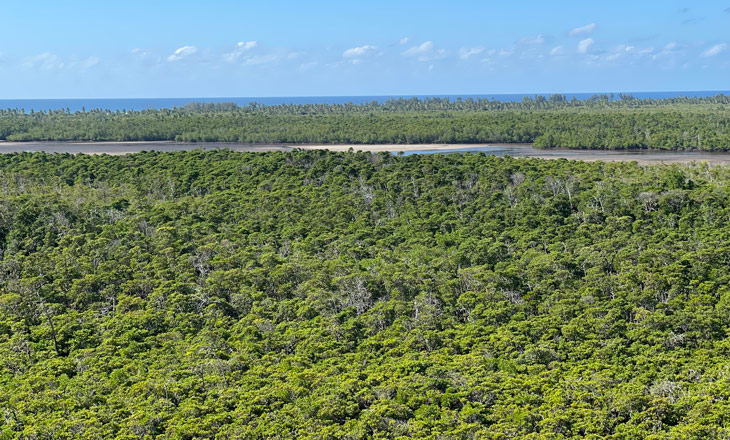
Covering an area of 200 km², Pomene National Reserve, located in the Massinga District of Inhambane Province, is characterized by a great diversity of flora and fauna species.
Among the highlights are three primate species, including the Cercopithecus mitis (blue monkey or samango monkey), which is legally protected in Mozambique, and the cycad Encephalartos ferox, currently vulnerable due to habitat loss, illegal collection, and other human impacts. Along Pomene Bay lies an extensive mangrove forest, where species such as Avicennia marina (white mangrove), Ceriops tagal (yellow mangrove), Bruguiera gymnorhiza (large-leafed mangrove), Sonneratia alba (mangrove apple), and Rhizophora mucronata (red mangrove) are found the latter being the most dominant species.
BIOFUND and Manica Coffee Celebrate New Name and Commitment to Biodiversity Conservation
-
© Manica Coffee
-
© Manica Coffee
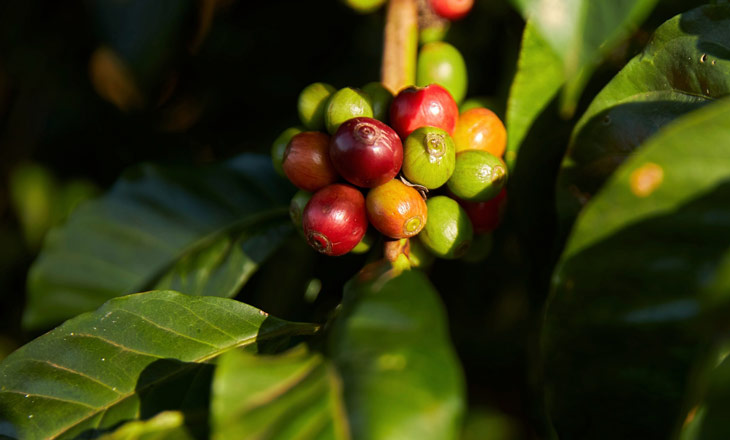
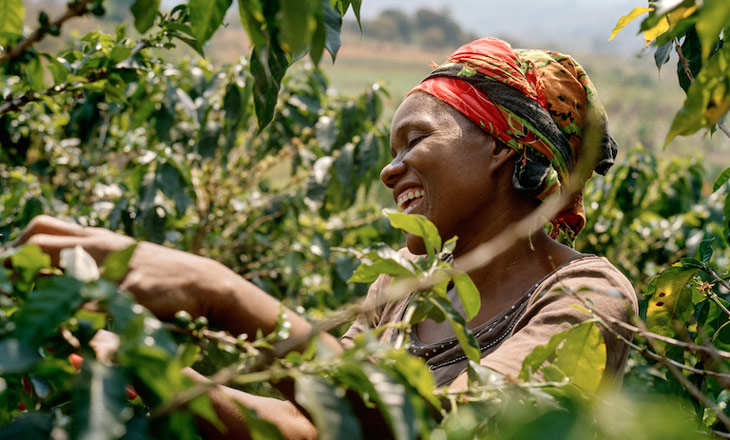
The Foundation for the Conservation of Biodiversity (BIOFUND) is pleased to announce that its long-standing partner, formerly known as Café de Manica, will now operate under the new name Manica Coffee.
This name change represents a natural evolution of the brand, which remains firmly committed to supporting biodiversity conservation and sustainable development, particularly in Chimanimani National Park (PNC).
The partnership between BIOFUND and Manica Coffee is essential for the economic and environmental development of Chimanimani National Park and its buffer zone. A portion of the revenues is directed towards initiatives that promote biodiversity conservation and the sustainable use of natural resources.
BIOFUND will continue to work closely with Manica Coffee to ensure that financial resources are channeled into projects that benefit local communities and contribute to the conservation of this unique ecosystem in the region.
BIOFUND Conducts Training to Strengthen Environmental, Social, and Gender Safeguards
-
© BIOFUND
-
© BIOFUND
-
© BIOFUND
-
© BIOFUND
-
© BIOFUND
-
© BIOFUND
-
© BIOFUND
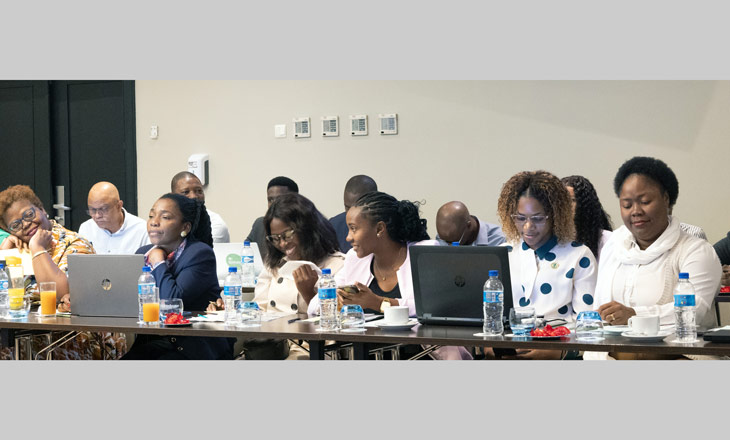
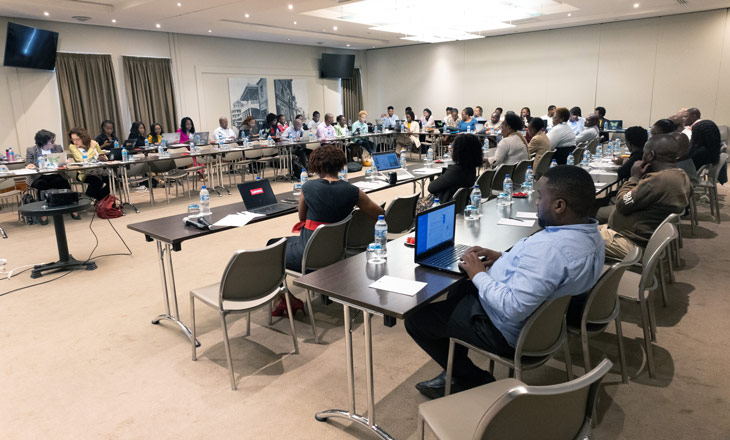
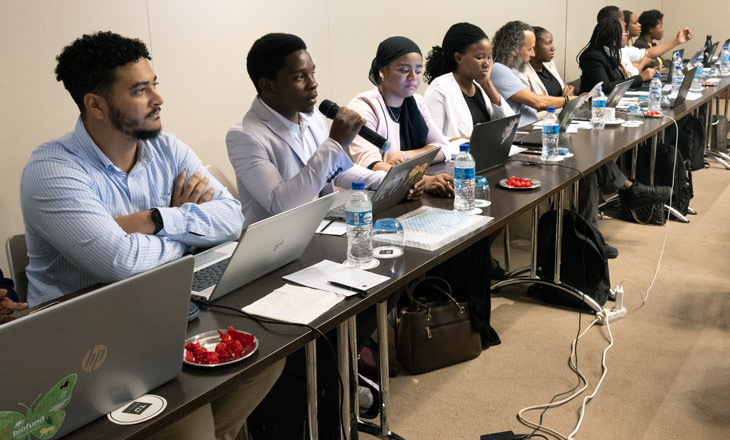
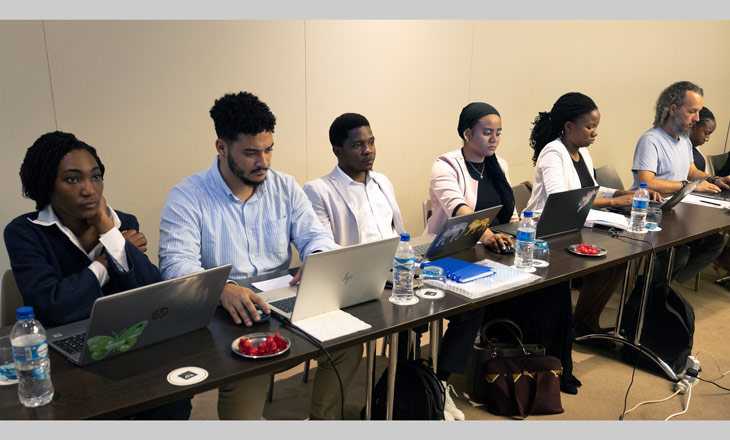
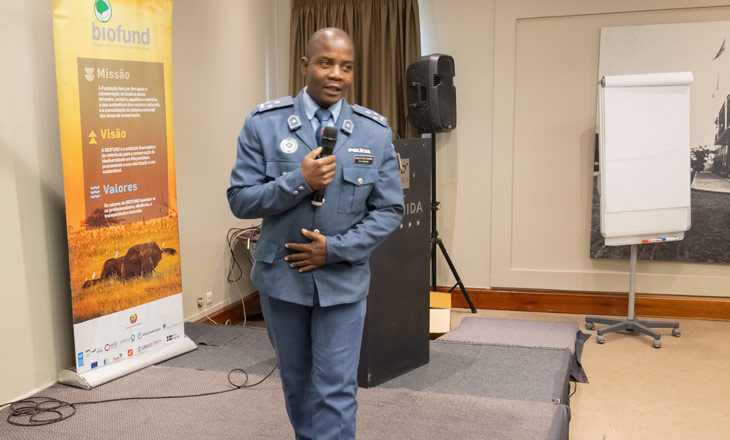
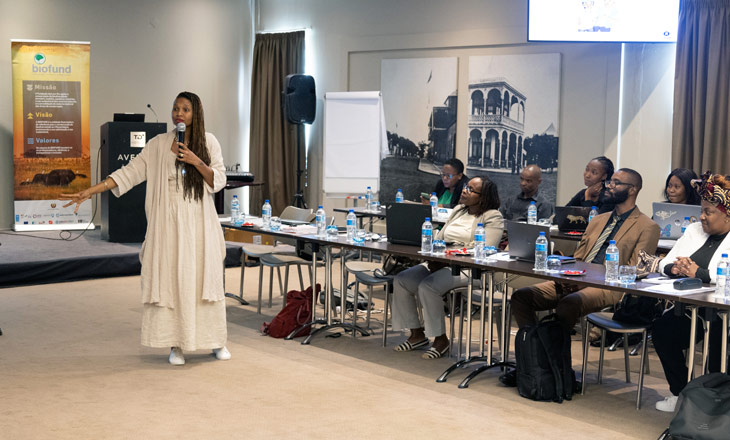
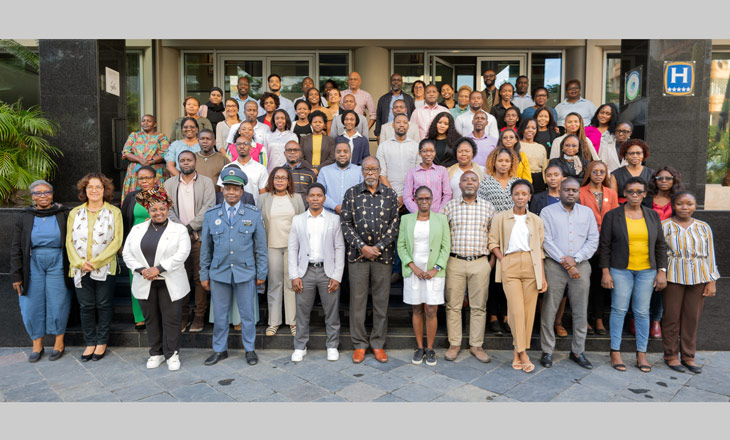
From 13 to 14 May 2024, a training session on Environmental and Social Safeguards (ESS), Gender, Gender-Based Violence (GBV), Sexual Exploitation and Abuse (SEA), and Sexual Harassment (SH) took place in the city of Maputo. The event aimed to build the capacity of staff from the Foundation for the Conservation of Biodiversity (BIOFUND) and implementing agencies of various projects, including the technical team from MTA/ANAC.
The training featured a wide range of speakers from the World Bank, Millennium Challenge Corporation (MCC), Embassy of Sweden, Maputo City Health Services, Office for Assistance to the Family and Women Victims of Violence (GAFMVV), MUVA Association, Legal Aid and Sponsorship Institute (IPAJ), MIMAIP/ProAzul Mozambique, OXFAM, and the Ministry of Gender, Children and Social Action (MGCAS). With around 80 participants, the session explored and deepened understanding of environmental and social safeguards, as well as gender, GBV, and SEA/SH issues.
Luís Bernardo Honwana, Executive Director of BIOFUND, highlighted the importance of integrating Environmental, Social, and Gender Safeguards into the organization’s culture, recognizing this as a new paradigm. He emphasized that BIOFUND should be recognized not only for the results achieved through its programmes but also for its commitment to these safeguards.
The training saw high levels of engagement and interaction among participants and addressed the obligations of the Code of Conduct (CC), which promotes human rights without discrimination and enforces zero tolerance for abusive behavior. Discussions included the unequal division of labor, limited access to resources, and the exclusion of women from decision-making spaces.
IPAJ underlined the importance of referring victims of violence for medical evaluation and legal assistance, especially in cases of domestic violence. In Mozambique, the prevalence of violence against women and children was discussed, stressing the need to protect all vulnerable groups. Statistics show that 37% of Mozambican women and girls experience physical or sexual violence, and one in four children between the ages of 15 and 19 has been a victim of physical, sexual, or emotional abuse.
This training reaffirms the commitment of BIOFUND and its partners to promoting a safe and respectful work environment that protects and values the dignity of all employees. Furthermore, it aims to foster an organizational culture that prioritizes sensitivity and prevention of GBV and SEA/SH, respect for human rights, and gender equality contributing to sustainable development and social justice in Mozambique.
PLCM Attracts Over 200 Young People at the Job and Entrepreneurship Fair in Maputo
-
© BIOFUND
-
© BIOFUND
-
© BIOFUND
-
© BIOFUND
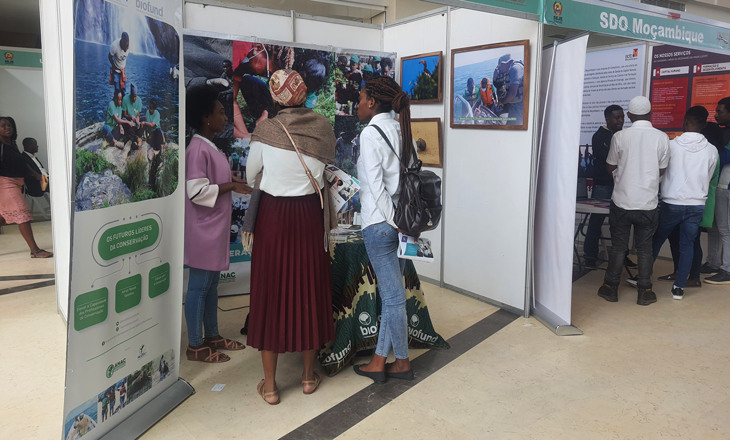
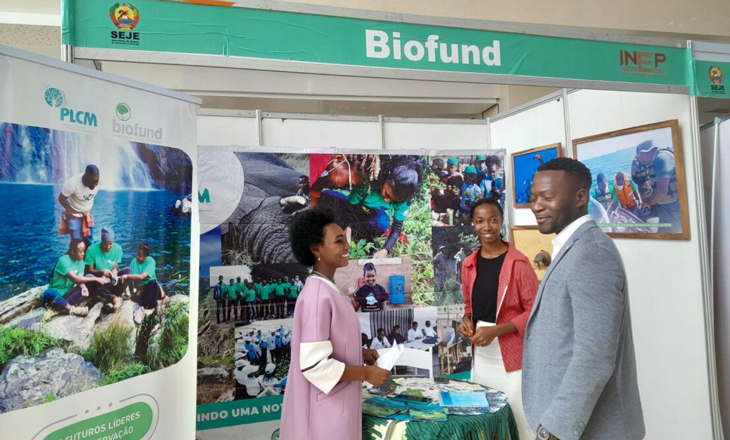
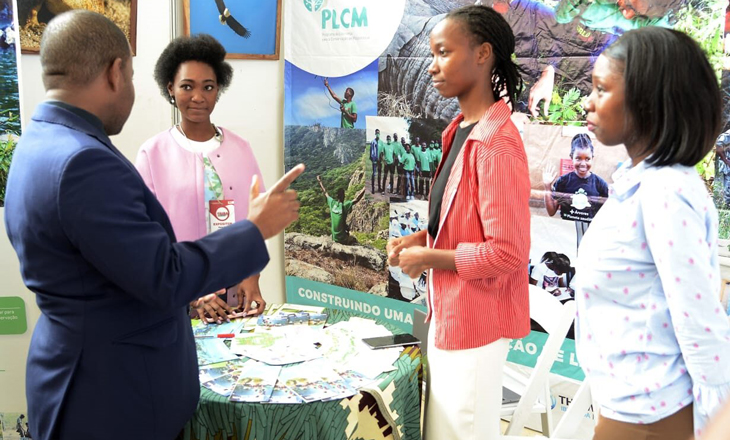
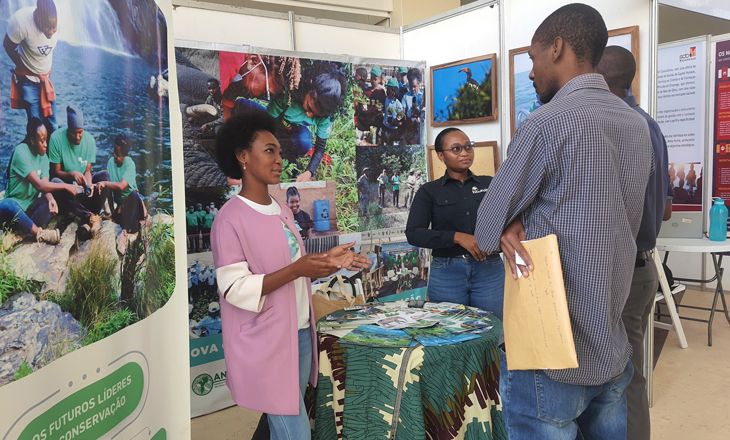
At the recent Job and Entrepreneurship Fair organized by the National Employment Institute (INEP), held in Maputo City on April 11, 2024, the Leadership Program for the Conservation of Mozambique (PLCM) made a strong impression by attracting more than 200 young people interested in internship opportunities in the biodiversity conservation sector.
The event showcased opportunities from various public and private institutions, presenting different employment initiatives and fostering discussions about the challenges and possibilities of integrating young people into the job market.
The PLCM Internship Program was the main attraction of the event. These internships are not only an entry point into the professional world but also a journey of discovery and growth, offering participants the opportunity to develop essential skills for biodiversity conservation.
During the event, Osvaldo Petersburgo, Secretary of State for Youth and Employment, emphasized the importance of widely promoting the opportunities offered by the PLCM Internship Program. He also highlighted the urgent need to establish partnerships with the tourism sector in Conservation Areas, opening doors to a world of possibilities for young people eager to contribute to the preservation of the country’s natural heritage.
The PLCM, a program coordinated by the Foundation for the Conservation of Biodiversity (BIOFUND) in partnership with the National Administration of Conservation Areas (ANAC), and funded by the World Bank and the Government of Sweden, continues to demonstrate its commitment to the professional development of young people. This participation not only reinforces the importance of biodiversity conservation as an impactful career path but also paves the way for a bright future for Mozambique’s emerging talent.
Biodiversity Conservation Experience Exchange: Ugandan Delegation in Mozambique
-
© BIOFUND
-
© BIOFUND
-
© BIOFUND
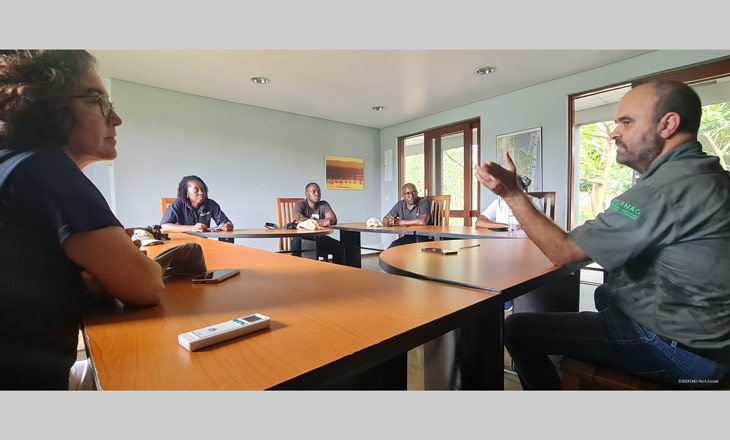
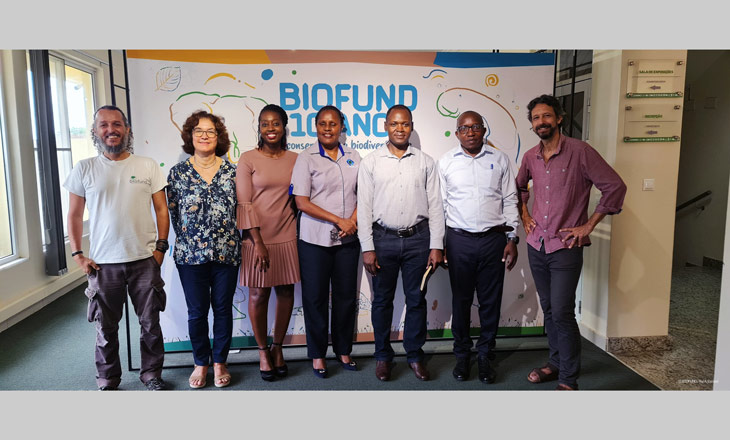
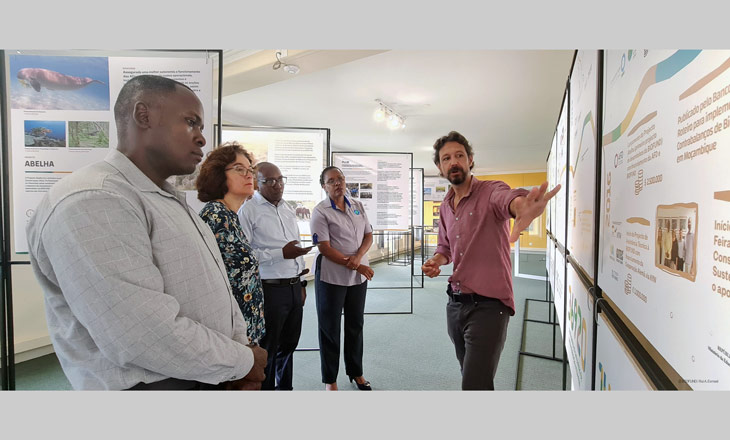
From April 3rd to 5th, 2024, the Uganda Biodiversity Fund (UBF) visited the Foundation for the Conservation of Biodiversity (BIOFUND) in Maputo, Mozambique, in an initiative led by BIOFUND with collaboration from the World Bank, the Swedish Embassy, and the Maputo National Park. The visit aimed to enhance UBF’s capabilities and identify collaboration opportunities between the two conservation funds.
During the visit, BIOFUND shared its mission evolution, highlighting its endowment growth and effectiveness in mobilizing resources for conservation in Mozambique. Initiatives in various areas, including the Biodiversity Offset Program, Communication, and Financial Administration, were showcased. UBF, in turn, shared the fund’s main areas of action, the challenges faced during the implementation of its projects and challenges of the conservation sector in Uganda, fostering a rich exchange of experiences.
Meetings with BIOFUND’s strategic partners, such as the World Bank and the Swedish Embassy, offered valuable lessons on effective conservation collaboration. This visit emerged as a milestone for strengthening networks and adopting new strategies, reinforcing the mutual commitment to biodiversity conservation.
Pomene National Reserve Establishes Environmental Clubs in Local Schools Through the Biodiversity Conservation Program
-
© RNP
-
© RNP
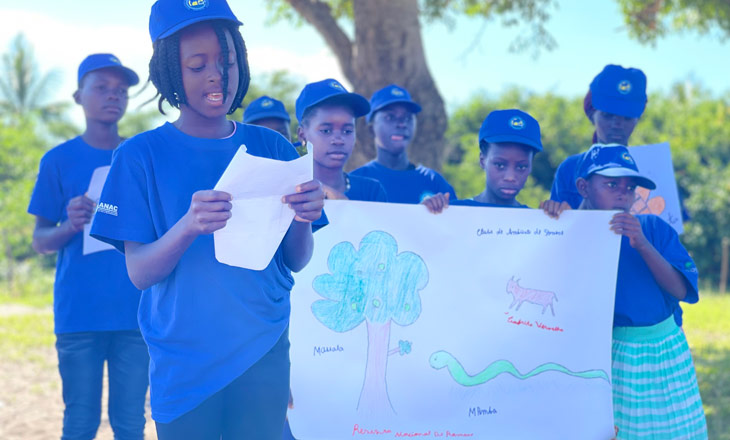
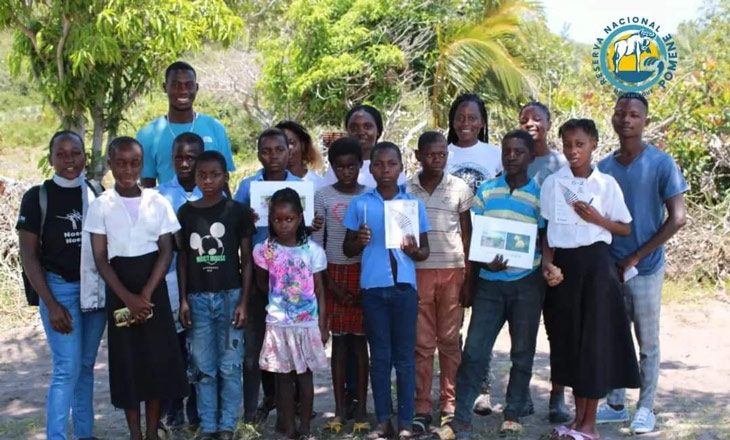
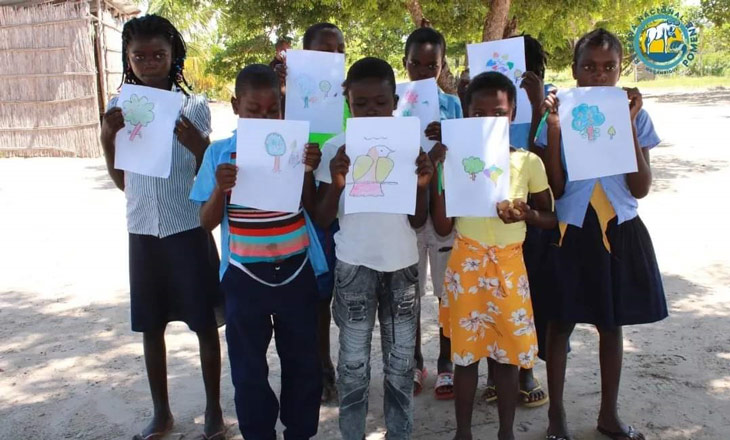
The Pomene National Reserve (PNR), located in the Massinga District of Inhambane Province, has recently established two (2) environmental clubs through the Biodiversity Conservation Program, funded by the Swedish International Development Cooperation Agency (SIDA). These clubs are based at the Muchungo and Ngomalume Primary Schools, in the communities of Muchungo and Minerva, located within the buffer zone of the Reserve.
The introduction of environmental education in these schools aims primarily to encourage the participation of the school community (students and teachers) in environmental education and awareness activities, fostering behavioral and attitudinal change towards the environment. In addition, it seeks to promote good practices as a foundation for sustainable environmental management.
These clubs play a crucial role not only for local communities but also for nature conservation in general, and particularly for the PNR. They have a significant impact on raising community awareness about environmental issues, directly contributing to biodiversity conservation and the sustainable use of natural resources. Moreover, they help strengthen the relationship between local communities and Conservation Areas, promoting a healthier and more balanced environment for all involved.
The Biodiversity Conservation Program, coordinated by BIOFUND with financial support from the Government of Sweden, aims to enhance biodiversity conservation and strengthen climate adaptation and resilience capacity in Mozambique. This initiative represents an important step toward environmental protection and the sustainable development of the region.
COMBO+ Program promotes a visit to exchange experiences on good practices in implementing the Mitigation Hierarchy for Impacts on Biodiversity between government authorities and the company KENMARE Resources plc in Nampula
-
© COMBO+
-
© COMBO+
-
© COMBO+
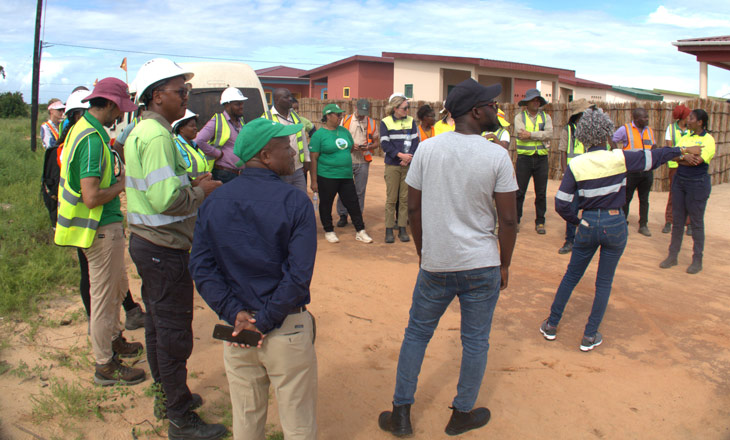
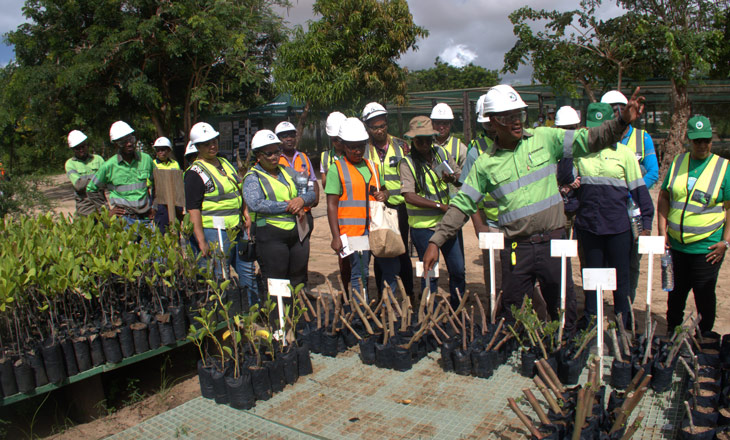
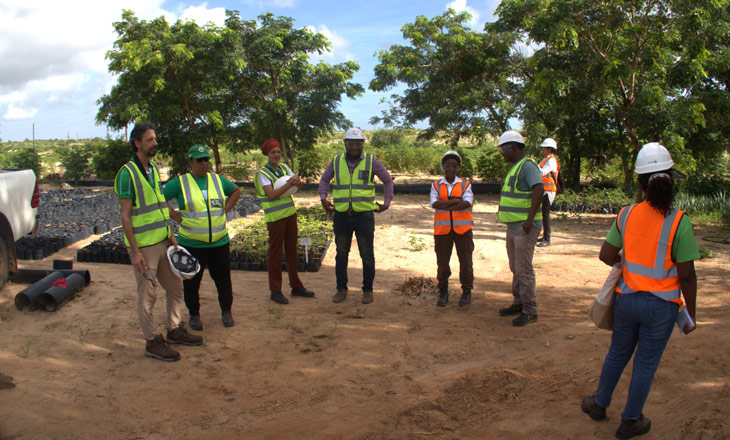
The partners of the COMBO+ program, the Wildlife Conservation Society (WCS), the Foundation for the Conservation of Biodiversity (BIOFUND) and the National Directorate for the Environment (DINAB), in partnership with the company KENMARE Resources plc, promoted a visit to exchange experiences involving government entities and civil society, with the aim of providing technicians from all the institutions involved with the opportunity to analyze and discuss practical aspects on the ground, in a dynamic way, of implementing the best practices for applying the Mitigation Hierarchy with the aim of achieving No Net Loss (NPL) or Net Gain (GL) of Biodiversity, contributing to national and global conservation targets.
The experience exchange mission took place in KENMARE Resources plc’s operation areas, including the mining and processing plants, its nurseries for producing seedlings, its rehabilitation and restoration areas, the resettlement village, as well as projects implemented together with the communities to reduce their impact on the ecosystems, located on the northern coast of Mozambique, in the districts of Larde and Moma (Nampula Province). The visit lasted four days (from February 26 to 29, 2024) and involved around 33 participants.
KENMARE Resources plc, which has operated the Moma Titanium Minerals Mine since 2007, is a mining company that is recognized as a major supplier of heavy sands products to a global customer base operating in more than 15 countries. KENMARE Resources plc’s products are essential raw materials that are transformed into intermediate products and ultimately consumed in everyday “quality of life” products such as paints, surgical instruments, plastics, and ceramic tiles.
This experience exchange visit is an integral part of the multisectoral training and capacity building activities led by the COMBO+ Program since 2016, which will continue to be promoted throughout the country with the primary objective of promoting communication and discussion of biodiversity impact mitigation between economic development project proponents and the government, strengthening the technical capacity of government entities on the evaluation, monitoring and oversight of the implementation of the mitigation hierarchy and sharing knowledge with all parties involved.
Joining Forces for Marine Conservation: Nacala-Porto to Host Landmark Event in June 2024
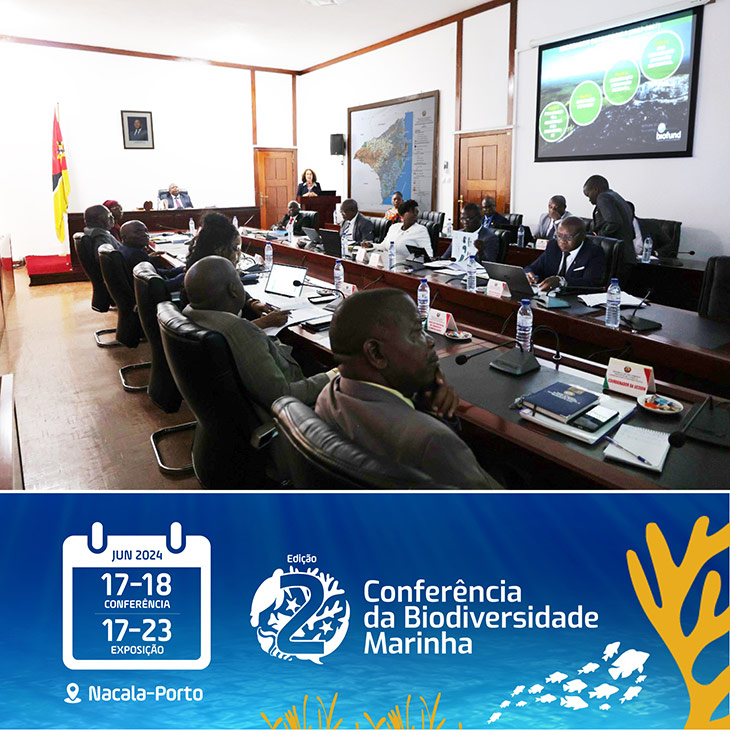
Nacala-Porto is preparing to host the 2nd Edition of the Marine Biodiversity Conference on June 17 and18, 2024, a key event for all those engaged in coastal and marine conservation in Mozambique.
Organized by the Foundation for the Conservation of Biodiversity (BIOFUND), in collaboration with the Ministry of the Sea, Inland Waters and Fisheries (MIMAIP), the Government of Nampula Province and Nacala-Porto District, the National Administration for Conservation Areas (ANAC), Wildlife Conservation Society (WCS), Peace Parks Foundation (PPF), the Natural History Museum, Eduardo Mondlane University (UEM), the Likhulu Foundation, and with initial financial support from the Blue Action Fund, Government of Sweden, World Bank/Mozbio 2 Project, and the Italian Agency for Development Cooperation (AICS).
This event comes at a time when marine conservation assuming a central l role in the region’s sustainable development, with Nacala standing out for its engagement in adaptation and conservation projects. The initiative represents a unique opportunity for professionals, academics, and local communities to discuss strategies and best practices for preserving Mozambique’s marine and coastal resources.
The enthusiastic response of local authorities, with the Governor of the Province, Manuel Rodrigues, the State Secretary, Jaime Neto, and the District Administrator, Etelvina Fevereiro, highlighting the importance of the conference, reflects the region’s strong commitment to the environmental cause. The event is especially significant for the 10 coastal districts of Nampula, which depend on fishing and marine ecosystems for their livelihoods.
Following the success of the first edition in Maputo, which brought together 470 participants, BIOFUND is aiming for an even more interactive and productive conference. This is an open invitation to all who wish to contribute to the protection of marine biodiversity — a valuable resource for Mozambique’s present and future. Contact us to become a sponsor, organizer, or participant in this event.
Do not miss the opportunity to join marine experts and key stakeholders at the 2nd Marine Biodiversity Conference. Stay tuned for updates and get ready for two days of intensive learning and exchange of ideas that could shape the future of marine conservation in the country.
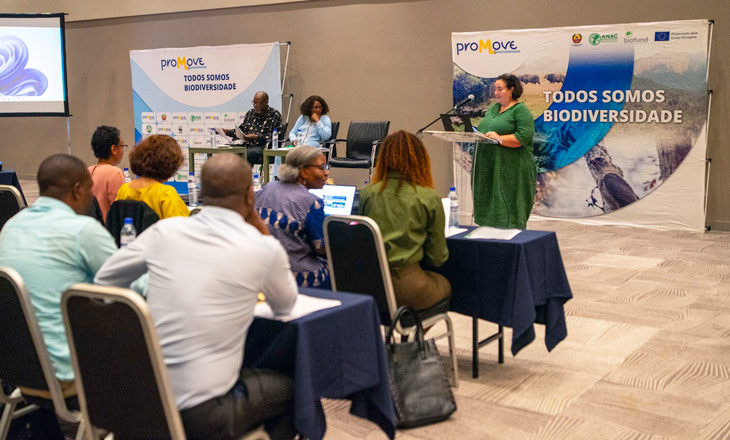
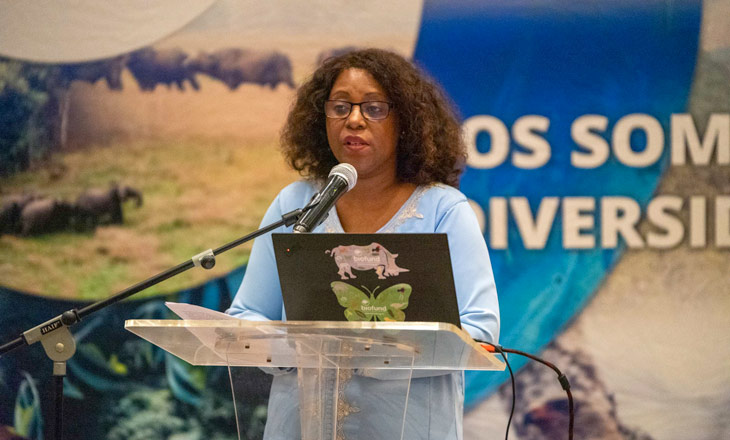
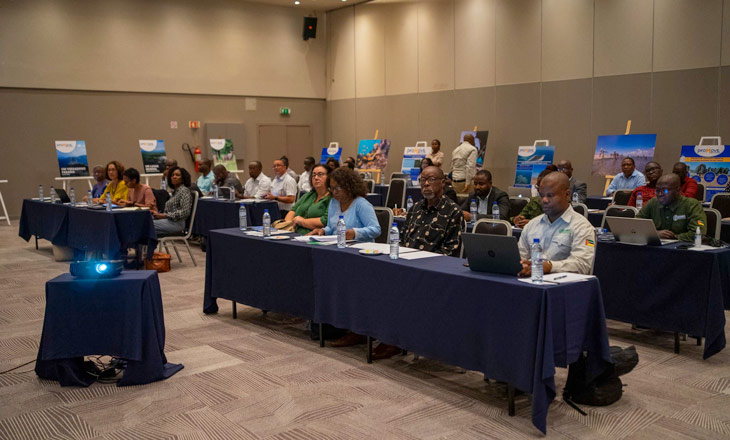
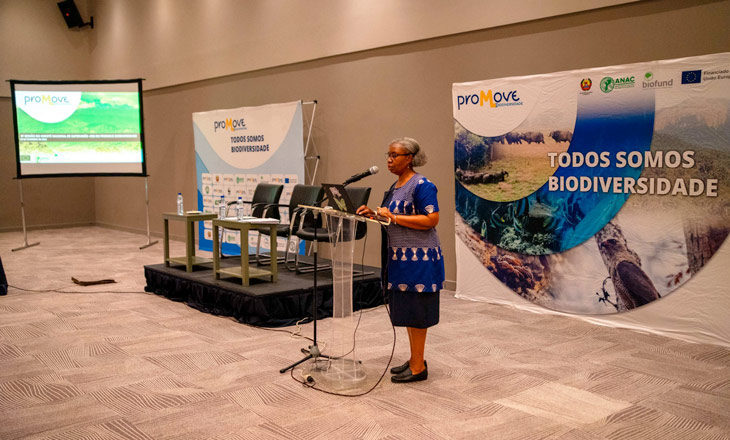
3rd Session of the National Oversight Committee of PROMOVE Biodiversidade Highlights Program Advances in Beneficiary Areas
-
© BIOFUND
-
© BIOFUND
-
© BIOFUND
-
© BIOFUND
-
© BIOFUND
-
© BIOFUND
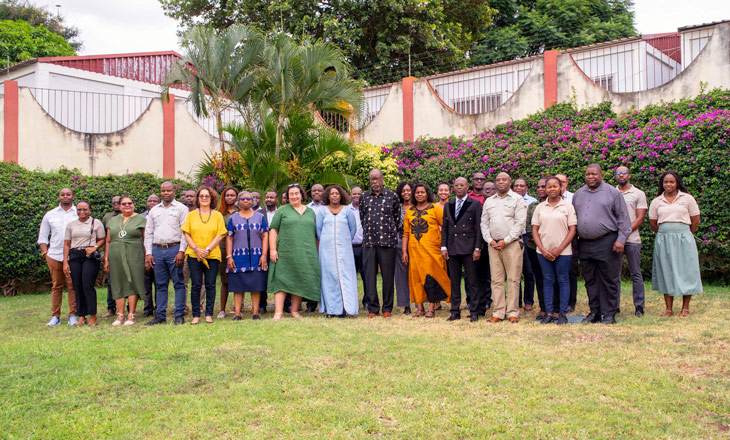
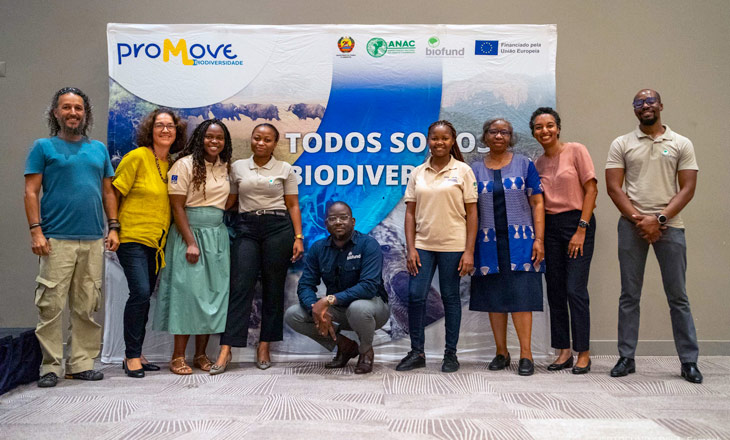
The 3rd Session of the National Oversight Committee (NOC) of PROMOVE Biodiversidade, held on February 22, 2024, at the Montebelo Indy Hotel in Maputo, highlighted significant progress in the program’s implementation in the Gilé National Park (PNAG), the Primeiras and Segundas Islands Environmental Protection Area (APAIPS), and Mount Mabu. Funded by the European Union, the PROMOVE Biodiversidade programme aims to strengthen the institutional capacity of ANAC and provide direct support for biodiversity management in the mentioned areas, while promoting the development of local communities.
Led by the Permanent Secretary of the Ministry of Land and Environment, Emilia Fumo, the meeting brought together around 40 participants, including the Acting Director of the National Administration of Conservation Areas (ANAC), the Executive Director of the Biodiversity Conservation Foundation (BIOFUND), the Head of Cooperation of the European Union, Administrators of the Gilé National Park (PNAG) and the Primeiras and Segundas Islands Environmental Protection Area (APAIPS), Directors of Provincial Environmental Services of Nampula and Zambézia, the Director of the District Services of Economic Activities in Lugela, and implementing partners, among others.
This committee, which meets annually, aims to share information on the progress of activities, main challenges, provide guidance, and assess the performance and impact of actions carried out in the beneficiary areas, namely Gilé National Park, the Primeiras and Segundas Islands Environmental Protection Area, and Mount Mabu.
During the event, key results achieved in 2023 were highlighted, such as: i) the full operation of a radio communication system, improving enforcement and operations in Gilé National Park (PNAG), the demarcation of the park’s southern boundary with the construction of around 60 km of access roads, training initiatives in production techniques, and provision of inputs to local producers; ii) the delimitation of the proposed area for conservation and mapping of cultural points of interest in Mount Mabu, aiming to promote sustainable tourism. Additionally, results from research on the impact of wildfires, wildlife reintroduction, population growth and early childbearing in youth from PNAG communities, as well as the hydrological study of Mount Mabu, were shared. These studies are intended to inform decisions for the effective management of these conservation areas.
This session represented an important opportunity for knowledge and experience exchange, fostering sustainable development and biodiversity conservation in the provinces of Zambézia and Nampula.
Lugenda Wildlife Reserve Celebrates Success in Conservation and Community Development Projects
-
© Denise Nicolau
-
© Denise Nicolau
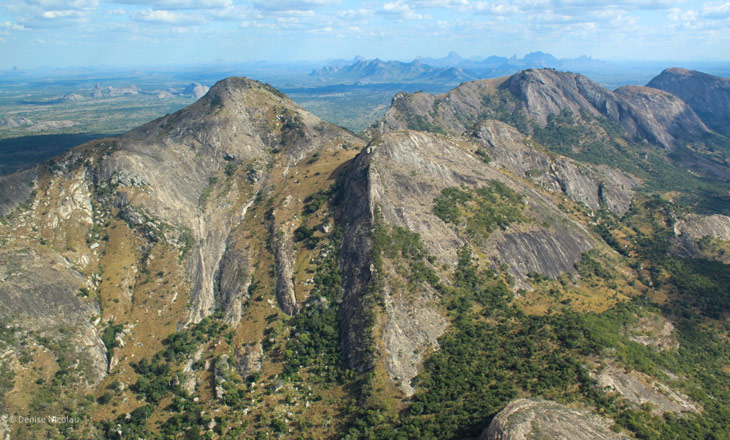
The Lugenda Wildlife Reserve (Luwire), located in Block L7 of the Niassa Special Reserve, stands out as a remarkable example of successful biodiversity conservation and community development initiatives in Mozambique. Covering approximately 4,450 square kilometers, Luwire is home to around 5,000 inhabitants.
This project, funded by the United States Forest Service (USFS) and the United States Agency for International Development (USAID) through the Biodiversity Conservation Foundation (BIOFUND), focused on the protection of natural resources and, particularly, on improving the living conditions of local communities.
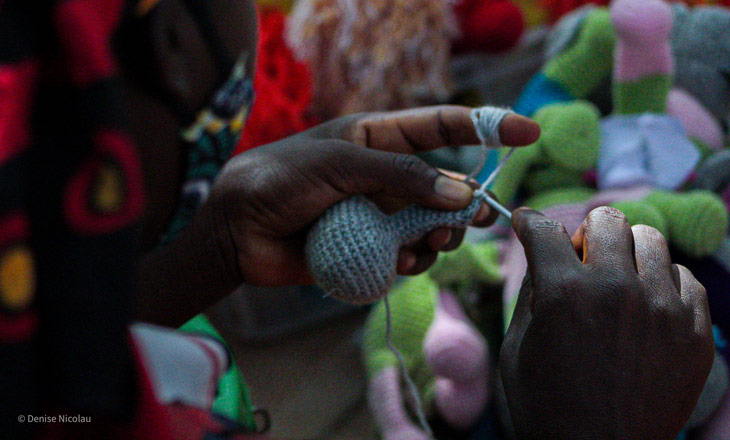
Several development initiatives have been implemented in Luwire, notably the enhancement of camp management skills and the construction of a fully equipped sewing training center, which provides basic sewing training to the community. Currently, community-run tourist camps are under construction, significantly contributing to the increase of local livelihoods and income through shared tourism opportunities.
Luwire has not only achieved its objectives but also inspired a positive transformation in local communities, empowering youth through training in community camps, fostering pride through the Village Totem project, and promoting efficiency through the implementation of Smart Parks technology.
These successes solidify Luwire’s position as a remarkable example of environmental conservation and community development in Mozambique.
Celebrating 6 Years of the Bio Card: A Journey of Innovation and Conservation in Mozambique
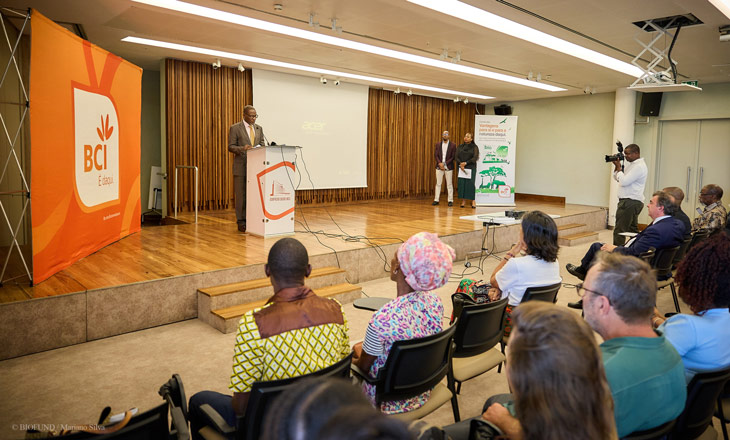
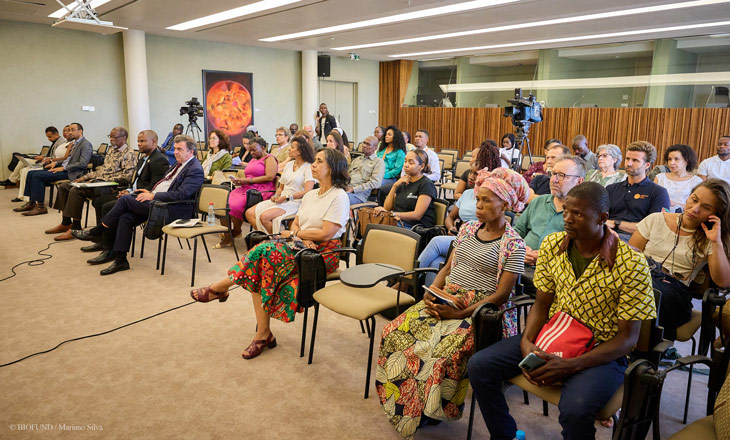
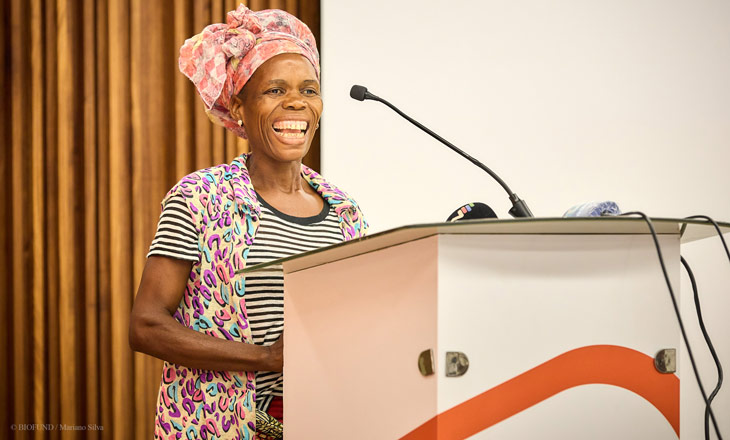
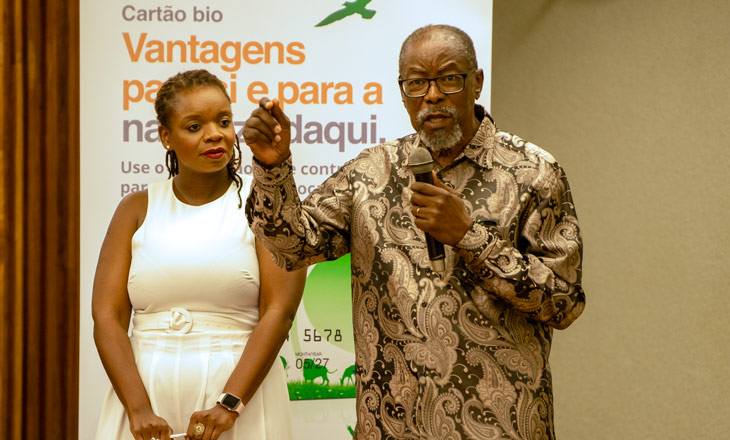
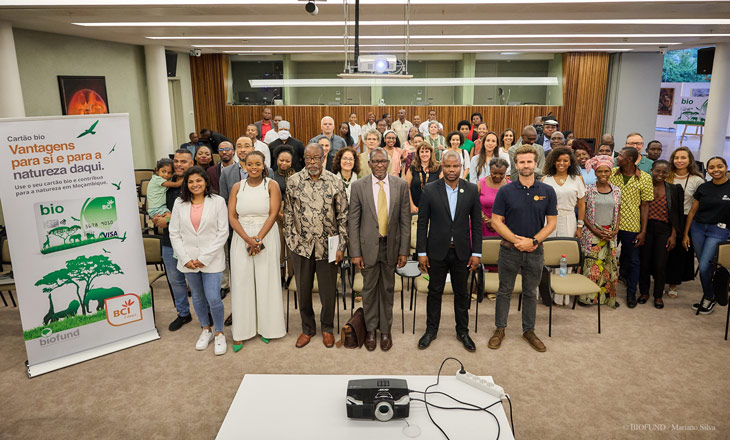
The Foundation for the Conservation of Biodiversity (BIOFUND) and Commercial Investment Bank (BCI) celebrated the 6th anniversary of the bio Card in a landmark event held at the BCI Headquarters Auditorium in Maputo on December 8, 2023.
With the participation of BIOFUND’s Chairman of the Board, Narciso Matos, BCI Administrator Raul Almeida, the representative of the Ministry of Land and Environment, Jorge Fernando, bio Card project beneficiaries, community members, and conservation partners, the event offered a detailed review of the project’s results over the past six years. Highlights included pioneering projects such as rhino monitoring at Sábiè Game Park, the conservation of Raphia australis at the Bobole Botanical Reserve, and sea turtle monitoring in the Primeiras and Segundas Archipelago Environmental Protection Area (APAIPS).
Since its launch in 2017, the bio Card has become a key tool in promoting biodiversity in Mozambique, reaching nearly 50,000 users and raising over 26.1 million Meticais. These funds are directed at small projects with significant impacts on biodiversity conservation in the country.
In his speech, BIOFUND Chairman Narciso Matos emphasized that the bio Card is not just a debit card but an innovative initiative that allows users to directly contribute to biodiversity conservation. On this occasion, the commitment to partnership with BCI, the Ministry of Land and Environment, and other collaborators was reaffirmed.
Sandra Ernesto Covane, a community member benefiting from the Bobole Botanical Reserve project, stated that the initiative not only provided practical education for community members but also strengthened ties with local traditions, encouraging the conservation of the reserve’s predominant plant species.
During the event, the bio Card user with the highest number of transactions was recognized and awarded, contributing directly to biodiversity protection. The winner will enjoy a trip and safari at Sábiè Game Park, one of the areas benefiting from the Bio Card project.
Learn more about the bio Card’s conservation initiatives here. Join us in building a sustainable future, where innovation and conservation come together to preserve Mozambique’s unique biodiversity.
Training in Sustainable Agriculture Promoted by PROMOVE Biodiversidade and Agribiz Boosts Climate Resilience in Zambézia
-
© Monte Mabu
-
© Monte Mabu
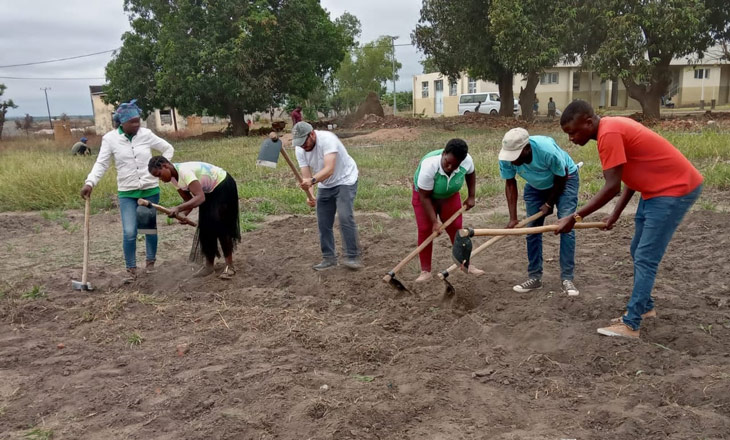
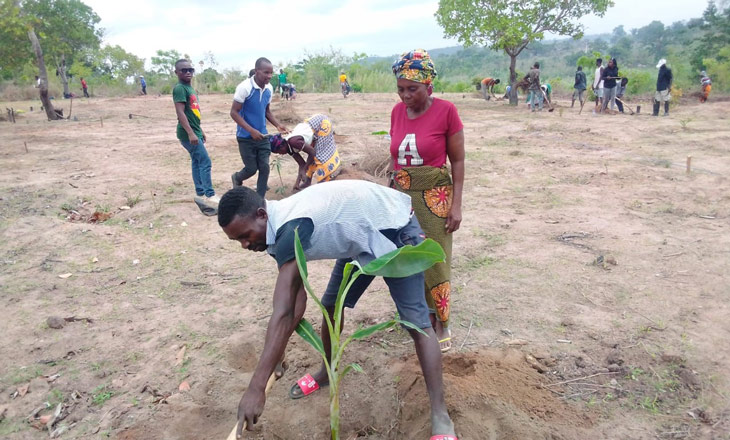
From October 23 to November 4, 2023, the district of Mocuba in Zambézia province hosted a strategic training on Conservation Agriculture and Agroforestry Systems, promoted through the partnership between PROMOVE Agribiz and PROMOVE Biodiversidade.
The initiative, delivered by the Food and Agriculture Organization of the United Nations (FAO), aimed at strengthening climate resilience and increase agricultural productivity through the Farmer Field School (FFS) approach.
With 29 participants, including technicians and local promoters from the provinces of Zambézia, Sofala, and Manica – 20 of whom reside in the buffer zone of Gilé National Park (PNAG) and Mount Mabu— the training focused on simple methods and practices. These were developed using local crops and the machamba (small-scale farm) as teaching and learning resources, with the goal of empowering and developing communities.
Highlighting the participatory FFS methodology, the training facilitated the cascading transmission of knowledge and technologies. Each lead farmer trained during the course should support approximately 25–30 other farmers in the following season, creating a sustainable community impact chain.
This activity is the result of synergies between the PROMOVE Biodiversidade and Agribiz Programs, both funded by the European Union. The activity is part of the community development component of PROMOVE Biodiversidade, which aims at supporting the livelihoods of communities in the program’s three beneficiary areas, namely Gilé National Park, Mount Mabu, and the Primeiras and Segundas Islands Environmental Protection Area.
Bio Card Drives Innovation in Biodiversity Conservation

In an innovative action for biodiversity conservation in Mozambique, the bio Card, a partnership between the Foundation for the Conservation of Biodiversity (BIOFUND) and Commercial Investment Bank (BCI), is funding two significant projects in collaboration with Eduardo Mondlane University (UEM) and the Natural History Museum (MHN). These initiatives, announced in October 2023, aim to preserve species fundamental to Mozambique’s biodiversity.
The project led by UEM, through the University Botanical Garden, focuses on the conservation of species listed on Mozambique’s Red List, such as Warburgia salutaris, Encephalartos lebomboensis, and Encephalartos umbeluziensis. Beyond protecting these species, the project aims to train young people in propagation and reintroduction techniques for rare, endemic, and threatened species, fostering future leaders in conservation and promoting habitat restoration and the cultivation of native plants.
Meanwhile, the Natural History Museum is engaged in developing Banhine National Park (managed by the National Administration of Conservation Areas – ANAC), aiming to transform it into a wetland of international relevance and establishing it as a migratory route for Eurasian birds. This effort is an integral part of the bio Card initiative, which channels a percentage of card annual fees to support biodiversity conservation projects in Mozambique.
Through these projects, the bio Card is playing a crucial role in the conservation of specific species and the identification of wetlands of international importance, reflecting a strong commitment to environmental preservation and the promotion of ecological awareness in Mozambique.
Agreement between BIOFUND and ANAC Boosts Ecological Restoration in Chimanimani National Park
-
© PNC
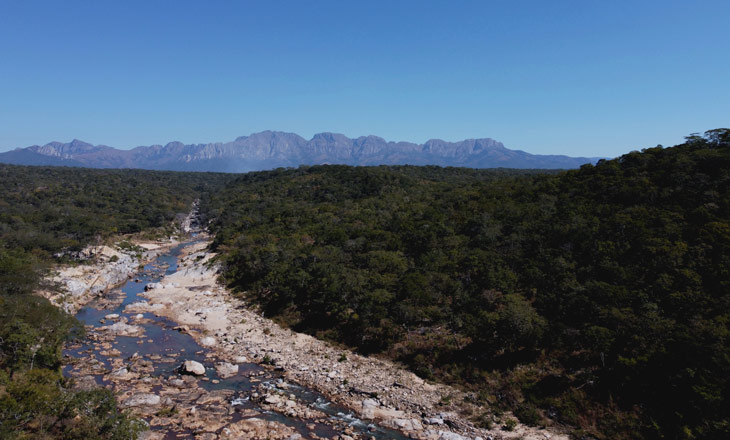
The Foundation for the Conservation of Biodiversity (BIOFUND) and the National Administration of Conservation Areas (ANAC) have signed an agreement to promote ecological restoration in Chimanimani National Park (PNC). This agreement is part of the Biodiversity Conservation and Community Development Project (CBDC), which seeks to restore degraded areas and enhance biodiversity in the PNC and its buffer zone.
This milestone within the CBDC project, launched in 2021 with support from the French Development Agency (AFD) and the French Global Environment Facility (FFEM), represents a significant effort in protecting biodiversity in Mozambique. The pilot project, led by BIOFUND through the Biodiversity Offsets Program (PCB), focuses on restoring natural habitats affected by extreme climate events, agricultural expansion, uncontrolled fires, invasive species, and artisanal mining.
Under the leadership of this project, the PNC will strengthen its capacity to contribute to the Mitigation Hierarchy and Biodiversity Offsets, as established in the Biodiversity Offsets Directive (Ministerial Diploma No. 55/2022 of 19 May). This joint commitment by BIOFUND and ANAC highlights their dedication to promoting biodiversity and environmental sustainability, marking an important chapter in the preservation of the natural heritage of Chimanimani National Park.
COMBO+ hosts its mid-term evaluation meeting in Mozambique (Conservation, Mitigation and Offsetting of Biodiversity)
-
© COMBO+
-
© COMBO+
-
© COMBO+
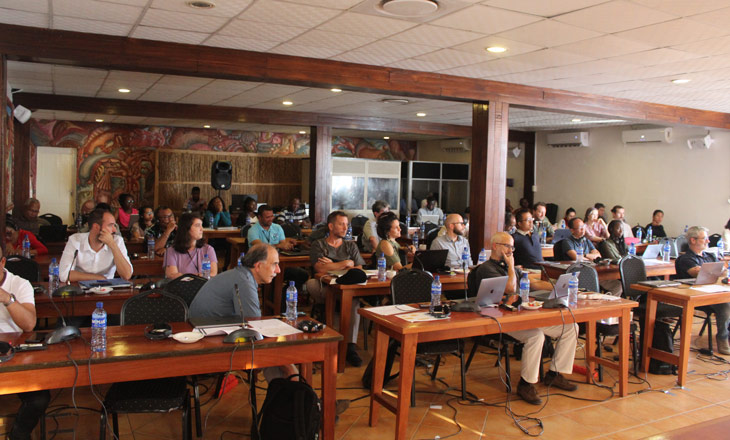
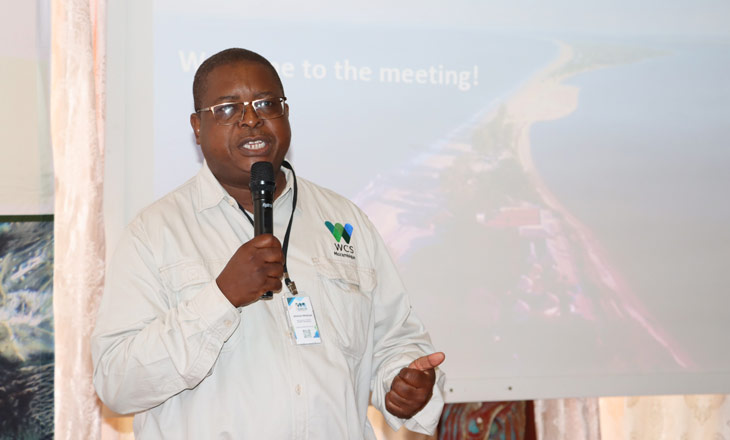
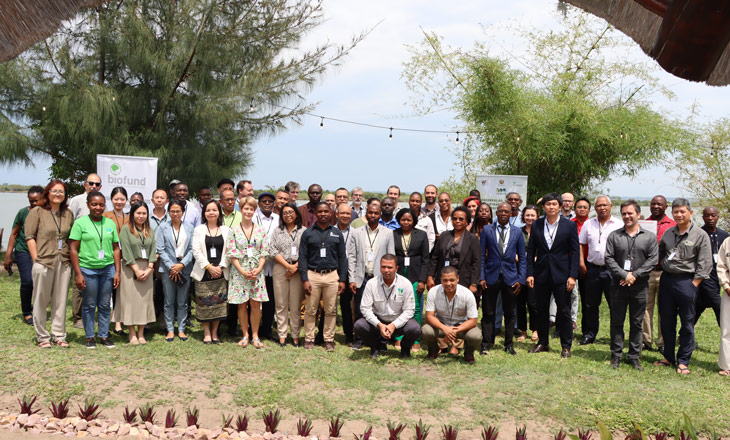
The mid-term evaluation meeting of the COMBO+ programme (“Conservation, Mitigation and Biodiversity Offsets”) was held in Macaneta, Mozambique, from 7 to 11 November, ending with a field trip to Maputo National Park. The event was hosted by Mozambique’s Ministry of Land and Environment, with almost 60 participants representing the programme’s technical teams and host governments (namely Guinea Conakry, Uganda, Mozambique, Madagascar, Myanmar and Laos), a delegation from China’s Wildlife Conservation Society (WCS), our donors, the French Development Agency (AFD) and the French Fund for the Global Environment (FFEM), three conservation trust funds, the Foundation for the Conservation of Biodiversity (BIOFUND), the Foundation for the Protected Areas and Biodiversity of Madagascar (FAPBM), and Tany Meva, as well as other relevant partners in the programme’s implementation.
COMBO+ is an initiative that has been running since 2016 and which supports the governments of the aforementioned countries in reconciling economic development with biodiversity conservation, through the appropriate implementation of the mitigation hierarchy, with the focus on achieving no net loss or a net gain of biodiversity, while simultaneously contributing to the achievement of the respective national targets.
Two years after the start of the second phase of COMBO+, the mid-term evaluation meeting was held with the aim of taking stock of the progress made to date, sharing experiences and knowledge about its implementation, including the lessons learned by each of the member countries, identifying problems, discussing solutions and planning the activities that are needed until the end of the programme.
Overall, the event was a great success and showed that despite the challenges faced by the implementing countries (e.g. political instability in some countries), fundamental steps have been taken in terms of improving the policy and legal framework, building the necessary tools and technical capacity to support proper implementation of the mitigation hierarchy and establishing case studies from which to draw lessons learnt.
The COMBO+ Programme is funded by AFD and FFEM, with co-financing from other donors, and is led by WCS in partnership with Biotope, Guineé Ecologie, BIOFUND and the University of Queensland. In Mozambique, it is being implemented by WCS, BIOFUND and the National Directorate for the Environment (DINAB).
BIOFUND and AGROTUR Collaborate for Biodiversity Conservation in Chimanimani
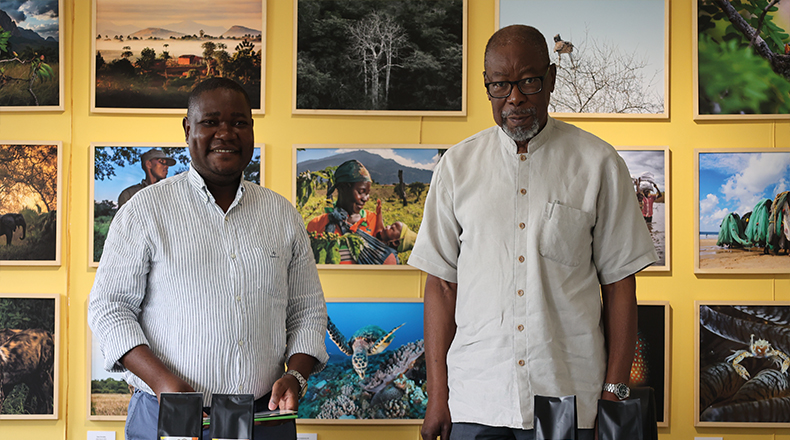
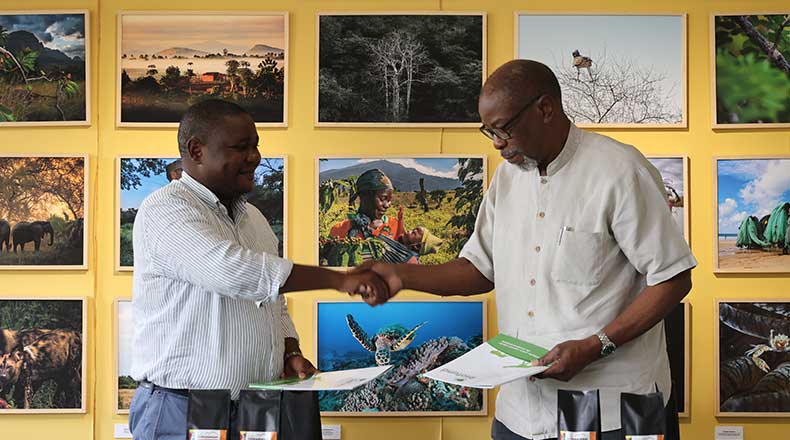
The Foundation for the Conservation of Biodiversity (BIOFUND) and AGROTUR, Lda have recently entered a five-year strategic partnership aimed at strengthening the protection of Chimanimani National Park (PNC). This alliance between the private sector and conservation organizations marks a significant step forward in safeguarding Mozambique’s biodiversity.
As part of this collaboration, AGROTUR a Mozambican company specializing in sustainable agricultural projects and the restoration of degraded areas has committed to allocating 5% of the revenues from coffee sales and related products to conservation activities in the PNC. AGROTUR focuses its coffee production in the park’s buffer zone, promoting farming practices that emphasize sustainability and biodiversity.
This partnership not only benefits the environment but also demonstrates the potential to align economic interests with environmental preservation. The collaboration between BIOFUND and AGROTUR serves as an example of how companies and foundations can work together to protect cultural and natural heritage while fostering sustainable economic development.
By consolidating this partnership, BIOFUND reaffirms its commitment to promoting responsible environmental management in Chimanimani National Park and ensuring sustainable financing for conservation activities.
The active involvement of the private sector in biodiversity conservation not only benefits the environment but also reinforces the idea that nature protection and economic development can coexist in harmony.
PLCM Expands Training of Future Conservation Leaders through the Post-Internship Program
-
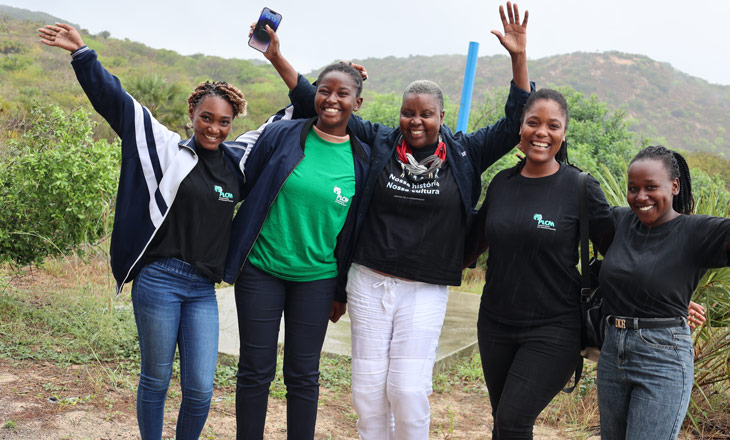
© PLCM
With the support of the Biodiversity Conservation Program, funded by the Swedish International Development Cooperation Agency (SIDA), the Leadership Program for the Conservation of Mozambique (PLCM) has launched, in the current month of October, the Post-Internship Program.
This program aims to simultaneously strengthen the technical capacity of conservation institutions—through the integration of former PLCM interns who demonstrated good performance—and provide young people with opportunities to contribute to the development of the conservation sector. In this first year of implementation, the Post-Internship Program selected and hired, for an initial period of 12 months (renewable for another year), four (4) former interns who were placed in three Conservation Areas.
The young beneficiaries, namely: Abacar Raimundo Aly Amade, hired for the Primeiras and Segundas Environmental Protection Area (APAIPS); Hivaldo Fazila da Silva Sitoe, hired for the Maputo Environmental Protection Area (APAM); and Raima António Francisco Muandenhosa and Dason Abel Chissano, both hired for the Pomene National Reserve (RNP), expressed their enthusiasm for being part of the first edition of the Post-Internship Program.
“This support is a great opportunity for my career. I feel challenged to contribute to biodiversity conservation and the development of the Pomene communities! I would like to help establish environmental clubs and implement income-generating initiatives for local communities,” said Raima Muandenhosa, former intern at the Gilé National Park and current Community Development Officer at RNPomene.
Meanwhile, Abacar Raimundo Aly Amade, Natural Resources Management Officer at APAIPS, intends to introduce new approaches for the sustainable use of natural resources.
“I would like to help implement activities that reduce community pressure on natural resources and increase resilience and adaptation to climate change, always striving to achieve environmentally sustainable livelihoods.”
For the Conservation Areas benefiting from the PLCM Post-Internship Program, the initiative is a significant contribution to the development of activities in various sectors.
“The internship and post-internship programs are a great asset, especially for RNPomene, which faces a shortage of human resources. The young professionals are creative and dynamic, and they are making a difference in the Tourism and Community Development sectors. Kudos to BIOFUND and PLCM,” emphasized Abílio Raimundo Tamele, Administrator of the Pomene National Reserve.
Coordinated by BIOFUND and financially supported by the Government of Sweden, the Biodiversity Conservation Program aims to enhance biodiversity conservation and strengthen climate adaptation and resilience capacity in Mozambique. In partnership with PLCM, this program funds pre-professional internships, hires post-internship youth, and promotes environmental awareness across the country.
For more information about the PLCM, visit the link!
Capacity Building for Community Associations Launches the BIO Community Project
-
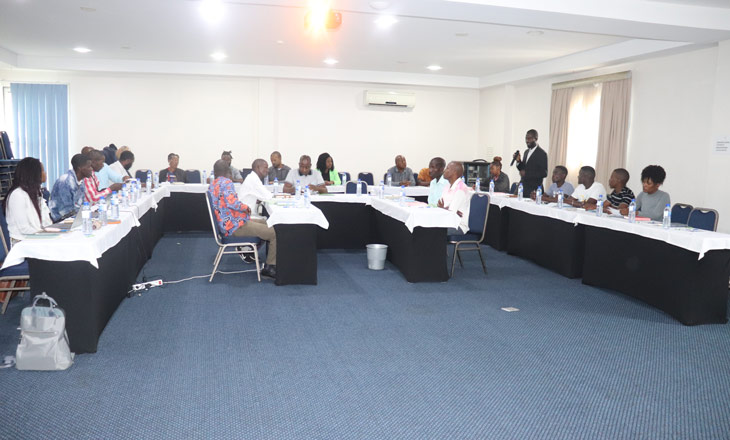
© BIOFUND
-
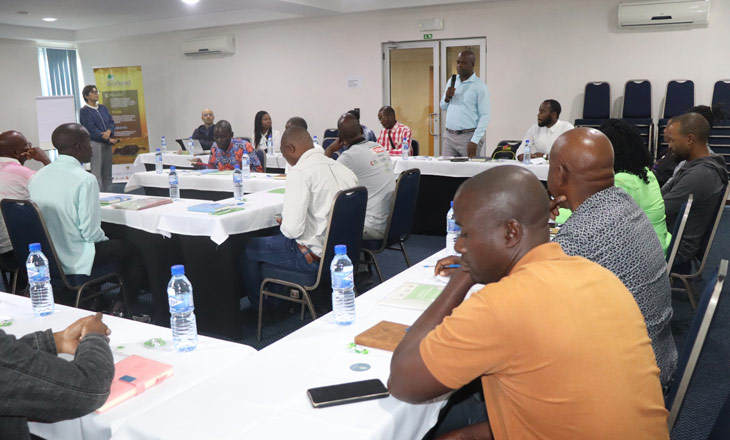
© BIOFUND
-
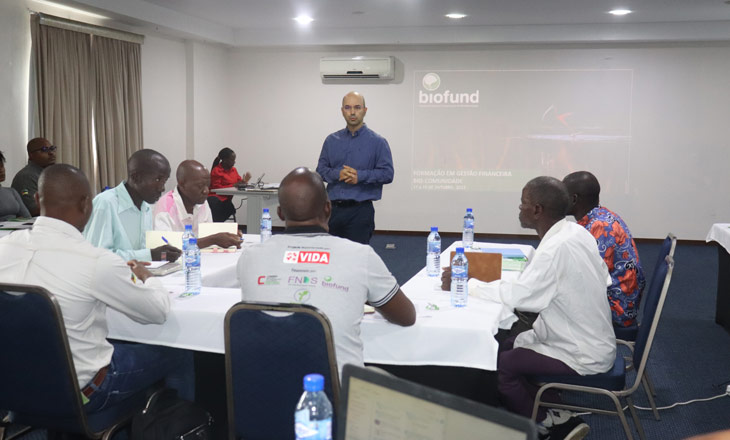
© BIOFUND
-
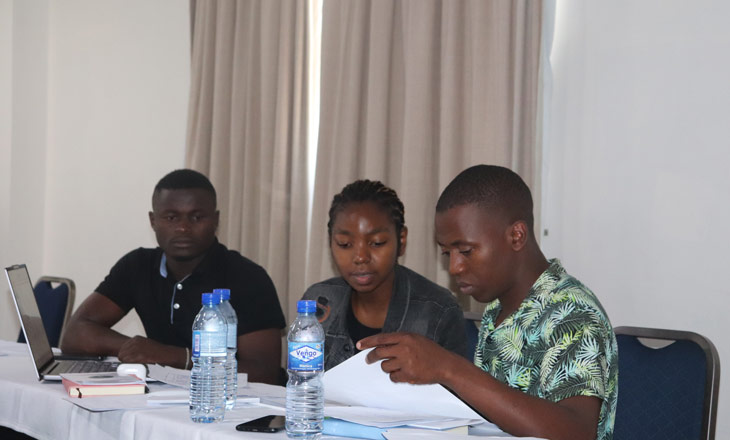
© BIOFUND
The BIO Community Project, a collaboration between the National Sustainable Development Fund (FNDS) and the Foundation for the Conservation of Biodiversity (BIOFUND), kicked off with the capacity building of 21 members of Community Associations in financial management. The event took place from October 17 to 19 in the city of Maputo and focused on administrative and financial practices aligned with the BIOFUND Project Implementation Procedures Manual.
António Carlos Camisa, President of the Nhabaua Natural Resource Management Association, emphasized the importance of the initiative: “With this training, we will improve the functioning of our Association, ensure accurate reporting, and expand our income-generating activities. The project funds will allow us to acquire equipment for honey production and processing, benefiting the entire community.”
The main objective of the BIO Community Project is to strengthen Community Associations in conservation areas, promoting active participation in the provision of products and services within the biodiversity conservation sector. The training aims to ensure that project activities are effective, benefiting both local communities and biodiversity.
The project focuses on the Elephant Coast Landscapes, Chimanimani, and the Marromeu Complex, specifically in the districts of Matutuine, Sussundenga, Marromeu, Cheringoma, and Muanza. This initiative is part of Component 3 of the MozBio2 Project, which is dedicated to promoting integrated rural development compatible with biodiversity conservation.
To learn more about MozBio 2 conservation and sustainable development initiatives, click here.
Environmental Impact Assessment Authority establishes Technical-Scientific Unit to Support Biodiversity Offsets
-
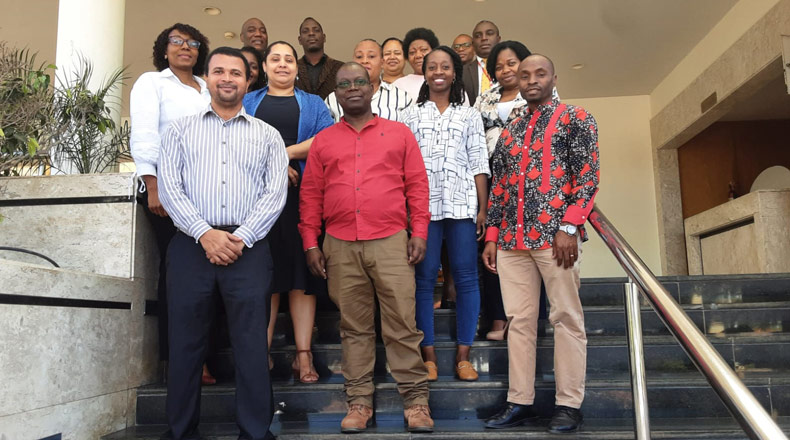
© WCS
-
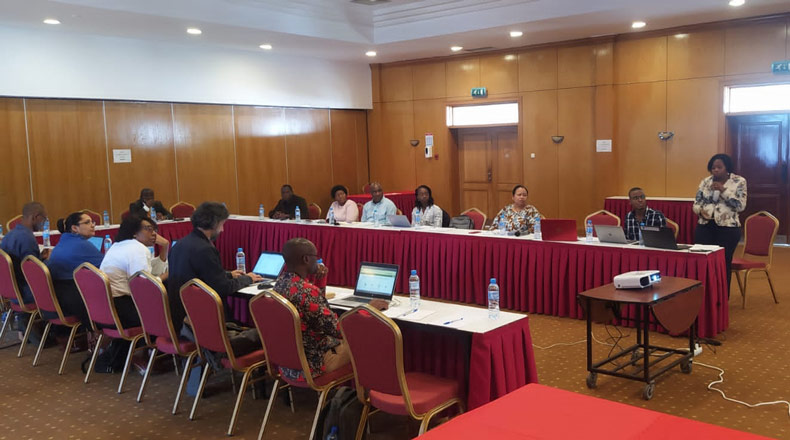
© WCS
The National Directorate for the Environment (DINAB) and its partners in the COMBO+ Program, the Wildlife Conservation Society (WCS) and the Foundation for the Conservation of Biodiversity (BIOFUND), held the first meeting to establish the Technical-Scientific Unit to Support Biodiversity Offsets yesterday, 5 October 2023, in Maputo City, attended by 19 participants from different sectors.
The Ministerial Order 55/2022 of 19 May, which regulates the matter of Biodiversity Offsets, calls for the creation of this Technical-Scientific Support Unit for Biodiversity Offsets, with the aim of supporting the Environmental Impact Assessment Authority in making strategic and integrated decisions regarding the design, approval, implementation, evaluation and monitoring of Biodiversity Offset Management Plans. Some of the key aspects are the alignment of the offsets with the national targets, the areas receiving the offsets and the technical tools for their implementation.
The purpose of this kick-off meeting was to discuss the Terms of Reference of the Technical-Scientific Unit, namely its final composition and how it will operate, as well as to update members on the process of implementing the Biodiversity Offset Directive.
Real Time Elephant Monitoring Begins in Chimanimani National Park
-
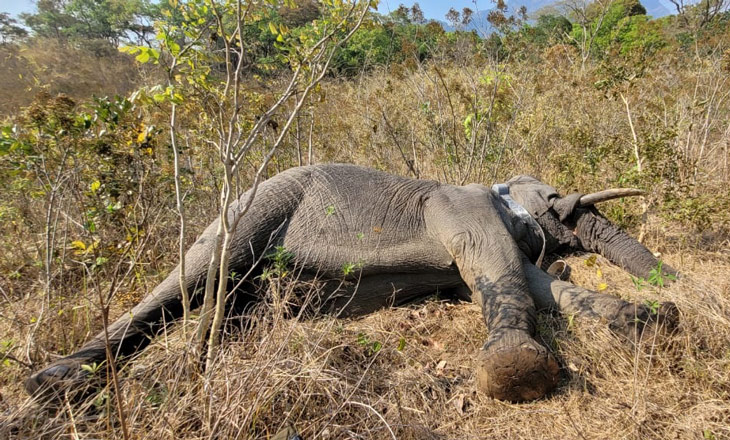
© PNC
-
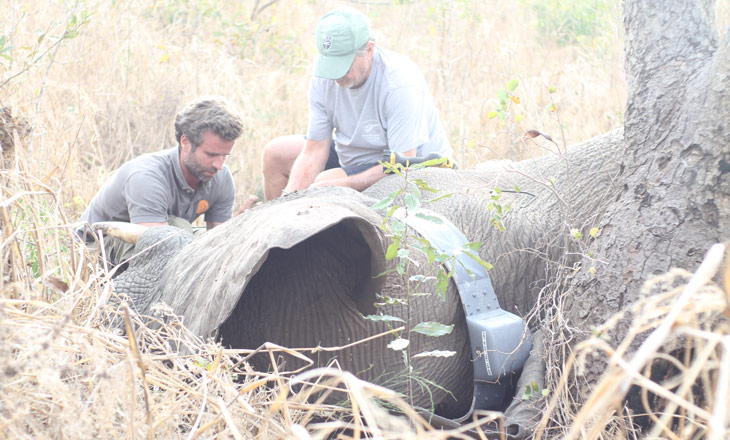
© PNC
Between 16 and 19 September, monitoring devices were fitted on three elephants in Chimanimani National Park as part of an innovative project to mitigate human–wildlife conflict. The initiative, funded by the French Development Agency through the Foundation for the Conservation of Biodiversity (BIOFUND), aims to improve the monitoring of ecological corridors and animal population estimates.
The project is part of a broader effort whose main objective is to provide essential data for managing conflicts between humans and wild animals. In addition to the collaring of elephants, park technicians received training on the use of specialized software for virtual monitoring. This software allows park staff to access accurate, real-time information on the animals’ movement patterns.
This initiative represents a remarkable step forward in the protection of elephants, which are iconic symbols of Mozambique’s biodiversity. Chimanimani National Park thus reinforces its commitment to conserving nature and promoting harmonious coexistence between humans and wildlife.
Click here for more information about the CBDC project.
Different sectors of the government and partners met to select the priority components of coastal and marine biodiversity in the northern Mozambique Channel, in order to draw up technical guidelines for mitigating impacts on the oil and gas sector.
-
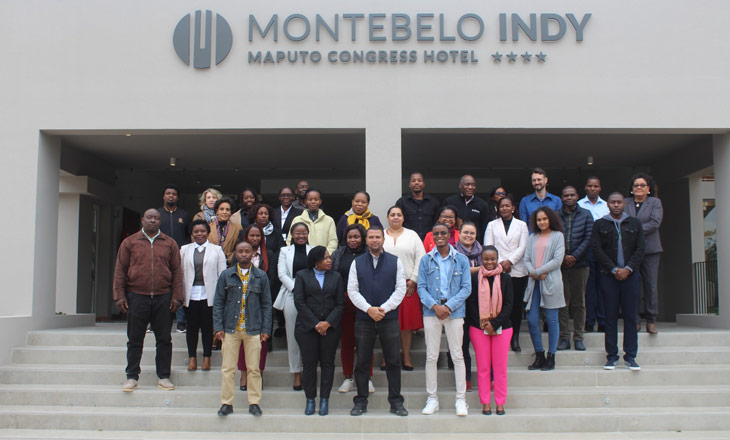
© WCS
-
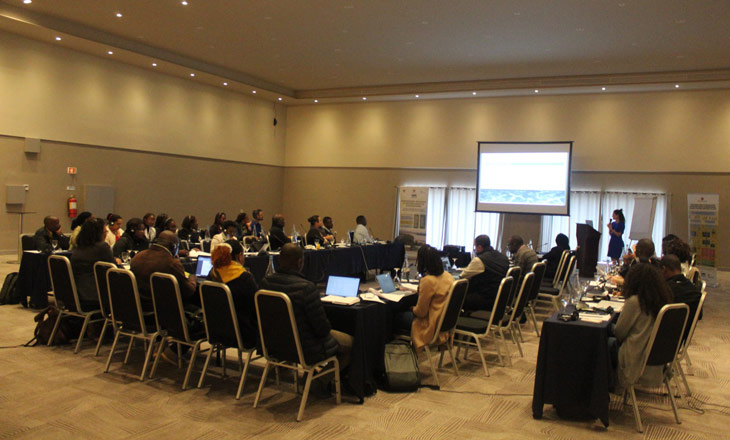
© WCS
-
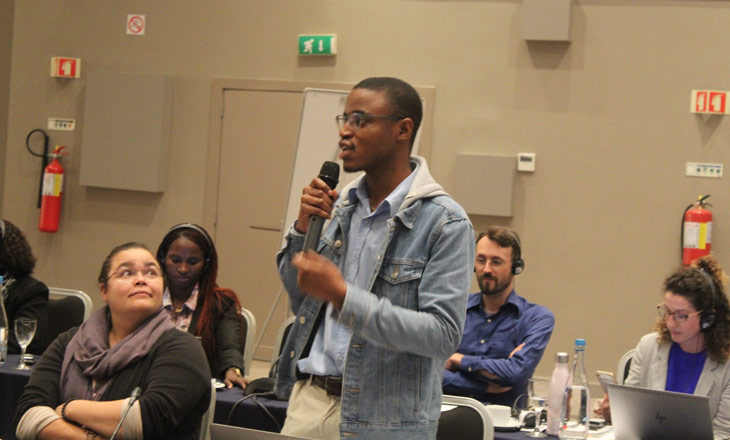
© WCS
-
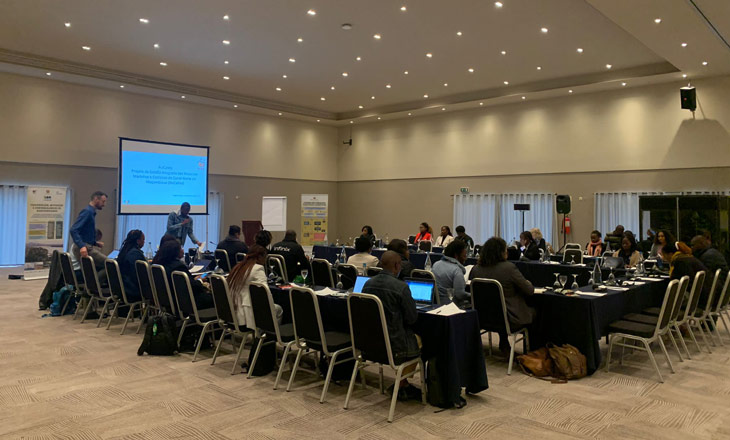
© WCS
The National Directorate for the Environment (DINAB), in partnership with the COMBO+ Programme [led by the Wildlife Conservation Society (WCS) in coordination with the Foundation for the Conservation of Biodiversity (BIOFUND)], as part of the initiative for Integrated Management of Marine and Coastal Resources in the North of the Mozambique Channel (NoCaMo), and Fauna & Flora (FF), held a seminar on 12 September 2023 in the city of Maputo. The seminar focused on the selection of priority components of the coastal and marine biodiversity of the Northern Mozambique Channel with the participation of 41 technicians from different sectors including government, academia, local NGOs and the private sector. These priority components will be considered for the development of best practice guidelines for their protection of biodiversity within the Northern Mozambique Channel, in relation to oil and gas development.
The Northern Mozambique Channel is one of the richest regions in the world in terms of biodiversity. The condition of these critical ecosystems are in decline due to several combined factors, including the extractive industry (including the natural gas and oil recently discovered in the region). In this context, the NoCaMo initiative, funded by the French Environment Fund (FFEM), aims to ensure that the high biodiversity of the Northern Mozambique Channel (e.g. coral reefs, seagrass, mangrove ecosystems) is preserved. In the case of Mozambique, the NoCaMo initiative is considered an extension of the COMBO+ Programme, to promote good mitigation practices in the marine environment and runs until the end of 2025.
Fauna & Flora (FF) is collaborating with WCS on the development of technical guidelines for biodiversity features. Selection of the features will be based off of scientific review and local consultation with marine experts. This exercise will be extremely useful for the preparation and review of environmental impact assessments and in maritime spatial planning, especially for activities related to oil and gas initiatives in Mozambique’s North Channel. The second phase of the project will involve capacity building for local authorities, to ensure effective implementation can be achieved as oil & gas development continues to grow in the region.
It is important to note that this seminar is part of a series of seminars being held in each of the NoCaMo countries to inform a final decision on which priority elements will be used to develop mitigation guidelines at regional level.
Students from Eduardo Mondlane University Receive Training in Ecological Restoration at Maputo National Park
-
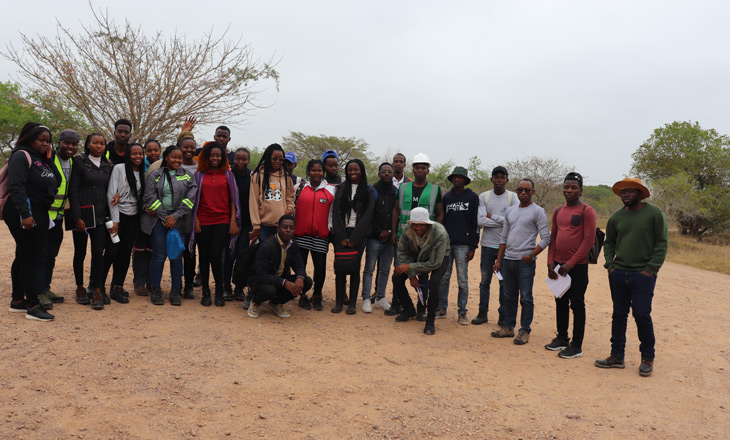
© BIOFUND
-
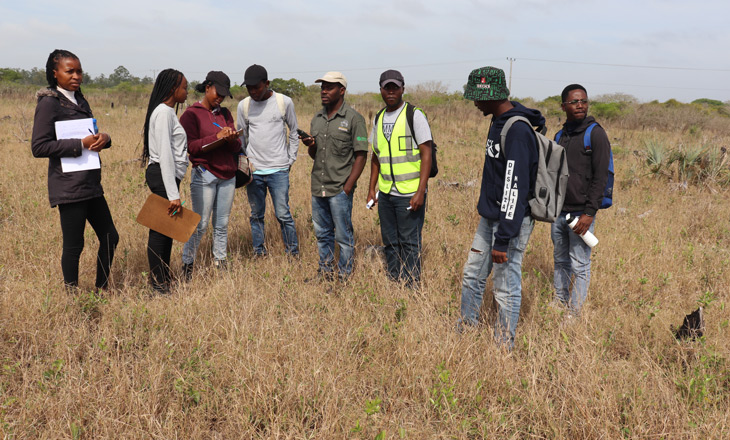
© BIOFUND
-
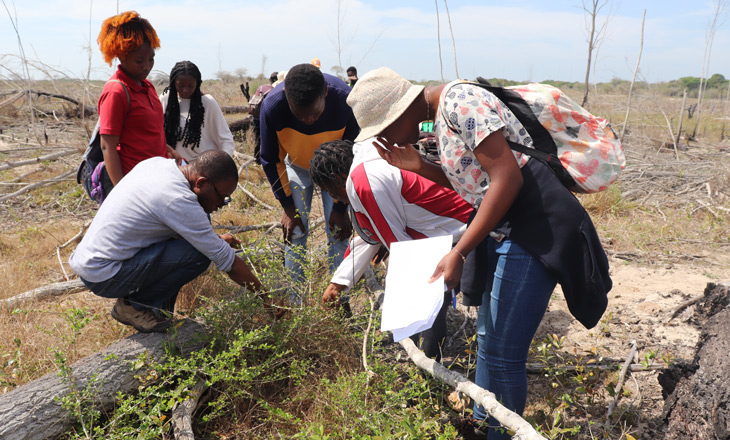
© BIOFUND
Matutuine, September 8, 2023 — A group of 26 Bachelor’s degree students of Forestry Engineering program at Eduardo Mondlane University (UEM) participated in a study visit to Maputo National Park (PNAM). The visit aimed to equip the students with theoretical and practical knowledge about ongoing ecological restoration activities at PNAM.
Led by specialized technicians from PNAM and the Foundation for the Conservation of Biodiversity (BIOFUND), the visit provided the students with a unique opportunity to engage in hands-on activities. These included ecological surveys in areas subjected to the removal of eucalyptus, an invasive alien plant species.
Since 2017, PNAM has been implementing an ecological restoration program focused on the removal of invasive plants like Eucalyptus spp. This program, led by PNAM and supported by the Environmental Fund of the Republic of Portugal, is complemented by the technical and financial support from the COMBO+ program, a partnership between BIOFUND, WCS, and the Government of Mozambique.
According to Aide Farão from BIOFUND, the foundation implements pilot projects for practical learning in various Conservation Areas (CAs) and Key Biodiversity Areas (KBAs). These initiatives follow the Biodiversity Offset Directive, established by Ministerial Diploma No. 55/2022 of May 19.
The study visit represents a milestone in the education of UEM’s future forestry engineers, offering them practical experience and the chance to contribute to national conservation initiatives.
This event is part of a series of educational and practical activities aimed at promoting sustainability and biodiversity conservation in Mozambique.
To learn more about BIOFUND’s Biodiversity Offset Program, click HERE.
5th Edition of the PLCM Internships: Preparing Tomorrow’s Leaders in Biodiversity Conservation in Mozambique
-
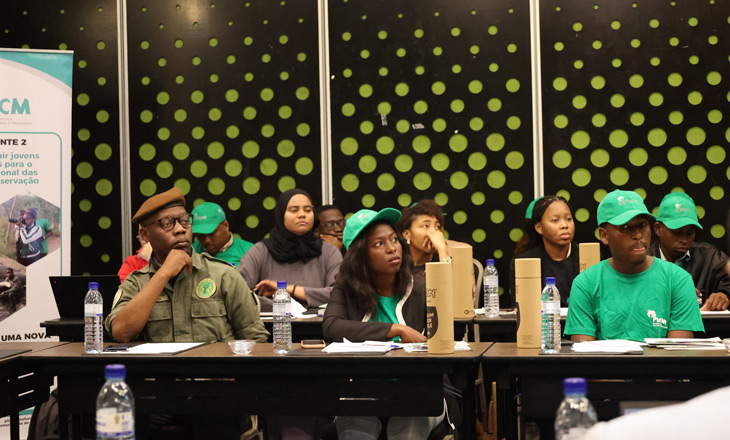
© BIOFUND
-
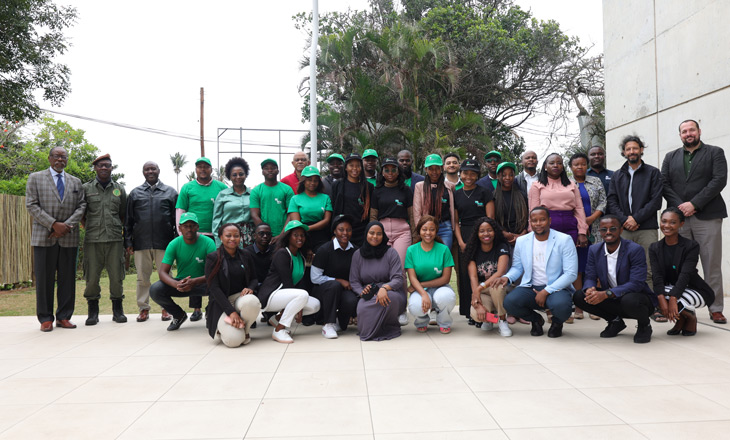
© BIOFUND
-
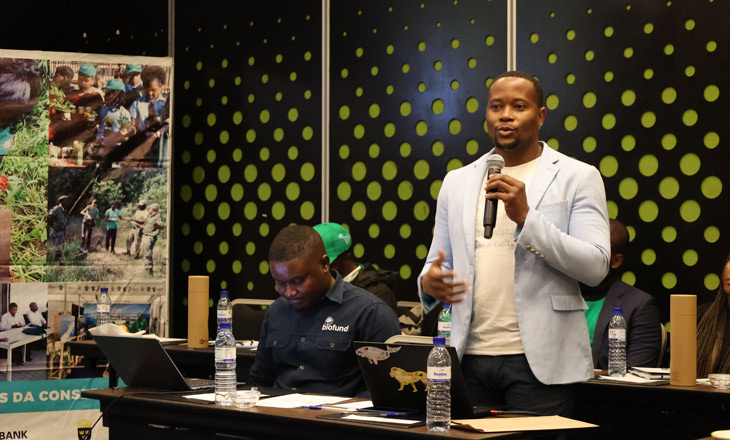
© BIOFUND
-
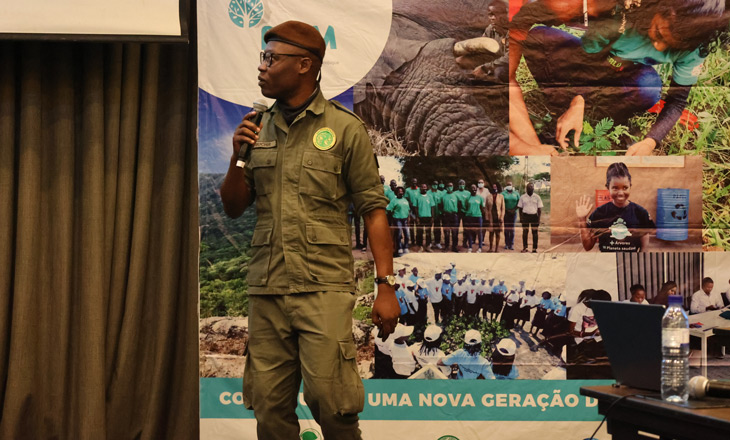
© BIOFUND
-
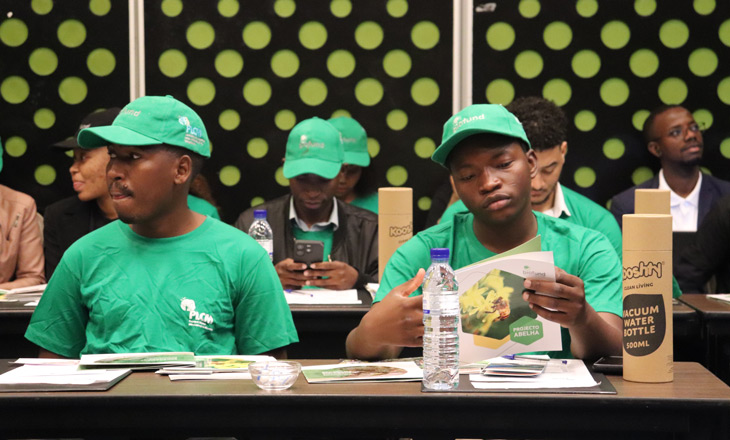
© BIOFUND
-
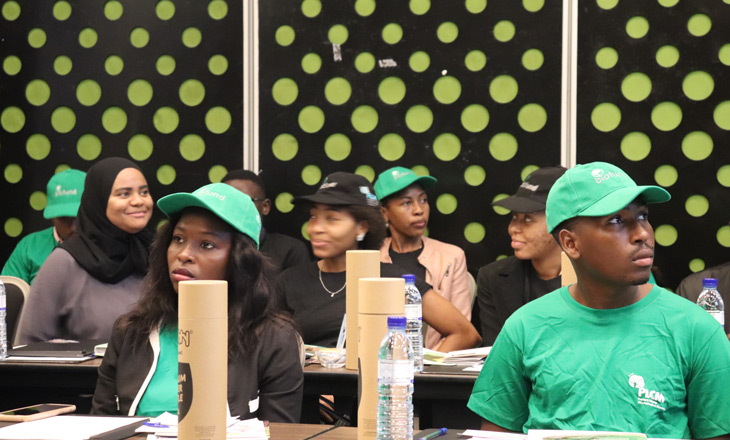
© BIOFUND
-
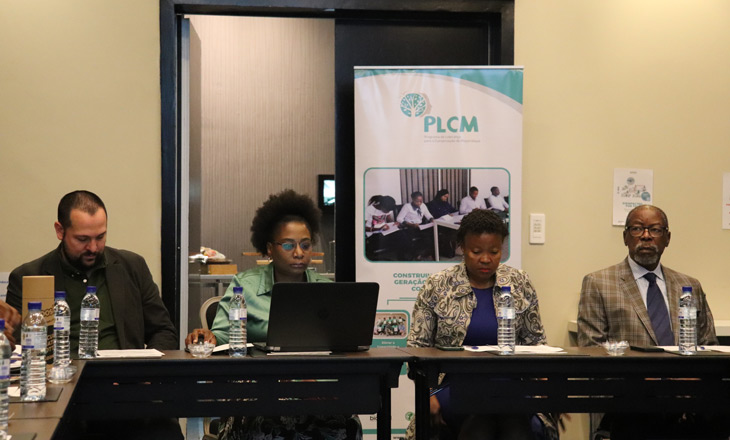
© BIOFUND
The opening ceremony of the 5th Edition of the Pre-Professional Internships under the Leadership Program for the Conservation of Mozambique (PLCM), held on September 6, 2023, in Maputo City, brought optimism and hope for the future of biodiversity conservation in Mozambique, as 45 young professionals were launched into the sector.
The event, led by the Executive Director of BIOFUND, Luís Bernardo Honwana, was attended by representatives from the National Employment Institute (INEP), the National Directorate of Forests (DINAF), and the Government of Sweden. These strong partnerships highlight the PLCM’s unwavering commitment to integrating young people into high-impact conservation strategies.
Of the 45 selected interns, 31 will be placed across various Conservation Areas throughout Mozambique, from Maputo National Park to Quirimbas National Park. The remaining 14 will have the opportunity to work with central biodiversity conservation institutions such as the National Administration of Conservation Areas (ANAC), the Foundation for the Conservation of Biodiversity (BIOFUND), the National Directorate of Forests (DINAF), Fauna & Flora International (FFI), and the National Agency for Geospatial Development (ADE). Together, these young people are destined to become the next generation of conservation leaders.
Yuran Massangaie, one of the interns trained in Agriculture and assigned to Banhine National Park, shared his enthusiasm: “It’s a unique opportunity to apply my knowledge in agriculture in a way that benefits Mozambique’s biodiversity. I’m eager to bring practical innovations to the field of conservation.”
Coordinated by BIOFUND, in partnership with ANAC and funded by the World Bank and the Government of Sweden, the PLCM plays a crucial role in strengthening the capacities and skills of professionals within the National Conservation Areas System. It attracts and motivates young talents from diverse backgrounds, emphasizing leadership skills for conservation, and raises civil society awareness about the importance of biodiversity conservation, with a special focus on youth. Follow PLCM’s activities on the Website and Facebook.