
When Ahamada Muluco first arrived at Mount Mabu, he had no idea what awaited him.
From Construction to Conservation: Ahamada Muluco’s Journey to the Heart of Mount Mabu
-
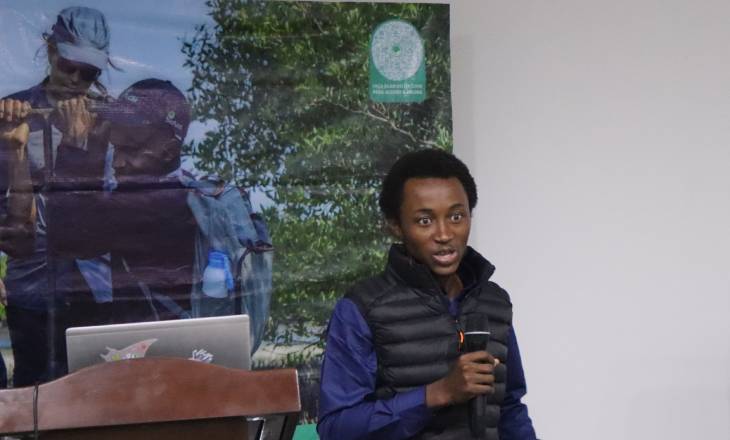
© Raju Manuel Artur
-
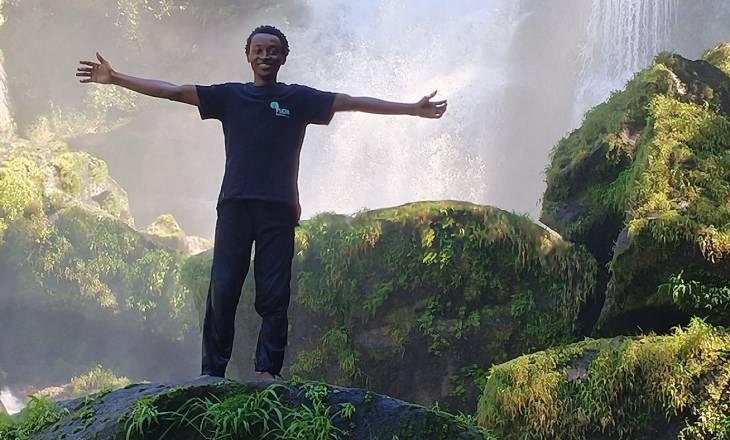
© Raju Manuel Artur
-
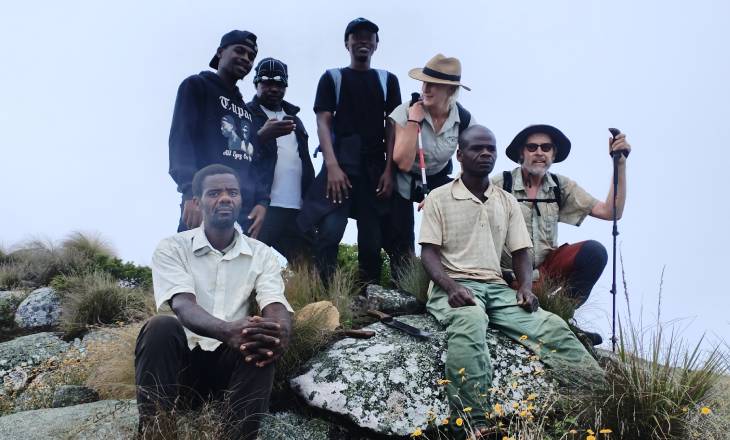
© Raju Manuel Artur
-
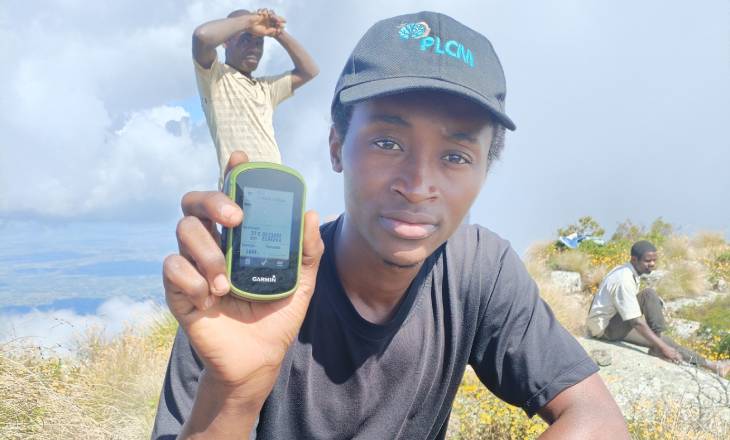
© Raju Manuel Artur
-
© Raju Manuel Artur
-
© Raju Manuel Artur
He grew up in Moma District, in Nampula Province, surrounded by cashew trees, mango trees and the familiar landscapes of his childhood. But he had never set foot in a forest quite like this one.
His first reaction was one of amazement. “When I first came here, I was simply amazed.”
All around him stretched a dense forest criss-crossed by streams, towering trees and trails that, in many places, could only be traversed on foot. It was a world very different from the one he knew.
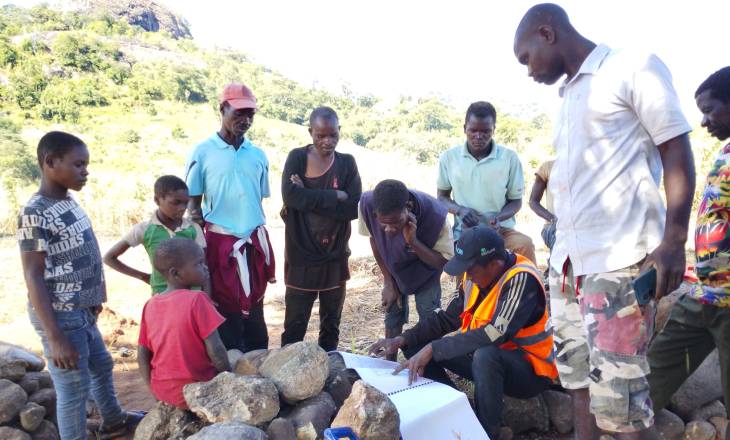
And yet, Ahamada had not come to Mount Mabu to study trees, birds or butterflies. He is a construction technician. His story begins here, illustrating how biodiversity conservation takes far more than biologists alone.
An opportunity that began in Moma
Ahamada’s story began several years earlier, hundreds of kilometres away from Mount Mabu. He completed Grade 12 in 2022. He remembers himself as a dedicated student who took part in study groups and helped classmates with subjects he knew well.
When an opportunity to apply for a scholarship arose, he stood out as a candidate. In January 2023, young people from Angoche, Larde and Moma began vocational training at the ADPP Polytechnic Institute in Nacala through scholarships funded by the MozNorte Project and supported by BIOFUND through the Mozambique Conservation Leadership Programme (PLCM). Ahamada chose Construction and completed his training in 2025.
At the end of his course, he learned about the eighth edition of the PLCM Pre-professional Internship Programme. He applied and was selected. Following an induction at Maputo National Park, he began a new chapter of his life, taking up a placement with WWF at Mount Mabu. Little did he know how profoundly this experience would change his relationship with nature.
One journey, four sources of support
By this stage, Ahamada’s journey had become more than a single opportunity. Different investments from different partners, made at successive stages, had come together to create a pathway from vocational training to employment in the conservation sector, and from his first professional experience to the prospect of continuing to work in the field.
The journey began with the MozNorte Project, funded by the World Bank, which supported the scholarship that enabled Ahamada to train as a construction technician. The Government of Sweden, through the Swedish International Development Cooperation Agency (Sida), subsequently funded the first phase of his internship under the PLCM. With this phase completed, the internship is expected to continue with support from the Government of the United Kingdom, through the Foreign, Commonwealth & Development Office (FCDO), under the Community Conservation and Investment Programme (CCIP).
Meanwhile, at Mount Mabu, the activities Ahamada undertakes during his internship form part of the PROMOVE Biodiversity Programme, funded by the European Union. In this way, training, professional experience, continuity and fieldwork come together in a single journey.
These four sources of support did not fund the same initiative. Rather, each supported a different stage of the same journey. Ahamada’s story illustrates how complementary programmes and partnerships can transform a scholarship into practical skills that contribute to biodiversity conservation.
| Stage of the journey | Support / Funder | What it made possible |
| Vocational training | MozNorte / World Bank | A scholarship for the Construction Technician course at the ADPP Polytechnic Institute in Nacala. |
| First internship phase | PLCM / Government of Sweden – Sida | Entry into the conservation sector through the eighth edition of the PLCM internship programme. |
| Second internship phase | CCIP / Government of the United Kingdom – FCDO | Continuation of the internship and further professional development. |
| Work at Mount Mabu | PROMOVE Biodiversity / European Union | Support for field activities undertaken as part of the internship at Mount Mabu. |
One opportunity did not end when another began. Each stage laid the groundwork for the next.
When building also means conserving
Today, one of the achievements Ahamada is most proud of is taking shape in the heart of Mount Mabu’s remarkable landscape.
“What I am most proud of is knowing that I am at the forefront, as a supervisor, of the construction of the first camp here at Mount Mabu.”
His training in construction has found a practical application in this setting. Ahamada oversees technical aspects of the camp’s construction and also helps monitor work at two schools in local communities, as he explained in the interview.
Suddenly, what he had learned in a classroom in Nacala had taken on a new meaning. Construction could help create suitable working conditions, support community infrastructure and contribute to the development of a landscape where conservation must go hand in hand with the needs of local people.
This connection takes on even greater significance at a historic moment for Mount Mabu. In August 2026, the Government of Mozambique officially approved the establishment of the Mount Mabu Community Conservation Area. Its establishment is the main expected outcome of the Mabu Biodiversity Conservation and Community Development Project, implemented under PROMOVE Biodiversity, funded by the European Union and implemented by BIOFUND in coordination with ANAC. Field activities are carried out by the WWF–ReGeCom–RADEZA consortium.
It is in this context that Ahamada is discovering that there are many ways to be a conservationist.
Discovering the forest on foot
There is, however, a side of Mount Mabu that no classroom could have taught him about. To understand it, he had to explore it on foot.
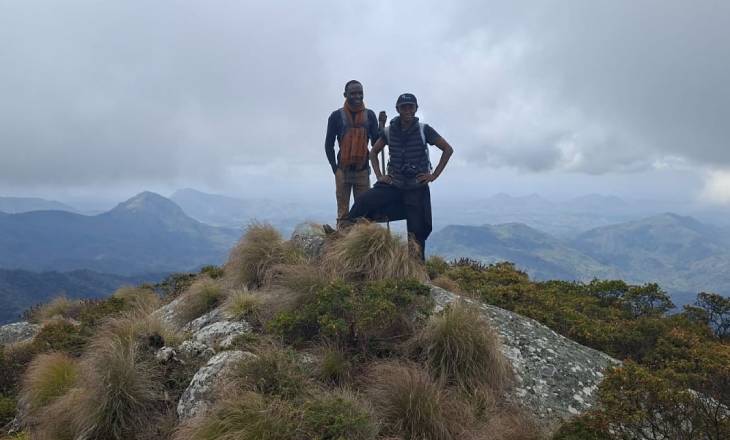
Ahamada has climbed to the summit of Mount Mabu twice. On his first ascent, he set off from the camp at around eight in the morning. The hike took several hours. Yet, in his memory, reaching the summit is only one part of the experience.
“As you walk, you come across some truly wonderful places.” He recalls the trees, streams, flowers and the sheer density of the forest. “There are some magnificent, beautiful trees.”
Then comes the moment when you reach the summit and the landscape opens up before you.
“You can see almost the entire landscape below. And it is magnificent.”
But there is another memory that Ahamada describes in even simpler terms: the feeling of breathing. “The air up there is incredibly pure. When you reach the top, you can feel that the air you are breathing is different.”
It may be difficult to measure the transformation that takes place in a moment like that. In Ahamada’s case, however, there is a way to understand it: by returning to his childhood.
The boy who used to cut mangroves
Long before he understood the meaning of biodiversity, natural resource management or community conservation, Ahamada used to play among the mangroves of Moma. Like many children who have not yet learned the value of this ecosystem, he would cut the trees down.
“When I was a little boy, I used to cut mangroves. I did not know what benefits they provided.” He used the wood to build little playhouses. He had no intention of destroying the environment. He simply did not understand its value.
Today, after his experience at Mount Mabu, he looks back on that memory in a completely different light.
“When I came to understand the benefits of conservation, I realised that many young people still need to understand the value of the environment.”
At the time of the interview, Ahamada had not yet returned to Moma since arriving at Mount Mabu. But he already knew what he wanted to do when he went back: speak to the people closest to him and share what he had learned.
“I will share what I have learned, especially with my family and those closest to me, so that they can understand the value of those mangroves.”
Knowledge is thus making a return journey: from Moma to Nacala; from Nacala to the PLCM; from the PLCM to Mount Mabu; and now, from Mabu back to Moma. But it returns transformed. Conservation is not just a profession. It is a responsibility.
Ahamada’s experience at Mount Mabu also challenges a common assumption: that conservation work is only for people who have studied Biology, Ecology or related disciplines.
Alongside his construction-related responsibilities, he has participated in beekeeping activities and attended training on community-based natural resource management. The eighth edition of the PLCM brought together young people from a range of educational backgrounds, highlighting the multidisciplinary nature of conservation.
“Conservation is a field that everyone should get involved in, regardless of their educational background. Conservation is not just for those who work in protected areas; it is for everyone.”
The statement carries particular weight coming from a young man who began this journey as a construction student.
Today, Ahamada oversees construction work in the heart of a protected landscape, learns from local communities, deepens his understanding of natural resources and sees the mangroves of his hometown through a very different lens from the one he had as a child.
The opportunity opened a door. But he chose to walk through it.
When asked what message he would share with other young Mozambicans, Ahamada does not begin by talking about employment, conservation or even Mount Mabu. Instead, he speaks about dedication and being ready to seize opportunities.
“The only message I would share with everyone is to stay dedicated. It does not matter what you studied, because you never know where tomorrow’s opportunity will come from.”
For Ahamada, that opportunity led him to one of Mozambique’s most remarkable forests and helped him discover that building a better future can also mean protecting what we cannot afford to lose.
BIOFUND and BCI Highlight the Impact of Bio Card on Biodiversity Conservation in Mozambique
-
© BIOFUND / Rui Esmael
-
© BIOFUND / Rui Esmael
-
© BIOFUND / Rui Esmael
-
© BIOFUND / Rui Esmael
-
© BIOFUND / Rui Esmael
-
© BIOFUND / Rui Esmael
-
© BIOFUND / Rui Esmael
-

© BIOFUND / Rui Esmael
-
© BIOFUND / Rui Esmael
-
© BIOFUND / Rui Esmael
-
© BIOFUND / Rui Esmael
-
© BIOFUND / Rui Esmael
-
© BIOFUND / Rui Esmael
-
© BIOFUND / Rui Esmael
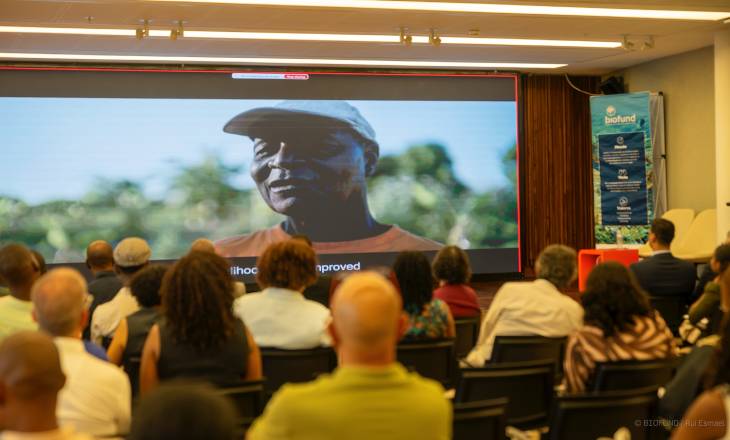
Established in 2017 by the Foundation for the Conservation of Biodiversity (BIOFUND) and Banco Comercial e de Investimentos (BCI), the partnership has mobilized more than MZN 40 million for conservation and community development projects, supporting species protection, human-wildlife conflict mitigation and the promotion of sustainable livelihoods.
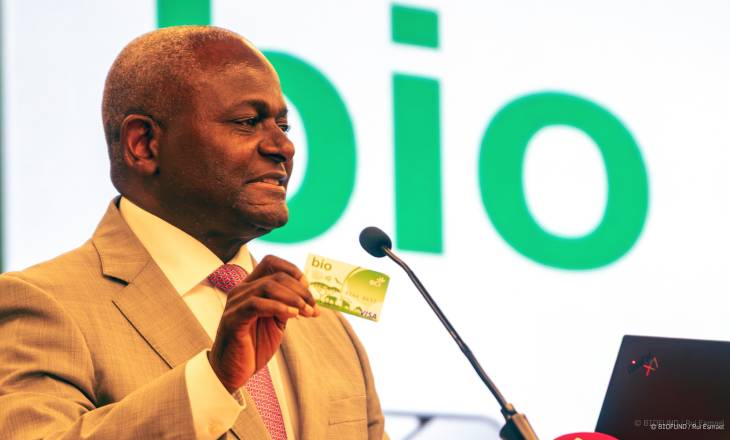
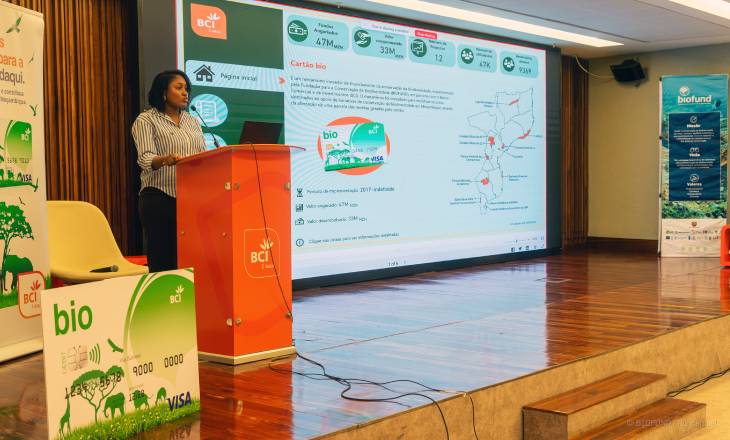
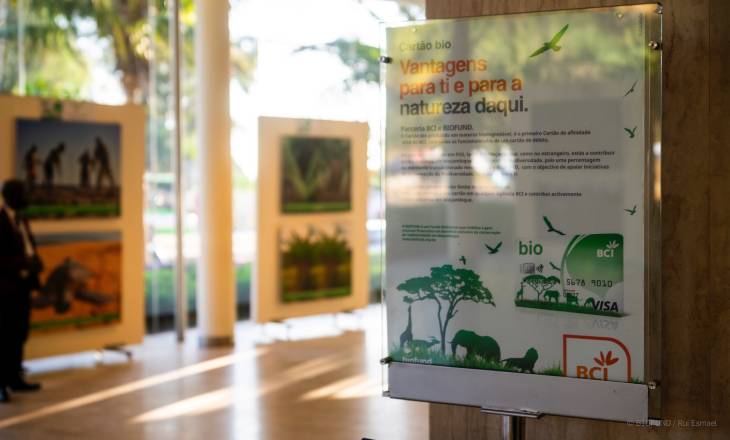
Since 2017, the Bio Card has been transforming contributions from customers of BCI into tangible biodiversity conservation and community development initiatives in Mozambique. Through the 12 projects supported to date, the initiative has contributed to protecting threatened species, mitigating human-wildlife conflict and creating economic opportunities for local communities.
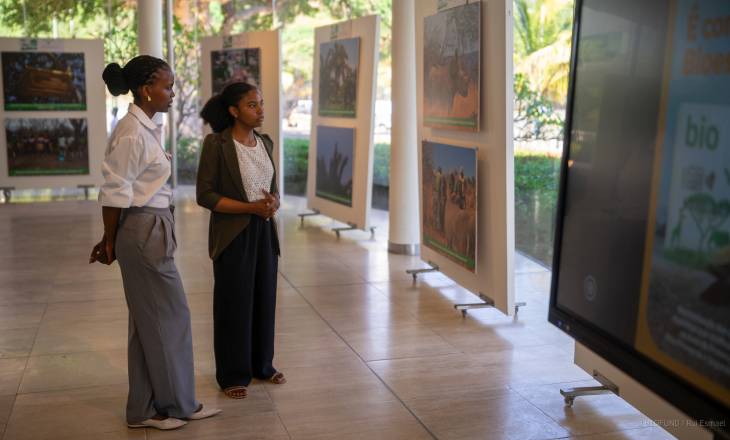
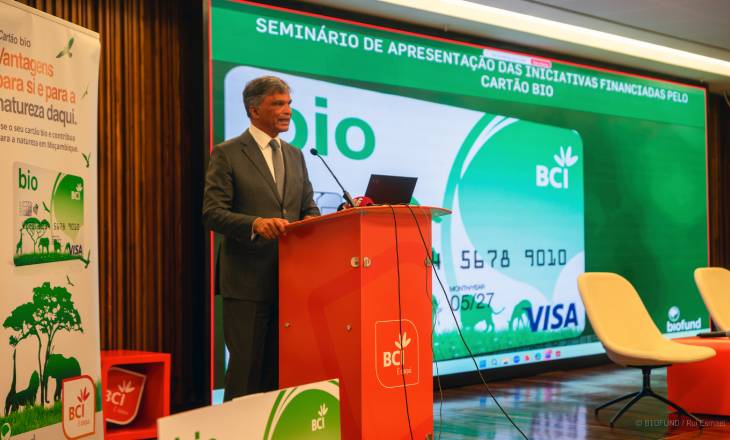
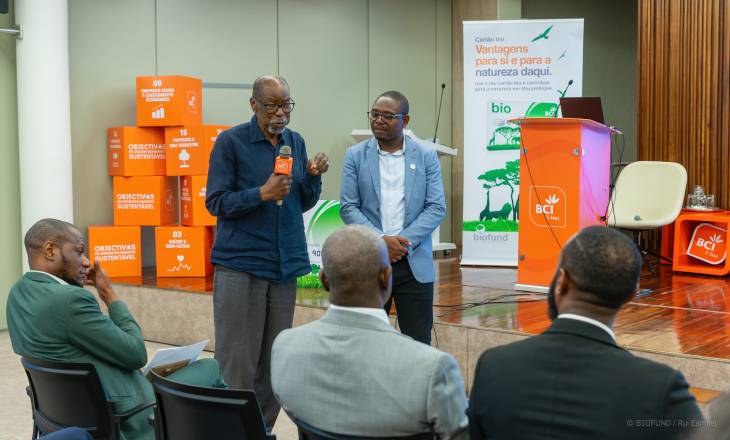
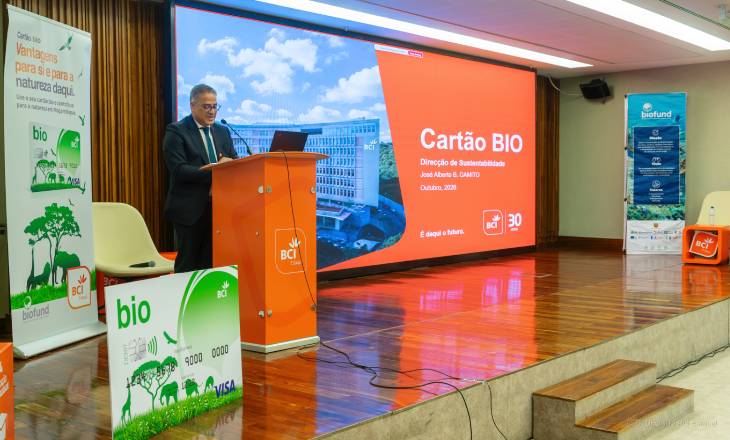
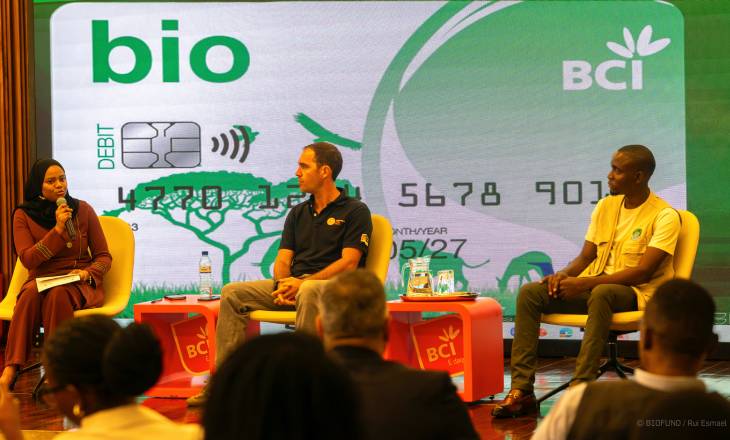
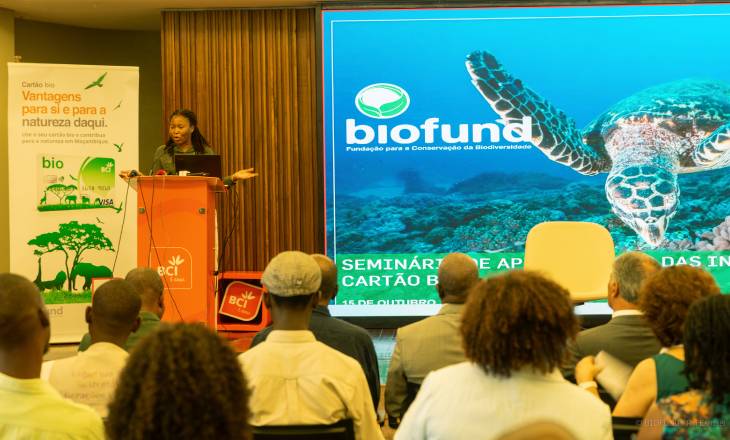
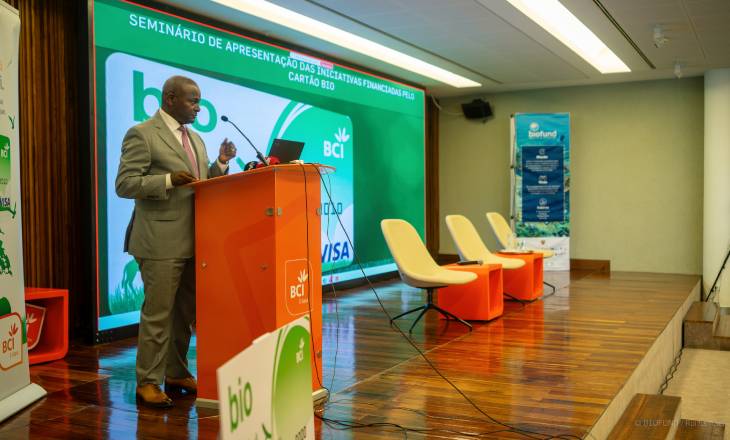
These results were presented on Thursday, 15 October 2026, in Maputo, at the Seminar on Initiatives Funded by the Bio Card, held under the theme “From Contribution to Impact: Discovering Local Initiatives That Make a Difference.” The seminar brought together institutional representatives, partners and implementing organizations to share experiences and demonstrate the impact of this funding mechanism.
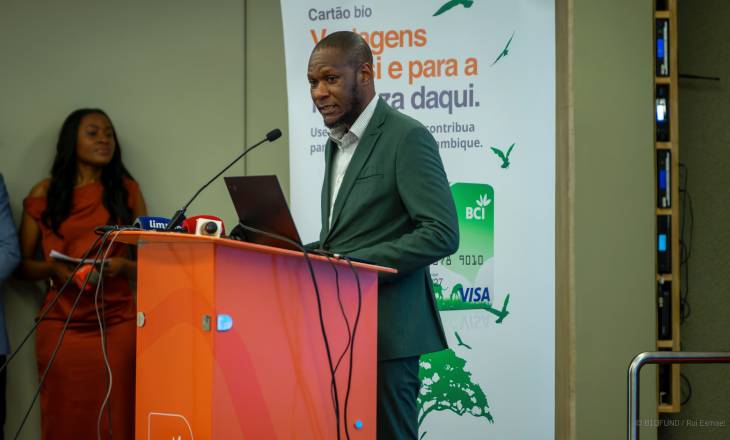
BCI Chief Executive Officer José Furtado highlighted the importance of reconciling biodiversity conservation with sustainable development, noting that the partnership has mobilized more than MZN 40 million and engaged approximately 45,000 card users.
“The results of this initiative are not measured by the numbers alone, but by what we have achieved: protecting species, mitigating human-elephant conflict and supporting community development.”
Established through a partnership between BIOFUND and BCI, the Bio Card is a debit card that channels funding towards conservation through a percentage of transactions made at point-of-sale (POS) terminals, as well as a contribution associated with the issuance of each card, at no additional cost to cardholders.
According to Carlos dos Santos, Chairperson of the BIOFUND Board, the initiative demonstrates the potential of the financial sector to help address environmental challenges.“May we continue to turn contributions into action, action into results, and results into lasting benefits for people and nature.”
Nilton Iombaiomba, Director of the Division of Administration, Finance and Human Resources at the National Administration of Conservation Areas (ANAC), also highlighted the role of the Bio Card in supporting conservation areas. “The Bio Card is a complementary funding mechanism for biodiversity conservation, contributing to the protection of species in conservation areas and promoting sustainable livelihoods for local communities.”
Projects Delivering Impact on the Ground
Among the initiatives presented was “Voices of the Savannah: Elephants Monitored, Communities Heard”, implemented by Mozambique Wildlife Alliance (MWA) in Maputo Province. The project strengthened elephant monitoring and local capacity to respond to human-wildlife conflict. Key achievements included the installation of two electric fences, the fitting of six GPS/VHF tracking collars on elephants, and training for more than 1,630 people in human-wildlife coexistence and conflict mitigation. The project reported a success rate of over 81% in elephant-dispersal operations between January and September 2025.
In the Macossa-Tambara Conservation Area, Manica Province, the project “Investing in Communities, Strengthening Coexistence with Elephants”, implemented by NATURA Mozambique Association, benefited 104 families and helped protect more than 160 agricultural plots through the installation of approximately 670 meters of protective barriers. The initiative also supported the construction of 36 improved grain-storage facilities and promoted sustainable beekeeping as an alternative source of income linked to conservation.
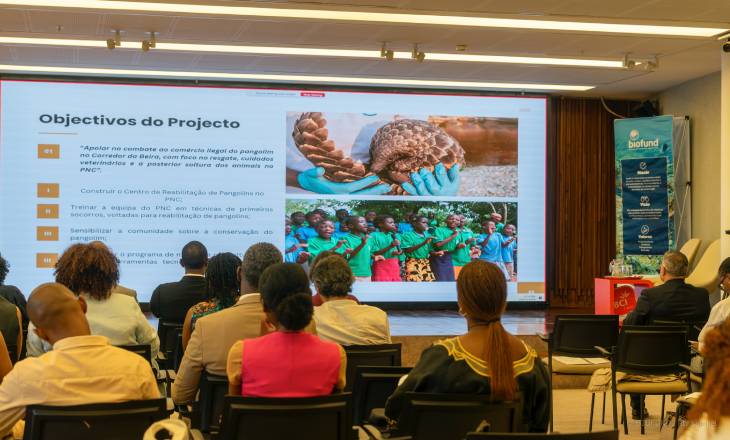
At Chimanimani National Park, a project focused on pangolin rescue, rehabilitation and release enabled the construction of a specialized centre, the training of 13 staff members, and the provision of GPS/VHF monitoring equipment. In February 2026, the centre carried out its first pangolin rescue, followed by rehabilitation and the animal’s subsequent release into the wild.
Transparency and Continuity
To strengthen transparency and visibility, BIOFUND developed the Bio Card Dashboard, a tool that enables the monitoring of funds mobilized, projects supported and the results achieved.
Through this partnership, BIOFUND and BCI demonstrate how collaboration between the financial sector and conservation institutions can mobilize additional resources to protect Mozambique’s natural heritage while promoting the well-being and sustainable livelihoods of local communities.
BIOFUND Shares Mozambique’s Experiences at the 2026 RedLAC Congress and Explores New Opportunities for Conservation Finance
-
© BIOFUND
-
© BIOFUND
-
© BIOFUND
-
© BIOFUND
-
© BIOFUND
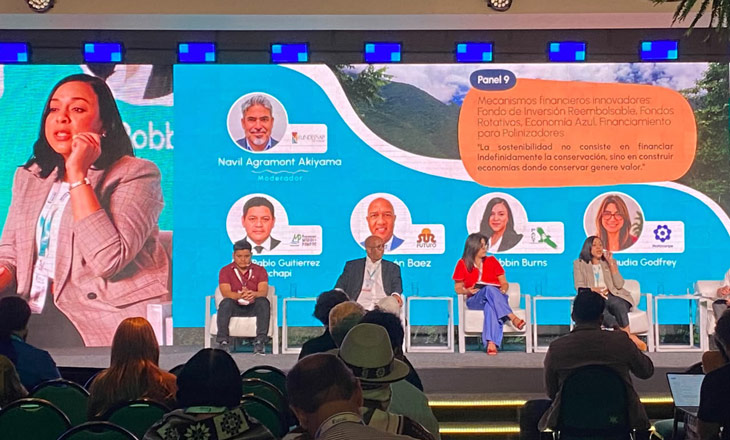
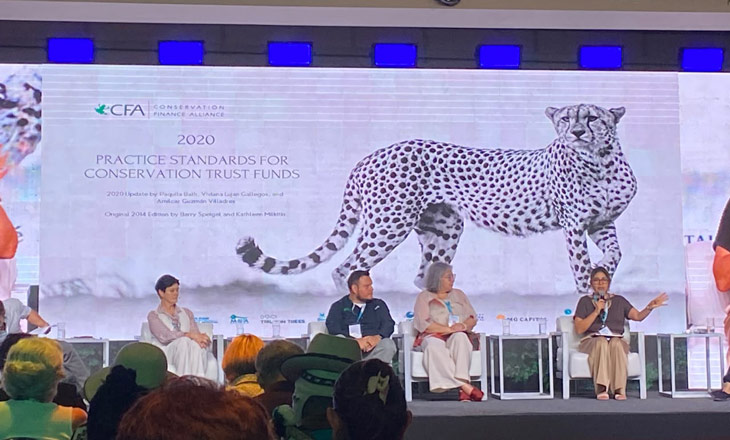
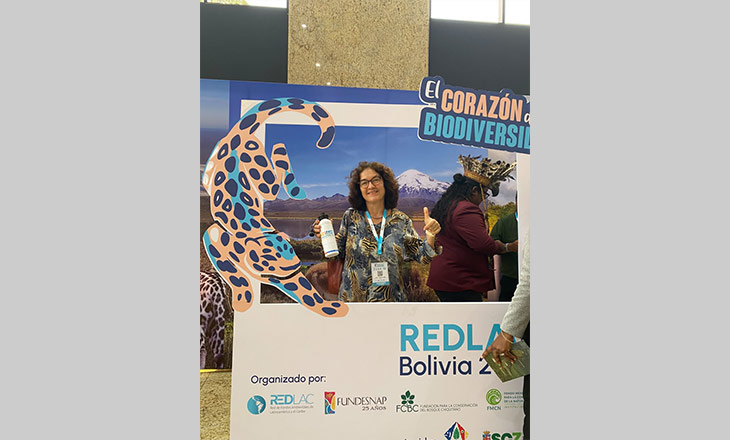
From 6 to 8 October 2026, Santa Cruz de la Sierra, Bolivia, hosted the 28th RedLAC Congress, one of the leading regional forums dedicated to biodiversity conservation finance and sustainable development. The event brought together approximately 30 environmental funds from 20 countries across Latin America and the Caribbean, alongside representatives of governments, multilateral organizations, Indigenous Peoples, civil society organizations and the private sector.
Held under the theme “Finance that Drives Conservation, Indigenous Peoples that Protect, Innovation that Transforms”, the congress provided a platform for discussions on innovative financing mechanisms, climate finance, direct support to communities, conservation area management, technological innovation, impact measurement and regional cooperation.
The Foundation for the Conservation of Biodiversity (BIOFUND) was represented by its Director of Programmes, Alexandra Jorge, who took part in the event to share experiences from Mozambique, learn about innovative approaches to sustainable financing and explore partnership opportunities to strengthen biodiversity conservation in the country.
Sharing Experiences to Inspire New Solutions
During the congress, Alexandra Jorge shared BIOFUND initiatives that promote institutional strengthening, skills development and stakeholder engagement in conservation. These included the mentorship and technical assistance programme for environmental funds, the Internship Programme under the Mozambique Conservation Leadership Programme (PLCM) and the BIO Card.
These initiatives demonstrate BIOFUND’s commitment to supporting conservation through different approaches, including strengthening the capacity of environmental funds, developing the next generation of conservation professionals and creating mechanisms that encourage broader public engagement in nature conservation.
Communities, Partnerships and Investment in Nature
The congress sessions, discussions and networking opportunities provided valuable insights into the challenges and opportunities associated with conservation finance.
A key message emerging from the discussions was the importance of bringing all stakeholders together in a coordinated and complementary way. Local communities and Indigenous Peoples, in particular, must be recognized not only as beneficiaries of conservation initiatives, but also as active participants and leaders. Their knowledge, experience and close connection to their territories and natural resources are essential to achieving lasting conservation outcomes.
The congress also highlighted the need to balance economic development with ecosystem protection. While industrial activity and economic growth are important, they must be pursued responsibly, safeguarding the natural balance on which people and economies depend.
Environmental funds play a complementary role alongside governments by mobilising and managing resources for conservation initiatives. When strategically invested, these resources can deliver lasting benefits by strengthening institutions, supporting communities and protecting ecosystems.
Building Partnerships to Strengthen Conservation Impact
BIOFUND’s participation in the 28th RedLAC Congress provides an opportunity to strengthen relationships with other environmental funds, learn from international experiences and identify approaches that could be adapted to Mozambique’s context.
At a time when effective conservation depends on predictable financial resources, technical expertise and long-term commitment, cooperation among governments, environmental funds, communities, the private sector and development partners is essential to achieving sustainable results.
The exchange of knowledge and experiences at the congress can help inform more effective financing strategies and foster solutions that align biodiversity conservation with sustainable development.
Conserving nature is a daily commitment and a shared responsibility. Through a common vision, innovation and collective action, financial resources can be transformed into lasting benefits for biodiversity and people.
Learn more about the 2026 RedLAC Congress: https://congresoredlac2026.org/
From Infrastructure to Nature Conservation: Investments Strengthen Community-Based Management in the Futhi Corridor
-
© Maputo Conservation Company
-
© Maputo Conservation Company
-
© Maputo Conservation Company
-
© ANAC
-
© Maputo Conservation Company
-
© ANAC
-
© Maputo Conservation Company
New office, 43 kilometres of fencing, solar power, environmental education and sustainable livelihood initiatives are strengthening community participation in biodiversity conservation.
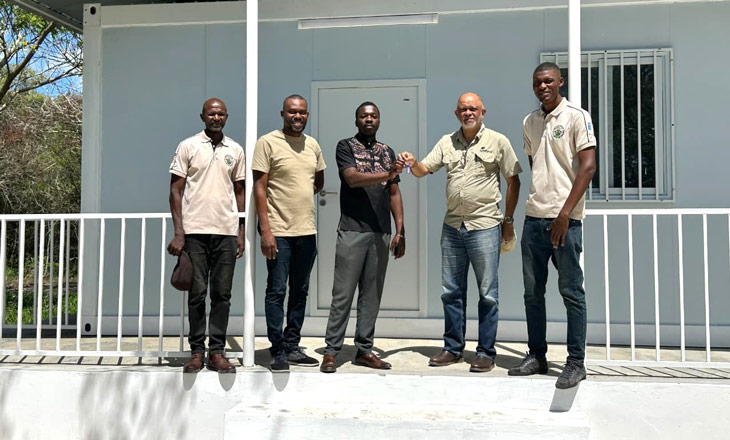
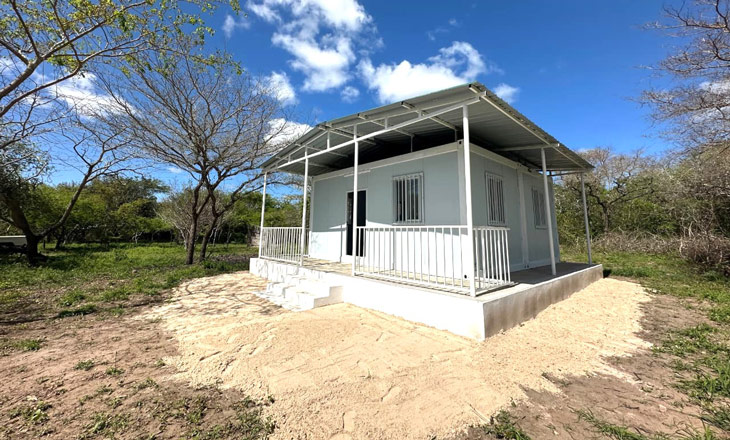
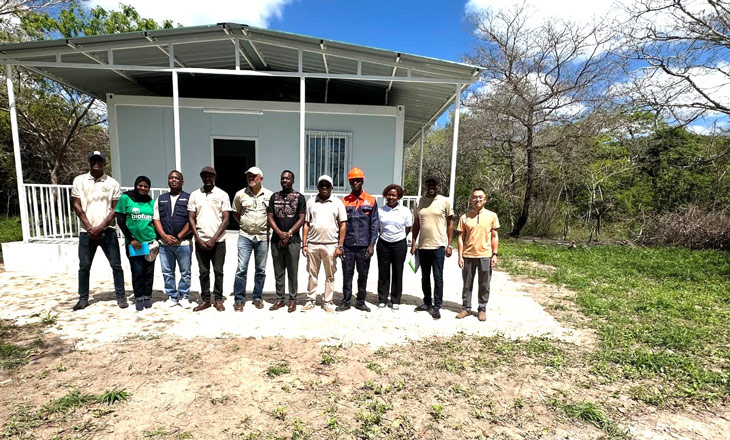
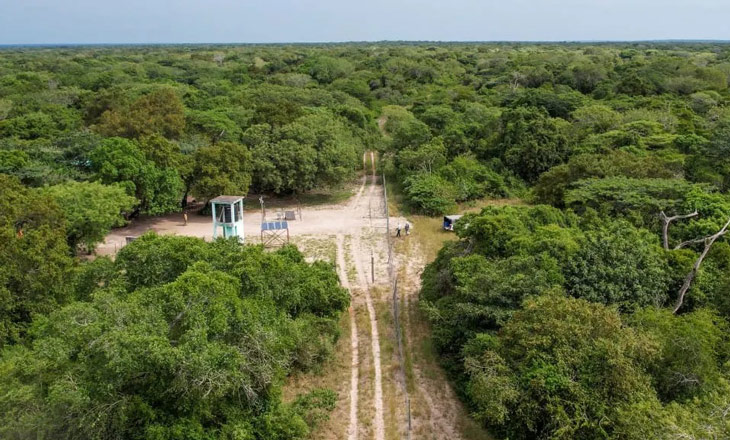
Community-based biodiversity management in the Mwai Community Conservation Area (Mwai CCA), located along the Futhi Corridor, now has improved conditions to support its operations. Through the Biodiversity Conservation Programme, funded by the Government of Sweden through the Foundation for the Conservation of Biodiversity (BIOFUND), a modular facility has been installed to serve as an office for the Futhi Corridor Community Conservation Association, which is responsible for managing the Mwai Community Conservation Area.
Coordinated by BIOFUND in collaboration with the National Administration for Conservation Areas (ANAC), the support has contributed to strengthening community-based structures responsible for natural resource management, improving working conditions and coordination, while supporting the protection of natural resources and the promotion of sustainable livelihoods.
More than just a new facility, the office forms part of a broader set of investments aimed at creating better conditions for communities to actively participate in the management and protection of natural resources.
From Infrastructure to Habitat Protection
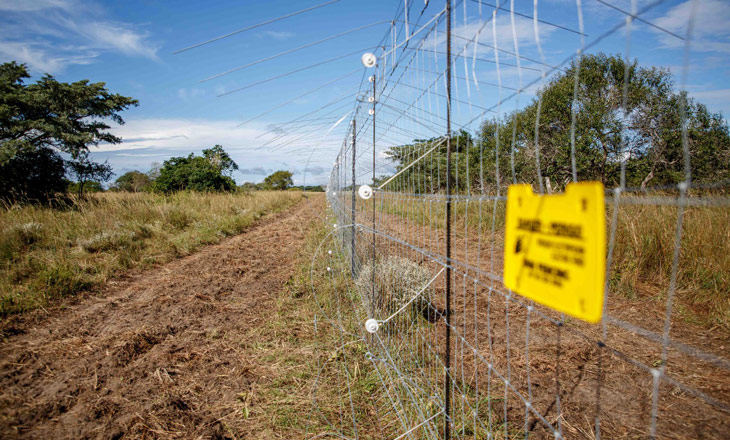
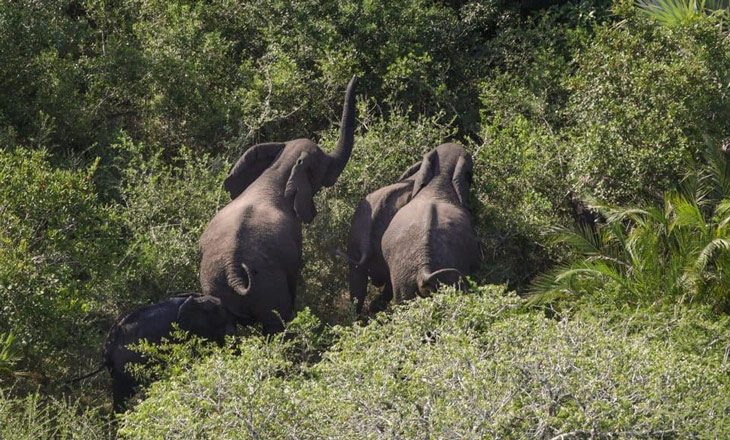
Among the interventions supported by the Programme is the construction of 43 kilometres of fencing along the Futhi Corridor. The initiative is aimed at mitigating human-elephant conflict while contributing to habitat connectivity and protection.
The Programme has also supported a range of actions to strengthen the management of the Mwai CCA, including the installation of a solar power system at the Mwai CCA’s main camp, environmental education activities, the development of sustainable livelihood opportunities, and capacity building for local community governance structures.
Together, these interventions promote an integrated approach to conservation, linking biodiversity protection with improved livelihoods and greater community involvement in the management of natural resources.
A Commitment that Continues
Support to the Mwai CCA will continue through a new BIOFUND initiative, the Community Conservation and Investments Programme, funded by the Government of the United Kingdom through the Foreign, Commonwealth & Development Office (FCDO).
The new initiative will strengthen investments in community conservation and sustainable development, building efforts to consolidate conservation models that recognize local communities as key actors in biodiversity protection, the sustainable use of natural resources, and the development of sustainable alternatives that are compatible with conservation objectives.
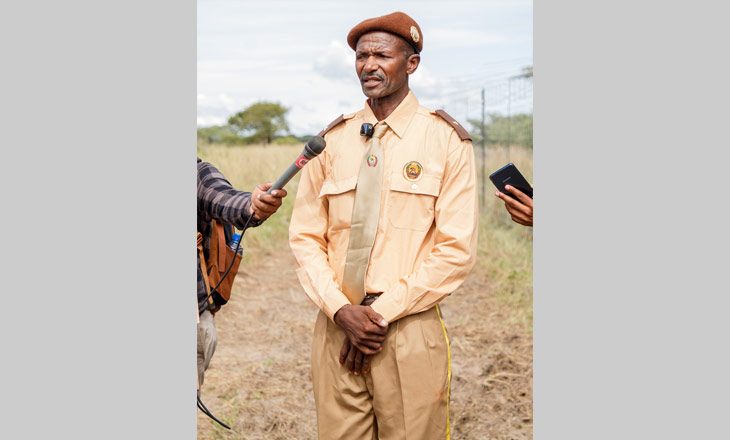
For Armando Tembe, community representative and leader, the new facility responds to a concrete need within the community while also recognizing the work being carried out locally.
“We are very grateful for this support. This office is very important to us because it will provide a place where we can work, meet and address matters concerning our community. It is a joy to see that the work we have been doing to protect this area is also receiving support.”
Armando Tembe adds that the community hopes this will be another step towards continued collaboration for conservation and the well-being of local families.
“We thank BIOFUND, Sweden, ANAC and everyone who made this initiative possible. We hope this will be another step forward and that we will continue working together to care for our land and biodiversity and to ensure a better future for our families.”
The strengthening of infrastructure, combined with habitat protection, environmental education, sustainable livelihood development and community capacity building, underscores the importance of investing in people and local structures. These investments are essential to further strengthen community participation, promote responsible natural resource management and advance more inclusive, informed and sustainable biodiversity conservation, with lasting benefits for both communities and the environment.
Monte Mabu: studies reveal the economic value of the forest and pave the way for debate on payments for ecosystem services
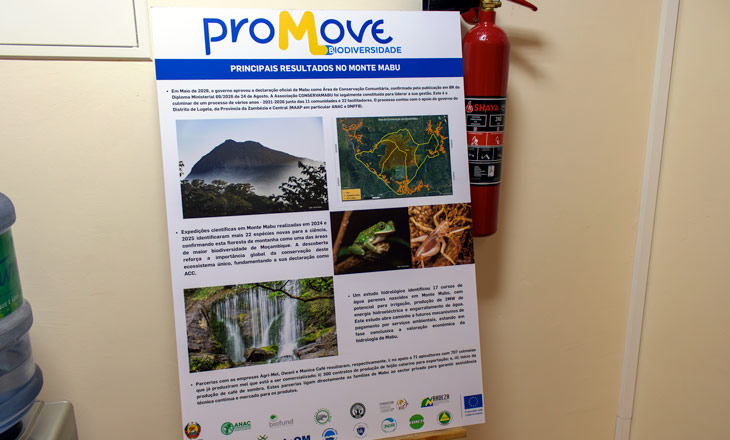
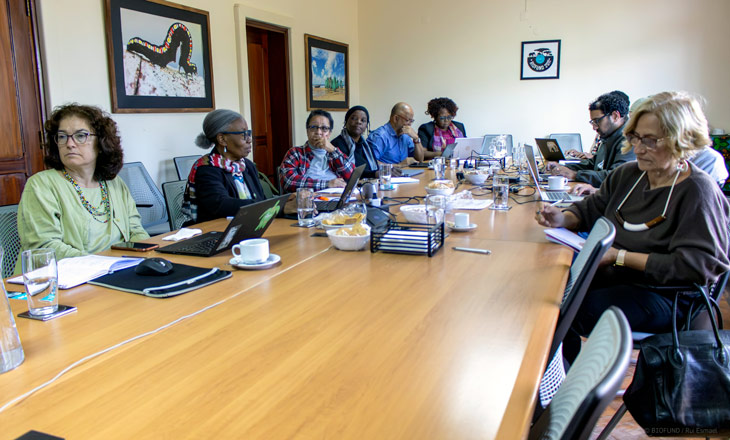
Conserving the Monte Mabu forest not only protects one of Mozambique’s most important areas of biodiversity: it also helps regulate water, protect soils, reduce erosion and avoid economic costs associated with sediment transport resulting from the loss of forest cover which, under the scenarios analysed, can reach tens of millions of dollars.
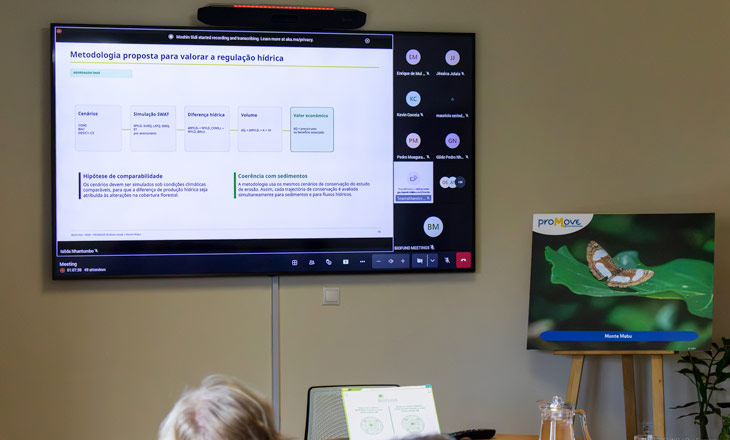
This was one of the main messages of the Seminar on the Economic Valuation of Mabu Hydrology and Payment for Ecosystem Services, held on 1 October 2026 under PROMOVE Biodiversity, a programme funded by the European Union. The meeting brought together representatives of public institutions, the private sector, academia, conservation organisations and development partners to analyse preliminary findings from studies on the economic value of the hydrological services provided by the Monte Mabu forest.
The forest as natural infrastructure
The studies presented examine a dimension of Monte Mabu that is not always immediately visible: the role of its forest cover in regulating water flows, retaining sediment and protecting downstream water systems.
“Monte Mabu’s forest cover is treated as natural infrastructure because it protects the soil, regulates water flows and avoids downstream economic costs.” – Osvaldo Samo
The study therefore reinforces the need to look at Mabu beyond biodiversity. As Osvaldo Samo emphasised, “we cannot look at Monte Mabu only in terms of biodiversity. We also have to look at Monte Mabu as water, as soil protection, as natural capital” when making conservation decisions.
The micro-catchments on Monte Mabu help feed the Lugela River and, subsequently, the Licungo River, on which communities, agriculture, economic activities and downstream water-supply systems depend. The hydrological assessment presented at the meeting also identified potential for irrigated agriculture, aquaculture, tourism, hydropower generation and other sustainable uses of water.
Losing forest also has an economic cost
One of the approaches presented sought to estimate the economic benefit of conservation through the sedimentation and dredging costs that can be avoided when tree cover is maintained.
The model found that, under higher-runoff conditions, the loss of one hectare of tree cover may be associated with the export of around 17 additional tonnes of sediment per year to downstream areas. The effect becomes particularly significant during wet periods and in sub-catchments with higher flows.
Eight (8) of the 15 sub-catchments analysed were therefore identified as priorities for this specific dimension of conservation because they present a greater risk of sediment transport under high-runoff conditions.
When the researchers translated these effects into potentially avoided dredging costs, the results made the economic dimension of conservation even clearer.
Considering a ten-year horizon, a 6% discount rate and a central dredging cost of USD 5.5 per tonne, the different conservation scenarios produced estimated benefits ranging from approximately USD 23 million to USD 91 million, while the progressive (more realistic) scenario produced a value close to USD 50 million.
These figures do not represent a total economic valuation of Monte Mabu. They relate specifically to the modelled benefits associated with potentially avoided sedimentation and dredging costs, under the assumptions used in the study.
Would those who benefit from the water be willing to contribute to maintaining the forest and, consequently, water availability and quality?
A second approach, presented by Gildo Nhanombe, examined the issue from the demand side: how much would users be willing to pay to maintain or improve the water-provision service?
The research analysed beneficiaries upstream and downstream of Monte Mabu and found a high stated willingness to contribute. During the discussion, the researcher clarified that around 97% of downstream respondents said they were willing to pay, while the comparative upstream analysis indicated a figure of approximately 96%. This finding shows that the population of Mabu places significant value on the forest and the hydrological service it provides.
The results also showed that economic capacity, age, gender, education, perceptions of water quality, environmental knowledge and type of user can influence willingness to pay. The study therefore recommends that any future mechanisms differentiate, for example, household consumers by social group (middle-income and those near the poverty line), companies and other economic users.
Those who benefit also need to understand where the service comes from
The study also identified an important difference between upstream and downstream areas: communities close to the conservation area have had greater exposure to conservation awareness activities, while many downstream beneficiaries know little about the link between the Monte Mabu forest and the water they use.
“Environmental education could not remain focused only on conservation areas or upstream; it needs to be expanded.” – Gildo Nhanombe
The researcher advocated expanding awareness-raising activities to areas that benefit from ecosystem services, as well as involving young people, women and other stakeholders in downstream areas, strengthening understanding of the relationship between conservation, water availability and the quality of ecosystem services.
From scientific evidence to a financing mechanism
The seminar was not limited to the question, “how much is water worth?”. An important part of the discussion focused on how to turn this value into a mechanism that effectively contributes to financing conservation.
Participants discussed questions such as who should pay, who should receive, how users should be differentiated, which institution could manage the resources, and how to ensure that payments correspond to verifiable conservation results.
The Costa Rican example was presented by Isilda Nhantumbo as a reference for the discussion. In that model, there is a legal framework, a defined source of financing, an intermediary institution that manages the resources, contracts with environmental-service providers, and a monitoring system that makes payments conditional on compliance with conservation obligations.
For Mozambique, the discussion pointed to the need to analyse the current legal framework, existing fees and the possibility of channelling part of the revenues associated with the use of water resources towards conservation.
It was also proposed that a meeting be held specifically on the legal and institutional framework, involving the National Directorate for Water Resources Management and other relevant stakeholders to further examine the possibility of introducing financing mechanisms linked to the conservation of water resources.
A new chapter for Monte Mabu
The discussion comes at a particularly important moment for Mabu. The forest, covering around 9,300 hectares, is associated with 11 communities and an estimated population of approximately 13,000 people. The process supported by PROMOVE Biodiversity contributed to the establishment of community committees and CONSERVAMABU, a structure linked to community management of the area.
Following recent progress in the formal recognition of the community conservation area, the studies presented add a new dimension to the discussion: conserving Mabu also means conserving water, reducing risks and protecting economic benefits that extend far beyond the boundaries of the forest.
The next challenge will be to transform this scientific and economic evidence into instruments that ensure that those who benefit from the services provided by ecosystems can also contribute to their maintenance.
Conservation Group strengthens coordination and places financial sustainability at the heart of the future of conservation areas
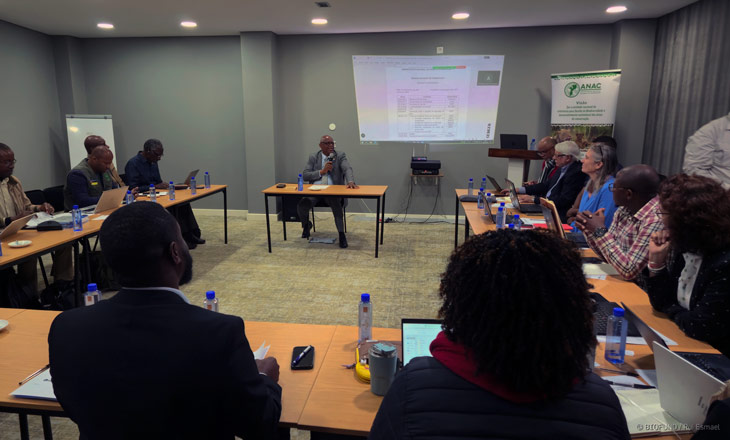
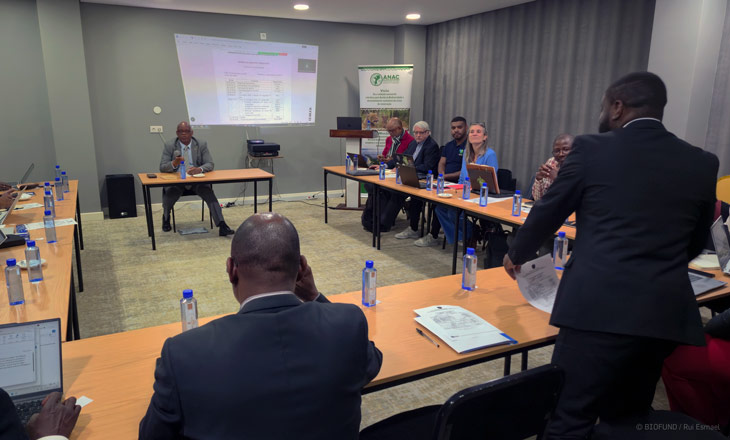
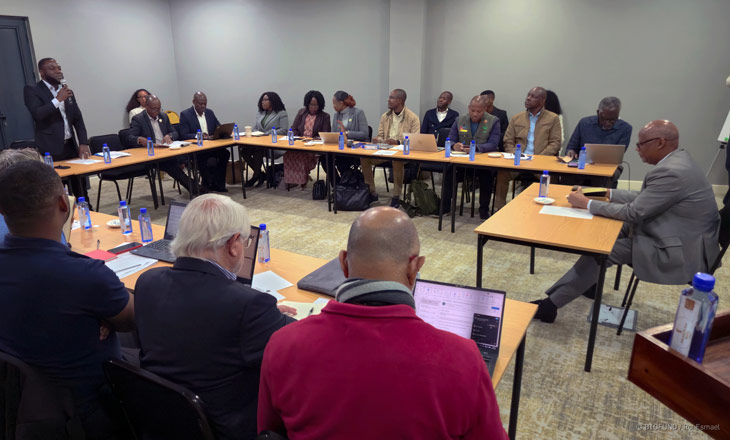
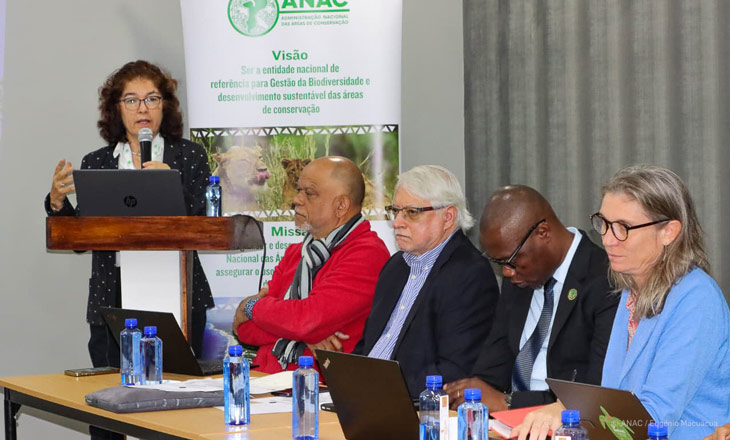
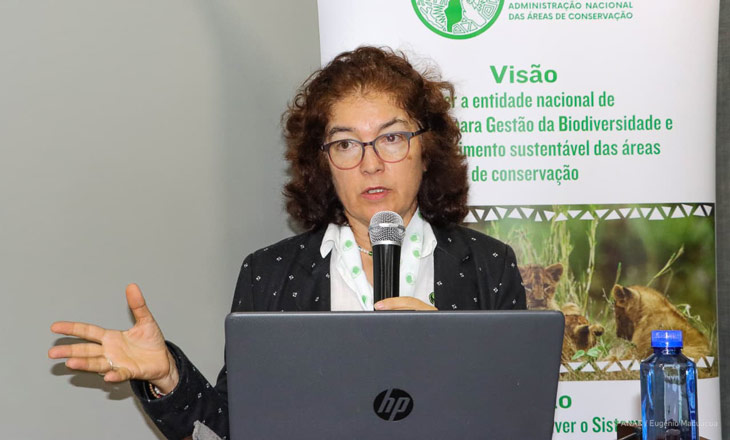
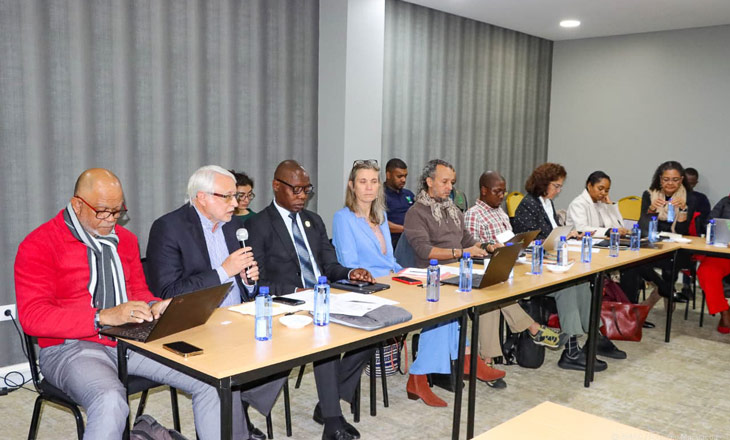
Representatives of the Government, the National Administration of Conservation Areas (ANAC), cooperation partners, conservation organisations and other sector stakeholders met in Maputo to assess the main challenges facing conservation areas and discuss the outlook for 2027. Chaired by the Secretary of State for Land and Environment at the Ministry of Agriculture, Environment and Fisheries, Gustavo Sobrinho Djedje, with the support of ANAC Director-General Pejul Calanga and ANAC Deputy Director-General Joaquim Fernando, the meeting highlighted the need to strengthen institutional coordination and long-term financing mechanisms for conservation.
The discussions showed that the sustainability of conservation in Mozambique increasingly depends on the ability to bring together institutions, financial resources, the private sector and communities, at a time when several externally funded projects are approaching their end.
BIOFUND participated in the meeting, where it presented its investment portfolio and highlighted the role of environmental funds in mobilising and channelling resources to conservation areas.
A forum focused on solutions
One of the main topics of the meeting was the role of the Conservation Group itself, whose revitalisation was considered important for improving information exchange and coordination among the various stakeholders in the sector.
Participants called for greater clarity regarding the Group’s functioning, composition, meeting frequency and mechanisms for following up on recommendations.
In his intervention, Pejul Calanga, Director-General of ANAC, stressed that the Group should move beyond an approach focused solely on accountability and become a more active space for discussion and the joint development of solutions.
“We believe that this forum is much more than that. It is precisely a space for sharing, but also for discussing issues brought forward by other members of the Conservation Group.”
The expectation was summed up in a direct message:
“More than receiving questions, we want to receive proposals.”
Financial sustainability becomes a priority
Among the priorities presented for 2027, financial sustainability emerged as one of the sector’s main challenges.
The alternatives discussed included diversifying revenue sources, operationalising tourism concessions, reviewing fees, expanding collaborative management partnerships and mobilising private investment.
In this context, BIOFUND presented how its Endowment works: a capital fund invested for the long term, in which the principal is preserved and the returns are used to support conservation.
“We have two main sources of funding. One is our Endowment, which is a capital fund invested for the long term. The capital is not used or touched; we only use the annual returns generated by that capital, which we channel every year to conservation areas,” emphasised Alexandra Jorge, BIOFUND’s Director of Programmes.
This model makes it possible to finance certain needs beyond the implementation period of individual projects, providing a more continuous source of funding.
Strengthening BIOFUND to strengthen the system
The discussion became particularly relevant in light of the declining availability of external funding.
Over the past few years, various projects channelled or managed through BIOFUND have directly supported conservation areas and also contributed to ANAC activities. As several of these projects come to an end or are scaled down, gaps may emerge in areas that were previously supported through these resources.
“Many of these projects, over the past few years, provided significant direct support to ANAC. Much of this support has stopped, or is stopping abruptly,” highlighted Alexandra Jorge.
This situation reinforces the importance of consolidating national financing mechanisms capable of complementing time-bound projects, mobilising new partners and responding to the sector’s priority needs.
ANAC’s presentation also showcased a portfolio that combines community conservation, climate resilience, sustainable production, ecosystem protection and the reduction of pressure on natural resources through initiatives such as Transform, GBFF, MozRural, FCDO and NaturAfrica.
Communities and results at the centre
The outlook for 2027 also highlighted the need to increase the benefits of conservation for communities living within and around protected areas, through value chains, community enterprises and other income-generating activities.
The meeting ended with a call for the Conservation Group to move from discussion to implementation. Among the proposals was the development of a recommendation-tracking matrix, which would make it possible to assess, at subsequent meetings, the actions undertaken and the results achieved.
The message running through the discussions was clear: more resilient conservation requires institutions that work in a coordinated manner, but also financial mechanisms capable of ensuring continuity beyond project cycles.
BIOFUND participates in the 16th CAFÉ General Assembly in Bissau and launches a mentoring programme for emerging Environmental Funds
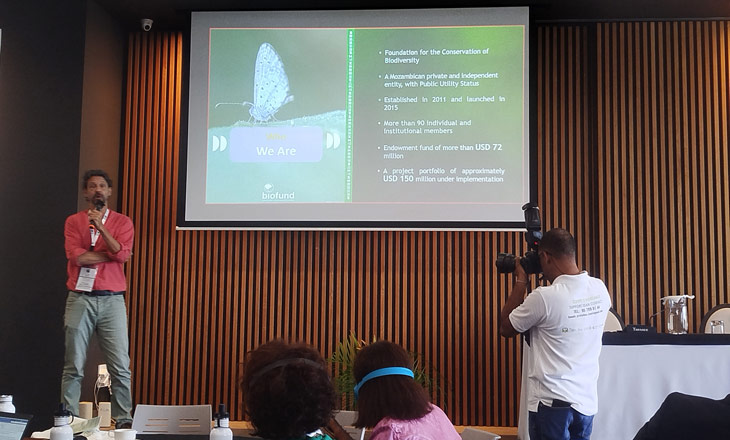
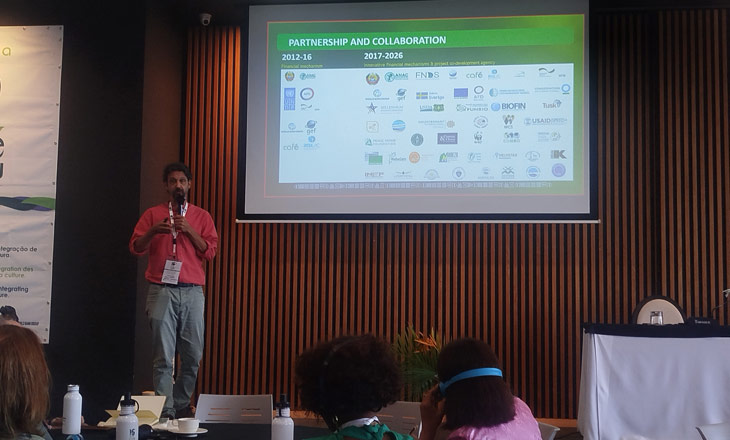
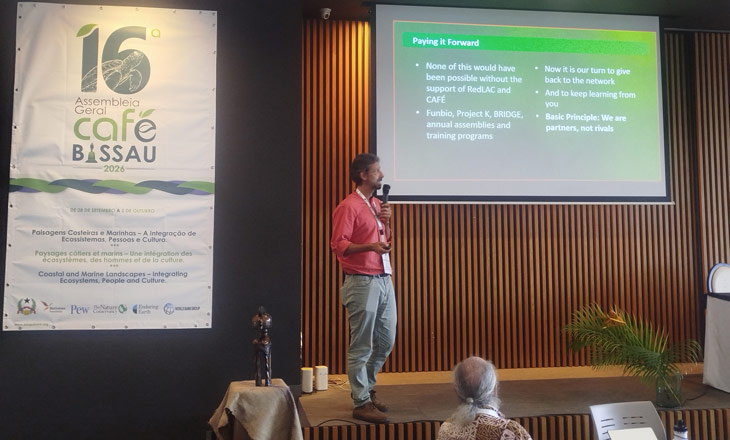
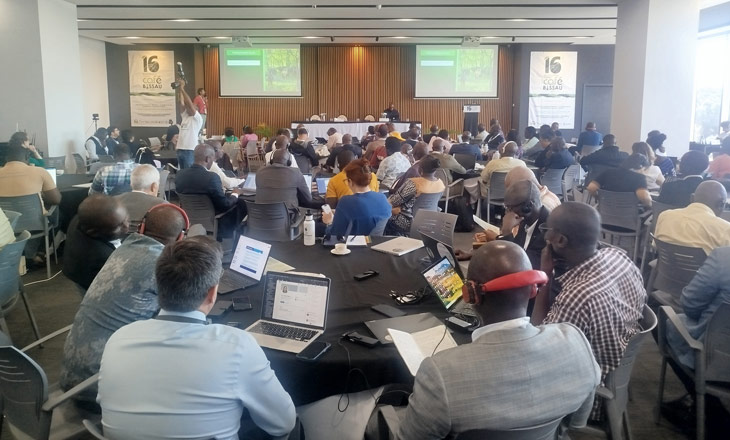
The Foundation for the Conservation of Biodiversity (BIOFUND) is participating in the 16th General Assembly of the African Consortium of Environmental Funds (CAFÉ), taking place from 28 September to 2 October in Bissau, Guinea-Bissau. The event brings together African Environmental Funds, government representatives, donors and other conservation partners.
The General Assembly provides a platform for dialogue, learning and experience-sharing on approaches to securing stable, predictable and sustainable resources for biodiversity conservation in Africa. It comes at a time when African countries are seeking to improve their ability to mobilize, manage and deploy resources for conservation.
During the opening ceremony, Guinea-Bissau’s Minister of Environment and Climate Action, Carlos Pinto Pereira, highlighted the need for a new approach to conservation funding, calling for greater leadership by African countries in the planning, design and management of conservation projects and funds. In his opening remarks, CAFÉ President Théophile Zognou similarly emphasized that Africa should not be viewed merely as a beneficiary of external support, but also as a partner, innovator and leader in shaping the future of sustainable conservation.
The opening session also highlighted the role of Environmental Funds in establishing accessible, predictable and sustainable financial mechanisms. CAFÉ currently brings together 21 Environmental Funds, with five additional funds expected to join by the end of the current General Assembly.
Another issue highlighted during the opening was the need to recognize communities as rights holders over natural resources, rather than merely as beneficiaries of conservation projects.
A co-founding member of CAFÉ since 2011, BIOFUND is represented by its Director of Innovative Finance, Sean Nazerali, and its Monitoring and Evaluation Manager, Ernesto Chaúque. Mozambique is also represented by the Blue Economy Development Fund (ProAzul), whose Chairman of the Board, Osvaldo Pitersburgo, is participating in the meeting accompanied by Ivan Amade. ProAzul is a candidate fund for membership of the CAFÉ community, as part of the ongoing General Assembly.
Mentoring to support emerging Environmental Funds
On the second day of the conference, BIOFUND’s Director of Innovative Finance, Sean Nazerali, presented the mentoring programme for Environmental Funds, drawing on the Foundation’s experience accumulated over the past 15 years.
The programme provides specialised technical assistance to emerging Environmental Funds through support packages tailored to the specific needs of each fund. Through this initiative, BIOFUND aims to share the knowledge and experience accumulated over its 15 years of work, helping other Environmental Funds across the continent develop the systems, expertise and mechanisms needed to mobilize and manage resources sustainably.
The initiative also highlights the value of peer learning and knowledge-sharing in helping emerging Environmental Funds strengthen their institutional structures, processes and financial mechanisms.
Sustainable approaches to conservation
Throughout the General Assembly, participants are discussing sustainable resource mobilization, financial innovation, biodiversity conservation, partnerships and cooperation, with particular attention to coastal and marine ecosystems and the role of communities in managing and conserving natural resources.
The discussions also seek to deepen collaboration among African Environmental Funds and identify practical approaches to securing long-term resources for conservation. Particular attention is being given to diversifying funding sources and developing stronger institutional systems across the continent.
Mozambique’s participation in the forum also includes a delegation from the Blue Economy Development Fund (ProAzul), further strengthening the country’s presence in continental discussions on innovative resource mobilization, biodiversity conservation and the sustainable development of natural resources.
Through its participation in the 16th CAFÉ General Assembly, BIOFUND reaffirms its commitment to knowledge-sharing, collaboration among African Environmental Funds and the development of innovative approaches that can help secure a sustainable future for biodiversity conservation across the continent.
PROMOVE Biodiversity leaves a legacy of results, strengthened capacities and opportunities for conservation in Mozambique
-
© BIOFUND / Rui Esmael
-
© BIOFUND / Natercia Parruque
-
© BIOFUND / Natercia Parruque
-
© BIOFUND / Natercia Parruque
-
© BIOFUND / Natercia Parruque
-
© BIOFUND / Rui Esmael
-
© BIOFUND / Rui Esmael
-
© BIOFUND / Rui Esmael
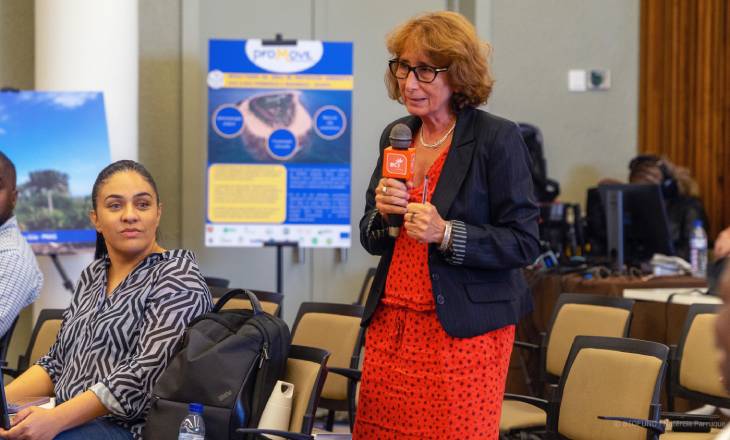
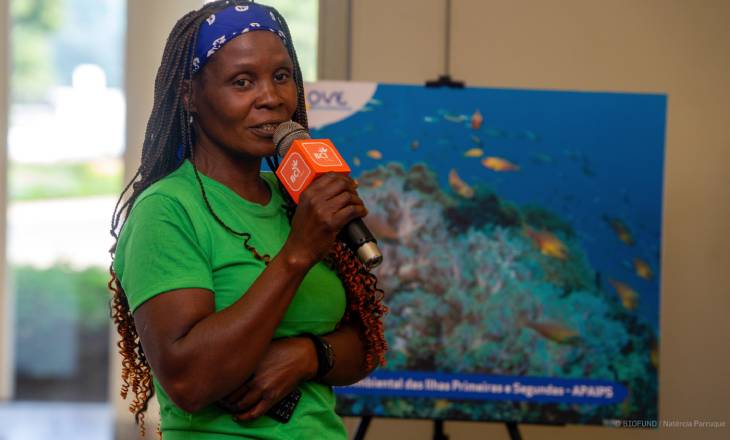
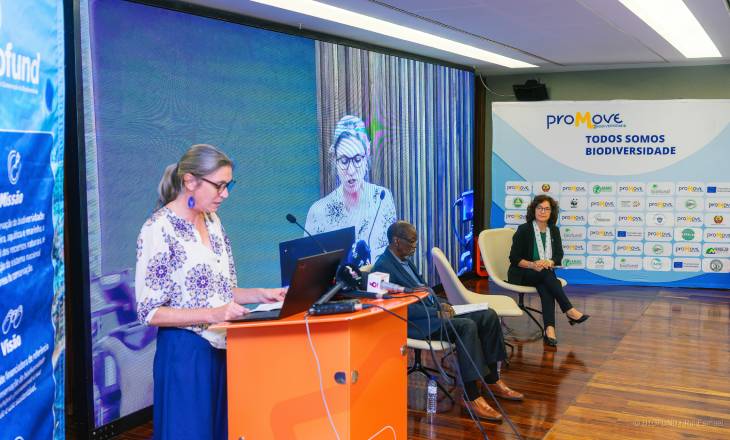
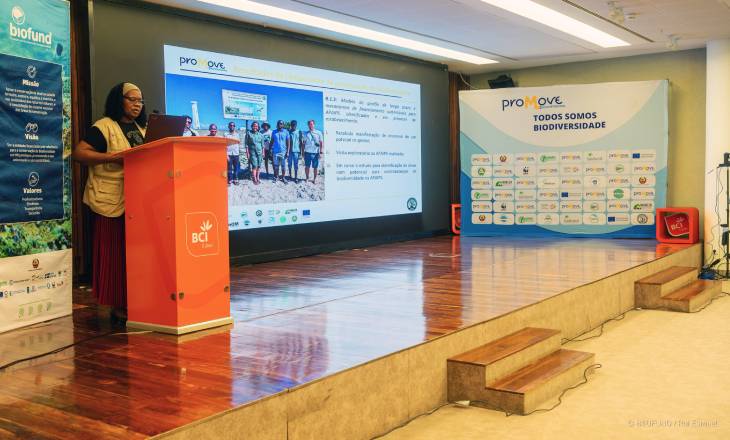
From strengthening the management of conservation areas to the experiences of communities in Mabu, Gilé and the Primeiras and Segundas Islands, the seminar highlighted what has changed, what has been learned and what needs to continue.
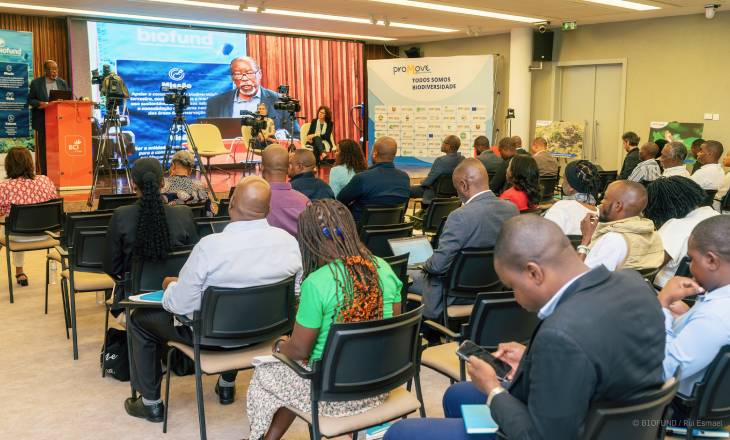
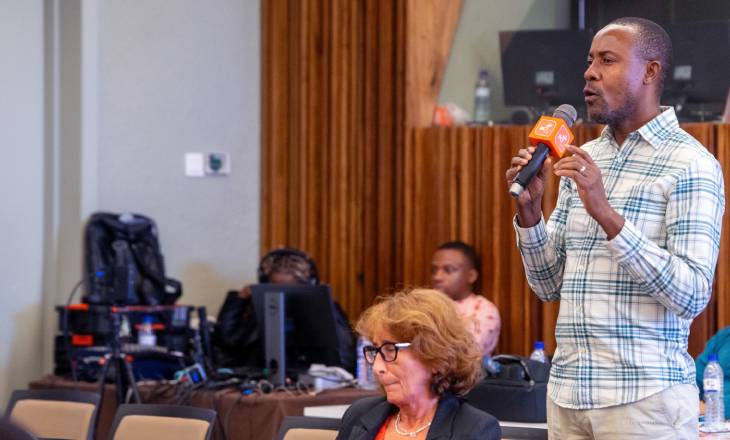
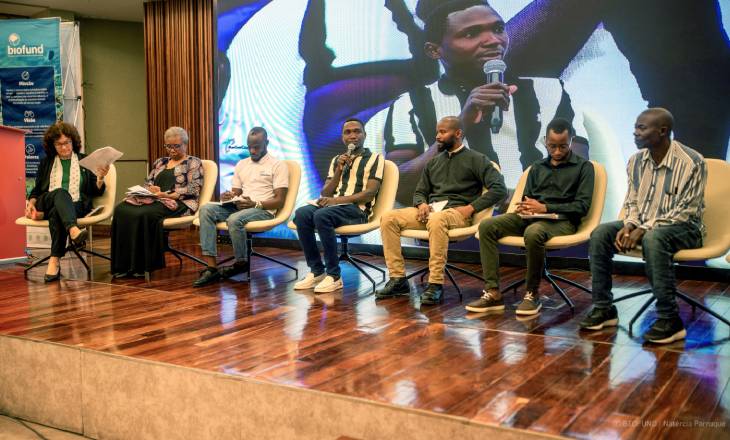
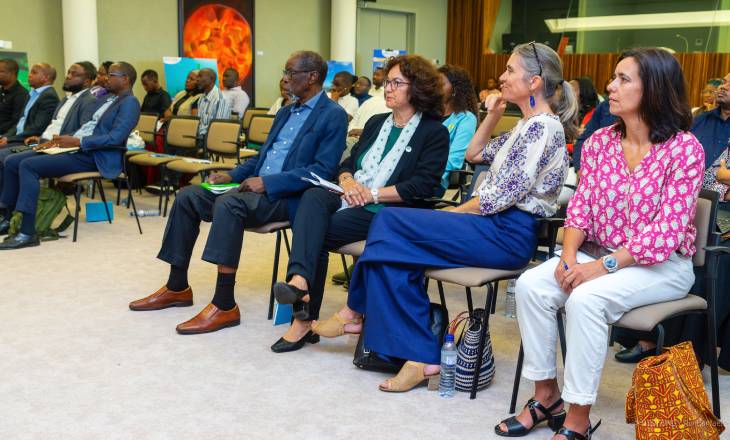
The results, impacts and key lessons of the PROMOVE Biodiversity Programme were presented on Tuesday, 15 September 2026, at the BCI Auditorium in Maputo, during a seminar that brought together representatives of the Government, the European Union, conservation institutions, communities, partners, the private sector and academia. More than taking stock of the programme, the event sought to address a central question: what remains after the programme ends, and how can the results achieved be transformed into lasting processes?
Implemented between 2019 and 2026, with funding from the European Union and managed by the Foundation for the Conservation of Biodiversity (BIOFUND) and the National Administration for Conservation Areas (ANAC), PROMOVE Biodiversity was implemented in the Primeiras and Segundas Environmental Protection Area (APAIPS), Gilé National Park (PNAG) and Mount Mabu, with interventions spanning the provinces of Nampula and Zambézia provinces. The programme combined biodiversity conservation, community development, institutional strengthening and applied research.
The figures help illustrate the scale of the work, but it was the experiences shared during the seminar that gave a human dimension to the results. Hortência Manuel, Vice-President of CONSERVAMABU, described how training in conservation agriculture has translated into skills that can now be shared within the community: “I learned a lot, to the point that I can also train other members of my community”.
At the opening of the seminar, Anne-Ael Pohu, representative of the European Union, highlighted one of the programme’s key lessons: “Conservation and local development need to go hand in hand.” BIOFUND Executive Director Luís Bernardo Honwana highlighted the programme’s broader legacy: “More than numbers, these results represent strengthened capacities, knowledge generated, structures established and communities engaged.”
Results that strengthen conservation and community development
Throughout the seminar, progress in the management and conservation of the three landscapes was presented. In PNAG, key achievements included the translocation of 200 buffalo, the technical validation of a ten-year management plan, and strengthened law enforcement and ecological monitoring. In APAIPS, the programme supported the strengthening of enforcement capacity, infrastructure and operational resources. On Mount Mabu, its designation as a Community Conservation Area created an institutional foundation for linking biodiversity protection with community-led management. Across the interventions, more than 5,200 people were trained in production technologies and sustainable livelihoods.
In Mabu, the new Community Conservation Area is the result of a process of community mobilization, facilitator training and local organization. Diomendes Baptista, President of CONSERVAMABU, summed up the significance of this milestone: “Today, we have our area officially declared and protected”.
The designation, however, does not mark the end of the process. Alima Taju, from WWF, stressed the need to strengthen CONSERVAMABU and ensure that it has the capacity to manage the area effectively: “Our work did not end with the creation of this area; it has only just begun.” Sustaining these gains will depend on capable community institutions, technical and financial support, and stable links to markets.
On the coast, fish processing and preservation also matter
In APAIPS, strengthened management included enforcement, equipment and infrastructure. According to Administrator Ricardina Matusse, 49 rangers, including 12 community agents, were trained and equipped. The expansion of the office and the acquisition of a boat were also presented as part of efforts to strengthen the area’s operational capacity.
Community engagement was at the heart of these interventions. “We cannot do conservation without involving communities,” said Ricardina Matusse. In fishing communities, the programme supported fish processing and preservation through salting tanks, cold-storage equipment and the rehabilitation of a first-sale fish market in Moma.
In Gilé, wildlife recovery goes hand in hand with community engagement
In PNAG, ecological recovery and strengthened management were presented alongside community-based initiatives. In addition to the translocation of 200 buffalo, Administrator João Juvêncio Muxanga highlighted the SCâmbio programme, through which community members hand over hunting equipment in exchange for agricultural inputs, creating a concrete alternative to pressure on wildlife.
For the Nokalano Association, simple infrastructure can make a significant difference to how an organization works. “We used to meet outside the office, under a mango tree, in the shade, and whenever it rained, we could not hold our meetings,” said its President, Tomás Domingos Coraz. The headquarters was still under construction at the time of the seminar, but it is expected to provide better conditions for meetings and activity monitoring.
These experiences reinforced one of the initiative’s cross-cutting themes: creating sustainable livelihoods is not enough without technical assistance, producer organization, access to financing, markets and information. The seminar highlighted the need to better measure how much the supported activities contribute to household incomes and to plan, from the outset, how support can be maintained after funding ends.
Science helps guide the next steps
Applied research was another central component of PROMOVE Biodiversity. In the opening presentation, 22 species new to science and 17 perennial watercourses were reported on Mount Mabu. In APAIPS, studies on mangroves and seagrasses, as well as research on Marine Community Conservation Areas, generated information to guide management, although some findings remain preliminary and require further monitoring.
In Gilé, Semo Mogeia, from UniLúrio, presented findings on the relationship between herbivores, vegetation and fire. Natasha Ribeiro, from Eduardo Mondlane University, linked the discussion to fire risk and the influence of temperature and rainfall. “Monitoring is important precisely so that we can understand how to deal with this uncertainty,” she stressed. The next step is to ensure that the knowledge generated informs management decisions and is shared with those who live and work in these landscapes.
From results to legacy: markets, financing and continuity
Market linkages were central to the discussion. Heinrich, representing Agrimel, presented the company’s experience in purchasing and processing honey from Mabu: “We have created a brand that identifies the honey as originating from Mabu”.
The seminar continued with the reflection initiated during the 5th and final session of the National Oversight Committee, held on 14 September, which assessed results, challenges and prospects for sustainability. On that occasion, ANAC reaffirmed its commitment to capitalizing on the programme’s legacy and integrating its results into national conservation processes, as a basis for new partnerships and the mobilization of funding.
At the closing of the seminar, Alexandra Jorge, BIOFUND’s Director of Programmes, highlighted the need for stronger coordination among institutions and people: “We need to capitalize on what has been built and learned, working in an integrated way across Ministries, institutions and people, and we need to communicate more and more.”
As PROMOVE Biodiversity reaches the end of its implementation period, the challenge is to preserve and build on what has been achieved: local capacities, community institutions, scientific knowledge, infrastructure, relationships with the private sector and financing mechanisms. This continuity will be essential to turning the results presented at the seminar into lasting benefits for communities and for Mozambique’s biodiversity, while creating the conditions for the knowledge Hortência is already sharing within her community to continue to grow.
Find out more about the results of PROMOVE Biodiversity HERE!
BIOFUND and the United Kingdom sign agreement to strengthen community conservation in Mozambique
-
© BIOFUND / Rui Esmael
-
© BIOFUND / Rui Esmael
-
© BIOFUND / Rui Esmael
-
© BIOFUND / Rui Esmael
-
© BIOFUND / Rui Esmael
-
© BIOFUND / Rui Esmael
-
© BIOFUND / Rui Esmael
-
© BIOFUND / Rui Esmael
-
© BIOFUND / Rui Esmael
-
© BIOFUND / Rui Esmael
CCIP will support community management, livelihoods and the training of conservation professionals across four priority landscapes during 2026–2028.
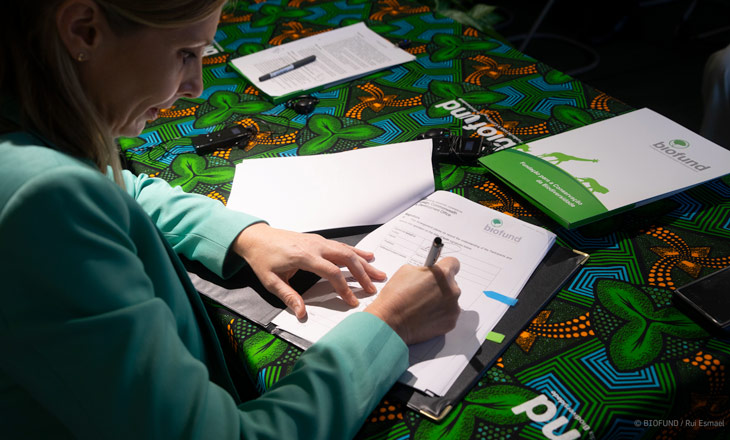
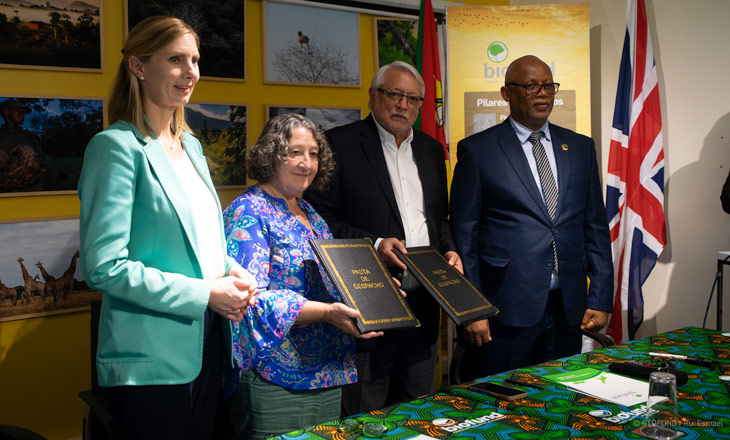
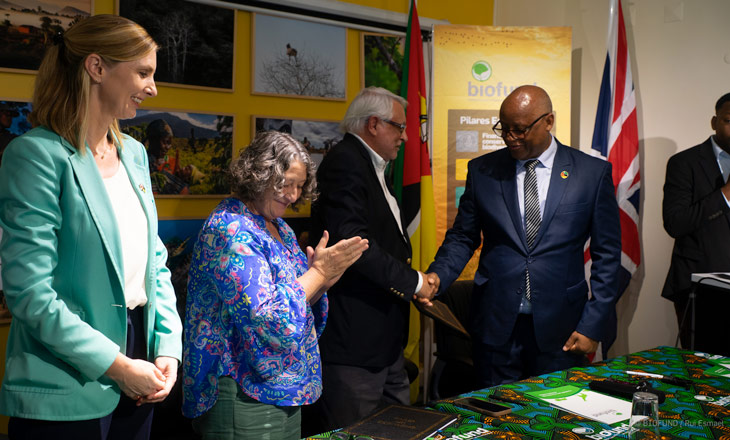
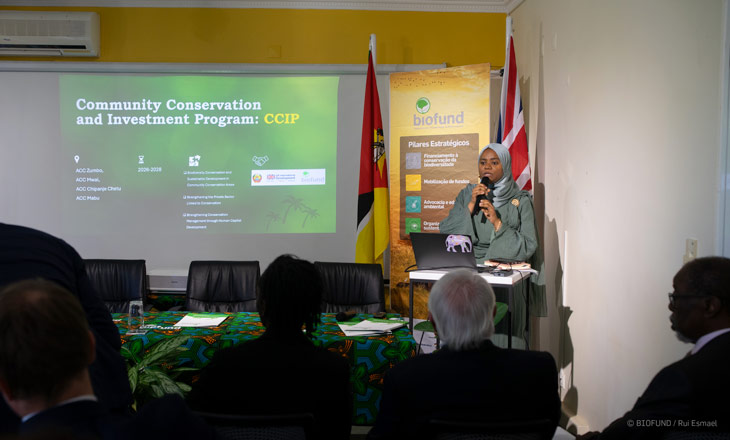
The Foundation for the Conservation of Biodiversity (BIOFUND) and the UK Government, through the Foreign, Commonwealth & Development Office (FCDO), signed a grant agreement on 14 September 2026 in Maputo as part of the launch of the Community Conservation and Investment Programme (CCIP). The partnership aims to strengthen biodiversity conservation and create economic opportunities for communities that depend on natural resources.
Coordinated by BIOFUND in partnership with the National Administration for Conservation Areas (ANAC) and national, local and community organisations, the programme covers Chipanje Chetu in Niassa, Mount Mabu in Zambézia, Zumbo in Tete and Mwai in Maputo Province.
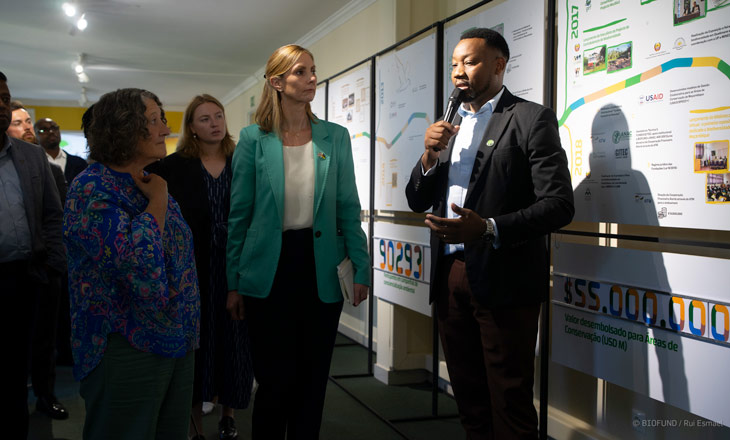
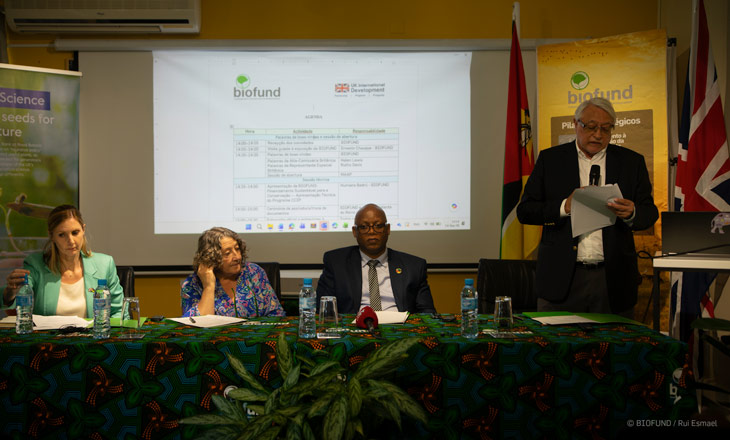
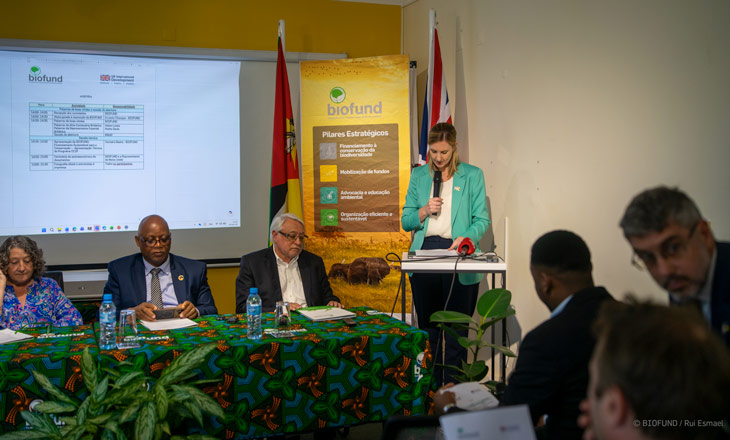
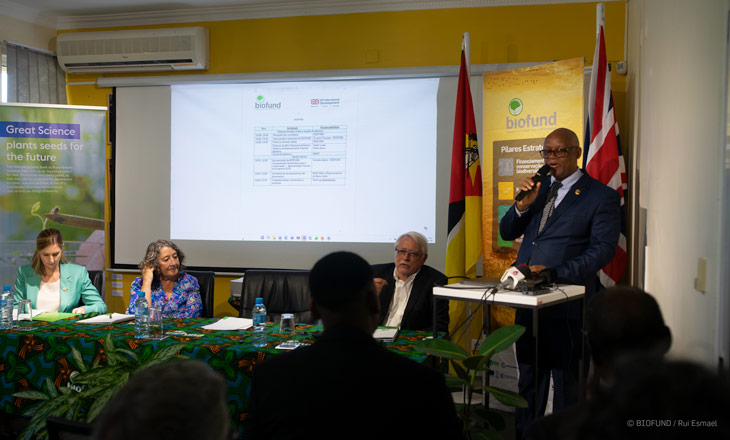
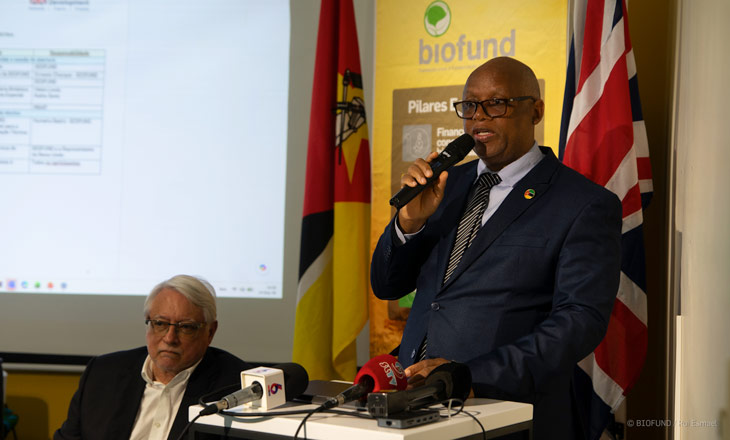
The ceremony took place in BIOFUND’s exhibition room, with the participation of the Secretary of State for Land and Environment, Gustavo Sobrinho Djedje, the British High Commissioner to Mozambique, Helen Lewis, and the UK Special Representative for Nature, Ruth Davis, Vice-Chair of BIOFUND’s Board of Directors, Adamo Valy, alongside community representatives and conservation partners.
Benefits for communities
CCIP plans to support activities such as sustainable agriculture, beekeeping and nature-tourism opportunities, according to the conditions in each landscape. The programme will also strengthen community organisations, financial management and accountability, increasing local capacity to make decisions about conservation resources and benefits.
Preventing human–wildlife conflict is another priority, with monitoring, early-warning and agricultural protection measures tailored to each context. Training for conservation professionals and young people will be supported through the Mozambique Conservation Leadership Programme (PLCM).
In his opening remarks, the Vice-Chair of BIOFUND’s Board of Directors said that “conservation only endures when communities living side by side with wildlife feel in practice that they are the true owners of this heritage”. The Secretary of State for Land and Environment reinforced the same direction: “The Government’s main concern is to ensure that all investments translate into and are reflected in real benefits for communities.”
Nature and climate resilience
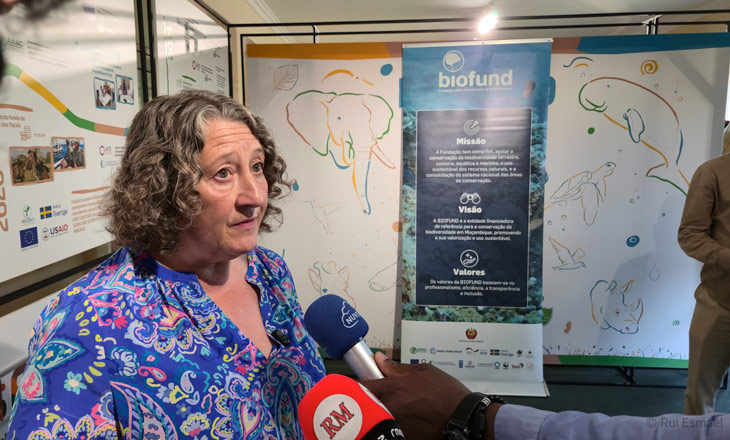
Ruth Davis highlighted the human dimension of the partnership and, speaking to the press, identified as one priority the need to “train the next generation of young people to become conservationists”. On the impacts of climate change, she stressed that “it is very important that we continue with partnerships that build resilience”, also referring to the importance of early-warning systems and adaptation measures.
Helen Lewis presented the partnership as an expression of a shared vision of nature’s role in livelihoods, resilience and sustainable economic growth. In her remarks, she summed up this perspective by saying that “nature is not only something that should be protected”.
Continuity and capacity for the future
The programme builds on previous investments by BIOFUND and its partners: PROMOVE Biodiversidade at Mount Mabu; MozNorte in Chipanje Chetu; MozRural in Zumbo; and support from the Swedish-funded Biodiversity Conservation Programme in Mwai. The aim is to consolidate results, extend their reach and strengthen the capacity of community institutions.
CCIP’s vision brings together community conservation, human capital development and, as a future possibility, impact investment and a contribution to BIOFUND’s endowment fund. This latter component is not included in the initial agreement signed and remains subject to specific FCDO approval.
Through this partnership, BIOFUND and the United Kingdom seek to strengthen community institutions and economic activities that can continue to generate benefits for people and biodiversity beyond the funding period.
Mount Mabu gains community conservation status to protect unique species and strengthen livelihoods
-
© BIOFUND / Rui Esmael
-
© BIOFUND / Rui Esmael
-
© BIOFUND / Rui Esmael
-
© BIOFUND / Rui Esmael
-
© BIOFUND / Rui Esmael
-
© BIOFUND / Rui Esmael
-
© BIOFUND / Rui Esmael
PROMOVE Biodiversidade, funded by the European Union, supports the process that led to the area’s recognition and stronger community organisation.
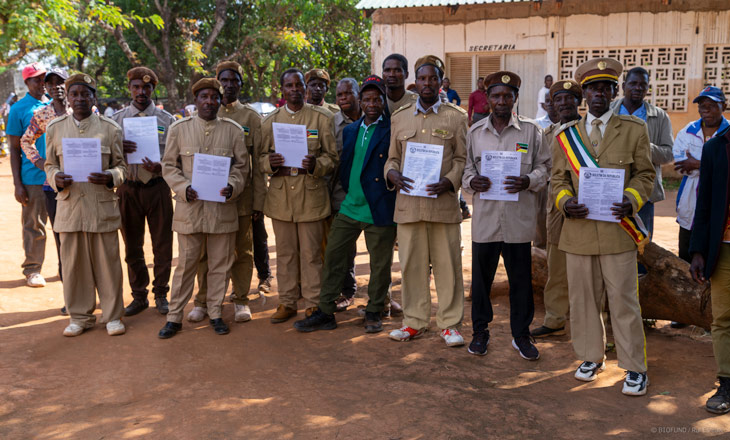
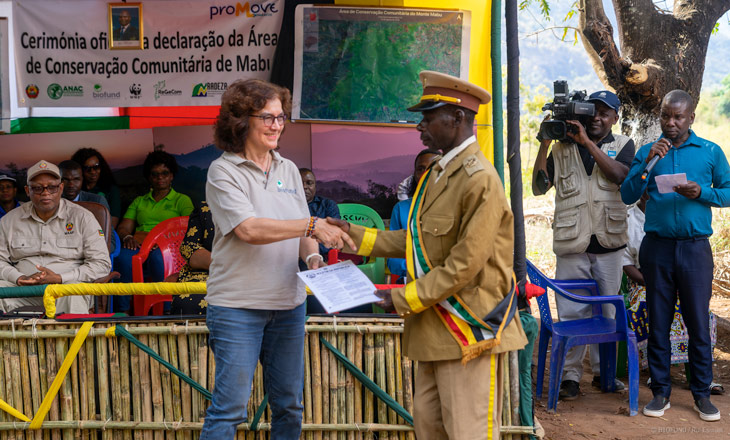
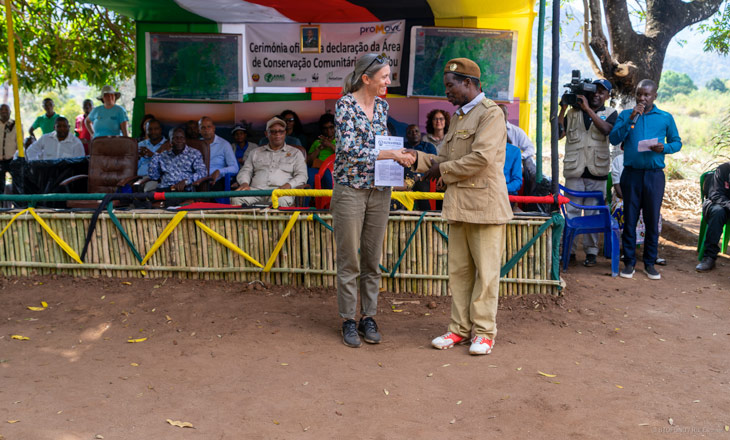
A forest that shelters unique species, feeds springs and sustains community life now has formal conservation status. The celebration of Mount Mabu’s designation as a Community Conservation Area brought together communities, the Government and partners around a shared responsibility: to protect this heritage and turn its natural value into opportunities for local development.
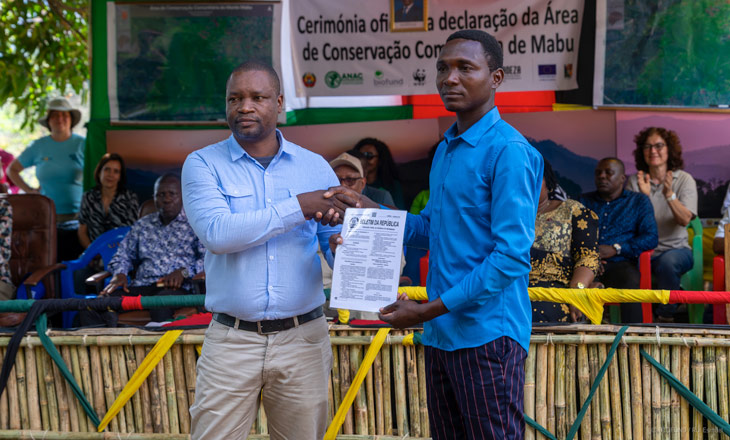
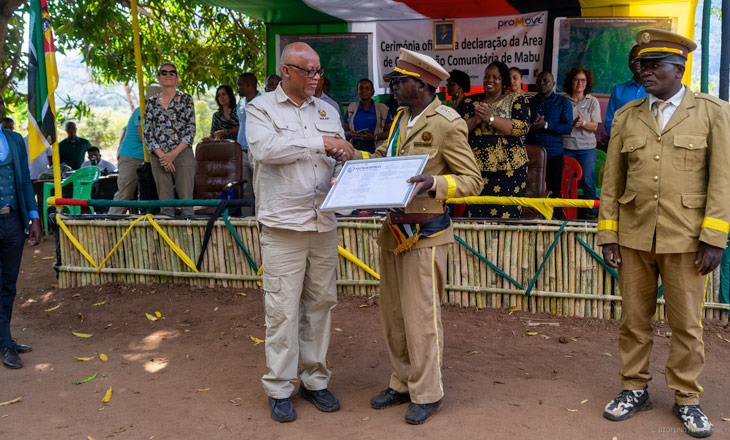
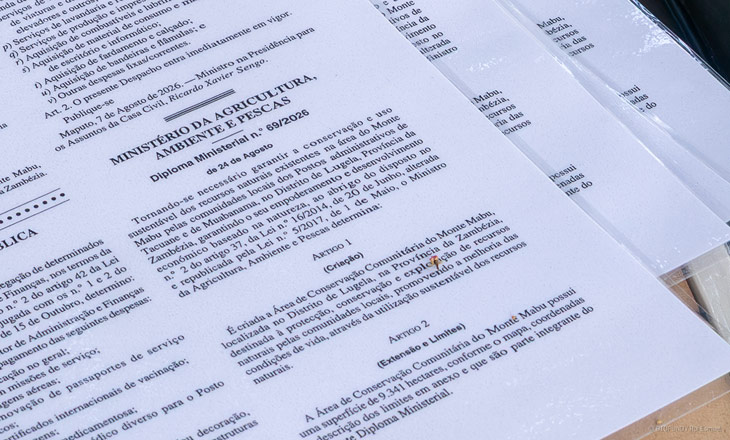
Established by Ministerial Diploma No. 69/2026, published on 24 August, the Mount Mabu Community Conservation Area covers 9,341 hectares. The ceremony that took place on the 11th of September 2026, in Lugela – Zambézia, marks the presentation to communities of a status already approved by the Government of Mozambique, recognising the importance of community participation in protecting and sustainably using natural resources.
In his remarks, the Secretary of State for Land and Environment at the Ministry of Agriculture, Environment and Fisheries highlighted the participatory management approach underpinning this conservation category: “Our State manages these conservation areas in a participatory manner, establishing appropriate mechanisms for the participation of public and community entities to ensure the preservation, conservation and restoration of landscapes.” He also stressed the importance of “conserving this very important landscape, where we also find a sacred forest and a place of great historical significance.”
A result of PROMOVE Biodiversidade
Formal recognition of the area is one of the main expected results of PROMOVE Biodiversidade’s work in Mabu. Funded by the European Union, the programme supported the work that connected scientific knowledge with community organisation and preparation of the legal recognition process. Studies, consultations, boundary demarcation and capacity development for local structures helped create the conditions for this achievement.
When work began in Mabu, the landscape did not yet have formal conservation-area status. Alexandra Jorge recalled this point to illustrate the scale of the journey and the need to proceed carefully: conservation and development opportunities should respond to community priorities rather than be imposed from outside.
BIOFUND manages the programme’s biodiversity conservation, community development and applied research components, working with the National Administration of Conservation Areas (ANAC), which is responsible for the institutional support component. On the ground, the consortium led by WWF, with ReGeCom and RADEZA, worked with communities and authorities at local, district, provincial and national levels.
Speaking on behalf of the WWF–RADEZA–ReGeCom consortium, its representative emphasised the decisive role of communities in conserving the landscape: “This achievement was not only the result of the efforts of those involved, but above all of the communities that have kept Mount Mabu as we find it today, ensuring through their local knowledge, traditions and way of managing the area that it has been maintained.”
Community organisation is central to this process. The creation of 11 community committees contributed to the establishment of the Community Association for the Conservation of Mount Mabu, CONSERVAMABU. The association gives communities their own structure through which to represent their interests and participate in managing the landscape.
European Union representative Anne-Aël Pohu, Team Leader for Resilience and Climate Change, addressed the communities with a message of recognition: “Because this achievement is yours.” In her remarks, she added: “The European Union feels deeply honoured to have been able to accompany and support this process.”
A forest of global importance
The Secretary of State also drew attention to the landscape’s ecological value: “This mountain, known as the Sky Island, has very important ecological indicators.”
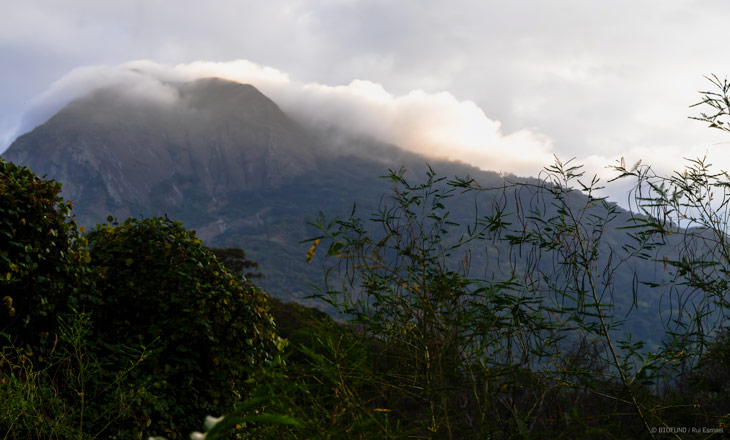
Rising to around 1,700 metres, Mount Mabu shelters one of southern Africa’s most important medium-altitude moist forests and is recognised as a Key Biodiversity Area. Its species include the Mount Mabu pygmy chameleon, Rhampholeon maspictus, whose known distribution is restricted to this mountain. The Mount Mabu bush viper, Atheris mabuensis, and the small gecko Lygodactylus mabu are further examples of the biodiversity that makes this landscape so distinctive.
Protecting this forest also matters in everyday life. The springs and watercourses that depend on it support households and agriculture. Keeping the forest intact helps protect soils and the water resources that sustain economic activities within and beyond the area.
From conservation to income opportunities
PROMOVE Biodiversidade’s support for livelihoods includes sustainable agriculture and beekeeping. BIOFUND has also documented the development of bean and coffee value chains in partnership with the private sector. These activities can connect conservation with families’ needs, from food production to income earned through sales. Alexandra Jorge pointed to progress in the honey value chain as an encouraging sign that some of the solutions initially discussed with communities can work.
BIOFUND’s programme director, Alexandra Jorge, highlighted the need to expand the benefits: “We need to scale up beekeeping and sustainable conservation agriculture activities to generate tangible benefits for women, men and different generations.”
Nature tourism offers another opportunity. The forest, mountain landscapes and bird diversity provide potential for hiking, wildlife observation and visits accompanied by local guides. Developing this offer could create demand for accommodation, food and community products. Realising that potential requires training, access conditions and management that respects the forest and sites of cultural importance.
Alexandra Jorge also highlighted the importance of building CONSERVAMABU’s capacity to enter into agreements, manage resources and strengthen its autonomy with technical support. She linked that future to learning opportunities: “Education is also crucial; we support two schools and hope that other initiatives will extend that support.”
The next challenge is to consolidate the gains
Anne-Aël Pohu described Mabu as perhaps the most challenging of PROMOVE Biodiversidade’s three target areas, particularly in terms of access and logistics, while stressing the landscape’s potential for conservation, natural resources, biodiversity and community engagement. She also emphasised that sustainability requires a horizon beyond a single project cycle: “A five-year programme cannot by itself achieve significant change. This will take more time and will require more investment and more engagement in the future.”
Alexandra Jorge made the same point about continuity: “These actions need much more time than the normal duration of a project — three, four, five or six years.” She explained that BIOFUND’s ability to connect different sources of financing over time can help preserve what has already been built, reduce duplication and improve efficiency between projects. She summarised the logic simply: “The sum of one plus one is more than two.”
Anne-Aël Pohu and Alexandra Jorge also highlighted the complementarity of partners. Anne-Aël Pohu referred to private-sector engagement as part of a broader network and said: “Each actor has a role to play and we cannot work in isolation.” Alexandra Jorge highlighted, among other contributions, ReGeCom’s community mobilisation, Government support and the complementary expertise of WWF and RADEZA.
Legal recognition therefore opens a new phase for Mabu rather than marking an endpoint. Consolidating the work supported by PROMOVE Biodiversidade requires continued financing, local management capacity, coordination among partners and viable economic activities. The challenge is to turn the new status and the investments already made into a durable foundation for conserving the forest and gradually extending benefits to the communities that have protected it.
Communities share lessons and perspectives at the closing of community governance and financial management training
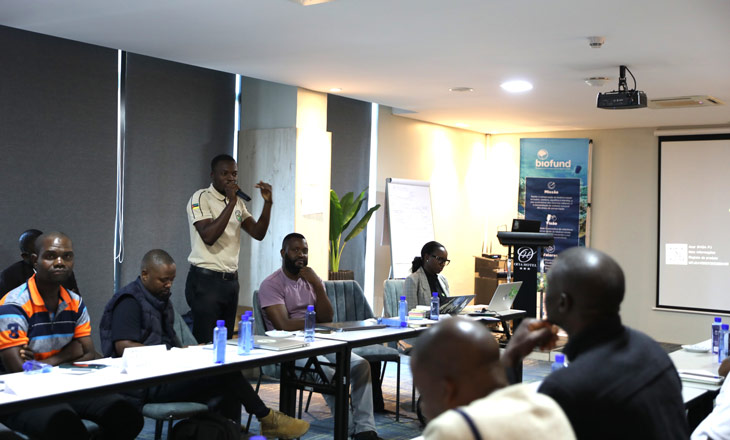
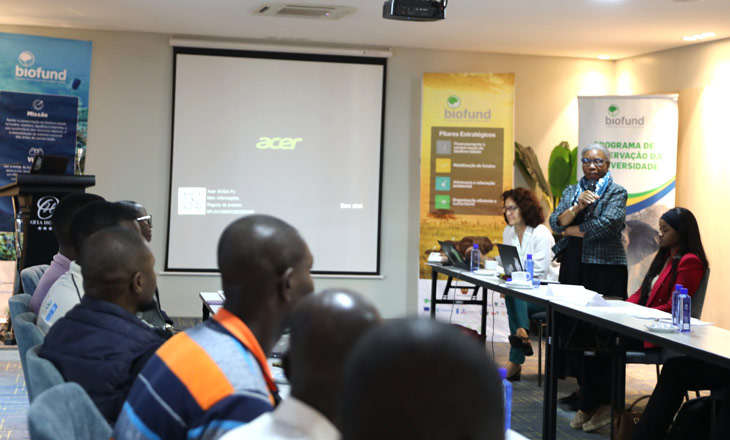
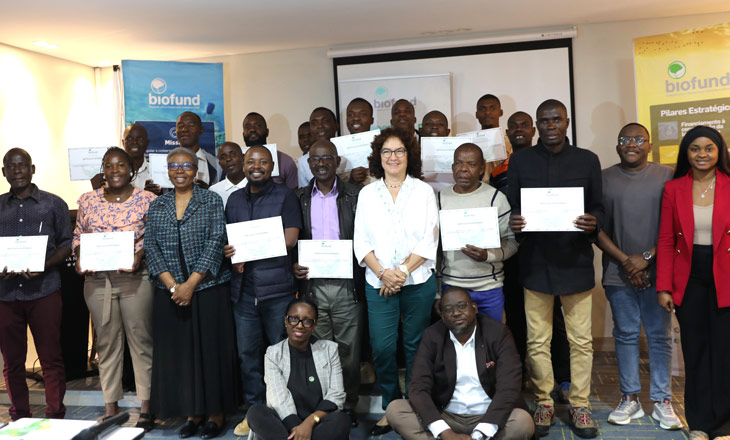
The training programme on Community Governance, Planning and Financial Management, promoted by the Foundation for the Conservation of Biodiversity (BIOFUND) in partnership with the National Administration for Conservation Areas (ANAC), and funded by the Swedish International Development Cooperation Agency (SIDA) and the European Union through the Promove Biodiversidade Programme, concluded on Friday, 28 August, with participants from four Community Conservation Areas (CCAs) reflecting on their experiences, key learnings and future plans.
Over five days, representatives from the Community Conservation Areas of Monte Mabu (Zambézia Province), Mwai (Maputo Province), Chipanje Chetu (Niassa Province), and Zumbo (Tete Province) strengthened their knowledge of community governance, planning processes, financial management, procurement procedures, budget execution and accountability. The sessions were facilitated by BIOFUND’s administration and finance team, together with community governance specialists from the Promove Biodiversidade Programme.
The closing ceremony provided an opportunity for participants to share their reflections on the training and highlight the value of exchanging experiences with peers from different regions of Mozambique.
For Mateus Carvo, representing the Monte Mabu Community Conservation Area, the programme was not only a learning opportunity but also a memorable personal experience, as it marked his first visit to Maputo.
“Travelling from Mabu to Maputo was already an incredible experience, something I never imagined. Taking part in this training was even more rewarding because we will now be able to share good practices in community governance and financial management to strengthen both our communities and the Monte Mabu Conservation Area, contributing to sustainable development.”
The benefits of cross-learning among communities were also emphasised by Assucena Tabeta from the Mwai Community Conservation Area, who noted that she intends to apply the knowledge gained on different approaches to conservation funding and resource management within her community.
“Our expectation is to generate meaningful benefits for the community through social and economic development. We highly commend BIOFUND for this initiative and hope to see more opportunities like this, particularly those that encourage exchanges between different Community Conservation Areas.”
The Chairperson of CONSERVAMABU highlighted that the training equipped Monte Mabu’s representatives with valuable new skills and practical knowledge.
“We did not expect to gain such a broad range of knowledge. This training was extremely welcome, and we greatly appreciated it. On behalf of the communities of Mabu, we are grateful and committed to taking these lessons back home to support our community’s development.”
Participants from the Zumbo Community Conservation Area described the training as an important step towards strengthening their capacity to mobilize and manage financial resources effectively.
“Accessing funding requires a clear understanding of how to manage resources responsibly. That is why this training will be a significant asset for us.”
They also expressed appreciation to BIOFUND for creating a platform that brought together communities from across the country to learn from one another.
Similarly, Mandla Tembe, representing the Mwai Community Conservation Area, described the programme as a key contribution to the growth and development of his conservation area.
“We are still a relatively small conservation area, but we have ambitious goals for growth. Without a doubt, this training provides the right foundation for that journey. We are grateful for the opportunity and for the knowledge gained, which will serve as an important catalyst for our development.”
Throughout the five-day programme, participants engaged in practical group exercises designed to apply newly acquired knowledge while encouraging the exchange of ideas, experiences and solutions related to the management of Community Conservation Areas.
The training concluded with a certificate award ceremony led by BIOFUND’s Director of Programmes, Alexandra Jorge, marking the successful completion of an initiative aimed at strengthening community capacities and promoting more transparent, accountable and participatory management of Community Conservation Areas.
Funded by the Government of Sweden through the Swedish International Development Cooperation Agency (SIDA), this initiative forms part of the ongoing commitment of BIOFUND and ANAC to empower local communities in the stewardship and protection of biodiversity, contributing to the long-term sustainability of Community Conservation Areas across Mozambique.
BIOFUND Celebrates the 8th edition of the Mozambique Conservation Leadership Programme and Launches Alumni Network
-
© BIOFUND / Michalda Massava
-
© BIOFUND / Michalda Massava
-
© BIOFUND / Michalda Massava
-
© BIOFUND / Michalda Massava
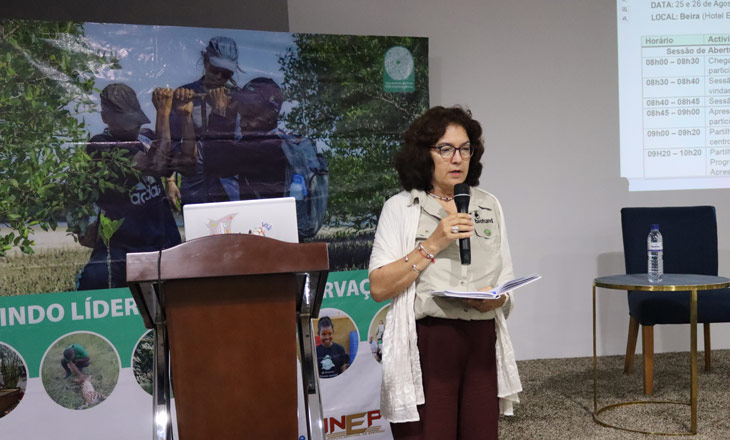
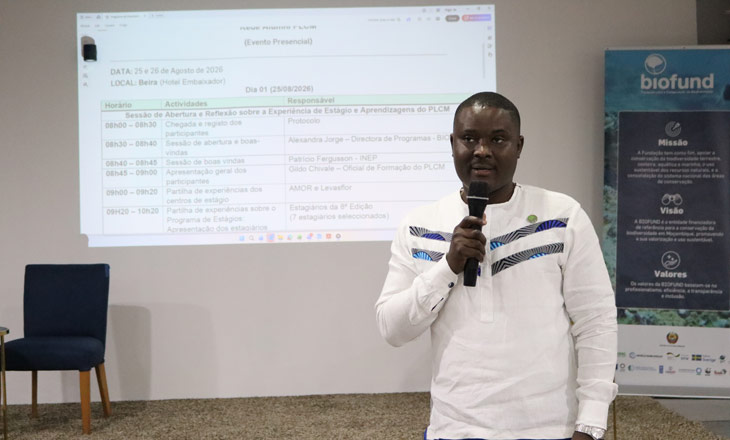
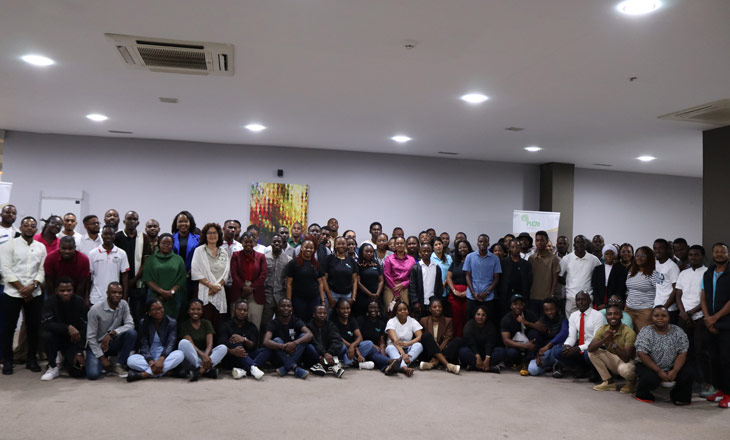
The Foundation for the Conservation of Biodiversity (BIOFUND) held the closing event of the 8th edition of the Mozambique Conservation Leadership Programme (PLCM) internship scheme in Beira on 25 and 26 August. The event brought together around 80 participants, including current interns, programme alumni, institutional partners, and representatives from host organizations such as the Mozambican Recycling Association (AMOR) and the Levas Flor Foundation.
Opening the event, BIOFUND’s Director of Programmes, Alexandra Jorge, reflected on the programmes evolution and its growing contribution to developing the next generation of conservation professionals in Mozambique. She highlighted that, over eight editions, the programme has expanded both on a scale and in the diversity of academic and professional backgrounds represented among participants. According to Alexandra Jorge, this evolution demonstrates that biodiversity conservation is a cross-cutting challenge that requires expertise from a wide range of disciplines to achieve sustainable and impactful solutions.
Young Professionals Share Learning Journeys and Career Pathways
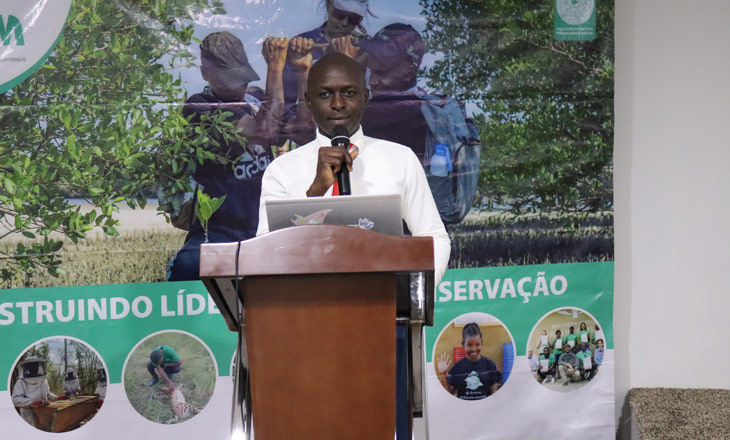
A key highlight of the event was the presentation of internship experiences by participants from the programmes 8th edition. The interns showcased the knowledge, skills, and practical experience gained while working in different organizations and fields. Their backgrounds ranged from civil engineering and accounting to biology and other disciplines, reflecting the increasingly multidisciplinary nature of the conservation sector.
Throughout the presentations, one message emerged consistently: biodiversity conservation is not solely the responsibility of biologists and ecologists. It also depends on professionals from diverse fields whose knowledge and expertise contribute to the sustainable management of conservation areas and the socio-economic development of local communities.
The programme also featured a session dedicated to career development and professional transitions, where former PLCM beneficiaries shared how their participation in the programme influenced their career trajectories and opened new professional opportunities.
“Today, I have the privilege of working in conservation and building my career as a conservation biologist. This achievement is largely the result of the learning experience and networking opportunities provided by the PLCM. The programme gave me the foundation to take my first professional steps in this field,” said Sofia Nhalungo, Field Technician at Gorongosa National Park.
From Internship Experience to Entrepreneurship
Entrepreneurship was also highlighted as an important pathway for creating employment opportunities and developing innovative solutions to environmental and social challenges. Former PLCM interns who have established their own businesses shared their experiences, demonstrating the programmes impact beyond traditional employment outcomes.
“The knowledge, skills, and professional networks developed during the internship provide valuable tools for unlocking new opportunities and encouraging greater youth participation in the conservation sector,” said Inocente Salvador, Founder of AGRO-MMICO.
During the event, the National Employment Institute (INEP), a strategic partner of BIOFUND, presented information on funding opportunities and support mechanisms available to young professionals and entrepreneurs across Mozambique, reinforcing its commitment to youth employability and economic empowerment.
Building a Community of Conservation Leaders
The event culminated in the official establishment of the PLCM Alumni Network, including the election of regional focal points and the definition of guiding principles for its operation. The network was created to strengthen connections between former and current participants, facilitate knowledge exchange, foster collaboration opportunities, and build a vibrant community of young professionals committed to biodiversity conservation in Mozambique.
Participants also learned from the experience of YCAC MOZ in youth mobilization, which served as an inspiration and reference point for the formal launch of the Alumni Network.
In her closing remarks, Alexandra Jorge encouraged participants to view their learning journeys as long-term investments in personal and professional growth. She challenged them to reflect on the positive impact they can generate within their institutions and communities by applying the knowledge, skills, and values acquired throughout the programme.
The Mozambique Conservation Leadership Programme (PLCM) is implemented by BIOFUND in partnership with the National Administration for Conservation Areas (ANAC) and the National Employment Institute (INEP), with financial support from the Swedish Government through the Swedish International Development Cooperation Agency (SIDA).
A milestone for PROMOVE Biodiversity and conservation: Government approves the establishment of the Monte Mabu Community Conservation Area
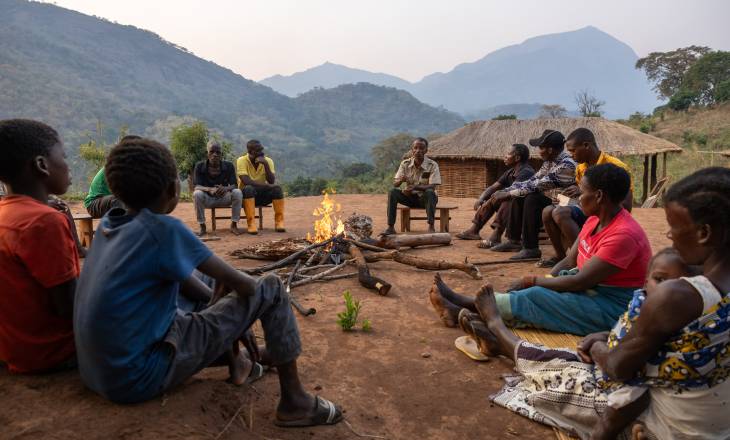
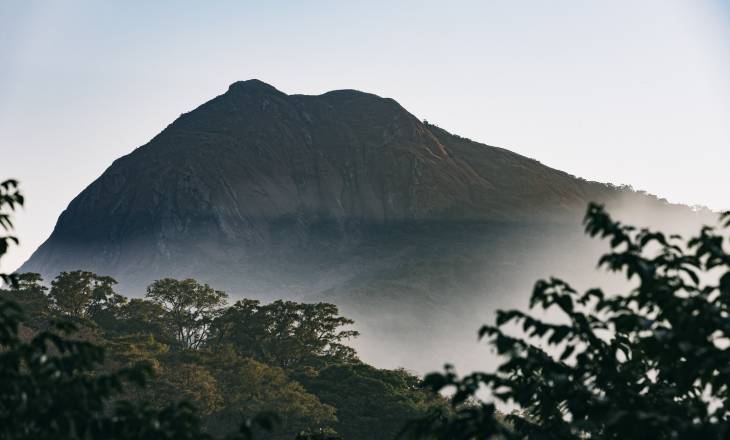
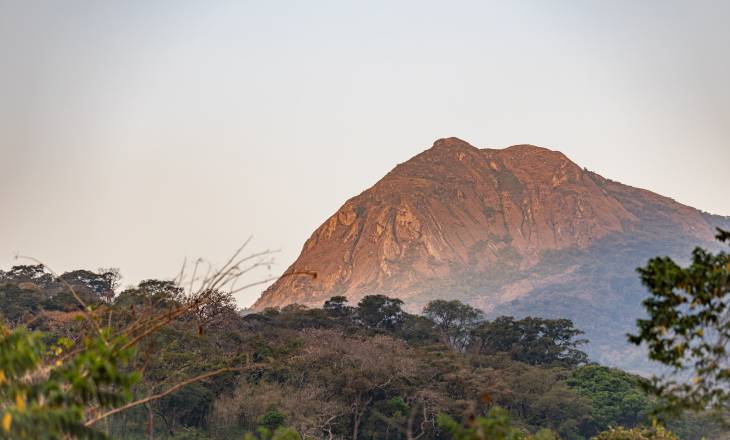
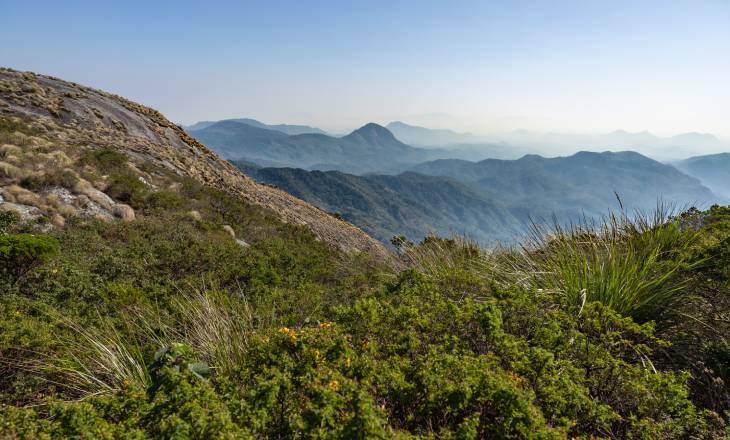
The Government of Mozambique has officially approved the establishment of the Monte Mabu Community Conservation Area through Ministerial Diploma No. 69/2026, issued by the Minister of Agriculture, Environment and Fisheries (MAAP) and published in the Boletim da República on 24 August 2026.
This approval marks a significant milestone for biodiversity conservation in Mozambique and formally recognises the role of local communities in the sustainable management of natural resources.
Located in Lugela District, Zambézia Province, Monte Mabu is a mountain rising to approximately 1,700 metres above sea level and home to an ancient tropical forest covering approximately 9,341 hectares. Recognised as a Key Biodiversity Area (KBA), Monte Mabu is renowned for its high number of endemic species and is one of the largest remaining continuous areas of mid-elevation tropical forest in Southern Africa.
The establishment of the Monte Mabu Community Conservation Area is the main expected outcome of the Monte Mabu Biodiversity Conservation and Community Development Project, implemented under the PROMOVE Biodiversity Programme, funded by the European Union and implemented by the Foundation for the Conservation of Biodiversity (BIOFUND), in coordination with the National Administration for Conservation Areas (ANAC).
To support the achievement of this and other project outcomes, BIOFUND established an agreement with the WWF-ReGeCom-RADEZA Consortium, whose partners are responsible for implementing activities on the ground. This collaboration led to the establishment of the CONSERVAMABU Association, which will lead the management of the area, focusing on biodiversity conservation and the sustainable development of local communities.
The approval of the Monte Mabu Community Conservation Area reinforces the commitment of the Government, conservation partners and local communities to protecting the country’s natural heritage and promoting sustainable community development. Watch here the video about Monte Mabu and its communities. We are all biodiversity!
Conserving for Impact: Communities in Nampula Rewarded for Restoring and Protecting Mangroves
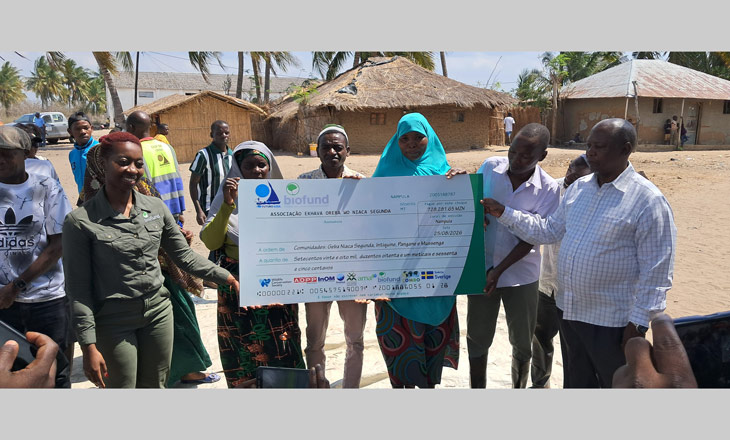
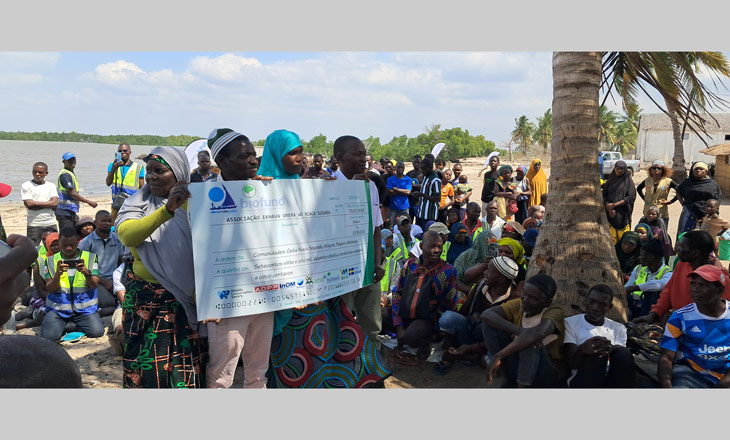
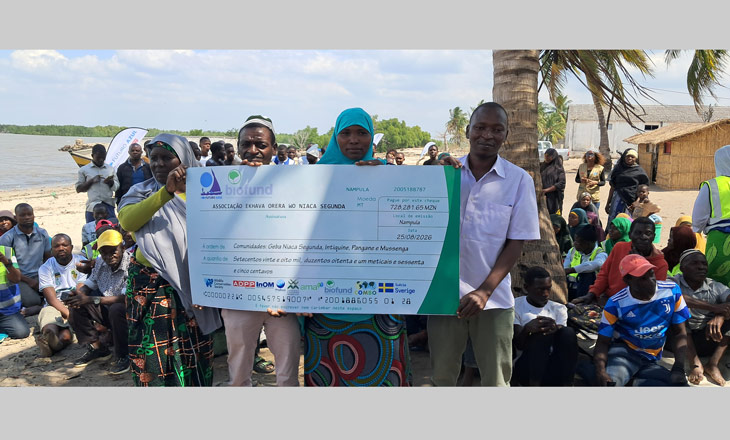
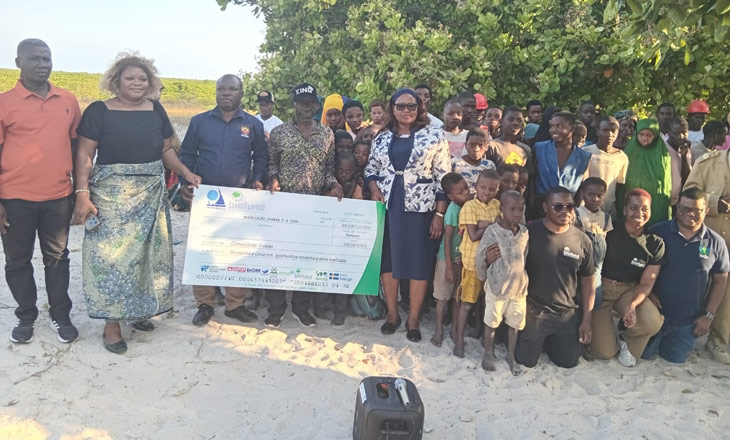
Communities in the districts of Memba, Nacala à Velha and Mossuril, in Nampula Province, have received their first financial incentives for achieving mangrove restoration and protection targets. The landmark ceremonies, held on 25 and 26 August in Memba and Mossuril, brought together more than 150 participants, including representatives of local authorities, communities and partners involved in implementing the Futuro Azul project.
More than MZN 953,000 were distributed among six communities for achieving targets to restore 117 hectares and protect 850 hectares of mangroves. The payments were made under a pilot Biodiversity Offsets project implemented by the Foundation for the Conservation of Biodiversity (BIOFUND), in partnership with the Wildlife Conservation Society (WCS) and the National Directorate for Environment and Climate Change (DINAMC), in collaboration with the Futuro Azul project.
The cheques were handed over under a Performance Based Payment mechanism linked to Biodiversity Offsets, through which community associations receive financial rewards based on restoration results independently verified in the field. The verification of the January to June 2026 cycle, conducted in July, confirmed that the communities had achieved the established targets. This innovative mechanism in Mozambique makes it possible to guarantee and channel visible, immediate benefits to communities that contribute to local biodiversity conservation.
In Memba, the cheque handover ceremony for communities in Memba and Nacala à Velha was led by the District Permanent Secretary, Daniel Gimo, representing the District Administrator. In his remarks, the government official expressed his appreciation to BIOFUND and the Futuro Azul project partners for an initiative that not only promotes conservation but also delivers tangible benefits to communities, making a significant contribution to the Government’s development priorities.
“The Government has many partners, but BIOFUND and WCS stand out because of the tangible and impactful results being achieved in communities,” he said. He urged the beneficiary communities to use the funds responsibly and to continue their efforts to protect mangroves for their own benefit.
The beneficiary communities expressed their satisfaction and said that part of the funds would be used to address basic community needs, including the construction of water wells, the construction and rehabilitation of schools, the purchase of school desks, and the acquisition of recreational materials and equipment, such as footballs and other equipment for young people.
In Mossuril District, the cheque handover ceremony was led by the District Permanent Secretary, Luisa Nahone, representing the District Administrator.
The initiative is part of the Habitat Improvement Pilot Projects, which have been implemented since 2021 under the COMBO+ Programme, with financial support from the Government of Sweden through the Biodiversity Conservation Programme.
BIOFUND Strengthens Governance and Financial Management Capacities in Community Conservation Areas
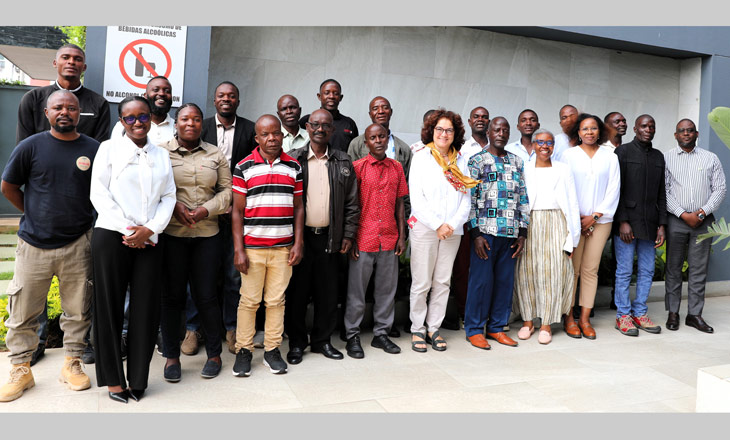
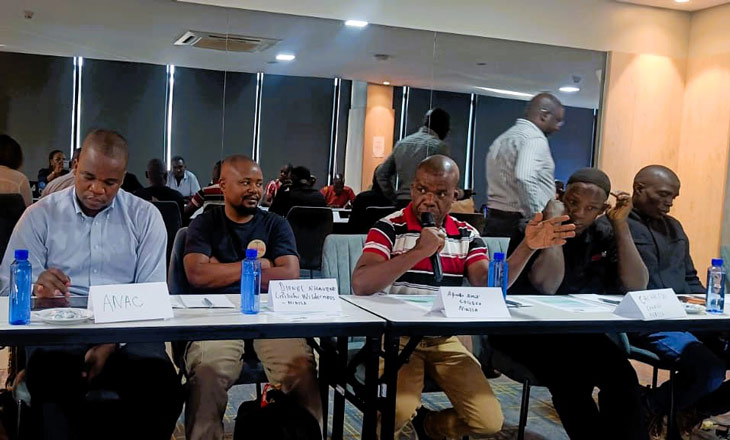
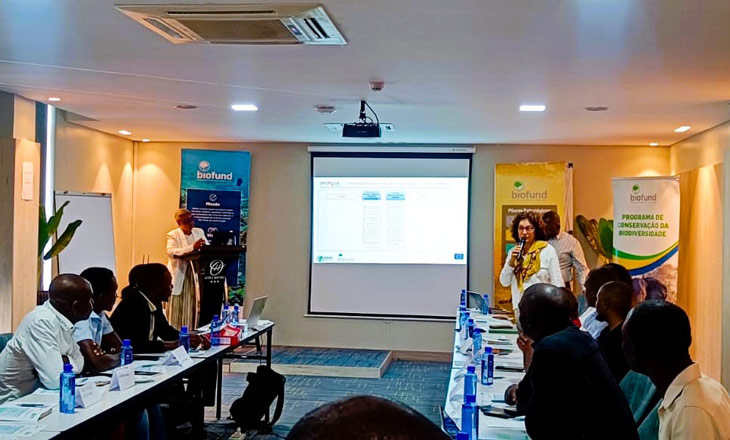
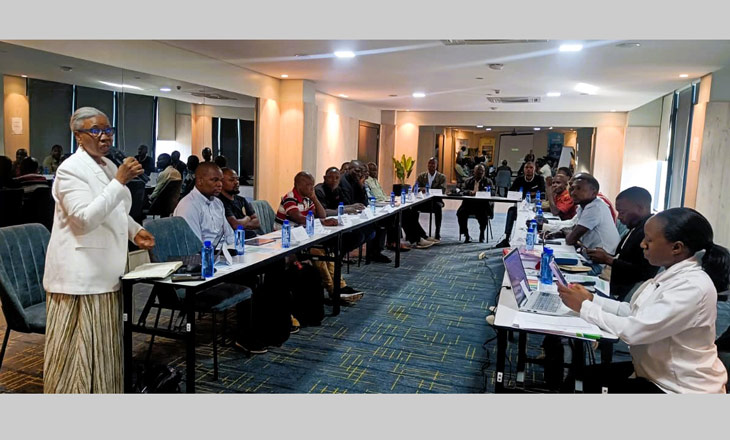
The Foundation for the Conservation of Biodiversity (BIOFUND), in partnership with the National Administration for Conservation Areas (ANAC), on Monday, 24 August, launched a training programme on Community Governance, Planning and Financial Management for community members from four Community Conservation Areas (CCAs) in Maputo City. The training runs until 28 August and is part of BIOFUND and ANAC’s strategy to empower and more actively engage communities in biodiversity management and protection.
This is one of the first initiatives of its kind at the grassroots level, aimed at strengthening community capacities to ensure more robust, transparent and accountable management of the resources and responsibilities associated with community conservation initiatives, including future Result Based Payment mechanisms. Representatives from the Monte Mabu CCA in Zambézia, Mwai in Maputo Province, Chipanje Chetu in Niassa, and Zumbo in Tete are participating in the initiative.
On the first day, the focus was on good community governance practices, with participants sharing experiences and challenges related to the management of their respective areas. Over the five days, the training will also cover project financial management, procurement procedures, budget execution and accountability.
The training also provides an opportunity for communities to exchange experiences and learn from one another, helping to consolidate lessons from community conservation initiatives supported under the Biodiversity Conservation Programme, funded by the Government of Sweden through the Swedish International Development Cooperation Agency (SIDA).
Dionel Nhavene, a member of the Chipanje Chetu Community Conservation Area, highlighted the importance of the training in strengthening community management: “We hope to learn new ways of planning, managing financial resources more responsibly, and ensuring transparent accountability.”
Mandla Tembe, from the Mwai CCA, considers the training an opportunity to improve management practices within his community: “Taking part in this training is an opportunity to gain knowledge that will be important for the work we do in our community. We hope that, by the end of the training, we will be able to apply this knowledge to make the management of the Mwai CCA increasingly organized, transparent and participatory.”
This training reflects BIOFUND’s ongoing commitment to strengthening community capacities and promoting the sustainability of Community Conservation Areas, while laying the foundations for future initiatives and opportunities to support community based conservation.
Follow the progress of this initiative on our digital platforms and stay up to date with the key moments, experiences and lessons emerging from the training.
BIOFUND and ANAC present results of the Biodiversity Conservation Programme in Mozambique
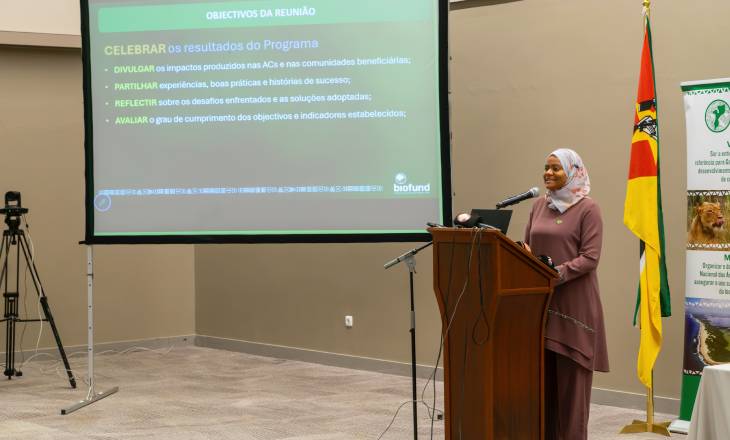
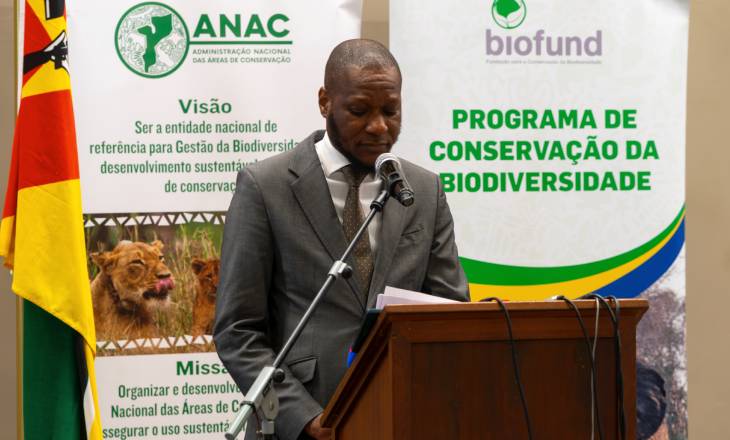
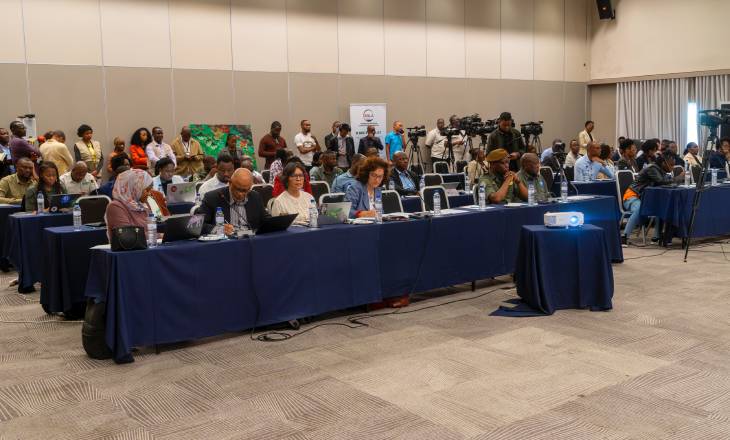
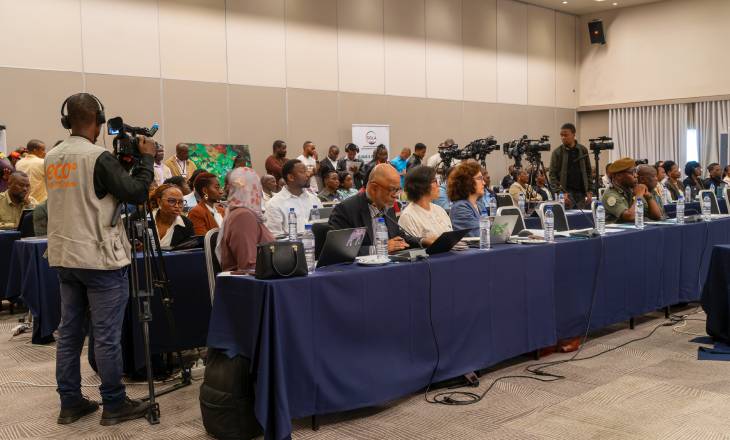
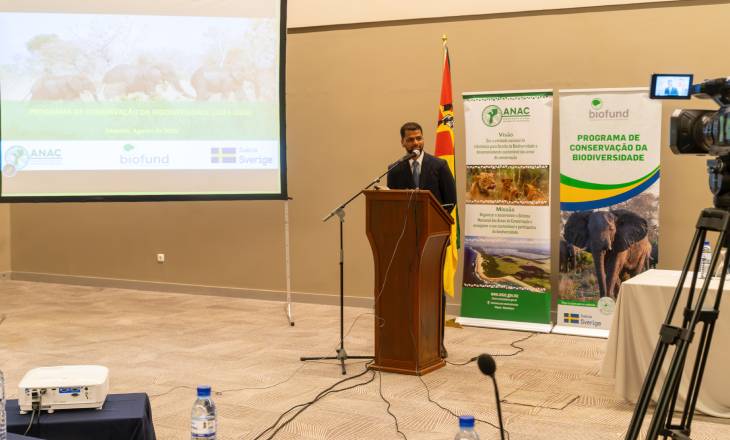
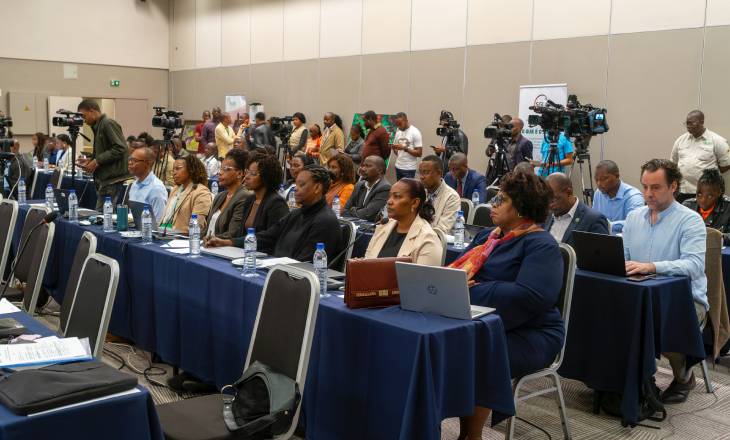
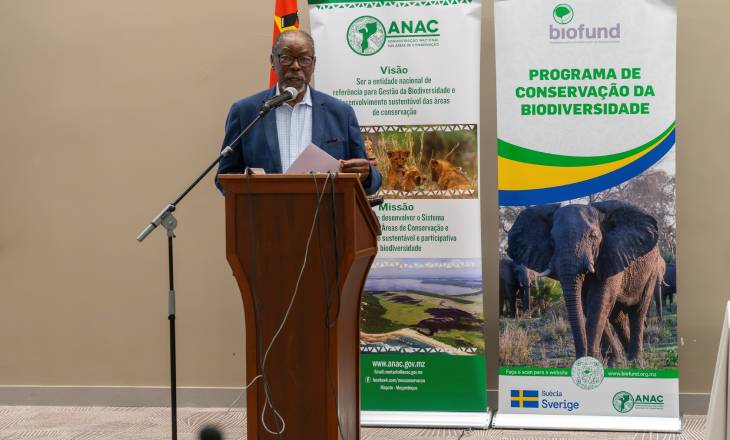
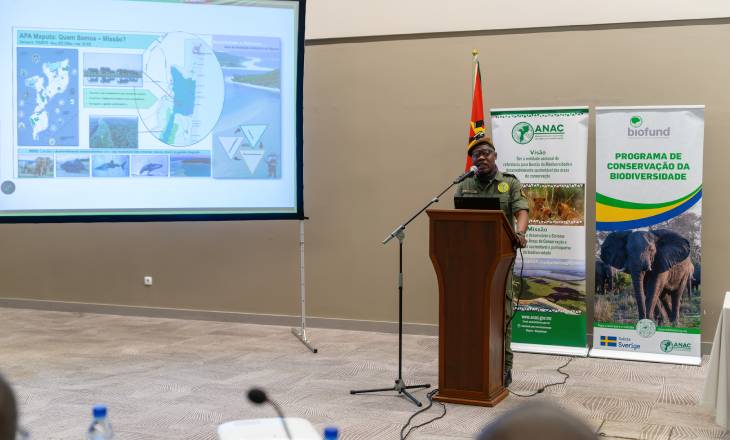
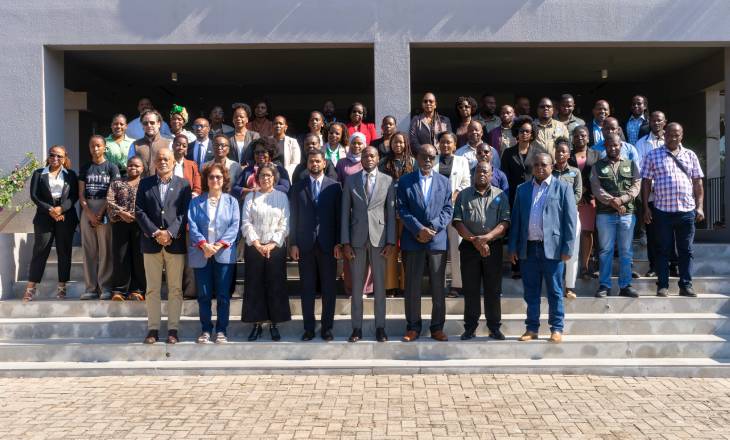
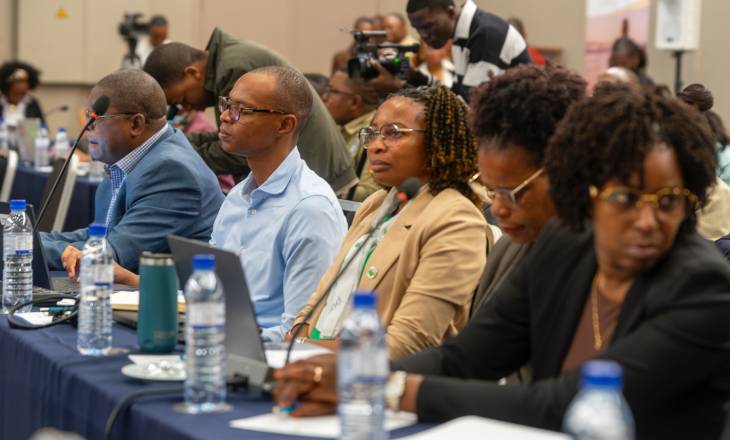
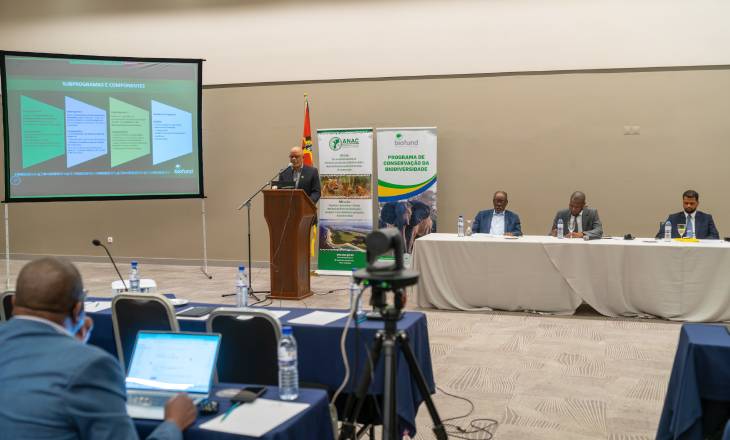
The Foundation for the Conservation of Biodiversity (BIOFUND), in coordination with the National Administration of Conservation Areas (ANAC), held the Final Meeting of the Biodiversity Conservation Programme in Mozambique in Maputo on 20 and 21 August. The programme was supported by the Government of Sweden through the Swedish International Development Cooperation Agency (SIDA).
The meeting marked the conclusion of a cooperation cycle between 2023 and 2026 and provided an opportunity to present results and impacts, share experiences and good practices, and reflect on challenges and lessons learned to inform future biodiversity conservation initiatives in the country.
Throughout its implementation, the programme supported five conservation areas and reached 25 communities, benefiting more than 11,000 people. Its interventions included community initiatives, scientific research, institutional strengthening, the development of policy instruments and innovative conservation financing mechanisms.
Results reaching conservation areas and communities
Among the main results presented was support for Pomene National Reserve, where infrastructure, equipment and operational resources were strengthened, together with the capacity of technical staff and 25 new rangers. Four water supply systems serving four communities were also installed, while community beekeeping initiatives were supported through the training of 32 beekeepers and the initial distribution of 32 beehives.
In the Maputo Environmental Protection Area, the programme helped improve operational conditions and supported environmental education, environmental clubs and community development initiatives.
In the community conservation initiative in Moai, Matutuíne, the installation of approximately 43 kilometres of electric fencing along the Futi Corridor helped reduce human-wildlife conflict, protect people and property, minimise crop losses and create more than 130 temporary employment opportunities for members of local communities.
Armando Tembe, a community representative involved in the Mwai initiative, summarised this change in perception: “Today, communities are already able to recognise the value of nature.”
The interventions also included strengthening local governance structures, supporting sustainable livelihoods and introducing benefit-sharing mechanisms, including examples presented for Niassa Special Reserve, which strengthened community involvement in conservation.
More knowledge and new conservation solutions
At the national level, the programme helped strengthen the biodiversity knowledge base and support evidence-based conservation decisions. Key milestones included the National Census of Elephants and Other Large Mammals, conducted in 2025, which estimated 22,718 elephants, compared with 9,114 in 2018, as well as ecological surveys in Techobanine.
The meeting also presented a marine monitoring initiative based on environmental DNA, which makes it possible to identify species from water samples without capturing them. This approach strengthens national scientific capacity and could help improve marine biodiversity monitoring.
The programme also supported the development and revision of strategic and regulatory instruments, including the Carbon Market Regulatory Framework, the Human-Wildlife Conflict Prevention and Mitigation Strategy and the National Biodiversity Action Plan (NBSAP). Nine legal and strategic instruments were supported, exceeding the original target of five.
In sustainable financing, innovative mechanisms were advanced, particularly biodiversity offsets and ecological restoration. Metrics were developed for seagrass and the African savanna elephant, three contracts were signed with the private sector, and community-led mangrove restoration initiatives were supported in Memba–Mossuril.
Investment in people was another important component. More than 300 interns received support through the Mozambique Conservation Leadership Programme (PLCM), which also assisted eight post-internship participants, contributing to the development of a new generation of conservation professionals and leaders. Among the group of 300 interns presented by PLCM officer Gildo Chivale, 51% were women.
One of the testimonies came from Clemência Maria Calisto, an administrative assistant at the Maputo Environmental Protection Area: “I think this programme was, for me, a gateway to the professional world.”
Results and lessons for the future
At the opening of the meeting, BIOFUND Executive Director Luís Bernardo Honwana highlighted its celebratory nature: “This meeting celebrates this programme in partnership with Sweden; we are pleased with the results achieved.”
Héric Manuel, a representative of the Embassy of Sweden, highlighted the importance of biodiversity conservation and the sustainable use of natural resources for sustainable development, climate resilience and community well-being. “Programmes have a beginning and an end, but their true value should not end when the funding ends,” he said.
Representing the Director-General of ANAC, Nilton Iombaiomba highlighted progress in conservation areas that had faced limited support, particularly Pomene National Reserve and the Maputo Environmental Protection Area, as well as investments in infrastructure, operational resources, communication and community support. “As we bring this programme to a close, we should look not only at what has been done, but above all at what we can do from here,” he said.
Over the two days, participants also shared experiences related to biodiversity offsets, ecological monitoring and research, and the overall performance of the programme, tracked through a monitoring dashboard developed by BIOFUND.
At the closing session, Anna Tuvesson, a representative of Swedish cooperation, emphasised that relations between Mozambique and Sweden will continue beyond this programme, including in areas related to the environment, climate and biodiversity.
The Final Meeting therefore represented more than the conclusion of a cooperation cycle. It provided an opportunity to celebrate and consolidate knowledge, experiences and partnerships, and to reaffirm the importance of evidence-based conservation, community participation, innovation and sustainable financing solutions.
The results provide a stronger foundation for biodiversity conservation in Mozambique and demonstrate the value of partnerships among national institutions, communities, the private sector, academia and development partners. As programme coordinator Samiro Magane stated, “Development and conservation must be reconciled.” At the closing session, Alexandra Jorge, BIOFUND Programme Director, summarised the message: “The programme ends, but conservation continues.”
The COMBO+ Programme supports the modernization of environmental licensing with the launch of SGLA 2.0
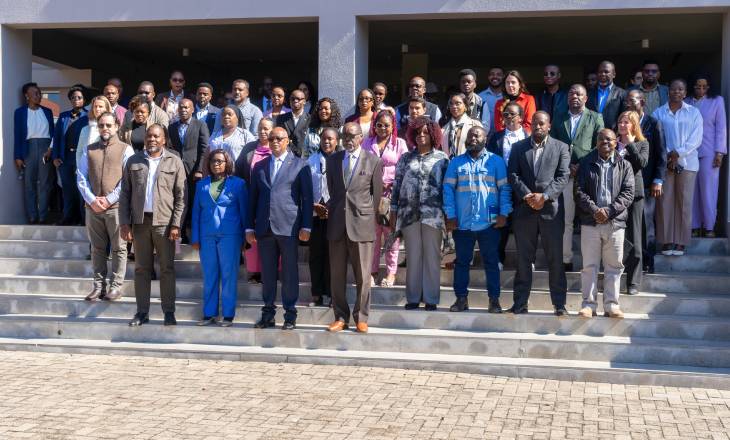
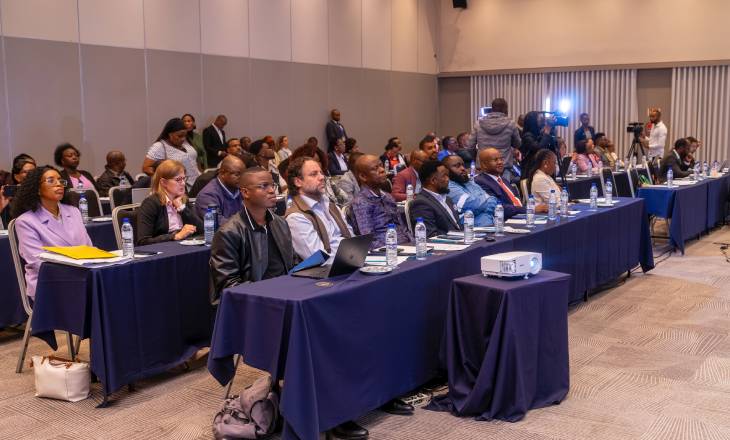
The new version of the platform strengthens the digitalisation, transparency and efficiency of environmental licensing processes in Mozambique
On 18 August, the Secretary of State for Land and Environment, Gustavo Sobrinho Djedje, launched version 2.0 of the Environmental Licensing Management System (SGLA) in Maputo City. The electronic platform marks a new step in the modernizations of environmental licensing in Mozambique.
The launch took place during the National Workshop for the Launch of SGLA 2.0, under the theme “Modernization of Environmental Licensing in Mozambique”, which brought together representatives of public institutions, including the Ministry of Agriculture, Environment and Fisheries (MAAP) and the Ministry of Mineral Resources and Energy (MIREME), the private sector, environmental consultants and auditors, academia, civil society organisations and cooperation partners.
The new version of SGLA makes it possible to manage different stages of the environmental licensing process electronically, from application submission to the issuance of the environmental licence, including environmental monitoring, auditing and inspection. The platform also supports the registration and renewal of environmental consultants and auditors, reducing the need to circulate physical documents.
By centralizing information and enabling the different stages of each process to be monitored, the system strengthens coordination among the institutions involved, including the National Directorate of Environment and Climate Change (DINAMC), the National Directorate of Land and Territorial Development (DNATDT), the National Agency for Environmental Quality Control (AQUA, IP), local state bodies, environmental consultants and project proponents.
In the public area of the portal, users can consult projects, licences, legislation, public consultations, registered consultants and statistics. In the restricted area, technical staff review applications, monitor deadlines and communicate with proponents.
To support this transition, four user manuals have also been prepared for Proponents, Environmental Consultants, Environmental Auditors and Government Technical Staff. They will be made available electronically from the launch, with printed copies also planned. The manuals explain, step by step, how to use each of the system’s functionalities, responding in particular to the needs of those who will use SGLA.
A new step in modernizing environmental licensing
SGLA 2.0 is aligned with national priorities for modernizing public administration, administrative simplification and digital transformation, as set out in the National Development Strategy 2025–2044 and the Government’s Five-Year Programme (PQG) 2025–2029. At the launch, the Secretary of State for Land and Environment highlighted the platform’s importance in accelerating procedures and reducing the use of physical documents.
“With this system, we want to reduce document processing times. At present, an environmental licensing process takes between 100 and 120 days. In some cases, it takes even longer.”
The National Director of Environment and Climate Change, Sónia Muando, emphasized the preventive role of environmental licensing in managing the environmental and social impacts associated with development.
“Environmental licensing is an essential mechanism for ensuring that the country’s economic development is accompanied by adequate prevention and management of environmental and social impacts.”
Benefits and challenges identified by users
From the private sector’s perspective, environmental specialist Ernestina Zandamela highlighted the link between licensing timeframes and compliance with investment schedules.
“When we experience a delay, for example, in issuing a licence, this also delays the implementation of the projects under way.”
During the round table, participants identified the harmonization of procedures at central and provincial levels, clarification of institutional responsibilities, capacity building, data quality, the integration of social impacts and connectivity as priorities.
The next steps discussed included training in the provinces, future interoperability with other registries and the proposal to establish a multisectoral technical group to support the system’s continued improvement.
BIOFUND contributes to integrating conservation and development
SGLA was originally developed under the CONNECT Project and has since been strengthened and modernized by the National Directorate of Environment and Climate Change, with technical and financial assistance from the Foundation for the Conservation of Biodiversity (BIOFUND) and the Wildlife Conservation Society (WCS) Mozambique, under the COMBO+ Programme.
The partnership has supported platform maintenance and modernization, user capacity-building and preparations for version 2.0 to become operational.
The operational roll-out was preceded, on 6 and 7 July, by training for 27 participants from DINAMC, AQUA and DNATDT. The training received financial support from the Government of Sweden through the Biodiversity Conservation Programme.
According to BIOFUND’s Executive Director, Luís Bernardo Honwana, the launch of the new version marks the culmination of a process developed over several years and provides an opportunity to strengthen the integration of biodiversity conservation into development processes.
“We were facing the challenges posed by the country’s rapid industrialization and believed it was important to ensure that biodiversity offsets were taken into account in everything that was done and throughout our legislation.”
The launch of SGLA 2.0 therefore represents progress in the digital transformation of environmental licensing in Mozambique, creating better conditions for more efficient, transparent and predictable process management.
For BIOFUND, strengthening this instrument contributes to an integrated approach to development and biodiversity conservation, supporting better-informed decisions and sustainable, resilient development in the country.
From Engineering to Conservation: How the PLCM is Training a New Generation of Professionals to Protect Mozambique's Biodiversity
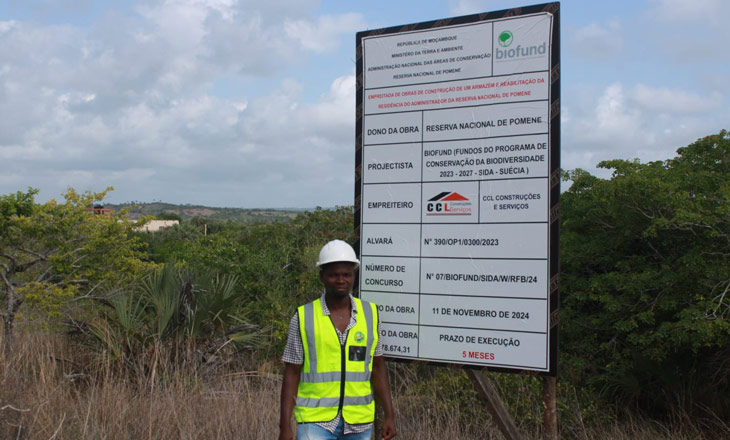
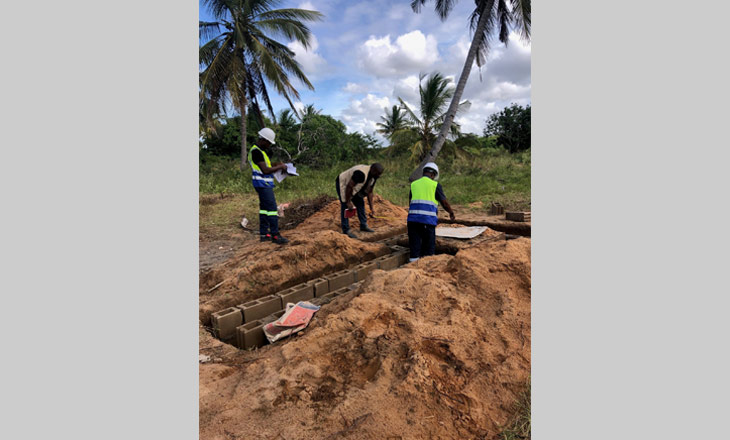
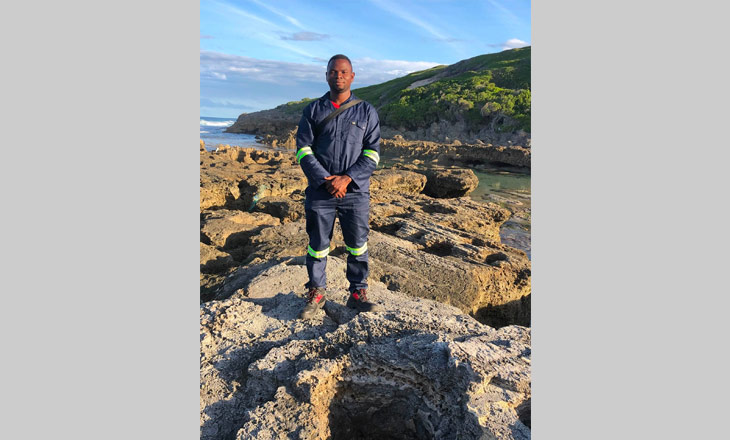
When he began his academic path, Adérito Henrique Chambi did not imagine that engineering would lead him to a Conservation Area. His childhood dream was to become an electrician, but an unexpected turn along the way revealed a new vocation.
Born in the district of Inharrime, in Inhambane province, Adérito enrolled in a vocational school where, for lack of places in the Electricity course, he was directed towards Civil Construction. What began as an alternative became a passion. He decided to stay on the course, deepened his knowledge and graduated in Rural Construction Engineering and Territorial Planning from Zambeze University.
In 2024, his career gained a new dimension when he joined the 7th edition of the Mozambique Conservation Leadership Programme (PLCM), an initiative of the Foundation for the Conservation of Biodiversity (BIOFUND), in partnership with the National Administration of Conservation Areas (ANAC) and the National Employment Institute (INEP), created to develop skills and provide professional opportunities for young Mozambicans interested in contributing to biodiversity conservation.
Placed at the Pomene National Reserve (RNP), Adérito had the opportunity to apply his technical knowledge in a context where conservation depends on multiple skills. He soon realized that the effective management of a Conservation Area requires far more than ecological knowledge, it also demands the ability to plan, build and maintain infrastructure, and to develop solutions suited to local realities.
“I arrived at the Reserve and realized there were many challenges. There were urgent projects and concrete needs. It was an opportunity to apply what I had learnt and to understand that engineering, too, can be at the service of conservation.”
During his internship, he contributed to significant improvements in the Reserve’s operational capacity. Among the main results achieved is the optimization of the photovoltaic system, through the replacement of acid batteries with gel batteries, increasing the efficiency and sustainability of the energy supply. His performance demonstrated the value of integrating professionals from different fields of knowledge into conservation institutions. For this reason, once the initial internship period was concluded, Adérito had the opportunity to continue his contribution at the Reserve.
It was during this period that he identified one of the most pressing challenges facing communities in the buffer zone: access to water.
Drawing on his engineering training, he developed a proposal for a multiple-use water supply system, initially designed for the communities of Muchungo and Nhaushua. The technical quality and social relevance of the proposal led to the initiative later being extended to all four communities of the RNP’s buffer zone. Through this initiative, Adérito showed that biodiversity conservation rests on an integrated approach, in which the protection of ecosystems is directly linked to the well‑being of local communities and to creating the conditions for a balanced and harmonious relationship between people and nature.
“The PLCM gave me an opportunity that changed the course of my career. I learnt to work in demanding environments, to lead, to communicate better and to find practical solutions to real conservation challenges.”
When the internship came to an end, the continuation of his contribution at the RNP was made possible through the innovative Post-Internship Support scheme. This position was funded by the Government of Sweden, through the Swedish International Development Cooperation Agency (SIDA), under the Biodiversity Conservation Programme coordinated by BIOFUND, for a period of two years.
Adérito’s path illustrates the impact of investing in young people as a strategy for biodiversity conservation. It also shows the importance of dedication and of making the most of opportunities. By creating opportunities for young professionals from different fields, the PLCM strengthens not only their careers but also the technical capacity of the institutions responsible for managing Conservation Areas.
Biodiversity conservation is a collective, multidisciplinary effort. Engineers, biologists, economists, lawyers, managers, communicators and technicians from various fields play complementary roles in building sustainable solutions to protect Mozambique’s natural heritage.
Since its launch in 2019, the PLCM has helped train a new generation of professionals committed to conservation, building bridges between academic institutions, Conservation Areas and employment opportunities.
BIOFUND highlights sustainable financing at the National Dialogue on Transfrontier Conservation Areas
-
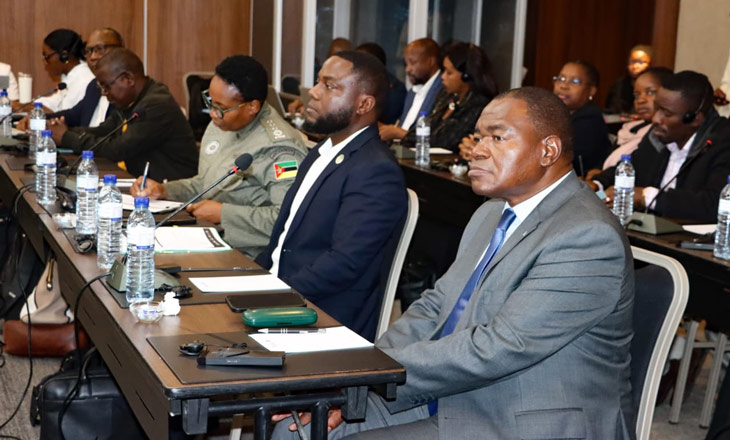
© ANAC
-
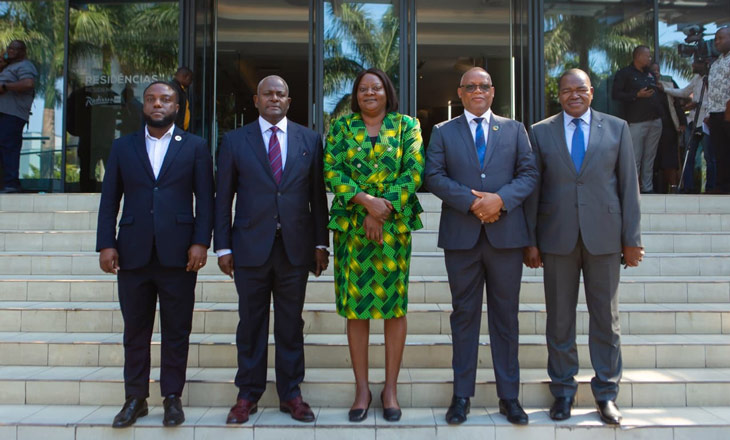
© ANAC
-
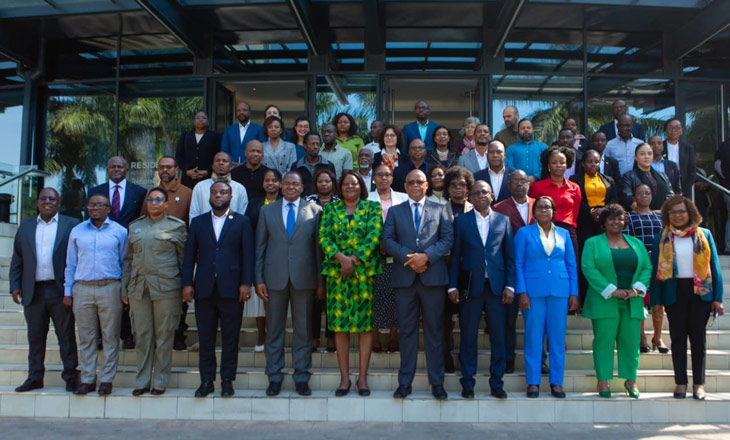
© ANAC
-
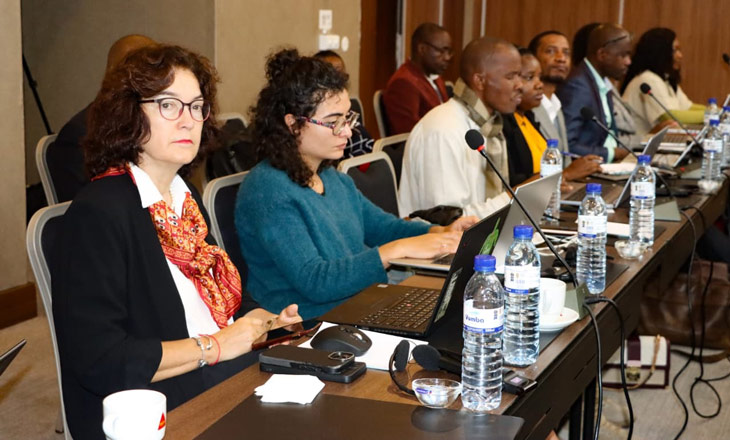
© ANAC
The Foundation presented long-term mechanisms, partnerships and diversified funding sources as building blocks for stronger management of terrestrial and aquatic landscapes that extend across borders.
The Foundation for the Conservation of Biodiversity (BIOFUND) took part in the National Dialogue on Transfrontier Conservation Areas (TFCAs), held on 5 and 6 August at the Radisson Blu Hotel in Maputo City.
The meeting was organised by the Southern African Development Community (SADC) Secretariat, in collaboration with the National Administration for Conservation Areas (ANAC, I.P.), and brought together representatives of Government, the private sector, cooperation partners, civil society organisations and academic institutions.
The dialogue aimed at brainstorming amongst various institutions and organizations envolved in the process of establishing a National Network of Transfrontier Conservation Areas, strengthening national coordination among stakeholders and promoting resource mobilisation for the sustainable development of these areas under the SADC TFCA Programme (2023–2033).
By connecting ecosystems that extend across national borders, TFCAs are important ecological corridors for biodiversity conservation. They can also support sustainable tourism, livelihoods and the development of local communities, while strengthening cooperation among SADC Member States.
On the second day, during a session on opportunities for transfrontier collaboration and the role of Government, civil society organisations, communities and the private sector, BIOFUND represented by its Chairman of the Board of Directors, Carlos dos Santos, and its Programme Director, Alexandra Jorge, presented the topic “Financing the sustainable conservation of terrestrial and aquatic biodiversity in Mozambique”.
The presentation highlighted challenges affecting the financial sustainability of conservation, including the effects of climate change, the need to balance development with biodiversity conservation, limited institutional and technical capacity within the National Conservation Areas System, and strong dependence on donor-funded project cycles.
BIOFUND shared its experience in mobilising, managing and channelling resources for conservation. In 2026, its Endowment Fund reached USD 72.15 million. This permanent long-term investment mechanism makes it possible to preserve the initial capital while ensuring a sustainable annual return to support part of the operational costs of many of BIOFUND’s beneficiary Conservation Areas (CAs). Since 2015, the Foundation has cumulatively raised approximately USD 144 million from a diversity of donors. By 2025, had already channeled approximately USD 56 million to conservation areas through 73 projects, benefiting 36 conservation areas.
The experience presented includes support to TFCA-related initiatives in areas such as management, infrastructure, community development and livelihoods, human-wildlife conflict management, and processes to establish or formalise conservation areas.
From BIOFUND’s perspective, sustainable financing requires four complementary building blocks: an Endowment Fund that enables long-term interventions; partnerships and collaboration; diversified funding sources and models; and added value through support for research, environmental education, conservation information and alignment with international goals.
The dialogue programme also included the identification of priority actions, update a roadmap for TFCA better implementation in Mozambique (in harmony with SADC countries), including the definition of targets and responsibilities. BIOFUND’s participation as well as other institutions and non governmental organizations in this forum reinforced a central message: conserving biodiversity is working together, with each partner bringing different areas of expertise and experience. We should coordinate more effectively to improve collaboration, efficiency, and the use of each partner’s respective expertise and added value at the institutional, district, provincial, national, and regional levels, sustainable, harmonized, and lasting regional development.
International Ranger Day: Five Mozambican Rangers Honored through the Ranger Support Fund
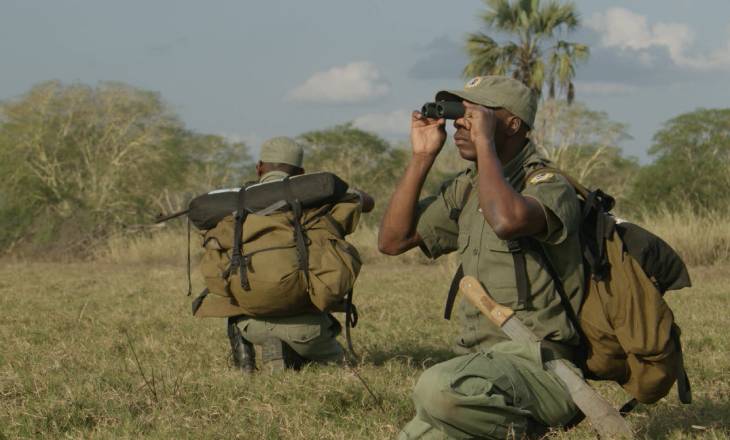
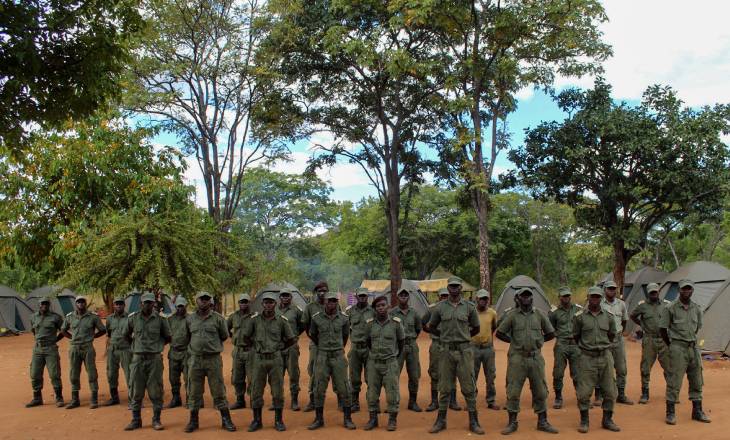
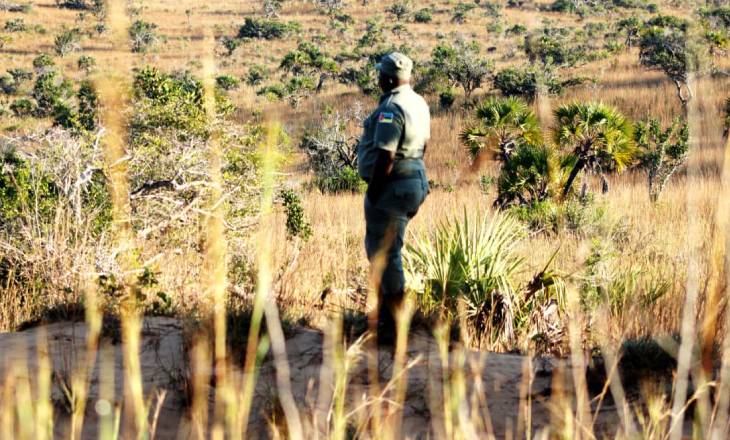
As part of the celebrations marking International Ranger Day on 31 July 2026, five rangers from Mozambique’s conservation areas have been recognized through the 5th edition of the Ranger Support Fund, an initiative that celebrates dedication, professionalism, and outstanding contributions to biodiversity conservation.
Implemented through a partnership between Mozambique’s National Administration for Conservation Areas (ANAC), the Mozambican Safari Operators Association (AMOS), and the Foundation for Biodiversity Conservation (BIOFUND), the Fund was established to acknowledge the essential role rangers play in protecting wildlife, preserving ecosystems, and safeguarding the country’s natural heritage.
Created in 2020 following a donation from Dr. Carlos Lopes Pereira after receiving the Prince William Award for Conservation in Africa, and subsequently strengthened through BIOFUND’s support, the Fund has become an important platform for recognizing the commitment and achievements of conservation professionals working on the front lines of biodiversity protection.
This year’s edition brought together ten public and private conservation areas, which submitted a total of fourteen nominations. The candidates were assessed by a selection committee composed of representatives from ANAC, AMOS, and BIOFUND, based on criteria including professional performance, dedication, integrity, and contribution to conservation efforts.
The five rangers honored in 2026 are Julião Afonso Chirindza from Limpopo National Park, Fernando João Kocossene from Coutada 14 in Marromeu, Arlindo Soares Tivane from Pomene National Reserve, Loquinato José Taula from Maputo National Park, and Gustavo Sindial Zinave from Bazaruto Archipelago National Park.
Since its establishment, the Ranger Support Fund has recognized 25 rangers from 14 public and private conservation areas across Mozambique. By highlighting the achievements of these professionals, the initiative contributes to raising the profile of ranger work and reinforcing the importance of those who dedicate their lives to protecting wildlife and conserving biodiversity.
Through this continued partnership, ANAC, AMOS, and BIOFUND reaffirm their commitment to supporting and valuing rangers while strengthening conservation efforts throughout Mozambique.
For more information about the Ranger Support Fund, visit: Ranger support fund.
Digital Migration of Environmental Licensing Sees New Progress: Government Technicians Trained to Operationalise new SGLA functionalities
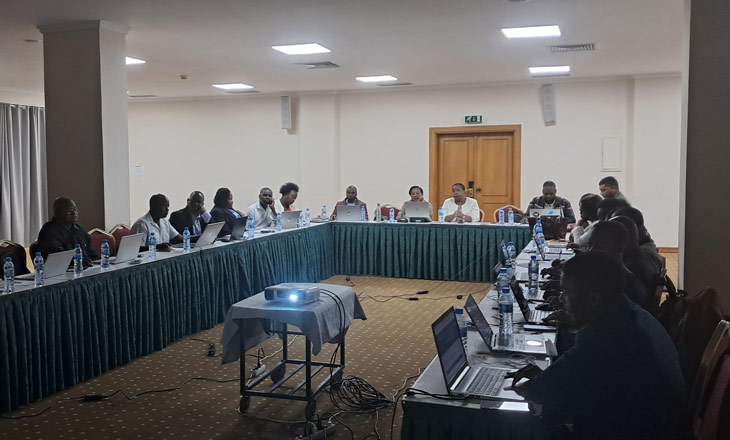
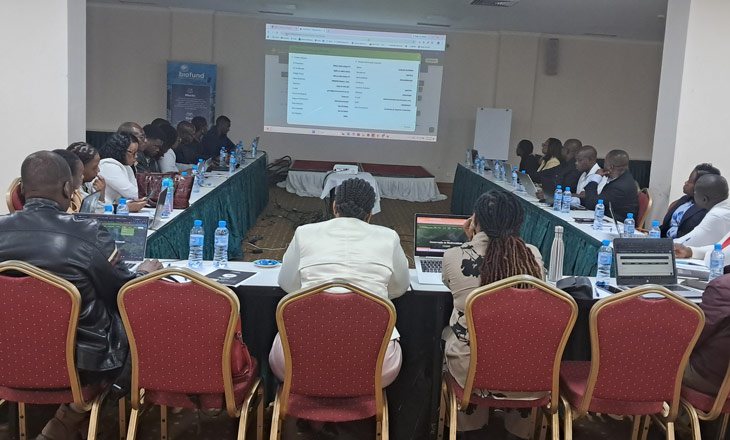
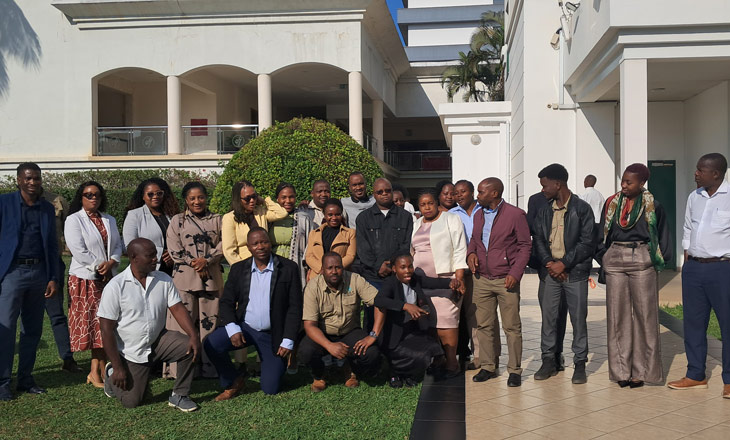
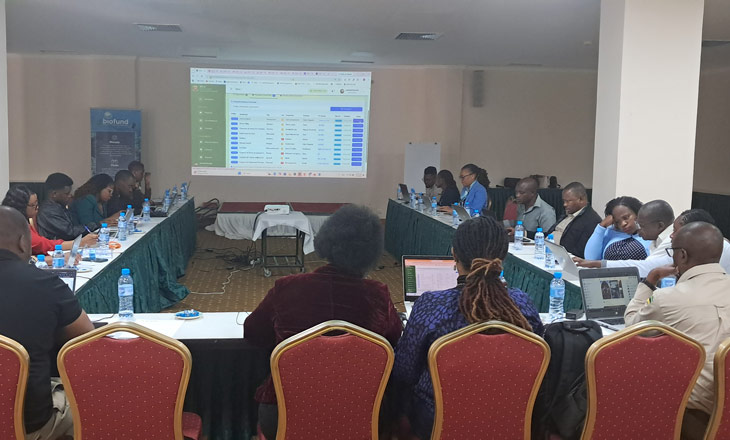
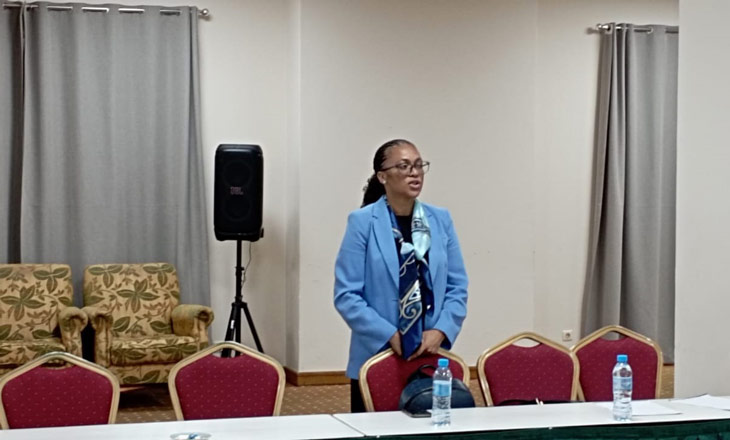
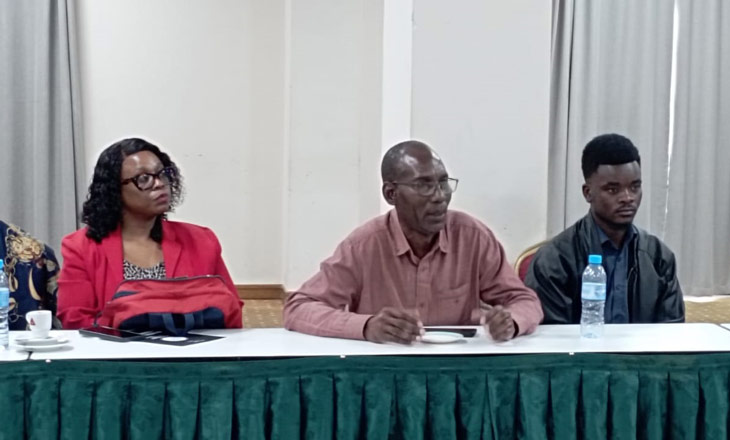
The Government of Mozambique, through the National Directorate for the Environment and Climate Change (DINAMC), held a training workshop on 6 and 7 July at the Hotel VIP in Maputo, aimed at preparing government technicians to operationalise the modernised version of the Environmental Licensing Management System (SGLA).
The training brought together 27 participants from DINAMC’s environmental impact assessment, environmental management, and biodiversity offset assessment and monitoring departments, as well as technicians from the National Agency for Environmental Quality Control (AQUA) and the National Directorate for Territorial Development (DNDT), making this the latest in a series of training sessions already held for the technicians responsible for its operationalisation.
Initially launched in 2022, the SGLA has been continuously evolving, having undergone a modernisation process that introduced new functionalities. The platform update represents a further important step in the digital transformation of public administration, reinforcing an environmental licensing process that is increasingly efficient, transparent and aligned with the country’s sustainable development objectives.
Over the two days of training, participants received theoretical and practical instruction on operationalising the SGLA, including procedures for the digital management of environmental licensing processes, project registration, environmental inspection and audits, the biodiversity offset modules, and the tools supporting technical analysis, process monitoring and decision-making.
In addition to strengthening participants’ technical capacities, the workshop prepared the institutions responsible for environmental licensing, inspection and auditing for the full operationalisation of the updated platform.
The initiative was supported by partners from the COMBO+ Programme, the Foundation for the Conservation of Biodiversity (BIOFUND) and the Wildlife Conservation Society (WCS), as well as financial support from the Government of Sweden, through the Biodiversity Conservation Programme.
Mozambique Estimates 22,718 Elephants and Records Signs of Wildlife Recovery
-
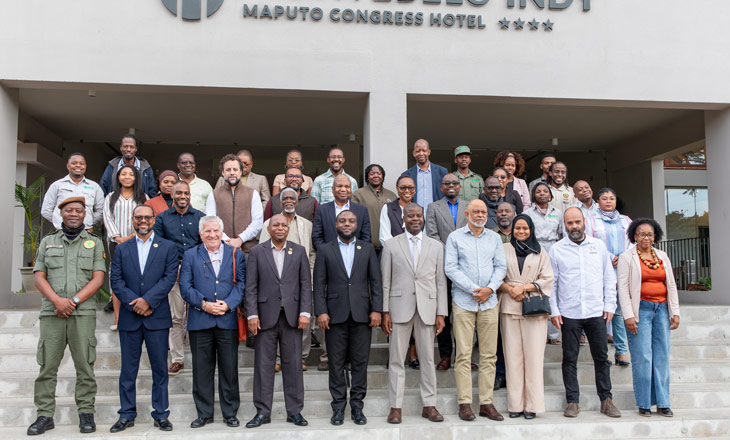
© BIOFUND
-
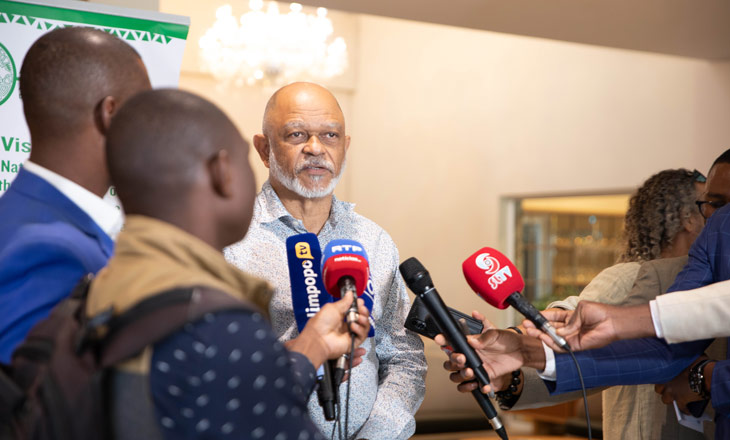
© BIOFUND
-
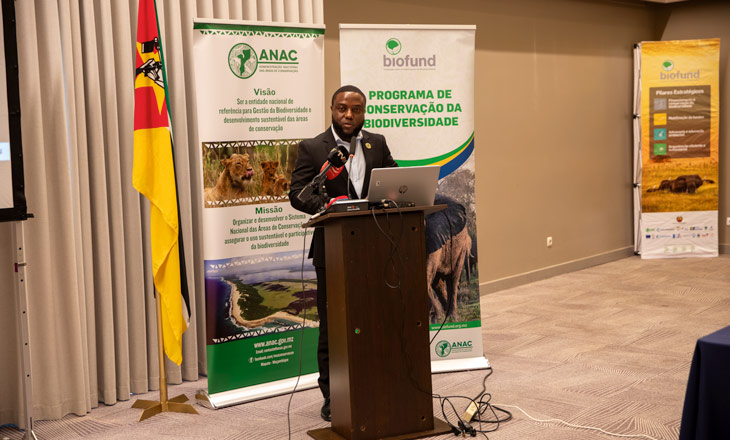
© BIOFUND
-
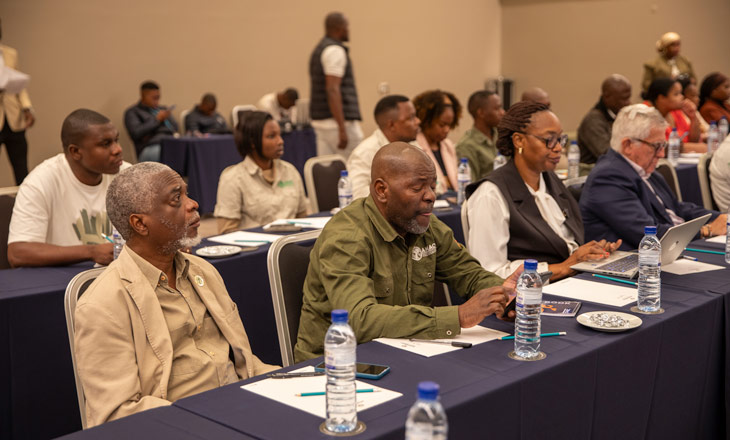
© BIOFUND
-
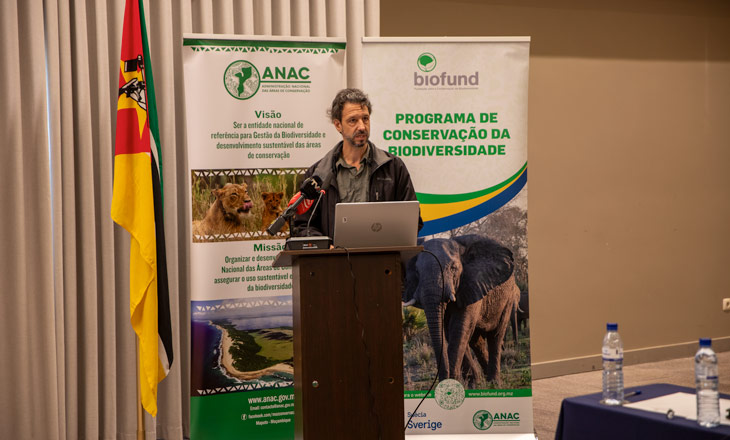
© BIOFUND
The 2025 National Elephant and Large Mammal Census, funded by the Government of Sweden through the Biodiversity Conservation Programme coordinated by the Foundation for the Conservation of Biodiversity (BIOFUND), points to a sharp decline in poaching, strengthens national scientific capacity, and highlights the economic potential of wildlife.
Mozambique’s elephant population is now estimated at 22,718 individuals, more than double the 9,114 elephants recorded during the previous national census in 2018. The findings of the 2025 National Elephant and Large Mammal Census were presented on Friday, 24 July 2026, by the National Administration for Conservation Areas (ANAC).
The survey also recorded a sharp decline in the elephant carcass ratio, from 48.35 percent in 2018 to 4.6 percent in 2025. This points to a strong reduction in recent mortality and confirms the decline of large-scale poaching, although pressure on habitats and the risk of human-wildlife conflict persist.
The census was carried out between September and November 2025 by the Centre for Agriculture and Natural Resources Management Studies (CEAGRE) of the Faculty of Agronomy and Forest Engineering at Eduardo Mondlane University, under the leadership of ANAC. It was funded by the Government of Sweden through the Swedish International Development Cooperation Agency (Sida), under the Biodiversity Conservation Programme coordinated by BIOFUND, with technical support from the International Union for Conservation of Nature (IUCN). The results also underwent an independent technical review.
Scientific data to guide decisions
According to Pejul Calenga, Director General of ANAC, the estimated recovery of the elephant population reflects stronger law enforcement and transboundary cooperation, but also requires more effective management of coexistence between people and wildlife.
“This result represents a historic recovery of the species in Mozambique, doubling the population recorded in 2018 and bringing us close to the levels observed in 2008,” said Pejul Calenga.
Beyond updating elephant population estimates, the census provides information to guide the management of Conservation Areas, strengthen law enforcement, protect habitats, improve land-use planning, and mitigate human-wildlife conflict. It also identified the expansion of human settlements, agriculture, livestock production, charcoal production, and mining into areas previously less affected by these activities.
The survey also indicates stable or increasing populations of several large mammal species, including buffalo, zebra, giraffe, hippopotamus, impala, and waterbuck. For the first time, southern Mozambique holds the largest share of the national elephant population, estimated at about 53 percent. This dynamic reflects not only reproduction, but also animal movements within the Great Limpopo Transfrontier Conservation Area and ecological connectivity between Mozambique, South Africa, and Zimbabwe.
Science, national capacity, and economic value
The census was conducted by a national multidisciplinary team comprising researchers, technicians, and specialists from different institutions, marking an important step in strengthening Mozambique’s scientific capacity. According to Sean Nazerali, BIOFUND’s Director of Innovative Finance, regular monitoring is essential to measure the results of investments in conservation.
“This census is much more than a simple wildlife count. It is, in fact, a strategic investment in scientific knowledge in the country. We cannot effectively manage what we do not know,” said Sean Nazerali.
Samir Magane, BIOFUND’s Biodiversity Conservation Programme Coordinator, also highlighted the economic potential of these resources:
“We must see wildlife not as a problem, but as a resource that can stimulate the country’s development. We have a wildlife economy that is still underdeveloped and has great potential to leverage national development and generate jobs and revenue.”
The seminar recommended more regular censuses, harmonised methodologies, and the testing of technologies such as drones, remote sensors, and high-resolution imagery.
ANAC announces seminar to disseminate the results of the 2025 National Elephant and Large Mammal Census
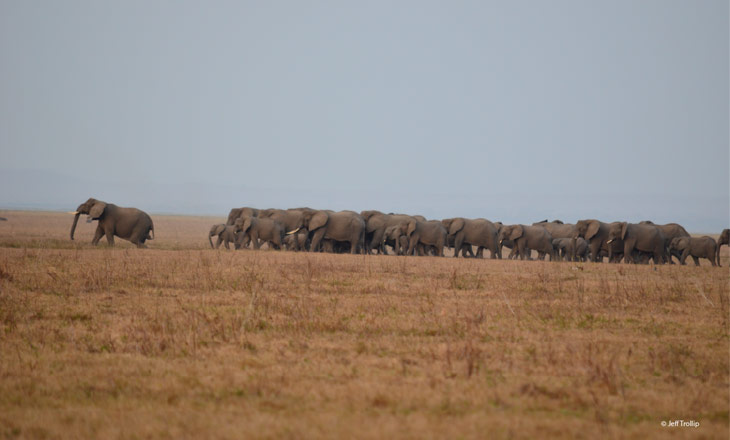
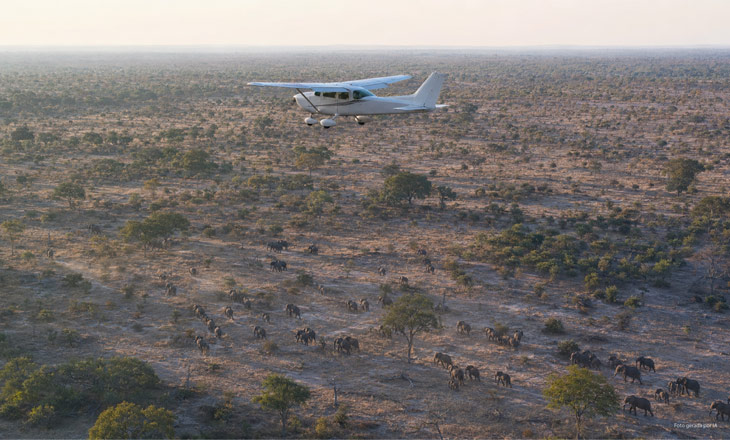
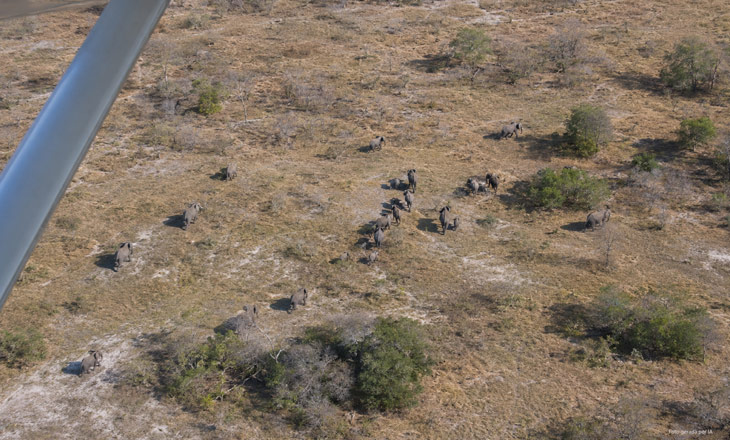
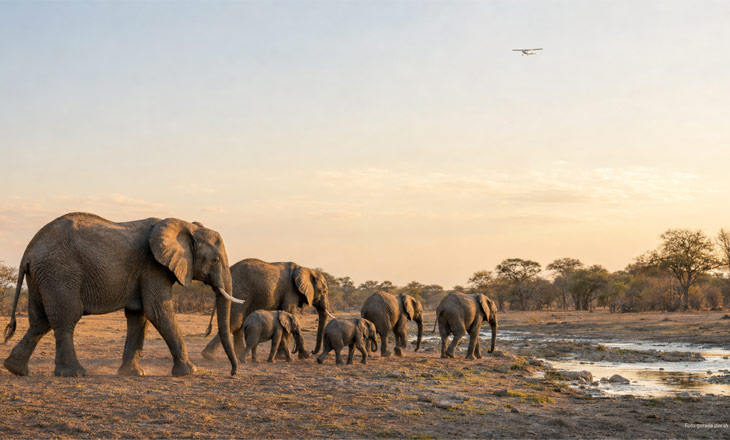
Maputo, 23 July 2026: The National Administration of Conservation Areas (ANAC) will hold the Seminar to Disseminate the Results of the 2025 National Elephant and Large Mammal Census on 24 July 2026. The event represents an important milestone for biodiversity conservation in Mozambique.
The census was conducted between September and November 2025, with financial support from the Foundation for the Conservation of Biodiversity (BIOFUND), through the Biodiversity Conservation Programme funded by the Swedish International Development Cooperation Agency (Sida), and with technical support from the International Union for Conservation of Nature (IUCN).
The survey was conducted by the Centre for Agriculture and Natural Resource Management Studies (CEAGRE), in partnership with BassAir Aviation and under the leadership of ANAC. It generated updated scientific information on the status of elephant and other large mammal populations in their main areas of occurrence in the country. The census provided data on their abundance, distribution, population trends, mortality levels and the main threats to their conservation.
The results provide an important basis for strengthening the management of Conservation Areas, defining public policies and biodiversity conservation strategies, and fulfilling Mozambique’s national and international commitments to wildlife protection.
The results dissemination seminar will take place from 9:00 a.m. to 1:00 p.m., in a hybrid format, at the Montebelo Hotel Conference Centre in Maputo. It will bring together representatives of government institutions, cooperation partners, civil society organisations, the private sector, academia and other stakeholders involved in biodiversity conservation. The event will provide a platform for sharing the main census results and reflecting on the challenges and opportunities for wildlife conservation in the country.
Investing in People to Strengthen Conservation: Biodiversity Conservation Programme Supports Capacity Building for ANAC's Newly Appointed Officials
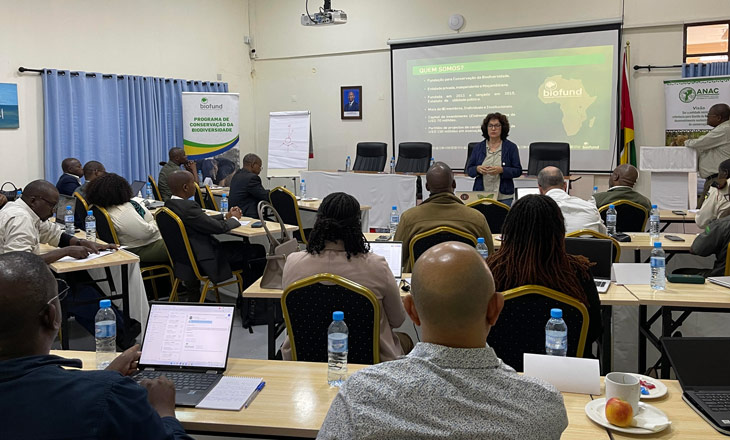
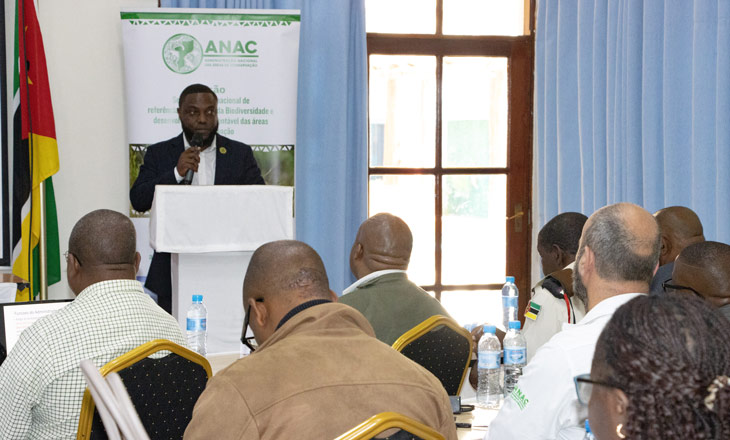
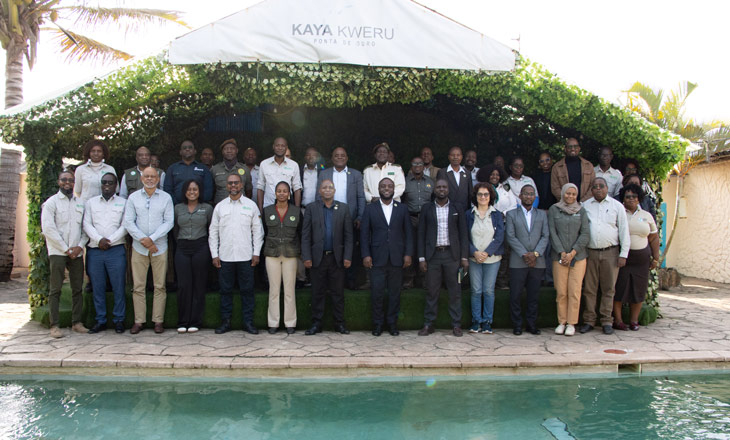
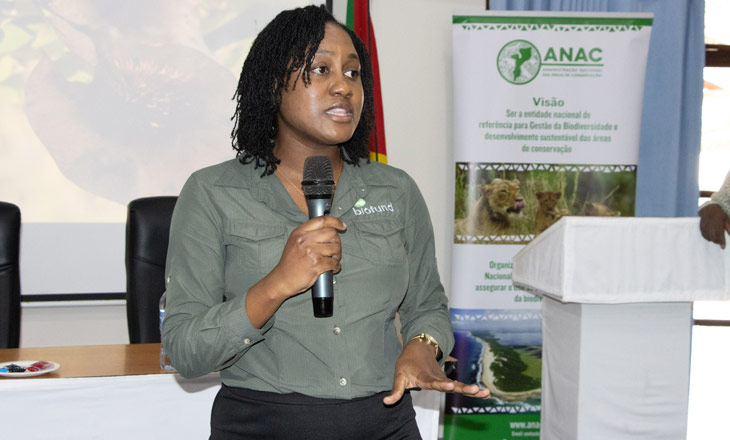
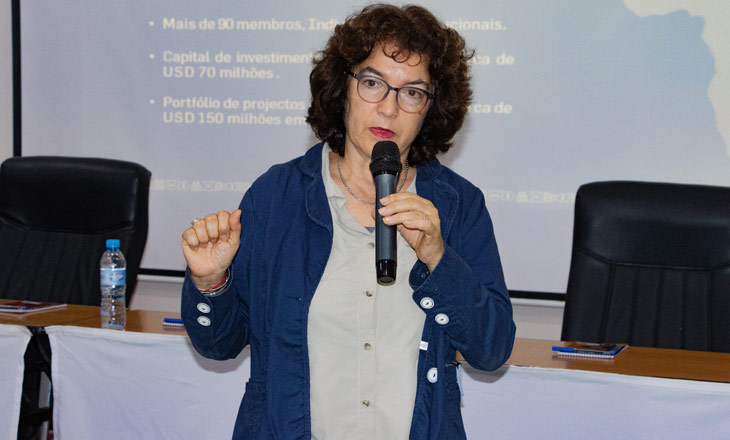
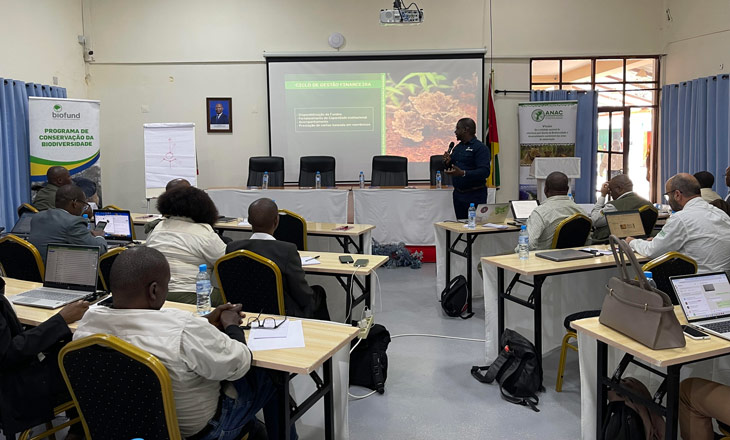
The National Administration for Conservation Areas (ANAC) held an induction workshop from 13 to 15 July 2026 in Ponta do Ouro for newly appointed Park and National Reserve Administrators, Division Directors, Heads of Office, Department Heads and Section Heads. The initiative was designed to strengthen their technical, administrative and leadership capacities, contributing to more effective, transparent and coordinated management of Mozambique’s Conservation Areas.
Bringing together staff from ANAC Headquarters and managers from Conservation Areas across the country, the workshop provided a platform for learning, institutional alignment and the exchange of experiences on the responsibilities and challenges associated with their new roles.
Over the three-day programme, participants deepened their knowledge of the legal and policy framework for conservation, law enforcement and Conservation Area management, human resource management, institutional leadership and institutional communication, labour dispute management, human-wildlife conflict, and mechanisms for community participation in biodiversity conservation.
The programme also featured sessions on planning, monitoring and evaluation tools, ANAC’s institutional development, and conservation financing mechanisms. As part of these discussions, the Foundation for the Conservation of Biodiversity (BIOFUND) presented its role in mobilising financial resources for biodiversity conservation and supporting the sustainable management of Mozambique’s Conservation Areas.
The workshop also served as an opportunity to harmonise procedures, strengthen coordination between ANAC’s central and local structures, and foster a more integrated approach aligned with Mozambique’s national conservation priorities.
The induction workshop was organised by ANAC under the Biodiversity Conservation Programme, with support from BIOFUND and funding from the Government of Sweden. The Programme contributes to strengthening ANAC’s institutional capacity at both the central and Conservation Area levels, recognising that well-qualified workforce is essential to improving protected area management and safeguarding Mozambique’s natural heritage.
Nature economy, valued at up to USD 1.5 billion a year, brings BIOFUND and CTA together in a new partnership
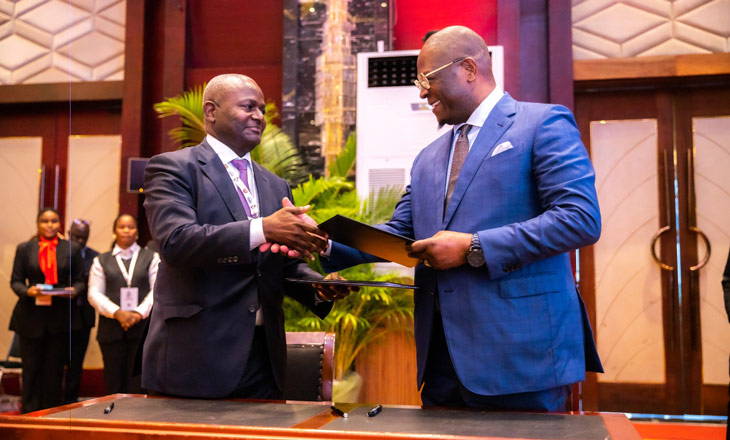
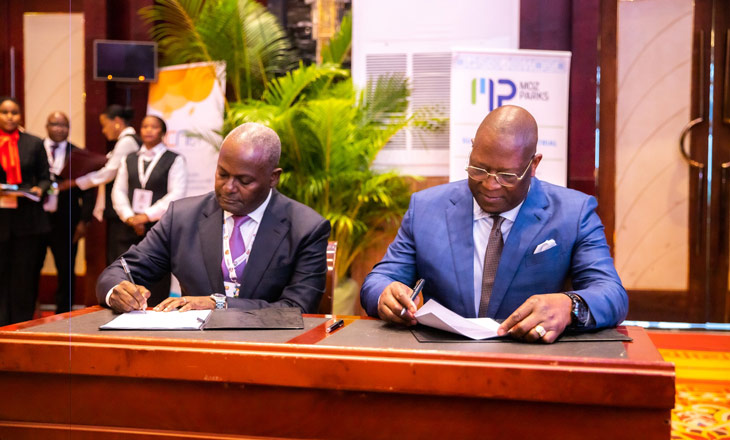
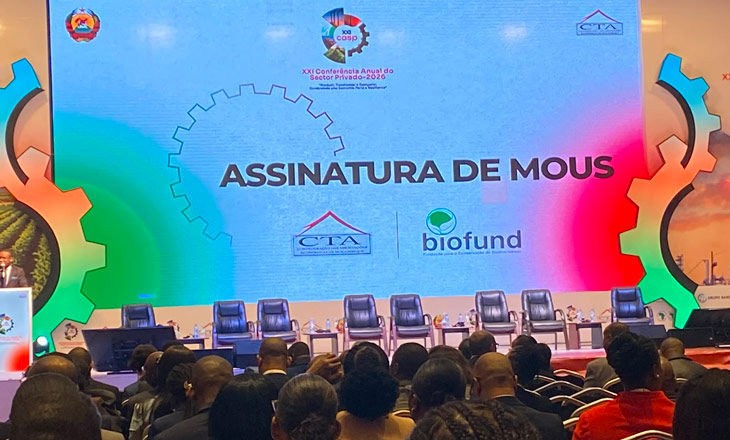
Mozambique’s nature economy accounts for an estimated 20% to 25% of the country’s rural economy, with an annual value estimated at between USD 1 billion and USD 1.5 billion. Despite its significance, the economic value of ecosystems and the sectors that depend on them is not yet fully recognised in planning, investment and decision-making processes.
Against this backdrop, the Foundation for the Conservation of Biodiversity (BIOFUND) and the Confederation of Economic Associations of Mozambique (CTA) formalised, on [DATE], in Maputo, a Memorandum of Understanding (MoU) aimed at strengthening the link between biodiversity conservation, economic development and private sector engagement.
The partnership provides a framework for developing joint initiatives in three priority areas: promoting the nature economy, mobilising climate finance and advancing environmental certification instruments applicable to nature-dependent economic activities.
Through this cooperation, BIOFUND and CTA aim to support the greater integration of nature’s value into economic and business decision-making, while encouraging responsible investment that aligns economic growth, climate resilience and biodiversity conservation.
The partnership will also bring together BIOFUND’s technical knowledge and experience and CTA’s private sector representation and mobilisation capacity, creating opportunities to develop shared positions, initiatives and solutions.
Areas to be explored include natural capital valuation, access to green and climate finance opportunities, and the promotion of mechanisms that recognise and incentivise environmentally responsible business practices.
The partnership reflects the recognition that sectors such as tourism, fisheries, forestry and other nature-dependent activities rely on healthy ecosystems to remain sustainable and continue contributing to the national economy.
Through this MoU, BIOFUND reinforces its commitment to mobilising resources and promoting innovative solutions for biodiversity conservation, while CTA expands private sector engagement in building a more sustainable and resilient economy that recognises the value of Mozambique’s natural heritage.
BIOFUND and Mozambique LNG Project Partner to Advance Biodiversity Conservation and Nature-Based Solutions
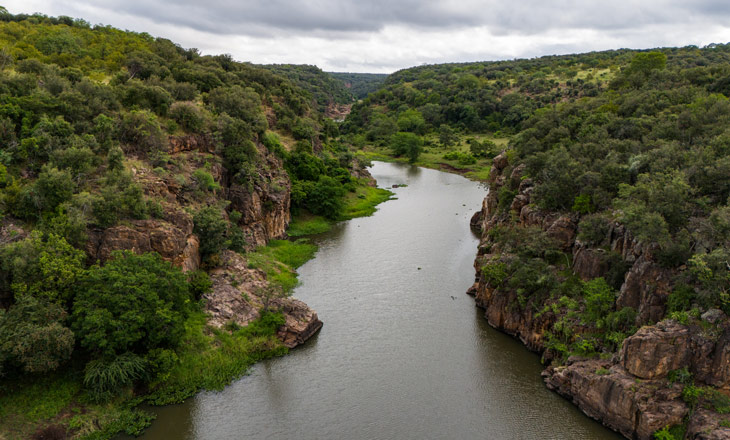
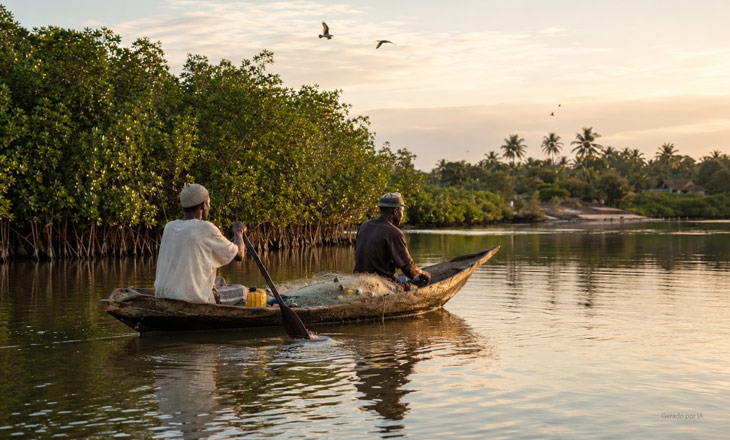
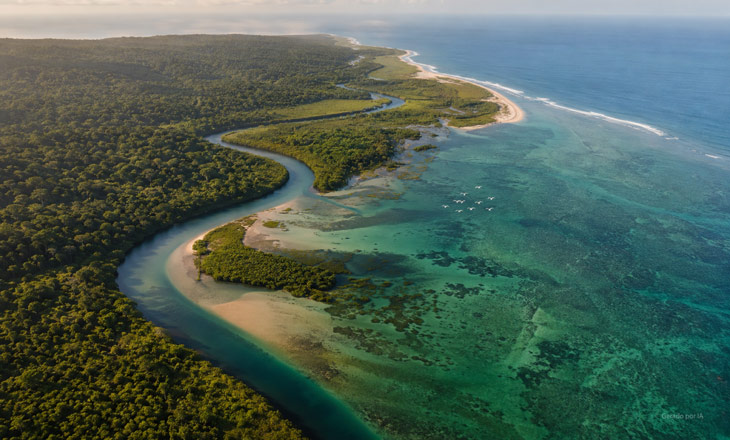
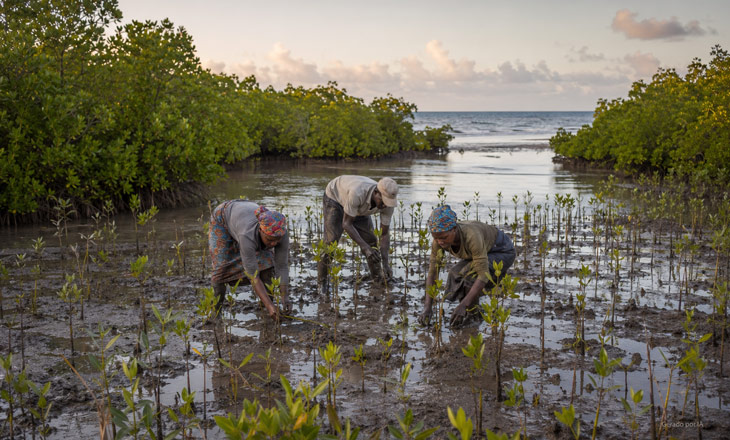
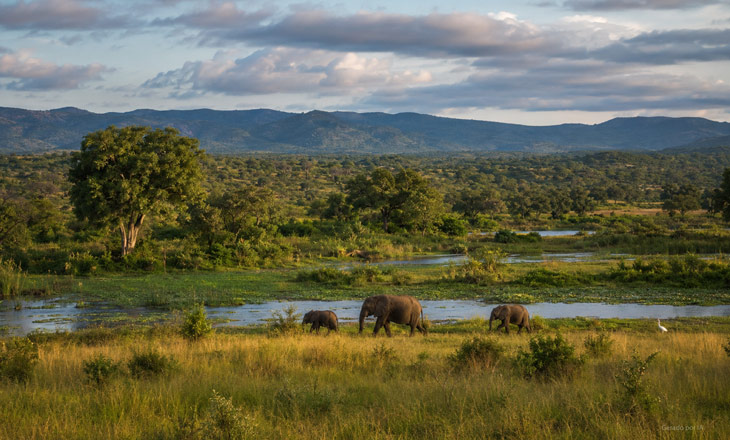

The Foundation for the Conservation of Biodiversity (BIOFUND) and the Mozambique LNG Project, operated by TotalEnergies EP Mozambique Area 1, Lda. (TEPMA1), have signed a Memorandum of Understanding (MoU) on 2 July 2026, marking the commencement of a strategic partnership aimed at promoting biodiversity conservation and the development of nature-based solutions in Mozambique.
The Memorandum establishes a framework for cooperation between BIOFUND and TEPMA1 to develop initiatives that balance economic development with biodiversity conservation, thereby contributing to the protection of natural capital and the promotion of sustainable development in Mozambique. Under this partnership, the two institutions will collaborate in identifying and implementing investment opportunities in nature-based solutions, sharing technical and scientific knowledge, and supporting actions that contribute to biodiversity impact mitigation and the achievement of net biodiversity gain, in accordance with applicable legal and regulatory requirements in Mozambique.
The Memorandum represents an important milestone in strengthening collaboration between the private sector and a conservation-financing institution. It lays the foundation for a partnership that combines environmental responsibility with sustainable development.
For BIOFUND, this partnership represents another step forward in mobilizing new partners for biodiversity conservation initiatives in Mozambique, while promoting innovative solutions that contribute to the preservation of ecosystems and the well-being of the communities that depend on them.
During the signing ceremony, Jean-Pascal Clemençon, Senior representative of TotalEnergies EP Mozambique Area 1, Lda. said: Mozambique’s extraordinary biodiversity is one of its greatest assets, and through this partnership with BIOFUND, the Mozambique LNG project is reinforcing its commitment to ensuring that conservation and development are mutually reinforcing goals. Together, we can build innovative solutions that protect ecosystems, strengthen communities, and contribute to a future where economic progress and environmental responsibility go hand in hand.
About Mozambique LNG project
Mozambique LNG is the first onshore development of a liquefied natural gas (LNG) plant in the country. The project includes the development of the Golfinho and Atum fields located within Offshore Area 1 and the construction of a two-trains liquefaction plant with a capacity of 13.12 million tonnes per year. Area 1 contains approximately up to 65 Tcf of gas resources, of which 18 Tcf will be developed with the first two trains. TotalEnergies EP Mozambique Area 1 Limitada, a wholly owned subsidiary of TotalEnergies SE, operates the Mozambique LNG project with a 26.5% stake, together with Mitsui E&P Mozambique Area1 Limited (20%), ENH Rovuma Area 1, SA (15%), ONGC Videsh Rovuma Limited (10%), Beas Rovuma Energy Mozambique Limited (10%), BPRL Ventures Mozambique BV (10%), and PTTEP Mozambique Area 1 Limited (8.5%).
MozNorte Project Closure Highlights Achievements of the Chipanje Chetu Community Programme in Niassa
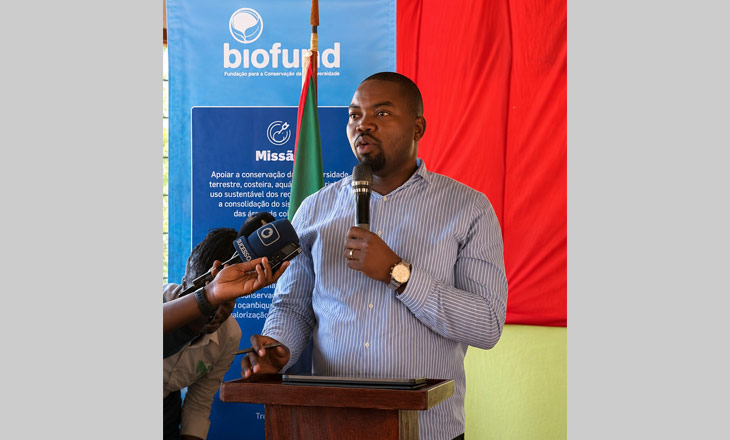
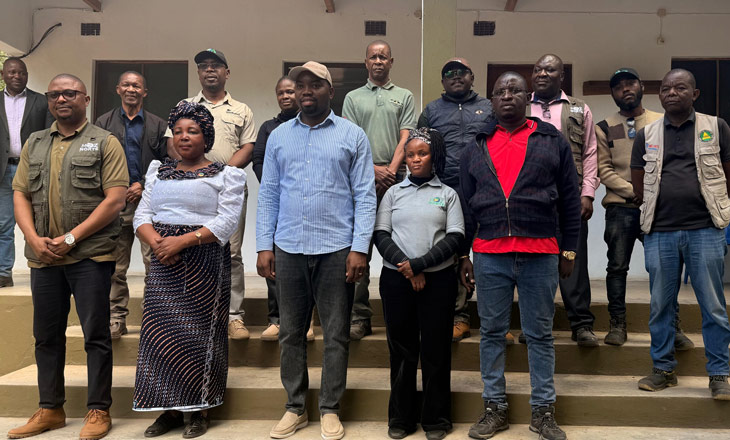
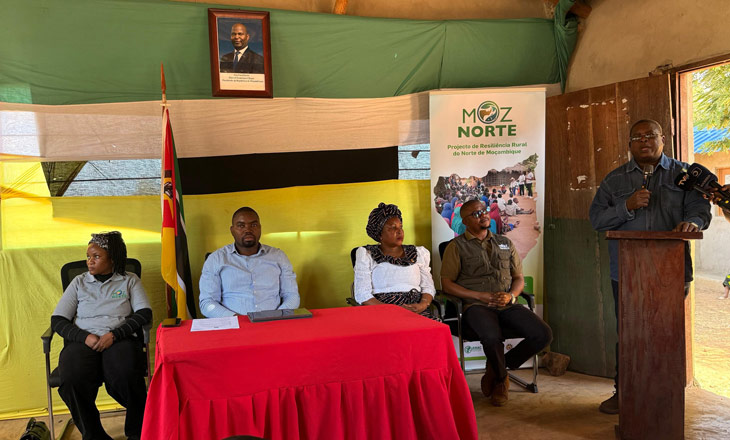
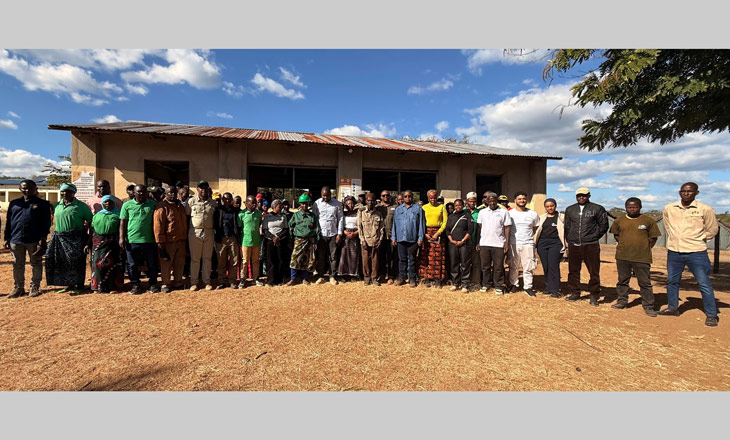
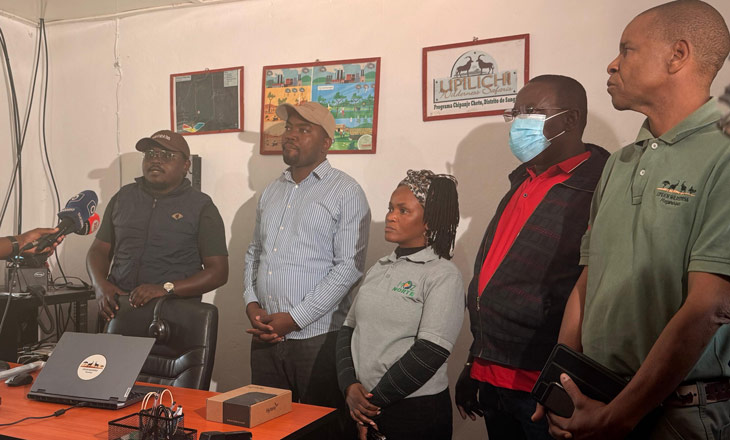
On 24 June 2026, the district of Sanga, in Niassa Province, hosted the closing ceremony of the MozNorte Project, implemented by Helvetas Mozambique with funding from the World Bank, through the Foundation for the Conservation of Biodiversity (BIOFUND). The event brought together government representatives, development partners and local communities to mark the key achievements accomplished during the project’s 23 months of implementation.
The ceremony was chaired by the Secretary of State for Niassa Province, Silva Livone, who officially inaugurated the Radio Communication System Centre, an infrastructure designed to strengthen community communication, improve natural resource monitoring, and enhance responses to human-wildlife conflict. The system will enable more efficient communication among local communities, community rangers and other stakeholders involved in natural resource management.
Another important milestone was the official handover of the Community Land Use Plans to the communities participating in the Chipanje Chetu Community Programme, conducted by the National Directorate of Land and Territorial Development (DNTDT). These plans represent a significant step towards community land-use planning, reinforcing land tenure security and guiding the sustainable use of natural resources by beneficiary communities.
During the event, the project’s main achievements were presented. The project aimed to establish a responsible and transparent governance system, develop businesses based on the sustainable management of natural resources, improve natural resource management and monitoring, and create the conditions necessary for the establishment of a Community Conservation Area in accordance with national legislation.
Among the key results achieved were the strengthening of Natural Resource Management Committees and other community structures, the development of nine Community Land Use Plans, support for income-generating activities, including sustainable agriculture, beekeeping, aquaculture and livestock production as well as training young people to promote self-employment. The project also contributed to increasing the participation of women and youth in natural resource management, mitigating human-wildlife conflict, and promoting environmental education in schools and local communities.
On the occasion, the Chairperson of the Natural Resource Management Committee (COGECO) highlighted the positive impact of the project’s interventions on local communities.
“In the past, we faced many challenges in managing our natural resources and addressing community needs. Today, we have greater knowledge, better tools and stronger capacity to protect our resources while developing activities that generate benefits for our families.”
The interventions also improved access to safe drinking water through the rehabilitation of 15 community water sources, strengthened local governance mechanisms, and created sustainable economic opportunities for hundreds of households across the beneficiary communities.
In their remarks, representatives of Helvetas Mozambique, BIOFUND, and government authorities praised the commitment of the communities and project partners, emphasizing that the results achieved demonstrate the importance of an integrated approach that combines biodiversity conservation, local economic development, and community participation.
In officially closing the project, the Secretary of State for Niassa Province reaffirmed the importance of continuing conservation and community development efforts, encouraging local communities to make effective use of the knowledge, tools and capacities acquired to ensure the sustainable management of natural resources and the continuous improvement of their livelihoods.
The MozNorte Project leaves behind a legacy of strengthened capacities, consolidated community management instruments, and a solid foundation for the continuation of conservation and sustainable development initiatives within the Chipanje Chetu Community Area.
BIOFUND Members’ Assembly Reviews 2025 Results and Highlights Financial Resilience for Conservation
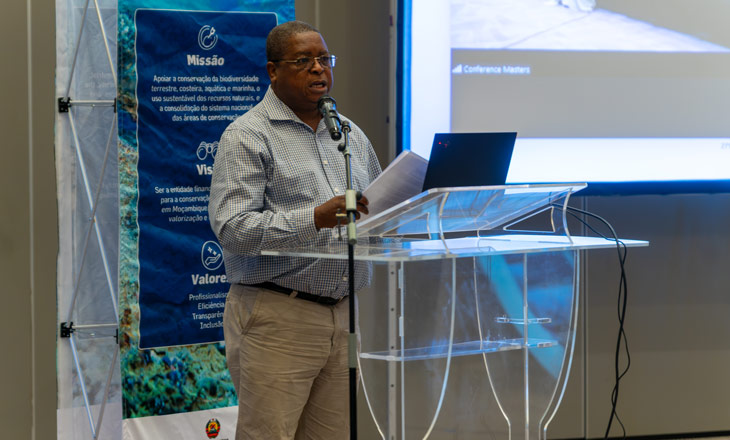
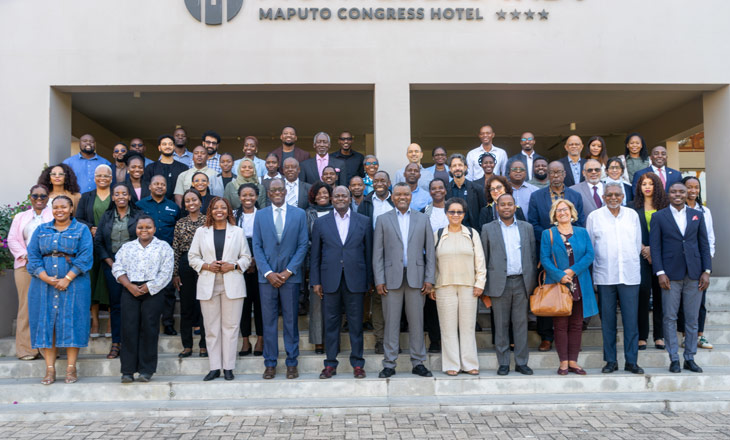
The Foundation for the Conservation of Biodiversity (BIOFUND) presented, on 18 June 2026, in Maputo, a review of 2025 marked by financial resilience, continued support to Conservation Areas, and the strengthening of its institutional sustainability. During the 4th Ordinary Session of the Members’ Assembly, the institution highlighted disbursements exceeding USD 12.2 million to 23 Conservation Areas through 35 projects, as well as the growth of its Endowment Fund to approximately USD 69.5 million.
The session brought together members, partners, and invited guests of the institution to review the results achieved in 2025 and discuss the challenges and prospects for biodiversity conservation in Mozambique, within a complex national context and a period of increased uncertainty in international funding.
Support to Conservation Areas Remained Above USD 12 Million
During the presentation of the 2025 Annual Report, the Chairman of the Board of Directors, Carlos dos Santos, underscored that BIOFUND maintained its commitment to the National System of Conservation Areas despite significant funding challenges. The results presented demonstrate the Foundation’s ability to adapt and highlight the importance of an increasingly resilient financial base to ensure continued support for conservation.
Human Capital and Environmental Education in the Spotlight
In the area of capacity building and human capital development, the Foundation continued investing in the training of managers and technicians from Conservation Areas, as well as in the implementation of the Leadership Program for Conservation in Mozambique (PLCM). In advocacy and environmental education, more than 23,000 people participated in initiatives promoted and supported by BIOFUND, including the 3rd Marine Biodiversity Conference, held in the city of Beira.
Strengthened Governance and Transparency
The Assembly also took note of the institutional advances achieved in 2025, including the establishment of the Scientific Committee and the Internal Audit Unit. These measures strengthen the institution’s governance and transparency mechanisms at a time when partner confidence and institutional robustness are increasingly important for the continuity of conservation efforts.
Members Raise Concerns About Human–Wildlife Conflict and Funding
During the discussions, Assembly members acknowledged the work carried out by the Foundation and emphasized the importance of giving greater attention to issues such as human–wildlife conflict, the sustainable use of natural resources, and the involvement of local communities in conservation efforts. The impacts of the suspension of certain projects funded by international partners were also discussed, along with the need to continue diversifying funding sources to ensure the sustainability of conservation actions.
Institutional Continuity and Tribute
The session also included the election of Catarina Chidiamassamba as the new Secretary of the BIOFUND Members’ Assembly Board, ensuring the continuity of the work of this governing body. On the same occasion, participants paid tribute to Dr. Roberto Zolho, a founding member of BIOFUND and Secretary of the Members’ Assembly Board, who recently passed away, observing a minute of silence in his memory.
Under the theme “Financial Resilience in the Face of the National and Global Conservation Crisis,” the 2025 review clearly demonstrated that financial resilience is now an essential condition for maintaining support to Conservation Areas, reducing risks associated with instability in international funding, and ensuring the continuity of conservation actions in Mozambique.
4th Marine Biodiversity Conference Strengthens Conservation Partnerships and Advances Commitments for the Future of Mozambique’s Oceans
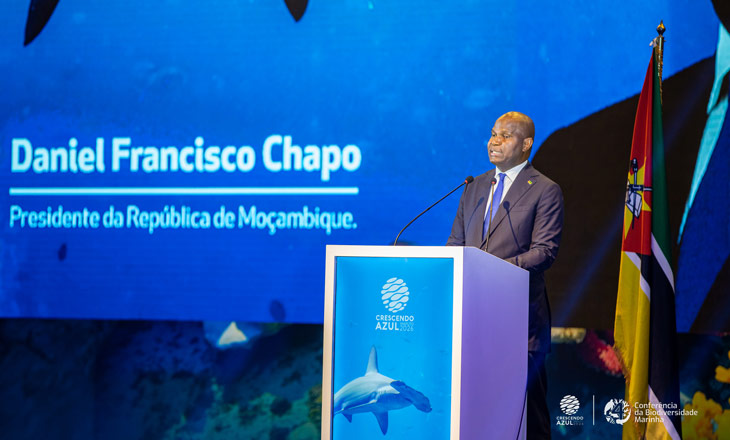
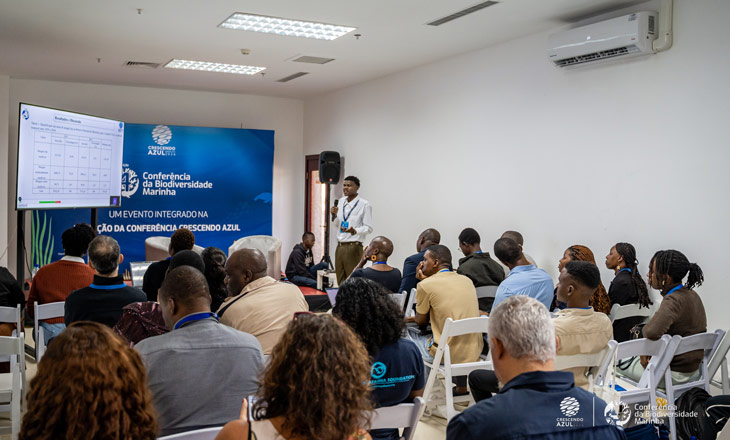
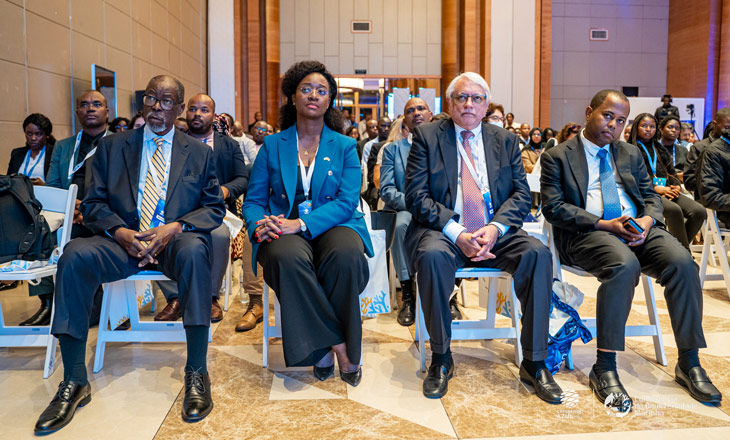
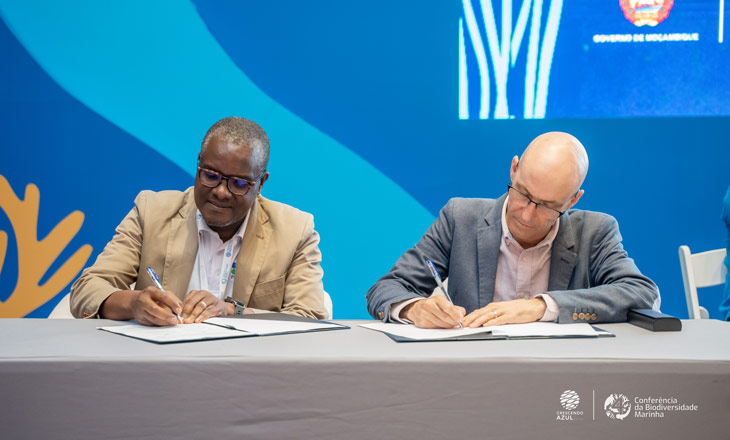
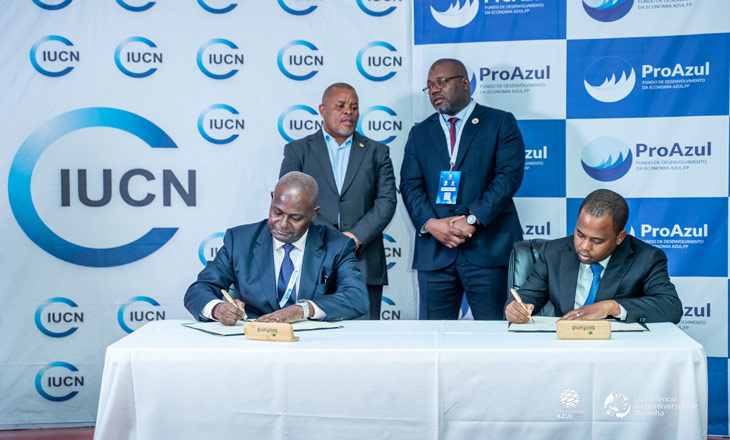
The city of Maputo hosted the 4th Marine Biodiversity Conference (MBC) on 11–12 June 2026, as part of the 3rd Growing Blue Conference. Held at Glória Hotel, the event brought together more than 762 in-person participants and over 2,350 online attendees, including representatives from government institutions, research organizations, civil society, academia, the private sector, coastal communities, and development partners. The conference served as a platform to discuss solutions that reconcile marine biodiversity conservation with the sustainable development of Mozambique’s Blue Economy.
Throughout the two-day event, discussions converged around a central message: there can be no sustainable blue economy without healthy marine biodiversity. During the opening session, Carlos dos Santos, Chairman of BIOFUND, emphasized that “the conservation of marine resources is not only an environmental responsibility. It is also an economic, social, and moral responsibility.” He further stated that “Mozambique’s blue future will depend on our collective ability to transform knowledge into action, science into public policy, and conservation into opportunities for sustainable development.”
On the same occasion, Roberto Mito Albino, Minister of Agriculture, Environment and Fisheries, highlighted the unique importance of the Marine Biodiversity Conference by noting that:
“The Marine Biodiversity Conference brings to this discussion the essential foundation that supports any vision of blue development: ecosystems, species, habitats, marine conservation areas, scientific knowledge, coastal communities, and environmental education.”
Participants emphasized the need to strengthen cooperation among institutions, invest in the generation and application of scientific knowledge, enhance the participation of local communities, and mobilize innovative financing mechanisms to ensure the protection of the country’s marine and coastal ecosystems.
Among the conference’s major milestones were the signing of a Memorandum of Understanding between BIOFUND and PROAZUL, aimed at developing sustainable financing mechanisms, including resource mobilization for marine and coastal biodiversity conservation initiatives, and the signing of the Commitment Declaration for the implementation of the National Framework for Other Effective Area-Based Conservation Measures (OECMs), reinforcing Mozambique’s alignment with the Global 30×30 Target.
The Declaration was endorsed by a wide range of stakeholders, including government institutions, development partners, civil society organizations, and research entities, all of whom play a complementary role in the identification, recognition, and implementation of OECMs in Mozambique. This collective commitment seeks to consolidate an integrated approach to biodiversity conservation, ensuring that areas managed by different actors and sectors effectively contribute to national and global conservation targets.
The conference featured 44 oral presentations, 38 scientific posters, and parallel sessions covering marine protected area management, marine megafauna conservation, biodiversity, climate change, marine ecosystems and restoration, nature-based solutions, community governance, sustainable fisheries, aquaculture, and coastal habitat conservation. These sessions reinforced the importance of bridging the gap between research and decision-making and transforming scientific data into policies, programmes, and concrete actions on the ground.
The program also included an exhibition on marine ecosystems and conservation, held between 13 and 17 June at the Maritime Museums in Maputo. The exhibition brought together photographs, educational materials, and information on Mozambique’s marine and coastal species, providing a space for environmental awareness and education for different audiences. Over the five days, the exhibition received around 340 visitors, highlighting the growing interest in the conservation of the country’s marine ecosystems.
One of the conference’s highlights was its recognition of coastal communities, particularly through discussions on conservation with value, incentives, community governance, and Women Guardians of the Oceans. These sessions reinforced the understanding that conservation efforts can only be sustainable if they generate tangible benefits for those who depend daily on marine resources and actively participate in their management. Reflecting on her participation in the Women Guardians of the Oceans side event, held within the framework of the Marine Biodiversity Conference, participant and speaker Madalena Duarte summarized the educational dimension of the discussion by stating:
“Educating for the ocean also means nurturing more aware, committed, and prepared citizens capable of addressing the environmental challenges of both the present and the future.”
Across the various sessions, a common message emerged: marine biodiversity conservation cannot be achieved in isolation. Success will depend on strengthening partnerships, securing long-term financing, bringing science closer to decision-making processes, and creating tangible benefits for communities whose livelihoods depend on marine resources.
The conference was complemented by an exhibition on marine ecosystems and biodiversity conservation, hosted at the Museum of the Sea until 17 June and open to the public. The initiative offers an opportunity to explore the richness of Mozambique’s marine biodiversity, raise awareness about the importance of its conservation, and engage different audiences with the themes discussed during the conference.
The successful organization of the 4th Marine Biodiversity Conference was made possible through the joint efforts of several partner institutions, namely the Ministry of Agriculture, Environment and Fisheries, the Blue Economy Development Fund (PROAZUL), the National Administration for Conservation Areas (ANAC), the Oceanographic Institute of Mozambique, Eduardo Mondlane University, the Museums of the Sea and Natural History, the Wildlife Conservation Society (WCS), Peace Parks Foundation, the International Union for Conservation of Nature (IUCN), ADRA Mozambique, the Marine Megafauna Foundation, Rare, WWF, UniLúrio, UniISCED, the Higher Polytechnic Institute of Quissico, UniZambeze, Chepea Association, and the Luxury Networks Association.
The conference also benefited from the support of development partners and donors, including the Blue Action Fund, the World Bank through the MozNorte Project, the Government of Sweden through the Biodiversity Conservation Programme, FAO, GIZ through the Prosper Azul Project co-financed by BMZ and the European Union, and the Italian Agency for Development Cooperation (AICS), all of whom support marine biodiversity conservation initiatives in Mozambique.
During the closing session, the organization of the 5th Marine Biodiversity Conference in 2027 was announced, reaffirming the continuity of this platform for dialogue, cooperation, and knowledge sharing in support of ocean conservation and the sustainable development of Mozambique.
Relive the highlights of the 4th Marine Biodiversity Conference on BIOFUND’s Facebook page: https://www.facebook.com/BIOFUND.Mozambique
BIOFUND Honoured at ANAC’s 15th Anniversary Gala for Its Contribution to Biodiversity Conservation in Mozambique
-
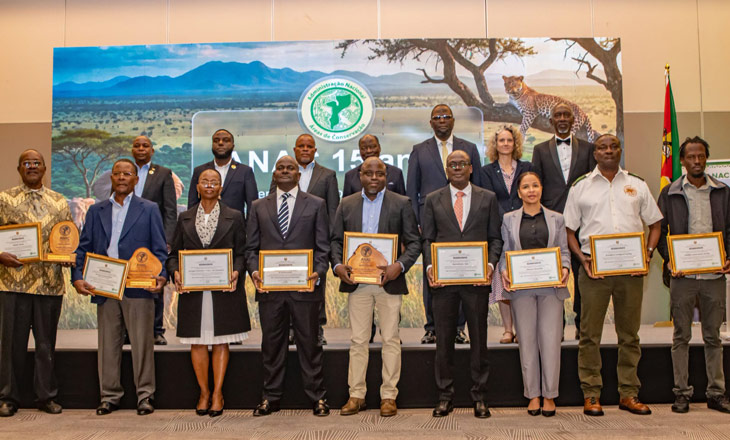
© ANAC
-
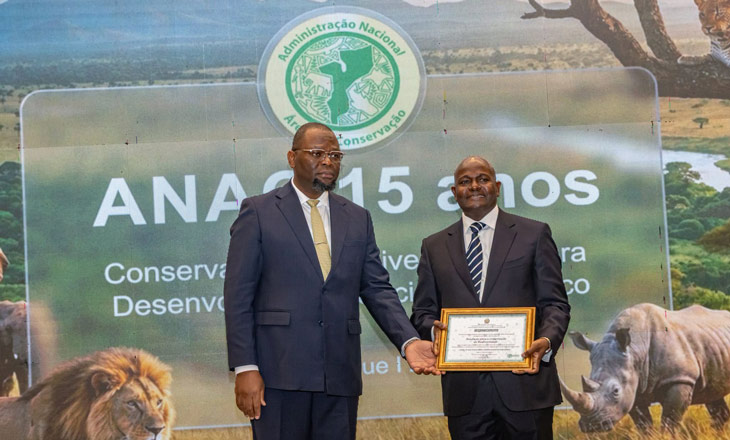
© ANAC
-
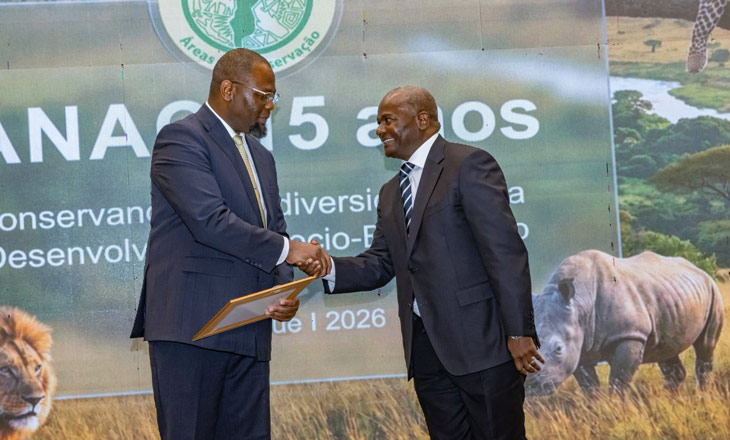
© ANAC
The Foundation for the Conservation of Biodiversity (BIOFUND) recently participated in the Gala Celebrating the 15th Anniversary of the National Administration for Conservation Areas (ANAC), a moment dedicated to recognising the progress achieved in biodiversity conservation in Mozambique and reaffirming the shared commitment to protecting the country’s natural heritage.
The ceremony brought together Government representatives, cooperation partners, co-management entities, the private sector, civil society organisations, managers of Conservation Areas, and other stakeholders who have contributed over the past 15 years to strengthening Mozambique’s National Conservation Areas System.
One of the highlights of the event was the presentation of the preliminary results of the 2025 National Elephant and Large Mammal Census, an exercise led by ANAC in partnership with BIOFUND and the International Union for Conservation of Nature (IUCN), and funded by Sweden. Designed to generate robust scientific information on the status of wildlife in the country, the census assessed the abundance, distribution, and population trends of elephants and other large mammal species, providing essential data to guide conservation policies and strategies.
The results reveal encouraging signs of wildlife recovery in Mozambique, with an estimated population of approximately 21,700 elephants—more than double the number recorded in 2018—as well as a significant reduction in the number of carcasses, a positive indicator of the effectiveness of anti-poaching efforts.
During the gala, BIOFUND was awarded a Certificate of Merit by ANAC in recognition of its role in strengthening the financial sustainability of conservation in Mozambique. The distinction highlights the Foundation’s contribution to the development and consolidation of the National Conservation Areas Network through resource mobilisation, support for the management of protected areas, and the promotion of initiatives that ensure biodiversity conservation for present and future generations.
Upon receiving the award, BIOFUND reiterated its commitment to continue working closely with ANAC, the Government, local communities, education and research institutions, as well as conservation and development partners, contributing to increasingly effective, sustainable, and inclusive conservation efforts in Mozambique.
BIOFUND and partners visit the fencing of the Muwai community conservation area
-
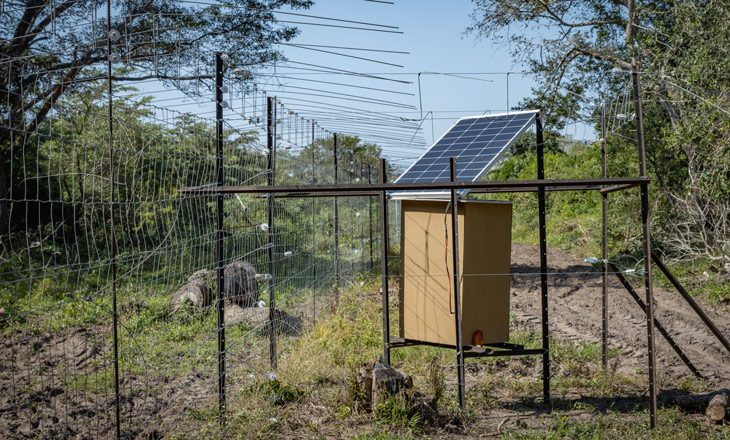
© ANAC
-
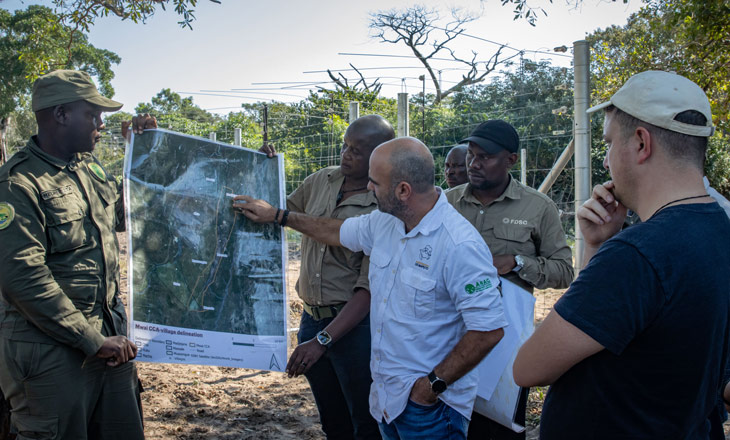
© ANAC
-
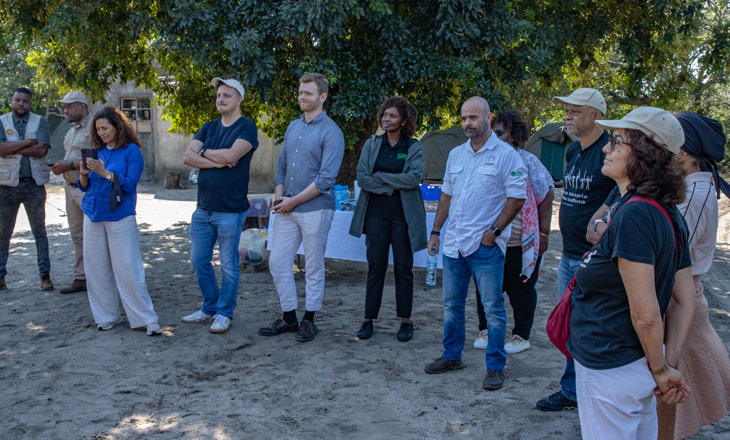
© ANAC
-
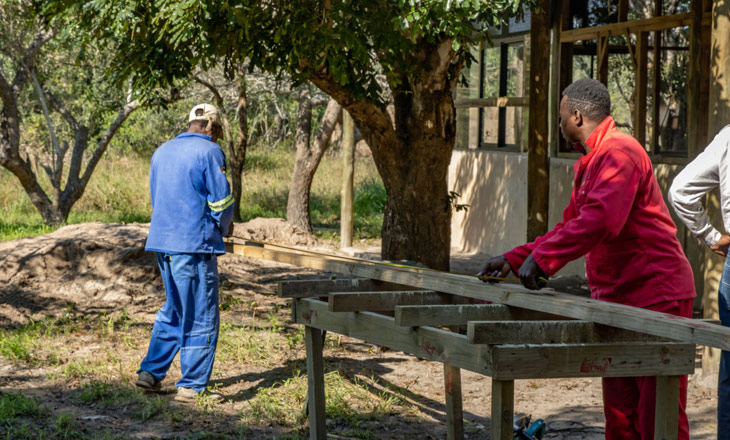
© ANAC
The Foundation for the Conservation of Biodiversity (BIOFUND), in partnership with the National Administration for Conservation Areas (ANAC), the Embassy of Sweden, Maputo National Park (PNAM), the Maputo Environmental Protection Area (APA Maputo), Maputo Conservation Company (MCC), and the Community Association for the Conservation of the Futhi Corridor (ACCF), conducted a monitoring visit on 28 May 2026 to the fencing works of the Muwai Community Conservation Area, located in the buffer zone of Maputo National Park.
The purpose of the visit was to assess the progress of the fencing works, evaluate the implementation status of activities on the ground, and strengthen dialogue with field implementers regarding the role of this infrastructure in biodiversity conservation and the mitigation of human-wildlife conflict.
Funded by Sweden through BIOFUND under the Biodiversity Conservation Programme, implemented in close collaboration with ANAC, the initiative represents an important contribution to strengthening community-based conservation in Mozambique, while simultaneously promoting the protection of natural resources and improving the livelihoods of local communities.
During the visit, participants observed the progress of the infrastructure and interacted with members of ACCF, as well as managers from MCC, PNAM, and APA Maputo, who shared their perspectives on the positive impacts already observed since the project’s implementation began.
Among the results already recorded are the reduction of elephant incursions into agricultural areas, decreased crop losses, and the consequent improvement of food security for families in the region. Participants also highlighted the strengthening of community participation and the growing sense of collective responsibility for the sustainable management of natural resources.
This intervention is part of a broader set of actions aimed at strengthening the management of the Muwai Community Conservation Area, including environmental education activities, support for the development of sustainable livelihoods, and capacity building for local community governance structures.
Participants emphasised that the Muwai experience represents a concrete example of solutions based on collaboration between communities and conservation institutions, demonstrating the potential of such approaches to promote harmonious coexistence between people and wildlife while contributing to ecosystem conservation.
The fencing works are currently in their final phase, with the official inauguration expected by the end of June this year. This will mark an important milestone in strengthening community conservation and fostering coexistence between local communities and wildlife in the region.
Filmmaking Training Strengthens Capacity to Tell Conservation Stories in Mozambique
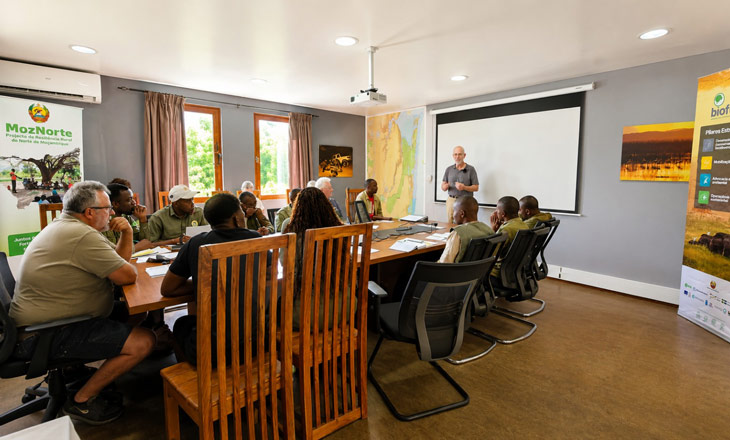
Technicians, rangers and communication officers from several Conservation Areas are taking part in a practical audiovisual production training, promoted under the partnership between ANAC and BIOFUND, with support from the MozNorte Project.
Technicians, rangers and communication officers from several Conservation Areas across Mozambique have begun a filmmaking training programme focused on biodiversity conservation at Maputo National Park. The initiative is being implemented under the partnership between the National Administration for Conservation Areas (ANAC) and the Foundation for the Conservation of Biodiversity (BIOFUND), with support from the MozNorte Project, financed by the World Bank.
The training is conducted within the framework of the Mozambique Conservation Leadership Programme (PLCM) and aims to strengthen practical audiovisual production skills, from story planning, image and sound capture, to editing and developing short, clear and relevant narratives for different audiences.
Over the course of approximately three weeks, participants will have the opportunity to work on topics related to biodiversity, wildlife, law enforcement, tourism, local communities, environmental education, environmental citizenship and conservation challenges.
During the opening session, the host of Maputo National Park (PNAM), Miguel Gonçalves (Administrator of Maputo National Park), welcomed participants and highlighted the importance of making the most of this opportunity in a place of high ecological and symbolic value for the country.
“Make the most of this opportunity in the only natural World Heritage site in our country,” he stated.
For BIOFUND, this training responds to the need to strengthen skills within the national conservation system, enabling professionals working directly in the field to better document what they observe, experience and protect.
Alexandra Jorge, BIOFUND’s Programmes Director, explained that the initiative is aligned with the Foundation’s role in promoting knowledge, capacity building and collaboration among partners.
“You will learn mechanisms and tools that can help document and disseminate information about wildlife, communities and Conservation Area staff,” she stated.
The BIOFUND representative also highlighted that this is a pilot experience with strong potential to be replicated in other Conservation Areas if results prove positive.
“Our hope is that you will be able to share and teach what you learn here with colleagues from your Conservation Areas,” she added.
The training is facilitated by Dave McGowan, an American professional with extensive international experience in film production for public institutions, non-governmental organisations and conservation-related initiatives. During his intervention, the trainer emphasised that the main objective of the programme is not to turn participants into professional filmmakers, but rather to equip them to communicate essential conservation messages more effectively.
“I do not make films for entertainment; I make films to communicate important messages to their intended audiences,” said Dave McGowan.
The trainer also stressed the importance of producing content tailored to local audiences, including the use of local languages whenever videos are intended for communities.
“Producing videos in local languages and presenting them to communities is a sign of respect for the communities themselves,” he emphasised.
Among participants, expectations are high. Dário Agostinho (Zambeze Delta Safaris) highlighted the importance of capturing events that are often unique and cannot be repeated.
“Sometimes, when we are in the field, something remarkable happens, but we do not have a camera. This training will be very valuable for documenting events that may never happen again,” he stated.
Batista Biscuete, who works in communications at PNAM, also highlighted the challenge of producing complete content with limited teams.
“In conservation, I am the producer — I have to write, film, edit, evaluate and monitor social media,” he explained.
For Rosa Ferrão (Lipiliche Wilderness), the training represents an opportunity to give greater visibility to the role of communities, women and young people in conservation.
“I hope to gain the ability to tell the conservation story through rural women, young people, rangers and conservation guards,” she stated.
The initiative reinforces the joint commitment of ANAC, BIOFUND and the MozNorte Project to strengthen the capacities of Conservation Areas by promoting communication that is more accessible, closer to communities and better connected to on-the-ground realities.
By investing in storytelling capacity, the training contributes to increasing the visibility of the work carried out in Conservation Areas, strengthening connections among communities, institutions and the general public, while recognizing the role of those who work daily to protect Mozambique’s biodiversity.
Elephant-Resilient Silos Strengthen Food Security in Mágoè National Park
-
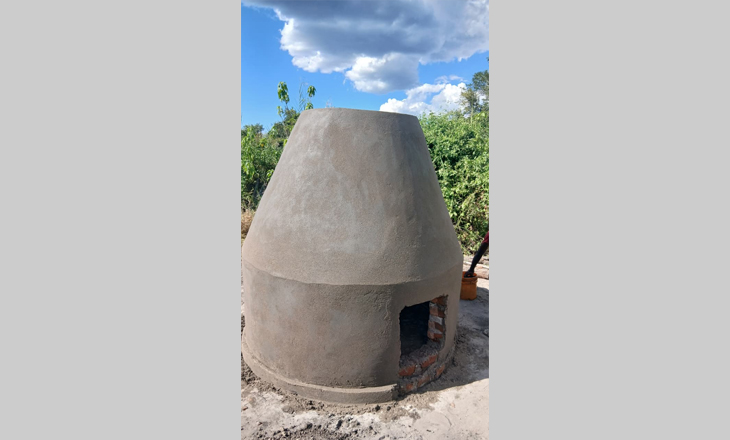
© MWA
-
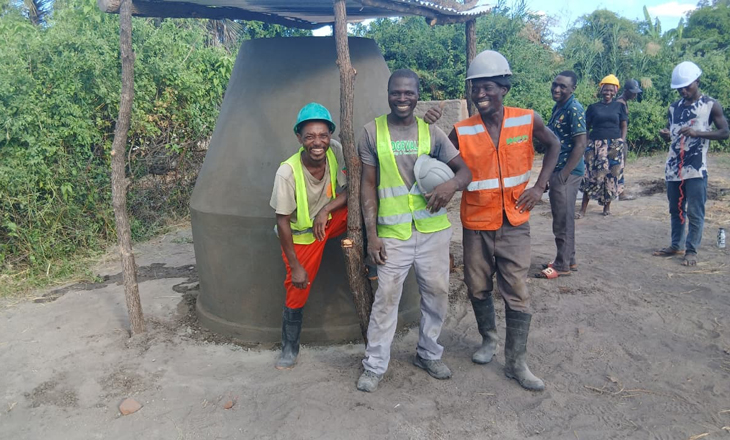
© MWA
-
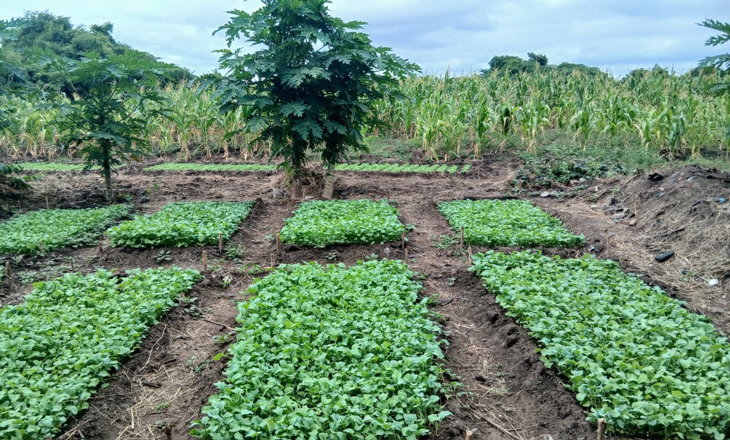
© MWA
-
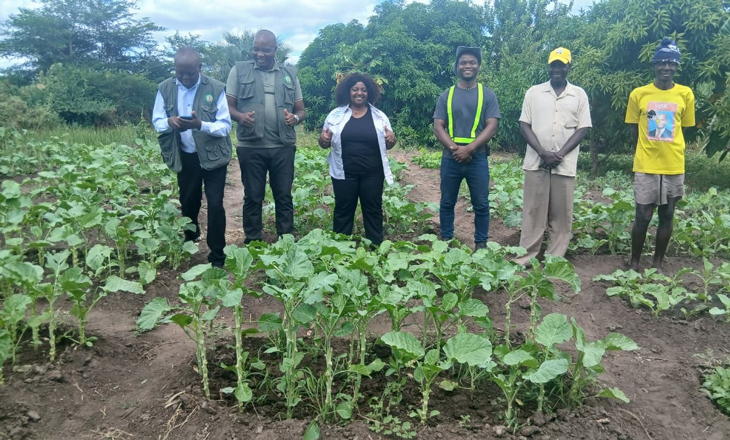
© MWA
Communities in the buffer zone of the Mágoè National Park (MNP) now benefit from two silos for the safe storage of agricultural produce, an initiative that strengthens efforts to mitigate Human-Wildlife Conflict (HWC) implemented in communities located within and around this Conservation Area.
The activity is being implemented by the Mozambique Wildlife Alliance (MWA) under the Sustainable Rural Economy Programme (MozRural), funded by the World Bank, and forms part of joint efforts to reduce the impacts of conflict between communities and elephants in Tete Province.
The infrastructure was designed to strengthen the protection of agricultural production by ensuring adequate and secure post-harvest storage conditions, reducing losses caused by elephant incursions and other wild animals.
This initiative complements the implementation of the first electrified fences in the districts of Mágoè and Cahora Bassa, completed in 2025 under the partnership between the Foudation for the Conservation of Biodiversity (BIOFUND), the National Administration for Conservation Areas (ANAC), and MWA. The fences cover approximately 130 hectares of agricultural land and directly benefit families vulnerable to human-wildlife conflict.
Through these integrated actions, the MozRural Programme continues to promote sustainable solutions that reconcile biodiversity conservation, community protection, and rural development in Mozambique’s Conservation Areas.
Radio Communication System Strengthens Community-Based Patrols in Chipanje Chetu
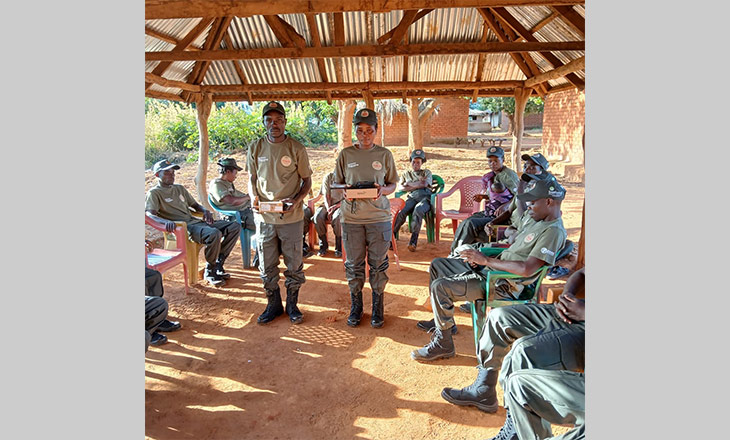
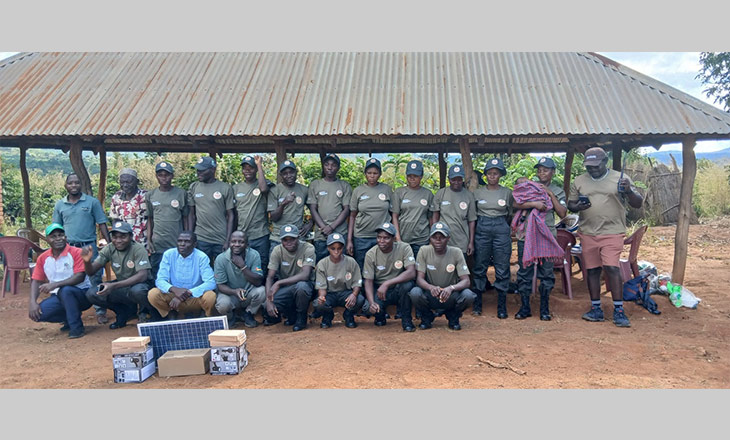
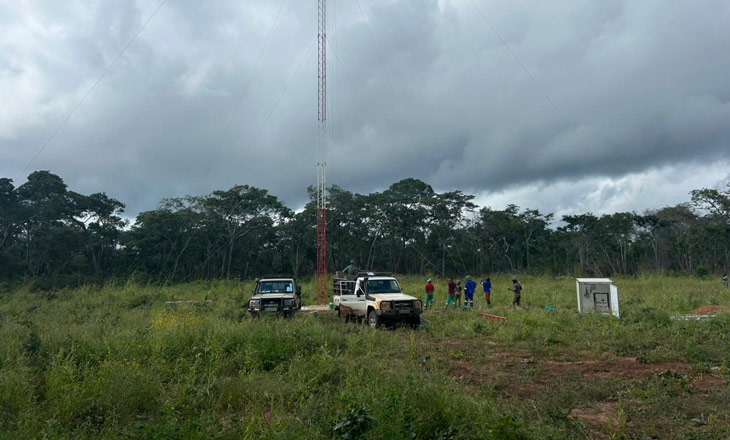
The Chipanje Chetu Area, in Niassa Province, now has a newly installed radio communication system successfully implemented under the MozNorte Project. The intervention also included the delivery of new uniforms, work equipment, and communication radios to community rangers operating in this conservation area.
The installation of the system represents an important step forward in coordinating field operations, particularly in a vast and difficult-to-cover area where fast and secure communication is essential for patrol activities, incident response, and the protection of natural resources. The system will enable dispatching, recording, and monitoring of operations, improving patrol efficiency and real-time incident response.
The system includes three digital repeaters installed in the communities of II Congresso, Nova Madeira, and Maumbica, as well as a dispatch and tracking centre at the headquarters of Lipilichi Wilderness. This multi-repeater configuration will expand communication capacity among field teams, including community rangers and anti-poaching units.
Through this intervention, around 80 community rangers and anti-poaching teams will benefit from a secure, scalable, and operationally adapted VHF communication system in Chipanje Chetu, covering an area of approximately 6,500 km².
In addition to improving patrol operations and field coordination, the system contributes to protecting people, livelihoods, and natural resources in the communities covered by the Chipanje Chetu Community Conservation Project.
Mozambique strengthens institutional coordination to balance economic development and biodiversity conservation
-
© COMBO+
-
© COMBO+
-
© COMBO+
-
© COMBO+
-
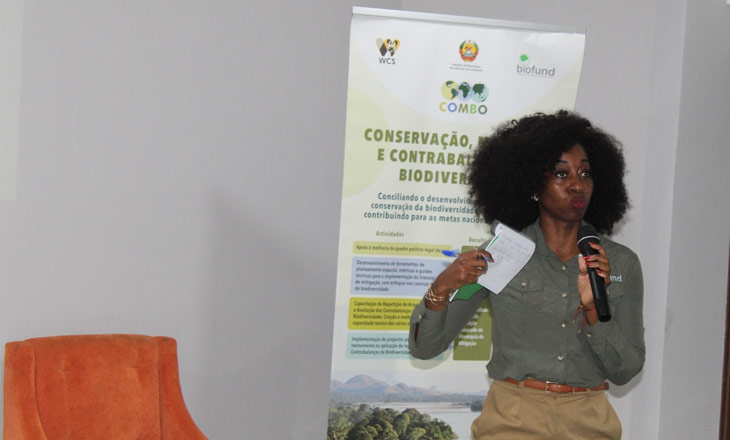
© COMBO+
Provincial workshops identified and trained more than 50 focal points in the provinces of Sofala and Inhambane for the effective implementation of the Directive on Biodiversity Offsets in Mozambique, approved under Ministerial Diploma No. 55/2022 of 19 May.
The workshops took place on 5–6 May in Inhambane and on 12–13 May 2026 in the city of Beira, Sofala Province, bringing together technical staff from central, provincial, and district government institutions working in the fields of environment, mining, conservation, and land-use planning. Participants included representatives from the National Directorate for Environment and Climate Change (DINAMC), the Wildlife Conservation Society (WCS), the Foundation for the Conservation of Biodiversity (BIOFUND), the National Administration for Conservation Areas (ANAC), the National Agency for Environmental Quality Control (AQUA), the National Directorate of Geology and Mines (DNGM), the National Mining Institute (INAMI), Provincial Environment Services (SPA), District Services for Planning and Infrastructure (SDPI), and District Services for Economic Activities (SDAE).
The initiative was promoted by DINAMC in partnership with WCS and BIOFUND through the COMBO+ Programme, at a time when Mozambique is experiencing rapid growth in mining, energy, and infrastructure projects, reinforcing the need to balance economic development with biodiversity conservation.
The training aimed to strengthen local technical capacities and increase the involvement of provincial and district structures in the implementation and monitoring of Biodiversity Offsets, while promoting stronger institutional coordination in environmental management and project licensing processes.
During the sessions, participants enhanced their knowledge of the Mitigation Hierarchy, Environmental Impact Assessment legislation, and the application of the Biodiversity Offsets Directive. Practical exercises were also conducted using technical tools and platforms, including the Red List of species and ecosystems, Key Biodiversity Areas (KBAs), the Mining Cadastre, and the Mozambique Biodiversity Information System (SIBMOZ).
At the closing session of the Sofala workshop, the Director of the Provincial Environment Services, Maquias dos Santos Chiutano, highlighted that:
“…the training represented an important step towards strengthening governance in the environmental sector and enhancing the institutional capacity required to address the challenges associated with the rapid growth of development projects in Mozambique.”
He further added that:
“(…) the country is currently undertaking a strategic review of the Environmental Policy and Environmental Law, with the aim of modernising the legal framework and aligning Mozambique with the requirements of sustainable development and international best practices.”
At the conclusion of the workshops, participants committed to formally validating the provincial groups of biodiversity offset focal points. The initiative is financially supported by the Government of Sweden through the Biodiversity Conservation Program.
Pomene Strengthens the Capacities of 25 New Reserve Staff Members
-
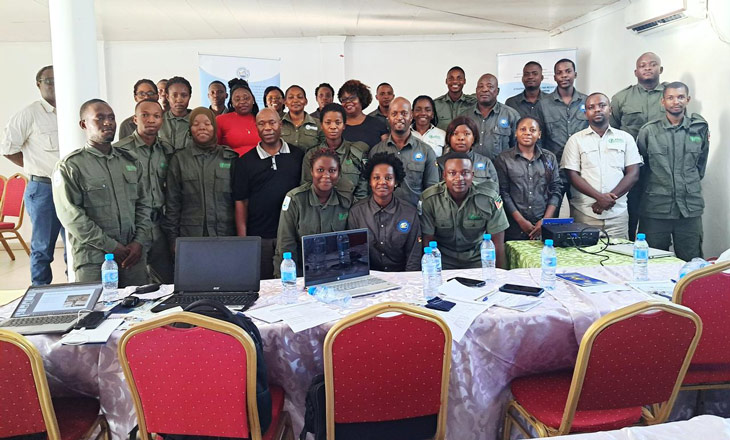
© RNP
-
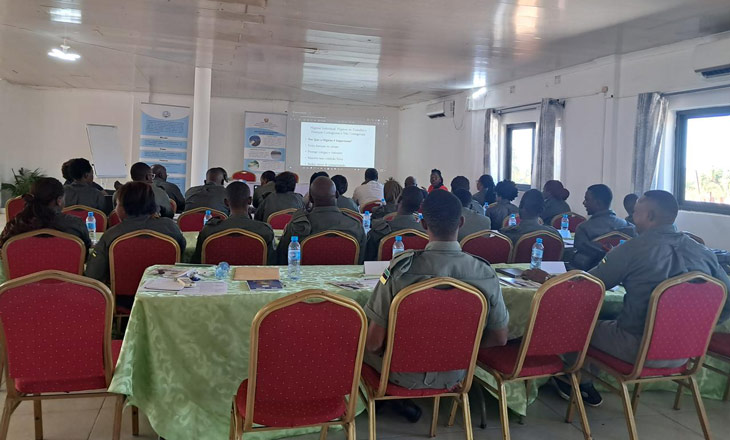
© RNP
-
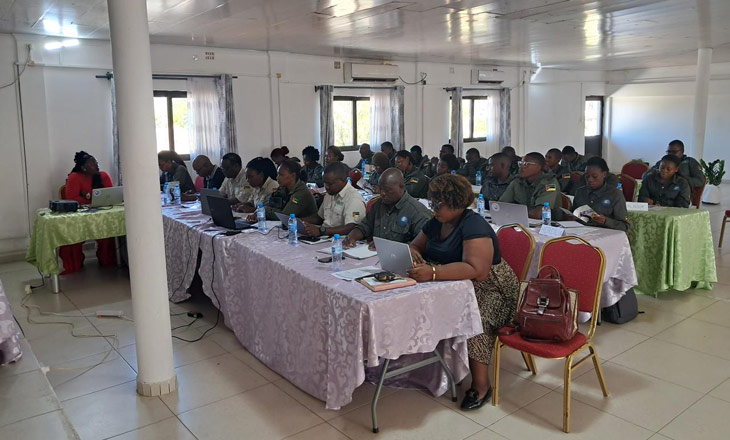
© RNP
The Pomene National Reserve is conducting an induction programme from 12 to 15 May in the town of Massinga, Inhambane Province, targeting 25 new staff members recently recruited through the National Agency for Environmental Quality Control (AQUA, IP).
The initiative aims to strengthen the technical and institutional capacities of the new rangers, promoting a better understanding of the functioning of Conservation Areas, professional duties, principles of administrative management, and essential tools for more efficient, responsible, and conservation-oriented performance aligned with biodiversity conservation challenges.
The opening ceremony took place on Tuesday, 12 May, and was led by the Administrator of Pomene National Reserve, Abílio Tamele, who highlighted the importance of the induction for the integration of the new staff members and for strengthening the Reserve’s team. In his remarks, he encouraged participants to make the most of the knowledge shared throughout the training, stressing that this moment represents an important step towards consolidating the professional capacities of staff assigned to the Reserve.
On the first day, sessions focused on Personnel Management and Administration, as well as Occupational Health and Safety, key topics to ensure organised, safe, and responsible performance in the execution of duties. Throughout the remaining days, the programme includes sessions on Conservation Area Governance, Conservation Area Management and Operations, Planning and Monitoring, Safeguards and Gender-Based Violence, as well as Protection and Law Enforcement.
The Protection and Law Enforcement component will also include a practical field activity involving GPS data collection, allowing participants to apply technical knowledge directly related to field operations.
The training is delivered by technicians from the National Administration of Conservation Areas (ANAC), as part of efforts to strengthen the competencies of new staff members at Pomene National Reserve.
The activity falls within the implementation of the Biodiversity Conservation Programme, funded by the Swedish International Development Cooperation Agency (SIDA) and coordinated by the BIOFUND, in partnership with ANAC. The programme aims to enhance biodiversity conservation and improve adaptability and resilience to climate change in Mozambique’s Conservation Areas, including Pomene National Reserve.
Through this induction, the Pomene National Reserve takes another step towards strengthening its institutional capacity, creating better conditions for the management, protection, and conservation of its ecosystems, for the benefit of biodiversity and communities that depend on natural resources.
BIOFUND receives courtesy visit from MCC in the context of the new phase of cooperation with Mozambique
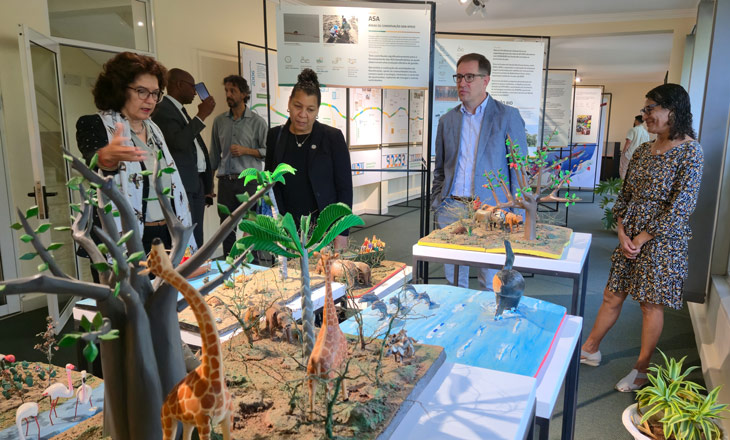
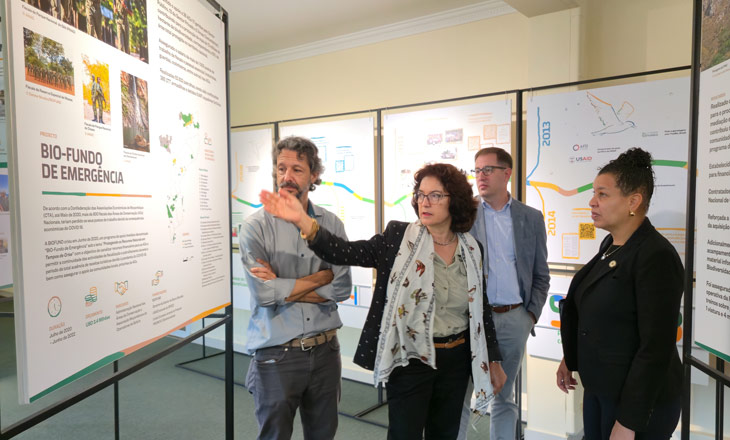
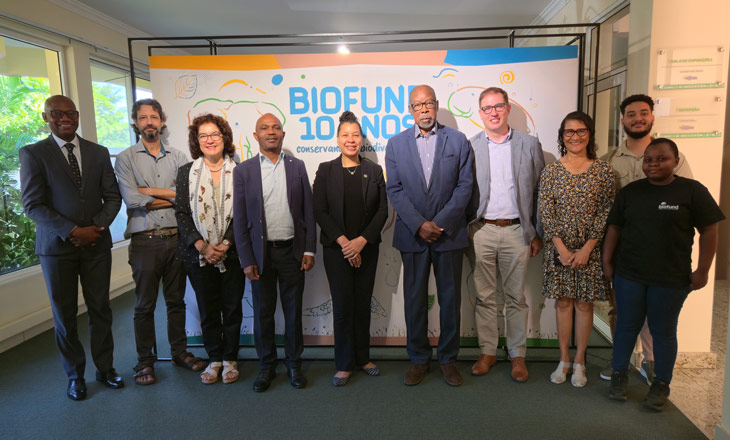
In the context of the new phase of the cooperation programme between the Government of Mozambique and the Millennium Challenge Corporation (MCC), known as Compact II, Alicia Robinson-Morgan, Acting Deputy Vice President for Africa at MCC, paid a courtesy visit to BIOFUND in Maputo.
The visit took place following the signing, on 29 April 2026 in Maputo, of an Aide-Mémoire between the Government of Mozambique and MCC, represented by the Minister of Planning and Development, Salim Valá, and Alicia Robinson-Morgan. The document establishes the basis for a new phase of programme implementation.
This milestone reaffirms the strength of the partnership between Mozambique and the United States of America and signals a renewed commitment to a transformative agenda focused on sustainable economic growth, investment mobilisation, and the strengthening of institutions.
The occasion provided an opportunity to reinforce institutional dialogue on biodiversity conservation, natural resource governance, risk mitigation, responsible investment, and the role of natural capital in Mozambique’s sustainable development.
During the visit, BIOFUND shared its experience as a national Conservation Trust Fund, established to support long-term financing for biodiversity and Conservation Areas. The importance of sustainable financial mechanisms, such as endowments, was highlighted, as they enable long-term planning and a more agile response to critical sector needs.
Results were also presented demonstrating BIOFUND’s evolution as a national platform for mobilising and channeling funds for conservation. In recent years, the institution has channelled approximately USD 138 million to projects, consolidated an endowment of USD 67 million, and disbursed around USD 55 million to Conservation Areas.
BIOFUND’s response during the COVID-19 pandemic was also highlighted as an example of the importance of having strong national institutions with rapid response capacity and field presence. Within two months, BIOFUND structured a support mechanism for the private sector and the Government, mobilising USD 3.5 million and supporting around one thousand people/families over 18 months.
As part of MCC’s engagement with implementing partners, including BIOFUND, a partner of CLCR, the commitment demonstrated throughout the period of uncertainty was acknowledged, and the continuity of the cooperation programme was reaffirmed.
The new strategic ambition of CLCR was also underscored, aimed at stimulating sectors linked to strategic natural resources through strengthened governance, risk mitigation, and the creation of more favourable conditions for responsible investment.
The visit reinforced recognition of BIOFUND’s strategic role in biodiversity conservation in Mozambique, as well as the centrality of natural capital as a pillar for development, value creation, and economic resilience for the country.
Mount Mabu: Groundbreaking Ceremony Launched for the Construction of a Camp to Support Conservation and Community Development
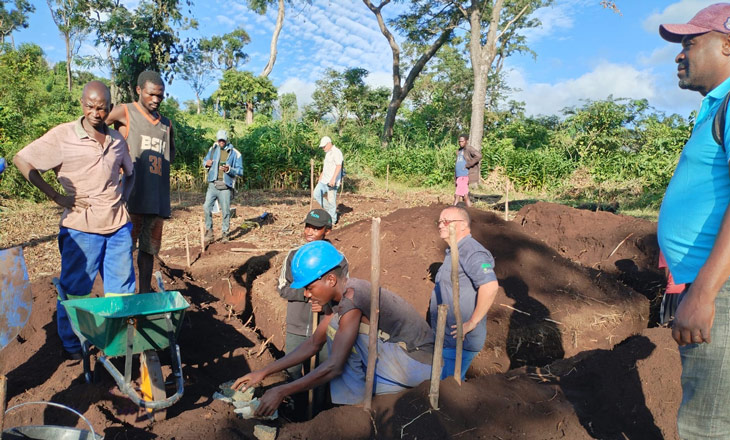
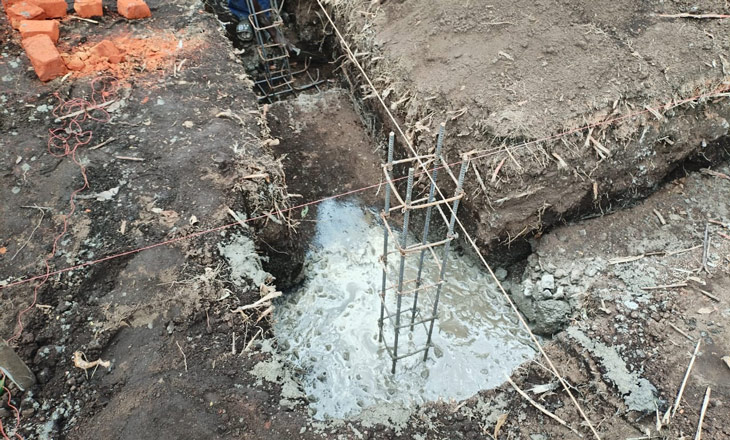
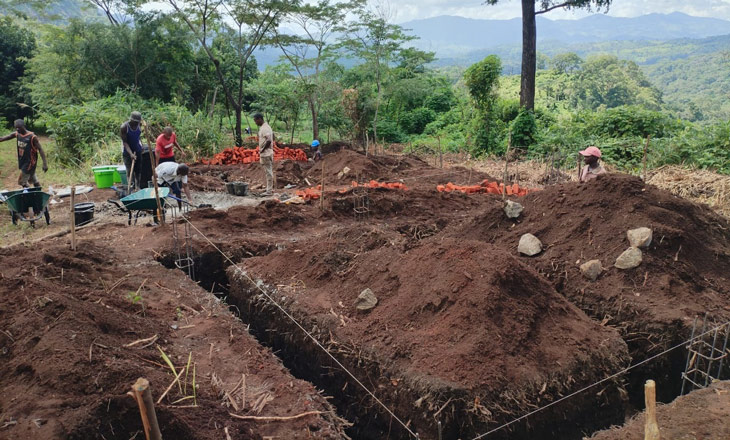
Mount Mabu has taken an important step towards strengthening community-based conservation with the laying of the foundation stone for the construction of a camp to support the management of the area, marking the beginning of a new phase in consolidating operational conditions on the ground.
Held on April 17 of the current year, the groundbreaking ceremony was led by the Coordinator of the Mount Mabu Conservation and Community Development Support Project, António Serra, and the President of CONSERVAMABU. The event was preceded by a traditional ceremony led by the community leader of Nangaze, symbolizing the involvement of local communities in management processes.
Following a planning period, during which the architectural design and the camp’s master plan were developed, the project now moves into its initial construction phase with the active involvement of community members. This stage includes the construction of four type-1 houses, intended to accommodate technical staff, as well as a kitchen with a dining area, creating basic conditions for on-site presence and operations.
The construction of the camp represents a decisive step in strengthening the operational presence in Mount Mabu, improving logistical conditions for the management and conservation of this important ecosystem. In the medium term, it is also expected to foster the development of technical-scientific tourism and beyond. The expansion of infrastructure is planned as additional resources are mobilized.
This initiative is part of the PROMOVE Biodiversity Programme, funded by the European Union and implemented by the Foundation for the Conservation of Biodiversity (BIOFUND), in coordination with the National Administration for Conservation Areas (ANAC). The programme aims to promote biodiversity conservation and the sustainable development of local communities in three beneficiary conservation areas: Gilé National Park (PNAG), the Primeiras and Segundas Environmental Protection Area (APAIPS), and Mount Mabu, where activities are implemented by the WWF–ReGeCom–RADEZA Consortium.
In addition to its conservation impact, the initiative directly contributes to boosting the local economy by promoting income-generating opportunities and strengthening community involvement in the sustainable management of natural resources. The camp also establishes the basic conditions for developing Mount Mabu’s tourism potential by supporting future ecotourism activities, which may generate additional economic benefits for local communities.
With this progress, Mount Mabu strengthens its position as an example of community-based conservation, where biodiversity conservation goes hand in hand with local development.
Bio Card boosts production of certified charcoal from forest residues in Sofala
-
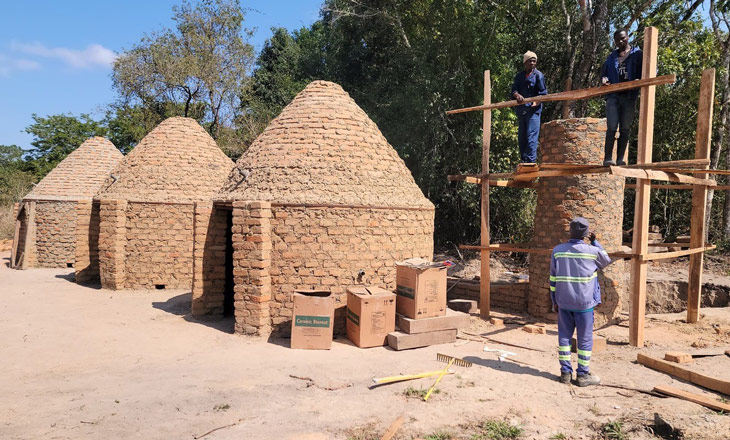
© Levasflor
-
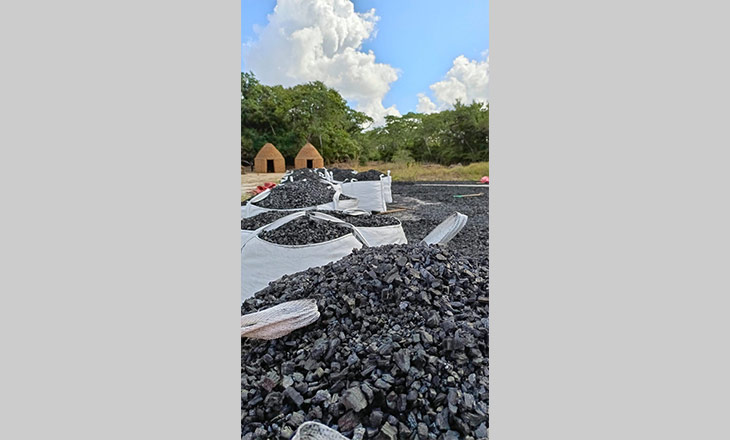
© Levasflor
-
© Levasflor
In Cheringoma and Muanza, in Sofala Province, forest and sawmill residues are gaining a new use: the production of certified charcoal, with controlled origin and no intentional tree cutting. The initiative, certified by the Forest Stewardship Council (FSC) and biochar, implemented by LevasFlor, presents itself as a more responsible alternative to the informal charcoal that dominates the national market.
Certification indicates that the raw material used comes from responsible forest management, with environmental, social and economic criteria recognized internationally. In a market often marked by informality, this certification helps to build greater consumer confidence and to differentiate products with controlled origin.
Funded through Bio Card funds, the initiative, implemented between April and October 2024, focuses on the valorisation of forest and sawmill residues for the production of high-quality charcoal certified by the FSC, while simultaneously contributing to forest conservation and local economic development.
Currently, production is at an advanced operational stage, with encouraging results. Output has reached around 11.9 tonnes of charcoal from residual biomass, in a process that avoids intentional tree cutting and promotes a circular economy approach.
The raw material used comes mainly from residues of the timber industry, such as offcuts, branches and rejected wood, with emphasis on the species messassa (Brachystegia spiciformis), typical of miombo woodlands, recognized for its high density and energy efficiency. This model helps reduce pressure on forest resources.
In addition to charcoal, the project also includes the production of biochar, a product used in agriculture to improve soil quality. When applied correctly, it helps the soil retain more water and nutrients, contributing to more resilient agricultural practices among local communities.
In a context where the national charcoal market is largely dominated by informal chains, with inconsistent quality and lack of environmental control, the introduction of certified charcoal represents a strategic opportunity. There is growing demand for more consistent products, especially in urban centres and in the restaurant sector, where quality, burn durability and sustainable origin are becoming increasingly important.
The initiative also includes the development of packaging adapted to the formal market, in different formats, as well as the establishment of partnerships for distribution through structured channels, contributing to the organization of a more transparent and efficient value chain.
With a forest concession of 46,240 hectares of miombo woodland under responsible management, LevasFlor reinforces, through this project, its commitment to biodiversity conservation, carbon retention and the promotion of sustainable livelihoods.
Youth with Purpose in the Conservation Sector: The Impact of the PLCM on the Trajectory of Massambo Batalhão
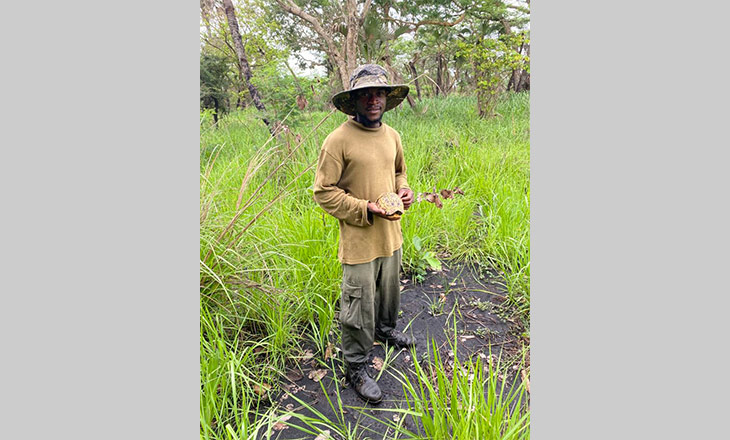
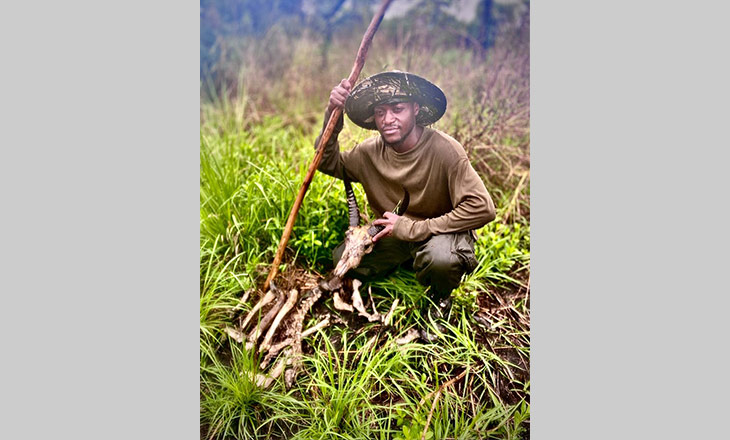
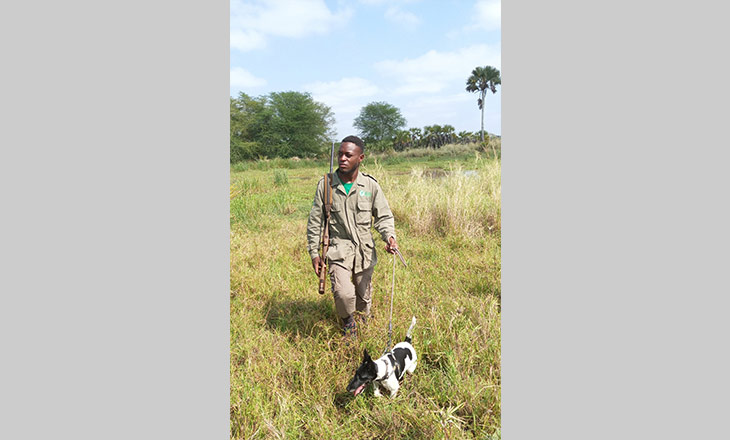
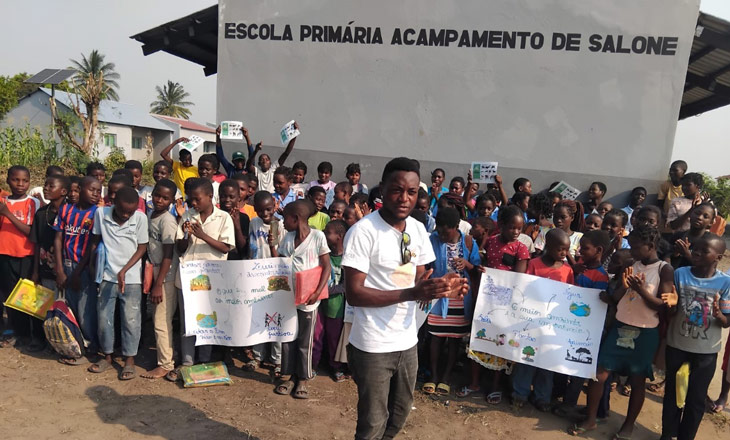
“I am a young conservationist dedicated to the protection of wildlife and the sustainable management of natural resources. I believe in the power of youth to transform the environmental sector and I work with commitment to be part of that change,” said Massambo Batalhão, an intern from the 7th edition of the Mozambique Conservation Leadership Program (PLCM). He holds a degree in Forestry and Wildlife Management from the Chimoio Agrarian Institute and was placed in Coutada 14, within the Marromeu Complex.
His participation in the PLCM was decisive in shaping his professional trajectory. Massambo considers the experience “extremely enriching,” as it allowed him to consolidate his academic training in Forestry and Wildlife, strengthen essential practical skills, and gain a deeper understanding of the real challenges facing conservation in the country.
The first months in the field brought significant challenges. Adapting to the work environment, especially during the rainy season, was not easy. He faced risky situations, such as the presence of mechanical traps intended for large animals. He also experienced insecurity about how to apply, in practice, the knowledge acquired during his studies, fearing failure.
With humility and determination, he sought guidance from more experienced colleagues, which helped him gain clarity and confidence. Gradually, he overcame his fear of making mistakes, learning from each experience and growing stronger through continuous practice. This combination of support, discipline, and active involvement in field activities enabled him to overcome all obstacles.
His training in Forestry and Wildlife proved fundamental, providing technical foundations to contribute directly to biodiversity conservation. Massambo highlights his ability to act in environmental monitoring, participatory management of natural resources, community education, and identification of threats to fauna and flora. As a qualified young professional, he considers himself prepared to support awareness campaigns, data collection, patrols in conservation areas, and sustainable management initiatives.
During the internship, he also developed leadership, communication, critical thinking, and problem-solving skills. One of his most memorable experiences was learning how to guide a professional hunting activity, which significantly expanded his practical knowledge and strengthened his preparation to work as a future safari guide.
Currently, Massambo is employed by Nyati Safaris Ltd. in Coutada 14 as a result of his dedication and remains firmly engaged in conservation initiatives, supporting wildlife monitoring, combating poaching, managing human–wildlife conflicts, and promoting environmental education in communities. He states that the PLCM greatly increased his interest in the sector, showing him the urgency of biodiversity protection and the power that each young person has to contribute to real solutions.
For him, the PLCM not only opened doors but shaped his vision for the future. Today, he feels more motivated than ever to build a solid and impactful career in the environmental field.
Massambo encourages other young people to get involved in conservation-related programs, invest in continuous training, and actively participate in environmental protection. He urges them to be curious, dedicated, and open to learning from experts and local communities. He leaves a message of persistence: “Conservation requires passion and resilience; every contribution makes a difference.”
The PLCM – Mozambique Conservation Leadership Program is an initiative of the Foundation for the Conservation of Biodiversity (BIOFUND), funded by the Embassy of Sweden and the World Bank, and aims to strengthen the skills of professionals within the National System of Conservation Areas (SNAC) and to shape the profile of future conservation leaders in Mozambique.