
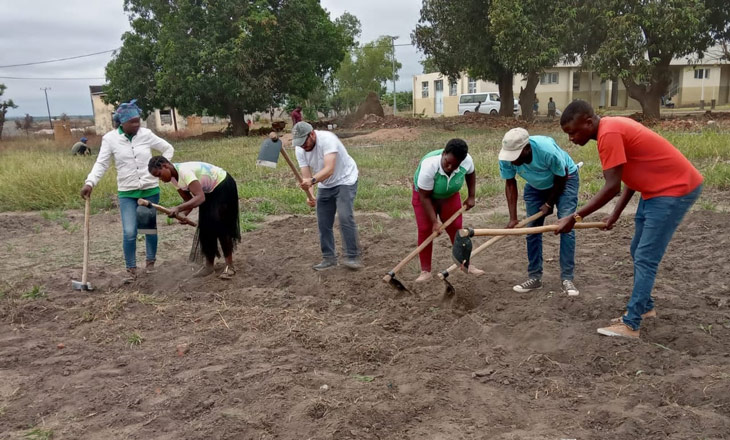
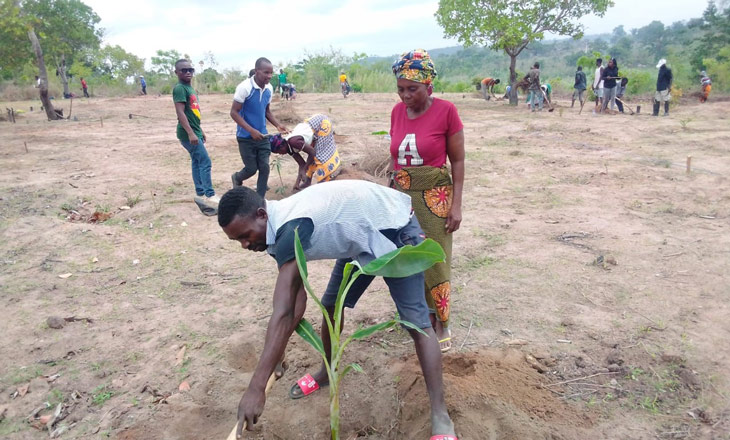
From October 23 to November 4, 2023, the district of Mocuba in Zambézia province hosted a strategic training on Conservation Agriculture and Agroforestry Systems, promoted through the partnership between PROMOVE Agribiz and PROMOVE Biodiversidade.
Training in Sustainable Agriculture Promoted by PROMOVE Biodiversidade and Agribiz Boosts Climate Resilience in Zambézia
-
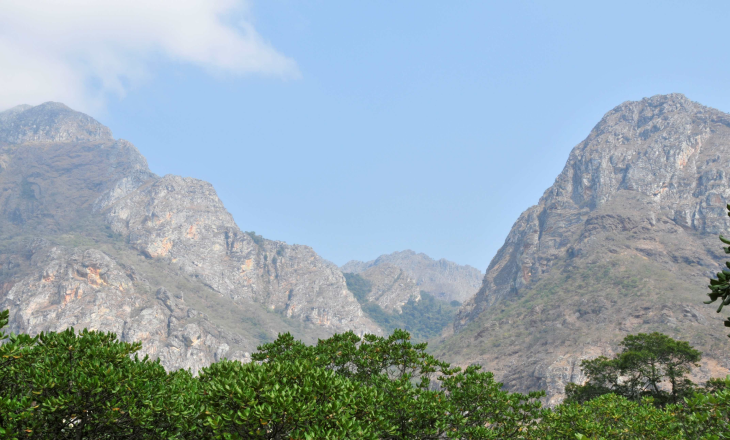
© Monte Mabu
-
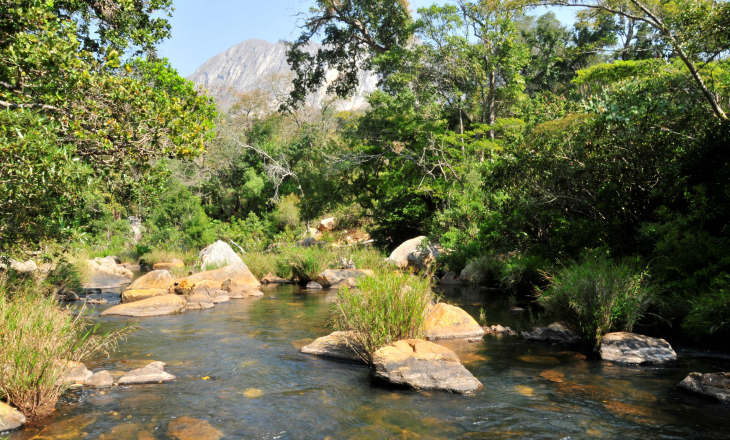
© Monte Mabu
The initiative, delivered by the Food and Agriculture Organization of the United Nations (FAO), aimed at strengthening climate resilience and increase agricultural productivity through the Farmer Field School (FFS) approach.
With 29 participants, including technicians and local promoters from the provinces of Zambézia, Sofala, and Manica – 20 of whom reside in the buffer zone of Gilé National Park (PNAG) and Mount Mabu— the training focused on simple methods and practices. These were developed using local crops and the machamba (small-scale farm) as teaching and learning resources, with the goal of empowering and developing communities.
Highlighting the participatory FFS methodology, the training facilitated the cascading transmission of knowledge and technologies. Each lead farmer trained during the course should support approximately 25–30 other farmers in the following season, creating a sustainable community impact chain.
This activity is the result of synergies between the PROMOVE Biodiversidade and Agribiz Programs, both funded by the European Union. The activity is part of the community development component of PROMOVE Biodiversidade, which aims at supporting the livelihoods of communities in the program’s three beneficiary areas, namely Gilé National Park, Mount Mabu, and the Primeiras and Segundas Islands Environmental Protection Area.
Bio Card Drives Innovation in Biodiversity Conservation

In an innovative action for biodiversity conservation in Mozambique, the bio Card, a partnership between the Foundation for the Conservation of Biodiversity (BIOFUND) and Commercial Investment Bank (BCI), is funding two significant projects in collaboration with Eduardo Mondlane University (UEM) and the Natural History Museum (MHN). These initiatives, announced in October 2023, aim to preserve species fundamental to Mozambique’s biodiversity.
The project led by UEM, through the University Botanical Garden, focuses on the conservation of species listed on Mozambique’s Red List, such as Warburgia salutaris, Encephalartos lebomboensis, and Encephalartos umbeluziensis. Beyond protecting these species, the project aims to train young people in propagation and reintroduction techniques for rare, endemic, and threatened species, fostering future leaders in conservation and promoting habitat restoration and the cultivation of native plants.
Meanwhile, the Natural History Museum is engaged in developing Banhine National Park (managed by the National Administration of Conservation Areas – ANAC), aiming to transform it into a wetland of international relevance and establishing it as a migratory route for Eurasian birds. This effort is an integral part of the bio Card initiative, which channels a percentage of card annual fees to support biodiversity conservation projects in Mozambique.
Through these projects, the bio Card is playing a crucial role in the conservation of specific species and the identification of wetlands of international importance, reflecting a strong commitment to environmental preservation and the promotion of ecological awareness in Mozambique.
Agreement between BIOFUND and ANAC Boosts Ecological Restoration in Chimanimani National Park
-
© PNC
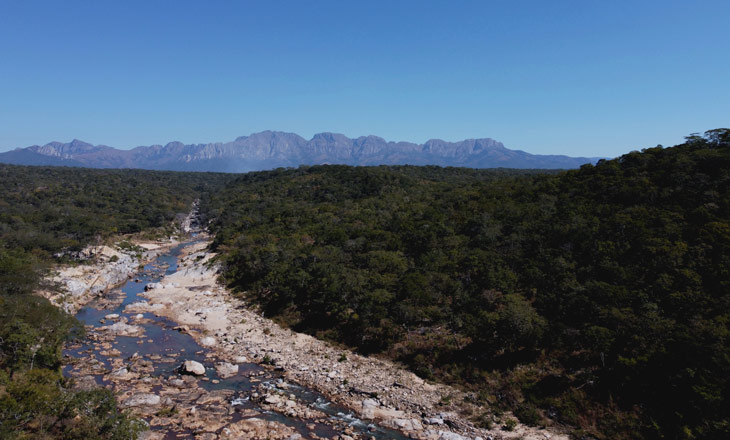
The Foundation for the Conservation of Biodiversity (BIOFUND) and the National Administration of Conservation Areas (ANAC) have signed an agreement to promote ecological restoration in Chimanimani National Park (PNC). This agreement is part of the Biodiversity Conservation and Community Development Project (CBDC), which seeks to restore degraded areas and enhance biodiversity in the PNC and its buffer zone.
This milestone within the CBDC project, launched in 2021 with support from the French Development Agency (AFD) and the French Global Environment Facility (FFEM), represents a significant effort in protecting biodiversity in Mozambique. The pilot project, led by BIOFUND through the Biodiversity Offsets Program (PCB), focuses on restoring natural habitats affected by extreme climate events, agricultural expansion, uncontrolled fires, invasive species, and artisanal mining.
Under the leadership of this project, the PNC will strengthen its capacity to contribute to the Mitigation Hierarchy and Biodiversity Offsets, as established in the Biodiversity Offsets Directive (Ministerial Diploma No. 55/2022 of 19 May). This joint commitment by BIOFUND and ANAC highlights their dedication to promoting biodiversity and environmental sustainability, marking an important chapter in the preservation of the natural heritage of Chimanimani National Park.
COMBO+ hosts its mid-term evaluation meeting in Mozambique (Conservation, Mitigation and Offsetting of Biodiversity)
-
© COMBO+
-
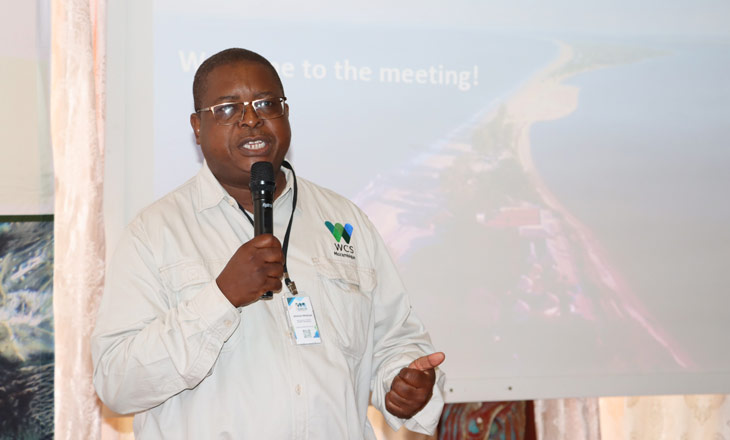
© COMBO+
-
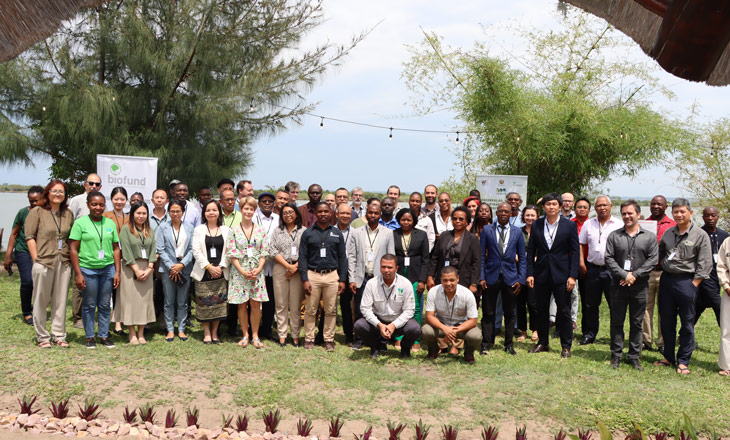
© COMBO+
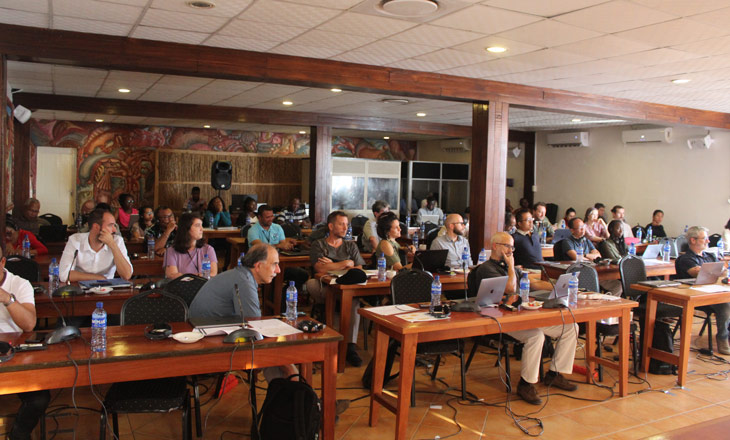
The mid-term evaluation meeting of the COMBO+ programme (“Conservation, Mitigation and Biodiversity Offsets”) was held in Macaneta, Mozambique, from 7 to 11 November, ending with a field trip to Maputo National Park. The event was hosted by Mozambique’s Ministry of Land and Environment, with almost 60 participants representing the programme’s technical teams and host governments (namely Guinea Conakry, Uganda, Mozambique, Madagascar, Myanmar and Laos), a delegation from China’s Wildlife Conservation Society (WCS), our donors, the French Development Agency (AFD) and the French Fund for the Global Environment (FFEM), three conservation trust funds, the Foundation for the Conservation of Biodiversity (BIOFUND), the Foundation for the Protected Areas and Biodiversity of Madagascar (FAPBM), and Tany Meva, as well as other relevant partners in the programme’s implementation.
COMBO+ is an initiative that has been running since 2016 and which supports the governments of the aforementioned countries in reconciling economic development with biodiversity conservation, through the appropriate implementation of the mitigation hierarchy, with the focus on achieving no net loss or a net gain of biodiversity, while simultaneously contributing to the achievement of the respective national targets.
Two years after the start of the second phase of COMBO+, the mid-term evaluation meeting was held with the aim of taking stock of the progress made to date, sharing experiences and knowledge about its implementation, including the lessons learned by each of the member countries, identifying problems, discussing solutions and planning the activities that are needed until the end of the programme.
Overall, the event was a great success and showed that despite the challenges faced by the implementing countries (e.g. political instability in some countries), fundamental steps have been taken in terms of improving the policy and legal framework, building the necessary tools and technical capacity to support proper implementation of the mitigation hierarchy and establishing case studies from which to draw lessons learnt.
The COMBO+ Programme is funded by AFD and FFEM, with co-financing from other donors, and is led by WCS in partnership with Biotope, Guineé Ecologie, BIOFUND and the University of Queensland. In Mozambique, it is being implemented by WCS, BIOFUND and the National Directorate for the Environment (DINAB).
BIOFUND and AGROTUR Collaborate for Biodiversity Conservation in Chimanimani
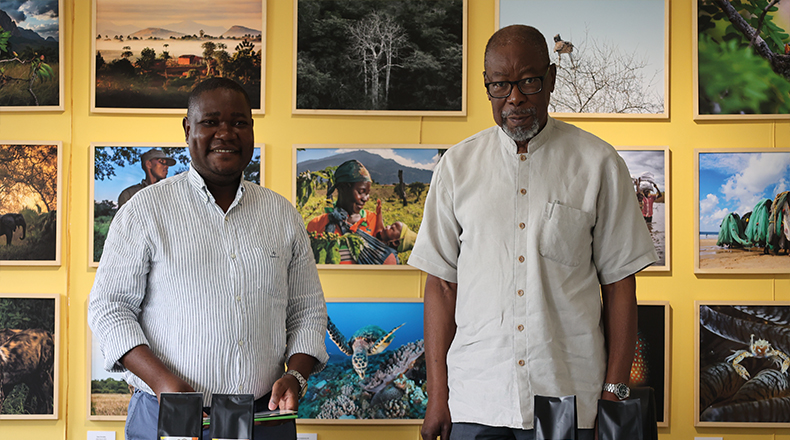
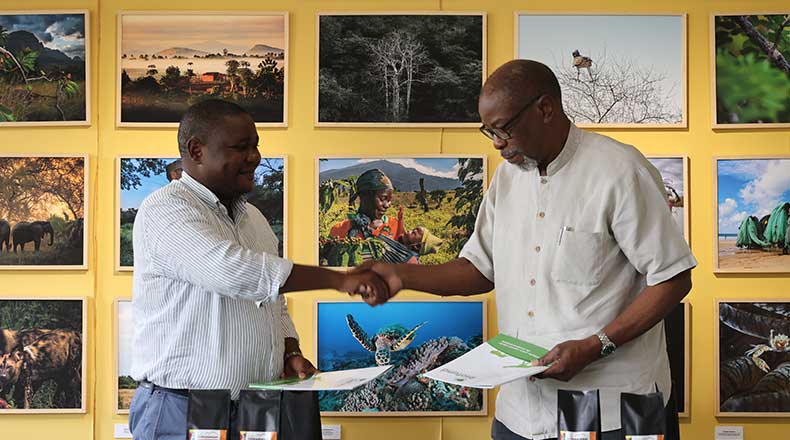
The Foundation for the Conservation of Biodiversity (BIOFUND) and AGROTUR, Lda have recently entered a five-year strategic partnership aimed at strengthening the protection of Chimanimani National Park (PNC). This alliance between the private sector and conservation organizations marks a significant step forward in safeguarding Mozambique’s biodiversity.
As part of this collaboration, AGROTUR a Mozambican company specializing in sustainable agricultural projects and the restoration of degraded areas has committed to allocating 5% of the revenues from coffee sales and related products to conservation activities in the PNC. AGROTUR focuses its coffee production in the park’s buffer zone, promoting farming practices that emphasize sustainability and biodiversity.
This partnership not only benefits the environment but also demonstrates the potential to align economic interests with environmental preservation. The collaboration between BIOFUND and AGROTUR serves as an example of how companies and foundations can work together to protect cultural and natural heritage while fostering sustainable economic development.
By consolidating this partnership, BIOFUND reaffirms its commitment to promoting responsible environmental management in Chimanimani National Park and ensuring sustainable financing for conservation activities.
The active involvement of the private sector in biodiversity conservation not only benefits the environment but also reinforces the idea that nature protection and economic development can coexist in harmony.
PLCM Expands Training of Future Conservation Leaders through the Post-Internship Program
-
© PLCM
With the support of the Biodiversity Conservation Program, funded by the Swedish International Development Cooperation Agency (SIDA), the Leadership Program for the Conservation of Mozambique (PLCM) has launched, in the current month of October, the Post-Internship Program.
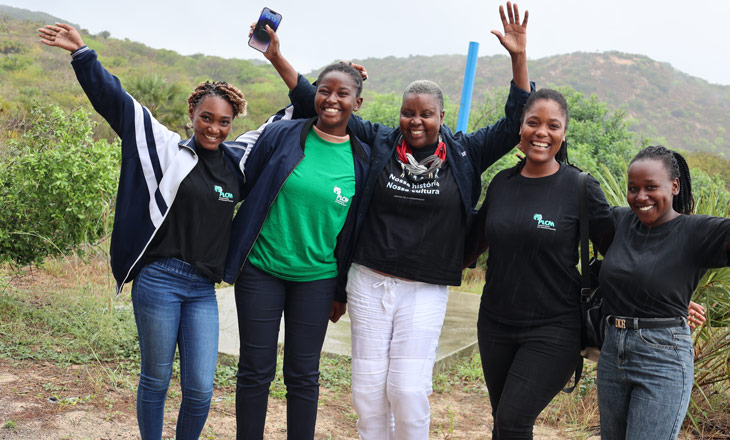
This program aims to simultaneously strengthen the technical capacity of conservation institutions—through the integration of former PLCM interns who demonstrated good performance—and provide young people with opportunities to contribute to the development of the conservation sector. In this first year of implementation, the Post-Internship Program selected and hired, for an initial period of 12 months (renewable for another year), four (4) former interns who were placed in three Conservation Areas.
The young beneficiaries, namely: Abacar Raimundo Aly Amade, hired for the Primeiras and Segundas Environmental Protection Area (APAIPS); Hivaldo Fazila da Silva Sitoe, hired for the Maputo Environmental Protection Area (APAM); and Raima António Francisco Muandenhosa and Dason Abel Chissano, both hired for the Pomene National Reserve (RNP), expressed their enthusiasm for being part of the first edition of the Post-Internship Program.
“This support is a great opportunity for my career. I feel challenged to contribute to biodiversity conservation and the development of the Pomene communities! I would like to help establish environmental clubs and implement income-generating initiatives for local communities,” said Raima Muandenhosa, former intern at the Gilé National Park and current Community Development Officer at RNPomene.
Meanwhile, Abacar Raimundo Aly Amade, Natural Resources Management Officer at APAIPS, intends to introduce new approaches for the sustainable use of natural resources.
“I would like to help implement activities that reduce community pressure on natural resources and increase resilience and adaptation to climate change, always striving to achieve environmentally sustainable livelihoods.”
For the Conservation Areas benefiting from the PLCM Post-Internship Program, the initiative is a significant contribution to the development of activities in various sectors.
“The internship and post-internship programs are a great asset, especially for RNPomene, which faces a shortage of human resources. The young professionals are creative and dynamic, and they are making a difference in the Tourism and Community Development sectors. Kudos to BIOFUND and PLCM,” emphasized Abílio Raimundo Tamele, Administrator of the Pomene National Reserve.
Coordinated by BIOFUND and financially supported by the Government of Sweden, the Biodiversity Conservation Program aims to enhance biodiversity conservation and strengthen climate adaptation and resilience capacity in Mozambique. In partnership with PLCM, this program funds pre-professional internships, hires post-internship youth, and promotes environmental awareness across the country.
For more information about the PLCM, visit the link!
Capacity Building for Community Associations Launches the BIO Community Project
-
© BIOFUND
-
© BIOFUND
-
© BIOFUND
-
© BIOFUND
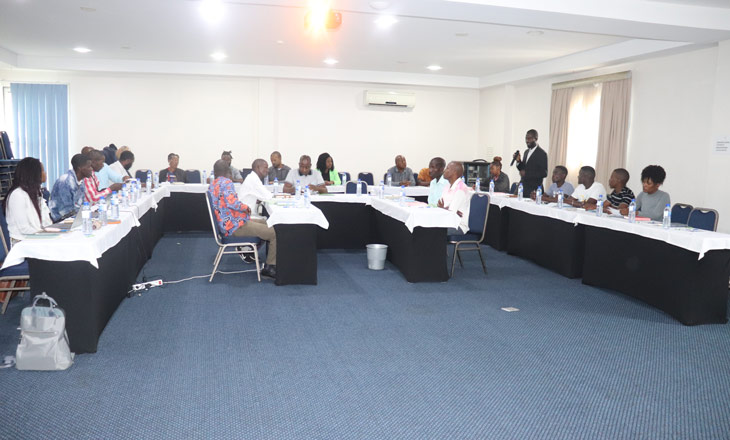
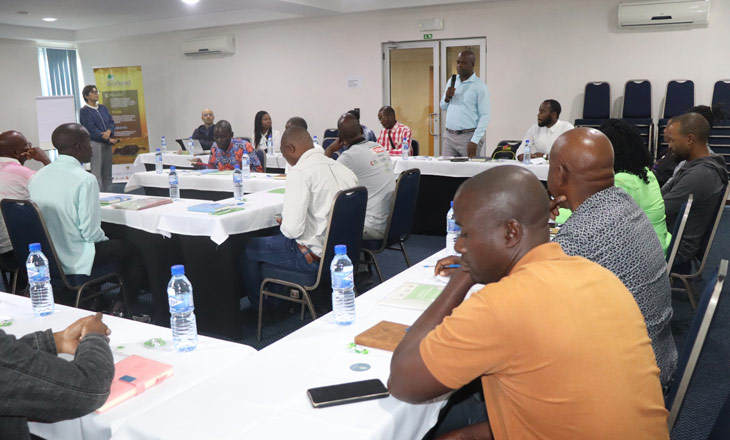
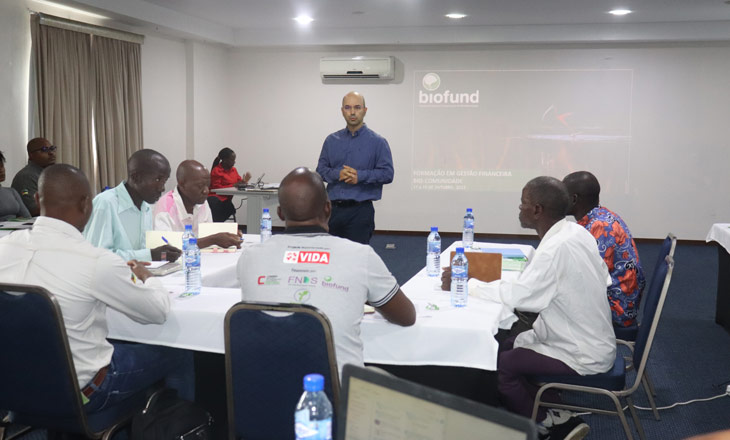
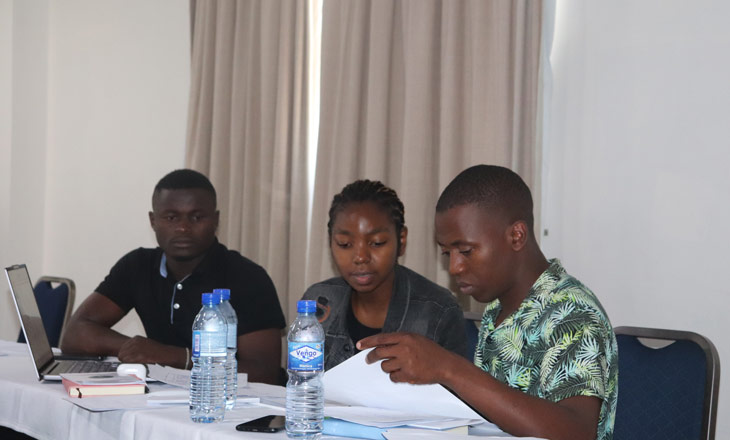
The BIO Community Project, a collaboration between the National Sustainable Development Fund (FNDS) and the Foundation for the Conservation of Biodiversity (BIOFUND), kicked off with the capacity building of 21 members of Community Associations in financial management. The event took place from October 17 to 19 in the city of Maputo and focused on administrative and financial practices aligned with the BIOFUND Project Implementation Procedures Manual.
António Carlos Camisa, President of the Nhabaua Natural Resource Management Association, emphasized the importance of the initiative: “With this training, we will improve the functioning of our Association, ensure accurate reporting, and expand our income-generating activities. The project funds will allow us to acquire equipment for honey production and processing, benefiting the entire community.”
The main objective of the BIO Community Project is to strengthen Community Associations in conservation areas, promoting active participation in the provision of products and services within the biodiversity conservation sector. The training aims to ensure that project activities are effective, benefiting both local communities and biodiversity.
The project focuses on the Elephant Coast Landscapes, Chimanimani, and the Marromeu Complex, specifically in the districts of Matutuine, Sussundenga, Marromeu, Cheringoma, and Muanza. This initiative is part of Component 3 of the MozBio2 Project, which is dedicated to promoting integrated rural development compatible with biodiversity conservation.
To learn more about MozBio 2 conservation and sustainable development initiatives, click here.
Environmental Impact Assessment Authority establishes Technical-Scientific Unit to Support Biodiversity Offsets
-
© WCS
-
© WCS
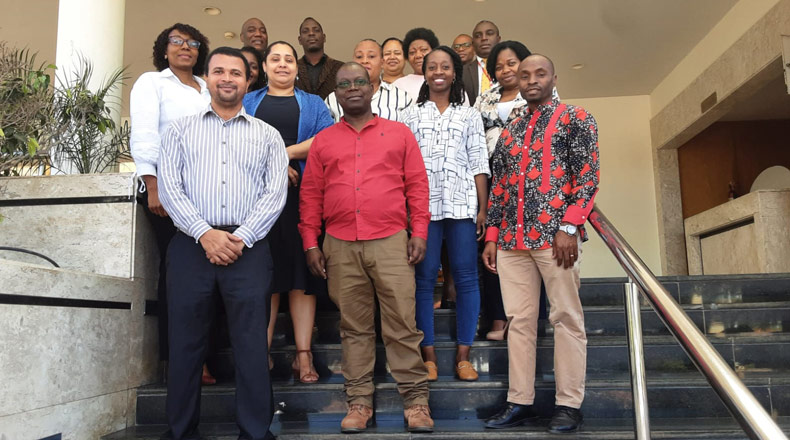
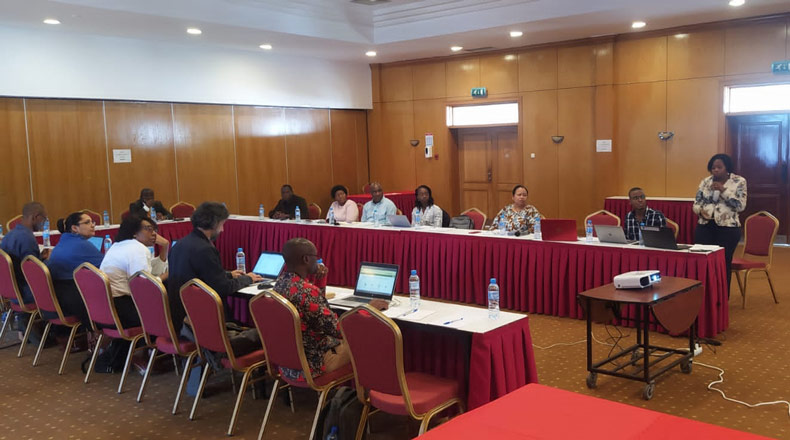
The National Directorate for the Environment (DINAB) and its partners in the COMBO+ Program, the Wildlife Conservation Society (WCS) and the Foundation for the Conservation of Biodiversity (BIOFUND), held the first meeting to establish the Technical-Scientific Unit to Support Biodiversity Offsets yesterday, 5 October 2023, in Maputo City, attended by 19 participants from different sectors.
The Ministerial Order 55/2022 of 19 May, which regulates the matter of Biodiversity Offsets, calls for the creation of this Technical-Scientific Support Unit for Biodiversity Offsets, with the aim of supporting the Environmental Impact Assessment Authority in making strategic and integrated decisions regarding the design, approval, implementation, evaluation and monitoring of Biodiversity Offset Management Plans. Some of the key aspects are the alignment of the offsets with the national targets, the areas receiving the offsets and the technical tools for their implementation.
The purpose of this kick-off meeting was to discuss the Terms of Reference of the Technical-Scientific Unit, namely its final composition and how it will operate, as well as to update members on the process of implementing the Biodiversity Offset Directive.
Real Time Elephant Monitoring Begins in Chimanimani National Park
-
© PNC
-
© PNC
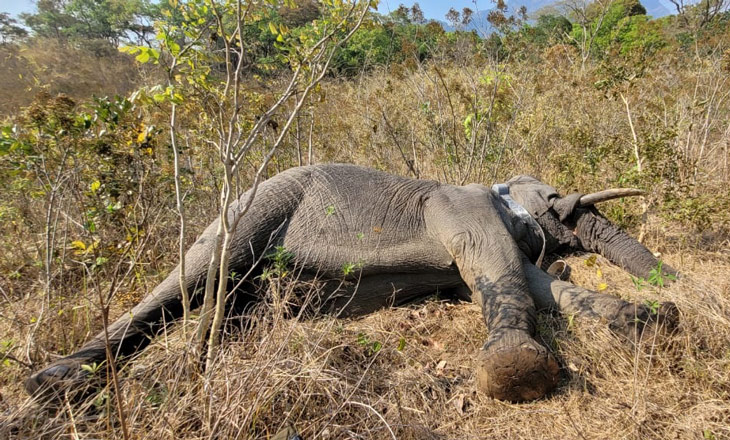
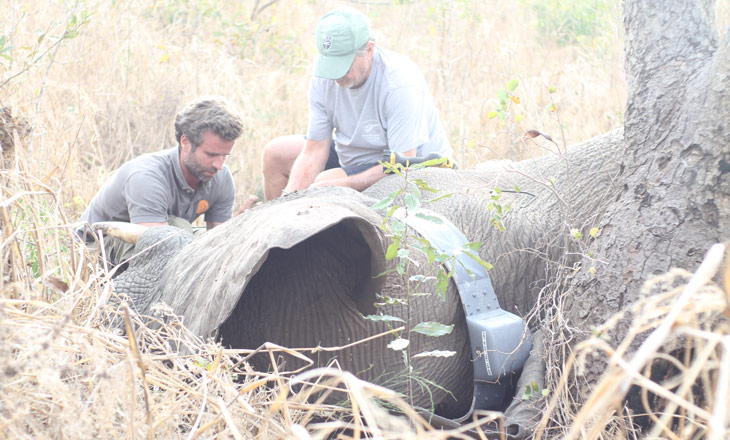
Between 16 and 19 September, monitoring devices were fitted on three elephants in Chimanimani National Park as part of an innovative project to mitigate human–wildlife conflict. The initiative, funded by the French Development Agency through the Foundation for the Conservation of Biodiversity (BIOFUND), aims to improve the monitoring of ecological corridors and animal population estimates.
The project is part of a broader effort whose main objective is to provide essential data for managing conflicts between humans and wild animals. In addition to the collaring of elephants, park technicians received training on the use of specialized software for virtual monitoring. This software allows park staff to access accurate, real-time information on the animals’ movement patterns.
This initiative represents a remarkable step forward in the protection of elephants, which are iconic symbols of Mozambique’s biodiversity. Chimanimani National Park thus reinforces its commitment to conserving nature and promoting harmonious coexistence between humans and wildlife.
Click here for more information about the CBDC project.
Different sectors of the government and partners met to select the priority components of coastal and marine biodiversity in the northern Mozambique Channel, in order to draw up technical guidelines for mitigating impacts on the oil and gas sector.
-
© WCS
-
© WCS
-
© WCS
-
© WCS
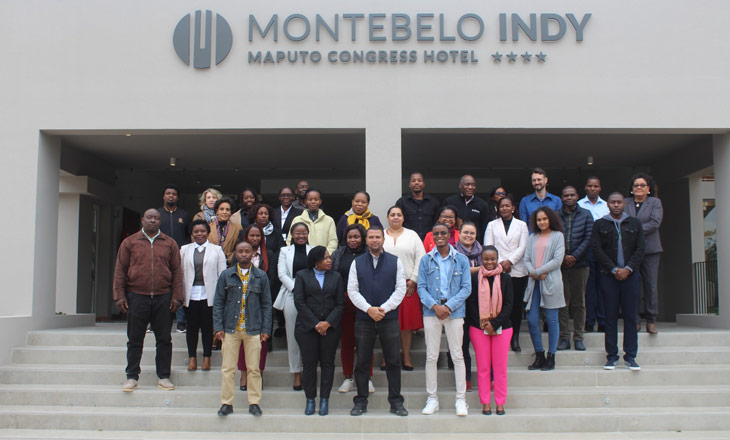
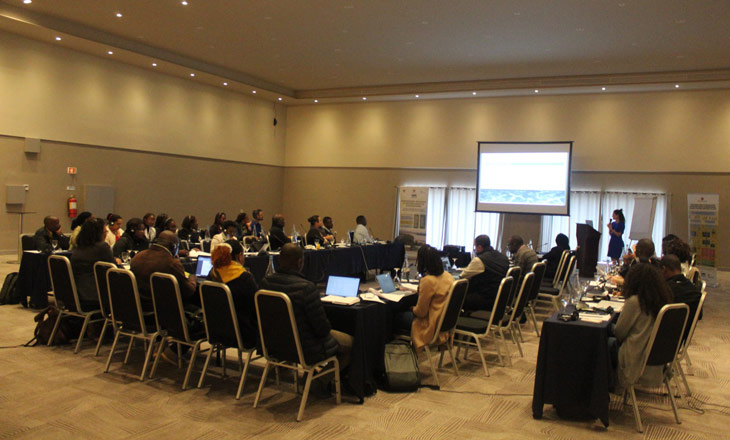
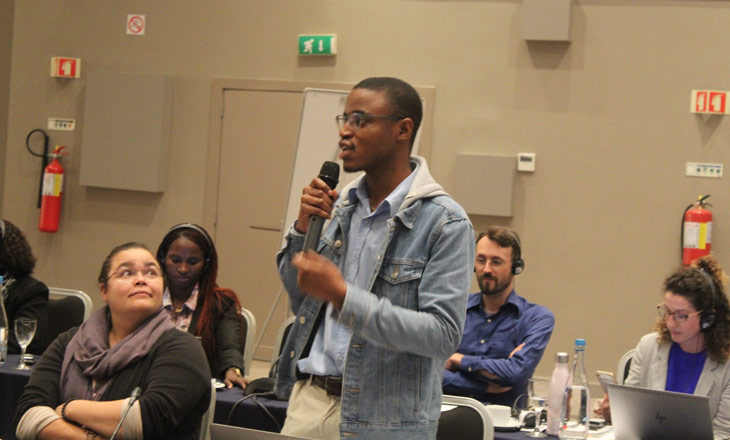
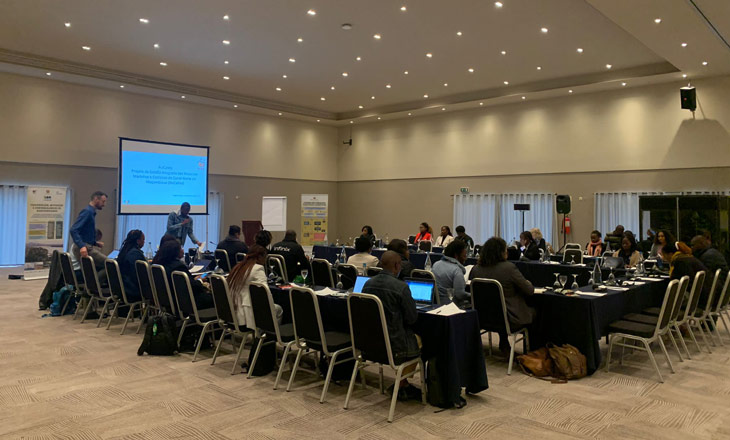
The National Directorate for the Environment (DINAB), in partnership with the COMBO+ Programme [led by the Wildlife Conservation Society (WCS) in coordination with the Foundation for the Conservation of Biodiversity (BIOFUND)], as part of the initiative for Integrated Management of Marine and Coastal Resources in the North of the Mozambique Channel (NoCaMo), and Fauna & Flora (FF), held a seminar on 12 September 2023 in the city of Maputo. The seminar focused on the selection of priority components of the coastal and marine biodiversity of the Northern Mozambique Channel with the participation of 41 technicians from different sectors including government, academia, local NGOs and the private sector. These priority components will be considered for the development of best practice guidelines for their protection of biodiversity within the Northern Mozambique Channel, in relation to oil and gas development.
The Northern Mozambique Channel is one of the richest regions in the world in terms of biodiversity. The condition of these critical ecosystems are in decline due to several combined factors, including the extractive industry (including the natural gas and oil recently discovered in the region). In this context, the NoCaMo initiative, funded by the French Environment Fund (FFEM), aims to ensure that the high biodiversity of the Northern Mozambique Channel (e.g. coral reefs, seagrass, mangrove ecosystems) is preserved. In the case of Mozambique, the NoCaMo initiative is considered an extension of the COMBO+ Programme, to promote good mitigation practices in the marine environment and runs until the end of 2025.
Fauna & Flora (FF) is collaborating with WCS on the development of technical guidelines for biodiversity features. Selection of the features will be based off of scientific review and local consultation with marine experts. This exercise will be extremely useful for the preparation and review of environmental impact assessments and in maritime spatial planning, especially for activities related to oil and gas initiatives in Mozambique’s North Channel. The second phase of the project will involve capacity building for local authorities, to ensure effective implementation can be achieved as oil & gas development continues to grow in the region.
It is important to note that this seminar is part of a series of seminars being held in each of the NoCaMo countries to inform a final decision on which priority elements will be used to develop mitigation guidelines at regional level.
Students from Eduardo Mondlane University Receive Training in Ecological Restoration at Maputo National Park
-
© BIOFUND
-
© BIOFUND
-
© BIOFUND
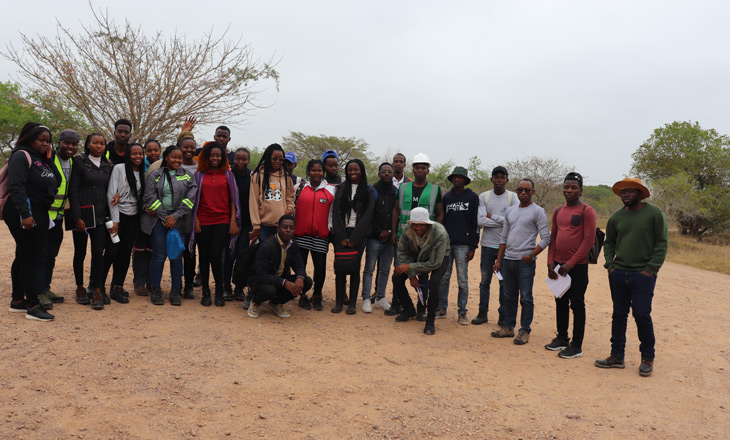
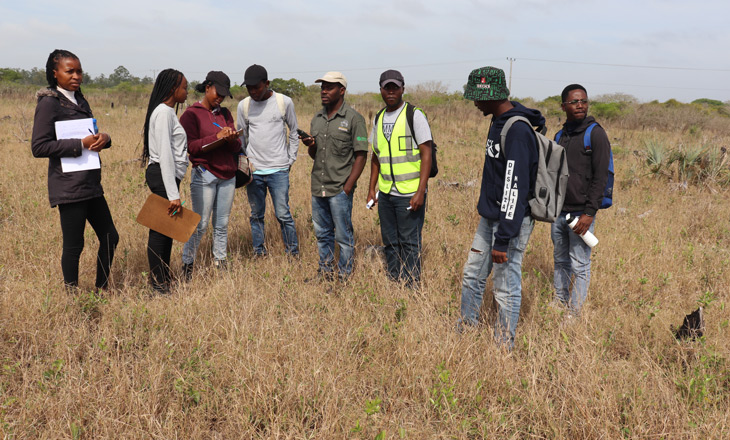
Matutuine, September 8, 2023 — A group of 26 Bachelor’s degree students of Forestry Engineering program at Eduardo Mondlane University (UEM) participated in a study visit to Maputo National Park (PNAM). The visit aimed to equip the students with theoretical and practical knowledge about ongoing ecological restoration activities at PNAM.
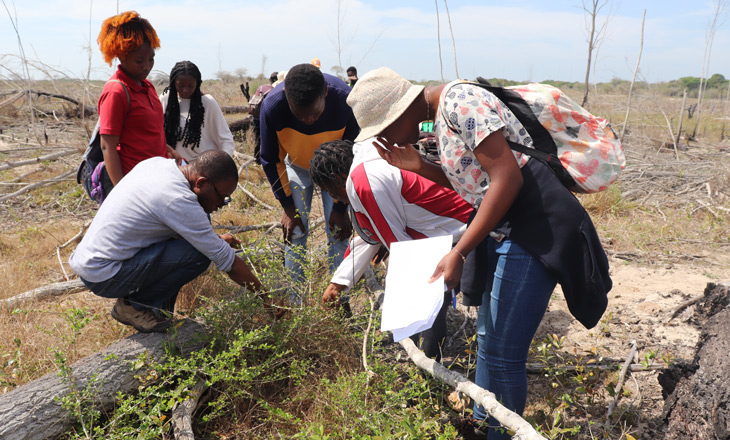
Led by specialized technicians from PNAM and the Foundation for the Conservation of Biodiversity (BIOFUND), the visit provided the students with a unique opportunity to engage in hands-on activities. These included ecological surveys in areas subjected to the removal of eucalyptus, an invasive alien plant species.
Since 2017, PNAM has been implementing an ecological restoration program focused on the removal of invasive plants like Eucalyptus spp. This program, led by PNAM and supported by the Environmental Fund of the Republic of Portugal, is complemented by the technical and financial support from the COMBO+ program, a partnership between BIOFUND, WCS, and the Government of Mozambique.
According to Aide Farão from BIOFUND, the foundation implements pilot projects for practical learning in various Conservation Areas (CAs) and Key Biodiversity Areas (KBAs). These initiatives follow the Biodiversity Offset Directive, established by Ministerial Diploma No. 55/2022 of May 19.
The study visit represents a milestone in the education of UEM’s future forestry engineers, offering them practical experience and the chance to contribute to national conservation initiatives.
This event is part of a series of educational and practical activities aimed at promoting sustainability and biodiversity conservation in Mozambique.
To learn more about BIOFUND’s Biodiversity Offset Program, click HERE.
5th Edition of the PLCM Internships: Preparing Tomorrow’s Leaders in Biodiversity Conservation in Mozambique
-
© BIOFUND
-
© BIOFUND
-
© BIOFUND
-
© BIOFUND
-
© BIOFUND
-
© BIOFUND
-
© BIOFUND
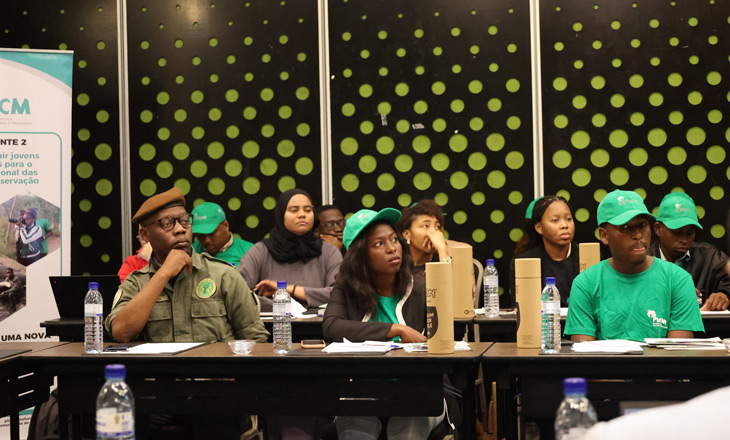
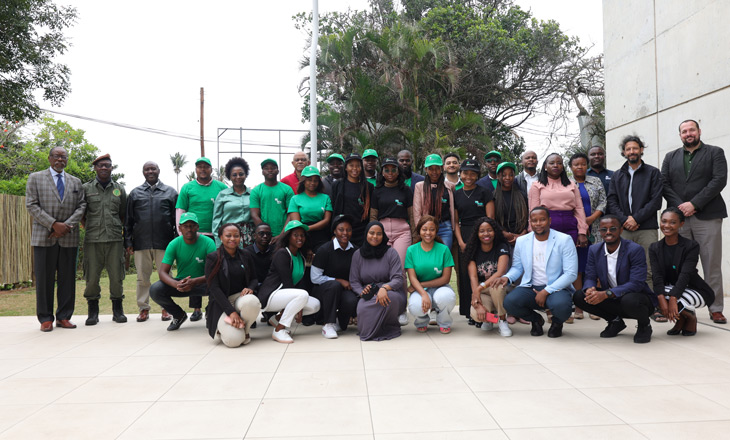
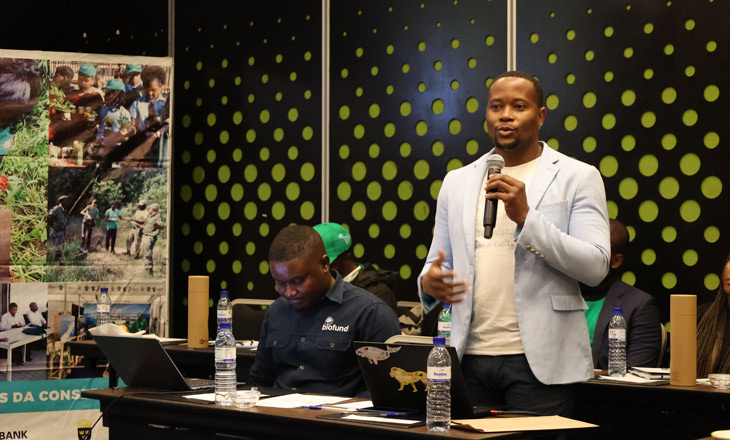
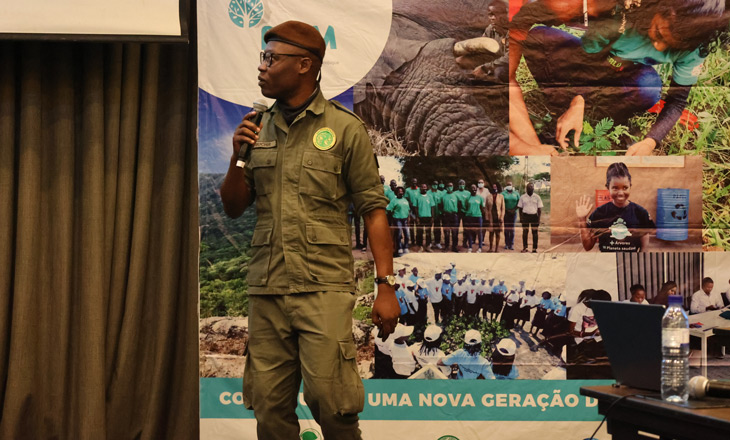
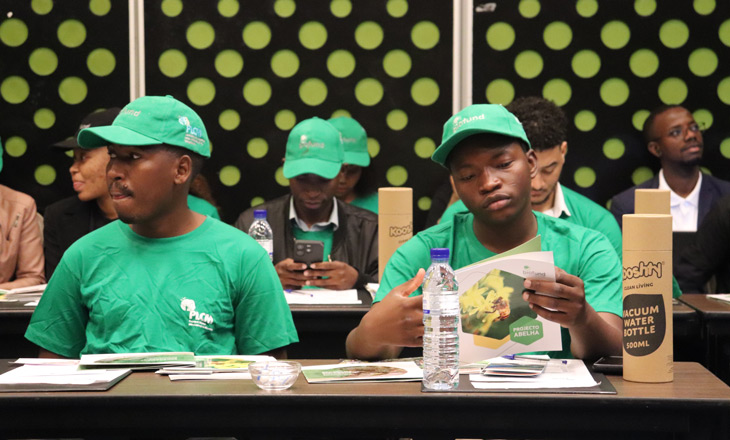
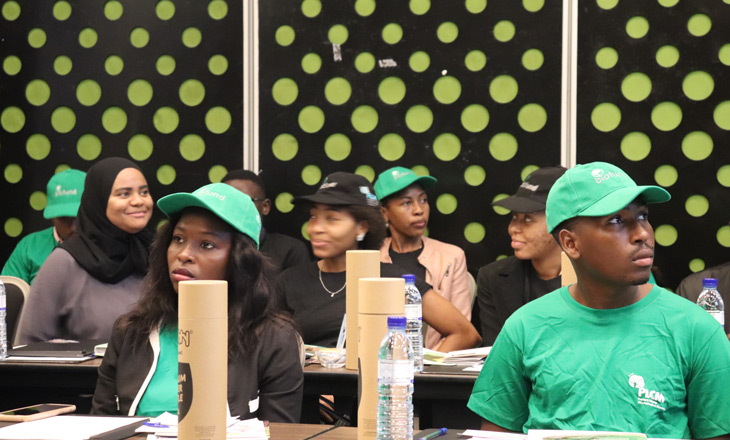
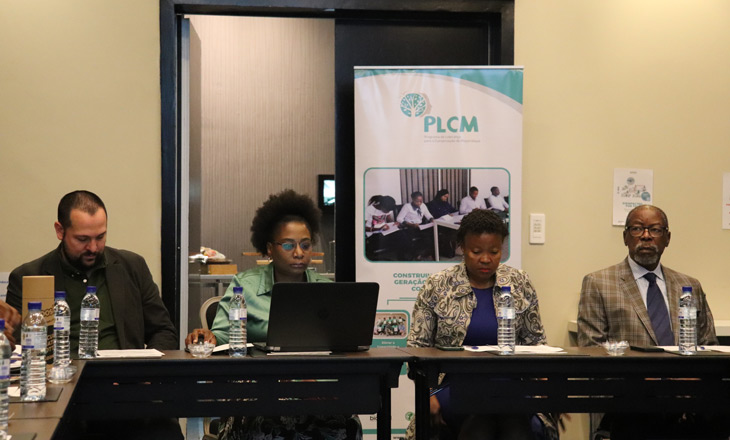
The opening ceremony of the 5th Edition of the Pre-Professional Internships under the Leadership Program for the Conservation of Mozambique (PLCM), held on September 6, 2023, in Maputo City, brought optimism and hope for the future of biodiversity conservation in Mozambique, as 45 young professionals were launched into the sector.
The event, led by the Executive Director of BIOFUND, Luís Bernardo Honwana, was attended by representatives from the National Employment Institute (INEP), the National Directorate of Forests (DINAF), and the Government of Sweden. These strong partnerships highlight the PLCM’s unwavering commitment to integrating young people into high-impact conservation strategies.
Of the 45 selected interns, 31 will be placed across various Conservation Areas throughout Mozambique, from Maputo National Park to Quirimbas National Park. The remaining 14 will have the opportunity to work with central biodiversity conservation institutions such as the National Administration of Conservation Areas (ANAC), the Foundation for the Conservation of Biodiversity (BIOFUND), the National Directorate of Forests (DINAF), Fauna & Flora International (FFI), and the National Agency for Geospatial Development (ADE). Together, these young people are destined to become the next generation of conservation leaders.
Yuran Massangaie, one of the interns trained in Agriculture and assigned to Banhine National Park, shared his enthusiasm: “It’s a unique opportunity to apply my knowledge in agriculture in a way that benefits Mozambique’s biodiversity. I’m eager to bring practical innovations to the field of conservation.”
Coordinated by BIOFUND, in partnership with ANAC and funded by the World Bank and the Government of Sweden, the PLCM plays a crucial role in strengthening the capacities and skills of professionals within the National Conservation Areas System. It attracts and motivates young talents from diverse backgrounds, emphasizing leadership skills for conservation, and raises civil society awareness about the importance of biodiversity conservation, with a special focus on youth. Follow PLCM’s activities on the Website and Facebook.
13th General Assembly of CAFÉ Held in Arusha, Tanzania, with Notable Involvement of BIOFUND
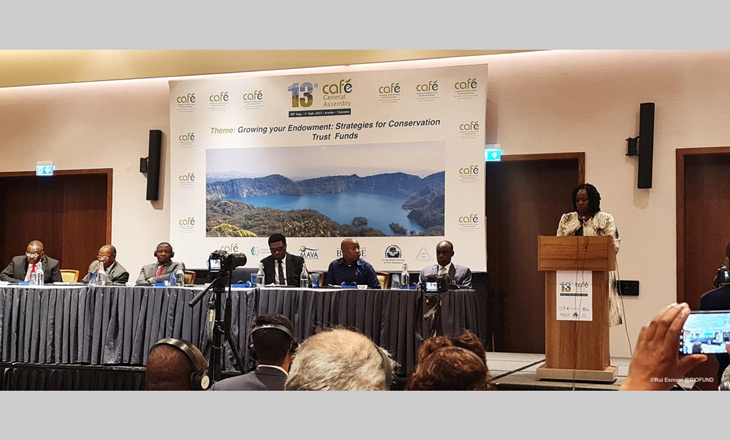
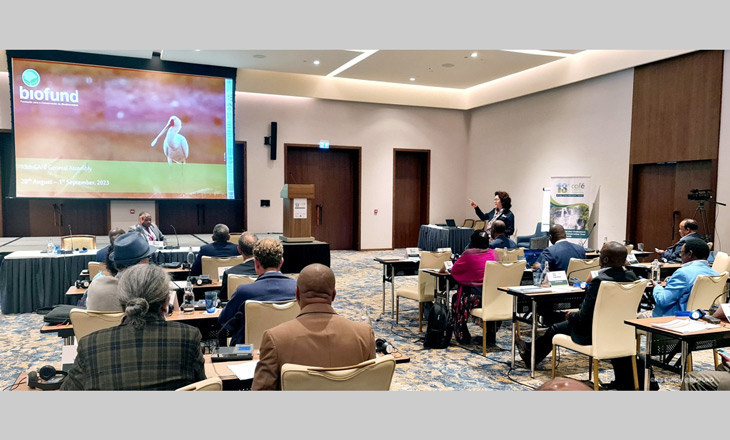
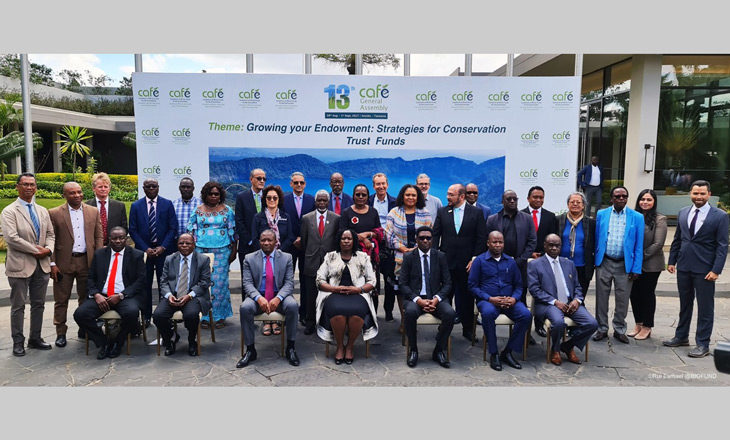
The 13th General Assembly of the Consortium of African Environmental Funds (CAFÉ) took place in Arusha, Tanzania, from August 28th to September 1st. The event, organized by the Tanzania Forest Fund (TaFF) and the Endowment Fund for Conservation of the Eastern Arc Mountains (EAMCEF), brought together various global stakeholders with the aim of enhancing capacities and sharing innovative experiences in funding mechanisms for biodiversity conservation.
The Foundation for the Conservation of Biodiversity (BIOFUND) was represented by Mohamed Harun, a member of the Board of Directors, Luís Bernardo Honwana, Executive Director, Alexandra Jorge, Program Director, Fenias Nhari, Financial Manager, and Rui Esmael, Communication Coordinator.
Alexandra Jorge presented the evolution of BIOFUND and its practices for growing financial resources, which serve as inspiration for many conservation-related entities. This includes various innovative and diversified initiatives, such as the growth of its endowment, the increasing allocation of funds from various donors to publicly and privately managed Conservation Areas, and capacity-building programs like PLCM, as well as Emergency response, among others. In addition to this presentation, Sean Nazerali, Director of Innovative Financing at BIOFUND, remotely presented the key actions related to innovative financing, with a focus on Biodiversity Offsets, impact investment, debt swap, and bio card.
Presentations from over 20 predominantly African Environmental Funds highlighted motivating experiences in areas such as fundraising, governance, advocacy, community engagement, and monitoring and evaluation mechanisms, among others.
Other relevant presentations included Ken Andrasko, President of AltaVerde Consulting LLC, on ‘Conservation with the Private Sector: Strategies for Environmental Funds for Conservation’, Cyrille Nkontchou, Managing Partner of Enko Capital Management on ‘Best Practices for Environmental Conservation Funds’, as well as Ludwig Liagre, Founder and Senior Advisor of Financing for Biodiversity, Land and Climate Benefits, Rio Impact on ‘Strategies for Environmental Conservation Funds to grow their endowment funds’.
CAFÉ’s 13th General Assembly also renewed the commitments of working groups in specific thematic areas. BIOFUND (Mozambique) continues to lead the Working Group on Biodiversity Offsets, TaniMeva (Madagascar) will lead communication matters, BaCoMab (Mauritania) will lead a newly created group called the “Marine Alliance Group,” and OKAPI (DRC) will lead the interaction group with A-PACT.
CAFÉ is a membership-based network in operation since 2011, bringing together a total of 19 funds that, among other activities, support over 90 parks and reserves and 125 community conservation areas and community forests. These areas cover over 270,000 km² in 20 African countries, and the consortium manages over 400 million dollars in endowments and around 100 million in amortization funds. The presidency of CAFÉ is currently held by the Tri-National Trust Fund of Sangha (FTNS) in Cameroon.
The event was officially opened by Her Excellency Mary Masanja, Vice-Minister of Natural Resources and Tourism of the United Republic of Tanzania. She praised the initiatives of CAFÉ and reinforced the Tanzanian government’s commitment to promoting sustainable efforts in biodiversity conservation and its intrinsic relationship with tourism.
Dr. Théophile Zognou, President of CAFÉ, urged African governments to consider reforms that would enable the environment to be self-sustainable. “Our countries need to think about reforms that allow our environment to pay for itself; I am talking about ecological fiscal reforms,” he said.
Noteworthy was the recent launch of the mentoring component of the Bridge project, an initiative led by RedLAC (sponsored by FFEM – French Funds for Global Environment), which will enable mentoring pairs between CAFÉ and RedLAC environmental funds for deeper mutual learning on topics of common interest.
CAFÉ’s 13th General Assembly also discussed relevant strategies for strengthening the financial and governance sustainability of this platform, as well as renewed collective and individual commitments for greater dynamism within the group.
Towards a Green Future: Micaia Foundation and IIAM Conduct Intensive Training in Advanced Forestry Nursery Techniques
-
© Micaia
-
© Micaia
-
© Micaia
-
© Micaia
-
© Micaia
-
© Micaia
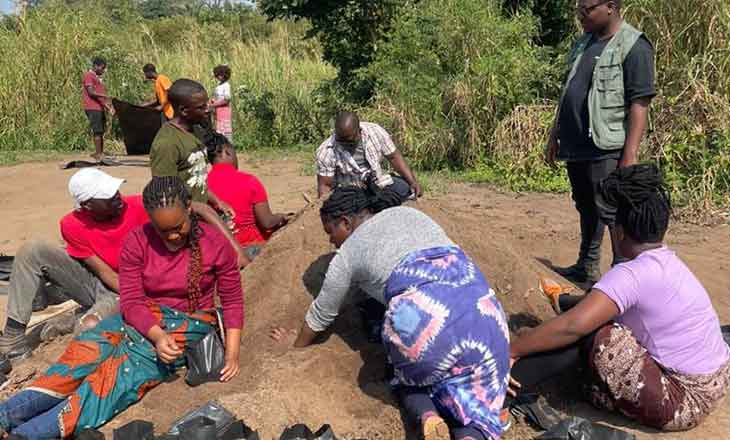
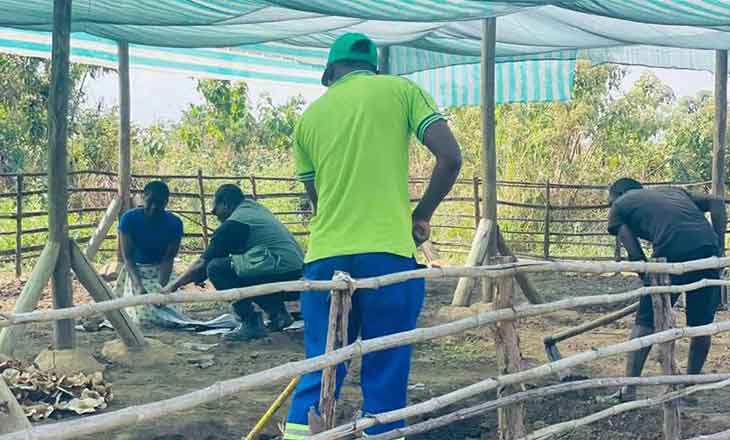
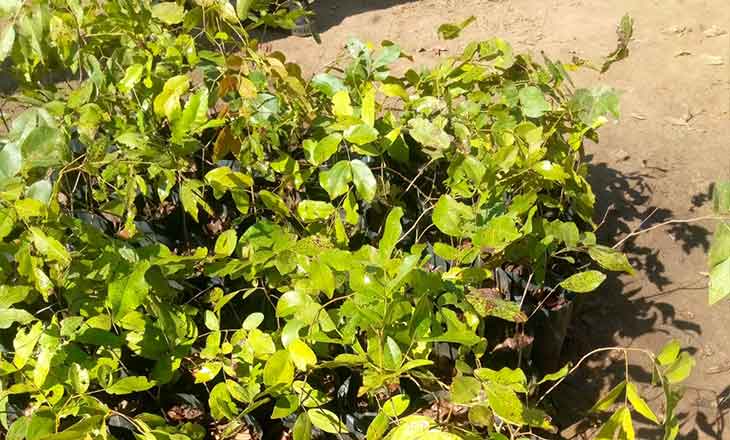
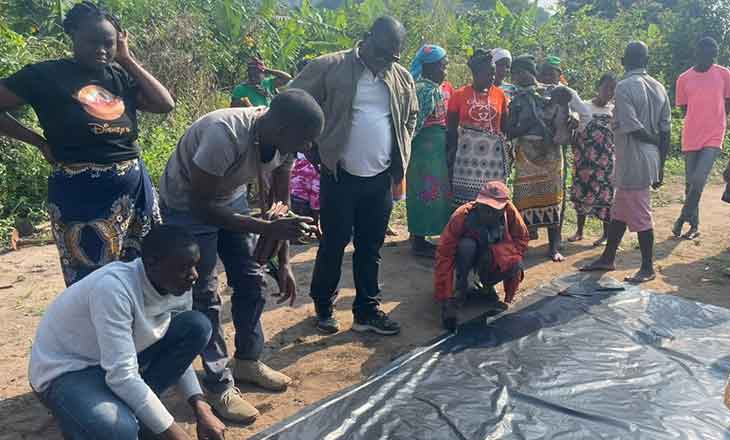
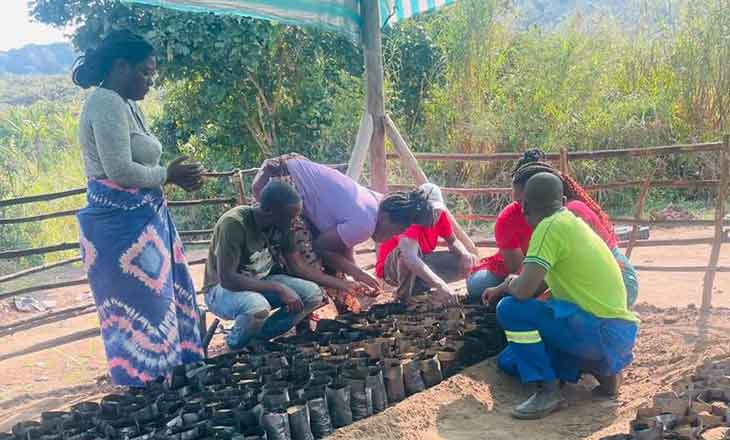
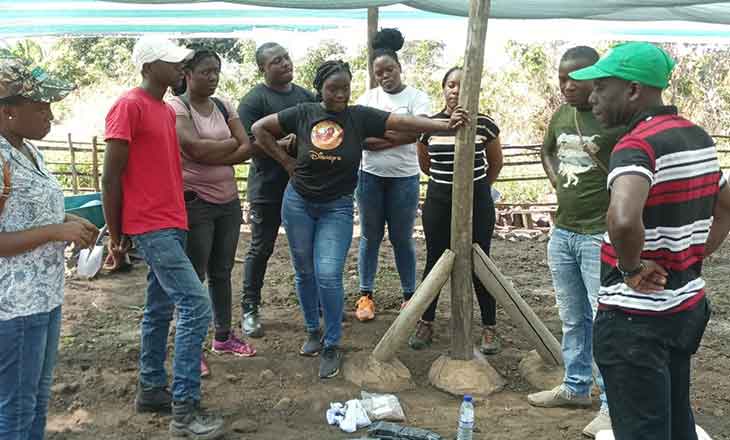
On August 15, training in forest nursery management, promoted by the Micaia Foundation, commenced. Lasting for three weeks, the course aims to provide participants with technical and scientific knowledge of nursery management. The focus covers the entire process, from the initial seed collection stage to the transfer of seedlings to the field. The course is targeted at lead collectors and communities within the Chimanimani Conservation Area (ACC).
Participants will have the opportunity to acquire knowledge of innovative techniques and effective practices. The program will cover several key topics, including seedling production, irrigation methods, the importance of nursery and container hygiene, fertilization techniques, and strategies for controlling diseases, pests, and weeds. In addition, participants will develop essential skills to ensure the healthy growth of seedlings during their time in the nursery.
To date, 60 people have already been trained, and it is expected that approximately 720 individuals will be reached by the end of the program. Moreover, six interns from the Chimoio Agricultural Institute (IAC) are also participating in this initiative, reinforcing commitment to community development and biodiversity conservation.
This training is the result of a collaboration between the Micaia Foundation and the Mozambique Institute of Agricultural Research (IIAM) under the Biodiversity Conservation and Community Development (CBDC) project, aiming to improve forest nursery management and, consequently, contribute to the promotion of a more sustainable environment.
1st Edition of the Marine Biodiversity Conference Drives Action for Marine Conservation in Mozambique
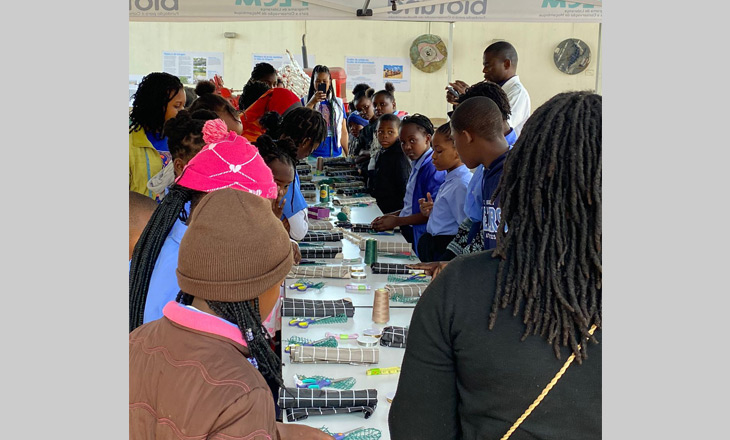
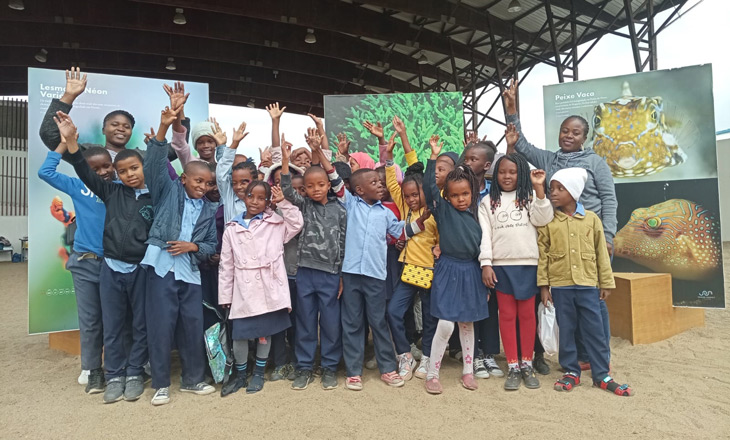
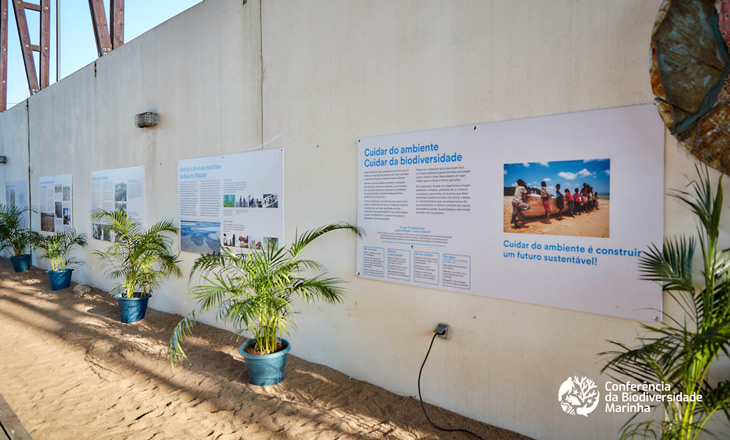
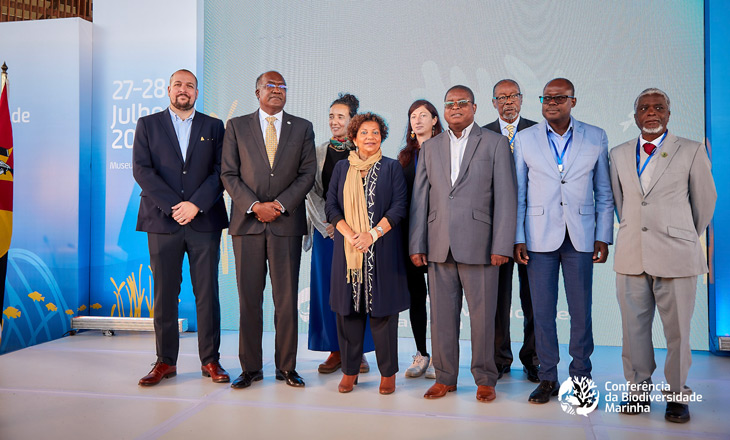
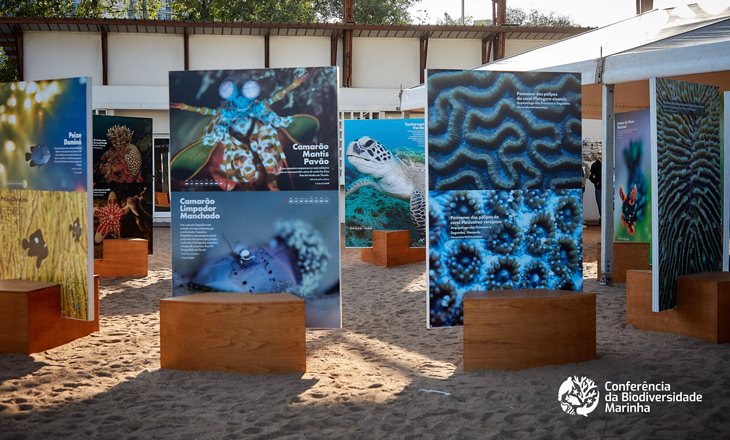
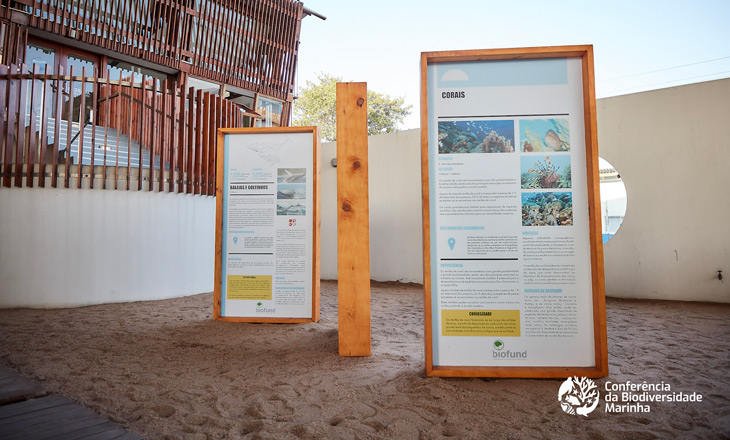

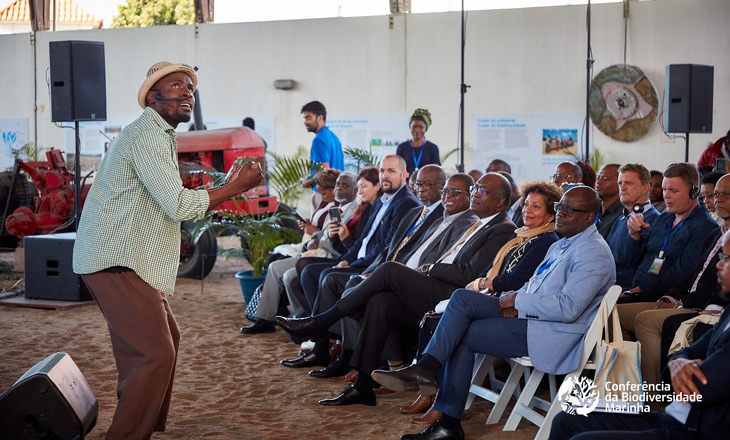
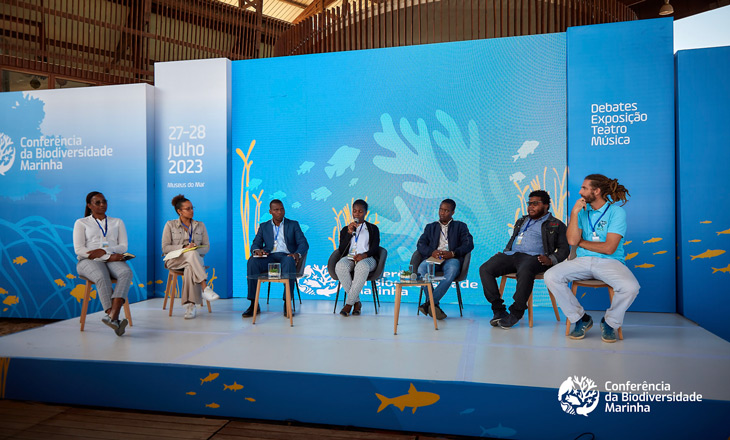
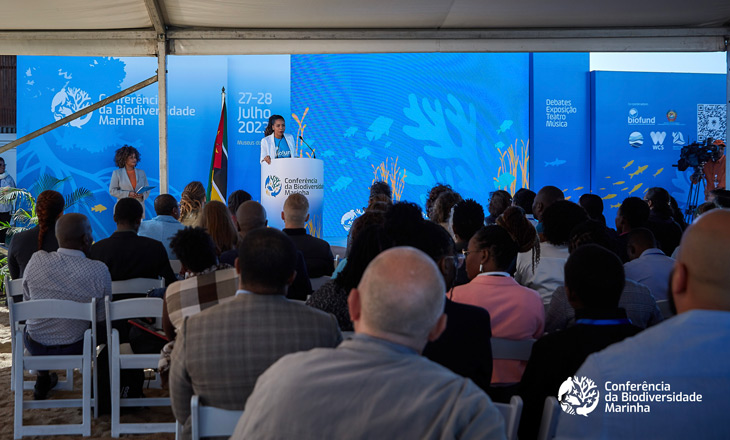
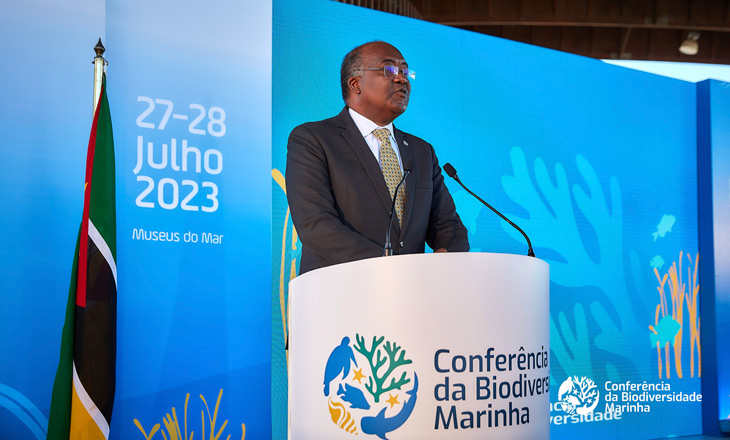
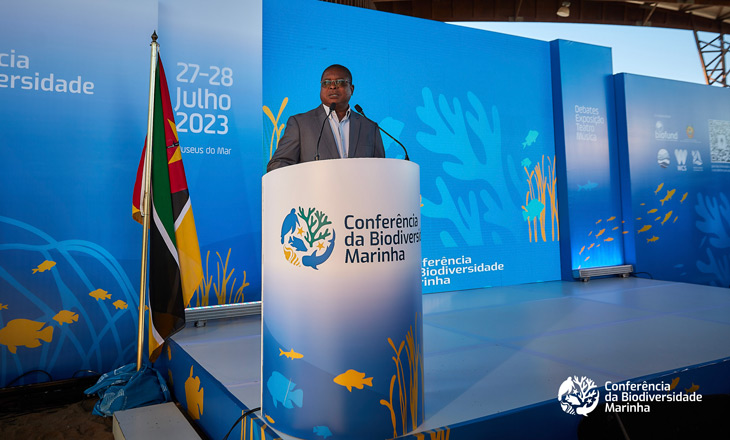
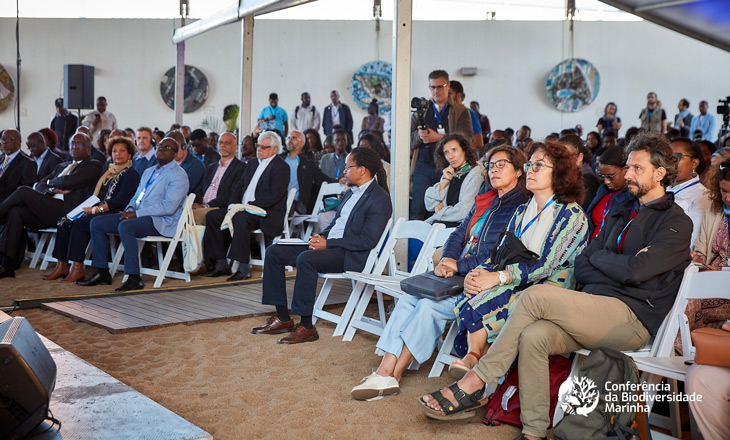
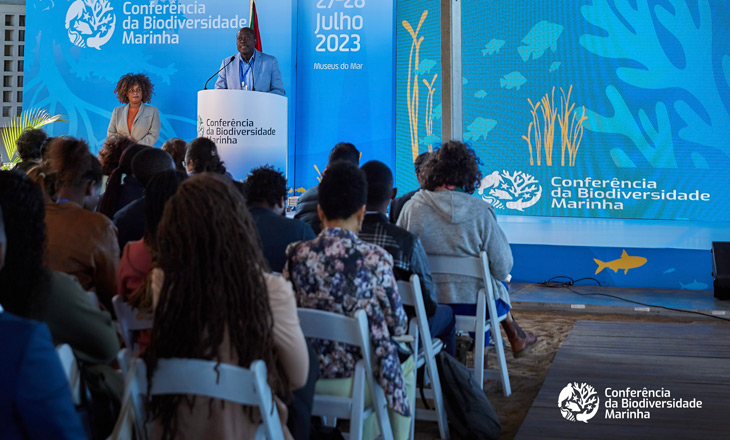
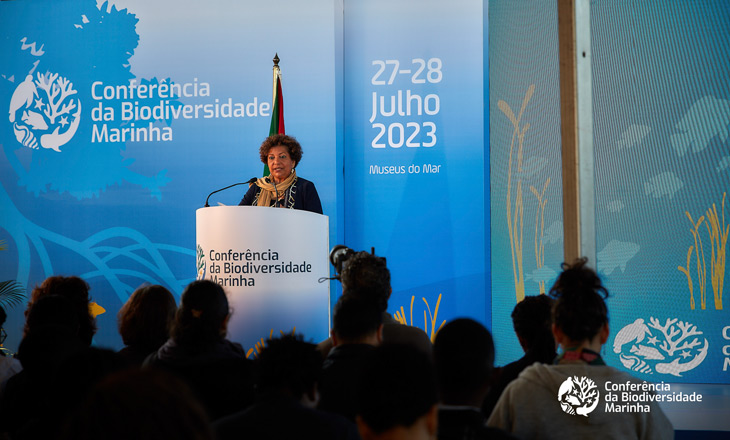
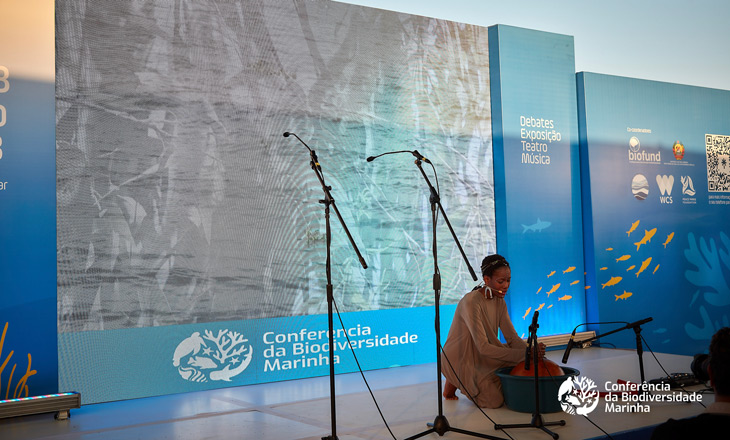
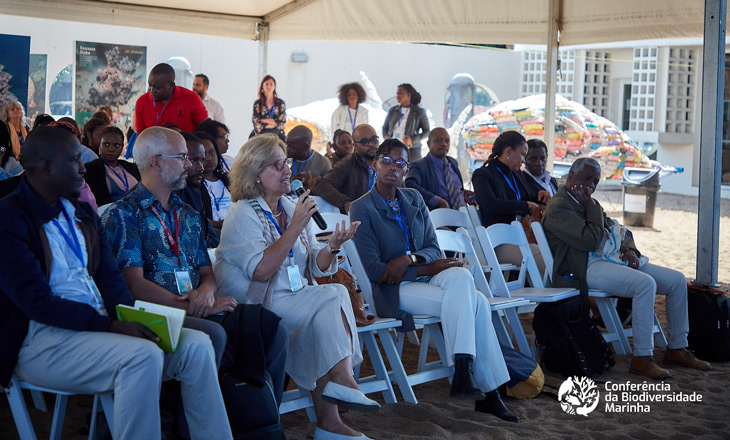
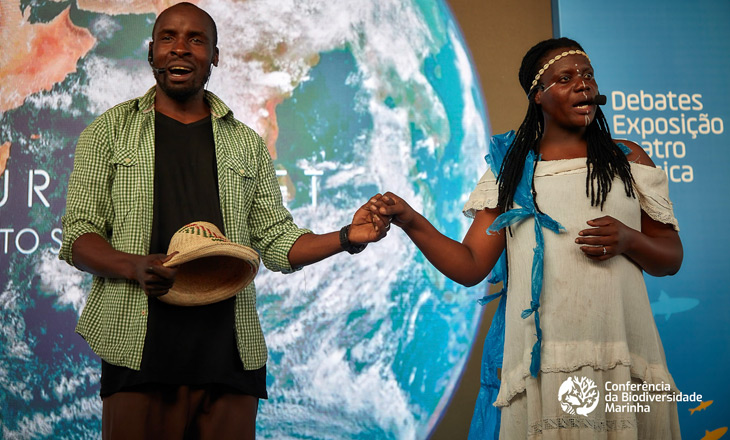
On July 27 and 28, the 1st Edition of the Marine Biodiversity Conference was held at the Museum of the Sea in Maputo. The event was led by the Foundation for the Conservation of Biodiversity (BIOFUND), in collaboration with the Ministry of the Sea, Inland Waters and Fisheries (MIMAIP), the Museum of the Sea, the Wildlife Conservation Society (WCS), the Peace Parks Foundation (PPF), and the Italian Cooperation (AICS), with financial support from the Blue Action Fund, the Government of Sweden, the World Bank/Mozbio 2 Project, and the Italian Agency for Development Cooperation (AICS).
The main objective of this initiative is to promote dissemination, discussion, and exchange of experiences on ecosystem-based adaptation and coastal and marine conservation in Mozambique. To this end, the event brought together more than 30 partners from various sectors, including government, civil society, academia, and the private sector, who shared their experiences over the two days of the conference.
BIOFUND, a Mozambican non-profit institution whose sole mission is the conservation of biodiversity in Mozambique, drew inspiration from its Biodiversity Exhibition concept to lead the design and implementation of this annual event, which will continue for five years. This concept, which has reached over 35,000 people since 2015, has been a relevant vehicle for environmental education, the dissemination of information about Mozambique’s rich biodiversity, and the promotion of conservation initiatives and multisectoral discussions.
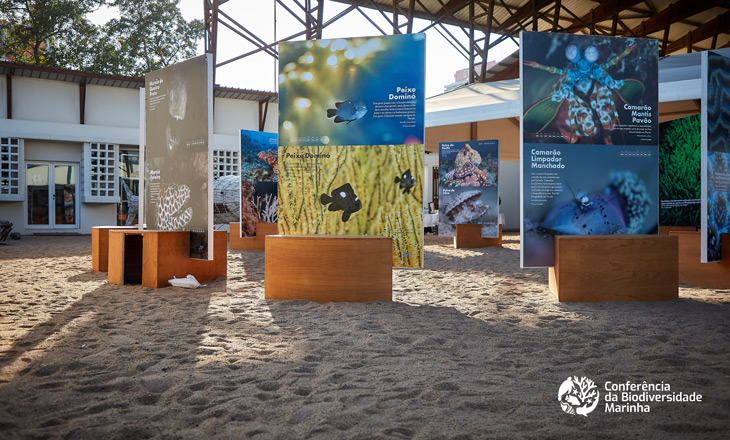
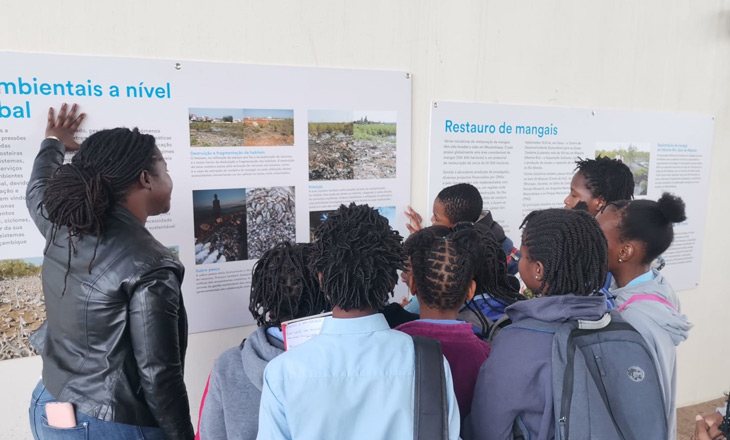
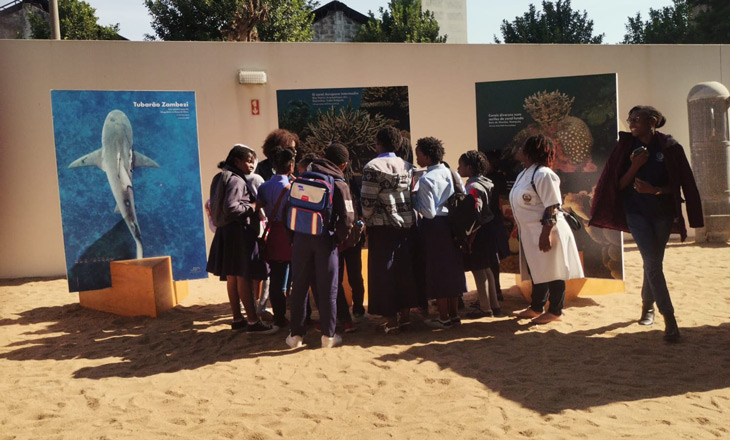
Alongside the conference, a thematic exhibition was held from July 27 to August 2, focused on ecosystem-based adaptation and coastal and marine conservation. Comprising informative panels and photographs illustrating the diversity of marine species found along the Mozambican coast, the exhibition attracted around 470 visitors and featured a 3D visual experience of marine life provided by the Marine Megafauna Foundation (MMF).
Exhibition activities included environmental education workshops focused on material recycling, facilitated by the Redes de Luxu Association, where participants produced items such as necklaces, earrings, and bags. These activities involved 85 children, 54 students from the 25 de Junho Primary School in Maputo City and 31 students from the Saul Filipe Tembe Primary School in the Catembe Municipal District.
As a biodiversity conservation trust, BIOFUND stands ready to support these efforts and work in partnership towards the protection and conservation of Mozambique’s coastal and marine biodiversity. The foundation renewed its commitment to ensuring this platform for sharing knowledge and experiences over the next five years.
The Heritage of Chimanimani: New Books Highlight Mozambique’s Culture and Biodiversity
-
© Parque Nacional de Chimanimani
-
© Parque Nacional de Chimanimani
-
© Parque Nacional de Chimanimani
-
© Parque Nacional de Chimanimani
-
© Parque Nacional de Chimanimani
Chimanimani’s Legacy Immortalized in Literary Works
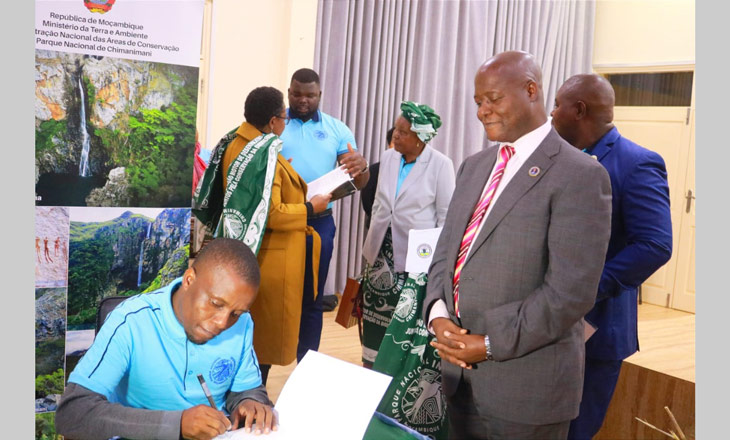
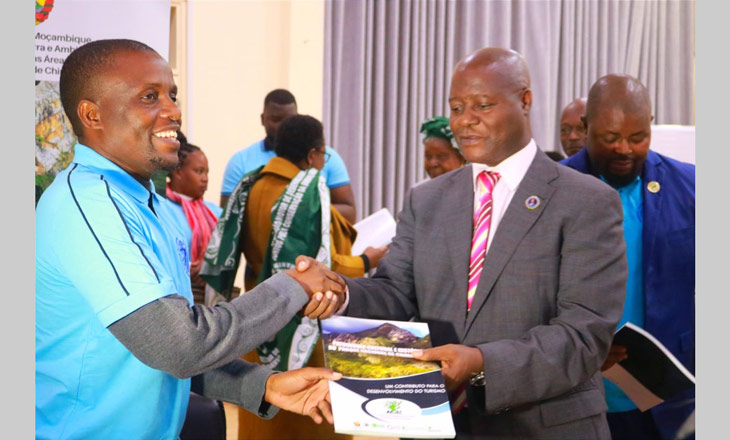
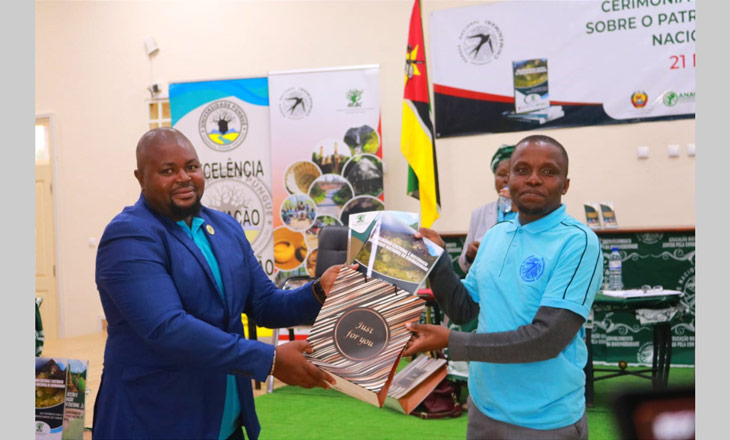
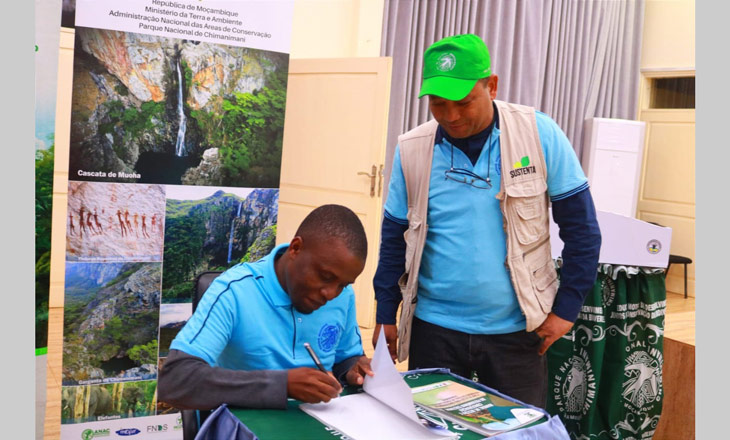
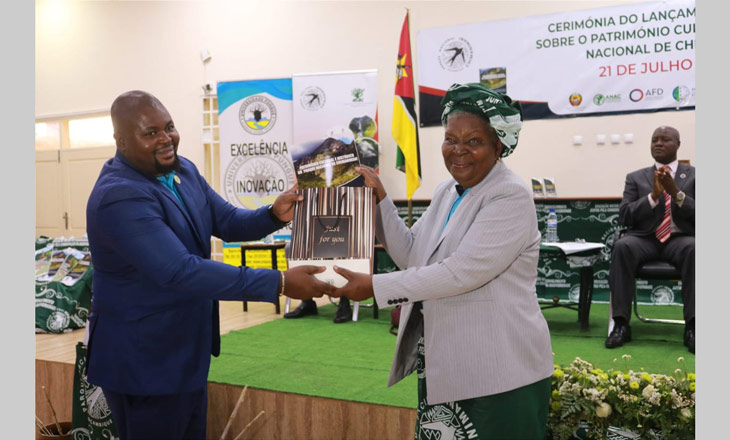
Mozambique’s Chimanimani National Park, with its rich biodiversity, has become the focus of two remarkable books. This initiative was led by the Biodiversity Conservation Foundation (BIOFUND) and the Biodiversity Conservation and Community Development (CBDC) Project, with support from the Socio-Cultural Research Institute (ARPAC).
Last month, the books resulting from the 2022 inventory of the park’s cultural and historical heritage funded by AFD/FFEM were officially launched at Pungue University in Chimoio. The event was attended by 93 participants, including Stefan Dick Mphiri, Secretary of State of Manica Province; Paulina Chiziane, renowned writer and author of the books’ foreword; and Lionel Macicame, Administrator of Chimanimani National Park.
Paulina Chiziane praised the bold initiative of using literature to convey African ancestry and encouraged readers to embrace the works. The books are not only highly educational but also celebrate Mozambique’s rich biodiversity.
Chimanimani National Park, located in the district of Sussundenga in Manica Province, covers an area of 683 km² with a buffer zone of 1,685 km². Its impressive landscape includes multiple mountains, river sources, sacred forests, rock paintings, and biodiversity comprising over 1,000 species of animals and plants.
By highlighting the park’s cultural and natural wealth, these books aim to raise awareness about the importance of nature preservation. BIOFUND hopes this work will represent an invaluable contribution to preserving and celebrating the unique culture and biodiversity of this remarkable location.
BIOFUND Promotes Training in Planning and Financial Management for the Beneficiaries of Its Supported Projects
-
© BIOFUND
-
© BIOFUND
-
© BIOFUND
-
© BIOFUND
-
© BIOFUND
-
© BIOFUND
-
© BIOFUND
-
© BIOFUND
-
© BIOFUND
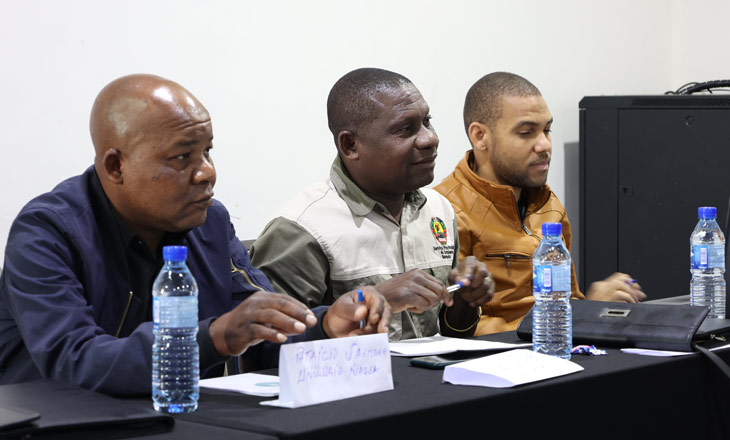
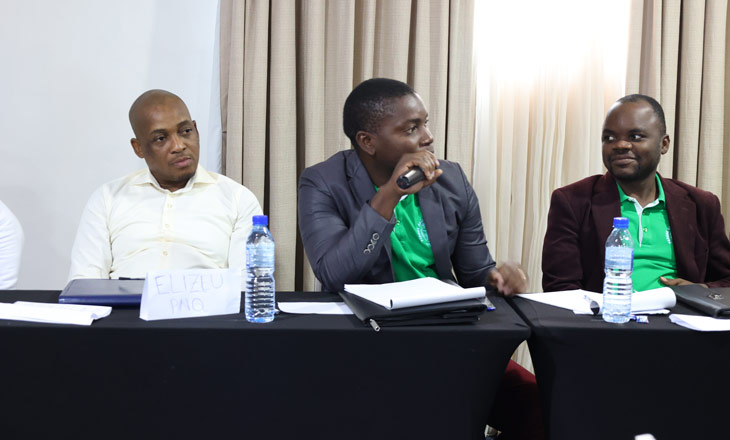
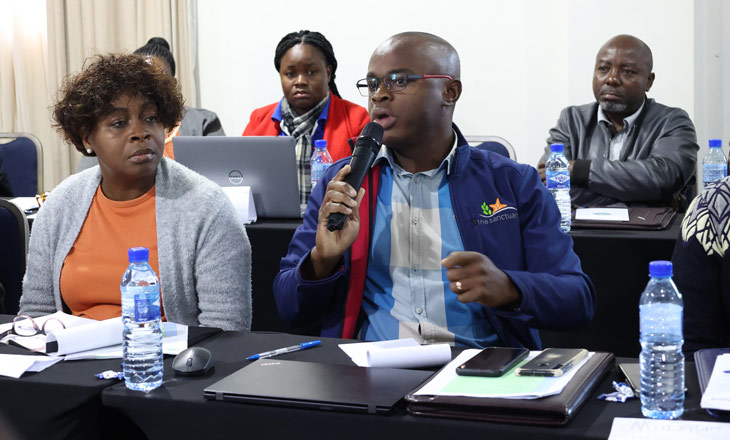
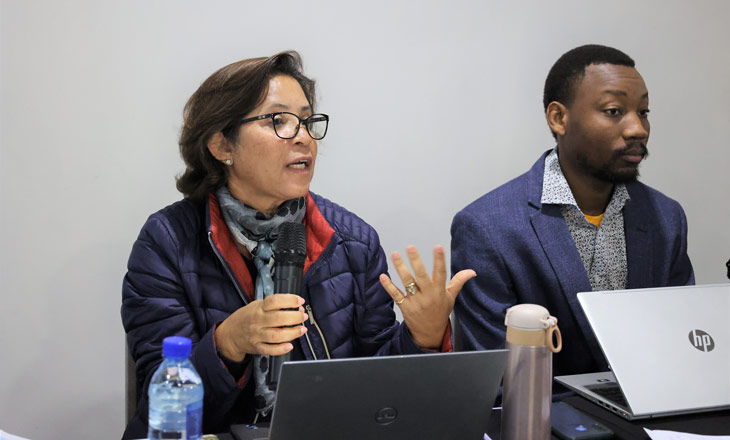
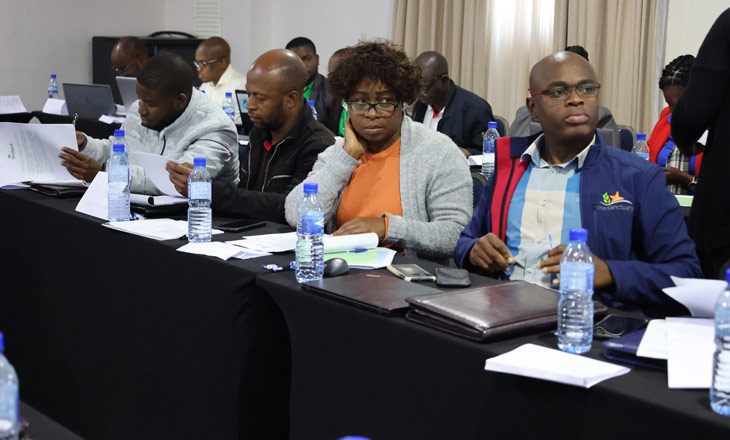
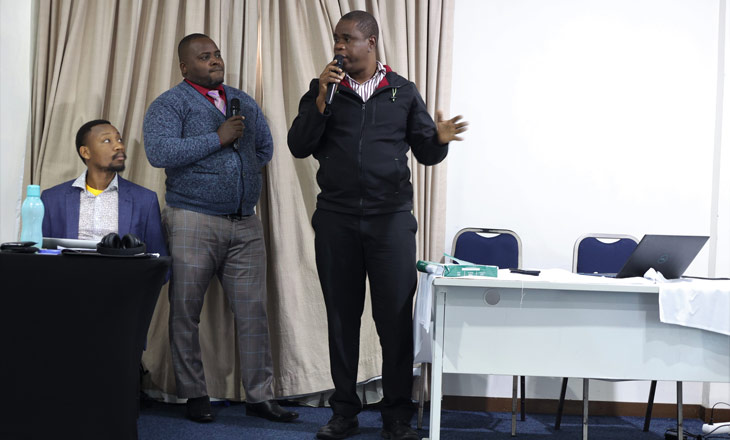
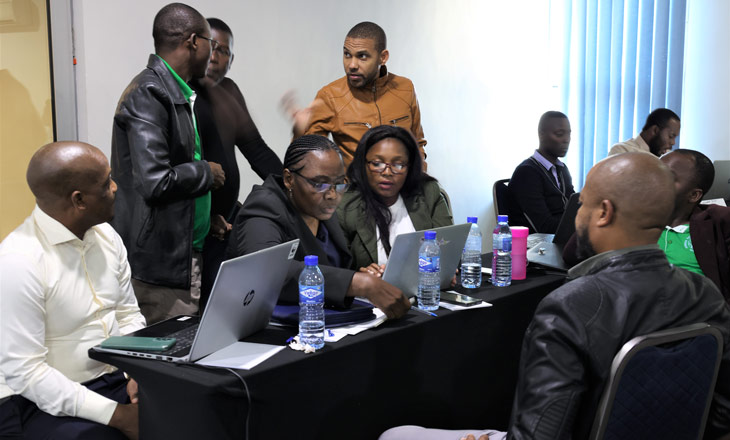
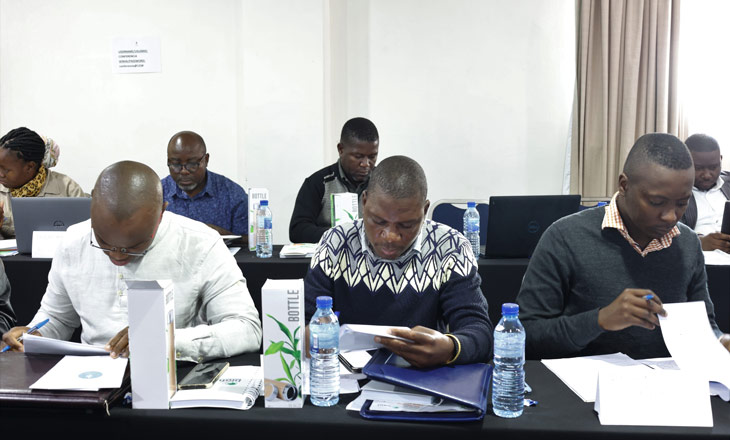
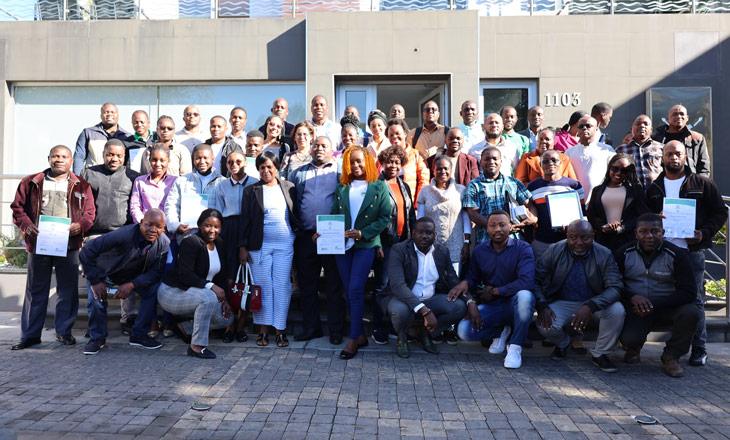
The Foundation for the Conservation of Biodiversity (BIOFUND), in partnership with the National Administration for Conservation Areas (ANAC), successfully completed the 6th Course on Planning and Financial Management for Conservation Area Technicians and other beneficiaries of its funds. The course took place from 10 to 14 July 2023, in Maputo, and was attended by 40 professionals from across the country.
The main objective of this training was to strengthen the beneficiaries’ understanding of procedures for efficient, effective, and transparent financial management. During the course, the technicians acquired skills in formulating activity plans and implementing them in line with best project management practices. The training also provided opportunities for knowledge sharing and exchange of experiences.
This course marked a renewed commitment by BIOFUND and ANAC to the preservation of biodiversity in Mozambique by building the capacity of professionals involved in financial management, ensuring the sustainability and long-term success of conservation actions.
COMBO+ trains technicians from the Ministry of Land and Environment in Monitoring and Post-Evaluation Plans in the context of Environmental Management and Biodiversity Offset Management Plans
-
© WCS
-
© WCS
-
© WCS
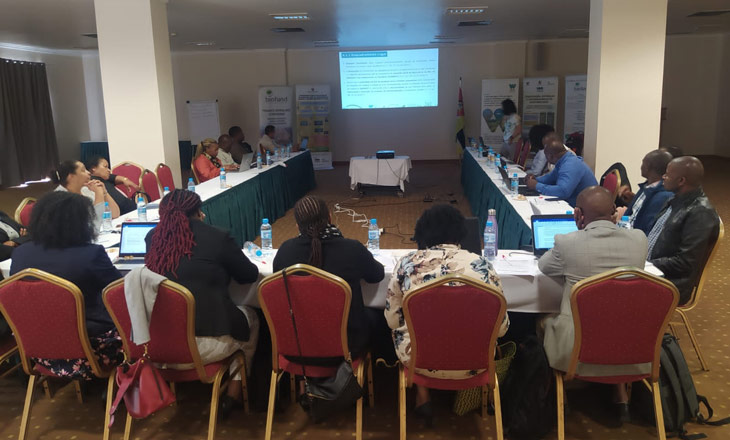
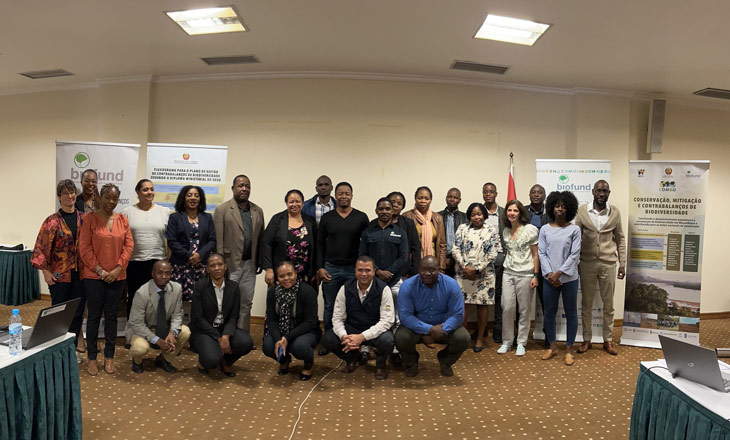
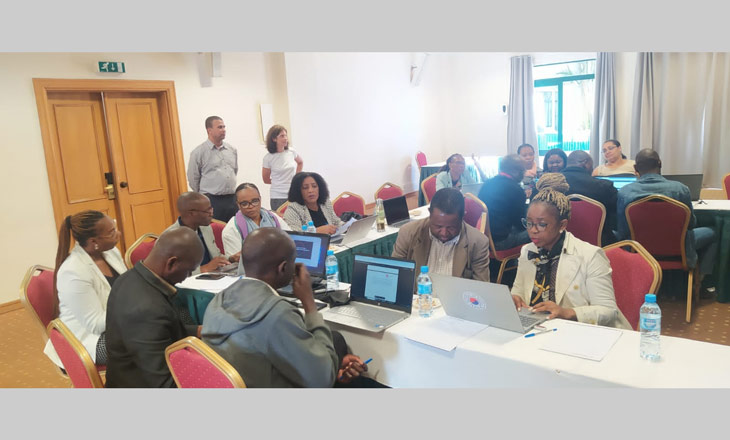
The COMBO+ Programme, led by the Wildlife Conservation Society (WCS) in partnership with the Foundation for Biodiversity Conservation (BIOFUND) and the National Directorate for Environment (DINAB), held between 29 and 30 June 2023 in Maputo City, the training of technicians of the Ministry of Land and Environment (MTA) on the Monitoring and Post-Evaluation Plans in the context of Environmental Management and Biodiversity Offset Management Plans (BOMP) (Module 5), which was attended by 28 participants.
The training was provided by a technician from the Portuguese Environment Agency (APA), Rita Fernandes, who has over 20 years of experience in Environmental Licensing and Post-evaluation processes, and aimed to strengthen the MTA technicians with solid knowledge on the Monitoring and Post-Evaluation Plans in the context of Environmental Management and the BOMPs, helping to create internal procedures to properly assess and follow-up documents of this type that are submitted to them.
It should be noted that this training is part of the intensive training for MTA technicians, which began in October 2021 and has so far, with the total of five modules, reached over 100 technicians from the environment sector.
PROMOVE Biodiversidade: Mozambique’s Conservation Effort Recognized at the 7th CPLP International Congress on Environmental Education
-
© BIOFUND
-
© BIOFUND
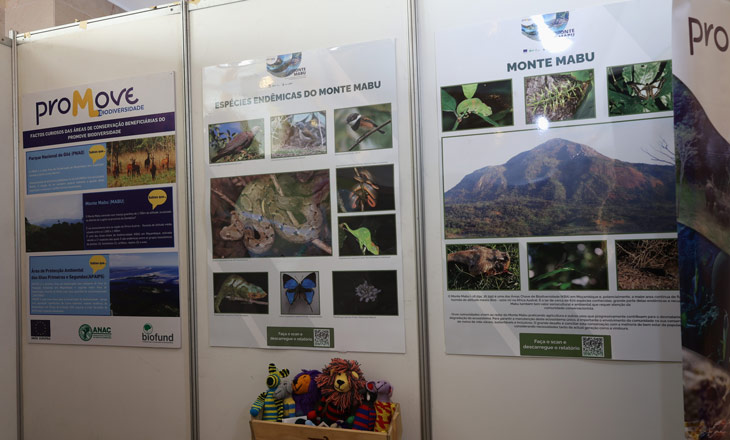
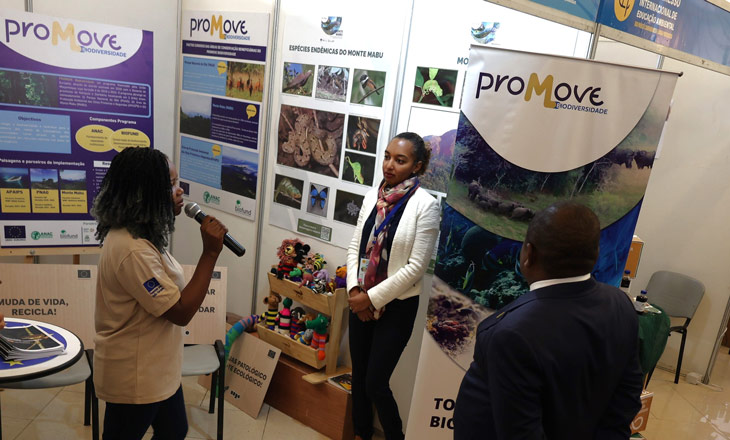
The PROMOVE Biodiversidade Program stood out at the exhibition held during the 7th Congress on Environmental Education of the Community of Portuguese Language Countries (CPLP), which took place in Maputo City from July 4th to 7th 2023. The exhibition was honored by a special visit from the President of the Republic, Filipe Jacinto Nyusi, as a gesture of support and recognition of the work carried out by the program.
Funded by the European Union and coordinated by the Foundation for the Conservation of Biodiversity (BIOFUND) and the National Administration of Conservation Areas (ANAC), PROMOVE Biodiversidade presented at the congress its biodiversity conservation and community development initiatives implemented in the Conservation Areas supported by the program.
Participants had the opportunity to learn firsthand about the activities and results of the program, highlighting the importance of biodiversity conservation for sustainable development.
Participation in the 7th CPLP Congress on Environmental Education expanded the program’s visibility and recognition, inspiring the continuation of efforts to protect ecosystems and promote sustainable development in the communities involved.
With the motto “WE ARE ALL BIODIVERSITY”, PROMOVE Biodiversidade promotes biodiversity conservation and community development in three Conservation Areas located in the provinces of Zambézia and Nampula: Gilé National Park, the Environmental Protection Area of the Primeiras and Segundas Islands, and Mount Mabu.
For more information about PROMOVE Biodiversidade and its conservation initiatives, visit the program’s webpage. Together, we can promote biodiversity conservation and community development in Mozambique, ensuring a sustainable future for present and future generations.
BIOFUND Showcases Mozambique's Biodiversity at the 7th CPLP Environmental Education Congress

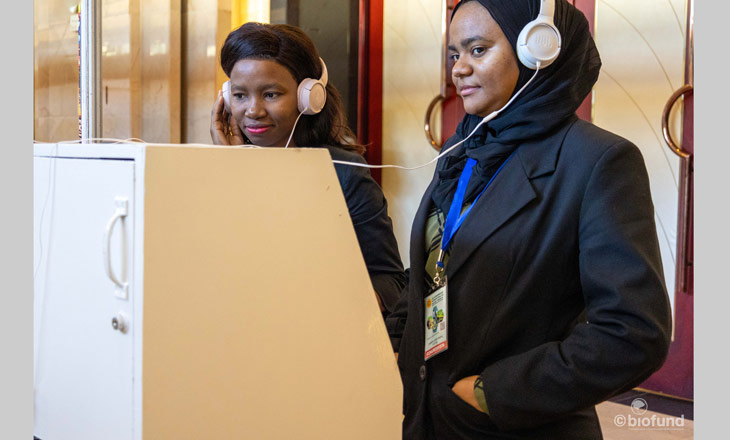


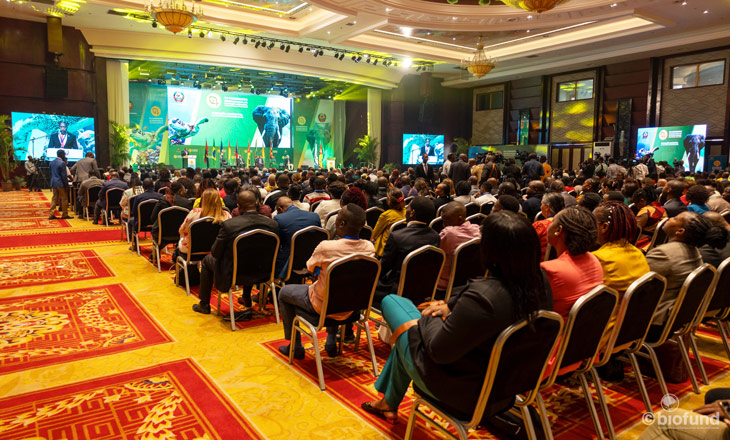
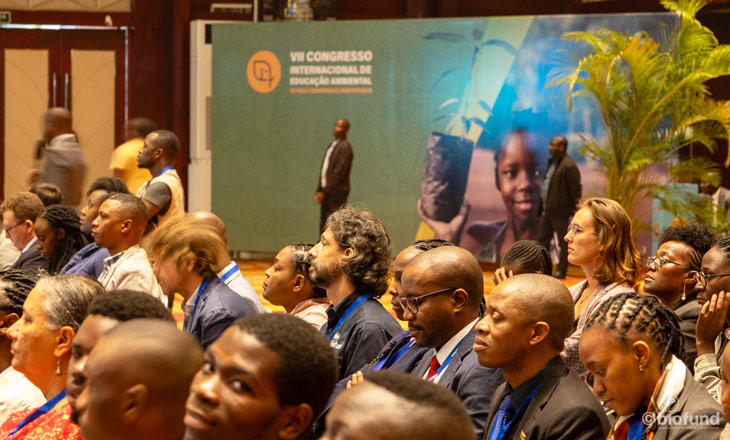

The 7th International Congress on Environmental Education of Portuguese-Speaking Countries and Communities (CPLP) kicked off today, July 4, 2023, at the Joaquim Chissano Conference Center in Maputo, Mozambique. This gathering holds significant importance in the realm of environmental conservation and sustainability, standing as a milestone in efforts to preserve biodiversity and promote a more sustainable future. The event will run until Friday, July 7.
The event is set to draw leaders and experts in biodiversity conservation from various Portuguese-speaking countries. The exchange of knowledge and experiences, which forms the core of this gathering, has the potential to generate new initiatives and partnerships towards building a more sustainable future.
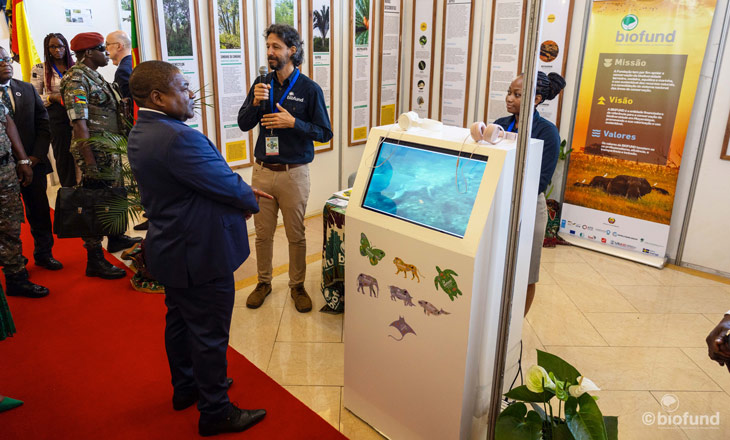
During the congress’ opening session, the President of Mozambique, Filipe Jacinto Nyusi, was in attendance. Accompanied by the Minister of Land and Environment, Ivete Maibaze, among other dignitaries, the President visited the biodiversity exhibition by the Foundation for the Conservation of Biodiversity (BIOFUND), which showcases the diversity of flora and fauna species in Mozambique. On this occasion, Filipe Jacinto Nyusi expressed his appreciation for BIOFUND’s work in preserving the country’s biodiversity.
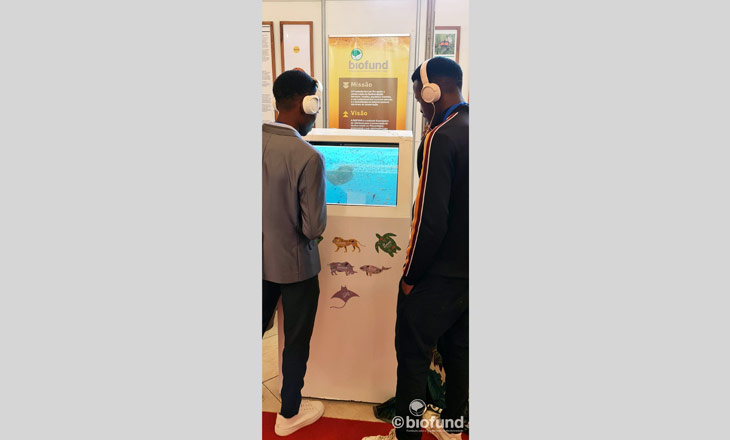
BIOFUND’s exhibition offers an interactive journey where visitors can see and hear the sounds of different terrestrial and marine fauna species, while also learning about Mozambique’s unique ecosystems and efforts for their protection and conservation. Through this initiative, BIOFUND aims to raise awareness about the importance of preservation, encouraging effective environmental conservation actions.
During the congress, BIOFUND will also present a paper on environmental education titled ‘Exhibition and Annual Biodiversity Fair in Mozambique – Knowing to Raise Awareness for its Conservation.’ This work aims to share experiences and knowledge about environmental education and biodiversity conservation.
Join us until July 7 at the 7th International Congress on Environmental Education of Portuguese-Speaking Countries and Communities, a crucial event for the sustainability of our planet. Follow the link for more information.
Paul Dutton’s Unwavering Dedication to Mozambique’s Biodiversity Recognized by BIOFUND and the Conservation Community
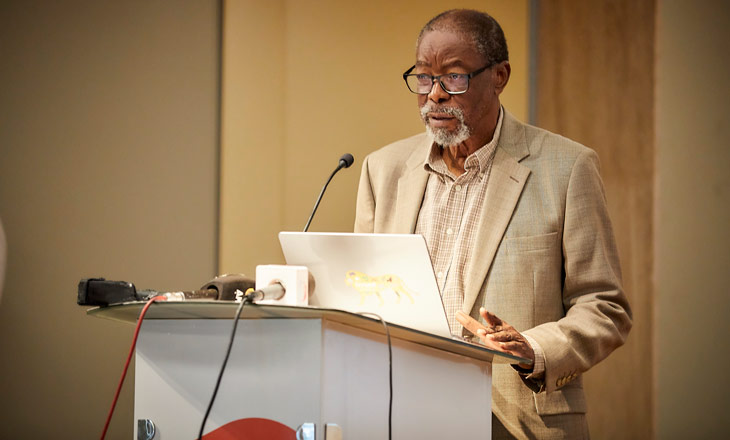
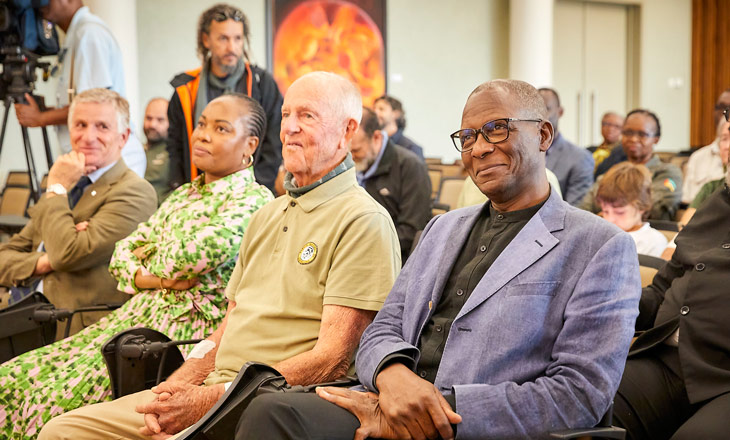
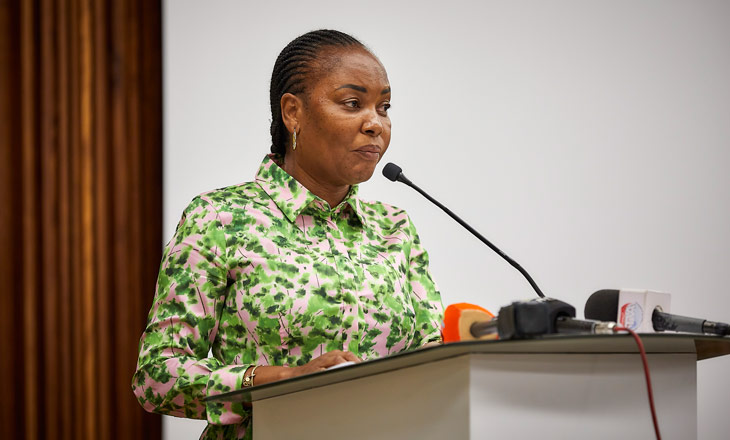
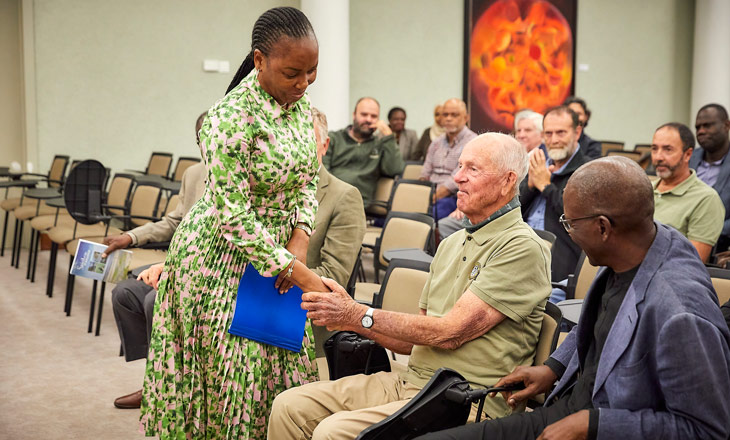
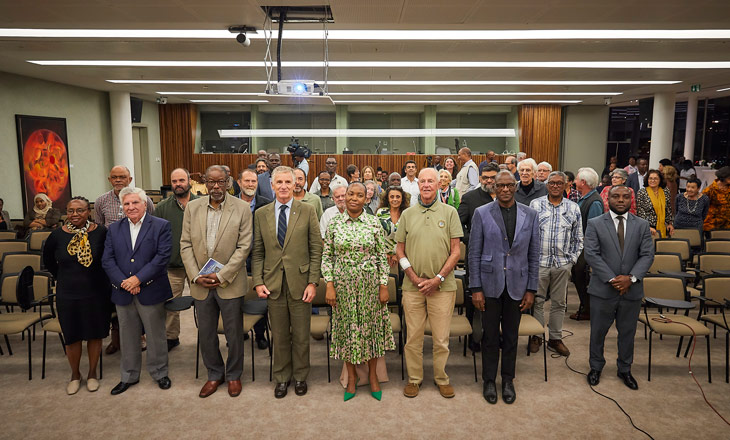
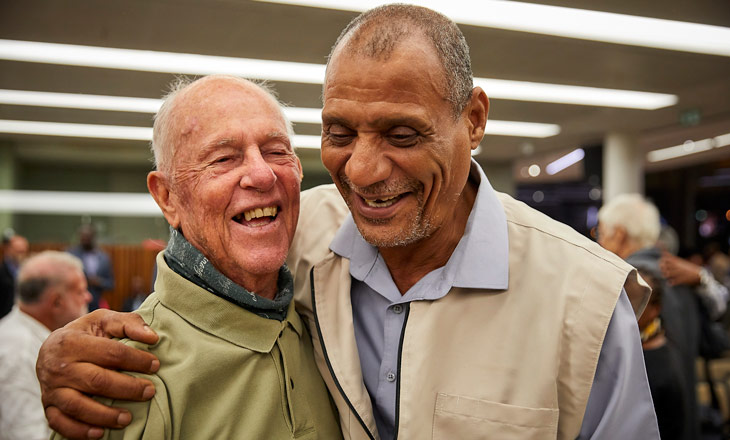
The Foundation for the Conservation of Biodiversity– BIOFUND paid tribute to Paul Dutton, widely recognized as a legendary figure in biodiversity conservation, during a solemn ceremony held on 19 June 2023 at the BCI Building.
The event was attended by notable figures, including the Minister of Land and Environment, Ivete Maibaze, the Chairman of the BIOFUND Board of Directors, Narciso Matos, the Executive Director of BIOFUND, Luís Honwana, and BCI Administrator, Luís Aguiar. Representatives from conservation institutions, colleagues, and friends of Paul Dutton shared memories and testimonies illustrating his life and legacy.
Paul Dutton, whose career as a conservationist is deeply intertwined with the sector’s priorities—particularly the strengthening of the environment and natural resources as key drivers of national economic development—was the focal point of the ceremony.
“Paul Dutton’s work is a great honour to us, for his contribution to preserving our natural capital against all kinds of threats, as well as for raising citizens’ awareness of the importance of wildlife. His passion and dedication to the cause of biodiversity conservation and restoration in the Southern African region, and in Mozambique in particular, has been a source of knowledge and inspiration for today’s generation of conservationists, and certainly a model for future professionals,” stated Minister Ivete Maibaze.
Speaking on behalf of BIOFUND, Luís Bernardo Honwana highlighted that Paul Dutton has long been one of the key references for conservation in Mozambique.
“His commitment to protecting the country’s fragile ecosystems and its unique species has been exemplary and has directly influenced our approach to their conservation,” Honwana noted.
Paul Dutton dedicated his life to biodiversity conservation, conducting wildlife counts and biodiversity surveys in key conservation areas. His work contributed significantly to the development and growth of several Conservation Areas, including the Maputo, Gorongosa, Chimanimani, Bazaruto, Banhine, and Gilé National Parks. Learn more about the tribute to Paul Dutton here!
BIOFUND and MIMAIP sign partnership during World Oceans Day celebrations
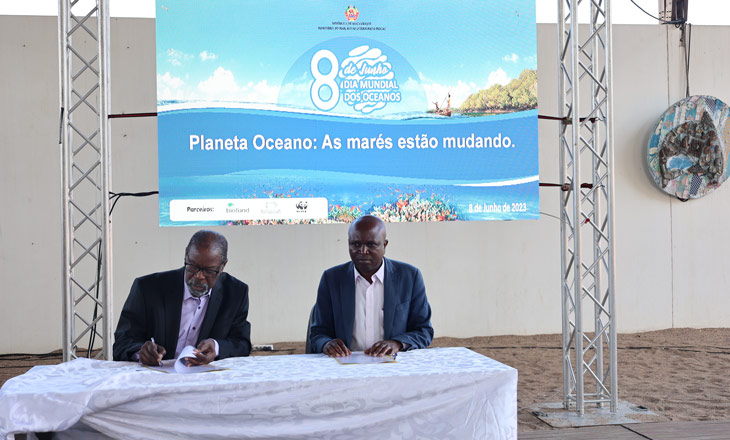
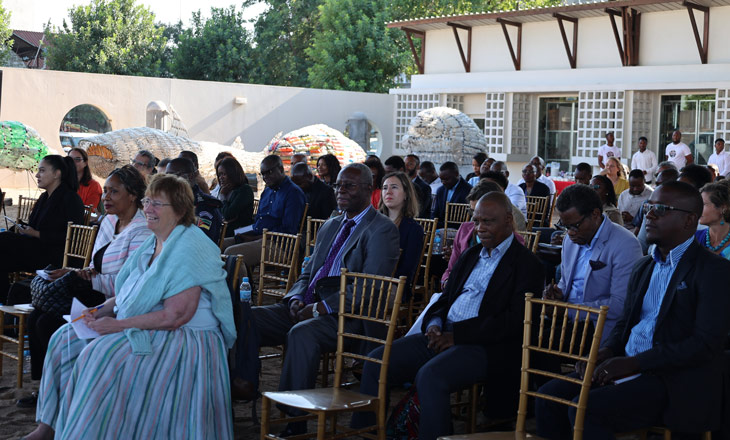
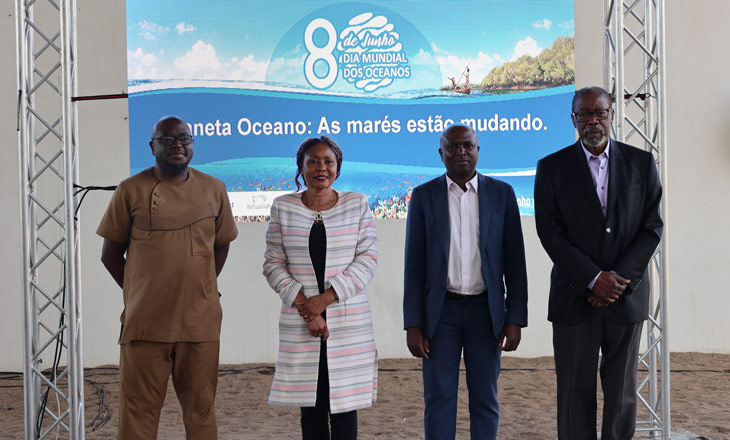
As part of the World Oceans Day celebrations, the Foundation for the Conservation of Biodiversity (BIOFUND) and the Ministry of the Sea, Inland Waters, and Fisheries (MIMAIP) signed a partnership by endorsing a Memorandum of Understanding at the event held on Thursday, June 8, 2023, at the Maritime Museum.
This partnership aims to establish a robust framework for collaboration between MIMAIP and BIOFUND in implementing projects or programs related to the conservation of aquatic, marine, and coastal biodiversity in Mozambique. Priorities include promoting environmental education, conducting scientific research, training specialized professionals, identifying new aquatic, coastal, and marine Conservation Areas, and mobilizing financial resources as needed.
This year, World Oceans Day was celebrated under the theme “Ocean Planet: the tides are changing.” During the event, a public consultation on the Blue Economy Development Strategy was conducted, demonstrating a commitment to the sustainability of marine resources. An Aquaculture Exhibition was also launched with the slogan: “Learning to Live from and with the Sea.” The exhibition will be integrated into schools in the Province of Maputo during the month of June 2023.
In line with this year’s theme, WWF Mozambique shared a video titled “Our Planet” during the event, depicting the importance of oceans for marine life. Watch the video here!
The occasion was attended by approximately 80 people, including the National Director of Maritime and Fisheries Policies, Felismina Antia, the Executive Director of BIOFUND, Luís Bernardo Honwana, the Director of WWF Mozambique, Solani Mhango, and representatives from bilateral cooperation organizations.
Encerramento do Mês da Biodiversidade: BIOFUND e Parceiros Celebram com Exibição de Série Inédita
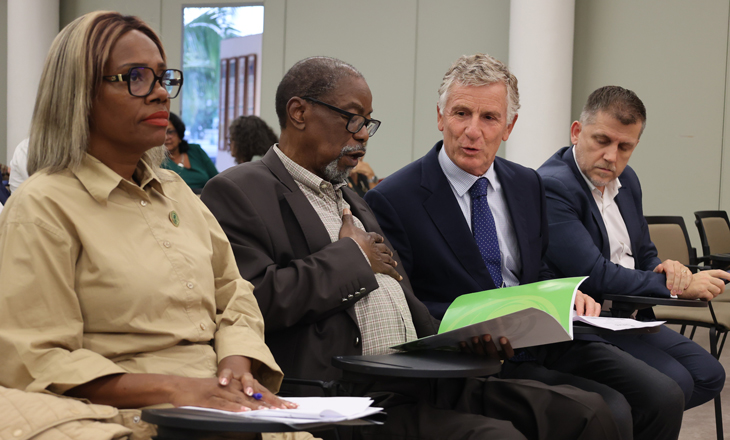
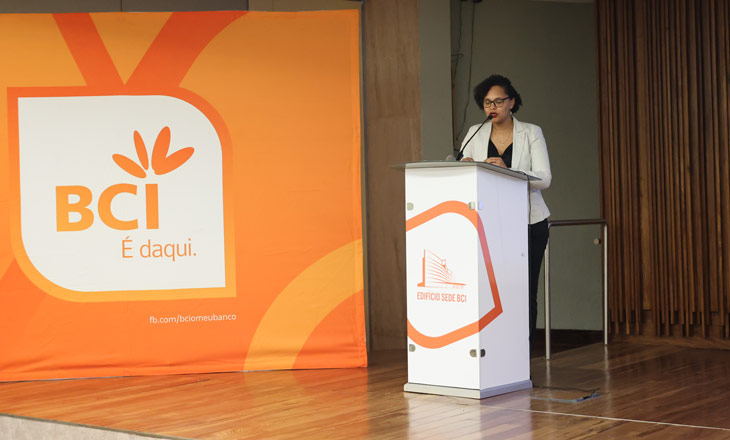
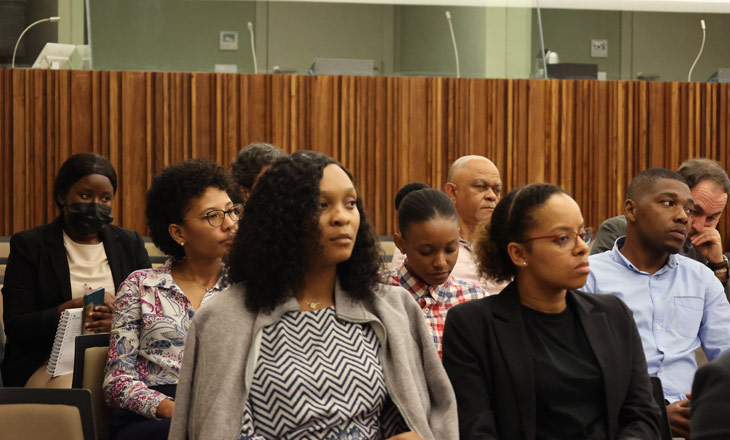
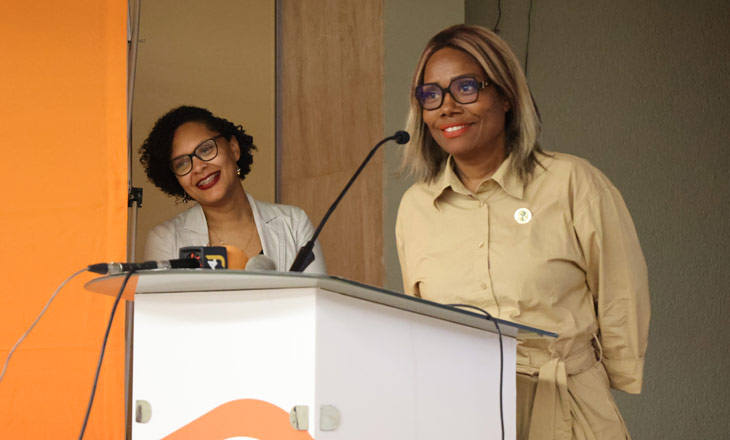
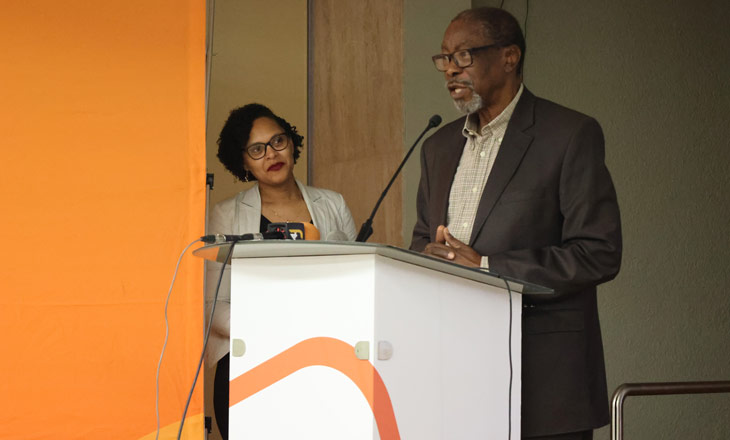
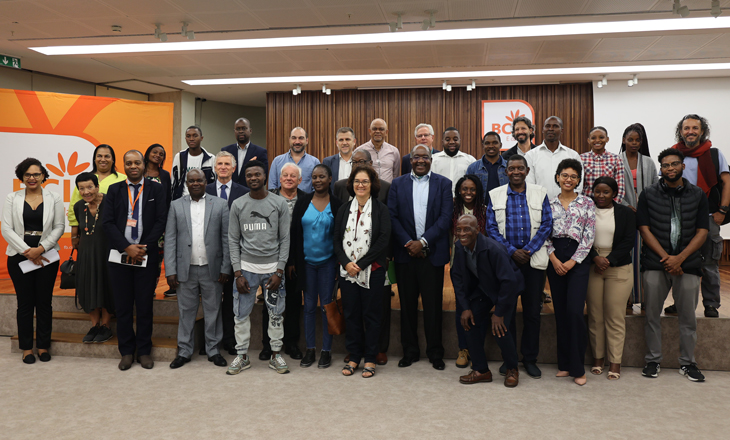
Num evento realizado na sede do BCI, em Maputo, a Fundação para a Conservação da Biodiversidade (BIOFUND) em colaboração com o Banco Comercial de Investimentos (BCI) e outros parceiros, comemorou o encerramento do mês da Biodiversidade.
A celebração teve como foco a exibição completa (pela primeira vez) dos 6 episódios da série “A Natureza dos Homens e dos Animais”. Esta produção, realizada pela Ébano Multimédia em colaboração com a USAID/SPEED, BIOFUND e a Administração Nacional das Áreas de Conservação (ANAC), pretende consciencializar o público acerca da importância da biodiversidade e a dinâmica das interações entre o homem e a natureza (a fauna e a flora), através de um enredo muito realista, ilustrando desafios da vida real numa área de conservação, com perspicácia e humor, através de imagens e sons de grande beleza.
Licinio de Azevedo, realizador do seriado, partilhou algumas das experiencias dos vários meses de produção, cujas filmagens decorreram no Parque Nacional de Maputo (o parque fictício no seriado), onde a equipa conviveu com a comunidade local, e trabalhou com actores reais, tanto os fiscais, os furtivos como os membros das comunidades. Esta interação única, resultou num melhor entendimento mutuo dos desafios de cada uma das partes, permitindo melhor engajamento na sensibilização para a proteção da biodiversidade.
Luís Aguiar, administrador do BCI, referiu a longa parceria entre a BIOFUND e o BCI, desde 2017, no projecto cartão bio, um cartão de debito DAQUI que canaliza uma percentagem da anuidade e dos gastos do cartão, para um fundo de apoio a ações de biodiversidade, gerido pela BIOFUND. Este evento no auditório da sede do BCI, é parte dessa parceria, que mobiliza já mais de 40 000 usuários do cartão, em todo o pais.
Luís Honwana, Director Executivo da BIOFUND, louvou todos os envolvidos na produção da série, realçando que são iniciativas como esta que são de grande valia para a biodiversidade. O seriado, repleto de informações relevantes, visa sensibilizar o público sobre a importância da biodiversidade para o bem-estar humano e as consequências da gestão insustentável dos recursos naturais e da perda da biodiversidade.
Celmira da Silva, Directora da ANAC, durante o seu discurso, afirmou que a produção de séries do género deveria tornar-se um exercício contínuo. “Temos de exaltar o que tem sido feito em termos de ficção e acreditamos que não pararemos por aqui. Varias vozes pedem que continuemos com a produção de conteúdos do género”, afirmou.
Para além da apresentação do seriado, a BIOFUND também expos painéis com informação relevante sobre espécies e habitats marinhos e terrestres do país, parte integrante das suas ações regulares de consciencialização e educação ambiental.
Este tipo de evento é uma plataforma importante para a promoção da consciência ambiental, para a disseminação do conhecimento sobre a importância da biodiversidade.
Para ver todo o seriado clique aqui
COMBO+ Programme promotes an experience-sharing visit on best practices for implementing the Biodiversity Impact Mitigation Hierarchy between government authorities and Portucel-Mozambique in Zambézia
-
© BIOFUND
-
© BIOFUND
-
© BIOFUND
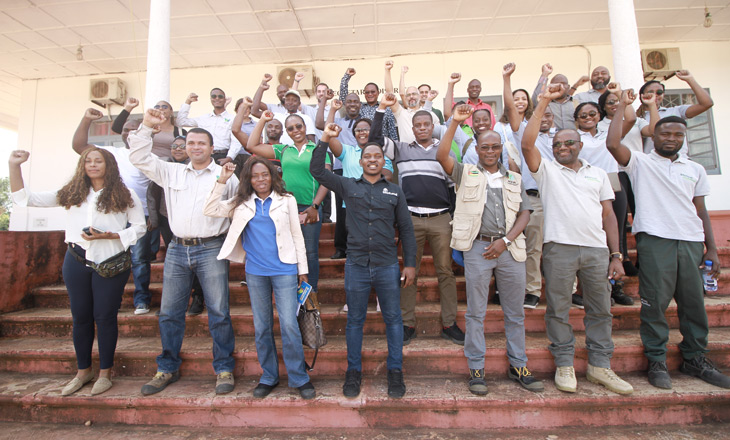
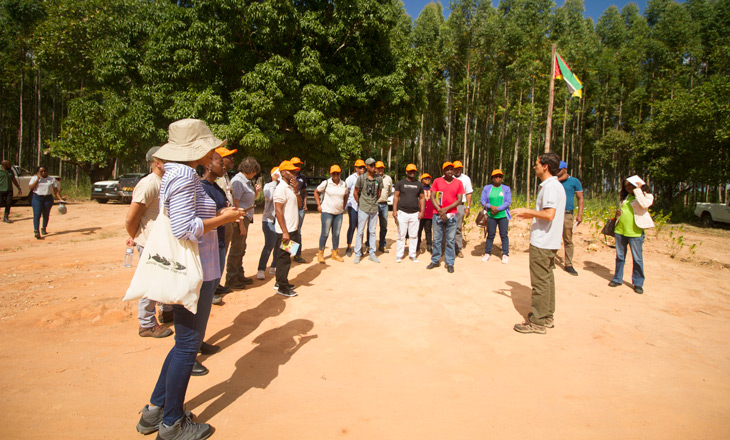
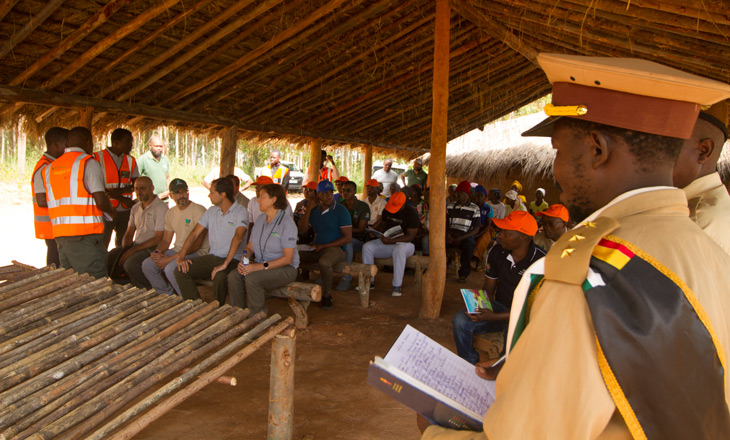
The partners of the COMBO+ programme, the Wildlife Conservation Society (WCS), the Foundation for the Conservation of Biodiversity (BIOFUND) and the National Directorate for the Environment (DINAB), in partnership with the company Portucel Mozambique, promoted an experience-sharing visit involving Government entities, academia, research institutions and civil society, with the main objective of providing technicians from all institutions involved with field-based experiences on the implementation of best practices for applying the Mitigation Hierarchy, in accordance with the procedures described in Ministerial Diploma No. 55/2022.
The experience-sharing mission took place in the operational areas of Portucel Mozambique, including its plant nursery, forest areas and communities within the project area, located in Ile district (Zambézia Province). It lasted five days (from 2 to 6 May) and involved around 45 participants.
Portucel Mozambique is one of the largest forestry and industrial investment projects in Mozambique, with plans to invest more than 2.3 billion US dollars and to build a pulp production factory. Collaboration between the COMBO+ programme and Portucel began in 2016 and has been carried out through a Memorandum of Understanding (MoU) established between the institutions to develop a case study in which the model for applying the mitigation hierarchy was analysed to improve and safeguard biodiversity-related aspects.
This experience-sharing visit is an integral part of the multisectoral training and capacity-building activities led by the COMBO+ Programme since 2016 and will continue to be promoted throughout the country with the primary objective of establishing communication mechanisms between proponents of economic development projects and the government, strengthening the technical capacity of government entities on the assessment, monitoring and supervision of the implementation of the mitigation hierarchy, and sharing knowledge with all parties involved.
PLCM promove Educação Ambiental e Arte Sustentável na Escola Secundária de Sussundenga
-
© BIOFUND
-
© BIOFUND
-
© BIOFUND
-
© BIOFUND
-
© BIOFUND
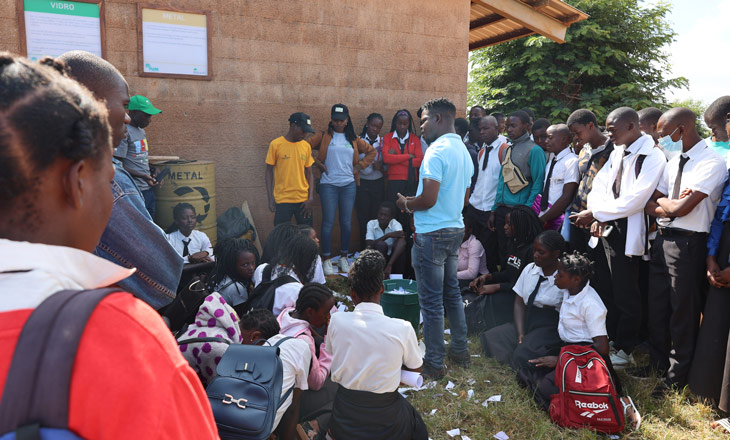
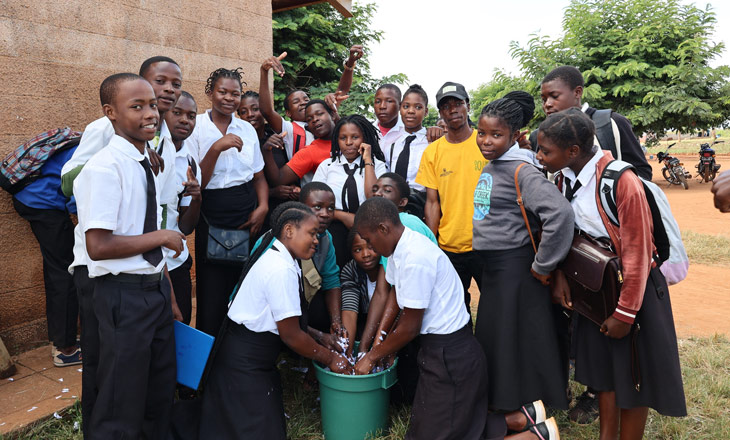
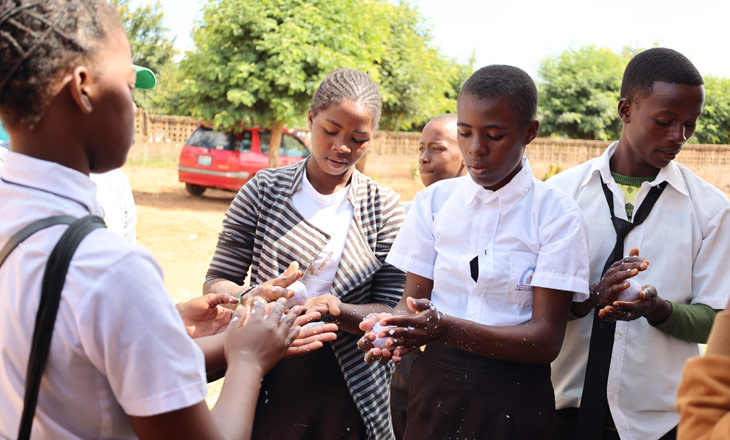
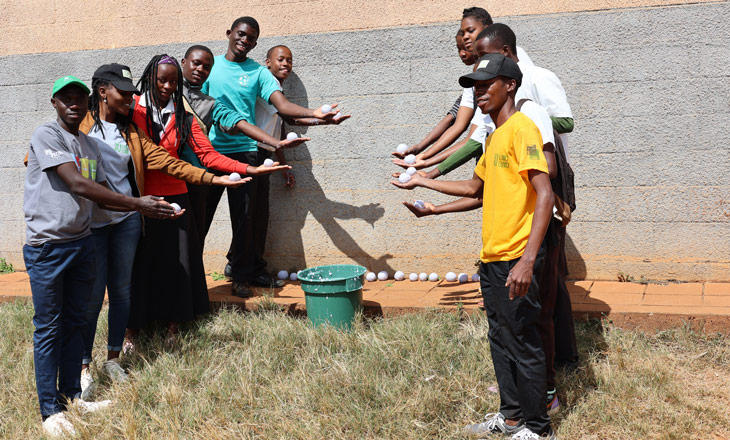
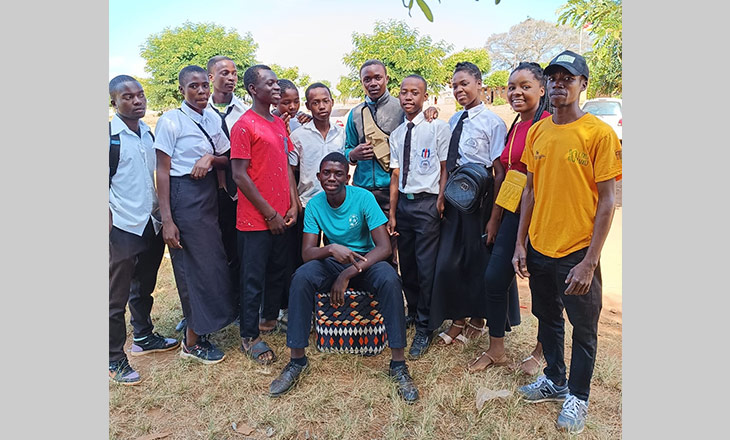
Na manhã de quinta-feira, 04 de Maio 2023, a Escola Secundária de Sussundenga acolheu uma iniciativa promovida pela BIOFUND, através do Programa de Liderança para Conservação de Moçambique (PLCM) em parceria com o Parque Nacional de Chimanimani e Associação Gonazololo. O evento visou consciencializar os alunos sobre a importância da preservação do meio ambiente através da adopção de práticas sustentáveis, como a reciclagem e a recolha selectiva de resíduos sólidos.
A palestra, que contou com a presença de 350 alunos, teve como foco a transformação de materiais reciclados em artigos de arte e a geração de renda a partir destes produtos. Com a orientação da Organização Juvenil para o Desenvolvimento Comunitário – Gonazololo, os estudantes aprenderam a produzir carvão a partir de papel reciclado e sofás utilizando garrafas plásticas.
Para complementar as actividades práticas, os alunos beneficiaram de uma palestra sobre a gestão dos resíduos sólidos, facilitada pela equipa do Parque Nacional de Chimanimani. Lola Raposo, Directora da Associação Gonazololo, salientou que o objectivo da palestra é dotar os jovens de conhecimentos práticos em matéria de reciclagem e transformação do lixo em luxo, contribuindo para a preservação do meio ambiente.
Catarina Vasco e Edson Xadreque, alunos beneficiários da actividade, partilharam os conhecimentos adquiridos durante a palestra e deixaram uma mensagem aos demais jovens: “Durante a palestra, aprendemos a transformar papel em carvão e a produzir um sofá com garrafas recicladas. Queremos convidar os jovens como nós para adoptarem práticas como estas, para juntos conservarmos o meio ambiente e produzirmos artigos sustentáveis“.
Esta actividade integra-se no projecto “Sala de Conservação de Sussundenga”, uma iniciativa do PLCM, no âmbito do projecto MozBio2 (com fundos do IDA/Banco Mundial) em parceria com o Parque Nacional de Chimanimani, Portucel Moçambique, Associação Gonazololo entre outros parceiros, que busca promover a educação ambiental e a consciência ecológica entre os jovens, com vista a um futuro mais sustentável e harmonioso entre a humanidade e o meio ambiente.
BIOFUND contributes to environmental awareness through the "Biodiversity Wall"
-

© BIOFUND
-
© BIOFUND
-
© BIOFUND
-
© BIOFUND
-
© BIOFUND
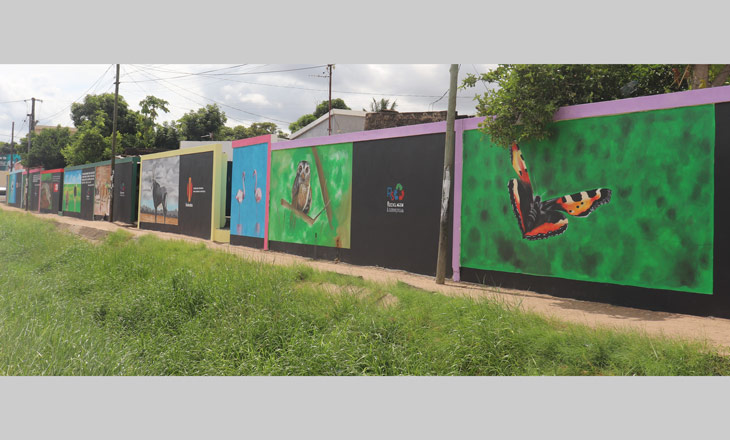
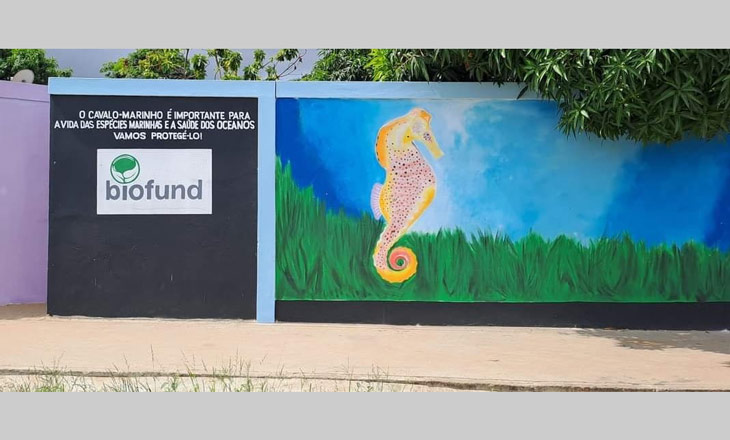
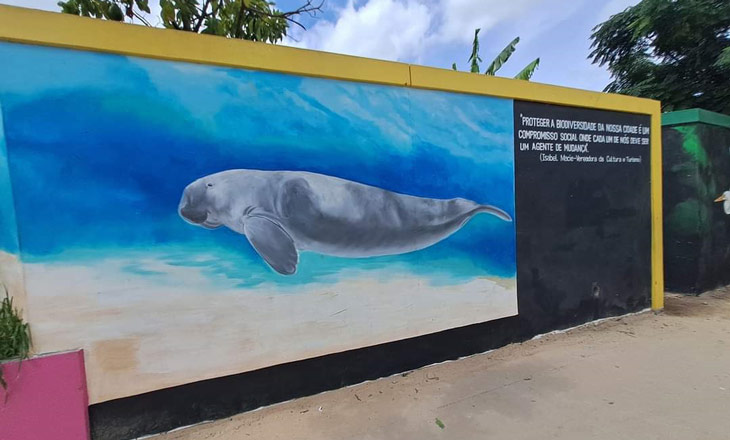
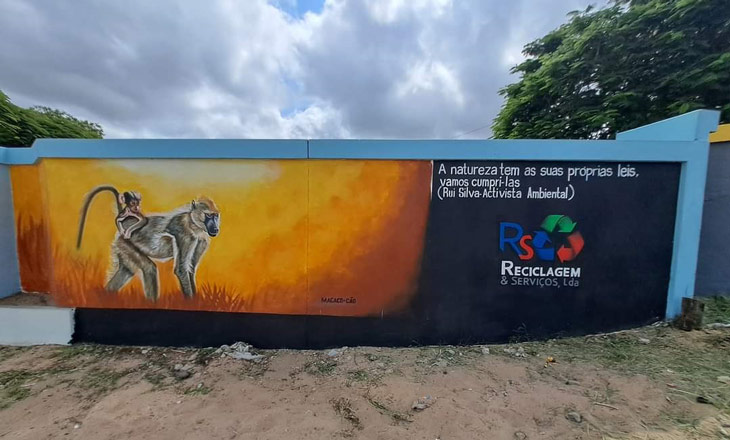
Inaugurated on 31 March by the Minister of Land and Environment, Ivete Maibaze, the “Biodiversity Wall” is an initiative of the company Reciclagem e Serviços Lda, in partnership with the Ministry of Land and Environment (MTA), Aeroportos de Moçambique SA, the Maputo Municipal Council, public figures and other conservation partners.
The initiative aims to raise community awareness about environmental issues, promote the preservation of Fauna and Flora, combat poaching, and provide an opportunity to showcase the country’s tourism potential, demonstrating to visitors arriving in Mozambique that the country remains committed to protecting and preserving its rich Biodiversity.
Comprising 45 stunning murals, each measuring around 24m², the “Biodiversity Wall” displays the diversity of Mozambique’s terrestrial and marine fauna and flora. To continue its efforts in raising awareness about biodiversity conservation, the Foundation for the Conservation of Biodiversity (BIOFUND) is part of this project and dedicated its mural to a message focused on the protection of the seahorse, a marine species of great importance for maintaining the oceans and their ecosystems.
Despite their importance and beauty, some seahorse species are classified as vulnerable on the IUCN Red List due to habitat loss caused by the degradation and destruction of mangroves, seagrasses and coral reefs, accidental capture in non-selective fishing practices, and the unsustainable trade of these animals for use in traditional medicine, aquariums and handicrafts.
Speaking at the inauguration ceremony, the Minister of Land and Environment said that the name given to the project, “Biodiversity Wall,” undoubtedly highlights public, participatory and constructive debates on biodiversity conservation, which have become a reality on the country’s governance agenda.
The inauguration of the “Biodiversity Wall” comes at a time when Mozambique is preparing to host the 7th International Congress on Environmental Education of Portuguese-Speaking Countries and Communities, taking place from 4 to 7 July in the City of Maputo. This Congress represents a unique opportunity to share with the world the experiences and achievements that the country has already reached in the field of environmental education.
We invite everyone to visit the stunning “Biodiversity Wall” in the neighbourhood of Mavalane, located at the exit of Maputo International Airport, stretching from the SMS establishment to the railway bridge on Acordos de Lusaka Avenue. Join us in conserving biodiversity!
COMBO+ program provides training to members of civil society organizations on biodiversity impact mitigation from development projects
-
© BIOFUND
-
© BIOFUND
-
© BIOFUND
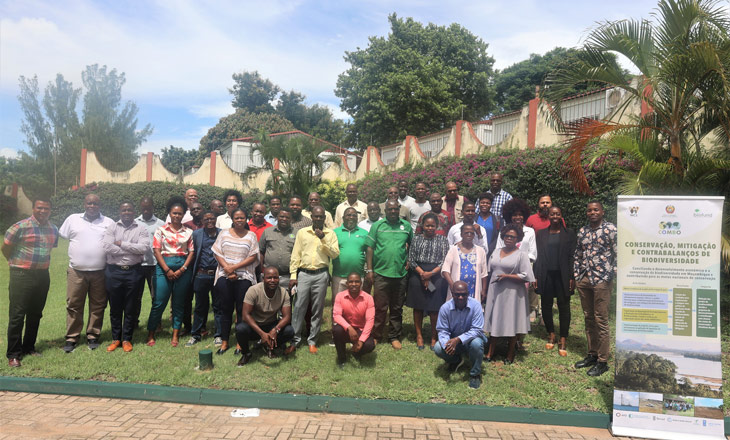
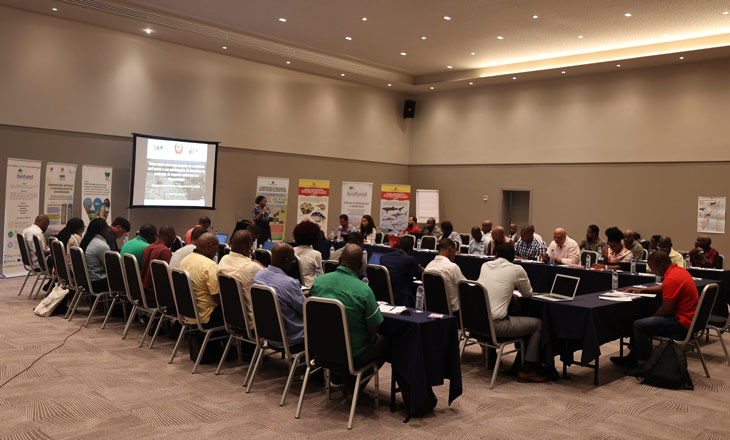
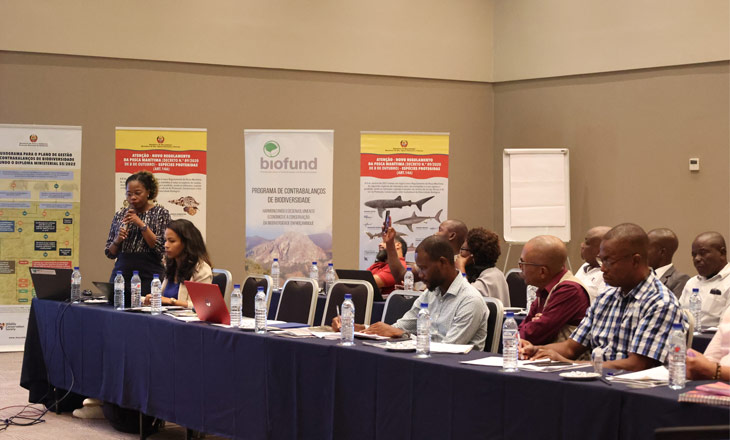
The National Directorate of Environment (DINAB) in partnership with the Wildlife Conservation Society (WCS) and the Foundation for Biodiversity Conservation (BIOFUND), through the COMBO+ Program, held between February 27 and 28, 2023 in Maputo city, a training to the platforms of civil society organizations (CSOs) on the application of the regulation of the Environmental Impact Assessment Process (Decree No. 54/2015 of December 31) and the Directive on Biodiversity Offsets in Mozambique (Ministerial Diploma No. 55/2022 of May 19).
The training aimed at strengthening the capacity of members from relevant civil society platforms on mitigating the impacts of development projects on biodiversity in Mozambique. The event was attended by 45 participants from across the country, belonging to different civil society platforms, namely: Platform on Natural Resources and Extractive Industry (PIE), Forum of Civil Society Organizations for the Marine and Coastal Area (FOSCAMC), Mozambican Civil Society Organizations Forum for Wildlife (FOFABRAVIA), National Forest Forum (FNF), Association of Journalists for Biodiversity Conservation (AJOCOM), among other relevant CSOs.
According to Decree 54/2015 of 31 December, the EIA process in Mozambique proposes the implementation of measures to avoid, minimize and restore the impacts of category A+ and A development projects. In case of significant residual impacts on biodiversity, the project developers must implement biodiversity offset management plans (BOMPs) as a last resource to nullify the residual negative impacts of the project or even to achieve Net Gain (“NG”) of biodiversity, preferably in conservation areas or other areas important for biodiversity such as Key Biodiversity Areas (KBAs).
Using an approach of theoretical-practical sessions and open discussion, the training covered topics on (i) the updated policy-legal framework relevant for the application of the Mitigation Hierarchy and Biodiversity Offsets in Mozambique and its evolution,(ii) the tools (e.g. Red Lists, KBAs, ecosystem map) and platforms (e.g. Biodiversity Portal- SIBMOZ and Environmental Licensing Management System – SGLA) relevant in identifying areas to avoid and to offset, as well as, (iii) the role of CSOs and local Communities in the process of environmental impact assessment and implementation of biodiversity offsets in Mozambique.
This training is part of the multi-sectoral training program on the implementation of the mitigation hierarchy and biodiversity offsets in Mozambique targeted to technicians from government, private sector, academia, NGOs, CSOs and other key stakeholders.
3rd Session of Monitoring the Activities of the Chimanimani Project Held
-
© BIOFUND
-
© BIOFUND
-
© BIOFUND
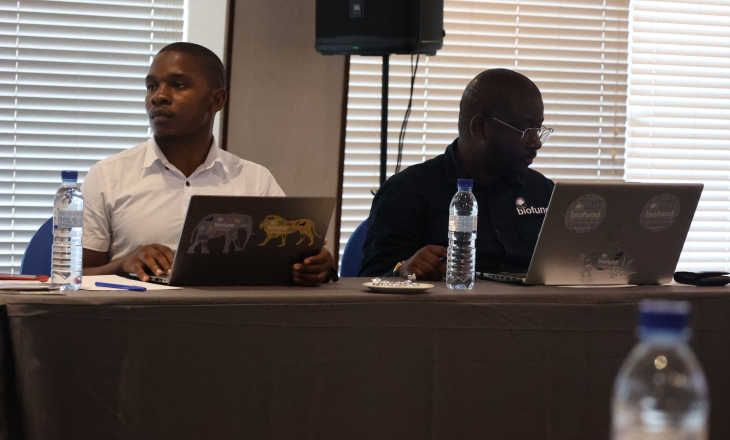
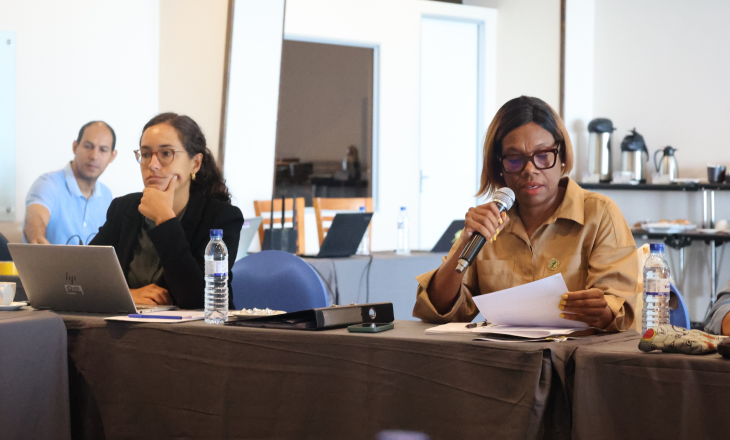
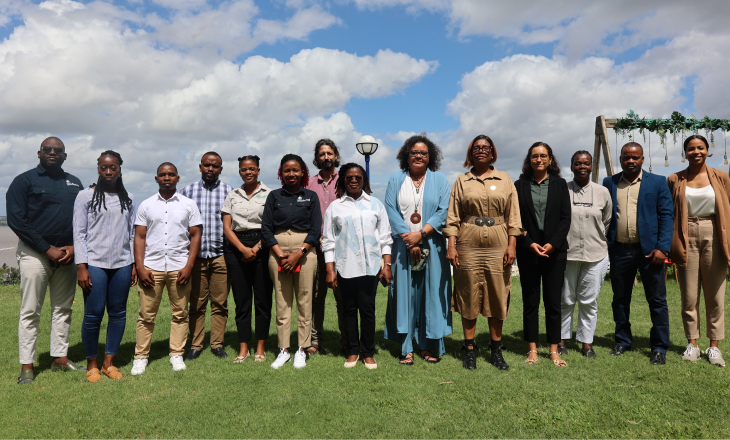
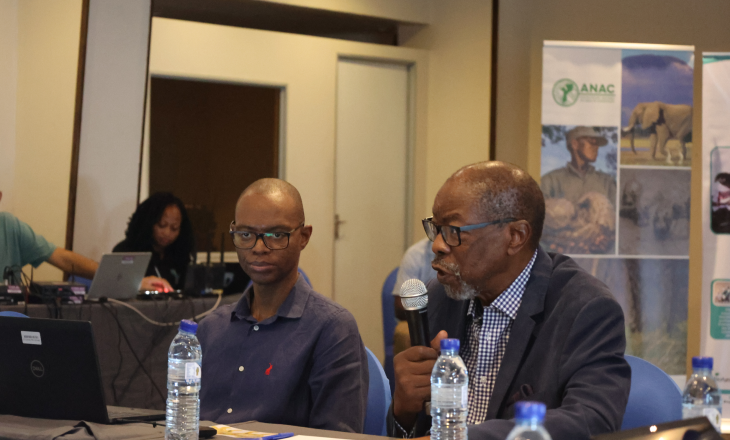
On February 23, 2023, in the City of Maputo, the third session of the Steering Committee of the Biodiversity Conservation and Community Development (CBDC) Project in Chimanimani took place, with the objective of monitoring, evaluating, and ensuring the quality control of the activities, results, and impacts achieved by the Project in 2022.
The event, led by ANAC’s Director General, Celmira da Silva, was held in a hybrid format and gathered 28 participants from the Ministry of Land and Environment, the National Directorate of Environment (DINAB), the National Administration of Conservation Areas (ANAC), Fauna & Flora International (FFI), the Foundation for the Conservation of Biodiversity (BIOFUND), Micaia Foundation, the National Fund for Sustainable Development (FNDS), the French Development Agency (AFD), and the French Facility for Global Environment (FFEM).
One of the main points of discussion during this session was the activities carried out by Chimanimani National Park (PNC), with emphasis on the acquisition of biodiversity monitoring equipment and the rehabilitation of the base camp, which contributed both to updating the list of biodiversity species existing in this Conservation Area and to increasing the accommodation capacity for tourists visiting the park.
Regarding the strengthening and development of the honey value chain in the Chimanimani landscape, communities have already benefited from 4 honey collection centers and 405 Langstroth hives, and these activities have contributed to the increase in honey production and quality.
The 2023 Activity Plan and Budget were also presented and approved, with a total value of €1,279,059.45 to be implemented by ANAC, Chimanimani National Park, Micaia Foundation, and BIOFUND.
The CBDC Project results from financing by AFD together with the French Facility for Global Environment (FFEM) and FFI, with a total funding of €4.8 million, aiming to promote more sustainable environmental management in the Chimanimani Conservation Area.
Click here to learn more about the project.
61 More Young People Ready to Contribute to the Future of Biodiversity Conservation in Mozambique
-
© BIOFUND
-
© BIOFUND
-
© BIOFUND
-
© BIOFUND
-
© BIOFUND
-
© BIOFUND
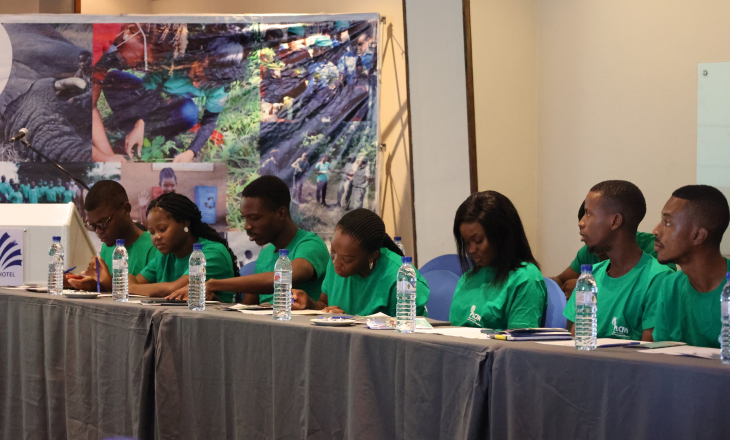
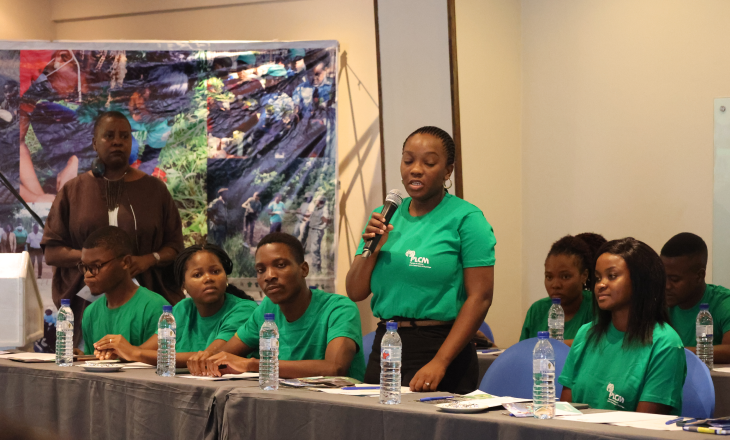
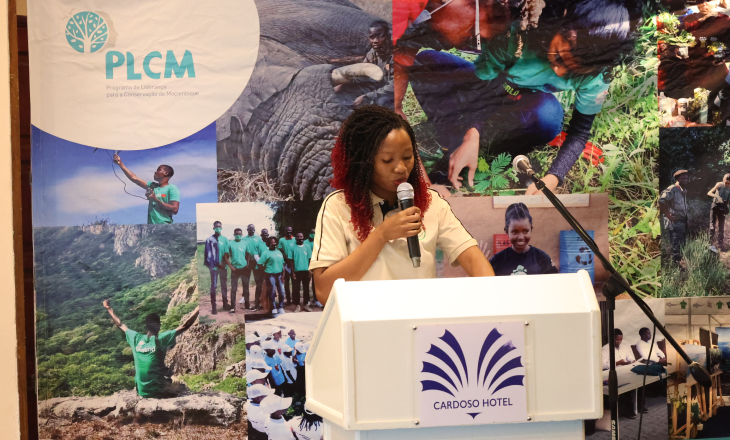
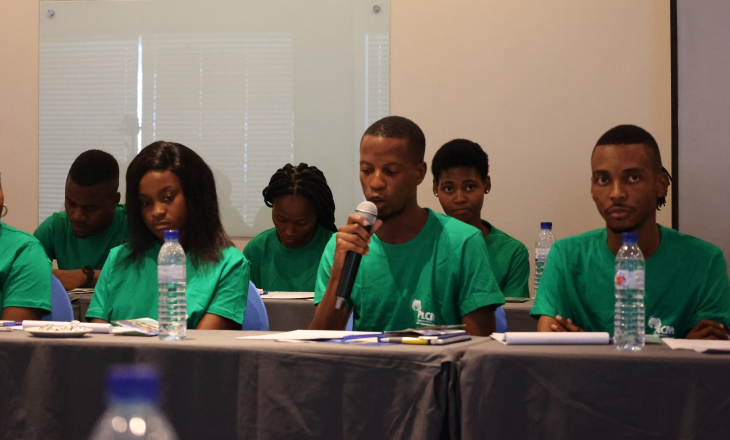
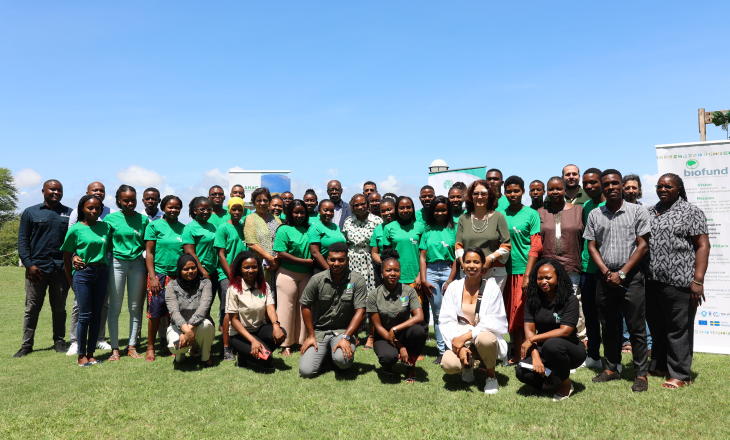
The Leadership Program for the Conservation of Mozambique (PLCM) launched its 4th edition of pre-professional internships across the country on Monday, February 13, 2023! This year, 61 interns, trained in various multidisciplinary fields, will be placed in 22 internship centers, including 18 public and private Conservation Areas, as well as 4 central-level conservation institutions.
The PLCM is a program implemented by the Foundation for the Conservation of Biodiversity (BIOFUND), in coordination with the National Administration of Conservation Areas (ANAC) and the National Employment Institute (INEP). Its main goal is to develop the skills and knowledge of conservation professionals in Mozambique.
The opening ceremony of this new edition was attended by representatives from ANAC and INEP, as well as the World Bank and the Government of Sweden, the program’s funders. During the event, the new interns benefited from virtual training on the iNaturalist platform for recording the occurrence of flora and fauna species, conducted by SAMBI – the South African Institute for Biodiversity.
“The integration of PLCM interns is a response to the challenges that the conservation sector faces in Mozambique, such as the limited human capacity to operate in the different projects designed to advance the sector,” said Luís Bernardo Honwana, Executive Director of BIOFUND, during his remarks at the opening ceremony.
The interns are eager to begin their placements and acquire valuable skills that will help influence and attract other young people to conservation, while contributing to the development of the sector. “This will be my first experience in the field of conservation. I hope to gain new skills to help protect the environment and inspire others to embrace the cause of biodiversity conservation,” said Jeremias Matavele, a Finance graduate assigned to the Marromeu National Reserve.
Since the beginning of its internship program in 2020, PLCM has benefited 168 young people, with 107 already gaining diverse leadership experiences in biodiversity conservation in Mozambique through the previous three editions.
The PLCM represents a unique opportunity for young people who wish to contribute to biodiversity conservation in Mozambique and help build a more sustainable and prosperous future for the country. Don’t miss the chance to lead biodiversity conservation in Mozambique and inspire other young people to do the same – stay tuned for the next edition of PLCM. Learn more here!
BIOFUND Meeting approves a strategy to protect biodiversity in Mozambique
-
© BIOFUND
-
© BIOFUND
-
© BIOFUND
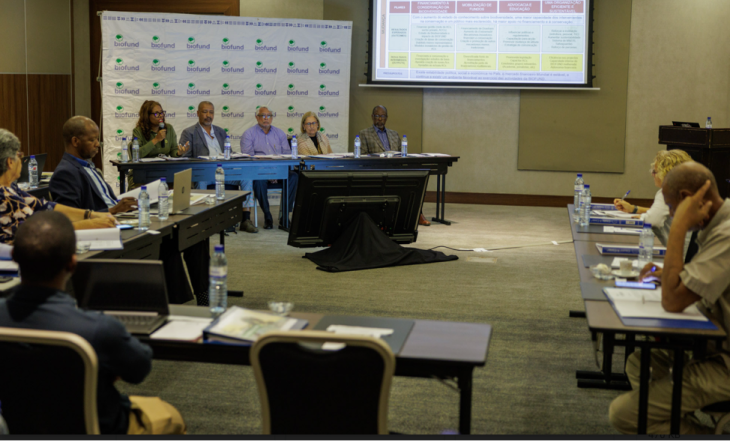
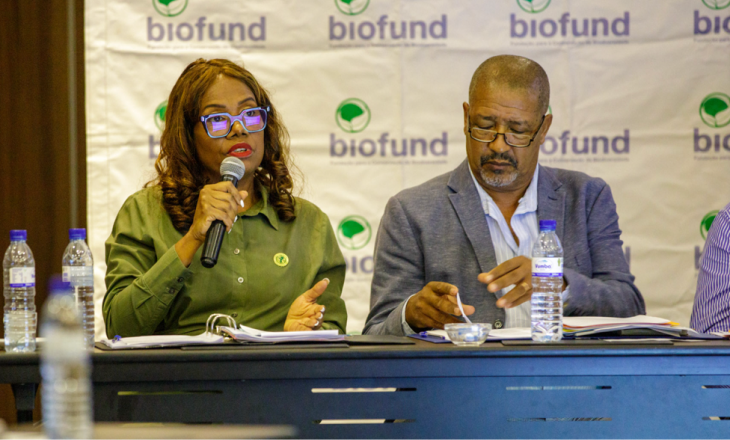
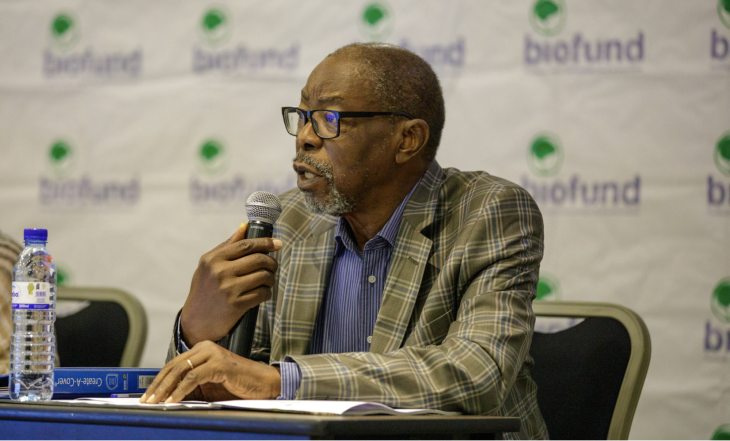
We are really excited to announce the realization of the XI Members Assembly Meeting of the Foundation for the Conservation of Biodiversity – BIOFUND, which took place in Maputo City on February 9, 2023. This session was attended by 28 people, including representatives of government, non-governmental and academic organizations related to the conservation sector.
At the meeting, the Minutes of the X Session of the General Assembly Meeting were approved, the activities carried out since the last session were presented and the Strategic Plan (SP) for 2023-2027 was approved. This SP highlights the following priorities: financing biodiversity conservation, mobilizing funds, advocacy and education, and making BIOFUND an efficient and sustainable foundation.
The SP is ambitious and envisions an annual disbursement of at least USD 15 million for biodiversity conservation by 2027. In addition to that, BIOFUND wants to contribute to increase the knowledge about biodiversity in Mozambique, to support the creation of protected areas in at least 3% of the national territory, and promote innovative initiatives for the management of conservation areas.
BIOFUND also aims to mobilize funds through biodiversity conservation projects, to achieve an endowment fund of USD 100 million and to establish innovative sources of finance. Furthermore, the foundation wants to support the improvement of the national legal framework on biodiversity conservation, contribute to build up the capacity of the personnel working in conservation and raise awareness among the population on the importance of biodiversity conservation.
We are excited about the prospects of this plan and look forward to working together to protect and preserve Mozambique’s biodiversity. Together, we can build a greener and more sustainable future for everyone!
Young People and Leadership in Biodiversity Conservation: Get to know the history of Baptista Bisteque
-
© Parque Nacional de Maputo
-
© Parque Nacional de Maputo
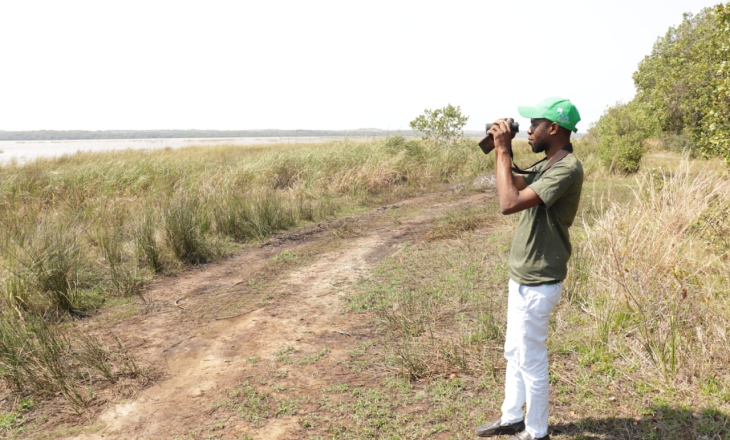
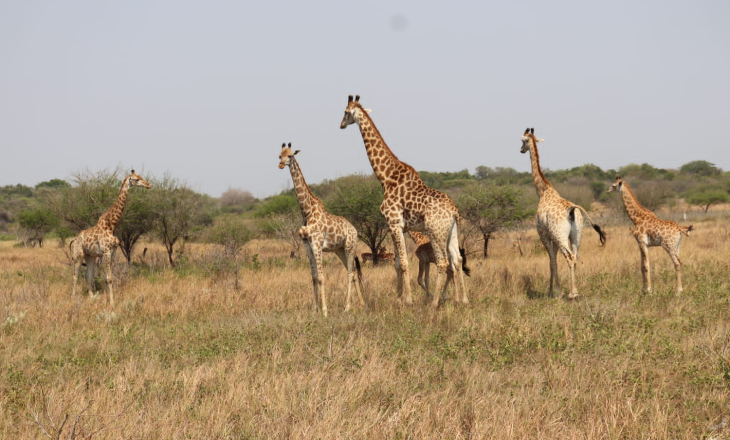
“The young leader Baptista Julião Bisquete, 27 years old, born in Morrumbala, Zambezia, has a degree in Communication Sciences with skills in Journalism. Baptista is one of the beneficiaries of the 3rd edition of pre-professional internships of the Leadership Program for the Conservation of Mozambique (PLCM), implemented by the Foundation for the Conservation of Biodiversity (BIOFUND) in coordination with the National Administration of Conservation Areas (ANAC).
Baptista was assigned to the Tourism Sector in the Maputo National Park (PNAM) where he had the bright idea of internally promoting the establishment of a Communication and Image Division. At first, some colleagues did not understand the importance of this component, but Baptista persisted and proved its relevance through the production of documentaries (videos and photos) illustrating the activities carried out in the park.
Today, his work is a fundamental mechanism for disseminating the results of actions carried out in the park and promoting its potential. For Baptista, PLCM was a gateway to the beginning of his professional career in the field of conservation. “The PLCM helped me to take the first steps in my professional life. Today, I consider myself a young conservation leader, as I work with all sectors of the institution and I use communication as a tool to ensure better protection of biodiversity“.
PLCM is a leadership and personal and professional development platform for young people seeking a career in biodiversity conservation. Do you want to become a biodiversity conservation leader? Get further information about PLCM here.
Café de Manica and BIOFUND protect the biodiversity of Chimanimani National Park
-
© Luís Bernado Honwana
-
© Luís Bernado Honwana
Café de Manica is collaborating to protect Mozambique’s biodiversity. In January 2023, the company sent 2% of its annual revenue from the sale of coffee in 2022 to the Foundation for the Conservation of Biodiversity (BIOFUND), with a view to strengthening its support for the conservation of biodiversity in the Chimanimani National Park.
This innovative mechanism is the result of a partnership with BIOFUND, signed in January 2022 to send financial support to the Chimanimani National Park, for the protection of natural resources in that important Conservation Area. With the annual amount coming from the sale of coffee, the Chimanimani National Park will reinforce the protection of the biodiversity of that Conservation Area considered a Key Biodiversity Area (KBA), due to its exceptional level of plant endemism, importance for birds and for hosting unique species of plants, birds, butterflies, amphibians, reptiles and mammals.
This partnership enhances the work of BIOFUND and its partners within the framework of the Biodiversity Conservation and Community Development (CBDC) project in the Chimanimani Conservation Area, financed by the French Development Agency (AFD), the French Fund for the World Environment (FFEM) and Fauna and Flora International (FFI).
With the collaboration of companies such as Café de Manica, we are taking an important step in preserving biodiversity for future generations and also in raising awareness and making civil society responsible for these matters.
National Directorate for the Environment (DINAB) and partners conduct training on the design of Biodiversity Offset Management Plans
-
© BIOFUND
-
© BIOFUND
-
© BIOFUND
-
© BIOFUND
-
© BIOFUND
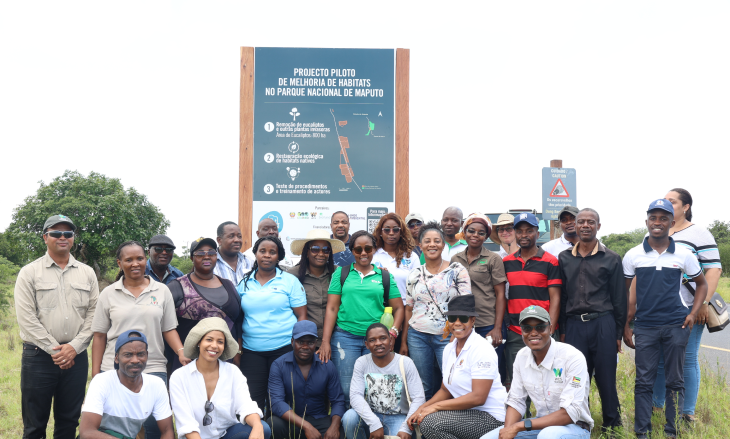
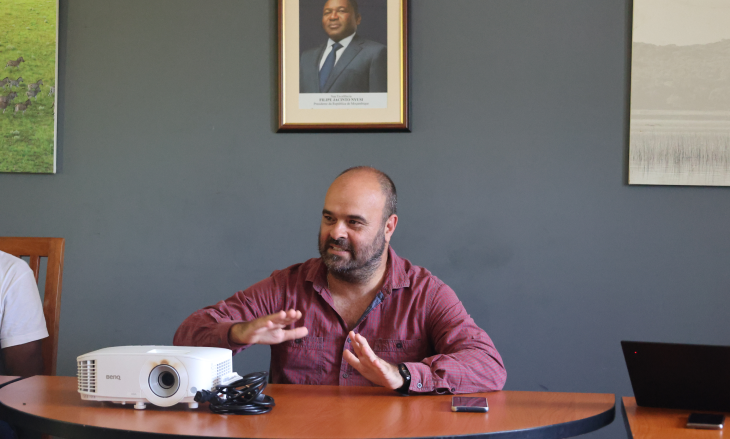
The National Directorate for the Environment (DINAB) in collaboration with the COMBO+ Program led by the Wildlife Conservation Society (WCS) in partnership with the Foundation for Biodiversity Conservation ( BIOFUND ), carried out between the 14th and 15th of December an intensive training for government technicians on Ministerial Diploma No. 55/2022, Module IV – Training on the design of a Biodiversity Offset Management Plan in accordance with Ministerial Diploma No. 55/2022 and a Visit to the Pilot Project for removal of eucalyptus trees in the Maputo National Park.
This module targeted government technicians from Environment sector and from the Technical Commission for Environmental Impact Assessment reaching 30 technicians from the Ministry of Land and Environment (MTA), Ministry of Public Works, Housing and Water Resources (MOPHRH), National Directorate for the Environment (DINAB), National Directorate of Forestry (DINAF), National Administration of Conservation Areas (ANAC), Maputo National Park (PNAM), National Service for Economic Activities of Maputo City (SAECM), National Agency for Environmental Quality Control (AQUA), National Institute of the Navy (INAMAR) and trainers from WCS Mozambique and BIOFUND representing the COMBO+.
The 2-day training consisted of theoretical and practical sessions. The theoretical session took place on the 14th of December at the Radisson Blu Hotel , in Maputo City, where the structure of Biodiversity Offset Management Plan (BOMP) was presented and discussed in accordance with Diploma 55/2022; and the practical session was held on the 15th of December in the Maputo National Park, with a visit to the pilot project for the removal of eucalyptus trees . This initiative was aimed at technical learning about the legal, technical and financial procedures of future biodiversity offset projects in Mozambique. This project is funded by the World Bank/Project MozBio 2, UNDP/Project BIOSFAC, AFD/FFEM through the COMBO+ Programme.
The pilot project led by PNAM in collaboration with the COMBO+ Program has contributed to the definition of the strategy for the removal of invasive species in the Park, definition of action plans for the removal of invasive species, ecological assessment of key biodiversity, definition of metrics and technical training of professionals from the Maputo National Park. With regard to the training of conservation professionals, we highlight the case of Jeremias Madabula , a Graduated in Forestry Engineering from the Instituto Superior Politécnico de Gaza who was also a beneficiary of the 3rd edition of the Leadership Program for Conservation of Mozambique ( PLCM ), assigned to the conservation sector at PNAM and also a technician for the Eucalyptus Removal Project at PNAM.
To find out more about the training of government technicians and pilot projects to improve habitats in conservation areas click here.
BIOFUND and the Government of Sweden sign agreement to support Biodiversity Conservation in Mozambique
-
© BIOFUND
-
© BIOFUND
-
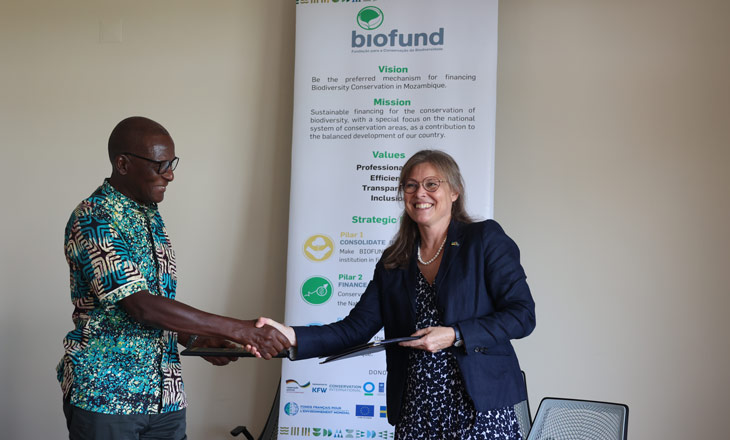
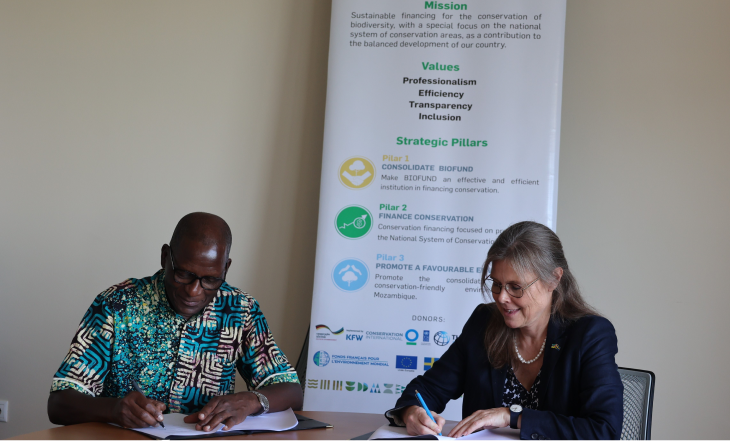
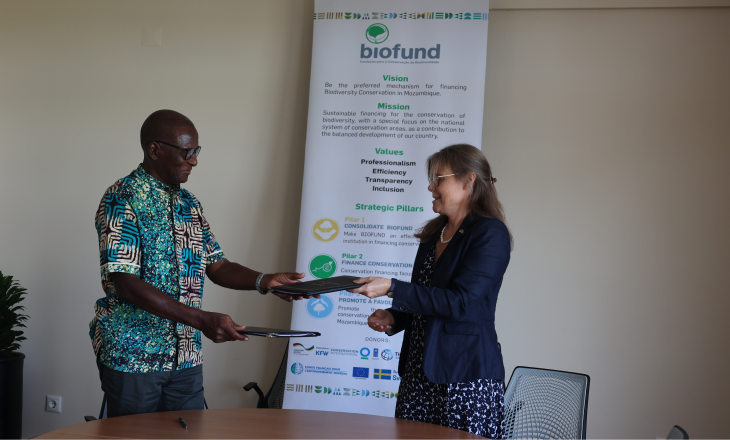
The Foundation for the Conservation of Biodiversity (BIOFUND) and the Swedish International Development Cooperation Agency have recently signed a partnership agreement to support Biodiversity Conservation and improve climate adaptability and resilience in Conservation Areas in Mozambique. This is the first long-term commitment from this important partner to BIOFUND, and is in line with the growth and diversification of funds that the Foundation is planning for the coming years.
With funding of USD 16 million, the project aims to support the conservation of biodiversity and ecosystem services in relevant lands and seascapes, support innovative financing mechanisms to enhance the value of biodiversity and sustainable livelihood alternatives in communities, and strengthen biodiversity conservation management, studies, capacity building and training. The actions aimed at conservation areas meet the priorities of the National Administration of Conservation Areas (ANAC).
These activities will be implemented until 2027, in the Pomene National Reserve, Niassa Special Reserve, Maputo Environmental Protection Area, Malhazine Municipal Park, as well as in some hunting grounds and community conservation areas.
This project will allow the reinforcement and consolidation of the actions that BIOFUND has been developing, as well as supporting existing Conservation Areas as well as new Conservation Areas that may be created.
Norwegian Embassy, BIOFUND and InOM Inaugurate Marine Exhibition Entitled “The Ocean That Unites Us”
-
© BIOFUND
-
© BIOFUND
-
© BIOFUND
-
© BIOFUND
-
© BIOFUND
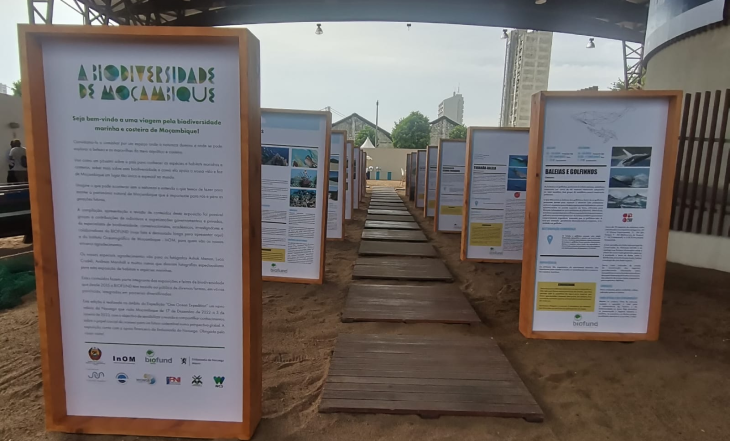
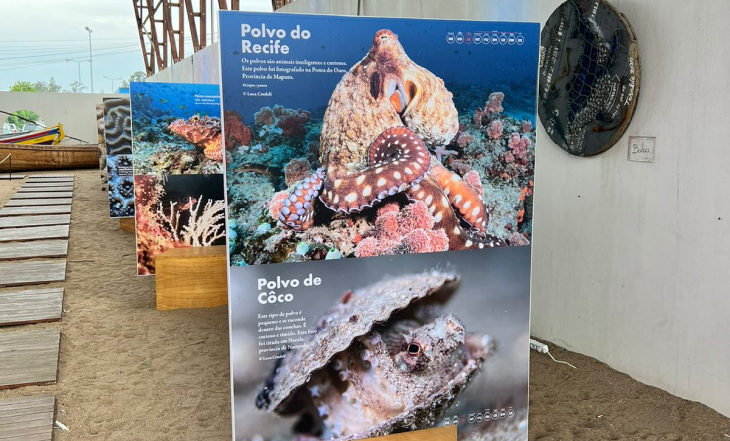
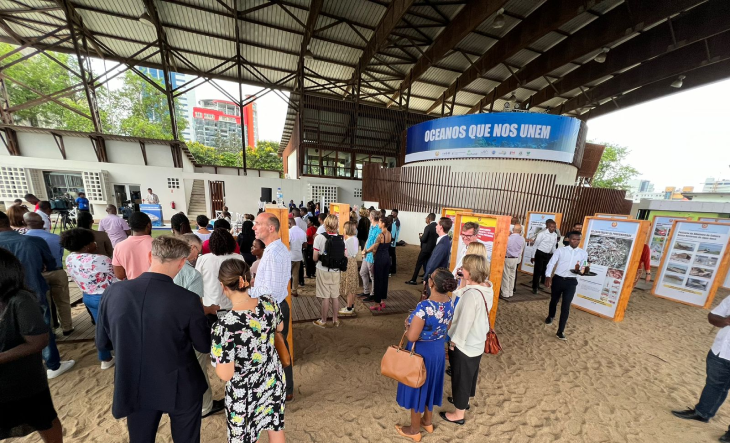
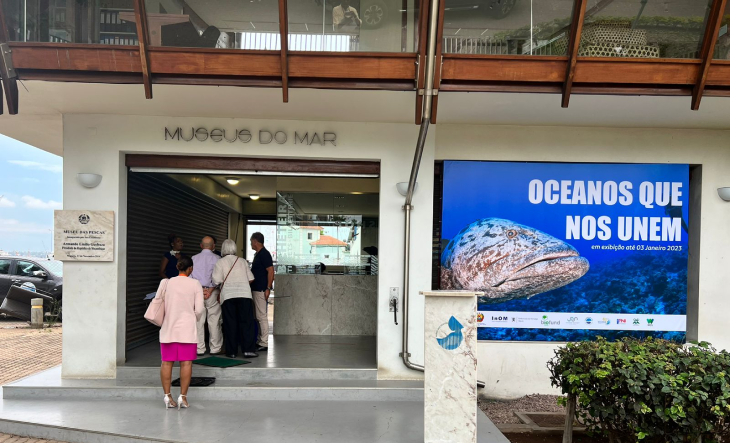
In reference to the arrival of the One Ocean Expedition research sailing vessel in Mozambique, the Norwegian Embassy, in coordination with the Foundation for the Conservation of Biodiversity (BIOFUND) and the Oceanographic Institute of Mozambique (InOM), inaugurated this Thursday, 15 December 2022, at the Fisheries Museum in the City of Maputo, a marine exhibition under the theme “The Ocean That Unites Us”.
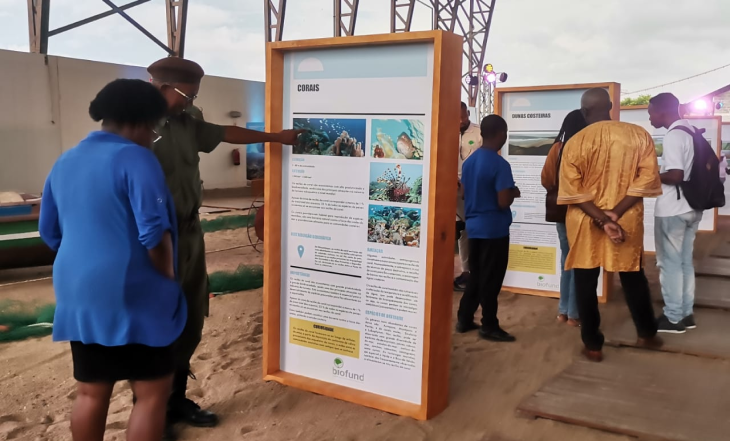
The exhibition aims to highlight Mozambique’s marine biodiversity, showcase its importance and the need for its conservation, and promote reflection on the United Nations Decade of Ocean Science for Sustainable Development (2021–2030), which emphasises the need to use science for the ocean we want.
BIOFUND played a crucial role in the materialisation of the “The Ocean That Unites Us” project, contributing many of the exhibition materials, including informative panels on marine biodiversity and photographs of different marine species and habitats. BIOFUND’s exhibition content forms an integral part of the biodiversity exhibitions and fairs that the Foundation has brought to the public in various forms since 2015, across several provinces, through diverse partnerships.
Speaking at the inauguration ceremony, the Minister of the Sea, Inland Waters and Fisheries, Lídia Cardoso, highlighted the importance of the exhibition for the preservation of marine resources and praised the engagement of the partners in bringing the project to life. “We welcome the exhibition ‘The Ocean That Unites Us’, a platform which, through various informative images, shows us the challenges in conserving marine ecosystems. This exhibition must serve to raise awareness among young people about good marine practices; it is a true lesson on the ocean that evokes sustainability in the use of marine resources. We thank the exhibitors present here, namely BIOFUND, InOM, Eduardo Mondlane University, WCS, Market Marine System, the National Research Fund and WIOMSA. Congratulations to all, and thus we declare the exhibition ‘The Ocean That Unites Us’ inaugurated.”
The inauguration ceremony was attended by the Minister of the Sea, Inland Waters and Fisheries, the Ambassador of the Kingdom of Norway, the Director General of InOM, the Executive Director of BIOFUND, the UNESCO representative, among other notable figures. This marine exhibition is open to the public until 03 January 2023 at the Fisheries Museum — visit it!
BIOFUND participates in the Conference of the Parties to the Convention on Biological Diversity (COP15) in Montreal, Canada
-
© BIOFUND
-
© BIOFUND
-
© BIOFUND
-
© BIOFUND
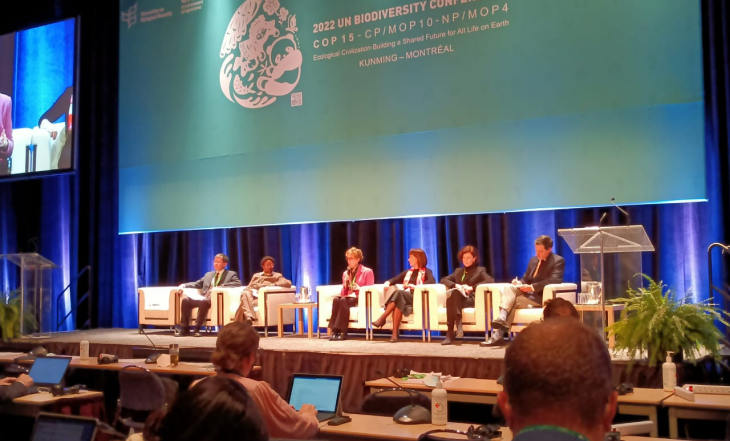
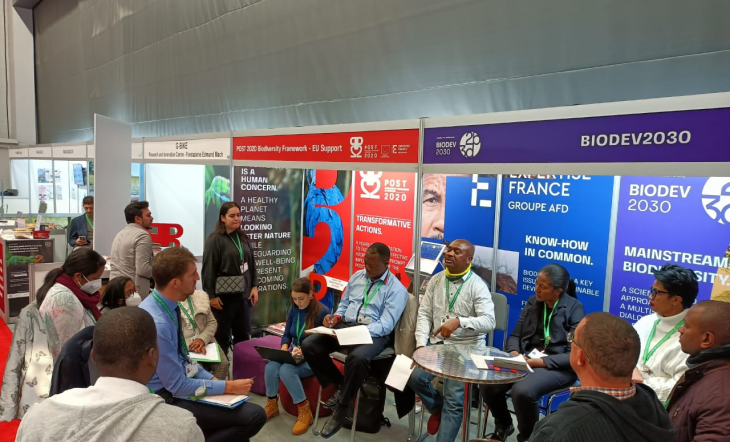
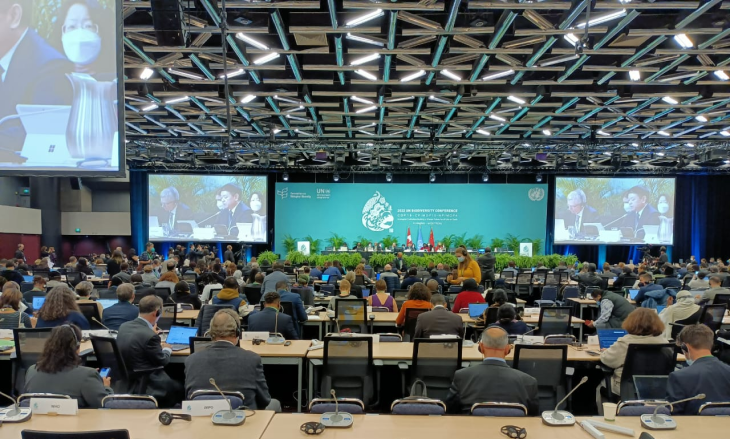
The Foundation for the Conservation of Biodiversity (BIOFUND) has been participating in the United Nations Conference on Biodiversity (COP15) since December 7th, in Montreal, Canada.
Considered the largest meeting of governments across the world, held once every 10 years, this is where several countries come together to discuss biodiversity and the role it plays in protecting our planet.
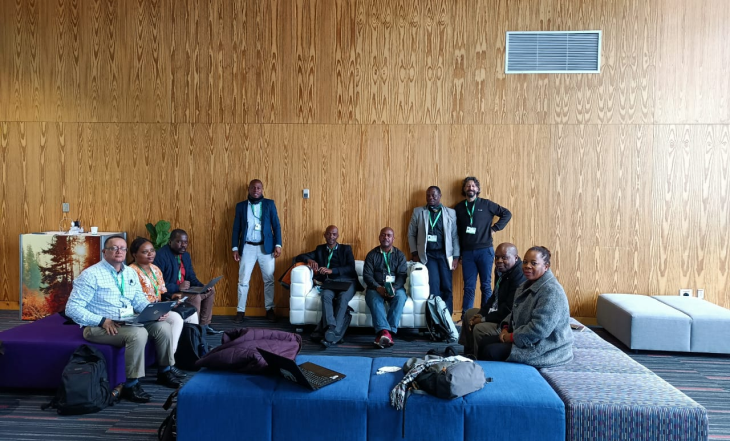
The event, organized by Canada and China, is attended by over 1800 people from various countries. Mozambique attended the conference through a delegation led by the Ministry of Land and Environment (MTA), that includes the National Administration of Conservation Areas (ANAC), Oceanographic Institute of Mozambique (INOM), Ministry of Science, Technology and Higher Education (MCTES), Ministry of Foreign Affairs and Cooperation (MINEC), Institute of Agricultural Research of Mozambique (IIAM), World Wildlife Fund (WWF), Foundation for the Conservation of Biodiversity (BIOFUND), United Nations Development Program (PNUD) and the National Federation of Agrarian Associations of Mozambique (FENAGRI).
The opening ceremony was marked by a speech by António Guterres, Secretary General of the UN, where he enhanced the mandatory need of halting the loss of biodiversity and restoring our natural ecosystems: “Without nature, we are nothing. Nature is our system of life support; however, humanity seems to be engaged on its destruction”. Urgent action and deep collaboration are needed. This is a unique opportunity for the global community to come together to reverse biodiversity loss and protect life on Earth.“
One of the main highlights of the agenda is the “Global Biodiversity Framework (GBF)”, which sets the global goals to be achieved by 2030. Experts hope that the new GBF will set ambitious goals to respond to the current biodiversity crisis.
Through the new GBF, it is intended to reach 30% of protected areas across the planet by 2030, both in land and sea areas. Countries are also expected to commit to eliminating public financial subsidies for sectors and companies that damage the environment and reallocating these subsidies to actions that are positive for the nature.
The group of African countries present at COP15 put forward a proposal to create a new global fund for biodiversity, which can pass-through financial resources in amounts enough to respond to the new challenges of the conservation sector.
BIOFUND participated in the formulation of Mozambique’s position at COP15, and the attendance of some team members was made possible with financial support from UNDP/BIOSFAC Project.
From this conference, it is expected to reach a historic agreement to halt and reverse the loss of nature, at the same level as the 2015 Paris Agreement on Climate. What will be adopted in Montreal will essentially be a global plan to save the planet’s declining biodiversity!
Click here to learn more about COP15
PROMOVE Biodiversidade
-
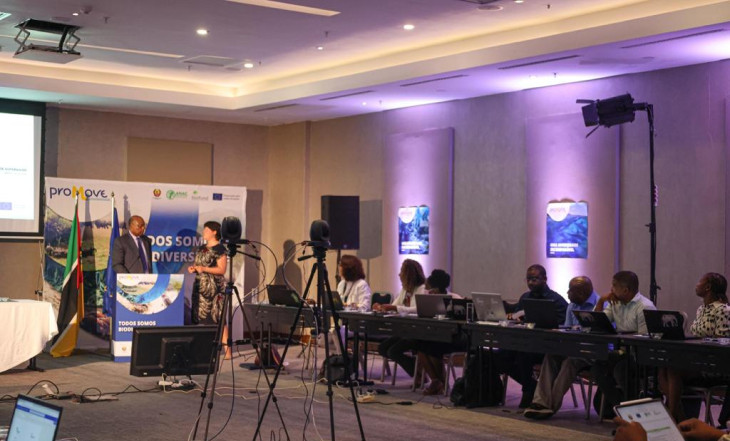
© BIOFUND
-
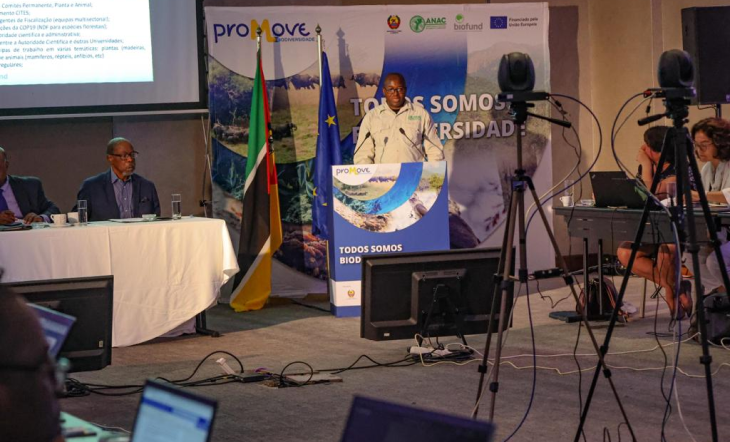
© BIOFUND
-
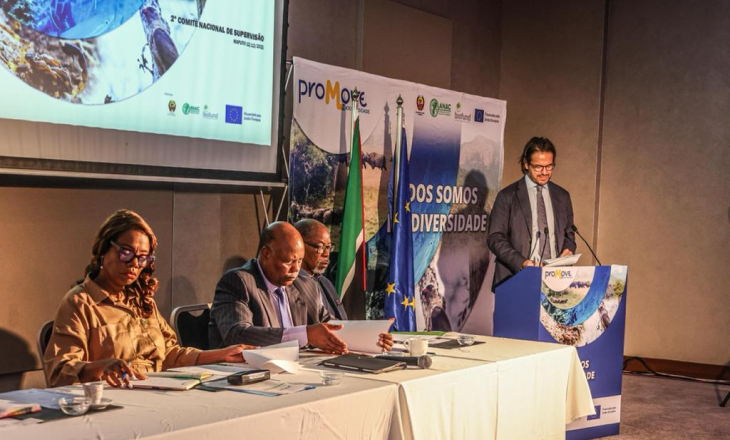
© BIOFUND
-
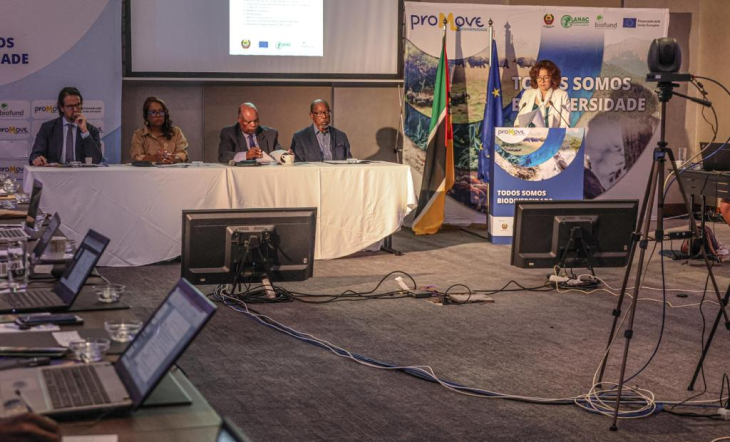
© BIOFUND
-
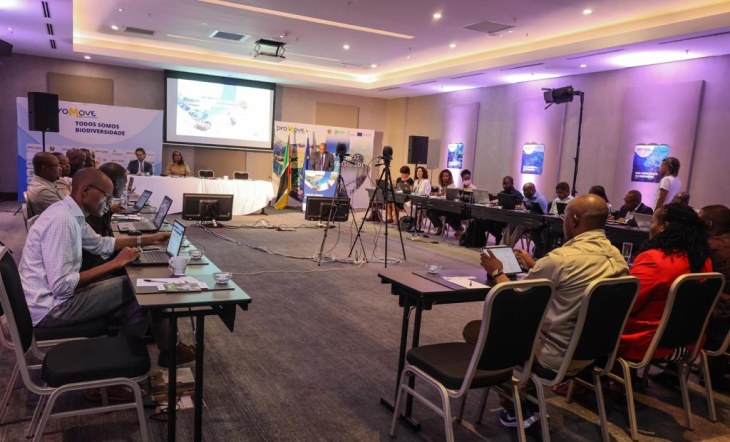
© BIOFUND
-
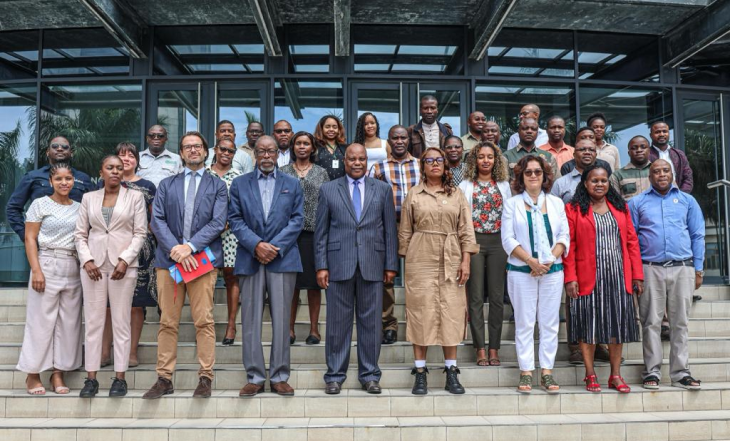
© BIOFUND
The National Orderer’s Office (GON) and the European Union in coordination with the National Administration of Conservation Areas (ANAC) and the Foundation for the Conservation of Biodiversity (BIOFUND) held on December 12, 2022, in Maputo City, the 2nd Session of the National Supervision Committee (CNS) of PROMOVE Biodiversidade.
PROMOVE Biodiversidade is a program financed by the European Union and focused on 3 Conservation Areas in the provinces of Nampula and Zambézia, namely: Gilé National Park – PNAG; Environmental Protection Area of Ilhas Primeiras e Segundas– APAIPS and its adjacent coastal areas and Mount Mabu – MABU. These areas were selected for their importance in terms of biodiversity, but also for their high population density, that is, where natural resources are under the pressure of local communities that see resources as an alternative source for their livelihood and income generation, putting their importance in maintaining the integrity of ecosystems and conserving biodiversity at risk.
In order to ensure proper implementation of the PROMOVE Biodiversidade Program, a National Supervision Committee (CNS) was established in 2021, a strategic body whose duty is to ensure coordination and collaboration between the different stakeholders of the Program at the level of Conservation Areas as well as at the national level.
The event was attended by representatives of the European Union, ANAC, BIOFUND, MNEC-GON, MTA, MIMAIP; FNDS, PNAG, APAIPS, the District Government of Lugela, FFS-IGF Foundation, RADEZA, REGECOM, the Provincial Secretariat for the Environment of Zambézia and Nampula, among other participants.
BIOFUND TO DISBURSE AROUND USD 16 MILLION FOR BIODIVERSITY CONSERVATION ACTIVITIES IN 2023
-
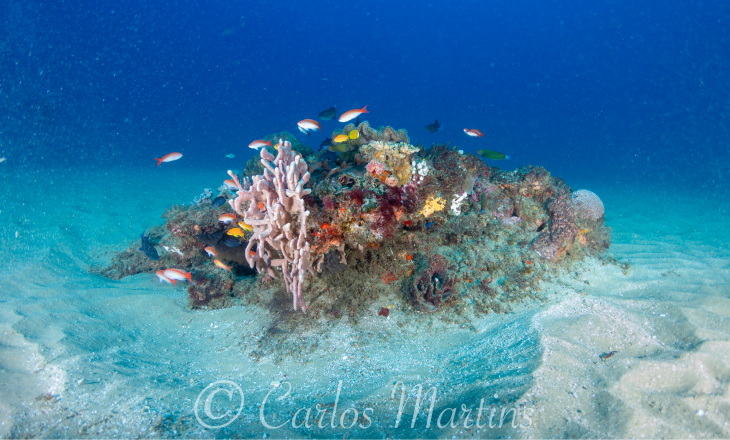
© Carlos Martins
The Board of Directors of the Foundation for the Conservation of Biodiversity – BIOFUND approved, at its XXVI Session held on 1 December 2022, the budget of USD 16 million to support various biodiversity protection activities in the country in 2023.
With this amount, BIOFUND will support not only the functioning of Conservation Areas in the public and private sectors, but also some community areas.
To ensure the achievement of the planned results for 2023, BIOFUND will continue implementing projects aimed at supporting the management, administration, and improvement of law enforcement systems in Conservation Areas, as well as the engagement of communities in the sustainable management of natural resources, with emphasis on environmental education and strengthening the capacities of Natural Resource Management Committees. Among these projects, the highlights are MozNorte and MozRural (both supported by the World Bank), which foresee initiatives for the creation of new Community Conservation Areas in the Tchuma Tchato Programme landscape in Zumbo District, Tete Province; in Block L4 of the Niassa Special Reserve, Mecula District; and in the Chipange Chetu Programme landscape, Sanga District, Niassa Province.
Another major project for 2023 is PROMOVE Biodiversity (supported by the European Union), which will support the translocation of around 200 large mammals to the Gilé National Park; the hiring of 30 rangers and a technical and administrative team to support the administration of the Environmental Protection Area of the Primeiras and Segundas Archipelago (APAIPS); and the establishment of a research centre at Mount Mabu. This project will also support the identification and financing of four community income-generating initiatives in the three beneficiary areas.
Regarding initiatives to create an enabling environment for conservation, in 2023 BIOFUND plans to intensify environmental awareness actions through continued biodiversity exhibitions and other environmental education activities. Through the Leadership Programme for the Conservation of Mozambique (PLCM), the aim is to enhance the leadership capacity of professionals within the National Conservation Areas System (SNAC) through short courses for SNAC staff, motivate and attract more young people to the Conservation System through continued pre-professional internships, research grants and Master’s scholarships.
It should also be noted that the budget planned for 2023 will be financed by the World Bank (IDA, GEF) with 51%, the Swedish Government (SIDA) with 12%, the European Union with 12%, BIOFUND’s own funds with 13%, AFD/FFEM with 8% and the remaining 4% from other donors. This financing contributed to an increase of approximately USD 2 million in the 2023 budget compared to the amount allocated for 2022.
In terms of achievements, 2022 was a great milestone for BIOFUND, marked by the celebration of its 10th anniversary under the slogan “Let’s do more for biodiversity”. In line with this slogan, throughout the year BIOFUND carried out various activities in favour of biodiversity conservation, having created a conservation room at Sussundenga Secondary School, established a permanent exhibition room in its new office, launched two major projects – MozNorte and MozRural – signed an agreement for a new USD 19 million project with a duration of five years funded by the Swedish Government, and, among other activities, reached around 14,000 people through environmental awareness initiatives in various parts of the country.
In 2023, BIOFUND intends to do even more for biodiversity, by implementing different actions that will contribute to the protection and sustainable use of natural resources in terrestrial and marine areas across the country.
Mozambique now has a new Directive on Independent Specialist Reviewers in the Environmental Impact Assessment (EIA) process for Category A+ activities (Ministerial Diploma No. 118/2022)
-
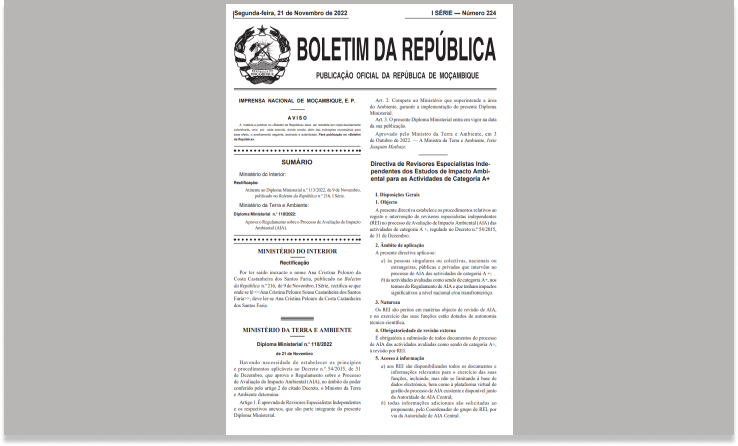
© BIOFUND
On 21 November 2022, Ministerial Diploma No. 118/2022 was officially published by the National Press of Mozambique, approving the Directive on Independent Specialist Reviewers of Environmental Impact Studies for Category A+ Activities. This is a legal instrument that complements the Environmental Impact Assessment (EIA) process and establishes the procedures related to the registration and intervention of Independent Specialist Reviewers (ISR) in the Environmental Impact Assessment (EIA) process for Category A+ Activities or Projects, already regulated by Decree No. 54/2015 of 31 December.
With this legal instrument, Mozambique now has the capacity to classify as A+ all public or private activities or projects which, due to their complexity, location, and/or the irreversibility and magnitude of their environmental and social impacts, require an independent environmental and social assessment carried out by external entities known as Independent Specialist Reviewers (ISR), with proven experience and duly registered with the Environmental Impact Assessment Authority in Mozambique.
This initiative was led by the National Directorate for the Environment (DINAB) of the Ministry of Land and Environment (MTA), with the support of the COMBO+ Programme, an international initiative led by the Wildlife Conservation Society (WCS), financed by the French Development Agency (AFD) and the French Global Environment Facility (FFEM), with the Foundation for the Conservation of Biodiversity (BIOFUND) as a partner entity, and funded by the World Bank/MozBio 2 Project and UNDP/BIOSFAC Project.
See Ministerial Diploma No. 118/2022 here.
BIOFUND INAUGURATES EXHIBITION HALL AND NEW OFFICE
-
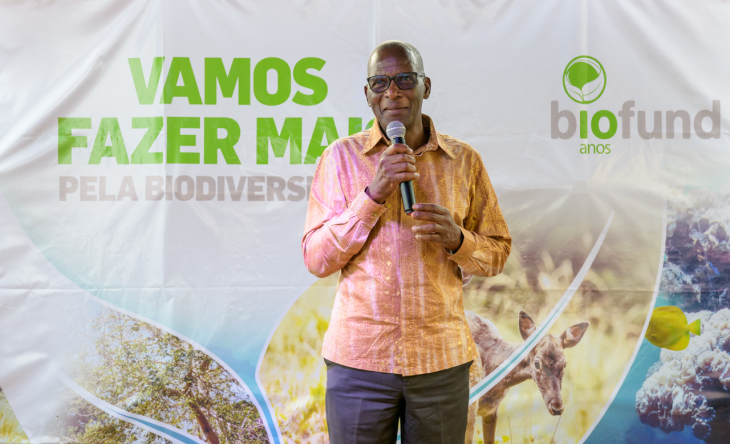
© BIOFUND
-
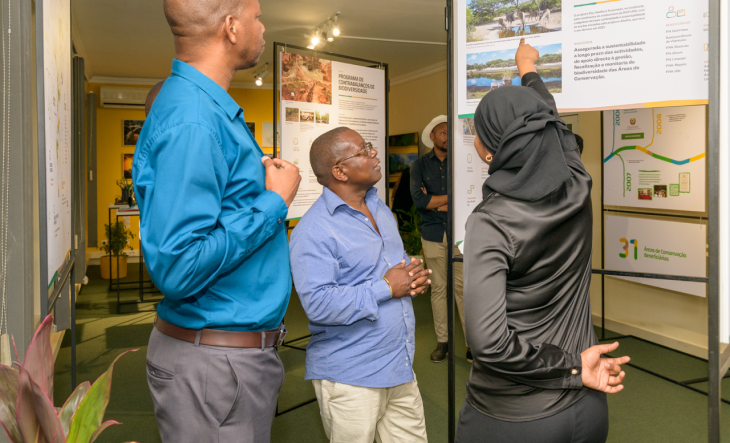
© BIOFUND
-
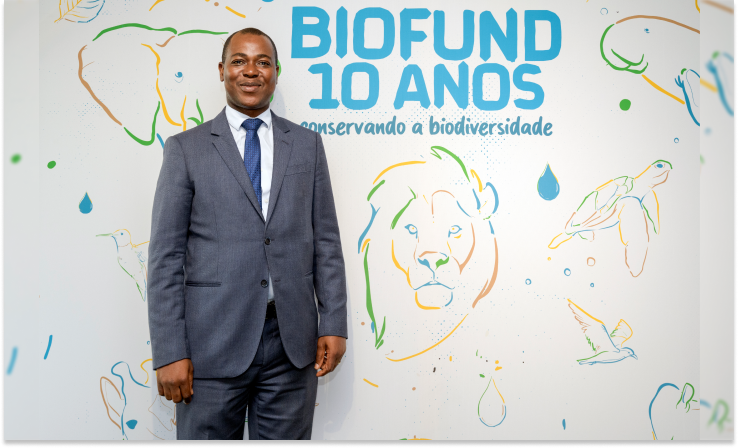
© BIOFUND
Participating in this event were some members of BIOFUND, and its main partners and donors.
During the event, the guests had the opportunity to visit the exhibition and the new BIOFUND office, and also enjoy a moment of relaxation.
The first exhibition in this permanent hall, which should be on display for about six months, has, as its main focus, the presentation of the main institutional timelines and projects supported by BIOFUND during its first 10 years of existence. Later, the content of the exhibition hall will be regularly updated so as to present content relevant to the promotion of knowledge and awareness about the conservation of biodiversity.
The exhibitions are a component of communication and education, part of a series of actions in which BIOFUND is investing to promote a favourable environment for the conservation of biodiversity. Since 2015, more than 16,850 people have visited biodiversity exhibitions held by BIOFUND, where they have obtained information about biodiversity and about the actions that BIOFUND and its partners have been undertaking for its conservation.
The doors of the exhibition hall will be open for public visits as from 18 January 2023. Visits are expected from various interest groups, from primary and secondary school pupils, to institutions linked to the conservation of biodiversity.